














In retrosynthetic analysis of target molecules containing two functional groups, chemists strategically disconnect at the alpha carbon to identify enolate nucleophiles and determine the appropriate electrophile: carbonyls indicate aldol reactions, esters indicate Claisen condensations, and alpha,beta-unsaturated carbonyls indicate Michael additions; when combined, these reactions enable complex syntheses like Robinson annulation, which uses tandem aldol and Michael additions to construct six-membered rings from methyl vinyl ketone precursors.
Retrosynthesis Summary: Aldol, Claisen, Michael, & Robinson Annulation
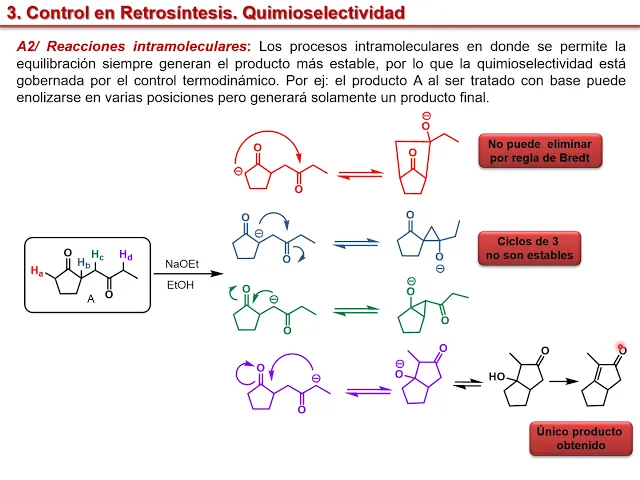
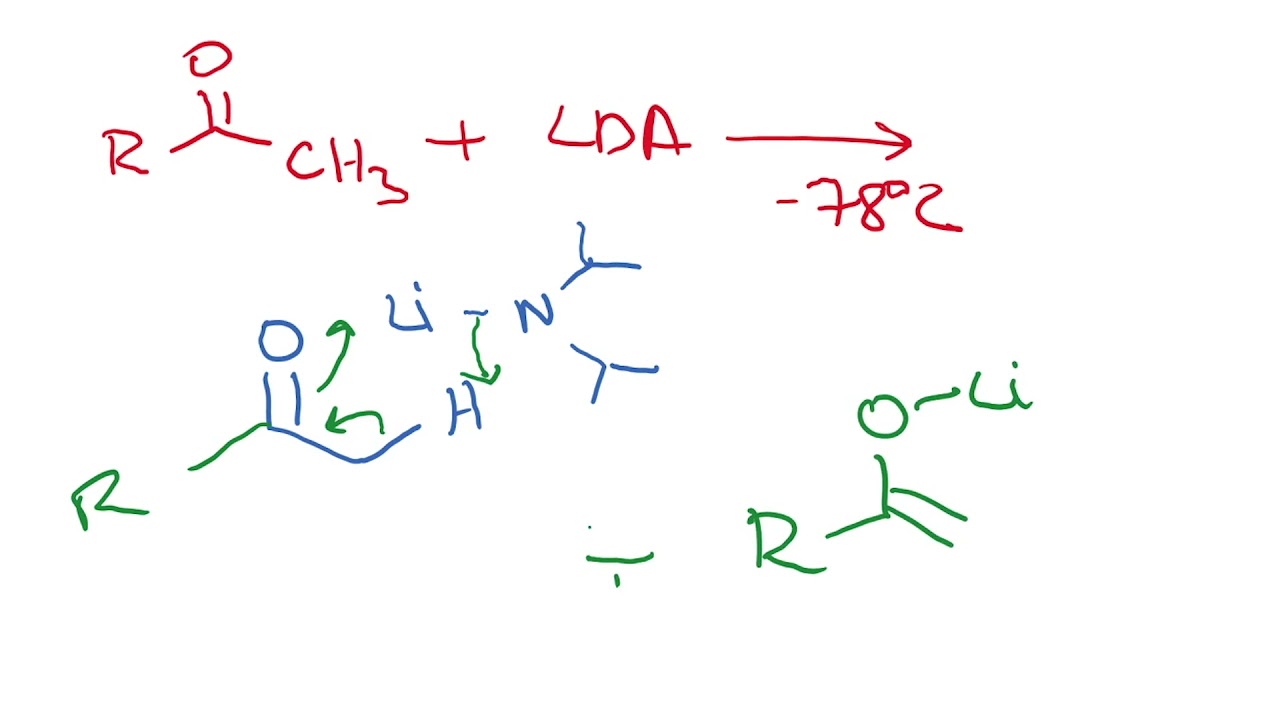
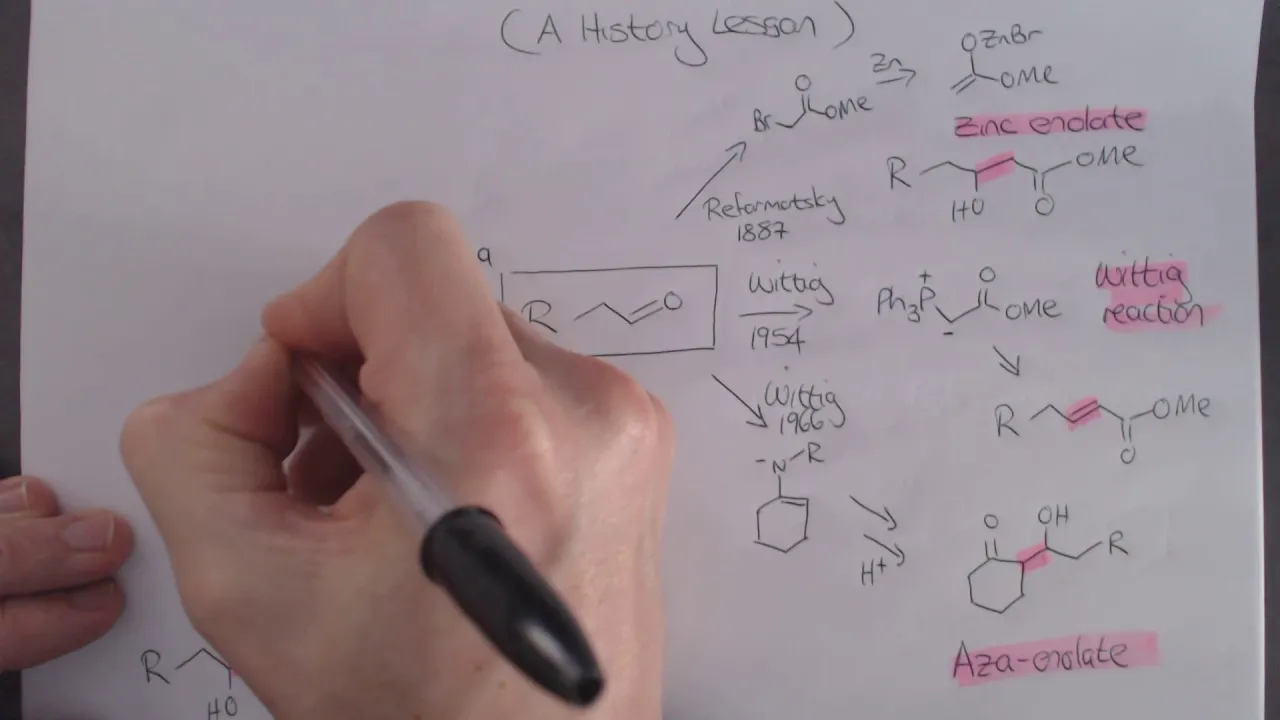
Added:Understanding enol and enolate chemistry, including alpha-hydrogen acidity, keto-enol tautomerism, and enolate generation under kinetic vs. thermodynamic conditions.
Familiarity with the forward mechanisms of key carbonyl addition and substitution reactions, specifically the Aldol condensation and Claisen condensation.
Knowledge of conjugate addition (Michael addition) principles, including the behavior of nucleophiles in 1,2-addition versus 1,4-addition reactions.
Basic principles of retrosynthetic analysis, including the concepts of synthons, synthetic equivalents, and strategic bond disconnections.
Application of Robinson annulation and dicarbonyl retrosynthesis in the total synthesis of complex molecules, such as steroids, terpenes, and polycyclic pharmaceuticals.
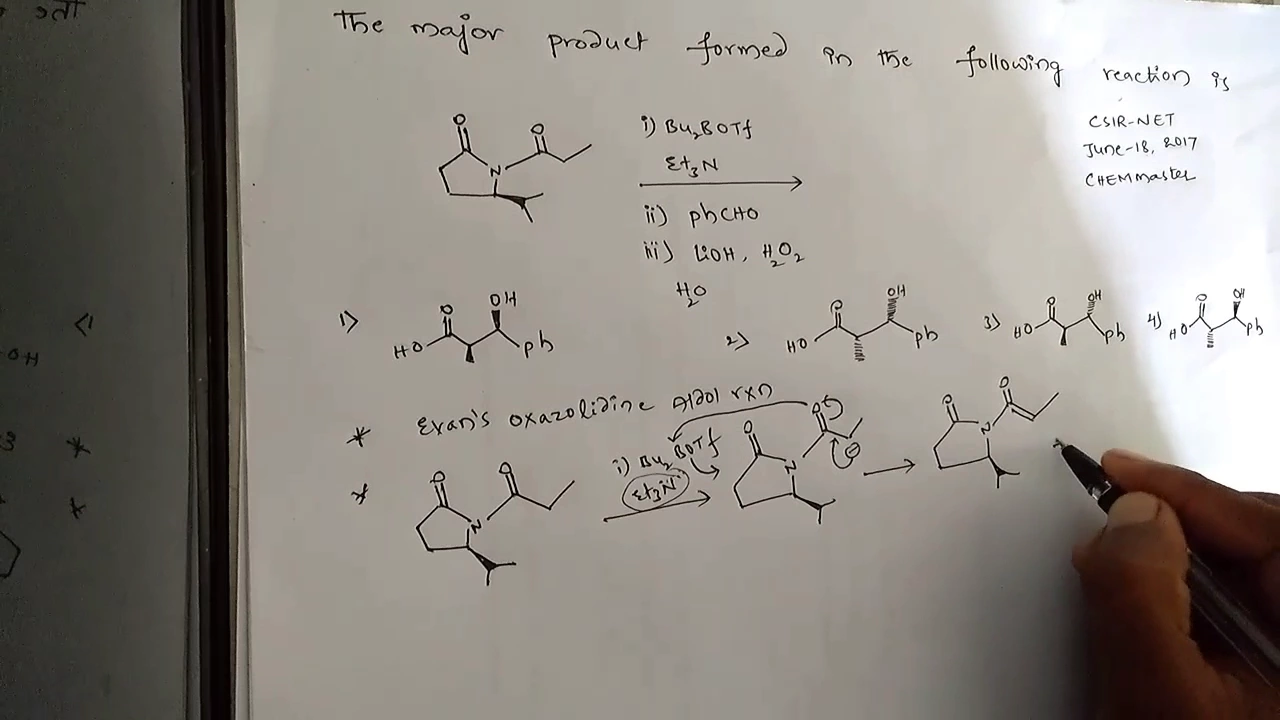
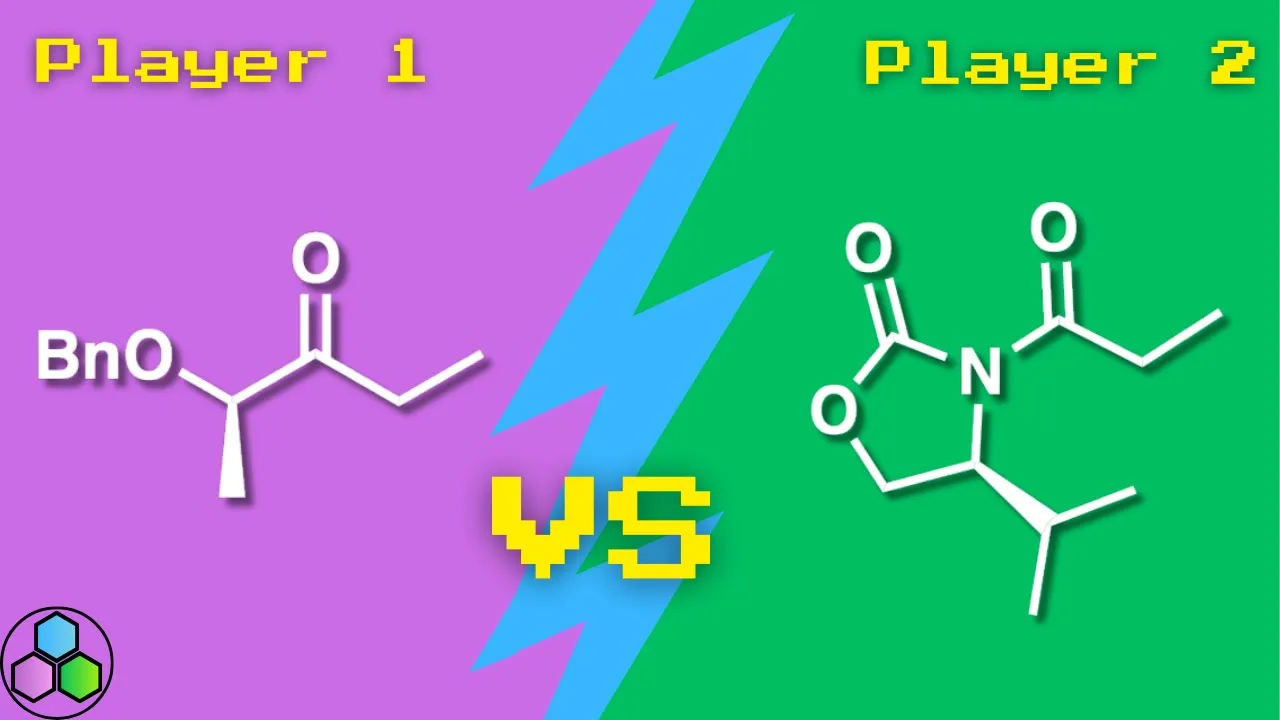
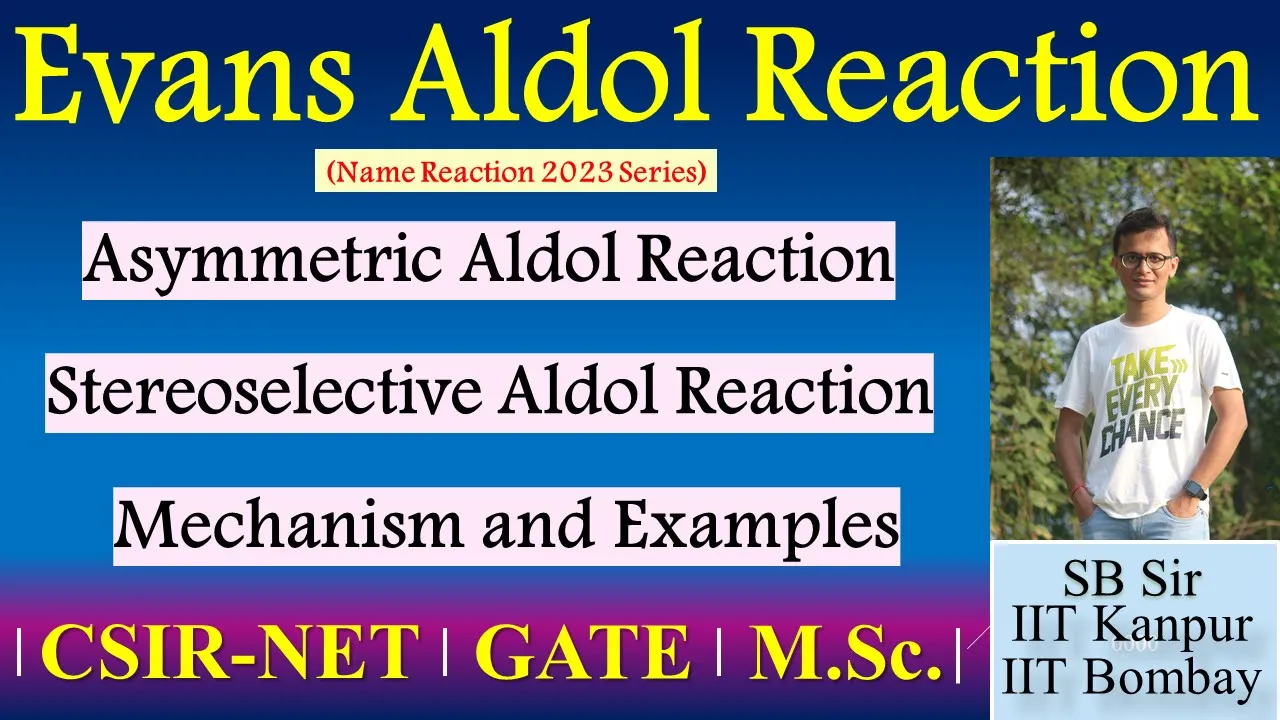
Exploration of asymmetric enolate chemistry, including stereoselective Aldol reactions using chiral auxiliaries (e.g., Evans oxazolidinones) or organocatalysts.
Study of modern enolate equivalents, such as silyl enol ethers (Mukaiyama Aldol reaction) and enamines (Stork enamine synthesis), to achieve precise regiochemical control.
Synthesis of heterocyclic compounds utilizing 1,3- and 1,5-dicarbonyl intermediates as precursors for ring structures containing nitrogen, oxygen, or sulfur.
1.7K views25likes6:16Original Release: 2020-03-11
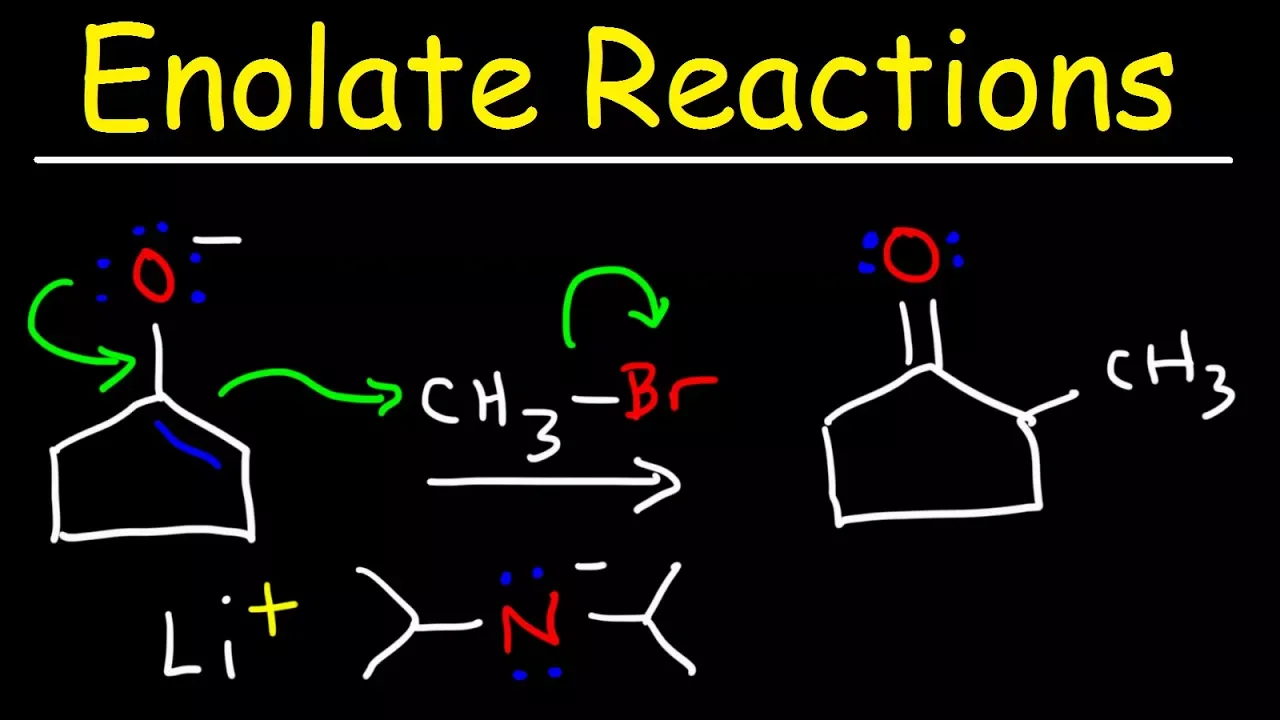
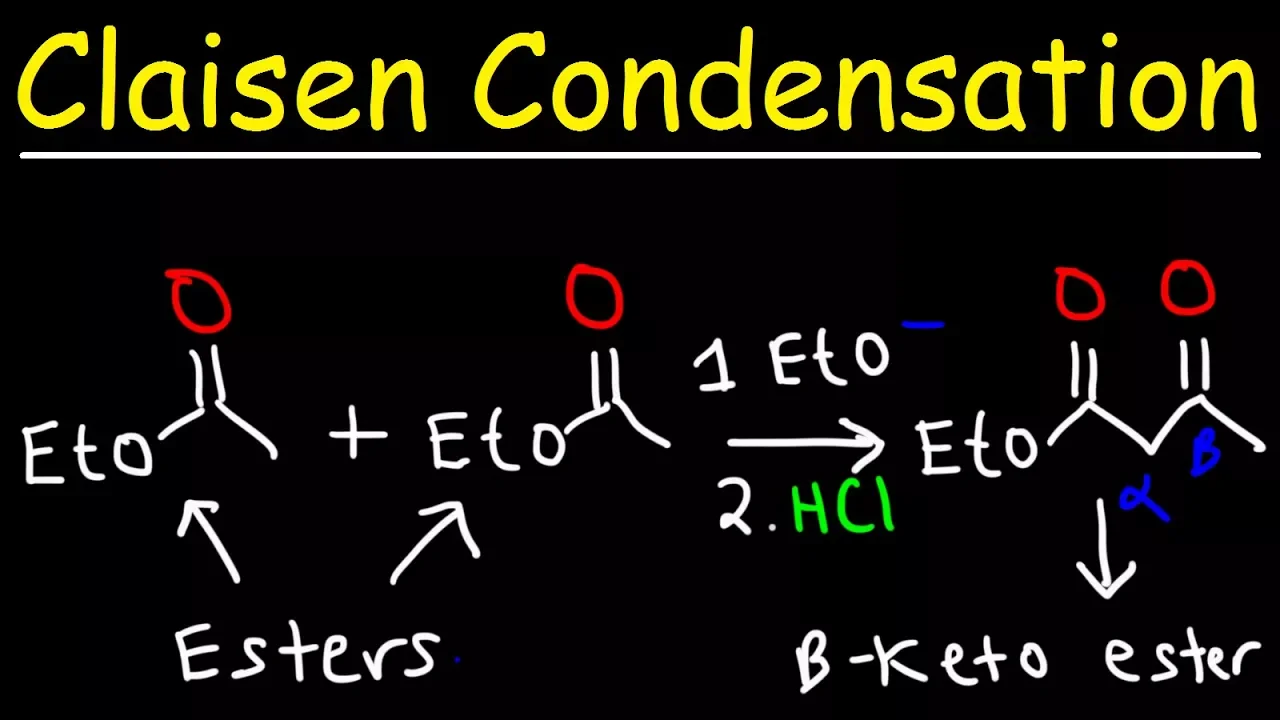
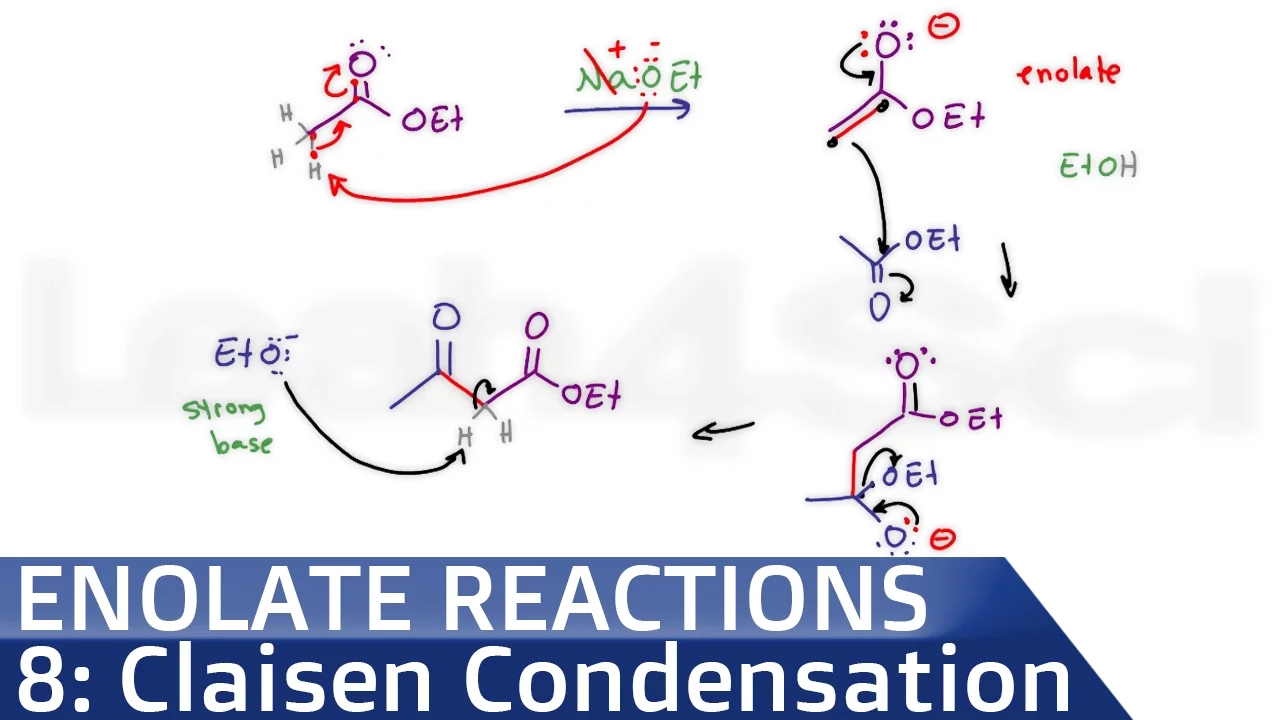
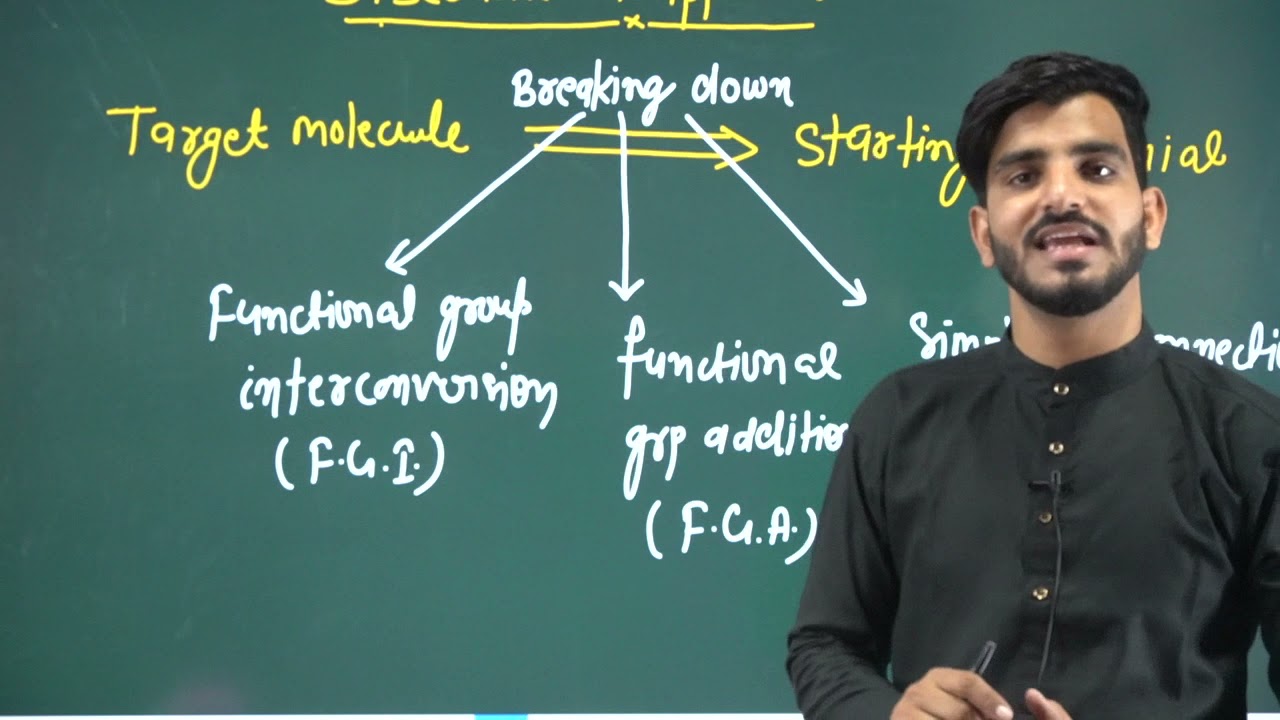
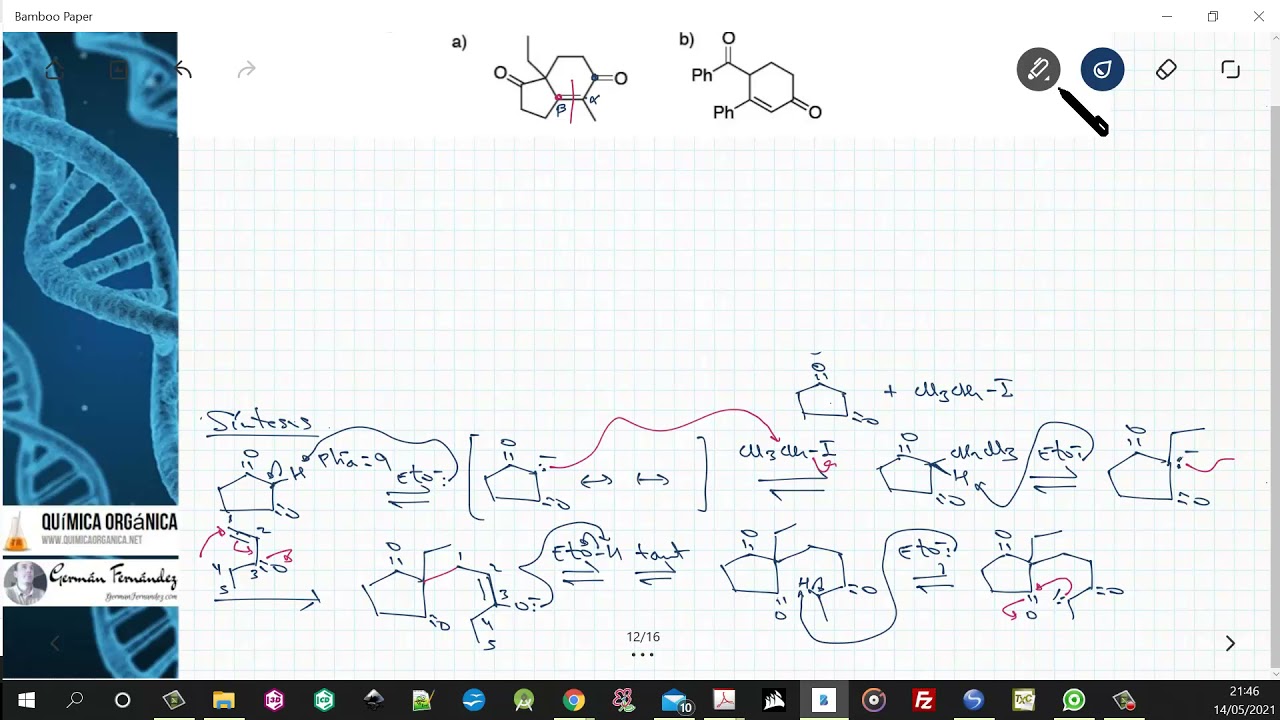
now that we've seen a variety of reactions that result in products containing two functional groups let's turn it around and look for those patterns in our target molecules for example if our target molecule is a beta hydroxy carbonyl or an alpha beta unsaturated carbonyl then either those could have been made by using an aldol reaction so to do that disconnection we focus on the alpha carbon because we know that has nucleophilic character so I'm going to disconnect right here between the alpha and beta carbon and what electrophile would I have started with to give this type of product it would be a carbonyl so if I had an aldehyde here as my electrophile that's my partially positive center when an enolate nucleophile attacks an aldehyde electrophile we call that an aldol reaction and the product we get is either a beta hydroxy carbonyl or an alpha beta unsaturated carbonyl okay so how about this next pattern we have a 1 3 die carbonyl so we have two carbonyls and the relationship is 1 3 to each other well that's the pattern of functional groups that result when we do a claisen reaction so our disconnection is again once again going to be at the Alpha position so between the alpha and beta carbons and the question is what now does our electrophile look like what we need to do is we're still going to have a carbonyl what we're going to do is we're going to add a leaving group on here so for example if we had the ester then after that you know late nucleophile attacks the ester it's going to kick off that leaving group so we're going to get an acyl substitution resulting in an alpha and a 1:3 dicarbonyl compound ok and finally let me look at this last pattern we have 1 2 3 4 5 we have a 1 5 dicarbonyl product target molecule so our disconnection is going to be at the alpha carbon and the electrophile we need in that case is going to be the beta carbon of an alpha beta unsaturated so this carbon is partially positive and when an you know nucleophile we're gonna use specifically as stabilized you know Lee when that attacks the beta carbon of a alpha beta unsaturated we call that the michael reaction and the product we get out the pattern we get out is a 1 5 dicarbonyl okay so when you take a look at the overall theme here is in every case we're focusing on that alpha carbon because that is the logical place for a disconnection giving us an enolate nucleophile and then in each case the only thing that's varying is revering the electrophile that it's reacting with if we use a carbonyl the up the aldol reaction if we use an ester that's the claisen condensation and if we do the alphabet unsaturated that's the micro reaction okay so let's take a look at another pattern that is related to this and kind of uses some of the same reactions combinations and same reactions and that's if we have a cyclohexanone wave a cyclohexanone target molecule so right here we see the six membered ring with the alpha beta unsaturated carbonyl okay so in order to do this we're going to end up doing two disconnections the first disconnection is an aldol disconnection what i'm going to focus on is once again the alpha carbon and so i'm going to do the disconnection at the alpha carbon and that when i have an alpha beta unsaturated carbonyl that comes from an aldol reaction so i'm gonna have a carbonyl as my electrophile and i'm gonna have an enolate as my nucleophile so that aldol disconnection would be the first step because that would once I do that aldol reaction it's going to get inform the cyclohexenone ring okay but there's a second disconnection i can do and in order to identify where that next disconnection comes i move back to an alpha carbon this time on the other carbonyl and when I do this disconnection now my pattern is a 1 5 dicarbonyl and that is the pattern that results from the michael addition and so my starting materials my nucleophile is going to be the alpha carbon of a carbonyl and my electrophile is going to be an alpha beta unsaturated system okay and so the the substrate I have here is a methyl vinyl ketone methyl vinyl ketone right it's a ketone that has a methyl group on one side and a vinyl group on the other side that's the component that we need those are the basic components we need to do this robinson annulation which is what it's called when we do the back to back Michael addition with a tandem aldol condensation intramolecular aldol condensation and so that's mvk and so when we focus in on our on our cyclohexenone we can identify which carbons came from the methyl vinyl ketone and here they are so there's the methyl group and here we have the vinyl group and so these are the carbons that came from mvk methyl vinyl ketone so we get to kind of track your carbon chain we could do that and that's also going to help us track the two dis connections that are needed we're gonna do one disconnection from between that alpha and beta carbon and we're going to the second disconnection between the alpha alpha carbon and the beta carbon of the methyl vinyl ketone
Up Next

27:04
Disconnection Approach Part 3: 1,3- & 1,5-Disubstituted Examples
@dr.ameerfawadzahoor6416
2.1K views•2020-06-23
24:04
The Jablonski Diagram: Radiative and Non-Radiative Transitions | Photochemistry
@benedictugi8420
262 views•2025-07-15
10:06
1H NMR: Determining Number of Peaks from Structure
@MSJChem
59.2K views•2017-04-06
17:31
Edible Water Bottles: A DIY Guide to Sodium Alginate Spherification
@ryan
10.5M views•2019-06-21
Related Study Plans & Knowledge Roadmaps
Structured learning paths in Chemistry
chemistry
Photochemistry: Excited States & Reactions
01Foundations of Light-Matter Interactions
02Molecular Orbitals and Electronic States
03Photophysical Processes and Jablonski Diagrams
+ 2 more learning modules
18h5 modules
Explore Roadmap
chemistry
Coordination Chemistry: Bonding & Properties
01Introduction to Transition Metals and Ligands
02Crystal Field Theory (CFT) and Geometry
03Magnetic Behavior and Spin States
+ 2 more learning modules
14h5 modules
Explore Roadmap
chemistry
Polymer Chemistry: Synthesis & Properties
01Introduction to Macromolecules & Monomers
02Polymerization Synthesis Mechanisms
03Polymer Characterization Techniques
+ 2 more learning modules
12h5 modules
Explore Roadmap
chemistry
Separation Science: GC, HPLC & Mass Spec
01Foundations of Separation Science
02Gas Chromatography (GC) Principles & Systems
03High-Performance Liquid Chromatography (HPLC)
+ 2 more learning modules
24h5 modules
Explore Roadmap