



![[오르비 클래스] Zola 생윤 2 - 킬러ㆍ통수의 모든 것 0강 강의 안내](https://i.ytimg.com/vi/U9glHAdDKwU/maxresdefault.jpg)


![Fronteiras do Pensamento - Sylvia Earle [parte I]](https://i.ytimg.com/vi/RhHRCcIu5T4/hqdefault.jpg)



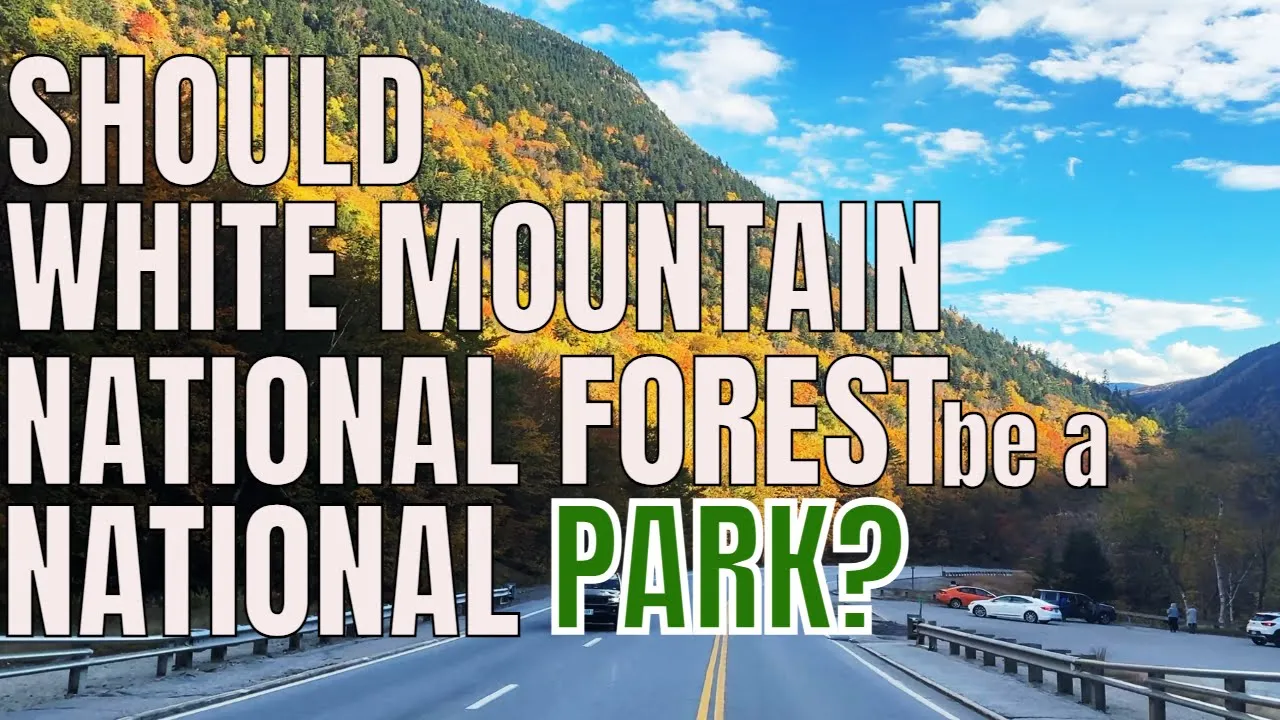






Environmental conservation and preservation represent two fundamentally different approaches to managing public lands: conservation advocates for responsible use of natural resources in a sustainable manner that meets present needs without depleting supplies for future generations, while preservation maintains that lands and natural resources should be protected in their pristine form without human consumption, valuing land for its intrinsic worth rather than its utility to humans.
Conservation vs Preservation: Definitions and Key Differences
Added:Basic understanding of natural resources, ecosystems, and biodiversity.
The concept of environmental ethics, specifically the distinction between anthropocentric (human-centered) and ecocentric (nature-centered) worldviews.
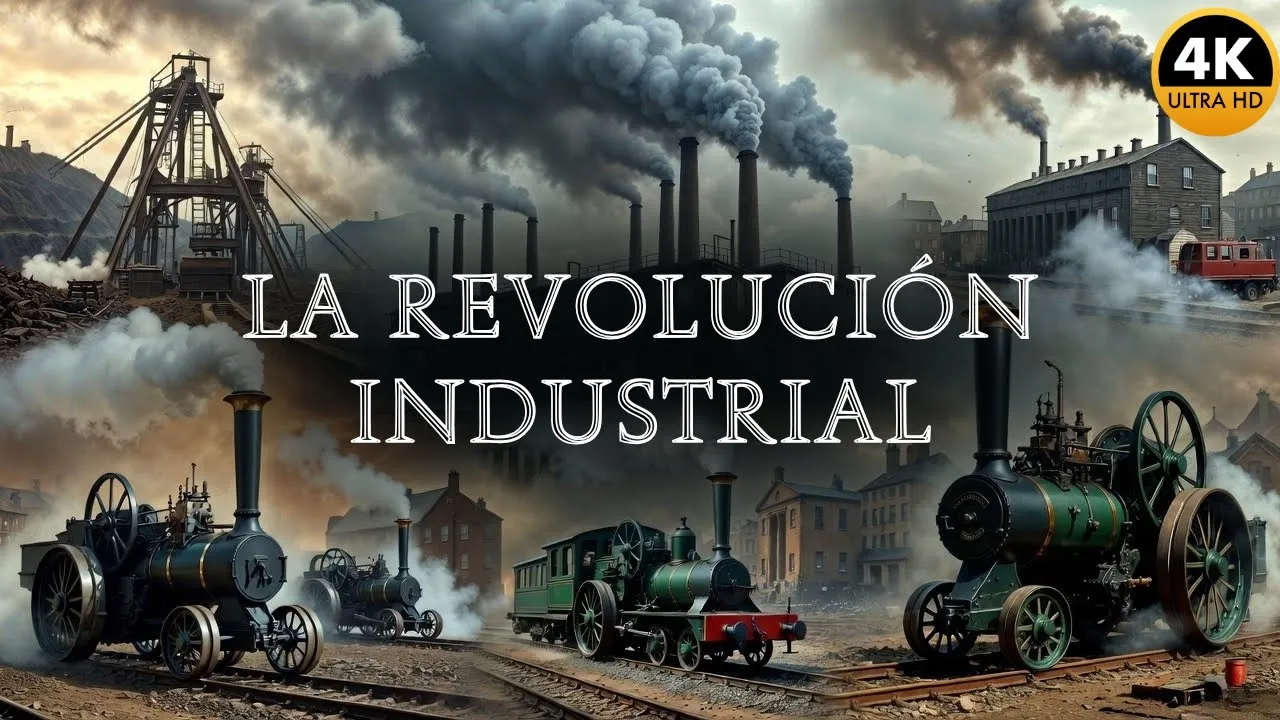
Historical context of the Industrial Revolution and its escalating impact on natural landscapes.
An introductory understanding of sustainability and human dependency on natural systems.
Analysis of public land management systems, such as the differing mandates of the National Park Service (preservation) vs. the U.S. Forest Service (conservation).
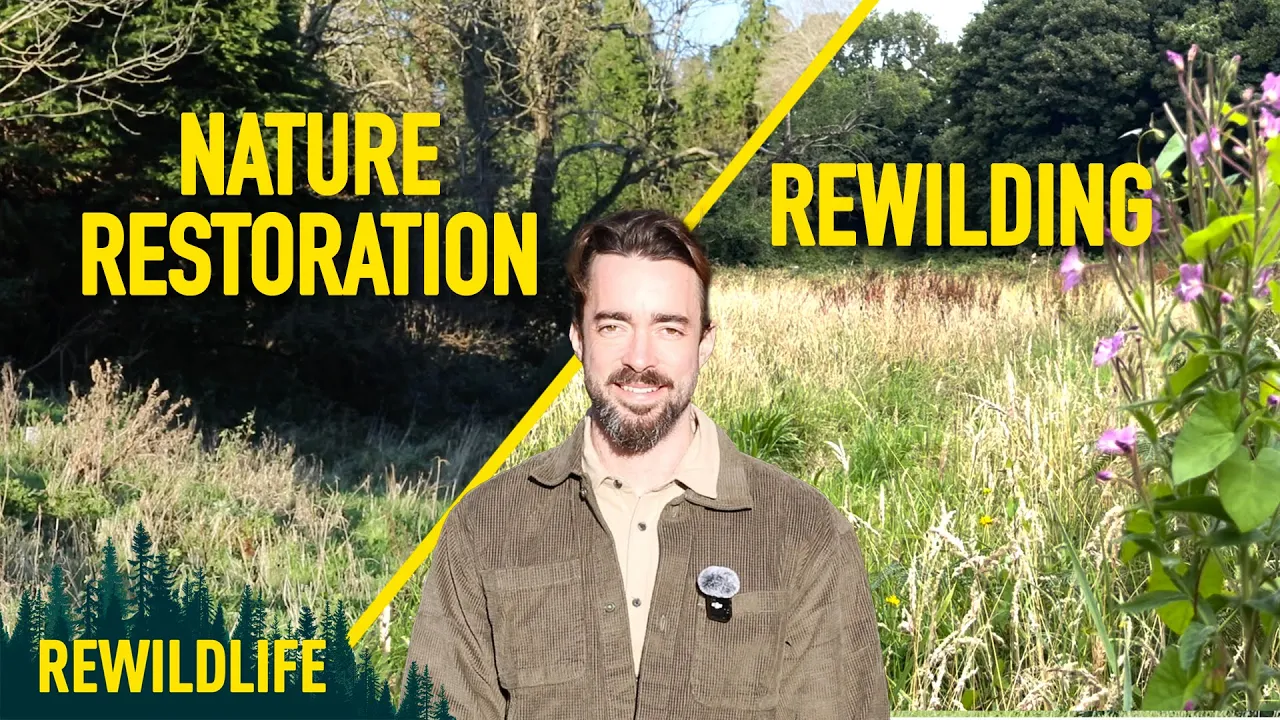
The evolution of these concepts into modern frameworks like sustainable development, ecological restoration, and rewilding.
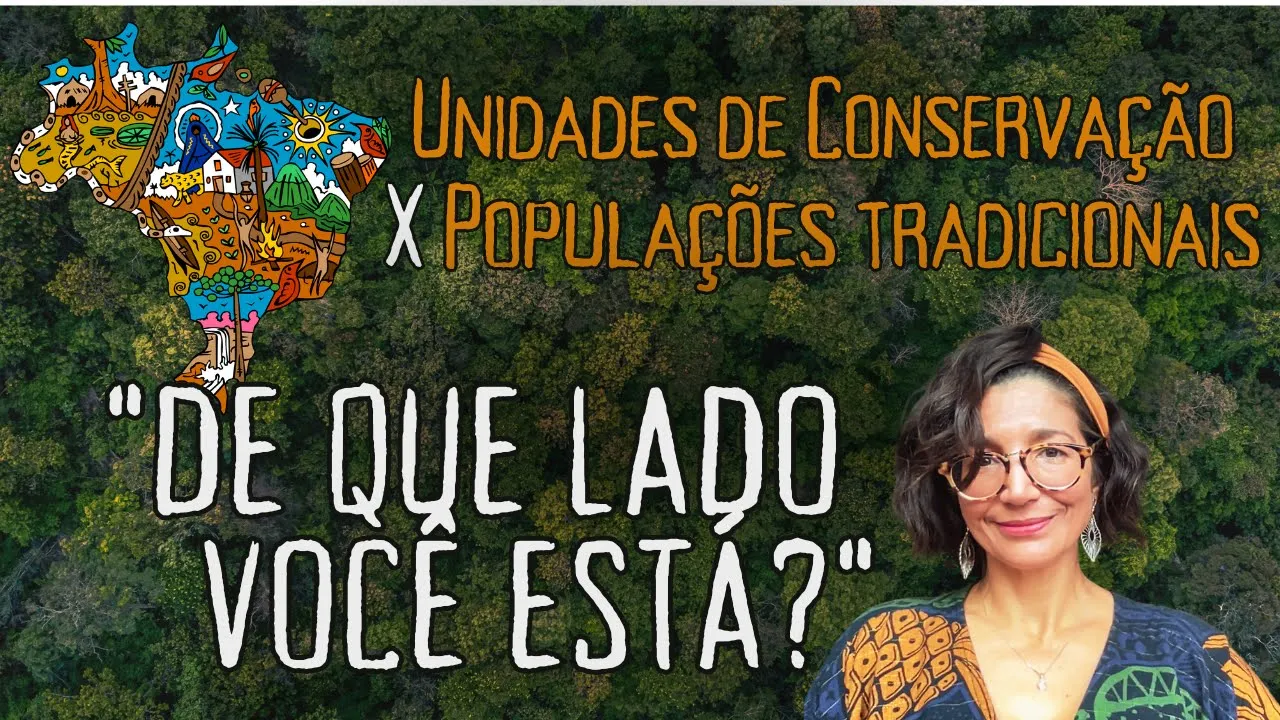
Critiques of preservation, such as 'fortress conservation' and its historical impacts on Indigenous populations and local communities.
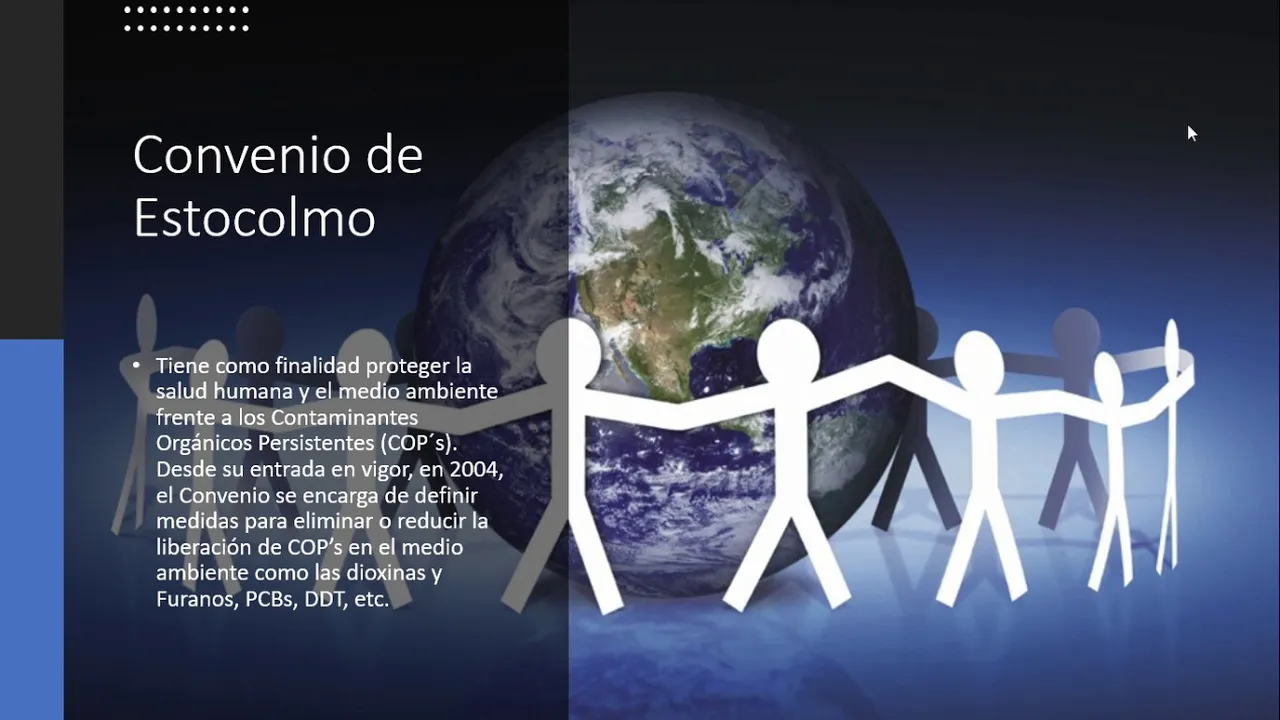
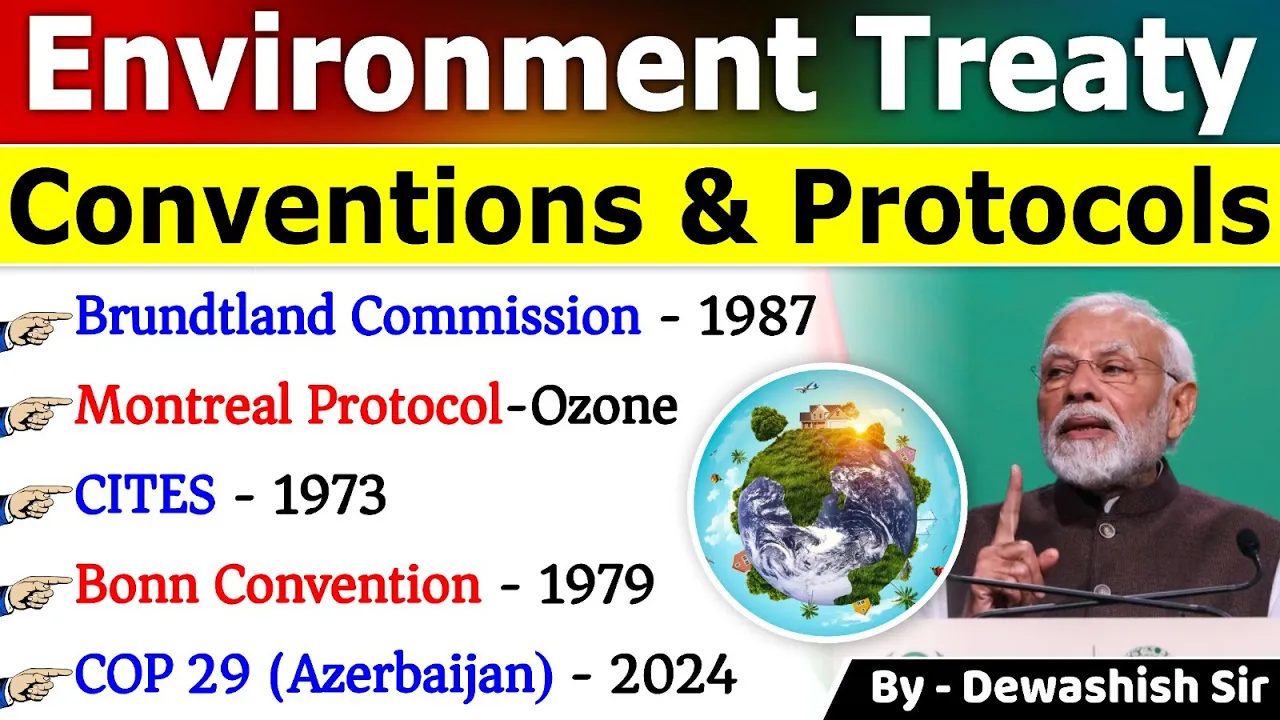
Case studies of international environmental policy and treaties to see how conservation and preservation principles are applied globally.
160.3K views977likes4:13Original Release: 2013-12-31
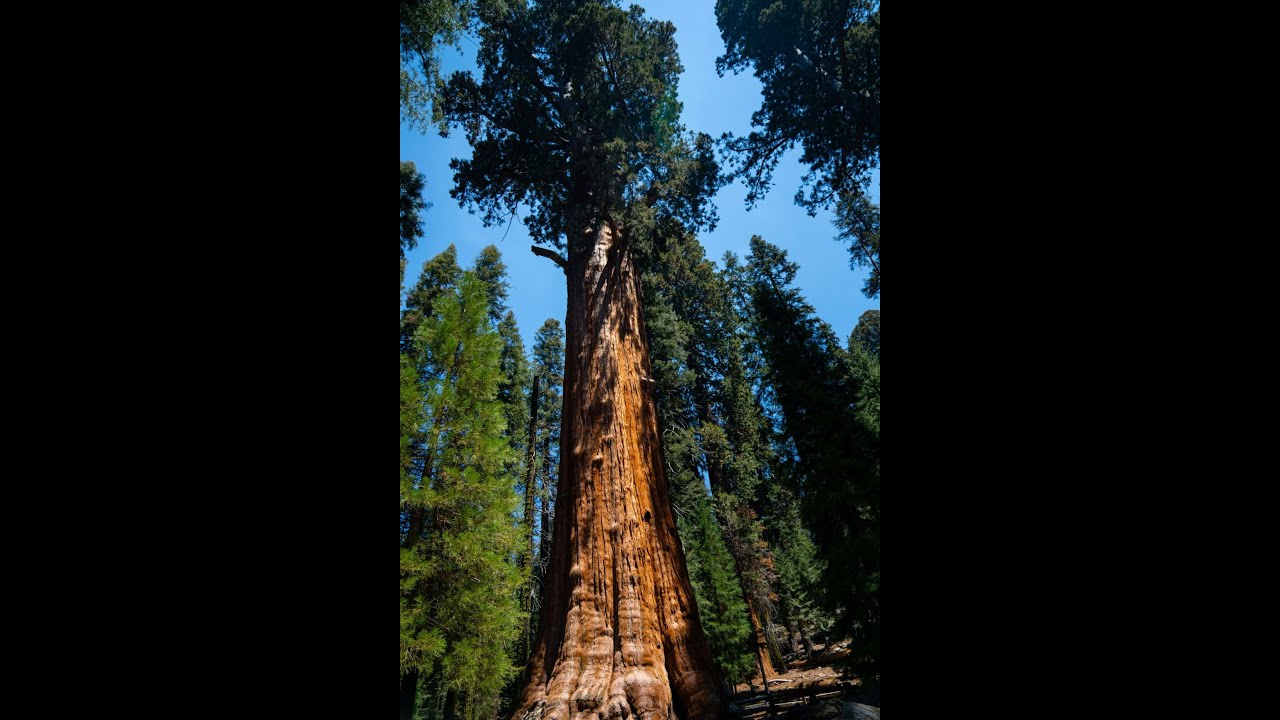
As the human population grows and grows, natural resources are being used at a rapid rate and large areas of forest are being converted for human use. How do you think public land should be managed to deal with these types of environmental issues? Over the years, there have been many opinions on how to manage public lands. Two of the major points of view include conservation and preservation of the environment. People often use these two terms interchangeably when in fact they are two very different views and methods for managing land. Let's explore these two terms and how they vary from one another. Some people believe that public land should be managed by the method of conservation. Meaning that the environment and its resources should be used by humans and managed in a responsible manner.
These types of people see the value of the environment as the goods and services that it can provide to people.
This viewpoint requires that the environment be used in a way that is sustainable and ensures that the natural resources will be used in a manner that will meet the present-day needs for the resource without jeopardizing the supply of the resource for future generations.
By using the environment sustainably, the environment and the natural resources it provides will not be depleted or destroyed permanently and will be available for human use for a very long time.
If people do not manage the land properly and the resources are not being used sustainably, then the environment can be destroyed and the conservation method will have failed.
Gford Pincho who lived from 1865 to 1946 was a leader in the conservation movement.
As the United States expanded and more land was being converted for human use, Pincho was bothered by the method used in transforming the land. At the time, most forests were being clearcut, which is when all of the trees are removed at the same time. Pincho did not like this method because he saw the forest as a valuable resource of timber and thought that it should be managed in a way that enabled human development of the land but also ensured use of the natural resources. He later founded the organization that would become the US forest service and served as chief of the organization while Theodore Roosevelt was president. While Pincho was in charge, the federal government adopted the conservationist method for managing land and drastically increased the amount of land managed by the government. On the other side of the argument of how to effectively manage public land are the preservationists.
The method of preservation is much stricter than the conservationist approach.
Under preservation of the environment, lands and their natural resources should not be consumed by humans and should instead be maintained in their pristine form.
Preservationists believe that humans can have access to the land but should only utilize it for its natural beauty and inspiration.
They think that the value of the land is not what you can use from it, but instead that land has an intrinsic value, meaning that it is valuable in itself simply by existing.
One of the most famous preservationists in US history is John Muer. John Mure was a Scottish immigrant who lived from 1838 to 1914 and had a large admiration for California's Yusede Valley.
Similarly to Gford Pincho, Mure was motivated by the deforestation and destruction of land as the human population moved west across the country.
Mure was a strong advocate for the complete protection of land and believed that people should only use the environment for enjoyment and not as a resource for goods.
Mir was involved in the creation of the Sierra Club in 1892, which is an environmental organization that advocates for the preservation and protection of public lands.
The
Up Next

44:13
Aldo Leopold's Land Ethic — Conservation & Wilderness Legacy
@JeffreyRyanAuthor
27.4K views•2018-10-15

15:54
Life in Biosphere 2: Sustainable Ecosystems & Human Survival
@TED
334.9K views•2009-06-16
14:30
Microplastics Everywhere: How Plastic Impacts Our Lives
@TEDx
100.9K views•2018-05-08
10:28
Ice Stupa Artificial Glaciers: Solving Ladakh's Water Crisis
@SonamWangchuk66
3.2M views•2015-05-03
Related Study Plans & Knowledge Roadmaps
Structured learning paths in Environmental Science
environmental-science
Ocean Noise: Cetacean Impacts & Mitigation
01Fundamentals of Underwater Acoustics
02Marine Mammal Bioacoustics
03Anthropogenic Noise: Shipping & Seismic Surveying
+ 2 more learning modules
16h5 modules
Explore Roadmap
environmental-science
Road Ecology: Corridors, Overpasses & Fencing
01Foundations of Habitat Fragmentation and Carnivore Ecology
02The Road Barrier: Ecological Impacts of Transport Infrastructure
03Principles of Ecological Corridors and Connectivity Mapping
+ 3 more learning modules
14h6 modules
Explore Roadmap
environmental-science
Ocean Acidification: Kelp Buffering & Shellfish
01Fundamentals of Ocean Chemistry & pH
02Chemical Pathways of Coastal Acidification
03Bivalve Physiology & Calcification Under Stress
+ 2 more learning modules
18h5 modules
Explore Roadmap
environmental-science
Ice Stupas: Glacial Retreat & Water Security
01Foundations of Glaciology & Mountain Hydrology
02Climate Change and Glacial Retreat Dynamics
03The Science of Ice Stupas & Artificial Glaciers
+ 2 more learning modules
14h5 modules
Explore Roadmap