



















This video provides comprehensive guidance on managing sexual assault survivors and medical negligence cases, emphasizing that medical professionals must obtain valid consent (minimum age 18 for major procedures, 12 for general examination), report sexual violence to police under POCSO Act, conduct medical legal examinations within 24 hours using Section 164A CrPC, and understand that 'rape' is a legal term requiring corroboration. For medical negligence, four essential components must be satisfied: duty of care, dereliction of duty, direct causation, and foreseeable damage; misadventure (accidental damage despite proper care) absolves liability, while criminal negligence (gross willful acts) incurs imprisonment under IPC Sections 336-338. The doctrine of res ipsa loquitur applies to obvious negligence like wrong-site surgery, and vicarious liability extends to hospital management under respondent superior principle.
Forensic Medicine MCQs: Sexual Assault & Medical Negligence Cases
Added:hi guys this is Dr Mahendra your forensic medicine toxicology faculty from marrow here we are for the discussion of clinical Vineyards forensic medicine and toxicology I have taken various important areas for discussion to start with the situation where we have got a survivor of sexual assault coming to the hospital for treatment or for medical termination of pregnancy the next situation is where that is concerning about the medical negligence right these are the thought topics okay why we have chosen these topics because these important topics are very very common very common in your intense examination purpose whether it is inact or it is need PG or if it is even for next examination these are the areas where continuously begin focused on so you need to be well versed with the concepts of these particular areas and these kind of situations very very common in kind of clinical practice so you need to have a very sound knowledge about the basic concepts okay and how are we going to discuss about that I've given you clinical situations and variants of the clinical situation right in different combinations so that we will be discussing in detail about these topics okay right so welcome to the session of clinical veneers forensic medicine toxicology let us start with the first question okay a 14 year old girl comes to the hospital unaccompanied she alleges that she has been raped by 16 year old boy the girl is pregnant with 12 weeks of gestation and she is willing for medical termination of pregnancy you can see accused is also a minor and victim is also a minor fine now you see she has come unaccompanied and she is requesting for MTP which is because of the rape okay there are two important situations two important perspective that we need to have number one she is a minor remember when it is about medical combination of pregnancy what is the minimum age for getting consent right we discussed earlier the minimum age for getting concerned is an always and always and always it is 18 years when the age of the victim is less than 18 years we have to get the consent of the when the age of the victim is less than 18 years we have to get the consent of the Guardian right we need to get the consent of the Guardian but in this situation she has come to the hospital unaccompanied there is no Guardian with her right so technically speaking we cannot do MTP with her consent because that will be invalid concern we cannot do that and she is alleging that she has been raped by 16 old boy when she is alleging that she has been read by 16 year old boy remember in this case of sexual assault do we have to inform the police or not do remember guys we have to inform the police right foolish intimation to be given or not right this you look at the age of the victim the age of the victim is 14 year old girl a child is a person less than 18 years okay child is any person less than 18 years so this act comes under the Ambit of pukso act protection of children from sexual offenses act okay right as per folks who act a child is any person less than 18 years and she's only 14 years so it comes under books all right as per poke so had the reporting of the police is mandatory right and it is legally it is obligated if a person fails to inform the police it is punishable it is punishable right we will have imprisonment and fine as well as a punishment for not informing the police right police intimacy is mandatory do remember the age of the minor age of the victim and if you talk about the other perspective that 16 year old boy the accused is also a boy does it go into change the situation any way no it's not going to change the solution anyway only one thing is about the criminal responsibility of that accused right what is the criminal responsibility of the accuse fine when the person is less than 16 years you know that's personal Journey so this person is basically a juvenile in conflict with law he has committed a crime in conflict with law right and if the age of the person is between 16 to 18 years who are committing heinous crime right just like rape and all right this person will be tried as an adult this person will be tried as adult right so that is about criminal responsibility of this particular accused okay a person was committed heinous crime and if he falls between 16 to 18 years okay you'll be tried as an adult and the punishment will be given accordingly okay so this is one situation let us look at the other situation right a 14 year old girl named Ronnie daughter of Mr Ramesh inhabitant of jazz nagar Mangalore comes to the hospital and accompanied she alleges that she has been raped by a 16-year-old boy the same situation but I have added the girl is pregnant with 22 weeks of gestation the previous question was 12 weeks right so now the discussion is about the duration of gestation right if the duration of gestation is about 22 weeks right can we do MTP or not right remember we know that as per MTP Amendment act 2021 up to the period of 20 weeks of gestation we can do MTP as per all the indications of MTP right we know what is therapeutic humanitarian social and or genetic use any causes in all the indications you can do MTP but if the gestation lies between 20 to 24 weeks of gestation right there are only selected indications where you can do MTP as per MTP rules okay as per MTP rules we can do MTP only in selected situation like if the pregnancy is due to rape or incest if the pregnancy is due on a minor girl if the pregnancy is on a mentally ill girl right mentally ill girl insane girl ideally we should not use word insane mentally ill girl right or if there is any marital status changed marital status changed what is that mental changes change whether if she has become a widow or she'll become she got divorced right then you can do MTP even after 20 weeks okay or if it is due to any fetal anomaly or in case of mass disaster times okay so these are all situations where you can do MTP between 20 to 24 if it is beyond 24 we know that it is the MTP can be done with the approval of the medical board only in case of substantial fetal anomaly right that we know we have already discussed about that in this situation you can see with regard to the duration of pregnancy with regard to the duration of pregnancy there are two things one here the pregnancy is due to rape so we can do MTP and not only that again she is a minor girl so we can do MTP up to 24 weeks so Nishi has come only with 22 weeks of gestation so we can definitely do MTP with regard to the duration of gestation remember with regard to the duration of gestation but when it comes to the consent again she is unaccompanied so we cannot do MTP with her concern we have to get the consent of the Guardian right okay so that is again important in this variant I've given you another a combination of the same thing a 14 year old girl Mr Ramesh independent of George nagar Bangalore comes to the hospital unaccompanied fine she alleges that she had consensual sex with a 16 old boy now the girl is pregnant with 22 weeks of gestation and she is willing for MTP act right now the question is about consensual act six it's not about rape and she is afraid of informing her parent as they might not accept it and they want to have she wants to have MTP confidentially okay now you see that there are two things which have altered one is about the act itself sexual act itself now it is done with consent the second thing is she is not wanting her parent to be aware of this because she wanted to get that MTP done confidentially right even so in this situation can we do MTP or not with our consent remember legally speaking we cannot do MTP with her consent right we have to get the concern from the guardian legal guardian or we have to get the concern from the major girl sir suppose if she is a major we can get her consent right suppose in this situation she is only 40 year old she is only a minor so we cannot do consent we cannot do MTP as per her concern we have to get the consent of the parent so anyway that the parents have to be informed or she has to come with the parent now what about this sexual act which is done with consent what is what is it going to change like suppose if she says she has come with parent and asking for MTP and she says that the Act was consensual and she does not want or her parent does not want the ACT to be this particular termination to be informed to the police do we have to inform or not do we have to inform or not just now we were discussing about the police intimation as per poxo Act Right the asperfoxo ACT reporting to the police's mandatory if it is rape remember now the question is about consensual sexual intercourse when it is about consensual sexual intercourse as per the recent supreme court judgment okay as per the reason supreme court judgment do remember the Supreme Court has given a verdict that if it is with a consensual sexual intercourse right with regard to the minor we don't have to disclose the identity to the police okay this is something distinguishes as which is something which is contradicted to the book so act right but but for this situation remember as per the latest supreme court judgment what it is is you have to remember if it is consensual section intercourse if it is consensual sexual intercourse you don't have to inform the identity you don't have to reveal the identity to the police if it is requested by the victim or by the guardian right if it is by the victim and the guardian if it is if it is requested by the victim and the guardian we don't have to inform the police okay so that is one important point that you have to remember with regard to the latest supreme court judgment okay fine so that is what we need to keep in mind now let's go to the another situation a young girl came to the emergency OPD of a private hospital with a birth date 31 1 2013. so that means if it is 2023 Miss 10 years old 10 years old right and there is a history of Pinot vaginal penetration by the neighbor okay by the neighbor and the girl is accompanied by the parent to the hospital police complaint was not made yet right she has come by herself there is no police intimation given so far okay now what are the things that we have to discuss now what are the things that we have to note one regarding the age of the victim right regarding the age of the victim I told you that she is hardly 10 years old when she is hardly 10 years old it comes under pukso at right it comes under Pokemon as for folkso ACT we know what are the different tags that comes under Pozo act we have discussed that in detail in main videos itself right we are not going to discuss in detail right you see pokeso act you can say there is penetrative sexual assault there is something called penetrative sexual assault when there is an element of penetration right okay penis is inserted into the vagina's mouth or urethra or application of mouth through the vagina in Azure or incision of any body bought into the vagina in Azure or any application of any insertion of foreign body into the vagina in his urethra so all these acts right will be considered as penetrative sexual assault what you have to remember is penetrative okay the next important Act is sexual assault itself that is another offense where there is no element of penetration right mostly by touching on manipulating of the private parts of the child with intention sexual intention wrong intention or there is another act that has caused sexual harassment sexual harassment so these are the three terms that you have to keep in mind with regard to the Volkswagen another one is child pornography but here you can see that there is an element of Pinot vaginal penetration so it comes under penetrative sexual assault as per poke so act it is a case of penetrative sexual assault and do remember it is done by the neighbor himself when it is done by the neighbor the person of trust the person of trust this is aggravated aggravated penetrative sexual assault aggravated say all these acts can be aggravated when it is done by a person under Authority when in the person done by a person who is under the trust person of trust or it is done on a minor girl if it is done on insane girl or if it is done repeatedly on the same girl so all these or if it's done by more than two people that is Gang all these are called as aggravated now in this situation it is done by a neighbor so that is why it is aggravated penetrative sexual assault so this is the type of offense now right aggravated penetrative sexual assault now the third important situation is right what about the medical examination or first the third thing that we have to notice is first about medical treatment are we going to treat this female or not because she has come to the private hospital and you are working in a private Hospital right are you going to treat the can we treat can we treat this victim or not in a private Hospital remember the police complaint has not been made yet right there is no police request there is no police complaint she has come by herself and it is a private Hospital can you treat this girl or not do remember when any victim may be any Survivor of sexual assault is come to the hospital there are three things right which is very important which are very important number one it is about the medical treatment right it is about the medical treatment number two it is about the medical legal examination Medico legal examination right and the third important one is evidence preservation right these are the three primary things that we have to keep in mind when such Survivor of sexual assault is come to the hospital right we will discuss under each category the first thing is about medical treatment fine remember remember as per 357 ccrpc as per 357 C crpc right we have discussed it earlier itself remember as per these section all hospitals write all hospitals irrespective of it is a government hospital or semi-government hospital or it is a private Hospital should give right should give first aid treatments at least to first aid treatment to the victims of to the victims of rape and acid attack that is vitriol Arch acid attack again acid attack immediately without any delay immediately remember free of costs should not charge anything for the first aid treatment okay and it is the obligation of the doctor to inform the police fine even though even that's why I have given this point police complaint was not made yet are you going to proceed with the treatment or not you have to it is not about you can it is about you have to a doctor has to inform doctor has to treat the victim and doctor has to inform the police police intimation is compulsory right polish intimation is mandatory by the doctor should be done by the doctor remember this section This is highly highly important you have to keep in mind all the key points about this particular section 357 ccrp right it is related to the victims of rape and vitriology right so with regard to the medical treatment you have to treat compulsorily you have to you you have to intimate the police compulsively now coming to the medical legal examination right again here you can see that the police complaint was not made when the police complaint was not made right can we examine the medication can we examine the victim medical legally remember the medical legal examination it has to be done immediately you don't have to have any order from the police right you don't need to have any order from the police or you don't need to have any order from the quotes you can right away go for the medical legal examination Right medical legal examination fine now you remember right as I told you you don't need to have any court order you don't need to have any police requests with regard to this medical legal examination remember right in case of the case it was observed that medical examination medical legal examination of rape victim it's a medical legal emergency underline this medical legal emergency you can't afford to waste any time right you can't afford to waste any time because you'll be losing all the evidences fine so it's a medical legal emergency it is a right of every victim right it is a right of every victim and it is a duty of every hospital it is a duties if you can see the wordings it's the right of the victim and the duty of the hospital to medically examine the victim before filing the legal complaint and can afterwards file a complaint that means you cannot you cannot mandate the victim to go for a police complaint for this medical legal examination you have to do it immediately there is no there is no need of any court order or there is no need of any kind of police order right so we can right away go for the medical legal examination right with regard to Medical legal examination do remember this you have to keep in mind 164 a crpc with regard to the examination of victim with regard to the examination of the Survivor in case of sexual assault it is given as per the procedure the steps are given as per 164 crpc 164 a crpc right this 164 acrpc gives off the provisions of as per the provisions of 164 acrpc the examination shall be conducted by the registered medical practitioner employed in hospital run by the government okay fine but if suppose in the absence of such a practitioner any other registered medical practitioner any other registered medical practitioner with the consent of the women or if the women is not competent to give consent from any person who is competent to give concern on her behalf such women shall be sent to registered medical practitioner within 24 hours right on the receipt of information the medical legal examination has to be done within 24 hours okay right so remember these are the provisions of 164 aacrpc which are highly important and I want to highlight few things here remember I want to highlight few things here right regarding the consent right with regard to the consent of the victim with regard to the consent of the victim right it is mandate theory for medical legal examination of the victim compulsory fine it is compulsory you cannot examine the victim without her concern it is compulsory dismanded fine so you see here another question young girl came to emergency OPD with a birth date 2010.
right now I was talking about consent right consent is mandatory what is the age for minimum age for giving consent with regard to this medical legal examination remember it is 12 years right 12 years any physical examination 12 years so if 12 years is the minimum age if she is below 12 years right you have to get the consent of the guardian or the parent fine or if she is about 12 years you can get her concerned and right away go for the examination fine now you see you can see that here the birth date is 2010 that means she must be around 13 years old and the registry of p no vaginal penetration by the neighbor the girl is accompanied by the parent she refused for medical examination I have given another Point she refused for medical examination if she is accepting for medical examination right you can go away right you can get a concern because she's 13 and you can right away go for the examination suppose if she is refusing for examination what to do if she is refusing for examination do remember we have to explainer the purpose of doing this examination right and we need to convince her suppose if she is not convinced in spite of giving her all the information in spite of giving her all explanation but still if she is refusing for medical legal examination can we go ahead with the medical legal examination never right that's what I told you consent is mandatory consent is mandatory you cannot proceed with the medical legal examination right remember that if she is refusing what we have to do is get the informed refusal that is highly important you have to get the inform refusal from the victim right get the signature now she has refused for medical legal examination can we treat the victim she has refused for medical legal examination can we treat her for the injuries or any other conditions that she has got because of this assault can we give medical treatment or not you have to give medical treatment just because she has refused for medical legal examination does not mean that you have to withheld you have to withhold the treatment things you have to go ahead with the medical treatment you have to treat her medically Right medical legal examination can be can be stopped it cannot be proceeded without a concern okay remember medical treatment has to be given Right medical legal examination right cannot be done if she has not given concern for the medical legal examination okay right so that is about this particular situation let's talk about concern I told you that minimum age for giving consent is 12 years old suppose if she has refused right we have to get informed refusal we have to get what is called as informed refusal and I told you minimum age is 12 years if suppose she is not competent enough to give consent 12 years less than 12 years that means you can get the consent of the you can get the consent of the parent okay examination of this examination of uh this female the Survivor can be done by a male doctor or a female doctor you see the Ministry of Health and Family welfare guidelines with regard to this examination it states that right the 164 ACR PC does not tell you anything right regarding examination by a male doctor female doctor does not tell you anything it just says that registered medical practitioner but when it comes to when it comes to the Ministry of Health and Family welfare guidelines it is preferable it is preferable to be to be examined her to be examined by a female medical practitioner wherever it is practically possible wherever it is practically possible you can it is preferable to examine her by a female medical practitioner if suppose if the female medical practitioner is not available even the male doctor can also examine her in the presence of the attention female attender but there is one catch here do remember if suppose right if so I told you that the 164 aacrpc does not tell you anything about the doctor Right male or female does not tell you anything but do remember the Pokemon does ever mention about this the poker states that if you're going to examine the female child if you're going to examine the female child it is to be examined the patient the child has to be examined only by a female registered practitioner and in the presence of and in the presence of a person whom the child is trusting trustable person right trust of the person of trust by the side right or the parent or the parent but what you have to remember is the female registered practitioner if it is by a for a female child right so the point is what you have to what you have to remember is if it is about if it is about a minor if it is about the book so act it is always preferable right it is it should be done by a female registered practitioner female resistor practitioner but if it is about any other Survivor it says that the victim is a major above 18 years then ideal to be done by the female research practitioner female research practitioner is not available even a male registered practitioner can also do the examination in the prince of female attendance right the point is you have to decide based on the age of the victim age of the survival that's what you have to remember with regard to this young girl came to emergency OPD history of Pinot vaginal penetration by their neighbor right the girl is accompanied by her parent the birth records are not available right I've given another important stream I've added one more statement to this the birth records are not available when the birth records are not available do remember one one more thing that we have to do we have to do age estimation and remember as per the supreme court judgment as per the supreme court judgment in a case of ashwani Kumar saxena was a state of MB it is not necessary to do medical ages age estimation in all the cases you don't have to do it you don't have to do it provide it right the the victim has got some birth records if you have convincing reliable birth records you don't have to do age estimation at all if suppose you have any doubt if suppose the reliable documentary proof of age is not available then we can go for the age estimation right right we have discussed about the concerned as well and we are discussing about the age estimation right now because we are dealing with the minor case right we are dealing with books or cases right do we have to estimate the age right age becomes very important in this situations right so when the age estimation you have to decide depending on whether there is any reliable birth record is available or not if any reliable birth record is not available then we have to do age estimation if any reliable birth record is available we don't have to do any estimation remember remember it is as per the supreme court judgment right fine right let's go for the another situation young girl of Elise age maybe around 13 or 14 came to the emergency OPD with her mother there one is there was an history of Pino vaginal penetration by the neighbor medical legal examination was done okay now we are doing the medical legal examination with whose concern we will do this medical legal examination it is with the consent of the girl herself because three is about 8 12 years right now you see the question is what are the things that we have to do in medical legal examination remember as I told you as I told you in medical legal examination the the most one of the most important aspect that we have to uh purpose for doing this medical legal examination is about right you have to collect all the evidences that are possible and you have to preserve all the evidences carefully right evidence preservation evidence collection and iron first you have to identify right evidence identification collection and preservation everything is very important right fine now let's talk about medical legal examination so the medical legal examination is done right what are the findings on examination you can see that the bright red aberration on the back of both elbows okay maybe suggestive of any restraint bruises over the left and right side breast tooth teeth bite marks with red blood clots in the middle of the lower lip remember when we are mentioning about the when we are documenting when you are examining and documenting the bruises the color of the bruise are noted the color of the bruises are noted because right from this we will be finding out the Aging or we can say that we will be finding out the time since injury right we can find out how many days old it is so it will be helpful in corroborating the issue okay right upper lip if it is teeth bite mark right we have to take a swap from this area okay salivary's Fab has to be taken and if possible the if the pattern on visible like we can also take a cast bite more cast can be noted from which we'll be able to identify the accused as well right the upper lip is conduced and you can also see abrasions on the tip of the nose on both L are missing because like when when the person is victim is being I mean when the person is crying or shouting struggling right the accused miter repressed on the lip from now from her not to shout okay right so that you can have the contusion of the upper lip the operations on the nasal aspect all these things can be noted all these suggestive of the force struggle on genital examination local examination you can note that labia majora and minora congested with extensive laceration on the vulva okay right and profuse bleeding noted in the vagina there is tear in the anterior and posterior vaginal wall and traitors involving the bladder posterior tear involved in the anorectal canal right the hymen is intact no evidence of STD right you can see that there is extensive injuries there are extensive injuries in the vaginal wall and you can also see there is extensive laceration and the injuries in the world region as well right remember in case of a child if there is any sexual assault on a child usually the hymen would be in touch right you can see the hymen would be intact when why there is a hymen is intact because in a child what happens is the hymen is deep seated we cannot expect the hymen to be torn the hymen is deep-seated so usually the hymen would be intact but what happens is because of the force when the penis is forcefully inserted into the vaginal vagina what happens is there can be extensive injuries noted in the vulva and in the vaginal walls right you can see that there were so so many injuries are noted in the particular victim okay because she is a child right apart from this what are the evidences that we have to collect what are the evidences I'll tell you few evidences that we have to collect right from the victim during the medical legal examination we have to collect all the clothings right all the clonings have to be collected fine we will be able to find out the seminal stain the mud stain the blood stain of the victim of the cues so all these things can be noted in the clothings right any foreign hair right maybe from the accused to be noted taken preserved right we have to take the hair samples the scalper the pubic air the axillary hair samples have to be noted if there is any matter pubic air that also have to be that is matter pubic air is very important evidence we have to collect and preserve it hair samples any fingernail scrapings right the fingernails scrapings have to be taken and have to be preserved from the victim because if there is any struggle you can see some kind of epithelium of the accuse epithelial scrapings of the accused on the victims nail that has to be taken and collected and preserved okay right apart from this we have to take if there is any bite mark we have to take any swabbing swabbing have to be taken swap from the bite marks swap from the bite marks right and we have to take the vaginal swap right swap should be taken from the Volvo area it has to be taken from the low vaginal region you have to take the swap from the anterior foreign exposure phonics cervical swap right in the cervical area and you have to take swab in The Perennial region if there is any specific history of anal penetration so all the swaps wherever possible we have to take it and we have to also take the smears to look for the presence of spermud absorba okay vaginal Washings right we have to take the vaginal Washings that will again help us to demonstrate the presence of spermatozoa spermatosovo okay and then remember we should also preserve the blood sample blood sample from the victim it is very important that is because see blood sample of the victim will help us to find out the detection of any STDs not only that we can find out whether there is any kind of presence of drug or not whether she was under any influence of it whether she was intoxicated or not okay any kinds of drugs or in toxicants can be identified if she is having any kind of STD that can be identified and blood trooping typing should be done okay and DNS things have to be done analysis have to be done for all these purposes the blood sample will be highly crucial okay so all evidences have to be collected and preserved Right This is highly important and make sure that make sure that you are maintaining the chain of custody right you have to maintain the chain of custody every from if the evidence has been transferred from one person to another person that kind of exchange the transfer is documented right from at every level that it is documented up to the level it reaches the laboratory okay and everything is documented you have to maintain the chain of custody This is highly important so that there is no tampering of evidence there is no exchange of evidence there is no right manipulation of the evidence okay the next thing is about medical report so as an expert that you are examining the victim you're going to give the medical report what kind of opinion that you want to give can you open that I'm of the opinion that this victim was raped by the accused can you say like that no never you cannot say like that because you are not an eyewitness right you are you are never an eyewitness so you are only an expert with us so your opinion should be based on the scientific fact scientific findings your opinion should be based on the scientific findings the word rape is not a medical definition it's a legal definition right it is a legal definition it is not a medical definition so your opinion should be based on the evidences that is that are found in the victim you can find that there are evidences of sector intercourse there are evidences of race and sexual intercourse there are evidences of Greece and forceful section intercourse if you are able to find out all the evidences of struggle and all the evidence of injuries are there okay or you can so say that there are no evidence of sexual intercourse fine so you can never open that Shiva slave all right because that is a legal term that is not a medical term fine so that is again another important point that you have to keep in mind now let us say in a case of rape trial happening in the court of law if if suppose the victim the the the the the component or element of section into causality proved they they have proved that there is an there was a sexual intercourse but the question is whether the victim has given consent or not right if the question is only about the victim has given consent or not in that particular trial if the victim says that she did not consent she did not concern for the sexual intercourse that means that it is presumed that the concern was not given okay it is presumed that the concern is not given so this is the presumption of consent in the case of rape trial in the court of law whatever report that we give it is going to be corroborative evidence right it is going to corroborative evidence and remember even in even without any collaboration in your medical report still the accused can be convicted right you can see the in the case of state of Karnataka versus Karnataka High Court appeal that even in the absence of any corroboration the medical evidence still the rape accused can be convicted if the rape accused can be convicted do remember it is only a Cooperative evidence but also keep in mind that even without corroborative evidences in the medical report still there the accused can be convicted still the accused can be convicted that you have to keep in mind so we have discussed in detail about the different case scenarios with different permutation combination right with regard to the medical legal perspective right we have discussed in detail but the asset Echo message I want you to imbibe few important points into your mind right find with regard to the examination of dealing with the case of uh Survivor of a sexual assault okay now I've put few important questions to assess right to reinforce the same thing can doctors medically examine a Survivor or the victim of sexual violence without a Polish requisition can we do it yes we don't need we don't need any kind of police requests or requests from the order from the code to examine the victim right we can right away do it because as I told you it's a medical legal emergency right we have to do it without any delay right as early as possible at the earliest possible okay is it mandatory to inform the police when a Survivor or a victim of sexual assault sexual violence reports to the hospital is it mandatory that you have to inform the police is it mandatory that you have to inform the poll is yes absolutely absolutely you have to inform the police if you are not informing that is punishable legally punishable right imprisonment and fine will be imposed on the person who fails to report it to the police right okay so do remember it is yes it is mandatory is it mandatory for the Survivor or the victim of sexual violence to go to a government Hospital only for the purpose of medical examination right never we have already seen 357 ccrpc it mandates every hospital right to give compulsory treatment first aid treatment at least to the victims of rape and materialize otherwise it is punishable right so if anybody is violating the provisions of 357 ccrpc do remember it is punishable I told you it is punishable Amanda 166b IPC it is punishable under 166 bipc okay right fine now is it necessary that only a female doctor examines the Survivor or the victims of sexual violence what is your answer what's your answer yes your answer should be yes when we are dealing with the case of books right if it is about a female child yes and for if you're dealing with an adult a Survivor who's about 18 years old in that case your answer will be no right ideally preferably right if it is less than 18 years if it is less than 18 years it is should always be done by a female registered medical practitioner female child okay right if the female child is less than 18 years female Research Medical practitioner if the person is about victim is about 18 above 18 years in that kind of situation preferably by the female registered practitioner if remedial practitioner is not available even the male registered practitioner in the presence of the female attendant okay that can be done okay right so that basically depends on the age of the victim is it necessary to do the age estimation of a Survivor or the victim of sexual assault a violence in every case in all the cases no right your answer should be no right wherever you have there is no wherever you have a doubt or if there is no reliable birth records then the age estimation can be done it is not compulsory in all the cases of in all the cases of victim of sexual violence to do age estimation it's not compulsory as per the supreme court judgment can a doctor administer anesthesia to every Survivor or the victim of sexual violence so as to enable the medical examination yes we can do it if it is about if it is about a child you are dealing with a small kid right who's a victim of the sexual violence right we we just saw an example where there is a child and a lot of injuries were there right there were a lot of injuries vaginal injuries the vaginal wall involving the bladder the post revision law involving the inner rectal area so if there are a lot of injuries it will be so painful for the child the examination is not possible at all right we can even administer anesthesia wherever it is needed wherever it is needed we can administer anesthesia and we can go ahead for the medical legal examination okay what is the minimum age of a Survivor or the victim of sexual violence for giving valid concern for medical examination your answer will be 12 years yes it is 12 years you know that very good is it mandated to seek the informed concern and for what purpose that you're going to get consent right it is absolutely essential it is absolutely mandatory that you have to get concern from the victim because we know it is as per 164 AC or PC it is mandated compulsory fine and what is informed what are you going to inform what are you going to inform you're going to inform you're going to get consent right you're going to inform all the procedures and how we are going to do it you will be telling it and you will inform the purpose as well for what purpose you are doing it right Andrew remember you will have to get concern for the medical treatment you will have to get concern for the medical legal examination you will also get concerned for the purpose of the evidence preservation you're going to collect the evidence you're going to preserve it right for that purpose as well you have to right you have to get concern from the victim right for everything that you have to get concerned because we know in India the consensus has to be specific for every procedure you cannot get a blanket concern right you cannot get a blanket consent in India that is invalid in India for every procedure it has to consent has to be specific right so for all these things you have to get concerned and then you can go ahead with the examination right your answer will be yes it is compulsory can the doctor give opinion right on whether rape occurred or not can you say rape occurred on this day for this female can you say that as I told you you're not the eyewitness man you're not the eyewitness your only medical witness your medical witness if you're a medical witness if you're an expert witness your opinion should be based on dash your opinion will be based on the scientific findings it should be based on the scientific facts whatever findings are there you're going to give opinion based on the findings only right so you cannot give any opinion like this right you're not going to give any opinion the rape has occurred or not you're going to give opinion right whether there are any evidences of Reason forceful sexual intercourse present or not that's what they're going to give evidence right fine so this will summarize all the findings that we have discussed in this case of sexual assault survival okay moving on to the next area a 45 year old lady Sheila admitted had been admitted in a hospital for hysterectomy right for the purpose of uterine fibroids okay through a planned elective procedure trans abdominal hysterectomy was done by the surgeon informed concern was taken no problem from the concern prior to the instructor me create the hysterectomy for the purpose of surgery and for also administering anesthesia done however left side ureter was damaged intra-operatively right ureter got damaged and do remember the damage was occurred even after a decree deletion measures an appropriate Care by the surgeon right the surgeon has taken appropriate skill he has excise appropriate skill he has taken appropriate care in spite of that there was an injury to the left you read her right now she has come for hysterectomy and ureter got damage right now let us say is it a medical negligence or not right can you say the doctor was negligent right here the ureterocode damage in surgery can you say this criminal negligence or civil negligence right can you say the doctor is liable for the injury ureteric injury cost to the female patient right what is your opinion right remember there is something called misadventure right Miss Adventure what does that misadventure misadventure means any accidental damage in spite of taking appropriate care to the patient in spite of taking appropriate care in spite of excising reasonable skill and care to the patient in spite of that if there is any accidental damage you call it as misadventure right accidental damage to the patients and this accidental damage is called as misadventure it is also called as Miss chance right the doctor is liable or not do remember it is a misadvential doctor is not liable he is not to be blamed right misadventure can happen during the diagnosis of a disease you call it as diagnostic misadventure right or it can occur during some treatment process treatment procedure just like it happened with the hysterectomy surgery you are doing treatment for fibroids during hysterectomy during the treatment there was an accident that is a therapeutic misadventure and also to remember it can also occur during some experimental procedures right if the you volunteers have given consent knowing the risk of the procedure knowing the risk of the particular experiment during the experiment if there were some kind of accidental damage the person is not the researcher is not responsible the doctor is not responsible it can occur during diagnosis therapeutic experimental diagnostic therapeutic experimental that is called misadventure remember in this situation in this situation the doctor is not liable the surgeon is not liable right right the only line that has changed the entire thing is the last line right even after deletion measures and appropriate Care by the search right that's the only thing that has changed the entire things in case suppose if we change the particular last line a 40 year old lady Sheila admit admitted in hospital for the purpose of hysterectomy to treat fibrozutin fibroids through elective plant procedure that istrectomy trans abdominal hysterectomy was done right inform concept was taken for the hysterectomy procedure and for the anesthesis as well during the surgery left ureter got damaged by the careless surgeon right now the word careless surgeon is there if you change the wording the careless surgeon then the whole thing got changed now you can say the doctor is negligent the doctor is negliged fine you can say that here you can be the Civil negligence if the patient wants to get compensation fight from the doctor or you can say if the the patient wants to uh the doctor if the patient wants a doctor to be imprisoned given punishment they will go and file a police complaint then it is Criminal negligence if he feels it's so gross it's a criminal negligence right so we'll be discussing on all these things there are four important uh essential components of medical negligence so before finding out whether there is a negligence that's actually negligence or not there are a few basic components to be satisfied what are the few basic curve essential components to be satisfied there are four days that we hit We have dealt earlier that is called duty of care the first one is duty of care right what is the duty of care see when when you are treating a patient right uh it means like when you say that it is a case of negligence first you should have the duty to treat the patient right when you don't have the duty to treat the patient it is not even a case of negligence and the duty of care it starts when you have accepted to treat the patient right when you have accepted to treat the patient duty of care starts you cannot start the treatment of the patient or the third day fourth day you don't say like I don't like you I don't want to continue the treatment you go to some other doctor can you discontinue the treatment no once you start the treatment you should complete the treatment unless and until there is any other contributory conditions for that there is any important reasons for that any valid reasons for that if there is no valid reason you should you should not abruptly stop the treatment then again that's a breach okay right so the duty of care it starts when you start accepting the patient to treat okay the second point is the remember dereliction of Duty what is the dereliction of Duty remember direction of Duty basically means if there is any deficiency in the care given by the doctor or you can say there is neglect by the doctor or you can say there is any breach by the doctor right you can say this is the relation of Duty you have taken the duty you have the duty to treat the patient you have the duty to give proper care to the patient but there is teaching that when will you say there is Direction either if there is no reasonable skill absence of reasonable skill and care right absence of reasonable skill and Care the doctor did not give adequate care or the skill to the patient while you are treating them while he's treating the patient or if there is any willful negligence intentionally has committed something right remember willful negligence of the doctor then you can say it is direction of Duty then you can say there is election of Duty here yes breach the duty he has neglected resulting in damage to the patient right damage to the patient what is the damage the damage can be painful suffering the damage can be prolongation of the disease the damage can be monetary loss it can be disability to the patient it can be deformity to the patient it can also be resulting in the death of the patient everything will be considered as a damage everything will be considered as damage right but the damage which is occurred to the patient should be foreseeable what do you mean by foreseeable foreseeable means it should have been anticipated it should be an anticipated if it is unanticipated mean then accidental that is misadvention suppose when you're giving an injection in a particular place you should know that that the nerve or the vessel is lying in the place it will get damaged if you are if you will cause injury to the particular structure if you are giving injection to that particular area that should be foreseeable right if you don't know the patient may be having some anomalous vessel in that area the doctor is not aware that's not a normal uh that is not a normal location that's not a normal Anatomy that's a variation right which is very very rare which is very rare one in one million people right you give injection that anomaly got injured the patient got damaged that is not a foreseeable damage that's not a foreseeable damage if you are giving injection in a particular place the structure is there you should know the anatomy of that particular structure and you should have been the doctor should have been anticipated the structure will get damaged the damage should be of foreseeable right the damage should be a foreseeable nature and remember direct the causation the last thing is direct position what is a direct quotation it should be the damage should be directly caused by the deficiency of the dot direct causation proximate cost fine remember here you can see that the dog the patient got damaged by the careless surgeon it is definitely a case of negligence doctor is liable doctor is liable fine let us see the another example a page a person was advised by his orthopedic surgeon to get regular dressing of his own done okay but the patient did not give much care patient did not come to the hospital during follower patient was repeatedly told by the doctor to get the dressing done timely but the patient was saying that he was so busy he was so busy finally the wound got in-laws and the underlying bone developed osteomyelitis resulting in a complication right now the doctor is liable the doctor is not liable right that patient is liable docked on patient both are liable then who's liable here what about this condition you can see here here the patient was being told to come for the resting Timely but the patient did not come to the follower right because you're so busy resulting in the damage that means here the doctor is not liable right patient is liable doctor is not liable doctor is not negligent right it is the negligence from the patient side it is negligence from the patient side if the doctor did not give adequate care doctor was also careless patient also did not come for the follow properly Dr also did not do the dressing properly then both are labeled then it is called as contributory learntiligence contribute tree negligence you can say contributing regions both are labeled right if the same situation is like that patient is coming every day for the dressing and the doctor is saying I am so busy I'm involved in surgeries right you come next day you come next day either he's sending the patient continuously come for the next day without getting the dressing done patient is every day coming for the dressing this fellow the doctor is so busy the doctor so busy is so busy in doing the surgeries he did not find time to get the dressing done for the patient and the patient has got some damage patient has got some infection patient has got some complications then who's liable it is a liability it is the negligence from the doctor's side right the doctor is negligent right so you can see that here in this situation in the situation given the patient was liable doctor is not negligent because the patient did not come to the follow correctly for dressing a 17 year old girl is brought to ER by the guardian and boyfriend with these two Progressive severe abdominal pain physical examination investigations confirm a diagnosis of acute appendicitis an emergency appendicectomy is recommended by the surgeon okay so it's an emergency now in this case we have guardian and the boyfriend as well and the patient okay the consent has to be obtained from the girl the boyfriend or from the guardian right remember here you have to get the consent of the Guardian because the patient as the patient is a minor and do remember if it is any major procedures any major procedure the minimum age for getting consent is 18 years minimum age is 18. okay if it is just just for General physical examination the age for General physical examination is 12 that we know okay so anything beyond the general physical examination right so we have to get the consent from a person of 18 years 18 years right okay so here the person is a minor only 17 year old girl so we have to get the concern from the guardian okay we have to get the consent of the Guardian not from the boyfriend okay 19 year old girl is brought to ER by the guardian and boyfriend with his chair Progressive severe abdominal pain and physical examination investigation confirm a diagnosis of acute appendicitis and emergency appendicectomy is recommended now the guardian is not willing for surgery okay the garden is not willing for surgery can we go ahead with these surgery or not can we go with the procedure or not yes we can go ahead with the procedure of this because the girl is 19 years old she is a major so we have to get the consent of the patient patient concerned is enough right patient concern is sufficient we don't have to get concerned from the the relative right the guardian if she is a minor then the consent of the guardian of the relative it matters when she is a major we have to get the consent of the patient herself patient herself okay right a woman was of involved in an accident in which her left leg was crushed an immediate amputation had to be done but you could not get a prayer concern as the victim was unconscious right victim was unconscious and the relatives were not available in that particular situation letters were not available in that particular situation and later you have done an amputation of the particular limb later the husband sues you for doing an amputation without a valid concern without a consent right in this particular situation is it was an emergency situation it was an emergency situation where you had to save the life of the patient right where you had to say the life of the patient do remember here the doctor will take a defense the doctor will take a defense of 92 IPC do remember what this 92 IP there are few sections that you have to remind here remember we have something called 18 9 IPC right what is 89 IPC if the consent right in case of a child in case of a child less than 12 years right who's not competent because I told you the minimum age for consent the minimum age for consent in case of physical examination is 12 years right if it is 12 years so if the child is less than 12 years of age if the child less than 12 years of age you have to get the consent of the guardian and if you're going to do any procedure you have to get the consent of the Guardian right this is 89. in case right normally you have to get the concerns of the guardian in case suppose you have gotten the concern you have obtained the concern from the child itself right child itself in that situation the concern happens to be right the consent happens to be an invalid consent right if the consent is given by a child if the consent is given by a child less than 12 years that concerned will be invalid concern to remember the section 9 tipc 19. right 90 and this 90 IPC does not talk only about it doesn't talk only about the child less than 12 years it talks about the concern given by a child less than 12 years concern given by insane person concern given by intoxicated person or any concern given under influence right so all these consent will definitely be an invalid concern and do remember this is given by 90 IPC right so when we are dealing with consent there are few sections which are important the first one is 89 number two it is 90 IPC on the third section that we have to discuss is about 92 IPC what is this 92 IPC States this 92 IPC states that in case of an emergency situation where the situation is like that you are not able to get a valid concern either from the person or from a person who is authorized right if the if the situation is like that you are not able to consider from any of these people right that in that emergency situation concern does not needed right consent is not needed do remember this is applicable in a situation when there is nobody who is authorized to give consent right if there is no authorized person to give consent then you can say concern does not needed this is 90 to IPC 92 right I told you about 89 IPC I told you about 90 IPC I also told you about 92 ipcs here you can see the section here the condition is the person was unconscious there is no relative around right and you had to say the life of the person because it's a crush injury right and here the doctor will take a defense of 92 IPC and remember the doctor is not punishable another variant of the same situation right a woman was involved in an accident woman was involved in accident in which her left leg was crushed and immediate amputation had to be done but you cannot get you could not get a prayer concerned as a victim was unconscious the condition is remember the condition is the condition was explained to the husband amputation was done with his consent right in this situation the condition was explained to the husband husband has given concern and you have done amputation the women the patient comes to know that her leg was amputated right now the women the patient sues you for doing an amputation without her consent right it is she's suing she is following a case against the doctor for doing an amputation without her consent remember in this situation the doctor is punishable or not whether the case will be healed or not remember in this situation the patient was unconscious the situation was so necessary it was necessitating the removal of the limbo of the person you had to remove the limbo of the person right to save the life of the patient right in this situation the doctor is not punishable doctor is not punishable right this is not the case where the doctor is punishable right because you have gotten concerned from the authorized person the guardian husband right you have gotten the consent you explained the situation to the husband you've gotten consent from the husband and then we we went ahead with the amputation so that's why the doctor is not punishable suppose if the amputation was done if the amputation was done without the concern of the husband himself husband was available waiting outside the OT right the doctor did amputation even without getting the consent of the husband then it becomes it becomes punishable right then it becomes punishable but here the doctor has obtained the concern from the the husband himself a woman was involved in an accident in which her left leg was crushed and immediate amputation had to be done but you could not get a prayer concern as the victim was unconscious the condition was explained to the ocean but he is willing for the removal of the limb in this situation is so simple when he is willing for the removal of the limb you can go ahead with the amputation with his consent right that we saw in the last question itself now in in a situation where the consent the husband is not willing if I'm inserting one word if the husband is not willing for the removal of the limb of her wife of his wife right now can we go ahead with the amputation or not can we go ahead with the amputation or not we cannot go ahead with the amputation the doctor has to explain the husband that the doctor has to try to explain to the husband about the existing condition right and there is an immediate threat for the life of the patient right the husband has to be convinced that it is a life-saving procedure right and you have to get the consent of the husband then you can go ahead with the procedure if the husband is still not willing if the husband is still not willing for the removal of the limb then the 92 IPC cannot be applicable here right we have to get inform refusal from the patient right if you are available from the patient or from the garden okay if the patient is unconscious right we were explaining to the husband so far so wait we have to get the inform refusal from the husband what is this informed refusal and inform concern remember when we say informed remember informed consent an informed refusal these are the two things that we have to know right in any kind of clinical situations where we it is about the question is about the consent remember when we say informed what are we going to inform remember informed is basically right Suppose there is a condition here you have diagnosis you made a diagnosis of a condition and you're going to inform the patient you need to tell the diagnosis right you have to tell the expected in prognosis the course of the disease right you have to tell the available treatment options we have to tell the proposed treatment right we have to tell the benefit and the risk of the proposed treatment we have to tell the benefit and the risk of the other treatments options as well right we have to tell the cost of the treatment that is proposed and we have to we also have to tell the risk of not dating the treatment right if you're going to do amputation we should also tell the patient that if you are not doing amputation it might be causing endangering it is it might be endangering the life of the patient you're going to tell the risk of not taking treatment and we should also tell about the autonomy of the patient what is an autonomy autonomy means it is the right of the patient patient right to choose the treatment we should all while we are taking consent we have to tell the diagnosis we have to tell the prognosis we have to tell the treatment options available benefit in the risk of all the treatment options available when the treatment that is proposed the cost of the treatment the risk of not taking treatment and last but not least lot but not least we have to tell the right of the patient either to accept or refuse for the treatment okay so everything has to be informed and then right after informing all these things if the patient is refusing let's call inform refuse we have informed the risk of nutrient treatment still the patient or the relatives refusing for the treatment of the procedure then we can get what is called as informed refusal do remember inform consent and inform refusal okay so we have lot of types of consent we have something called implied consent we have something called Express the consent implied is by means of gesture or body language we have something called expressed concern remember friends expressed concerns of verbal oral or return right the return informed consent will be the best consent written informed consent will be the best concerns right other types are there blanket consent blanket concern is something on entering into the admission and in the hospital for admission one concerned General concern blanket concern for all the procedure for all the investigations till the time of discharge okay one concern for every procedure this is called blanket consent or open consent where that is not valid that's not valid a 32 year old female patient at Presence to ER with acute abdominal pain the doctor after examination made a diagnosis of acute appendicitis recommended appendicectomy surgery the doctor took the consent of apprenticeectomy in the patient during the process interoperatively along with appendicitomy you notice the polypos right and he has sent the same for the biopsy thinking about the patient benefit right for the same it's a normal thing right so we the doctor was the surgeon was doing surgery and he found another issue inside the abdomen for thinking about the benefit of the patient right thinking about the benefit of the patient the doctor removed the next polyp also the other issues as well right but in India is this legally correct or not is this legally valid in India do remember in India it is legally invalid it is not applicable remember this is called doctrine of extended consent the doctor is extending the consent doctrine of extended concern it is not applicable right as per the supreme court judgment every concern has to be specific right we cannot extend the concern even the doctor cannot come and argue in the court of law I have done only for the benefit of the patient patient has to come to the hospital again readmission should be there and monetary loss to the patient that's why I've done for the benefit of the patient no it can be doctored in the extra the concern can be extended for other procedure provided if it is going to save the life of the efficient right only for the purpose of life saving right then that time the concern can be extended otherwise this extended concern is not applicable it is legally punishable right this kind of consent is invalid right as per the supreme court judgment remember here the doctor will be held negligent the doctor will be held negligent if the patient goes to the court of law and files the kiss fine a 55 year old Sheila lady Sheila had come to physician for chronic abdominal pain past history suggests that she has undergone structomy 10 years back she was subjected to investigation CT scan shows an artery forceps in the in the right iliac fossa in the right iliac fossa with an entangled bubble loops okay right yes there was a past history there is an abdominal pain right now you take Imaging an image you could find out there isn't foreign body artery forceps was present inside right so is the surgeon right who has conducted this past surgery will be held negligent or not first question the surgeon was negligent or not second question is under What doctrine this case will be filed in the courts right which Doctrine is applicable in this ideally right whether the so it's it's a case of civil negligence or it's a case of criminal negligence is it a case of criminal negligence or civil negligence right do we need to have any expert witness for this do we need to have any expert witness for this during the trial in the court of law right fine and can the patient file a case of negligence in the court of law right now right if the whether the case can be filed in the court of law right now because there is something called limitation period that we have discussed earlier limitation period is a period within which the case has to be filed in the court of law right now this case can be can the K this case will be can be filed in the court of law or not right remember let us discuss one by one one by one the first point is the surgeon is negligent or not of course the surgeon was negligent at the time of surgery surgeon was so negligent that's why there was a retained foreign body inside the abdomen fine now it's a case of civil or criminal Allegiance right depending on where the patients files a case right it's a gross negligence so ideally it should be coming under criminal negligence but if the patient wants to get a compensation from the doctor the doctor the patient can go to the Civil Court he can file the case for the purpose of compensation if he wants a doctor to be punished for gross negligence then the patient can file a case in the police station police complaint can be filed and then the prosecution can be taken forward or the patient can also go to the consumer Court right for the purpose of again the compensation right it depends on where the patient files the case remember but ideally speaking if it is gross negligence criminal negligence will be more appropriate civil negligence criminal negligence right if it is civil remember the patience wants monetary compensation the patient wants monetary compensation right the civil suits will be for monetary compensation the suit will be filed in the Civil Court the suit will be filed in the civil court or suit can also be filed in the consumer Court for the purpose of compensation right and if there is any gross negligence right even the patient can files a police complaint and do remember this is for the punishment prosecution of the doctor and the punishment subsequent punishment for the doctor may be imprisonment jail imprisonment or fine okay now which Doctrine is applicable in this remember this Doctrine right the fact speaks for itself res ipso located the fact speaks for itself you can see any gross negligence where it is applicable doing a surgery on the wrong side of the body retaining a foreign body inside the abdomen okay giving wrong blood a mismatched blood transfusion okay doing surgery on the wrong patient okay so all these gross negligence you can say if it's located the fact speaks for itself in if this Doctrine is applicable is taken in the court of law no need of expert witness the patient has to just state that there was an artery force of retained inside the abdomen that is enough you don't have to produce any expert witness because the fact that the foreign body present inside the abdomen itself proves the surgeon was negligent right see normally when you learn about the concepts normally why we need why do we need expert witness we need expert witness because we need to find out whether the care given by the doctor is reasonable or not the doctorate case negligence only when the doctor is not exercising reasonable skill and care if there is absence of reasonable skill and care you can say doctors negligent how will you find out whether the doctor's exercise reasonable skill or not how will you find out whether the doctors exercise reasonable care or not whether the doctor is given reasonable care or not whether it is exercise reasonable skill or not in that situation there is a role of expert witness right the role of expert witness comes into that picture where the expert witness of that particular specialty will be helping us to find out whether the care given by the doctor is appropriate or not but in this situation if you're going to say that patient for the patient the doctor has done surgery on the right side of the patient instead of doing surgery on the left side of the patient that fat itself proves the doctor was negligent you don't have to produce any expert witness to prove which is right side and left side right so the expert witness is not needed if it is a case of recipro locator usually and coming to limitation period do remember limitation period is a period within which the patient has to file a case in the court of law two years two years and remember this limitation period is applicable only for civil suits only for civil Source not for criminal negligence cases right if it is so gross if it is a crime even after any number of years the crime shall be punished the crimes shall be punished there is no limitation period there is no limitation period and the doctor will be punished let us take for discussion purpose right if it is Criminal negligence asset only limited speed is not applicable now the 10 years has gone in this case 10 years have gone even after 10 years 20 years 20 years 30 years you can file a case not an issue but now suppose for uh for discussion purpose assuming that the patient is filing a civil suit assuming that the patient is filing a civil suit right now after 10 years right will the case is valid or not will the case be taken or not yes right now because it is two years from the date of detection of negligence detection of negligence you can say that she just got recently found out there is an artery forces inside so the limitation period is applicable right you can file the case in the court of law right even it is cross even it is cross tenuous no problem because just now she identified there is there was an artificial right so with this one uh situation like we have discussed so many other points okay moving on to another situation 55 year old lady another variant of the same situation Sheila had come to the physician for chronic abdominal pain past history suggests that she has undergone the hysterectomy for 10 years back she was subjected to investigation CT scan shows an artery forceps in the rightly opposal with entangled bubble Loops right the patient files a suit in the compensation for the compensation of six crores okay now the question is can she file a case civil case after 10 years we discussed earlier it is possible it can be done now she wants a compensation of six crores right she wants a compensation of six crores in which code this for a case this suit has to be filed right suppose if she goes to Consumer good right you know there are three important levels we have something called District District level we have District consumer dispute addressal commission and then we have States State consumer dispute reversal commission we also have National level and now the patient is demanding a compensation of six crores right if it is six crores in which level that we have to fight right is it the district level state level or national level remember it is at the state level because District level up to 1 crore 1 to 10 crores state level more than 10 crores it has to be in the National level okay less than one crore one to ten crores and more than 10 crores fine okay a reproductive is women presents with severe abdominal pain to the emergency room at 1am the doctor on duty was intoxicated with alcohol takes it up for surgery assuming the cost was cause for the stomach pain to be appendicitis there is no mention about any investigations and we don't even know whether she was actually suffering from appendicitis or not the doctor assumed because of the intoxication assume that it might be due to appendicitis and the surgery on that but the patient recovered unevenfully right now the doctor is liable or not remember there is no damage for the patient patient is perfectly fine the patients recovered right patient recovered whether it is due to her appendicitis or not now the patient recovered remember in this situation whether the doctor is held reliable or not guys the case of doing a surgery doing a surgery under the alcoholic intoxication is the gross willful illegal negligent act in this situation criminal negligence is applicable right we already discussed in a case of civil negligence the patient will be getting monetary compensation in a case of criminal revision doctor will be sent to the doctorate will be punished with the imprisonment sent to the jail right if it is a criminal negligence illegal act do remember there are three important four important sections applicable what are they remember 336 IPC 337 IPC and 338 IPC 336 IPC is giving punishment for an Act Right which can cause it it gives punishment for a rash negligent act which can endanger life which can endanger life right rash or negligent Act rash or negligent acts which can endanger life 337 any rash or negligent act resulting in hurt 338 any rash or negligent act resulting in Grievous Hut or if it is resulting in death of the person if it is resulting in death of the patient itself then we can say three not four a IPC okay these are the four section that we have to know but in this situation even though the patient has not gotten any damage still the charge of criminal religions will be held will be coupled because this there is a section 336 it isn't the act itself is punishable you do a surgery under the intoxication alcoholic intoxication that act itself is an illegal act that the act itself will endanger the life of the patient that can be punished 336 IPC where it is definitely uh amounting to criminal negligence where it is definitely amounting to criminal negligence right do remember this in this situation the doctor is punishable even though the patient did not suffer any damage okay remember the four sections 336 337 338 and 304 a a 28 year old patient approaches this quack with an infection with some infections the quack injects penicillin after giving test dose with due care and all the skill that is needed right but the patient dies of fun of lettuce anaphylactic shock he has taken all precautions he has given even the testos he has done the injection he has given the injection with you can and appropriate skill but still the patient died is that person quack right the practitioner is punishable or not right is he hell liable for negligence act or not remember remember right even though he has x-ray skill even though he has given test scores this person is punishable because what he has done is an illegal act right a is not a registered medical practitioner he is not a registered medical practitioner he is a quack he is not supposed to practice medicine at all first of all right is not a registered medical practitioner so he will be held liable for this particular at okay a patient suffers hepatitis B infection due to the usage of unsterilized needle by the doctor was using unsterilized needle to the patient one of the patients suffers from hepatitis B infection for that because of that right is the doctor punishable or is this act punishable or is this act of using unsterilized needle punishable yes it is punishable do remember here it is punishable under if suppose doctor was so careless doctor was so careless doctor was so negligent right because of which the patient has got hepatitis B infection if the patient has got hepatitis B infection due to negligence Act of the doctor and this appetite is B infection is a fatal infection right the doctor is liable to be punished under Section 269 IPC because any negligent act resulting in the transmission of fatal infection or any negligent act likely to spread the infection fatal infection right the doctor is punishable that act is punishable under 269 IPC right 269.
suppose assuming another situation for discussion purpose doctor intentionally using unserilized needle he knew that it wasn't interpreted as B patient he has used that needle and he has intentionally use this needle to another patient intentionally for the purpose of spreading infection that act is also punishable that is malignant any malignant act likely to spread or spreading the Fatal infection right remember that is also punishable but under the section 270 IPC this is even more serious 269 that is negligent attack that is negligation tag and 270 intentional at Milligan threat right that is punishable it may be apparatus B infection it may be HIV infection there was a question in your previous uh years from aims like where the doctor the patient got HIV infection due to usage of contaminated needles by the doctor under what section that is punishable right if it is negligent remember it is 269 if it is intentionally done remember it is 270 IPC okay a person suffering from HIV is knowingly marriage as sexual intercourse with a normal person thereby transmitting the infection to the normal person right suppose if this person HIV a person who's got AIDS right does not inform the partner does not inform the partner and marrying the partner right has got sexual intercourse unproducted sexual intercourse transmitting the disease right to the normal person the wife remember that will be amounting to malignant tag which is punishable under 270 IPC right intentionally intentionally right fine so you can say this act is punishable under 270 IPC because the person knowingly has done it knowingly has done it he has transmitted the infection to the partner knowingly that is punishable right he did not let the partner know either the partner did not know about the status of the HIV of the husband and the wife got infected with this HIV HH then this act is punishable under 270 269. see remember this act is punishable under 269 270.
okay suppose the doctor did not the doctor was so negligent he did not use the sterilized needle use uncertain needle patient God infection that act that act is punishable under 269. suppose because of the infection the patient died because of the infection the patient died because of negligent Act of the doctor then we can bring three naught Fourier right doctor can be punishable under 3.48 remember suppose another situation where the doctor was in injecting an HIV patient he has stored that needle he has used intentionally that HIV contaminated needle to another patient and the recipient got Sav positive and the patient died because of that you remember it is not only 270 you can also bring 302 302 is a section that is that is giving punishment for murder even that will that act the intentionally done that 302 IPC can also be brought under picture right so do remember this is 269 270 and depending on the consequences you can add some more sections into that whether it is causing reversal other discussing death of the person some other section additional sections can also be brought into the picture a married couple undergoing treatment in a fertility hospital for infertility the wife 20D rule was diagnosed with fibroid uterus and Roman laparoscopic surgery following the surgery the surgeon requested a blood transfusion and following which the patient developed transfusion reactions and complications the patient died the patient diets right the blood transfusion blood transfuse was found to be B positive B positive blood group but the previous lab report state that the patient belongs to O positive blood type right or possibility so this is a case of wrong blood transfused right long blood transfuse transfusion mismatch blood transfusion so this is It's a simple language it's a gross negligence this is a cross negligence right so doctor is definitely negligent he is liable for the death of the patient so this case is a civil regulations or criminal negligence simple mistake or gross mistake so this can be criminal negligence a gross mistake so this is basically a criminal negligence criminal negligence it's a gross error from the doctor criminal languages but if the patient wants compensation also he can file a case civil suit right you can file a civil suit in a civil code or consumer code but when it is Criminal negligence the doctor will be punished with imprisonment right because the patient died we can have three not four a the doctor will be liable to be prosecuted under three not Fourier two years imprisonment with fine okay plus or minus fine two years there criminal religions right under What doctrine that is applicable here it's a gross negligence it's a very gross act right you can say res ipso located press episode locator right the fact speaks for itself right the thing speaks for itself it's a grossack negligent Act okay when it is now you say it can either be filed as a case of civil suit or it can be filed in the criminal negligence if it is civil suit it is the punishment the patient the punishment will be a monetary compensation the patient uh husband will be getting monetary compensation right patient will be patient husband will be giving monetary conversation right if it is Criminal languages the imprisonment will be given as a punishment imprisonment right now the question is right who will be hell liable option A the Doctor Who transfuse transfuse option b the blood bank medical officers option C the management of the hospital hospital management the hospital owner right who's responsible in this particular case remember remember if it is a case of civil suit remember as per why curious liability right I hope you remember why carries liability why curious liability means the employer is responsible for the mistake of his employees right under the doctrine respondent Superior what do you mean by that respondent Superior it means that the superior is responsible for the actions office for the negligent Act of his Junius right respondent Superior right why curious liability under why carries liability right the blood bank hospital the doctor is under Michael liability all the three people will be held liable the doctor who transfused will be liable the blood bank medical officers will be liable under Vehicles liability the hospital management the owner of the Au fertility hospital will also be liable right all will be given compensation all will be held all will be given fine right if it is 5 crores the five crows will be just split on the three parties the three parties will be the doctor the blood Mark medical officer and the hospital management all the three people will be uh will be paying the compensation right this is for civil liability if it is Criminal liability it is only the doctor who transfused right Doctor Who transfers his vehicle's liability sale only for the or only for the Civil liabilities compensation not for criminal cases right so depending on what case is it how the case is filed in the court and which course it is filed right the punishment will be on different parties okay right so do remember if it is Criminal liabilities are located if it since it is Private Hospital the hospital alone is responsible suppose if it is government hospital if it is government hospital then who is Health liable if it is government Hospital remember many of the cases many of the cases see this Landmark case you will be able to understand RP Sharma was a state of Rajasthan a woman died as a result of mismatched blood transfusion the state the state government was held vicariously liable for the blood bank medical officers and the Doctor Who transfuse for the blood since the blood bank medical officer and the Doctor Who transfuse blood or working under the state government the state government will also be y k resiliable right that is given by in this case right that is that was adjustment given in this case in many of the cases what happens is if the negligent act occurring in the state government government hospitals the state government would also be vicariously held a liable there are so many examples like that this is one such case right so if since it is Private Hospital the federal Hospital owner is responsible Hospital management is responsible if it happens to be a government Hospital the state government was all will also be held why crystalliable right so do remember y case liability respondent reception locator how it is applying in this particular case right so we have discussed in detail about the sexual violence Survivor we various scenarios we have discussed and from medical legal perspective we have also discussed about various doctrines that are applicable in medical necklaces cases with regard to different case scenarios right okay so I hope your Concepts uh are very clear now if you have any doubt with regard to the doctrines you have to go back to the main video okay watch those videos watch those doctrines and get your Concepts very clear and refresh your memory as well okay right your reviews and the uh opinions are most welcome okay thank you very much all the best
Up Next
Peak vs Plateau Pressure in Mechanical Ventilation Explained
@TheCriticalCarePractitioner
96K views•2018-02-06

Rapid Quantitative Immunostaining of Intact Biological Systems
@simonscenterforthesocialbr1919
247 views•2015-12-02
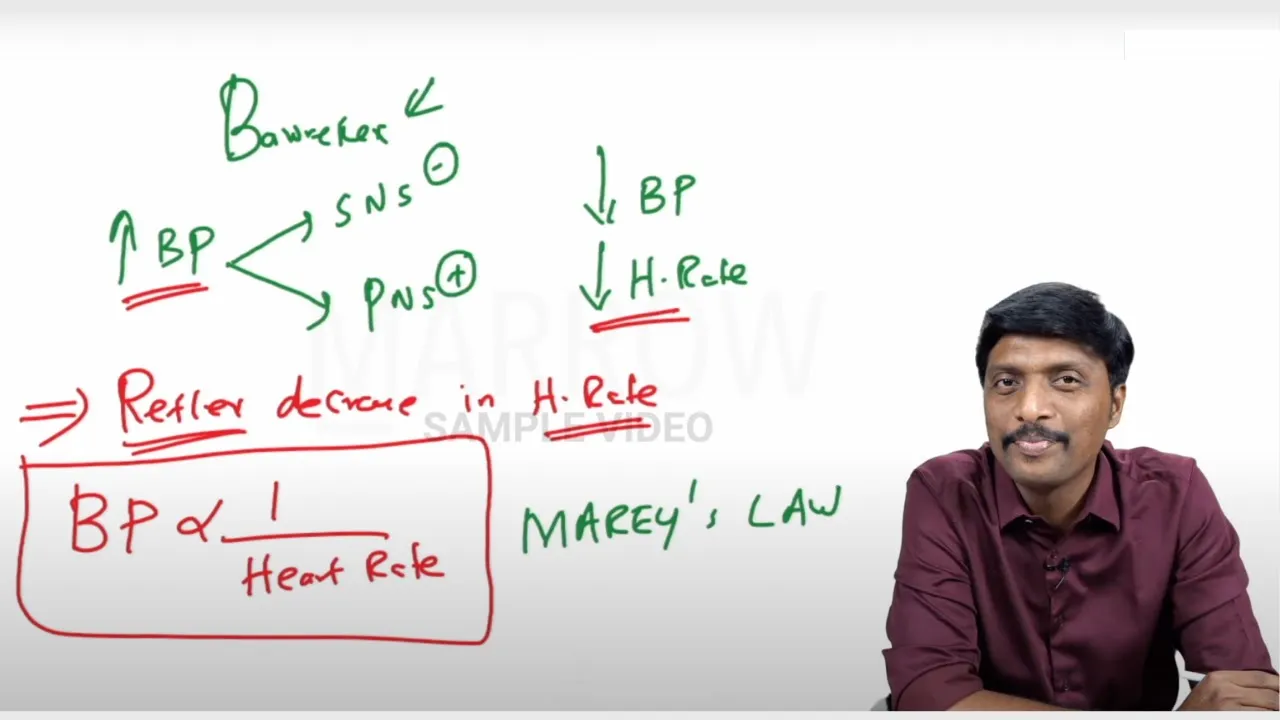
Baroreceptor Reflex: Short-Term Blood Pressure Regulation
@marrowmed
30.5K views•2022-06-18
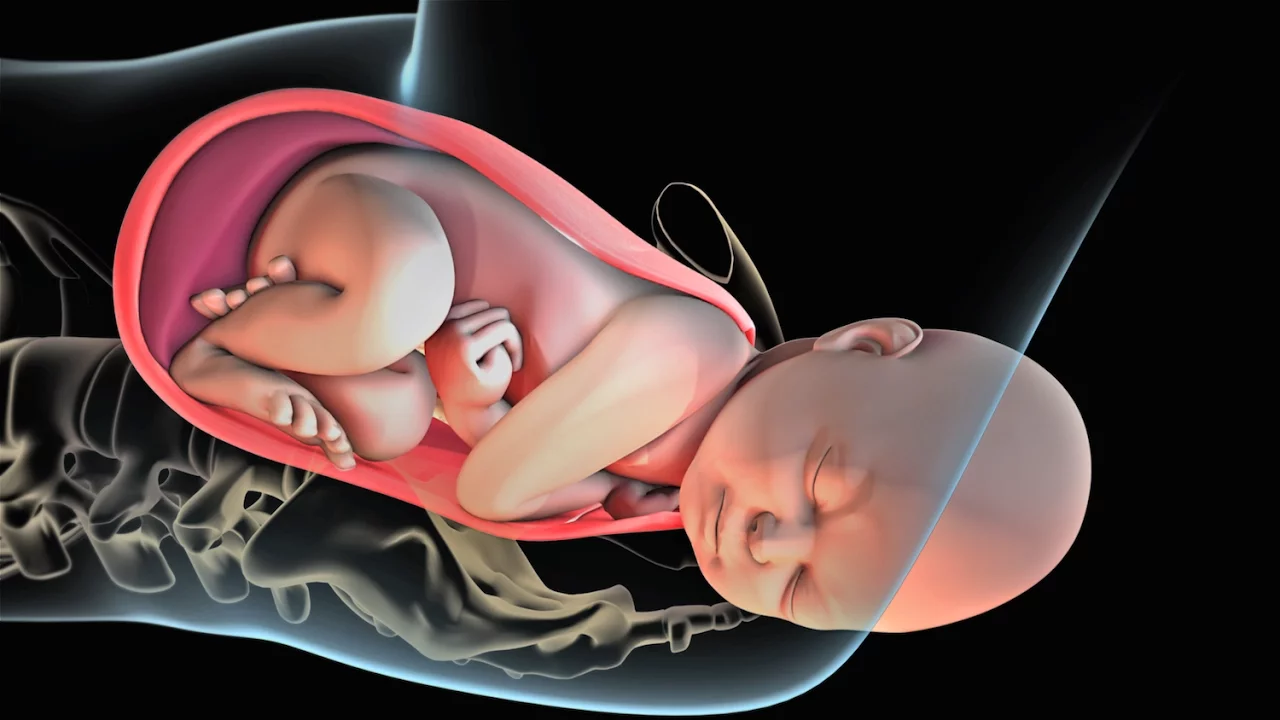
Stages of Labor and Vaginal Birth | Childbirth Animation
@nucleusmedicalmedia
52.1M views•2017-08-18
Related Study Plans & Knowledge Roadmaps
Structured learning paths in Medicine