





![Protein–Ligand Interaction EXPLAINED [Biochemistry]](https://i.ytimg.com/vi_webp/sC8iiFeKa0g/maxresdefault.webp)







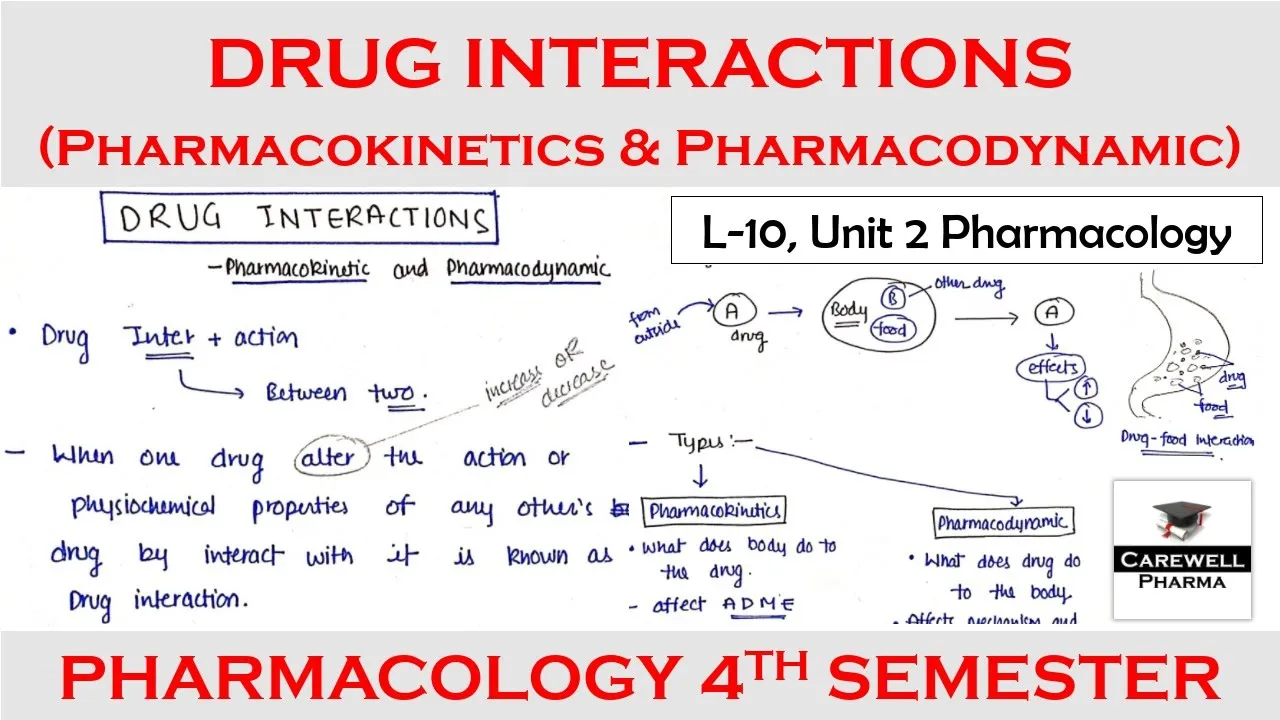






Pharmacokinetics describes how the body processes a drug through absorption, distribution, metabolism, and excretion (ADME), while pharmacodynamics explains how the drug affects the body through receptor binding and biochemical mechanisms; together they determine drug concentration-effect relationships and guide optimal dosing within the therapeutic window to ensure safe and effective therapy.
Pharmacokinetics vs Pharmacodynamics: Pharmacology Basics
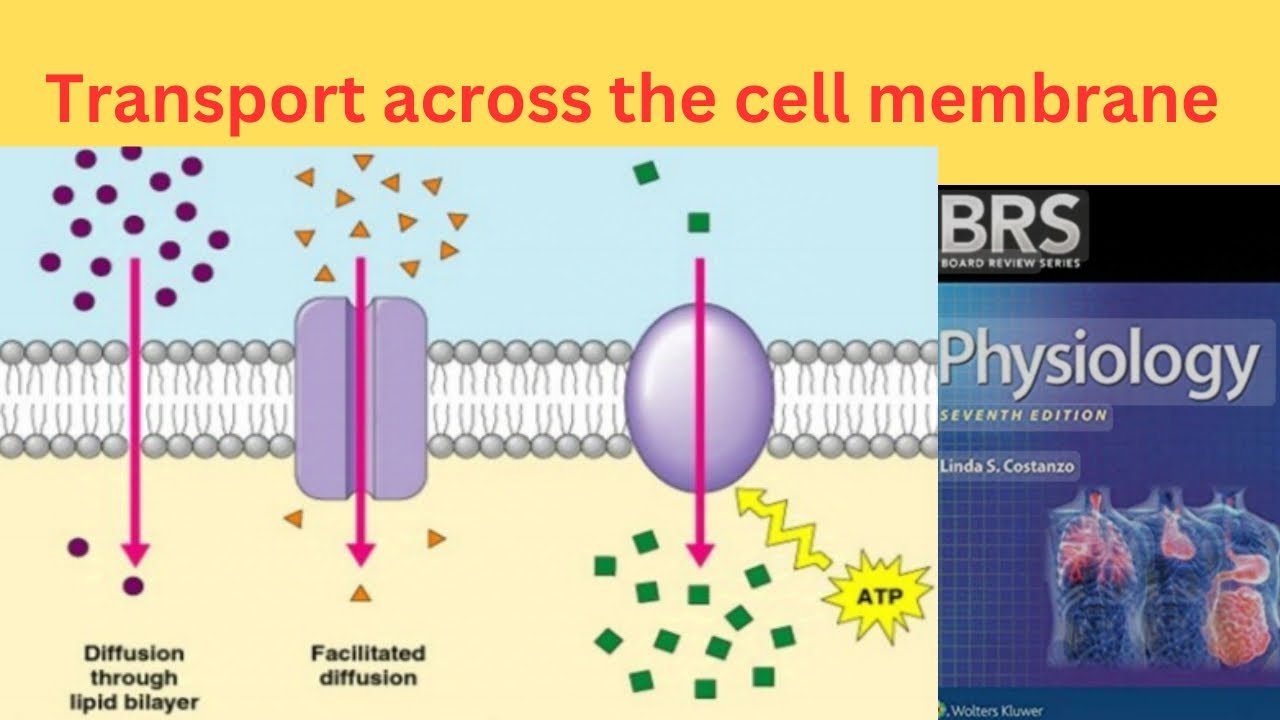
Added:Basic cell biology and membrane transport mechanisms, including passive diffusion, active transport, and carrier-mediated transport.
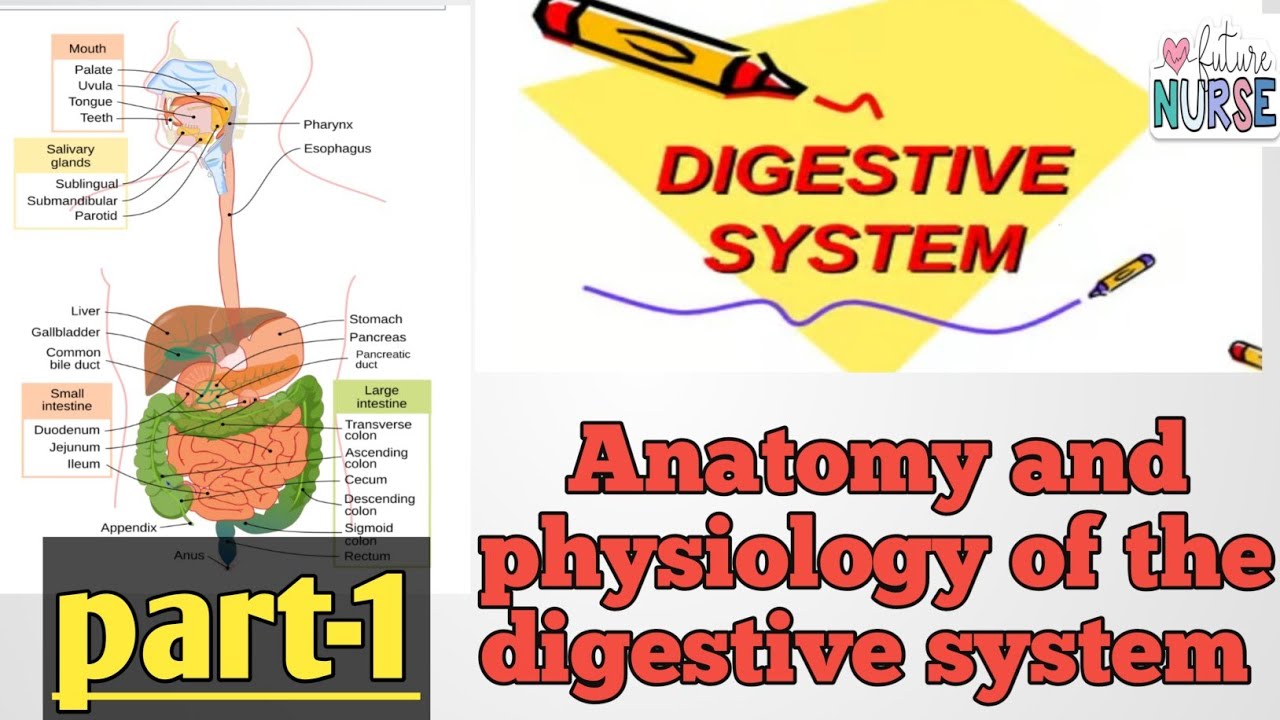
Human anatomy and physiology, specifically the functions of the gastrointestinal tract, liver, and kidneys in processing substances.
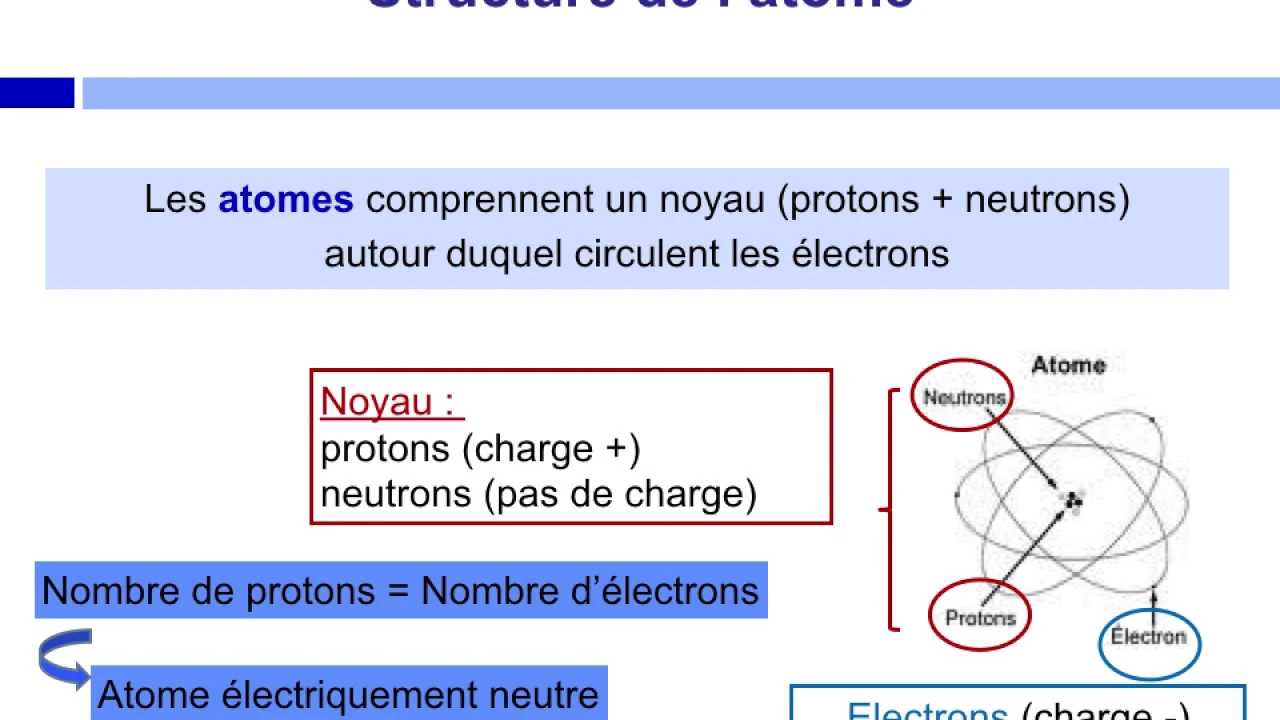
Fundamental biochemistry concepts, particularly protein-ligand interactions and the structure-function relationship of cellular receptors.
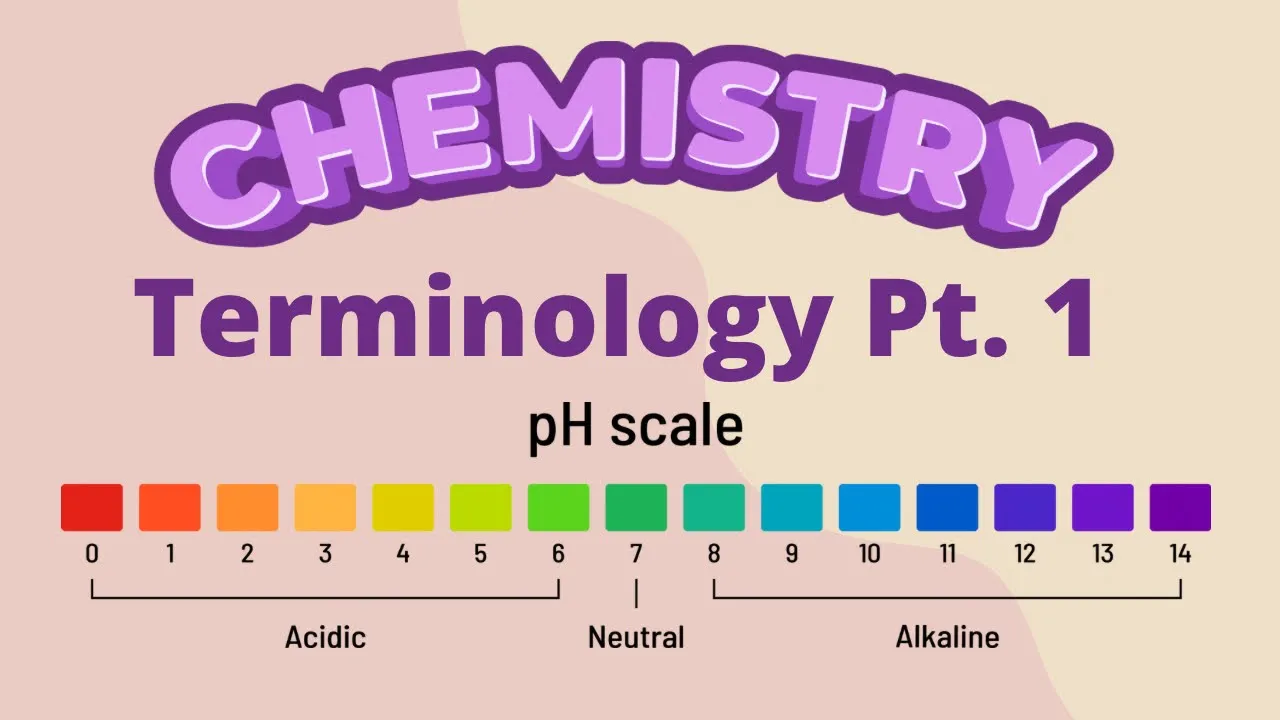
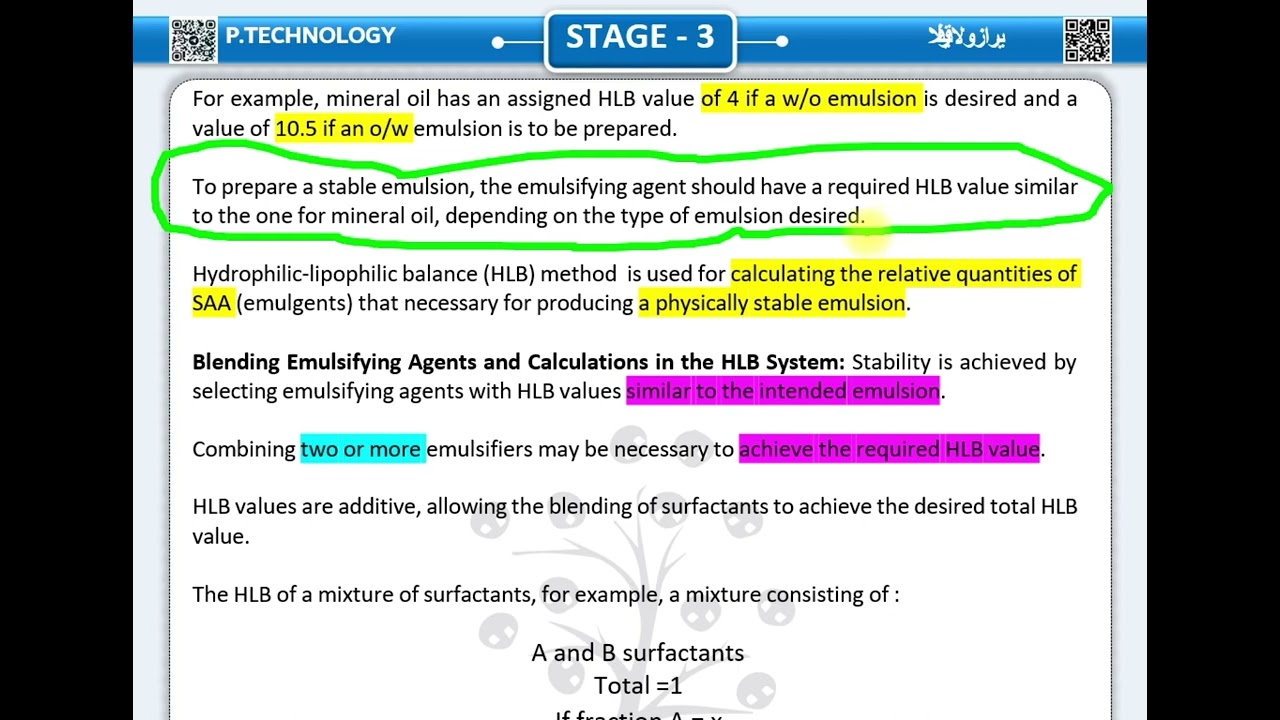
Basic chemistry principles, such as pH, ionization state, and the difference between hydrophilic and lipophilic substances.
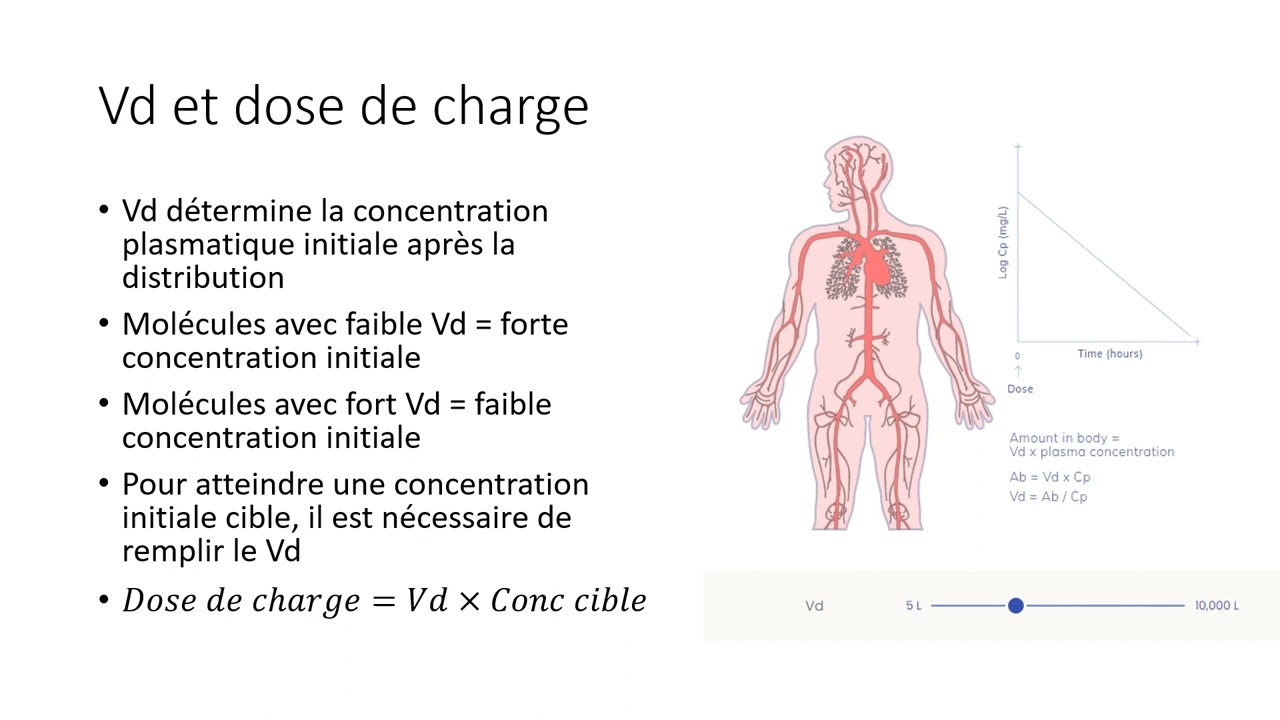
Quantitative pharmacokinetics, focusing on calculating clinical parameters like half-life, clearance, volume of distribution, and bioavailability.
Pharmacokinetic and pharmacodynamic drug-drug interactions, studying how co-administered drugs alter each other's profiles.
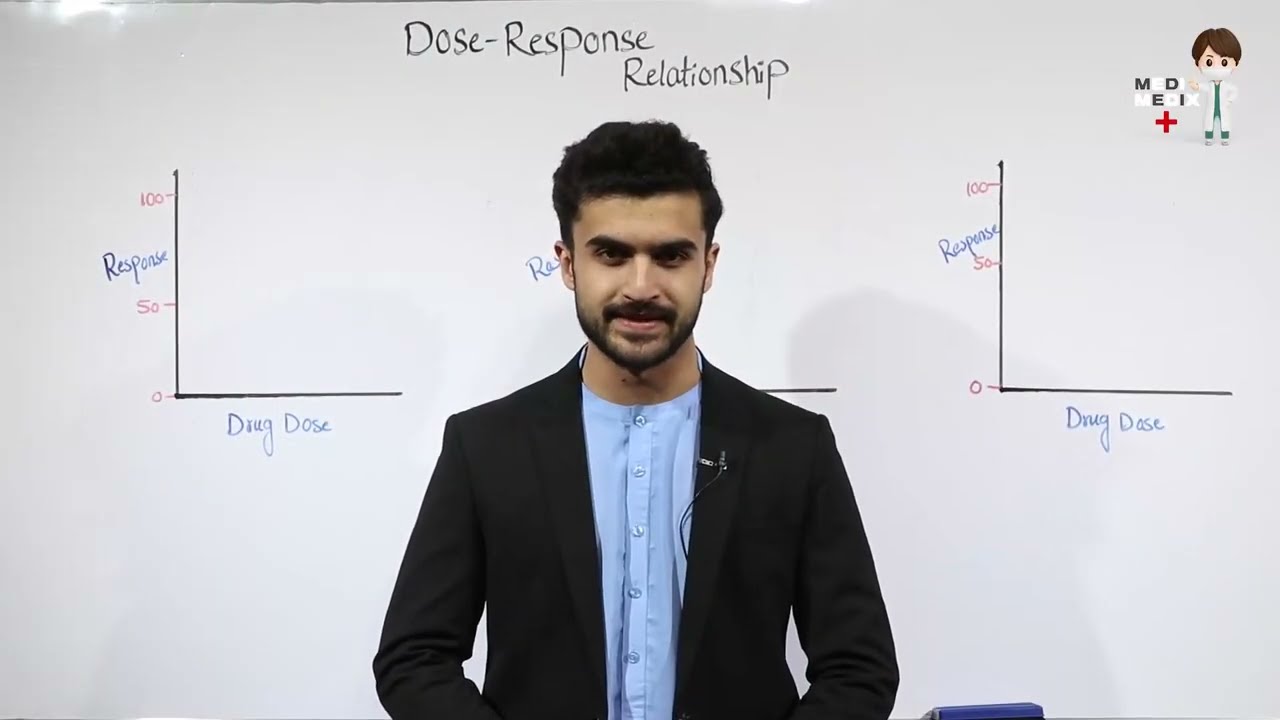
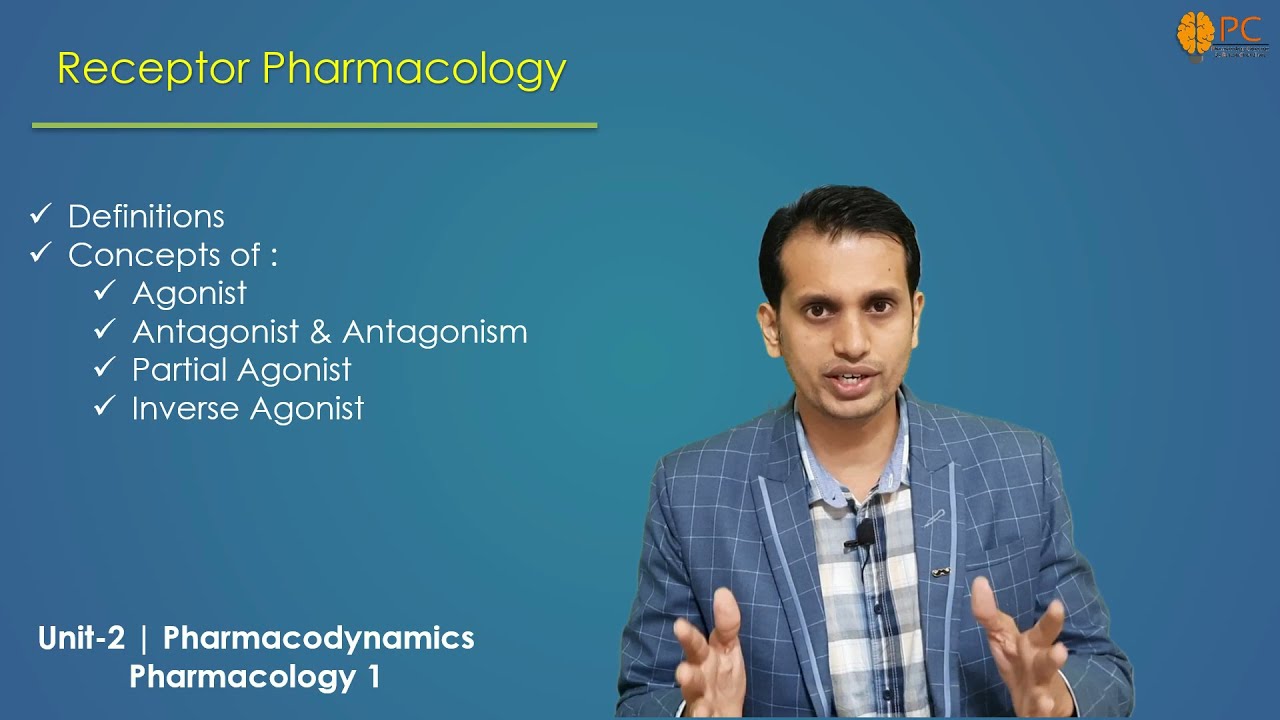
The dose-response relationship and receptor theory, including concepts like agonist/antagonist activity, efficacy, and potency.
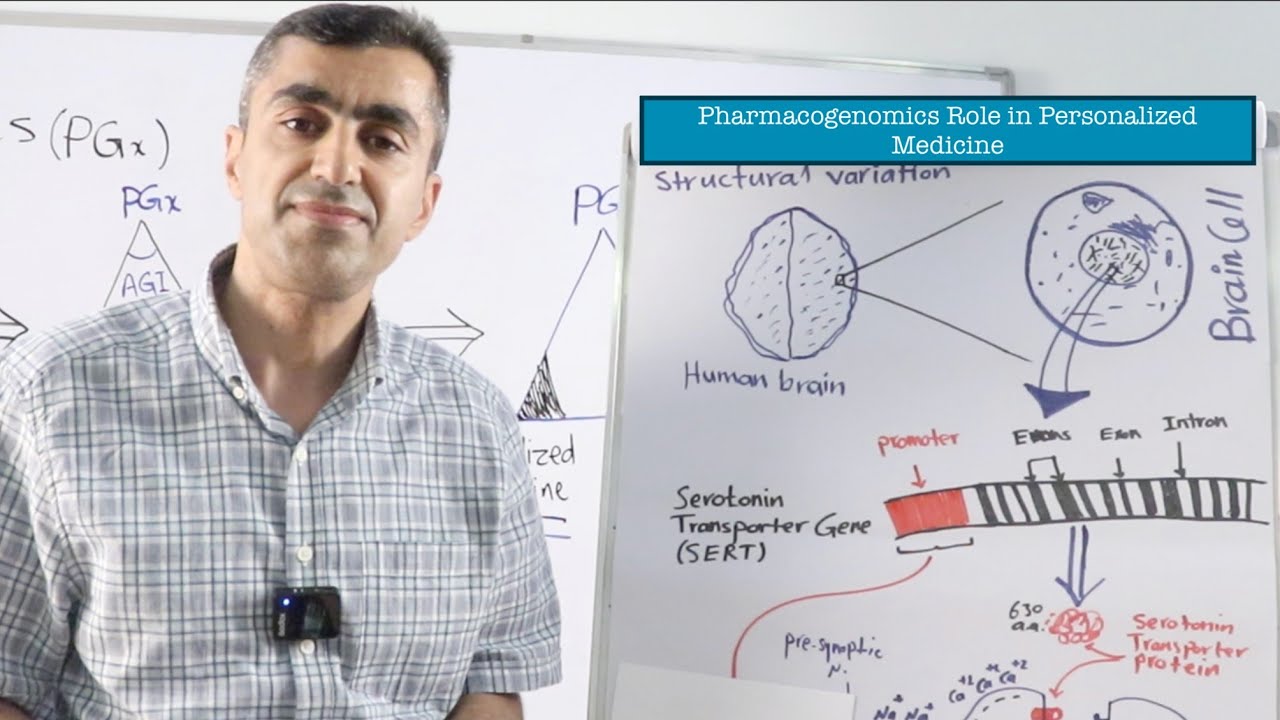
Pharmacogenomics, which explores how genetic variations among individuals impact drug metabolism and receptor sensitivity.
7.9K views131likes3:43Original Release: 2024-08-24
Welcome to our in-depth exploration of pharmacokinetics and pharmacodynamics The crucial sciences that explain how drugs interact with the body pharmacokinetics describes the Journey of a drug through the body which we can break down into four main processes absorption distribution metabolism and excretion absorption after taking medication the first step is absorption this is where the drug enters the bloodstream from the site of administration factors like the drugs formulation and the presence of food in the stomach can affect the rate and extent of absorption distribution once in the bloodstream the drug is distributed to the organs and tissues how quickly and extensively a drug spreads depends on blood flow the Drug's ability to cross membranes and its binding to plasma proteins metabolism most drugs undergo metabolism primarily in the liver where enzymes transform them into more water soluble compounds this process is crucial for the Drug's elimination and can significantly affect its activity and toxicity excretion finally the drug and its metabolites are excreted from the body through the kidneys liver or even in breath and sweat the rate of excretion influences how long the drug remains active in the system these pharmacokinetic processes determine the Drug's concentration in the bloodstream and tissues directly impacting its therapeutic and adverse effects moving on to pharmacodynamics which explores what the drug does to the body this field studies the mechanisms of drug action and the relationship between drug concentration and effect receptor binding drugs exert their effects primarily through binding to specific receptors on cells this binding can activate or inhibit normal cell functions depending on the Drug's design dose response relationship the dose response relationship is fundamental in pharmacodynamic DCS it helps us understand the Drug's efficacy and potency by correlating the drug dose to the magnitude of its effect postreceptor effects after binding to its receptor a drug can initiate a Cascade of biochemical events inside the cell these include changes in enzyme activity alterations in ION channel function and effects on Gene transcription all of which contribute to the Drug's overall effect chemical interactions some drugs act not through receptors but by chemical interactions with other molecules in the body such as antacids neutralizing stomach acid pharmacodynamics provides crucial insights into the therapeutic effects of drugs and their potential side effects guiding optimal drug design and therapy the interaction between pharmacokinetics and pharmacodynamics is crucial for Effective drug therapy this relationship helps us design dosing regimens that achieve the desired drug concentration in the blood that is is therapeutically effective without being toxic therapeutic window the therapeutic window is the range of drug concentrations which is effective and safe it is critical to stay within this range to maximize the Drug's benefit while minimizing harm understanding this interaction ensures that patients receive medication dosages that are both safe and effective tailored to their individual needs to conclude mastering pharmacokinetics and pharmacodynamics allows Healthcare Providers to optimize drug therapy ensuring that treatments are both safe and effective thank you for joining us for this exploration into the fascinating world of drug action and interaction
Up Next
7:37
Pharmacology Introduction: How Drugs Work in the Body
@ProfessorDaveExplains
424.4K views•2020-02-11

48:47
Graphic Medicine: Comics for Collaborative Healthcare Communication
@nationalpatientadvocate
189 views•2023-12-04

10:28
Neuroanatomy: Central and Peripheral Nervous System Divisions Explained
@AKLECTURES
136.2K views•2014-09-20
3:05
Stages of Labor and Vaginal Birth | Childbirth Animation
@nucleusmedicalmedia
52.1M views•2017-08-18
Related Study Plans & Knowledge Roadmaps
Structured learning paths in Medicine
medicine
Abnormal LFTs: Diagnostic Workup & Pathology
01Liver Anatomy and Basic Physiology
02Introduction to Liver Function Tests (LFTs)
03Hepatocellular vs. Cholestatic Patterns
+ 3 more learning modules
12h6 modules
Explore Roadmap
medicine
Analyzing Blood Smears: RBC, WBC & Platelets
01Introduction to Blood Components & Smear Preparation
02Normal Morphology of Blood Cells
03Erythrocyte Pathologies & Morphological Variants
+ 2 more learning modules
12h5 modules
Explore Roadmap
medicine
Mechanical Ventilation: Waveforms & Alarms
01Anatomy and Physiology of Breathing
02Introduction to Mechanical Ventilation & Core Modes
03Ventilator Settings and Waveform Interpretation
+ 2 more learning modules
12h5 modules
Explore Roadmap
medicine
Neuro Exam: Localization & Stroke Syndromes
01Foundations of Neuroanatomy and Vascular Supply
02The Neurological Examination: Step-by-Step
03Principles of Neurological Localization
+ 3 more learning modules
18h6 modules
Explore Roadmap