












![Chemical Equilibrium JEE #8 [ All Previous Year JEE Questions ] JEE 2023 | JEE Chemistry | Vedantu✌](https://i.ytimg.com/vi/P1Yt9tWaOLc/maxresdefault.jpg)

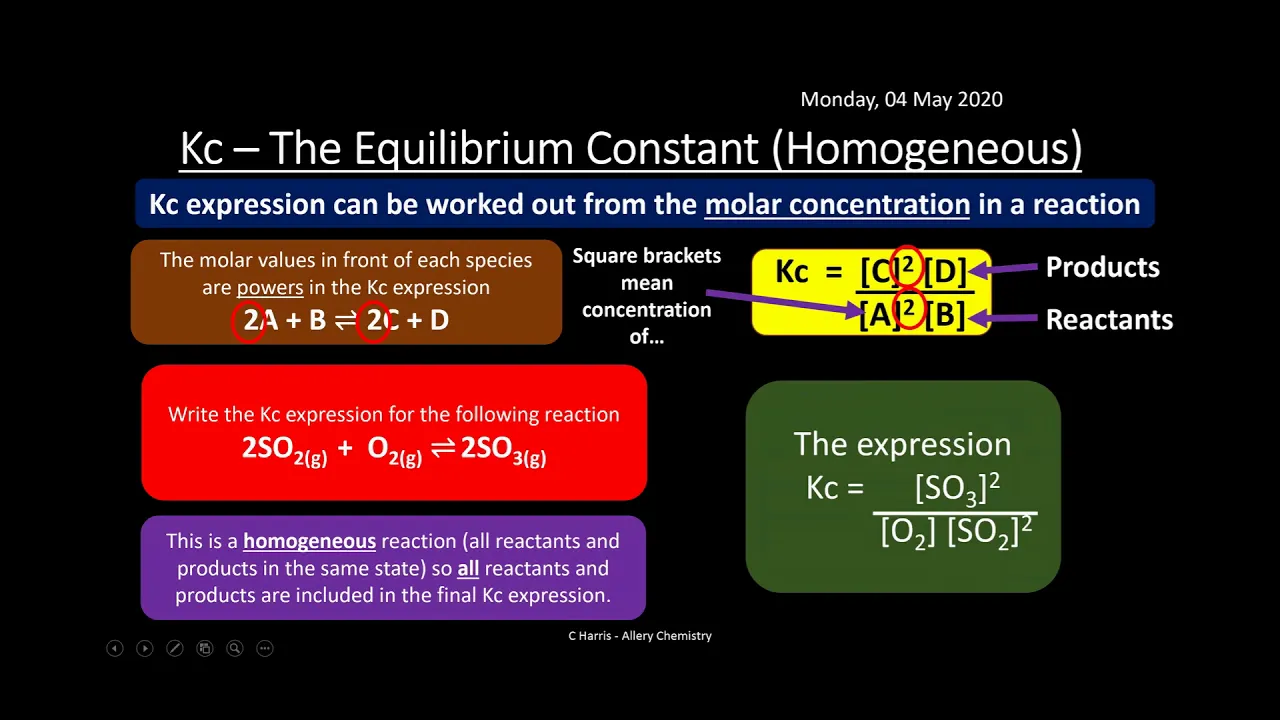












Le Chatelier's principle states that if a system at equilibrium is subjected to a stress, it will shift in a direction that relieves that stress; this principle applies to three main types of stresses: (1) concentration changes where adding reactants shifts equilibrium right and adding products shifts it left, (2) temperature changes where exothermic reactions treat heat as a product and endothermic reactions treat heat as a reactant, and (3) pressure/volume changes where the system shifts toward the side with fewer gas particles when pressure increases and toward the side with more gas particles when pressure decreases.
Le Chatelier's Principle: Predicting Equilibrium Shifts
Added:Understanding of reversible reactions and the concept of dynamic chemical equilibrium.
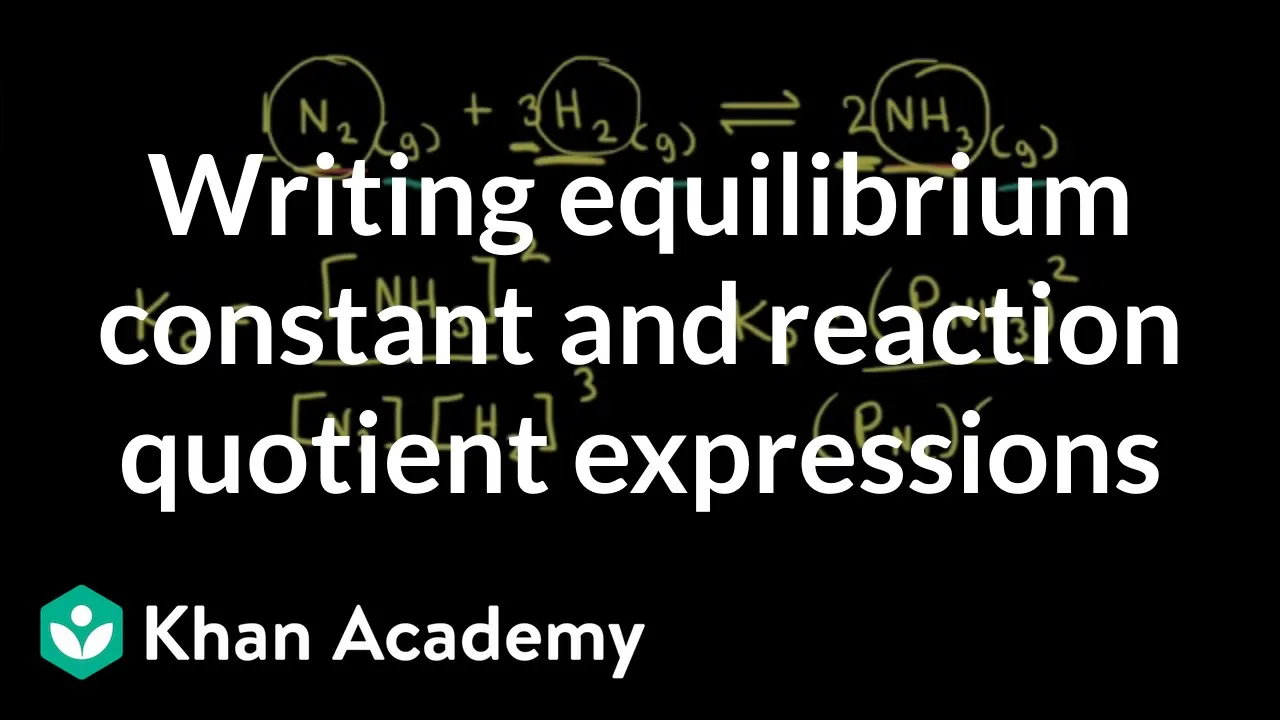
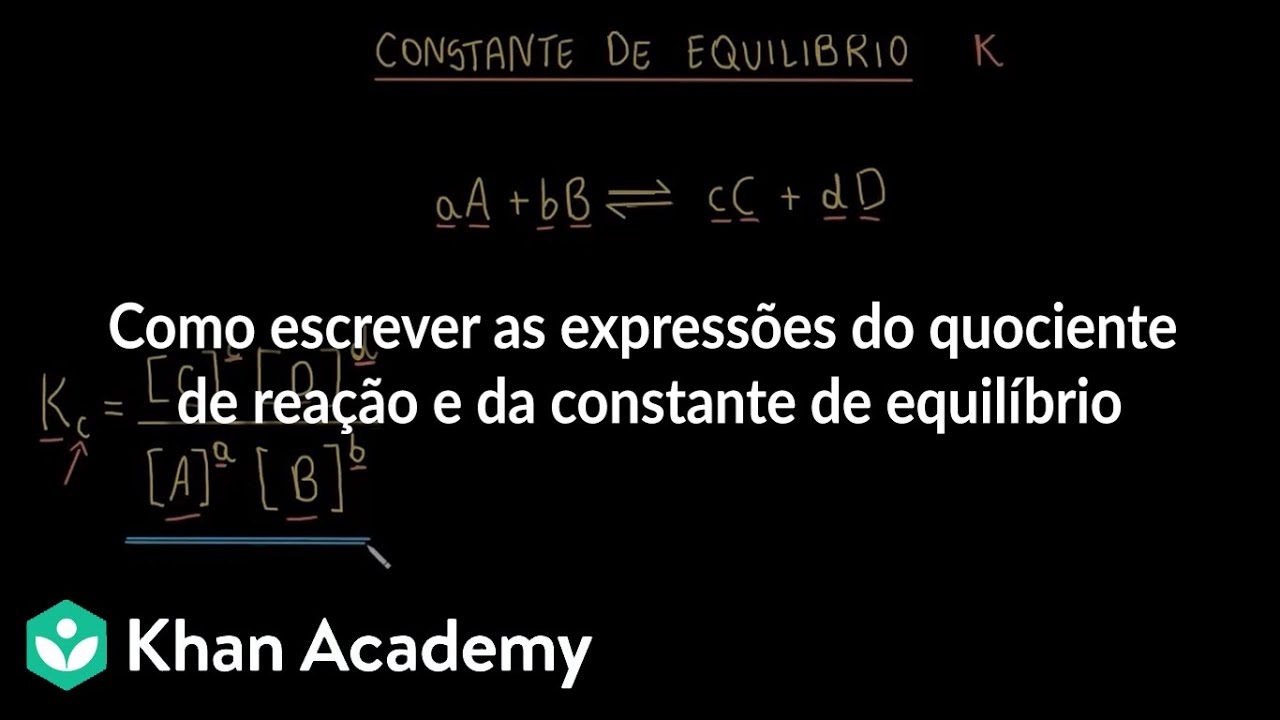
Familiarity with the reaction quotient (Q) and the equilibrium constant (K), including how to write equilibrium expressions.
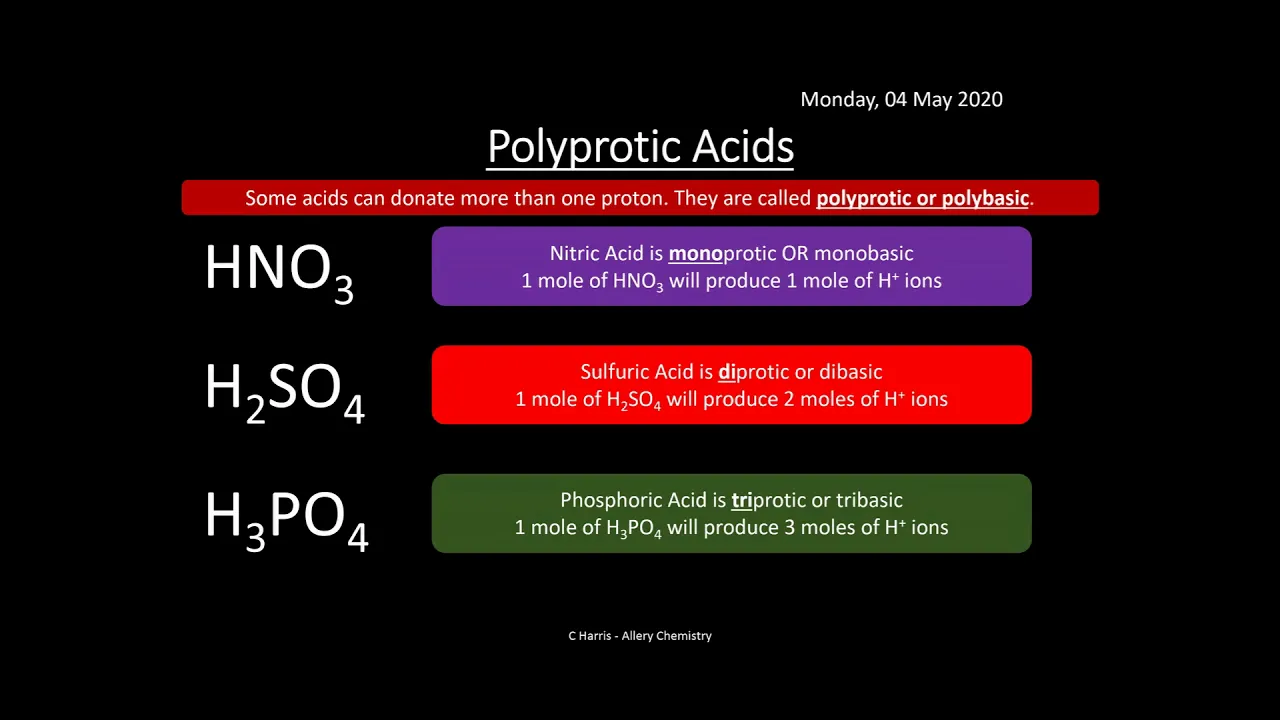
Basic knowledge of chemical thermodynamics, specifically distinguishing between exothermic and endothermic reactions.
Understanding gas laws, particularly the relationship between pressure, volume, and the concentration of gases.
Quantitative analysis of equilibrium shifts using ICE (Initial, Change, Equilibrium) tables to calculate new equilibrium concentrations.
Industrial applications of equilibrium control, such as optimizing yield in the Haber-Bosch process.
The common ion effect and its application to solubility equilibria (Ksp).
Acid-base buffer systems and how Le Chatelier's principle explains their resistance to pH changes.
1.4M views26.9Klikes4:09Original Release: 2015-12-29
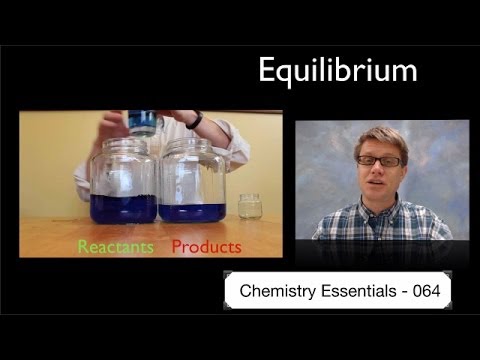
professor Dave here let's talk about Le Chatelier's principle.
Le Chatelier's principle says that if you induce a stress on a system at equilibrium the equilibrium will shift so as to relieve that stress. so let's see some examples of a stress we could put on a system at equilibrium. first we could modify the concentration of any of the compounds. let's say we add some of this reactant, that will unbalance the equilibrium and the forward reaction will speed up to use up some of the additional reactants and turn them into products and restore equilibrium. the equilibrium is said to have shifted right. if we add more products it would shift left. likewise if we selectively remove one of the components the equilibrium will shift to produce more of that species to restore balance. that is one type of stress we could put on a system. another stress would be to change the temperature. to see how this would affect an equilibrium we have to see whether a given reaction is exothermic or endothermic. this tells us whether a reaction absorbs or releases energy and is signified by delta H the change in enthalpy. if delta H is negative the reaction is exothermic and releases energy so we could think of heat energy as a product of this reaction. if instead it's positive that means it's endothermic and energy must be absorbed for the reaction to go. so we could think of heat energy as a reactant in that scenario. once we translate thermochemical data in this way we can treat the word heat as just another substance involved in the reaction higher temperature means more heat so things will shift to the other side to use up some excess heat and relieve the stress. cooling it down would have the opposite effect. the third stress we can examine is changing the volume or pressure. let's say the equilibrium involves gases in a balloon what if we decrease the volume? if we remember Boyle's law we know that the pressure will go up since the smaller the volume the more the particles will hit the sides and exert pressure. if there is a discrepancy in the number of moles of particles on either side of the equilibrium it will shift towards the side with fewer particles so as to alleviate some of the additional pressure. in this equilibrium between a diatomic molecule and two monoatomic species the right side has twice as many particles so shifting left means atoms fusing together resulting in fewer particles which lowers the pressure on the container. if we increase the volume thereby lowering the pressure the equilibrium would shift towards the side with more particles in order to regain some of the lost pressure. let's check comprehension.
thanks for watching guys, subscribe to my channel for more tutorials and as always feel free to email me
Up Next
24:27
Vapor Pressure and Raoult's Law Explained | Class 12 Chemistry Solutions
@NAJAMACADEMY
196.1K views•2023-07-24

83:56
Biocatalysis and Catalysis in Islatravir Synthesis | Merck Webinar
@SCIwheresciencemeetsbusiness
675 views•2020-10-08
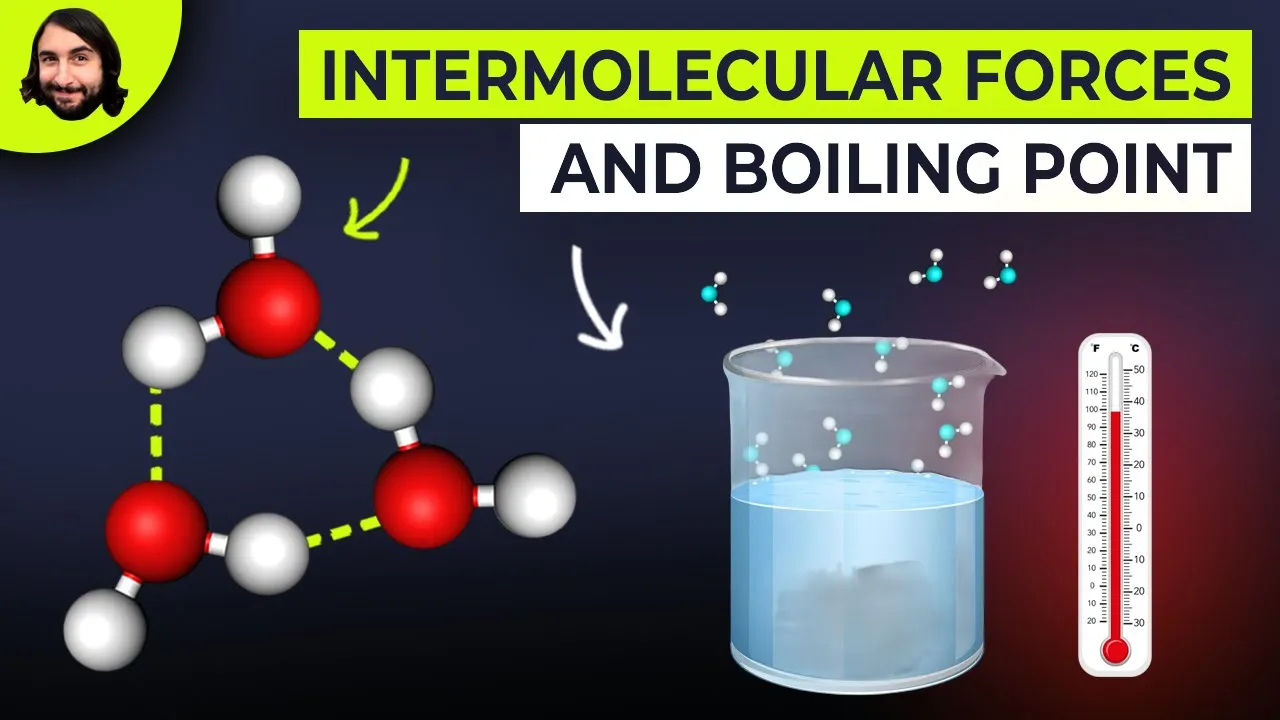
10:54
Intermolecular Forces and Boiling Points Explained | Chemistry
@ProfessorDaveExplains
2.7M views•2015-11-05

17:31
Edible Water Bottles: A DIY Guide to Sodium Alginate Spherification
@ryan
10.5M views•2019-06-21
Related Study Plans & Knowledge Roadmaps
Structured learning paths in Chemistry
chemistry
Nuclear Chemistry: Decay, Meds & Fuel Cycle
01Introduction to Nuclear Structure and Radioactivity
02Decay Dynamics and Kinetics
03Radiation Interaction and Detection
+ 2 more learning modules
24h5 modules
Explore Roadmap
chemistry
Supramolecular Chemistry: Forces & Machines
01Foundations of Chemical Bonding and Intermolecular Forces
02Introduction to Host-Guest Chemistry
03Thermodynamics and Dynamics of Self-Assembly
+ 2 more learning modules
16h5 modules
Explore Roadmap
chemistry
Photochemistry: Excited States & Reactions
01Foundations of Light-Matter Interactions
02Molecular Orbitals and Electronic States
03Photophysical Processes and Jablonski Diagrams
+ 2 more learning modules
18h5 modules
Explore Roadmap
chemistry
Coordination Chemistry: Bonding & Properties
01Introduction to Transition Metals and Ligands
02Crystal Field Theory (CFT) and Geometry
03Magnetic Behavior and Spin States
+ 2 more learning modules
14h5 modules
Explore Roadmap