
















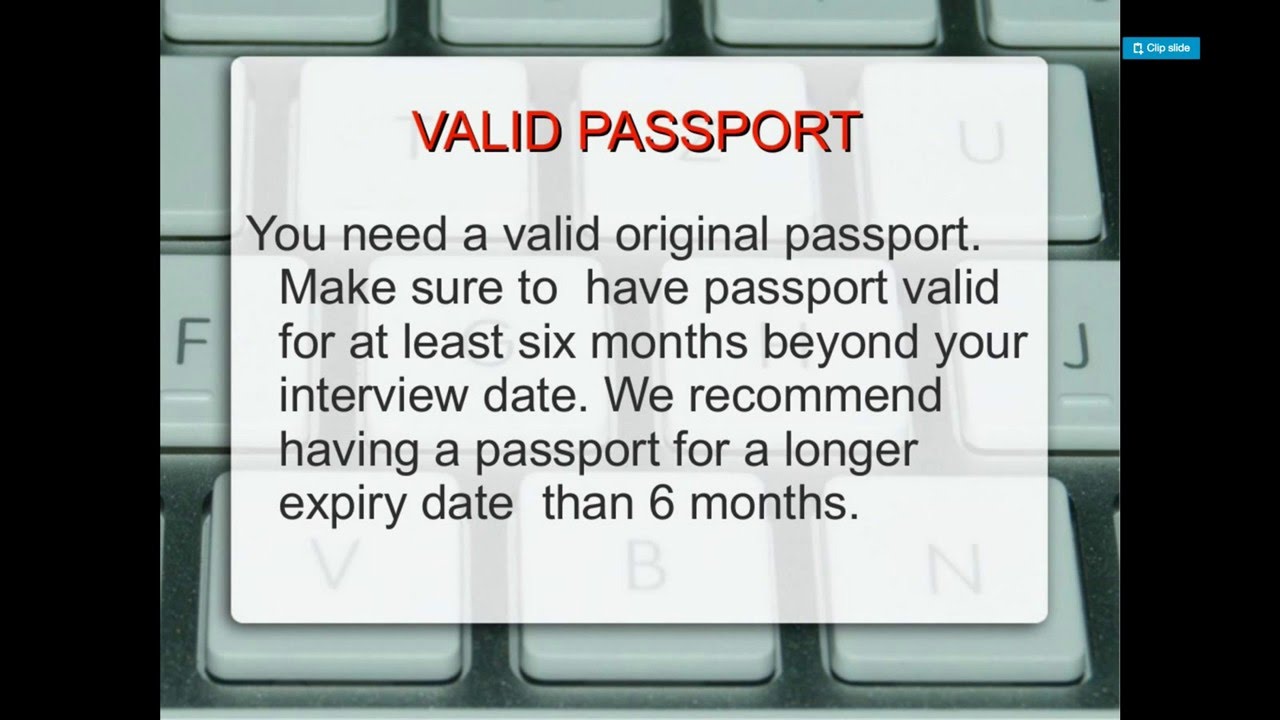










This training covers the H-1B visa sponsorship process at Columbia University, including eligibility criteria for specialty occupations requiring a bachelor's degree or higher, the Compass electronic application system workflow, required supporting documents such as job postings, CVs, degree evaluations, and export control attestations, and key procedural requirements like the six-month advance filing window and fee payment responsibilities.
H-1B Compass Application Training Webinar at Columbia
Added:Basic understanding of the US H-1B visa category, including its definition as a non-immigrant specialty occupation visa.
Familiarity with the role of Columbia University's International Students and Scholars Office (ISSO) in sponsoring international employees.
Awareness of fundamental US immigration terms such as USCIS (US Citizenship and Immigration Services) and LCA (Labor Condition Application).
Understanding the general distinction between student visas (like F-1/OPT) and employment-based visas (H-1B).
Procedures for maintaining legal H-1B status post-approval, including reporting changes in employment terms or work locations.
The process of applying for H-1B visa extensions, amendments, or portability (transferring to a new employer).
Navigating international travel regulations and the visa stamp renewal process at US consulates abroad while on an active H-1B.
Understanding visa pathways for family dependents (H-4 visa status) and their eligibility for Employment Authorization Documents (EAD).
Exploring long-term residency options, such as transitioning from H-1B status to permanent residency (Green Card) through university sponsorship.
447 views1likes1:34:22Original Release: 2020-12-10
good morning everyone and welcome and thanks for attending today's session today's training we miss seeing everyone and we hope with the good news of the vaccine that we'll be together sooner than later um today we have gwyneth smith and christina zupank who both of whom you know very well and um today we're going to go through a compass an example of a compass application as you know we launched compass just before kovid broke out and we had one training and um and as our lives have all taken on a very busy um perspective we have provided the guide which i think is extremely helpful but today is um i is going to be a a good experience for all of us to to see what everybody needs and and also to provide what you need so first i wanted to share some um good news in relation to immigration on december 1st um the united states district court um in northern in the northern district in california issued a decision that suspended the department of labor's wage increase that went into effect on october 8th some of you are very familiar with this and also prevents the implementation of the department of homeland security's proposed changes to the h-1b program which were to take effect on the seventh both in um interim you know final rules really caused us some um you know grief regarding the pro-darling wages and the specialty occupation criteria so this is extremely welcomed news um so now we'll get to the matter at hand which is the training so we'll begin um one important detail i wanted to share with everybody is the importance of the website um and how it integrates with um you know how you use compass so um you know the website has you know so much information and it's continually updated we have a great communications team on the morning site to campus and it is you know has a wealth of information but as far as how it relates to submitting um applications in compass the uh applica the website provides details about h1b eligibility information about notifying us you know when a position changes h1b position ends or changes and most important for today as it relates to the compass intake it contains the entire h1b application process including the list of supporting documents so we have recently uh revised that list to make it um a little bit more concise and so please you know follow that list and it should be i think more helpful now um and also on the website you will be able to find the link to the compass user guide um to direct you through the steps on filing an h1b application or an h1b um extension and we've also updated that a little bit um recently so you will see some changes to that um now i'll pass the baton back to gwyneth who will begin the review um of the website thanks kathy and christina is going to help me she is our number one navigator today um so thank you christina and we will take it to the website so this is the page on our website that you will want to go to so this is on our isso main page you are going to go to four departments and you will go under the tab sponsoring or extending and then you're going to go to the little tab h1b specialty occupation so right there you will find a wealth of information um that you can use to help you through this process and actually it's essential because this the website along with the guide is they they are the two pieces that you will need in order to complete an entire application all right so we will begin so to begin um the h1b position needs to qualify as a specialty occupation and as you can see at the beginning this information goes over what um you what an h1b means and and how and how it qualifies and so it requires a theoretical or practical application of a body of highly specialized knowledge and attainment of a bachelor's or higher degree or its equivalent as a minimum requirement at a wage that meets the higher of the prevailing wage or the actual wage and the applicant must also hold that required degree in the field of employment so what this means is that both the position and the employee must meet the h1b eligibility criteria so that's the the basics of the h1b so we always want to keep that in mind when you're putting when you're up deciding whether or not this individual um can be sponsored by the h-1b versus another visa category all right so as you can see on our website um there are there's a little orange triangle these um orange triangles mean it's something to pay attention to and any updates with immigration or updates that you may need to be aware of regarding a fee change or um any kind of of of new notification such as the premium processing free fee increase to 2500 um that was effective on october 19th that will be um you know broadcast that way so that you can be sure to note any changes so these updates will be made regularly um by our wonderful communications team so just be sure to uh pay attention to that and you can always find the recent updates on our website all right so as we go down on this page you can see the um the bullet points here on what this page covers so we're going to cover the h1b requirements before you sponsor sir we're going to give you a petition overview how to sponsor and extend before you extend how to extend related resources and then it says the ssp and compass user guides please be sure to always use the compass user guide as this is the cuimc system of of record and the system that we use at cymc the ssp is for the morningside campus and as you will see on this page there are two places to go you can go to the morningside tab or the cuimc tab so please always go to this uimc tab as we have slightly different ways to process these h1b applications all right so we will move along to h1b requirements as i mentioned before the position must qualify as a specialty occupation and the applicant must hold the required degree in this field of employment so um that is a requirement the position must needs to be paid by colombia and it must be paid by at least the pro it must be paid a minimum of the prevailing wage that's set by the department of labor so the employment is specific to the h1b petitioner and allows compensation only from the employer for the work described in the petition so very very important to note that you must let us know if there's any substantial changes in the employment such as a change in the end date the employment location title duties sources of funding as we may need to amend the petition um this is not always the case we need to look at the case itself and see what the situation is but any change any material change must be notified to us all right and the next is the export control compliance per federal regulations columbia university must certify as part of the h-1b petition whether the university needs a license from the federal government in order to allow the prospective employee to access certain controlled technology or technical data so this is extremely important and it is part of the compass intake process in the actual application itself and just so that uh you are aware h1b uh petitions from colombia must be filed by colombia's international office um no outside attorneys are permitted so that would be they would be filed by us directly all right so then moving along here um [Music] so that so now we're going to talk about the positions that qualify and do not qualify for h1b sponsorship and i'm going to pass the baton back to kathy who's going to go over this in detail okay thanks gwyneth um so the website is you know as i said extremely helpful because it gives you really good guidelines about what is possible and what is not possible so please um use that as a resource and i think you'll receive you know many of the answers to your questions once you do that um essentially for positions that qualify it indicates here the full-time research positions at the associate research scientist level or higher and then staff associates must be determined by the iss on a case-by-case basis um and you're very you know efficient in that area by you know infor asking us in advance because um as you know some positions we do say uh would not qualify um we do uh in um not indicate here that num necessarily post doc scientist positions um qualify but we know they do we have filed for many postdoc scientists um and the reason is because um as we go down a little bit we'll see that you know what's the difference between an h and a j and you know so i wanted to be able to talk about that at some point but essentially uh you know the go-to really is for a postdoc um is generally a j um a j is more for training um h is more for employment and um you know there's several reasons why and just to highlight some of them you know is really to allow the change in funding is really a very helpful you know um piece for a postdoc to be able to have that opportunity um also um it maximizes the scholars time as a non-immigrant doesn't use up their h life before you know uh they you know think that they're gonna move on to some other visa status and then they find out that they're in a position that they have nothing else to move on to um so we always encourage j first and then h but it is possible um um christina you can just go back up to the top there where we were so um of course tenure track faculty full-time lecturing positions and other full-time research and lecture positions um in situations when the j-1 is not possible and so that is really why we uh go in that direction for our postdocs if possible um then we have positions that do not qualify for h1b sponsorship and administrative positions do not qualify unless we can demonstrate that it's critical to the function of the department um and it must be a specialty occupation once again and so there are opportunities that we are able to do this but then there are some that we are not so we review those cases case by case the length of stay we all know is um six years um an individual can have h1b status for six years um there are exceptions to that six-year limit if they can recapture some time that they spent outside the u.s they can recapture it even if it was vacation um it it's for any time that they were outside the united states so um if if not um there are other opportunities if they're in pursuit of us permanent residents um and so we review those you know in the office and we provide that advice um we ask that you contact us at least six months in advance of the six year mark to discuss eligibility for additional extension so that we have enough time to do that and as that segues into the timeline um we generally um you know i know it's difficult to get a you know six months in advance sometimes depending on the uh the position um the offer all of those things that are in place but we can file six months in advance of the uh requested start date so if if we have that bail um opportunity we should um it takes us um you know about six weeks to get a case out the door um to you know so the more time we have the better um of course you know there's premium processing that went up significantly to twenty five hundred dollars and um unfortunately you know that's uh standing at this point and um so if we can do it in advance current processing times at us immigration um is uh two to three months which is actually pretty good but of course it can change at any time so it is important to um always leave ourselves enough time if we if we have that opportunity and then um i think i'm handing it back to gwyneth [Music] all right so now we're going to um talk about the act the actual application process um you will find here an overview of what will happen so if we click as you can see here this is a good example of the morning side the morningside a little tab and the cymc department tab so we always want to click on the cuimc departments tab so we click there and in step one the very very first thing you want to do is you want to gather the documents listed here so the first step is you want to submit a request to our office to see if the position is eligible and if the beneficiary is eligible for the h1b request so this is the very first step so prior to going into compass you are going to gather these documents so what you will need is the appointment or continuing employment letter inclu which includes the job title the job description salary information proposed dates of employment and work locations and that can even include any off-site locations as well the job posting from wraps or talent link we will also need the cv of the prospective employee and then you'll want to have details about the position and comparable salaries on hand when submitting the first step i always refer to this as step one of the compass application all right so you want to make sure you have those documents on hand so this is basically to verify that the position is appropriate for the h1b status and that the department of labor component is met with the h1b application right so we'll proceed to the next step and again we are going to click on cuimc departments so before we move to an actual application in compass which i know you all are waiting for um we want to go over the other piece of this so in addition to submitting the application in compass you also must gather documents to to submit to us so that we can file the petition to uscis because they only accept paper copies still so until they are fully remote and fully online we must comply with this so that's why we ask for those two sets of supporting documents and i'm going to go over that so we'll proceed but this information here gives you the steps of the overview of the entire process so step one is that you are going to submit the h1b position details and comparable wage information e-form that's what i refer to always as step one and you're going to wait for us to approve or maybe we won't approve it right away we might ask for more information hopefully we will not deny it outright but um we we will need to review this very very carefully um so once it's approved then you will um be able to complete the rest of the application and give your um beneficiary your prospective beneficiary the information they will need to complete their piece of the compass application so then in step two the h1b employee will complete their information in compass and they will upload their documents step three you will compile two identical hard copy sets of all supporting documents which are listed on this website and you'll need to complete the or you will need to ensure the completion of the deemed export control attestation e-form then you will deliver the paper documents and uscis checks must be made to iss uimc and then you will want to complete the final departmental final attestation in compass okay so we'll go over all of this today all right so if we go to number four this is an important important step that i want to pay special attention to today you're gathering documents and you're requesting the checks so again uscis requires that the petition include hard copies of the supporting documents so you need to send two sets of the following documents and you can deliver those to the coimc mailroom which is in the william black building right next door to our office if that is not possible we totally understand that these are very um unprecedented times that we are living in and we will work to accommodate you know an arrangement with you to get the documents um so just know that we are here to make this work and we will make it work so um just reach out to us all right so now we're gonna go um over the documentation that's required for the petition extremely important the letter of support why is this important well it's important because it paints a picture of the position and of the h1b beneficiaries credentials to uscis so this frames your entire petition um because it's so important we have four different templates that you can use but right here on our website if you click on you know one of those uh positions officer of research clinical research coordinator as you can see you will get a template that you can use and edit and cater to your uh beneficiary and the position all right so we really um we want to you know really encourage you to use these templates and but of course you'll need to tweak that to the position and to the prospective beneficiary you must print this on letterhead and then also get the required signature and then upload it to compass and we'll go go over the compass details shortly all right so then if the employee will have clinical responsibilities you will need to provide evidence of passing all three parts of the usmle exams the ecfmg certificate and the new york state medical license um this is essential um sometimes these medical licenses can take a while and just keep in mind we cannot file a petition without it so keep that in mind when kathy discussed the timeline and the time frame the earlier you can start working on these applications the better that's really what it boils down to all right so now let's talk about the fees and the checks so the department must pay all the required fees for the h1b petition so we have details on how to submit the check request in arc here on our website and just please note during this time of cover 19 we have a contingency plan and so basically when you complete your check request you want to select cymc and then what happens is this results in the check being sent directly to the william black mail room address and then our mail room um officers know to uh give these checks to us so we have you know worked uh with very very closely with the mail room to have this work out well however um you know it's super super helpful if you could indicate the full name of the perspective h1b beneficiary in the check request because it could cause delays if we don't know who the check goes to which petition it goes to ultimately it will find its way that you know we we can definitely um we can definitely find out how to match these up but it can take more time than if we have the actual name on the check so this just makes it go smoothly for us and we really appreciate that so just to go um over the fees um all fees must be on separate checks okay so the 460 dollar fee is for the i-129 petition itself the 500 fee is for the fraud prevention and detection fee um so this is only for new h1b employment at columbia so keep in mind that if this is a straight up extension this fee is not required the 370 dollar fee is for an i-539 change of status um for dependents um applying for h4 status so the department please note is not required to pay any of the dependent fees um there's also an additional 85 dollar biometric services fee for each dependent all right so that also could delay matters if we notice that the fees aren't included for the change of status application and as a courtesy we will file the change of status application with the petition with the h1b petition all right so there's also as you know this uh fee has increased to 2 500 that is the premium processing fee that just went up on october 19th it is an optional fee to expedite um and uscis adjudication processing time will then you will get an answer a response from uscis within 15 calendar days rather than six months or more with regular processing however saying that we are seeing regular processing going a little bit faster than six months these days this is always subject to change of course so um but that's where we are at right now all right so if you could go down a little further wonderful thank you christina and um so next we're going to talk about uh additional more supporting documents so we we want the employees cv we need the highest diploma earned in the original language and the transcript the transcript can be unofficial if the transcripts not available we would need a statement from the university registrar confirming the area in which the degree was conferred so then also a certified translation if the diploma is not in english is required we have a list of reputable firms that can be used for this in number seven this is important to note that a degree evaluation is required this is a requirement if the degree was not earned in the united states we have a list of evaluators that can provide evaluations there's also time involved um with this process so keep that in mind you may think to yourself hmm i did an h1b application three years ago and i didn't need an evaluation wonder why we need it now well things change and three years ago was a different time and now it is an absolute requirement to get that evaluation so just keep that in mind we need an unexpired passport id page sometimes we get every single page of the passport that's just not necessary um we will save a tree and uh just send us the first page the passport identification page we don't need the visas we just need that first page um sometimes there's a second page if the um the uh the passport has been extended so in some cases there is a requirement to get the two pages but almost always it's just the passport id page the one page all right and again we need two sets of all of these documents okay so then the i-94 arrival record is required if the individual is currently in the united states and the the little blue um i-94 arrival record can as you can see thank you christina you can click on that and it will take you to the i-94 page all right so if the individual is now or previously was in the united states in j1 or j2 status you must provide all previously issued ds 2019 forms from columbia and any prior institution so if the application if the applicant was subject to the two-year home residency requirement we're also going to need the i-797 approval notice of the i-612 waiver granted by uscis so just keep that in mind that that is a requirement now we only need page one of the ds 2019 and any i-797 approval notices you don't need to send us any information pages if now currently in the united states in f1 status we will need copies of all previously issued i-20 forms and ead cards so again don't no need to include the instructions page just the first and last page of the i-20 um and then of course any evidence of the opt or stem obt such as the ead along with a w-2 for every year employed as well as all pay stubs for the current year since no w-2 is yet available for that year and that's required for those in f1 status if now or previously in the united states in h1b or o1 status we will need to see all i-797 approval notices again page 1 that have ever been issued in addition uscis is going to require it does require that evidence of continued employment um until the day the columbia h-1b petition is filed so we will need to see three most recent pay stubs so please make sure to include that as well and i kind of went over this before but if the h1b applicant has dependents um the i-539 and i-539a will need to be completed um in addition there is supporting documents required for the i-539 a petition application i should say including the marriage certificate for the spouse birth certificate for the child or children with an english translation id passport page evidence of the current immigration status including you know for example any i-797 approval notices i20 forms etc all right and we will carry on so to end that section those are the supporting documents that we will need two sets of in addition to the checks in addition to the compass application in order to file your h1b petition all right so i just really wanted to go over uh those details all right so now um christina is going to open the guide so that you can we can now move on to the next section and we are going to enter compass so this is the compass guide so here's a little tip for you if you go all the way to the bottom of that page that we were just on you can always get easy access to the guide and i recommend um printing out the guide uh you know for your first time in compass so that you can be encompassed unless you have two screens however you want to do it um if you have two screens you know that's wonderful too you can certainly do it that way but just have the guide next to you particularly for the first time that you go into compass so that you can refer to the guide when you're in compass all right so this is the user guide it is online and so whenever there are updates to the guide um we will they will be immediate so the only um downside of having a printout is it could get outdated so um just keep that in mind that this is always being updated by our communications team as we tweak and try to make your user experience better and better all right so then um it this is just to give you an overview of the guide um it is a step-by-step instructional guide to navigate the application process encompass there are screenshots as you can see maybe you can show them a screenshot christina so here are the steps and you can see we have screenshots so that you can very easily navigate through the compass application and now i'm going to pass the baton to christina who is going to give the prelude of the compass system [Music] thank you gwyneth um so now we are on the compass main page so if you go to compass.iso.columbia this is the page you land on and as you can see we have three logins the first two is for the scholars and then this last one the administrative services for university departments is where you will log in so please always follow this link okay so this is the page that you will receive and as you can see on the left there are different options so we have the departmental services overview add new person and here are the different applications we have h1b and the jalen scholars so we have two different options of adding an application we could either go through the h1b employee application and if um the h1b is already was already previously at columbia in either status we you could send us an email and we'll provide you with the university id and the date of birth and then the record will open you could also add a person by going to add new person and this is the information you'll add if they have not been previously at columbia so you will add the last name the first name if they have a middle name the date of birth the gender the email and the campus and please remember here to add cmc scholars and then you can add the requested immigration status so for this one it would be an h1b for these two questions here please always answer no and then if you would hit add new person it will pop up under departmental services overview so if you click here you can see all your cases so we'll look into case right now so don't do this one so if you click on them then you can see the application you have started so this would be the h1b employee application and this is what the page looks like if you go into a record so as you can see this one was previously um submitted so that's why we have the check boxes so this is what the page looks like and at the bottom of the page we can see a key which is very informative if you want to see the status of the application if it would be a blank box that means the form is still incomplete so here you can see that they're complete because they all have check boxes um you see the last form would be pending review from our office this is why that looks like so that's very helpful and one great tip is at the very bottom of the page you can see view save print e from group so if you click here and it should open you can see a pdf of all the forms so this is all the information that was submitted by the department as well as the h1b applicant and at the very bottom page of this you will see all the documents that were uploaded we have cue puppies as an example for a test record um but usually you would see the passport the cv all the documents that you uploaded in this application so we'll go back to the page and we'll just look into one of the forms and one tip i also have is please make sure when you're submitting a form that you do it in one sitting because sessions do time out so usually after 15-20 minutes make sure you have all the information in place before you hit the submit button so before you would start a forum i would recommend look through the form first check what forms you what documents you need to upload as well as making sure you have all the information you need to provide and to go back to the um record you can just click here on main page you'll have the university id and the name so you can always click here that's a little faster to get back to the record so now gwyneth and i will go through an application and go through all the forms excellent all right so now the fun begins so as i mentioned before we will start with step one step one um is critical this the information that you answer in step one and you can go ahead and go to step one h1b position details with compare comparable weight information so this information is what you are providing to determine the prevailing wage for the position so you must stay true to the position it's it's it's critical that you provide a detailed description of the job duties and include the years of experience any supervision and special skills needed because this this information must be accurate because we have to determine the prevailing wage based on the information you give to us so please stay very true to what the position is so for special skills skills that are inherent in the position do not need to be included so um for example a bioinformatics analyst must have the ability to apply computational methods this is inherent to the position special skills for example could be a requirement of knowledge of high level or unusual laboratory equipment beyond the usual scope so i just wanted to point that out this form here is a very very important form and this is why we must approve this form before you can proceed with the application we have to you know review it make our calculation and determination of what that prevailing wage is and then if we do find an error on the form itself we will ask you to resubmit the form so some of you may have experienced that it can be a real drag so just try to remember to have this filled out as precisely as possible so we already filled out this form so that we are just going to review it here so again the documents that you will need are listed on the top of the page and that is as i mentioned before for step one the appointment or continuing employment letter including the details of the salary job title job description work locations and proposed dates of employment you must include the job posting the wraps or talent link posting and the employees cv no please okay just quickly we are going to add to that list the visa documents of the current visa documents of the individual so we will be changing the z form slightly to add that to the list yeah and i think it's already been added on the bottom so that you might already find that a requirement of the uploads so we need that information um right there on the bottom all previous immigration documentation um that the previous the prospective beneficiary has held this is important so that we know if they are eligible for uh more time if they're currently in h1b or what their situation is we really need this information to help us to determine how much time and what we can what we can determine at this point in the process thank you kathy all right so then if we go back up to the top you are just going to fill out this information field by field you're going to enter your the department where the h1b employee will work you will enter that the address the department's address you will enter the supervisor's name and information all the departmental information we ask that you also include the fedex account number because the department will be charged for any fedex's that we must send to uscis for this individual and then we want to know whether or not the prospective h-1b is already employed in the united states so um so you will find details on the dates and information here so just keep in mind that there is a lot of information that you can read to help you navigate through the e-form and then you will enter the dates in the pres propose start date and end date all right so then you will enter the position information and you will enter the position title and there's a drop down of various titles the job duties and requirements of the position we really need this to be as accurate as possible and and there are times when i've had to have departmental administrators you know correct things we we definitely look at this with a fine uh with a fine eye for detail and then very importantly how many years of experience is required for this position make sure that this is accurate um this really weighs in heavily on our calculations so make sure that this is true to the job description the job itself does this job include supervisory duties yes or no is this position supervised yes or no please note all positions sponsored at columbia university irving medical center must be full-time you must include the salary etc benefits benefits any anything any other forms of bonuses or remunerations must be entered we must know if this job requires any travel we need the minimum educational requirement for the position the required degree field or area of specialization for the position and then as i mentioned before here is where you will put in any special skills if they're if this skills are you know it seems special but it is actually inherent in the position no need to enter anything there you will also need to enter the worksite location and if there are more than one worksites you will add those worksites by checking yes and then there will be more fields that you can fill out for that additional information um now with the next question this is also a very important question so is this position a union position so remember that post-docs associate research scientists are now union so be sure to click the correct box there if it is not a union position then the following information must be provided the comparable wage information so you will need to indicate the salary range of individuals within your department with the same job title and similar qualifications as the applicant if any the prospective h1b beneficiary salary should not be included in this range however the beneficiary's salary must fall within or above the range of salaries so this is the actual wage okay so as we proceed and you'll also need to include the number of employees included in the range you must upload the appropriate documents here and then you will submit then you are going to wait um for our office to approve your request hopefully if we do not approve we will reach out to you and ask you for additional information we will um definitely let you know what is needed or if we can't proceed with the application we will give you a reason why we can't proceed all right so then what's going to happen in compass is these step the next steps are going to open up so you will be able to fill them out all right so we're going to show you then um the step two will be completed by the h1b employee step three and four are completed by the department so while your employee is filling out step two you you can also be filling out step three so just keep that in mind that those can be done simultaneously you will need to give your employee access to uh their fields and then once they have the access and this is how you give access right there you click on that button and you will be able to put their email address in here send the email and that will give them the access so please don't forget to do that thank you christina christina do you have anything to add kathy as well did i miss anything um no so i do get this question a lot though how to give the scholar access so if you are on the page and it doesn't seem like the scholar can access the forms please remember that you do go into the first form for the scholar it's the h1b employee information form and at the top of the page just like mentioned you do have to click on this link and add the scholars email and then send the email so please remember doing that kathy did i did i missed anything no i think it was great no thank you i think um talking about the access we did change that access for our extension applications so you will see a little bit of a change um one important detail i just want to overall important detail i want to um you know convey to everybody is that um we are this is a um a system that um you know we are still working through some of um the um forms and changing some of the e forms but overall you might see little tweaks here and there but nothing major so just keep that in mind um for instance the one gweneth mentioned about uploading these uh visa documents in the um first step that's new um and so but overall the only thing i wanted to add was the access will not need to be given in an extension application to the applicant we will be automatically uh taking care of that and providing the login to the applicant excellent okay great so step one is extremely important because that launches you um for the rest of the application then you will give your employee your prospective employee access and then your ex prospective employee will be able to access compass and fill out their section so now we will just go through the what the employee will need to complete in step two so h1b employee information and this is what they will need to complete they will need to upload all of these documents at the bottom but we wanted to you know tell them what they will need in order to fill out this form so they have those documents available all right so then they'll fill out their biographical information in this case it is santa claus he was born in london on december twenty fifth 1980 very young santa alright so then you will also very important to note your beneficiary prospective beneficiary i should say is going to be completing the public benefits information questionnaire they will click on this link here and they will fill out the information sign it and then upload it at the bottom of this form passport information must be entered the address if the individual is currently in the united states must be entered if they are outside of the united states they will provide their permanent residential address abroad we will need the academic credentials and we give them instructions that if you know about that evaluation and translation so they are aware um can i just interrupt real quick here um the conditions sometimes just review some of the conditions if you go up a little bit christina i know we're not opening them right now but at least we can bring so here where it says are you currently in the u.s if you say no um it you know that condition opens up if you say yes i guess the address for the u.s is in there but there are some conditions throughout the application that will expand into additional questions that's right thank you all right prior j1 status this is an example of that this is extremely important because we must know if the individual is subject to 212 e which is the two year home residence requirement um and if so that could preclude us from filing an h-1b unless the individual has the waiver so this is extremely important so if the individual clicks yes that will open up and they will include the information of their j1 or j2 status previous u.s employment have you ever been employed inside the united states again that one will also open up if they select yes and then the individual will upload the documentation if there's an asterisk by the name that is a requirement and christina do you have any other tips about submitting the the application by the beneficiary sure so one tip as gwyneth just mentioned if it does have asterisks it does mean it's required so maybe before you hit submit go through the application one more time make sure you clicked everything filled out all the information because if you do click submit and the required information was not filled out you will receive a pop-up message that you will have to go back and you might have to fill out some more information and you might lose some so always just make sure before you hit submit that all the information is filled in thank you all right i just want to say also that compass is a system um you know that was created by an outside vendor and so some of the issues or glitches that we may have um are a compete our synapsis actually is the proper name of the of the system and then you know we can call it what we want which we named it compass at columbia but this uh synapsis system has certain embedded um you know functions that are not easily changed or or can even be changed so we've worked um you know around some of them and then some are not possible exactly all right so then the individual will complete the other sections and then meanwhile you can be completing step three the supporting documentation and deemed export attestation but to go back to step two we will briefly look at each form so that you see what is involved with each e-form u.s immigration status and history that information must be indicated to us as you can see see here if they are working or studying currently in the united states we would like to know that if not then we would like to know the city of the u.s consular post where the individual will be applying for the entry visa of course canadian citizens are exempt from the visa requirement and must provide the port of entry or pre-flight inspection location all right so that's the next form they must indicate if they have dependents and so in this case this individual has dependent and they will be traveling um with them so um just keep in mind that this is a drop down with various um with various answers so they must did click on the correct answer so some of them have dependents but maybe they're not traveling with them and entering right now as h4 so we have various drop downs so make sure they should be able to answer what applies to them in their situation and then in the next field they will include the information on the dependent spouse or child if they do have a dependent right here um so gwyneth this is the information we can add if another dependent wants to be added um uh perfect yes and if you have more thank you if you have more than one um dependent you can add as many uh they can add as many dependents as they need exactly thank you christina and then they will indeed include prior visits to the united states and this just asks if they have previously visited the united states if they select no then they will just continue with the rest of the application if they enter yes they must include the details of that trip and then finally they will notify the department of form completion so they will click and attest that all completed forms that they have completed all the forms for the h1b petition request by submitting this form they understand that the department may proceed in completing the h1b petition request and they are also stating that copies of documents submitted are exact photocopies of unaltered original documents they understand that they may be required to submit original documents to an immigration or consular officer at a later date so um they are attesting that this information is true and accurate and that they will be able to provide the originals if necessary and then we're going to go into step three which is your section so again alongside their completing their section you can complete your section um i wanted to add um as far as the documents uploaded by the employee as the department is responsible for submitting a complete set to us we ask that you know what the employee has submitted is correct accurate and complete yes yes all right so then this goes over the clinical responsibilities and you know the evidence of passing all three parts of the usmle is required the ecfmg as i mentioned before and the new york medical license then we have the letter of support information this is very similar to what you saw on the website the filing fees we ask if you are requesting premium processing and then you are to upload load those documents here and then the deemed expert attestation so what happens here is you are going to and the the details of the export attestation form are found on this web on this link or this e form here and also note that you are going to provide the contact information of the prospective employees hiring supervisor principal investigator department chair or other appropriate university authority responsible for oversight of the employees work and access to technology so that person's email will go in here and then once you click submit they are going to automatically receive an email that with the link to instructions to then complete their section of this e-form christina can you just scroll to the top of the form um okay so the form guidance you know as um we've been going through all these forms you can see the format is is very similar the form guidance is always there which is very helpful um for each form um this particular form deemed export attestation we do receive lots of questions and we are not in a position to answer those questions this is you know way beyond our area of expertise um we have an office of research compliance and in the e-form i'm sorry in the email that the um second approver will receive we do link them to um and correct me if i'm wrong there glenith we do link them to the office of research compliance and there is an abundance of information on that website and um it will help the um second approver who is you know making this determination um you know the information on the office of research compliance website will provide that um that guidance so uh we are not in a position to ever answer these questions we will always refer you to that office so um just know that whomever is the second approver will have a link that in that email that will provide that information thank you yes very important to note all right as we are carrying on once your the individual that you have chosen to fill out that form fills out their section then they will you will see a little check box and you will be able and once all those eforms are submitted and submitted correctly then step four is going to open up and you will be able to enter it and then you will be able to check off that you have completed all the required e-forms for this request you are checking off that the prospective h-1b beneficiary has completed all of their e-forms you have made two sets of all supporting documents and will deliver or have delivered the sets to isso cymc you have delivered or will deliver the required checks for the uscis filing fees and then you're checking off that you're giving authorization to our office to submit this request to uscis so this is the final form so you'll check this off and then ensure that your supporting documents of course go to the mail room ensure that the check requests have been made and then the ball is in our court to review and file this petition and now i'm going to pass the baton back to kathy to discuss um a few tips on submitting an extension and general tips and um and then we will move on to the q a section okay thanks gwyneth um so regarding the extension application i was um we were not really going to go through an extension application um since it's very similar but shorter than uh what you would have to do for a an initial application and um so just you know some tips that are important for you to know since the employee is already in h1b status they will have a compass id anybody that um you know is at columbia in h1b has been uh my from our old system to this system has been migrated over to the compass system so even though they may have been um uh processed um under the old way we did h's which was paper um they are encompassed so um you would need to reach out to us to um to get their you know via email to get their compass id and then this what this will do is prevent duplicate records from being created and so we really appreciate that you contact us and not just create a new record um if the person is already here [Music] if the h1b was processed in compass let's say last year and now we're extending them already which is unusual but if they had a one year age and now it's time um maybe we already have them in compass um and you were the user you should have that person's name in your past cases um and so it's very helpful on in christina has it up on the screen here you'll have a list of past cases and current cases so if you were to go into your past cases you would be able to click on that person's name and get into their record if you are not the departmental user you will need to email us because you will not have access to that um okay also i think i brought up um earlier that um unlike on the initial where you need to give access to the employee we will provide be providing those login details to the employee now we just changed that the other day as we were you know finessing some things in compass um so but just keep in mind we will not give that access until after your eligibility is requ is approved so in other words after you we approve that e-form for the comparable wage and position details information when um you are extending and you're in the comparable wage uh form and you have to upload the documents that we request um you know we at we received many questions about um the proof of the wraps or talent link posting do we need to post again and no you do not need to post again if there is no change to the position then just give us the original the initial you know original uh wraps are talently posting but we will need proof if this you know that the academic appointment is being extended or if it's an administrative or support staff position that um it's going to be that there's a real offer out there um to extend this person and so we will accept a letter from the department hr verifying this um and that should work fine um and of course if the position has changed um and there is a new posting um or uh you know some things that we should have then please uh for sure give it to us um you know we um already mentioned that there is no 500 fee for extensions so please do not um provide uh you know have a check issued for the 500 i think that's all my tips for uh extensions unless there's anything in the form um that i'm looking at but i don't think so i think overall um you'll find that an extension application is is fairly straightforward once you have the initial down pat okay so now just some general tips i wanted to share um when preparing the supporting documents you know for either the extension or the the initial please follow that list on the website um i i think i've said this more than once today that we've revised the list to be more specific um on the website so i think it's more concise more direct as to what you will need and um you know gwyneth and i receive all the age documents and trust me there are times that i have almost thrown out a ream of paper because um there's too many documents so we do not need e-forms so when you open up that view save print e-form group at the bottom of the um main page there you the first thing you're going to see are going to be your e-forms and the employee's e-forms we do not need those those are encompass they're perfect we can read them we do not need copies of them um as you scroll down in this dossier as we call it you will also have um you'll see all the attachments that are included and that's where you're going to be able to print out the two sets of the cv the degree the evaluation of the degree all the things that the um the employee uploaded you're going to be able to um just print from there we rely on you to uh act as a liaison for us in collecting the documents from the scholar and from your si you know from the department and putting them all together um and with compass i mean it's been a blessing in that regard in that um you have access to all those documents now by just electronic upload they do not need to be hand carried to you you know copied um i know we're all facing challenges with the copying but i think we've gotten a lot of this um working remotely down to almost a science so maybe we can call ourselves scientists now so um hopefully that list is more precise and more helpful and in in assisting how in the documents that we need um just other little tips don't staple any documents please because that will help as well um and as gweneth mentioned just page one of the documents we just need the important page of a ds 2019 which is the front page we need the important page of the h1b approval notice sometimes they're four pages long we only need that first page um and so please also review the documents carefully and see what you're submitting to us um that i'm not getting multiple copies of the same thing um and i'm not complaining i really appreciate everything everybody does in trying to pull together as much as we can in this virtual situation um but i guess it's also just saving a lot of trees trust me because um you know we just we need not that many documents overall um and then the checks has been a challenge but we are work we have worked it out um so the checks are not going to go to you they're going to go to the mail room and then they're going to come to us so i think our instructions on the website might say to bring them you know with the checks we will have the checks um and until uh that changes we'll let you know but the checks come to us with the name on if you can put in the check request the beneficiary's name then i don't have to go back to the controller's office to try to dig out who the initiator was that of that check was and then go from the initiator to the department um so that would be a huge help um and i think um you know our timeline we do ask for six weeks uh from the time um the the case is initiated encompass basically from the time the case is approved uh as far as the um sorry the e form is approved the comparable way g form is approved by us from that point it could take us four to six weeks to get a case out the door of course when we have emergencies we always i think um are always able to meet that challenge but timely applications are you know very helpful and that means it can be six months in advance so um up to six months we can file a case so um that's the end of my tips so now um we will answer the questions that i think we have we have a few questions i don't think we have too many um so gweneth do you want to start with sure so i can start with the question um can premium processing be applied after submission very good question so basically um if you start an application let's say for example example an extension so we could start with regular processing in hopes that you know we will get that approval um in a a a decent time frame um but if we find that it takes it's taking longer and longer and longer and we're just not getting anything and months are going by we can always upgrade that case to premium processing so at any time you could always upgrade a case to premium processing in most cases however it's just better to submit the premium processing check right at the beginning but definitely in we can always upgrade a case the second question is i will say the question and i will maybe pass this one to kathy yeah i think yeah yeah at some point can you review which of the recent h1 changes will not be implemented are the fees reverting back as well okay so um that's a very good question and thank you um so the two interim final rules the uh increase in the premium processing those really are the three major things and um as i mentioned in the beginning the interim final rules um were essentially struck down does that mean forever um i don't think so but i think um they put up a good fight and i don't know if that will um ever come back but honestly there's no way for us to know that um the premium processing fee i have not heard anything um about that i mean i know that there was um a you know uh there was some legal proceedings so at this point it still stands as soon if it does go back we will let you know as soon as it does um but as with um you know a new um administration coming in um you know those things might change you know in a positive direction uh possibly um but we do not know this is the department of homeland security and department of labor and you know we'll they put forth this to um the new administration it will be up to them and um it will um you know actually be uh something we will convey as soon as we have that information great the next question i can take is can the supporting documents be fedex to your office most certainly if that's an easier way for you to get those supporting documents to us you can definitely uh fedex them to our office i would just add we do have our address on the website so just make sure our box number is box 57b as in boy um i mean we're like best buddies with our neighbor in the mail rooms um because you know we are um right next door to each other so they know us well so they know our mailbox but it would be helpful just to have the correct address and maybe um kathy could you answer this one i we both can answer of course does the department have to pay the fees or can the employee pay the department must pay the fees um and um you know there was debate about that but we at columbia made it a policy that um we pay the fees except possibly for the premium processing fee if it is for personal reasons um so the premium processing fee obviously is pretty significant these days and for instance if a h1b employee wants to uh travel and they're filing their extension and um their extension allow well that's not a good example excuse me so let's say they're they're just you know need to travel emergently for family matters um or um you know they just want to travel on their vacation but meanwhile the h-1b would allow them to remain here and continue to work based on the 240-day extension rule so they would have another eight months of employment no problem um but they want a premium processes so they can get it approved in time for their trip well in that case the employee could pay um when it becomes you know um you know necessary for colombia to keep this individual employed we take that position that it should be paid by um the university um dependent fees do not need to be paid by the university great um i could take the next question a postdoc started in october on an opt visa so that's um in f1 status the individuals in f1 status under an ead card how soon can we start an h1b application so the answer is this is exactly this is a perfect example of why we want those immigration documents in step one so that we can see what the appropriate timeline is and this would require a conversation with the department so we would need to take a look at that employment authorization card of course you know see if we should truncate it slightly we just need to determine what the situation is so this is a very good example of this is a case-by-case situation and this is exactly why we need those visa documents i might add that you know when it comes to a an f1 in opt who in some cases has almost 36 months of practical training and a j-1 who could have you know several more years in their j-1 life we really strongly recommend that they stay in those statuses so that they're not using up their h1 prematurely um so we do encourage opt um uh you know nj ones to to to use up that status now the question you know really relates to how far in advance can we file um you know so we can if this individual has opt into the future then we could um you know file under regular processing we'll have plenty of time to get the h1b we could request a date six months in advance so that if that individual has opt till august of next year of next year we could file it in february and request a september one start date um six months in advance and they remain in that status um but then there are some you know pitfalls to that which you know is why we need to have a discussion um the individual's change of status could appear occur in two months but they're not in that status for uh until the six-month mark and then that per you know that creates some travel issues for them if they want to travel things like that so um but six months in advance is how far we can we can file thank you kathy can the departmental administrator be sent the deemed export attestation to complete or should it be completed by the department chair we do say in our instructions that whomever is the person who would be able to best answer the the question um it can be an administrative person it can be a chair it can be a pi um it does not have to be a chair and this one christina i might ask for your assistance on this question in compass i find it difficult to edit information already submission submitted i seem to have to retype most of the information am i doing something incorrectly all right so if you want to change any information in the forms after you have submitted um please send us an email with the form name that you want to change and then we will on our end put it back into draft let you know and you can go into the form make the change and hit submit again all right thank you so much christina so as you can see christina is very knowledgeable about compass so and i'm sure many of you already know that but um she is your contact person for any compass related um questions that you might have all right so here's a question if we are filing an h-1b for a post-doc and do not have a wraps current or previous posting can we upload a jd only um okay so there is no posting yeah that always gets us we do need um yes i mean what the reason for the raps posting um or the talent link posting is to really see a job description um but we want to make sure it's official this is an official job description this isn't just a couple of paragraphs that somebody put together this has been approved for the position um so you know that i would say you know just like i said as long as it's an official um you know job description it will it should be acceptable okay and then this is kind of along the same lines um and it's in regard to the hiring freeze exemption so to post a postdoctoral position in wraps we have to go through the hiring freeze exemption process and it's been taking a long time there's not really a question however this hiring freeze process must take place in order for us to file an h-1b petition so the in all positions if it's a new position this must be cleared and the position must be offered it must be an actual position that is is is going to take place in order for us to file an h-1b petition all right so then um maybe i'll have kathy help with this one is a lab manager position eligible for h1b sponsorship those are very tough positions um you know fortunately that interim final rule was um struck down but the scrutiny on our ages is much greater um and you know the even though columbia university position requires a bachelor's degree doesn't necessarily mean that u.s immigration is going to agree with that they um look at what we call the occupational outlook handbook in the department of labor website and they're in that ooh there is a description of what the normal job duties would be what the job requirements would be what the academic requirements would be and so they use that as a guide and in some cases based on the job duties that we've described in our support letter to us immigration they compare it with the job duties that would fall within a similar position on the in the ooh and the ooh may say it doesn't require a bachelor's and so then they bounce it back to us and say you need to prove to us that this requires a bachelor's degree well there's a risk of denial in that case and so i am very clear in um these applications for these type positions that um they may or may not qualify and you know inform the department and give them the information and you know once again to let the department make that decision if we were to file an application that cost us about 3 500 in fees and it gets denied i want to make sure that the department was fully informed before so lab manager jobs many times the duties are not uh do not meet the h1b criteria um if we have you know a more higher level position there is uh you know something that's something we would review and let you know all right so then the next question is can a postdoc be hired on opt is this preferable to an h-1b visa so i can answer that so um definitely a postdoc can be hired under opt the requirement is that the individual must be working in his or her field of study so that is that must be um that must be taking place but is this preferable to an h-1b visa well as kathy mentioned in some cases individuals can get up to 36 months of opt so this again is case by case we can take a look at the situation um but kathy do you have anything else to add to that no just once again i think it's important that you um you know you think that that the department and the employee really think through um making these decisions uh but opt um currently is still a very available and um you know a smart choice uh so yeah no problem um so this last question here gwyneth is if a tech be currently in another country needs to get a drug screening for employment can they come in on a visitor visa then apply for an each one while they are here absolutely not do not do that that would be a major mistake and the reason why is because first of all they were entering in a way in a fraudulent manner in that they were entering as a b which is essentially for tourism and now they're going to get a job so no that would be a severe violation that could really come back to bite them okay so i think we've answered all the questions and um we hope that you found this training helpful um it's been a really tough year for all of us um but one of the silver linings i think has been you know that we've implemented conflict compass um you know just before going remote i mean we got in one training and then we went remote so the timing could have not um you know been more perfect in that you know way um you know it really truly was uh a great thing and i thank immensely my my team um you know gwyneth and and christina hadija and anne uh all work extremely hard on compass uh i have an amazing tech team you know embedded in my team so i'm so grateful and um so thank you all and it was great seeing you and not seeing you sorry presenting to you and someday we will see each other again hopefully soon um as we mentioned it will be recorded it has been recorded and so we will be able to share this with you um as soon as our communications team will get it up on the website so thank you so much
Up Next
2:48
H-1B Labor Condition Application (LCA) Explained
@USCitizenshipImmigrationGuide
179 views•2025-03-19

26:22
Walking in the City: Urban Rituals and the Flâneur in Contemporary India
@PSBTIndia
1.9K views•2016-08-02

9:49
FastAPI vs Flask vs Django: Choosing the Right Python Web Framework
@TechWithTim
302.5K views•2024-05-26

1:42
Game of Thrones Opening Credits: A Cinematic Analysis
@gameofthrones
46.3M views•2011-04-18
Related Study Plans & Knowledge Roadmaps
Structured learning paths in General & Interdisciplinary Studies
general-studies
Artificial Light: History, Tech & Human Impact
01The Pre-Electric Era: Fire, Oil, and Gas Lighting
02The Incandescent Revolution and Grid Electrification
03Gas Discharge and Fluorescent Illumination
+ 3 more learning modules
14h6 modules
Explore Roadmap
general-studies
Elevator Engineering: History, Physics & Cities
01From Hoists to Safety Brakes: The Dawn of Vertical Lift
02Hydraulic vs. Traction: The Engineering Physics of Elevators
03Modern Speed, Safety, and Algorithms
+ 2 more learning modules
12h5 modules
Explore Roadmap
general-studies
Rubber: Material Science, History & Geopolitics
01Origins of Natural Rubber & Mesoamerican History
02The Chemistry of Natural Rubber & Vulcanization
03The Geopolitics of the Rubber Boom & Colonization
+ 2 more learning modules
12h5 modules
Explore Roadmap
general-studies
Containerization: Evolution, Logistics & Trade
01Ancient Trade & Bulk Cargo: Amphorae to Barrels
02The Industrial Revolution & Cardboard Packaging
03The Containerization Revolution: Malcom McLean
+ 2 more learning modules
12h5 modules
Explore Roadmap