

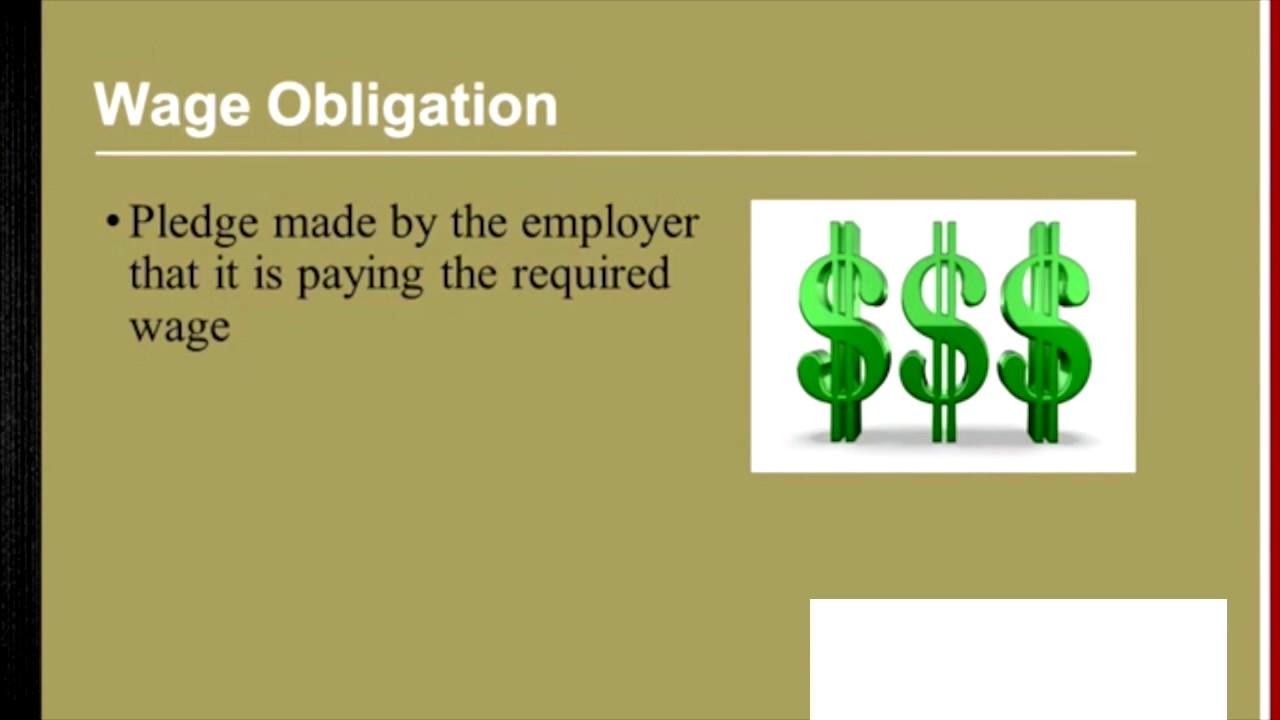




















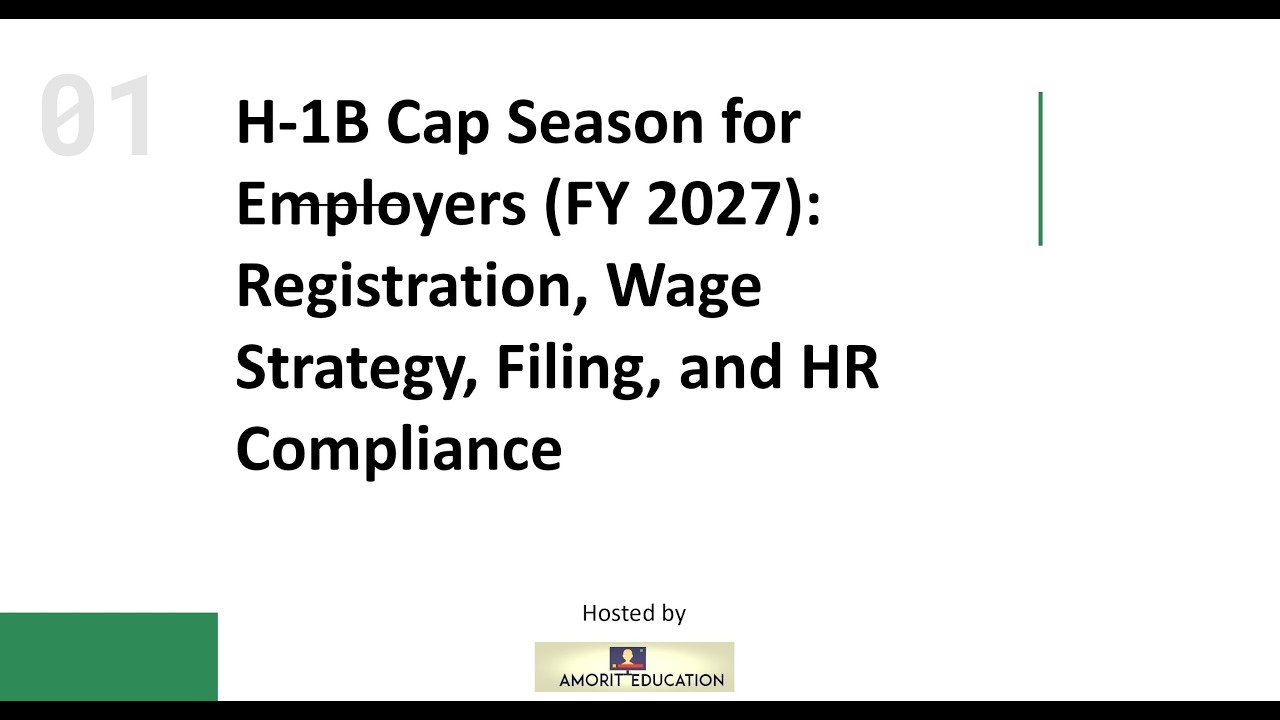

The Labor Condition Application (LCA) is a mandatory document that employers must file with the U.S. Department of Labor when seeking to hire foreign workers under the H-1B Visa program. The LCA serves to protect both foreign workers and U.S. employees by requiring employers to attest that they will pay the prevailing wage for the position (determined by geographic location and job classification) and that hiring a foreign worker will not adversely affect the working conditions of similarly employed U.S. workers. Employers must also provide notice to current employees about the application, either through workplace posting or written notice. Once approved by the Department of Labor, the LCA enables employers to proceed with filing the H-1B petition with U.S. Citizenship and Immigration Services.
H-1B Labor Condition Application (LCA) Explained
Added:what is a labor condition application LCA 41b imagine you are a skilled professional looking to work in the United States you have the qualifications the experience and the drive to succeed but before you can start your new Journey there is an important step that needs to be taken the labor condition application the labor condition application is a document that employers must file with the United States Department of Labor when they seek to hire foreign workers under the H1B Visa program this application serves several purposes primarily ensuring that the employment of foreign workers will not negatively impact the wages and working conditions of United States workers when an employer submits an LCA they are making several commitments they must attest that they will pay the foreign worker at least the prevailing wage for the position which is determined by the Department of Labor based on geographic location and job classification this helps to ensure that the foreign worker is compensated fairly and that their employment does not undermine the local labor market Additionally the employer must confirm that hiring a foreign worker will not adversely affect the working conditions of similarly employed United States workers this means that the employer must Main maintain a workplace that is safe and Equitable for all employees the LCA also requires the employer to provide notice of the application to their current employees this can be done through posting in the workplace or by providing written notice this transparency is designed to keep the lines of communication open and to inform current employees about the hiring of foreign workers once the labor condition application is approved by the Department of Labor the employer can then proceed with filing the H1B petition with the United States citizenship and Immigration Services it is important to note that the LCA is just one part of the overall process for obtaining an H1B Visa but it is a critical step that lays the groundwork for the employment of foreign Professionals in the United States in summary the labor condition application is a key document that ensures fair treatment for both for foreign workers and United States employees it protects wages working conditions and promotes transparency in the hiring process understanding this application is essential for anyone navigating the H1B Visa process
Up Next

How to Determine H-1B Wage Level Using OFLC Step-by-Step
@ShanmukhRam
510 views•2026-01-28

Walking in the City: Urban Rituals and the Flâneur in Contemporary India
@PSBTIndia
1.9K views•2016-08-02

FastAPI vs Flask vs Django: Choosing the Right Python Web Framework
@TechWithTim
302.5K views•2024-05-26

Game of Thrones Opening Credits: A Cinematic Analysis
@gameofthrones
46.3M views•2011-04-18
Related Study Plans & Knowledge Roadmaps
Structured learning paths in General & Interdisciplinary Studies