
















![Historians play Civ 6 [ep 4]: the NEW SULTAN Saladin!](https://i.ytimg.com/vi/B_PkCfDdJ6c/maxresdefault.jpg)










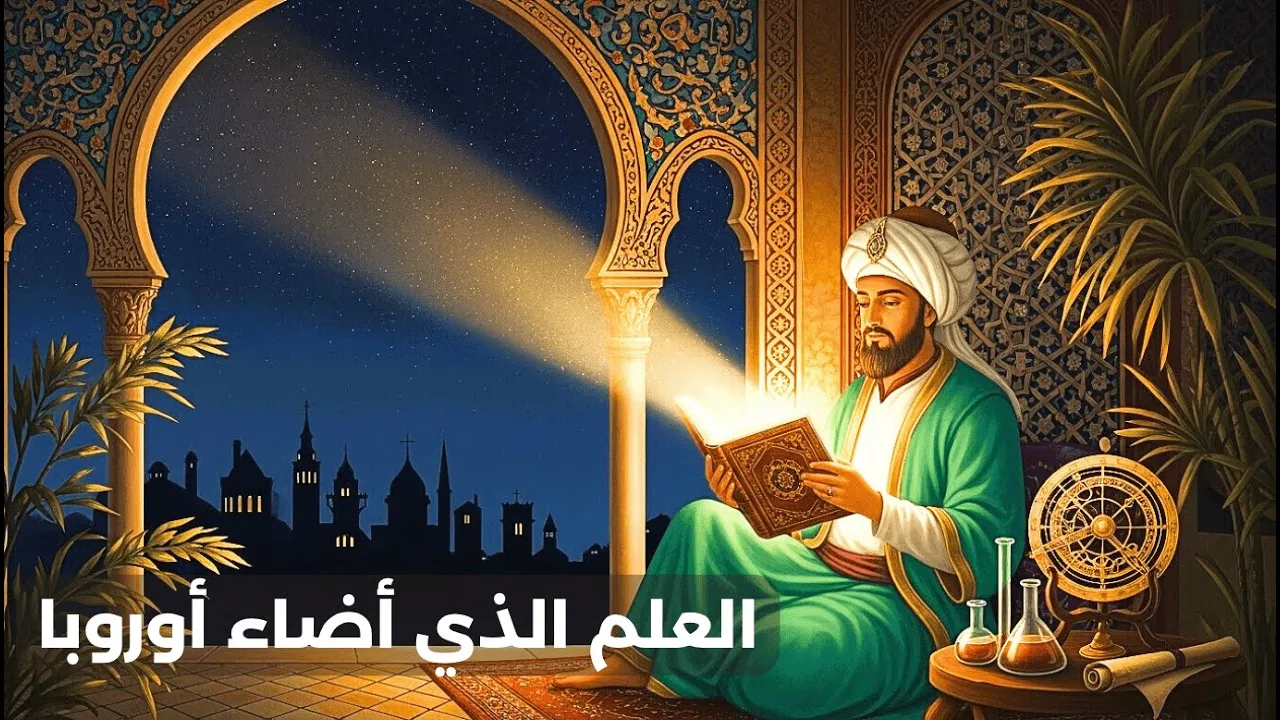
The Islamic Golden Age (8th-13th centuries) was not primarily driven by Islamic theology but resulted from multicultural exchange, rationalist philosophy, and state patronage; scholars working under Abbasid rule gathered and translated knowledge from Greek, Persian, Indian, and Hebrew traditions, often pushing beyond religious orthodoxy, until rising Sunni orthodoxy suppressed this intellectual culture, causing its knowledge to eventually transfer to Europe through translations into Latin.
Islamic Golden Age: Science, Philosophy, and Rationalism
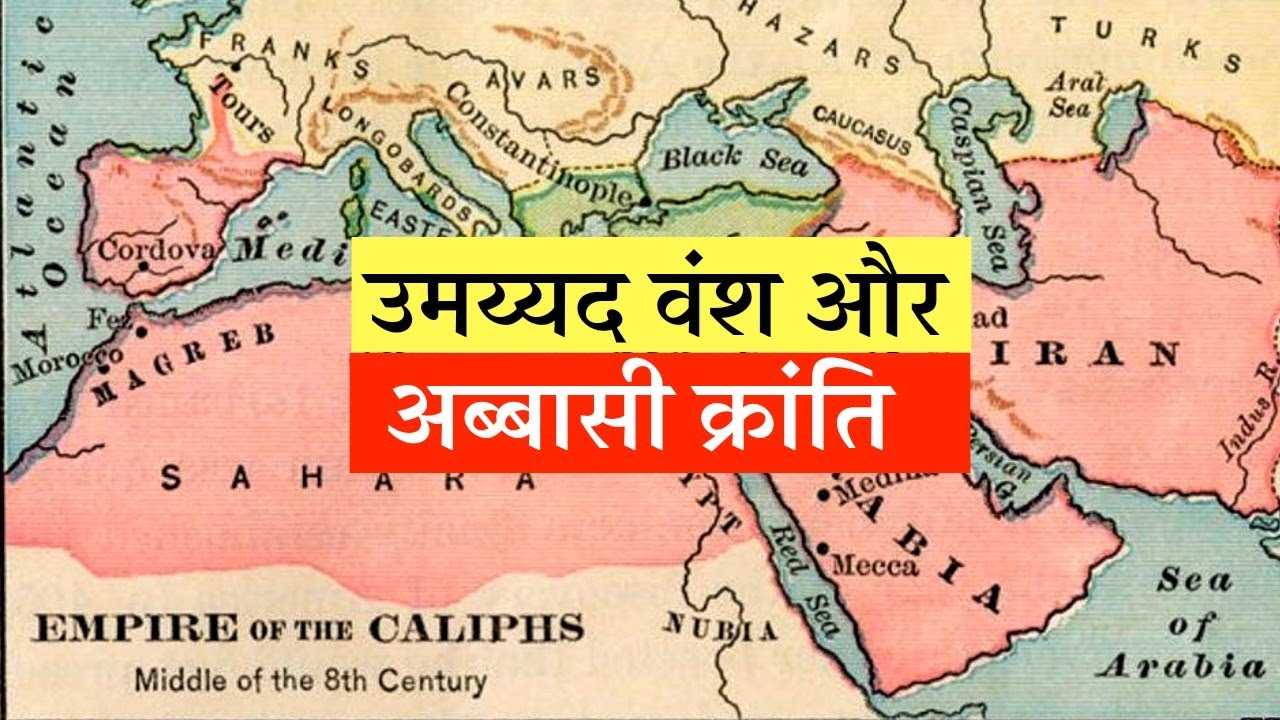
Added:Basic historical context of the expansion of the early Islamic Caliphates, particularly the transition from the Umayyad to the Abbasid Dynasty.
Fundamentals of classical Greek philosophy, specifically the core ideas of Plato and Aristotle regarding metaphysics, logic, and epistemology.
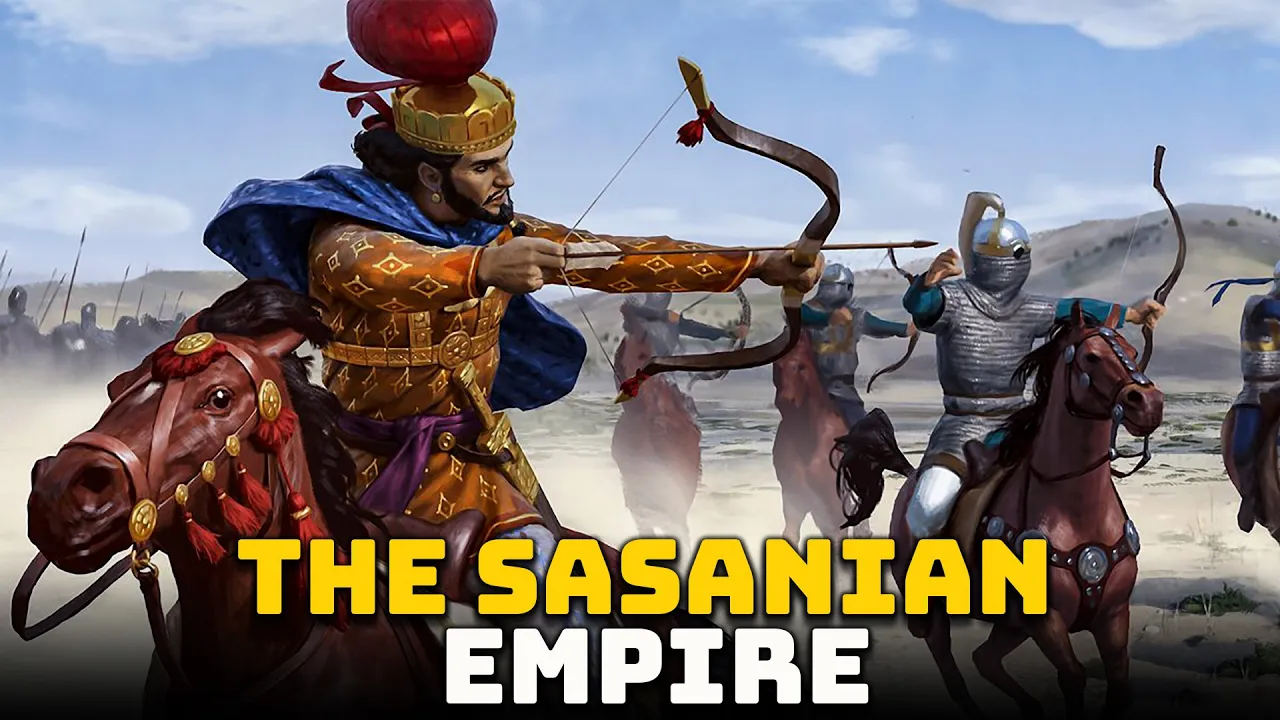
An understanding of pre-Islamic Persian culture, administration, and scholarly traditions under the Sasanian Empire.
The basic distinction between revealed theology (Kalam) and speculative philosophy (Falsafa) in early intellectual history.
The mechanics of the Translation Movement and the role of the House of Wisdom (Bayt al-Hikma) in Baghdad.
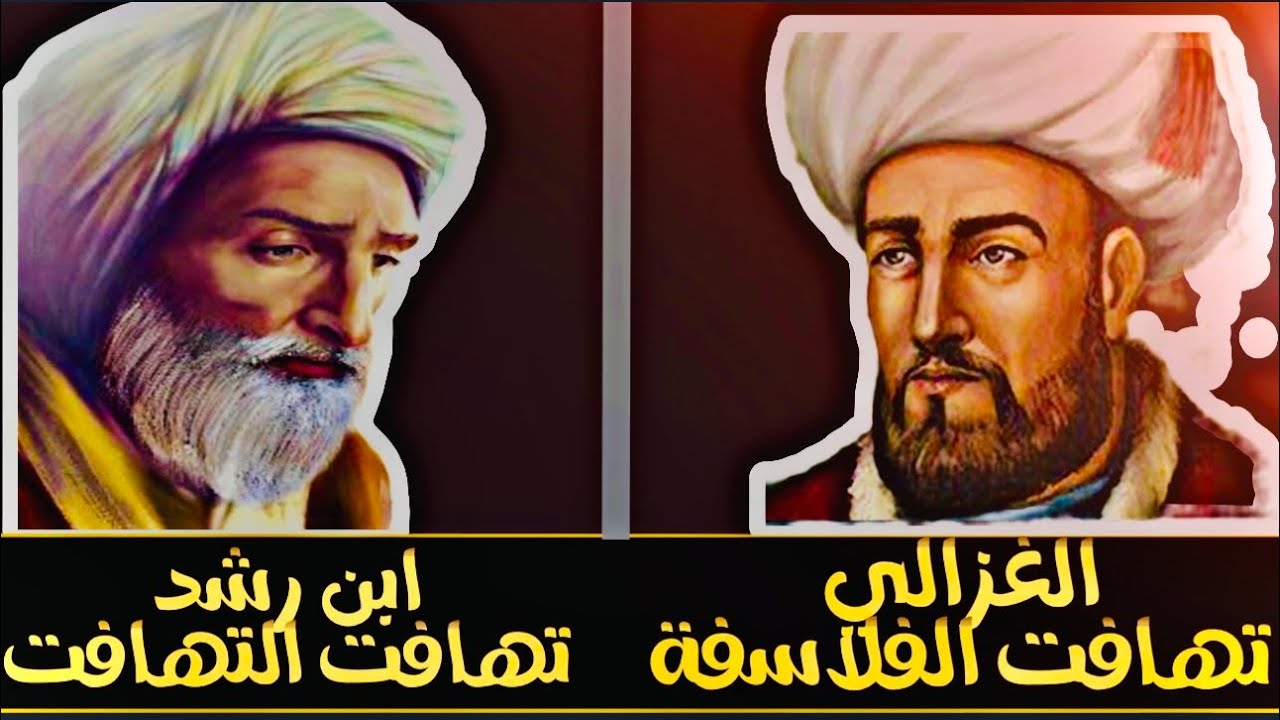
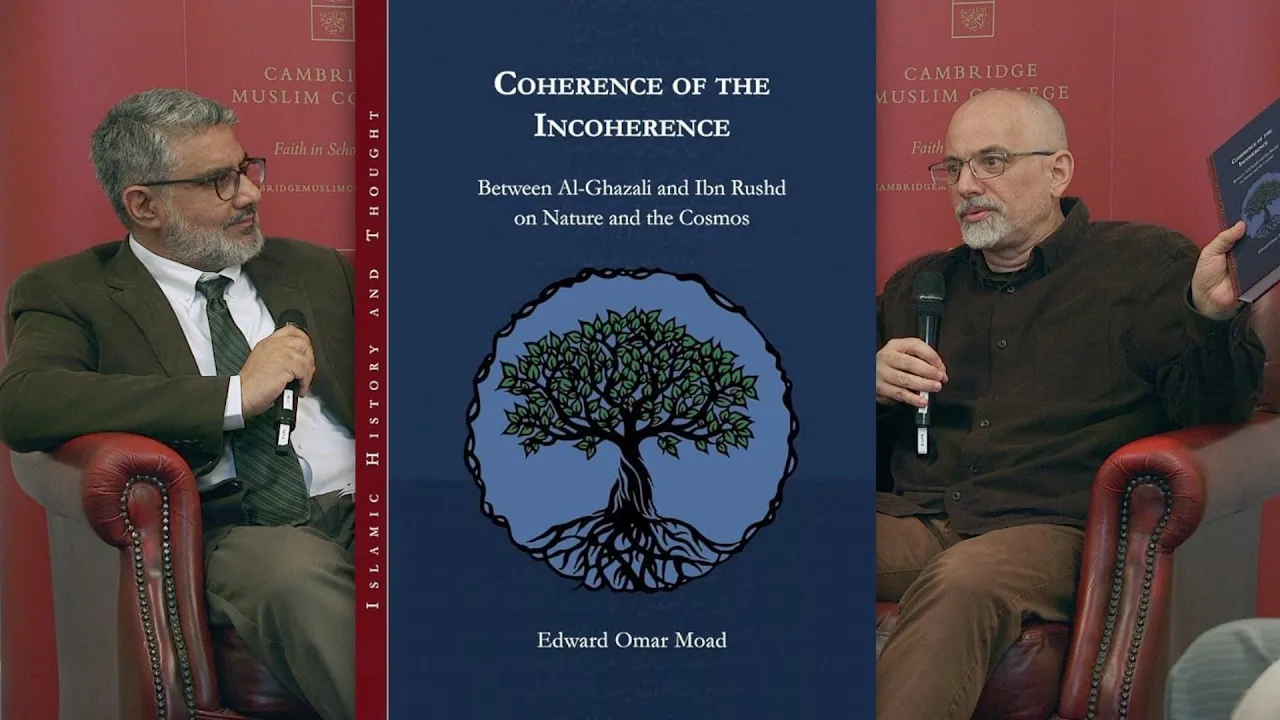
The philosophical debates between key figures of the era, notably Al-Ghazali's critique of rationalism in 'The Incoherence of the Philosophers' and Ibn Rushd's (Averroes) response.
Specific scientific breakthroughs of Golden Age polymaths, such as Al-Khwarizmi's development of algebra and Ibn al-Haytham's contributions to optics and the scientific method.
The historical transmission of Islamic Golden Age knowledge to Western Europe and its role in sparking the European Renaissance.
430 views100likes17:50Original Release: 2026-03-15
You've probably heard about the Islamic Golden Age, the era that gave us al Qurismi and algebra and early medicine and the foundations of optics. For centuries, we've been told the same story that Islam itself created this explosion of science and knowledge. That theology was the engine behind one of humanity's greatest intellectual revolutions. But what if that entire story is wrong? What if the so-called Islamic Golden Age is less a historical reality and more a carefully packaged myth about where those discoveries really came from? The term Islamic Golden Age usually refers to a period between the 8th and 13th centuries when cities like Baghdad, Cordoba, and Cairo became major centers of scholarship.
During this time, scholars working under Muslim rule made major contributions to mathematics, astronomy, medicine, and philosophy. But the story of how this intellectual boom actually happened is far more complicated than the popular narrative suggests. If you want to understand where this intellectual boom actually came from, we need to look at the people who built the system that made it possible. When the Abbassad caliphate took power, they didn't simply invent a brand new empire from scratch.
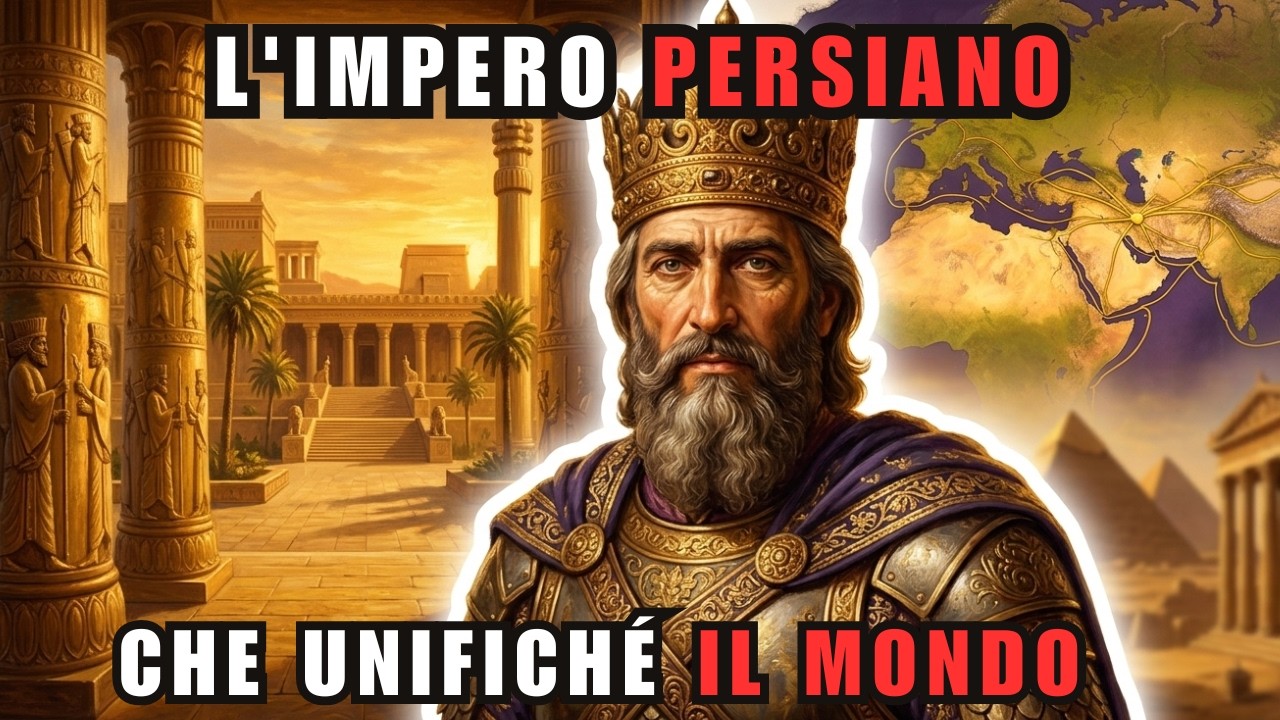
Instead, they borrowed heavily from the Persians who had been running large complex empires for centuries. The bassads adopted Persian administrative systems. Persian court culture and Persian bureaucracy. In many ways, the political machine behind a bassid state was built on Persian foundations, not on theological texts. Now, look at the rulers who really pushed this scholarly movement forward. Callus like Karan al-Rashid and Al-Moon poured enormous resources into libraries and translation projects. They funded scholars, collected books, and built institutions for learning. But the inspiration for many of these projects didn't come from religion. It came from early empires, especially the Cisanian Persian model of royal libraries and centers of knowledge. Even the backgrounds of the people involved tell an interesting story. Many of the leading scholars weren't Arab Muslims at all. Some were Persian, others were Christian, and many came from different cultural traditions entirely. The famous Kus Alamoon, one of the biggest patrons of scholarship during this period, was himself half Persian. The money behind all of this also tells us a lot. A powerful Persian family known as the Barmakids acted as vizers and major patrons of learning, funding scholars and institutions across the empire. In other words, this intellectual explosion was largely financed by imperial wealth and political ambition, not simply by religious devotion. And that brings us to the famous house of wisdom in Baghdad, often portrayed as the beating heart of this golden age. If this were truly a purely religious intellectual movement, you might expect scholars there to focus mostly on the Islamic theology. But that's not what they were doing at all. Scholars were collecting and translating works from Greek, Persian, Indian, and even Hebrew traditions. They were pulling knowledge from every corner of the known world. In fact, historians today point out that the House of Wisdom is often a bit romanticized. It probably wasn't a single grand academy like people imagine. Instead, much of the translation work happened across a wider network of scholars, scribes, and translators working throughout the empire. And many of those translators were Christians and Persians. One famous example is the notorian Christian scholar Hunain is who translated major medical works by the Greek physician Galen into Arabic. Across the Abbassid world, Muslims, Christians, and Jews were all involved in translating and commenting on ancient texts. The scale of these translation efforts was enormous. Scholars in their bassid world were bringing in knowledge from all over the known world. They translated the great Greek thinkers like Aristotle, Tommy and Galen, bringing huge bodies of philosophy, medicine, and science into Arabic. They also drew heavily from Persian knowledge, especially scientific and astronomical work that had developed under the old Cisanian Empire. At the same time they were integrating ideas from India including mathematical concepts and the Hindu numeral system which is the number system we still use today. So what the bassid scholars were really doing was not inventing knowledge out of nothing but gathering ideas from different civilizations translating them and building on centuries of work that already existed. By the way based off the posters behind me I do get a lot of questions about the games I actually play. I'm pretty old school when it comes to games, but this new one honestly impressed me. It's called Urban Heat, and I'll be honest, I usually don't get that interest in mobile FPS games. Most of them look pretty similar, and a lot of them look pretty rough compared to what we're used to on PC or console. But this one, this one really surprised me. The first thing that stood out was the graphics and overall style.
It has this semi-realistic, almost comic book look mixed with the cyberpunk street vibe. Honestly, it looks closer to what you would expect from a AAA shooter on other platforms than something running on a phone. And what impressed me even more was how smooth it runs. No lag, no weird frame drops. The movement and gunplay feel really responsive, which is something mobile shooters often struggle with. I also like that it isn't just generic soldier characters. There's a whole roster of unique fighters, each with their own look and abilities. The one that stood out to me was Idol. She's really fast, uses a light SMG, and the Cyberpunk aesthetic around her design is right up my alley. Playing her makes the matches feel really aggressive and fun. Another thing I appreciate is how quick the matches are. Most games are only a few minutes long, usually 3v3 or 5v5 PvP matches, which makes it perfect if you're busy and you just want to jump into a couple of rounds. You also get deep weapon customization, 11 slots and 50 modules per gun, plus RPG style progression where you level up characters and weapons, and even daily tournaments with skill-based rankings if you're competitive. Honestly, I didn't expect to join this as much as I did, but I ended up playing way longer than I planned. And right now, it still feels like one of those games people are only just starting to discover. If you want to try it yourself, download Urban Heat using the link in my description or scan the QR code on screen. If you use my link, you'll unlock an exclusive reward bundle, including a powerful SDA4 blueprint weapon and 3,000 in-game cash to get you started. So, if you like competitive shooters and want something you can jump into on the go, it's definitely worth checking out. Now, you might wonder why the Califfs were willing to pour so much money into this massive translation effort. Was it simply religious devotion? The historical record suggests something more practical. Ruling a huge empire required knowledge. They needed good medicine to stay alive, accurate mathematics to manage taxes and trade, and astronomy to keep calendars and navigation precise. But there was also an ideological battle happening in the background. During this period, the Abassad state actually leaned toward reason and philosophy. Kalis al- Maroon supported the Motazili school, a group that argued human reason could be used to understand the universe and even interpret religious truth. He took his ideas so seriously that he tried to enforce it through a state inquisition.
Greek philosophy and Hellenistic ideas were used almost like intellectual tools in this debate. In fact, the height of this intellectual flourishing happened during the period when the state was actively promoting rational philosophy over strict traditional theology. When you look at the major thinkers of this era, the idea of a purely religious golden age starts to fall apart. Many of the leading scholars came from very different backgrounds and were deeply influenced by Greek philosophy and rational thinking and sometimes that thinking clashed directly with religious orthodoxy. Take Alrazi for example, a Persian physician and philosopher. Some accounts say he even wrote a work called the reputation of prophecy. He argued that human beings could live ethical lives using reason alone and did not need prophets to guide them which of course earned him accusations of heresy from religious scholars. Then there's known in the west as a one of the most famous philosophers of the medieval world. He blended Aristotle and neoplatonism with Islamic thought but in his system reason clearly came first.
Revelation in his view was essentially a higher form of philosophical insight.
Many later Sunni theologians condemned his ideas and accused him of heresy. Al Farabi often called the second teacher after Aristotle went even further. He treated religious law not as something sacred in itself but as a tool created by a prophet statesman to organize society and guide people toward virtue.
Nal heam the pioneer of optics insisted that knowledge had to come from observation, experiment and philosophical reasoning rather than theological speculation. And Rush known as Avaros became famous for defending Aristotle and arguing that philosophy had a legitimate role in interpreting scripture. His views were eventually declared dangerous and in 1195 he was accused of heresy, stripped of his position and exiled while some of his books were burned. He also had figures like the poet Abu al Allah al- Mari who openly mocked religion and called sacred texts little more than stories passed down from the past. Even Alquarismi the father of algebra was building on ideas from Indian mathematics and Greek astronomy rather than drawing inspiration from scripture. When you step back and look at the pattern, the picture becomes much clearer. These thinkers expanded human knowledge not by strictly following religious orthodoxy but often by pushing beyond it and embracing religion, philosophy and ideas from many different civilizations. This is where the story reaches a turning point. If rationalism, multicultural exchange, and state patronage were the forces driving this intellectual boom, then the obvious question is what happens when those forces start to disappear. From the 9th century onward, the rationalist scholars and philosophers increasingly came into conflict with rising Sunni orthodoxy. By the 11th and 12th centuries, traditionalist theologians were pushing back hard against the philosophical culture that had flourished under earlier rulers. One of the most famous figures in the shift was Abu Hammed al- Gazali. In his book, the incoherence of the philosophers, he launched a major attack on the philosophical tradition, particularly the ideas of thinkers like Abu Senna. Gazali argued that philosophers had gone too far in trying to reconcile Greek philosophy with Islamic belief. His work strongly defended traditional religious doctrine and criticized the idea that human reason alone could explain the universe.
Yazali's arguments resonated deeply with many religious scholars of the time.
Over time, the balance of power began to shift. Rationalist schools that had once been influential started to lose ground, while theologians argued more forcefully that divine revelation should always take precedence over human reasoning.
And the push back did not stop with Gazali. In the centuries that followed, other influential scholars went even further in condemning philosophy. The 13th century jurist Idnal Salah openly warned Muslims against studying philosophy and logic describing them as dangerous parts that led believers away from the truth. He argued that the study of philosophy was not simply misguarded but actively corrupting. Later theologians intensified these attacks.
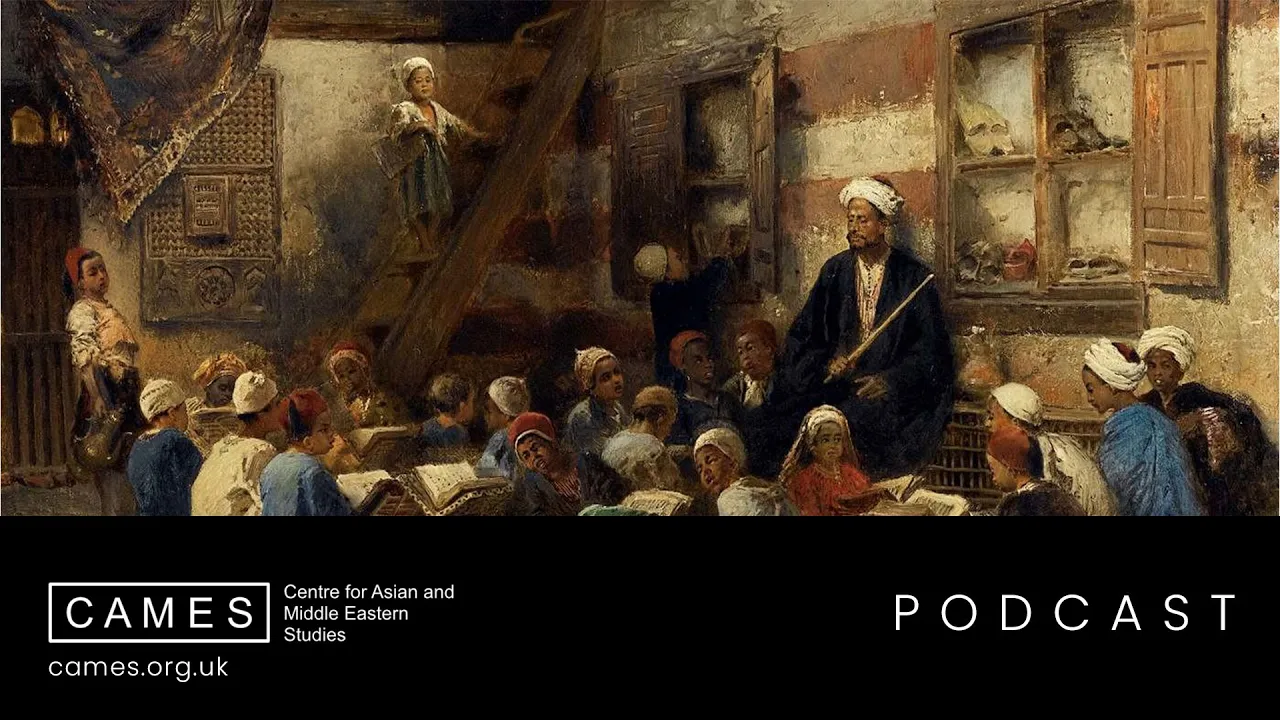
If Tamir, one of the most influential Sunni scholars of the medieval period, wrote detailed critiques of Greek philosophy and Aristotalian logic. In works such as reputation of the logicians, he argued that the philosophical tradition imported from Greece had polluted Islamic thought. In his view, the writings of figures like Avisa and Alarabi were not brilliant intellectual achievements, but dangerous deviations from true religion. This climate increasingly treated philosophical speculation with suspicion. The works of earlier thinkers were sometimes accused of heresy, and scholars who embraced Greek style reasoning often found themselves under attack from religious authorities. What had once been a vibrant culture of debate between philosophy and theology slowly gave way to a far more cautious intellectual environment. As this new religious orthodoxy gained influence, it did not encourage the kind of open intellectual experimentation that had existed earlier. The bold philosophical debates that had taken place under rulers like Al-Moon gradually became less common and scholars became more cautious about challenging theological boundaries. By the 12th and 13th centuries, the focus of education across much of the Islamic world had also changed. The growing network of madresses increasingly concentrated on religious subjects such as Islamic law, hadith, Quranic interpretation, and Arabic grammar. The main goal of these institutions was to train scholars who could interpret religious texts and preserve religious tradition. Subjects like mathematics, astronomy, and the natural sciences did not disappear entirely, but they were no longer the central focus that had once been. In many places, the curriculum narrowed significantly with advanced mathematics, often reduced to basic arithmetic and practical calculation. Over time, the intellectual culture turned inward.
Scholarship became increasingly centered on theology, juristprudence, and linguistic studies. The religious establishment placed far less value on speculative philosophy or scientific exploration than earlier generations of scholars had done. The physical end of this era came suddenly and violently. In 1258, the Mongols under Huligu Khan sacked Baghdad. The city was devastated and many of its famous libraries and centers of learning were destroyed. The ambassador intellectual world that had flourished for centuries collapsed almost overnight. In the centuries that followed, powerful Muslim empire still built impressive cities and patronized art and architecture. But the broad culture of science and philosophy that had once existed in Abbassad Baghdad was never fully rebuilt. Over time, the focus of scholarship shifted even further toward theology, law, and religious studies. Scientific work did continue in some places, but it was no longer the central project of the intellectual world. Patronage for philosophy and natural science became much more limited and sporadic. But the knowledge produced during that earlier period did not disappear. Instead, it began to move westward. Starting in the 12th century, translators working in places like Toledo and parts of Italy began translating Arabic texts into Latin. European scholars suddenly gained access to a huge body of knowledge that had been preserved, studied and expanded in the Islamic world. Works by thinkers such as Alfarabi Avisa and Avaros were translated by scholars like Gerard of Tremona and circulated widely across Europe. Avisa's cannon of medicine became one of the most important medical texts in European universities and remained part of the curriculum for centuries in some places all the way into the 17th century. There is a striking irony here. Philosophers like Avarus were often viewed with suspicion or outright hostility by religious authorities in the Islamic world. Yet in Christian Europe, his writings were eagerly studied and debated. By the mid-3th century, universities such as the University of Paris had incorporated Aristotle, often through the commentaries of Avaros into their own core curriculum. In many ways, the knowledge gathered and expanded in Abassad Baghdad ended up fueling intellectual developments far beyond the Islamic world itself. The translations of Greek, Persian, and Indian ideas that had taken place under their bass helped provide some of the foundations for Europe's later scholastic revival and eventually the Renaissance. Look, I think it is time we stop repeating the simplified version of this story. The period from the 8th to the 13th centuries was extraordinary, but calling it simply an Islamic golden age hides the far more complex reality behind it.
The achievements of that era came from a vast exchange of ideas between Arabs, Persians, Christians, Jews, Indians, and many others. And perhaps most importantly, they only flourished while scholars were allowed to think freely outside the constraints of theology. And before I let you go, the link is in the description below if you wanted to grab those rewards and try Urban Heat yourself. See you next time.
In the neon haze of a broken dawn, steel towers, but the wild runs on.
A shadow moves through the circus below.
Half machine, half beast with a violet glow.
They thought the outback was lost to the flame. But a dingo returned with a code in his veins.
Save up my jingle.
Racing through the night. Claws on chrome. Eyes burning bright. Guarding a futures the core. Can't control. Running on data but driven by soul.
Up Next
13:51
Weapons That Changed Human History: From Handaxes to Gunpowder
@SciShow
429.9K views•2025-03-26

33:02
The Great Schism of 1054: Causes and Consequences
@SacredCathedrals
113.5K views•2026-02-19

91:57
The Geopolitics of the Ukraine War and the Rise of Global Autocracy
@JordanHarbingerShow
468K views•2025-04-19

17:05
Understanding the Cold War: Superpower Conflicts and the Road to Détente
@OverSimplified
46.1M views•2019-01-24
Related Study Plans & Knowledge Roadmaps
Structured learning paths in History
history
Byzantine Iconoclasm: Theology, Art & Politics
01Foundations of Byzantium and Early Christian Images
02The First Iconoclasm: Leo III and the Crisis of Images
03Empress Irene, Nicaea II, and the Second Iconoclasm
+ 2 more learning modules
9h5 modules
Explore Roadmap
history
Iranian Revolution (Causes, Events & Legacy)
01The Pahlavi Dynasty and the Roots of Discontent
02The Spark of Rebellion and the Rise of Khomeini
031979: The Fall of the Shah and the Climax of the Revolution
+ 2 more learning modules
8h5 modules
Explore Roadmap
history
Mali Empire: Mansa Musa, Trade & Timbuktu
01Foundations of the Mali Empire
02The Trans-Saharan Gold and Salt Trade
03The Reign and Pilgrimage of Mansa Musa
+ 1 more learning modules
6h4 modules
Explore Roadmap
history
1947 Partition: Politics, Borders & Legacies
01Foundations of British India and the Divide
02The Political Negotiations and the Mountbatten Plan
03Drawing the Boundary: The Radcliffe Line
+ 2 more learning modules
8h5 modules
Explore Roadmap