






















Sociology of food culture examines the complex relationships between food, individual behavior, and societal structures, exploring how food production and consumption have evolved from household to industrial levels, how religious and cultural factors shape eating practices and food classification, and how modern food systems including genetically modified foods and organic options create both opportunities and risks for society.
Sociology of Food Culture | Open Elective Course Overview
Added:Basic Sociological Concepts: Familiarity with foundational terms like culture, social institutions, norms, and socialization.
Food as a Social Construct: An understanding that food has symbolic, ritualistic, and identity-defining properties beyond biological survival.
The Production-Consumption Cycle: A baseline awareness of how food is produced, distributed, and consumed within global and local economies.
Overview of NEP 2020: General knowledge of India's National Education Policy 2020, specifically its emphasis on interdisciplinary studies and open electives.
Food and Social Identity: Studying how dietary habits reinforce or challenge social divisions such as class, gender, caste, and ethnicity.
Globalization and Foodways: Analyzing the impact of corporate food systems, fast food culture, and the homogenization of local cuisines.
The Sociology of Food Risks: Exploring public anxieties, ethical concerns, and social movements surrounding GMOs, food safety, and industrial farming.
Food Security and Justice: Investigating systemic inequalities in food distribution, sustainable agriculture practices, and policies targeting hunger.
4.6K views107likes18:07Original Release: 2023-05-03
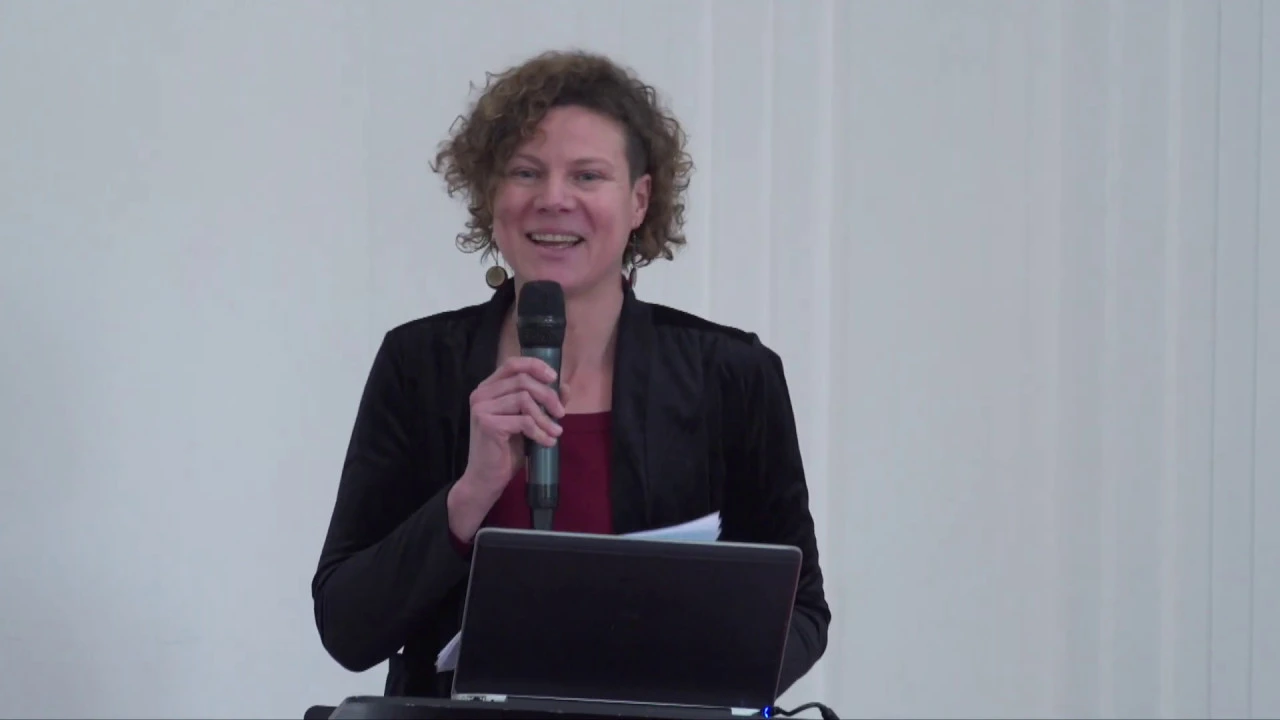
Namaste everyone I am Deepa SRI who is working as assistant professor and Department of Sociology at garment first grade College Bengaluru today we are going to try to understand the paper or the course sociology of food culture under NEP 2020 scheme which is an open elective course for fourth semester bcom and VBA students from the Academic Year 2022-23 foreign food is most important in anyone's life understanding this food from sociological background is more important in achieving many things food has taken a different connotations today the course outcomes of this particular course is to appreciate the complex relations between food individual and Society as I told you food is most important thing in um anyone's life that is for individual and for the survival of an individual food is also important for the if the individual is surviving Society is surviving so we need to understand the complex relationship between three these three aspects that is food individual and Society to understand the evolution of food production and consumption from household to Industry today we know very well uh startup business has started even with the four aspects also understanding this food as in in uh household product and how it has reached the industry is most important Journey over a period of time this has not taken place in one or two years this has taken place for a longer time hence we need to understand this concept of evolution of food production and consumption which started from household and it has reached the industry level as well okay so in the navu even though um the third course outcome is to critically understand the relationship between food and risk Society food is always an enjoyable element and also it is going to lead to um lead or put Society into risk under certain circumstances what is that how is that that critical understanding is very much important element our story that is the course structure of this particular course would like to be descripted in this format it comprises of three units each unit has three chapters which are interconnected from one chapter to another chapter in every unit and we are going to teach this for 39 hours in a semester where three days in a week it will be falling foreign 60 marks are there for the semester and examination from University 40 marks internal assessment marks are there based on the variety of academic activities like writing a food blog or preparing food for of different styles and creating videos preparing charts and presenting seminars in the class etc etc whichever a new Innovative idea that you can come up with we will try to implement in the department foreign the sociological nature of food and eating [Music] dinner too foreign the eating of food eating everything is to be understood from sociological point of view the nature of food nature of eating depends upon a particular type of a religion or culture hence based on religion and culture we have the types of food that is sacred and tap of foods which are those we have to try to understand in this chapter there is a close relationship between food sociability and social change that we are going to try to understand in this concept of uh in this chapter that is sociological nature of food and eating and the second unit we are going to try to another chapter we are going to try to understand the determinants of food consumption see we are not going to eat food however we want or whatever we want we have certain aspects as to why should I eat this particular food only hence we are going to concentrate on the types of food as well there we are going to concentrate on four types of foods that is vegetarian non-vegetarian vegan and flexitarian there is a slight difference between vegetarian non-vegetarian vegan and flexitarian we are going to try to understand each and everything from different angles and from sociological perspective as well foreign in unit 2 chapter unit 1 chapter 3 we are going to try to understand the local food cultures and the taste for exotic we have different kinds of food practices in the local areas when we say local it is every region that we are talking about whether it is a metropolitan City whether it is a smart city or whether it is a local Village or whether it is a remote Village or a village a city a town anything it could be hence we have to try to understand the local food cultural practices and why do we what kind of um you know the food that we are taking for different kind of tastes foreign foreign how the industrialization of food production and distribution has taken place we will try to understand in the beginning only I told you that food has reached from household to Industry is it not so now business we have to try to understand the concept of the hotels restaurants and the catering sectors commercialization in the social services foreign foreign because cooking is not pleasure for everyone I uh definitely uh tell this food and risk Society foreign it is not only aesthetic it is also from the health conscious point of view hence we are going to study about this concept in this particular chapter and the chapter 8 we are going to try to understand um about the consumption and patterns of consumption and Reasons from global perspective as well we need to try to understand uh the different types of you know the patterns that is overeating under eating and hunger all these are connected and then how they are interconnected and um how they are different from National point of view local point of view and global point of view we will try to understand in this chapter the last chapter is going to talk about the genetically modified foods organic foods modern food practices which as a risk factor genetically modified force can be taken or not what are the types of genetically modified foods and then if at all we are going to consume those GM foods what is the uh you know the impact on our body and health that we try to understand also the organic food and the modern food practices how they are the risk factors that we have to try to concentrate because many people think that eating organic food is very good or people are more longing for modern food practices which may may not be good so we need to try to understand from the different perspectives or angles is dear students thank you very much for listening to me all these why I hope this paper course open elective course on sociology or food culture is more interesting um when you are listening when you come to the class it will be more interesting depending upon your activities and depending upon your involvement in the class thank you very much
Up Next

28:12
Cultural Food Appropriation and Gentrification in Media Analysis
@datboywill
173.8K views•2026-02-25
54:57
Contemporary Sociological Theory: Micro, Macro, Integrative
@NaSESYNC
45.7K views•2016-02-17
19:23
How to Analyze Conversations Scientifically | Elizabeth Stokoe | TEDx
@TEDx
1M views•2014-12-04
9:41
What is Sociology? The Sociological Perspective Explained
@crashcourse
4.6M views•2017-03-13
Related Study Plans & Knowledge Roadmaps
Structured learning paths in Sociology
sociology
Celebrity Culture: From Hollywood to TikTok
01Foundations of Celebrity Sociology
02The Rise of Micro-Celebrity & Digital Platforms
03Parasocial Relationships & Algorithmic Intimacy
+ 2 more learning modules
12h5 modules
Explore Roadmap
sociology
Hostile Architecture: Space, Power & Control
01Introduction to the Sociology of Space
02Social Control and Surveillance in the City
03Hostile Architecture and Defensive Design
+ 2 more learning modules
12h5 modules
Explore Roadmap
sociology
Loneliness Epidemic: Third Places & Isolation
01Foundations of Social Capital and Community Cohesion
02The Death of Third Places and Urban Space Erosion
03The Privatization of Leisure and Atomization
+ 2 more learning modules
12h5 modules
Explore Roadmap
sociology
Sociology of Tourism: Gaze, Power & Heritage
01Foundations of the Sociology of Travel and Leisure
02John Urry and the 'Tourist Gaze'
03Staged Authenticity and Cultural Commodification
+ 2 more learning modules
14h5 modules
Explore Roadmap