







![[ASMR] Cruel Naga Wraps You Up](https://i.ytimg.com/vi_webp/Ptohcyd8kHA/maxresdefault.webp)


![6.01d [Sexual Selection - Parental Investment Theory] (Animal Behavior)](https://i.ytimg.com/vi/eJRgKzq7cLg/maxresdefault.jpg)






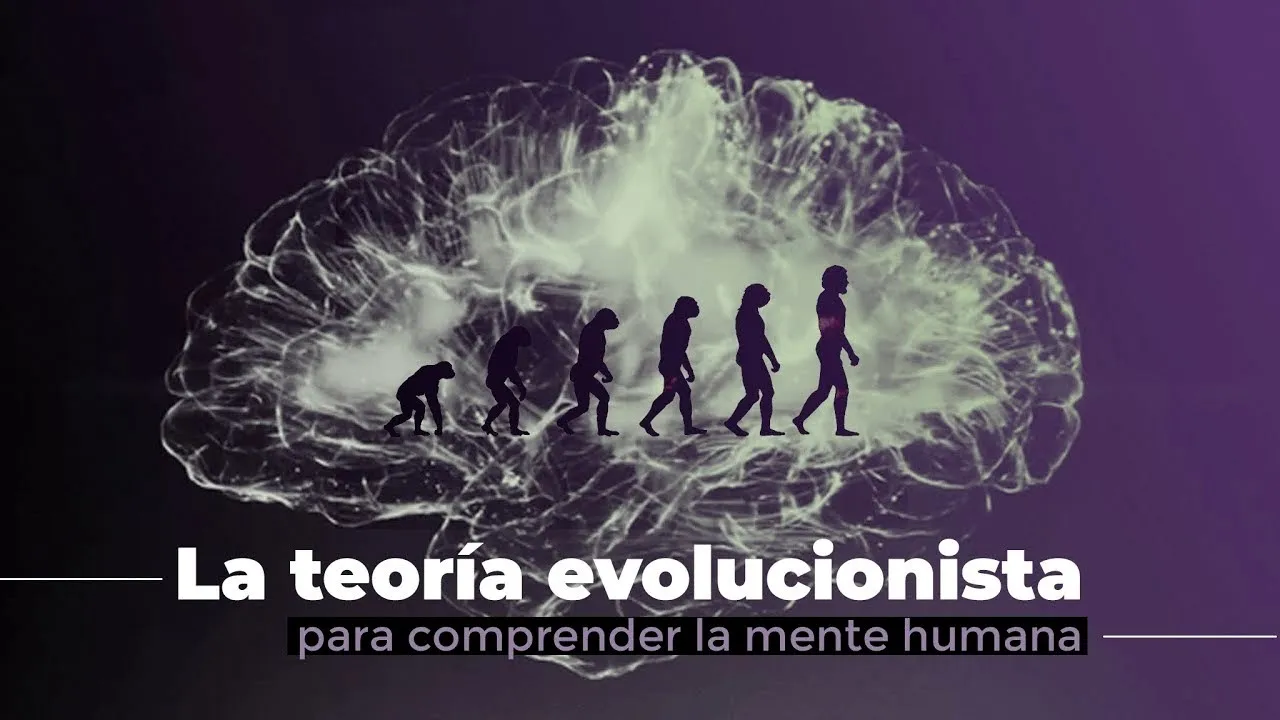



Evolutionary psychology applies natural selection principles to understand human behavior, explaining that our psychological traits evolved to solve survival and reproduction challenges faced by our ancestors. Key concepts include: (1) Natural selection requires variation, inheritance, and differential reproductive success; (2) Our evolutionary history spans from Australopithecines (~4-2 million years ago) through Homo habilis and Homo erectus to modern humans, with brain size increasing dramatically; (3) We share closest living relatives with chimpanzees and bonobos, diverging ~6-8 million years ago; (4) Universal human traits like language acquisition, facial recognition, emotional expressions, and cooperative tendencies reflect evolved psychology that persists despite modern environmental mismatches.
Psychology Evolution: Natural Selection, Genetics, and Human Universals
Added:thanks everyone for coming along good morning what I'm gonna talk to you about today is well my favorite subject it said the area of psychology that really got me hooked and which is all about understanding the role of evolution and genetics in terms of psychology so that's what I'm gonna do in in today's lecture first half we're going to look at evolution second half we look a bit about genetics and the role that they have there so to start with in this first part going through why I think it's really important to have an understanding of evolution thinking about things in evolutionary terms when it comes to psychology I think it's a key part of how we can really get to grips with why our psychology is the way it is so to do that I'm going to give you a bit of a potted introduction to things like natural selection particularly examples of natural selection in humans and how that can apply and thinking particularly about our own psychology in the way we behave in the way we think as well as that I'm going to talk to you about the history of humans our evolutionary history to get a good idea about what sort of things our ancestors went through to get through to here and what sort of psychology they provide us with and also I think it's always important to look at what is unique in humans to find out what's the unique in humans is always important to look at what's it like in other species I'm talking to briefly some of our close relatives other primates are there other apes and we could finish off with with talking about some things that are universal to all humans and why that's important in terms of saying that these things were evolved in our nature so to start off with the evolution and I'm gonna start off with a question what's this for this tool here what is it for now and you get you to put your answers in I'm going to use as I'm called polleverywhere so if you just go on your tablet so if you go to polar calm and /d farily have a guess what do you think this particular tool is for and going somewhere with this trust me it's knowledge well it is kind of a trick question just wanting to have a thing have a look at it look at different parts have a guess of what you think this tool is useful good start so we got punching holes in belts and nuts opener no cracker very Christmasy themed here isn't it yeah quite right poking holes in leather yeah yeah medical equipment nice and vague I like it you could pobably use something quite medical with that nothing anybody particularly like it what you did with it but could be yeah belt hole punch yeah yes you gonna matter right way you looking at it you're thinking about it I say so maybe you could just put the belt in there and clip down and it's not very sharp do you think that punch your leather belts you could do the answer about what it actually is it's an olive pitter it's what you do is you put a little olive in there and you press down and the pit comes out of it just gets the the seed inside of a house that's what it does is why you can see it and why I'm asking you that is because now you know what it's for you understand what its purposes you can look at it and you go okay you know the people saying put it's definitely something for punching holes in but I think okay well actually it's a bit blunt so maybe wouldn't pierce through leather wouldn't really get through enough either so think okay it's probably something a bit softer than that now we know it's an olive pit so we know you're perfectly and oliver fit in there that'd be nice gonna and it'll just come out shoot out there now once you know what a tool is for you can understand how the different parts work you can understand how it functions you can understand why it's designed in that particular way and that's just the same when we think about our brains when you think about well what are our brains for what purpose do they serve why are they in the current state that they are after millions of years of evolution and the answer is is our brains have been shaped by evolution over that period of time to help our ancestors and us solve problems we faced and those problems would have helped us survive helped us reproduce so we'd out fall spring you would inherit those same genes that create the same brains that's what evolutionary psychologists do we think about the brain has been something that's evolved we understand what it's for and once you understand what it's for you can work out what all the different parts are now too much time in psychology has been spent not really thinking about what the brains for just trying to understand it they looking at the different parts looking about how we think about things how we understand things which we don't always do very well once you know what it's for it makes it a lot easier to do so that's why I think it's really important in order to do that we need to have a grasp well well how does evolution work how do we actually get to the stage where our brain is designed for a particular purpose it all comes down to natural selection so this is this is Darwin's idea Charles Darwin's idea that evolution happens by natural selection over him there's three parts to it first of all there's variation in a trait so any particular characteristic could be intelligence could be Heights could be anything if there's variation within a population for a particular trait then what will happen is we'll be able to act on it so some will be more successful some will be less successful but what will happen is those that are successful will be more prevalent in future generations the other point is inheritance those traits need to be passed on to future generations so any trait you do have with it variation needs to be passed on so things like your Heights your intelligence which is by an ID passed on it needs to be inherited by your offspring but this last one is the most important thing selection what we should have is that the ones that are best those particular variations that best help individuals survive have them to navigate around the world have them to find a mates find a partner doom they can then have offspring with to inherit those things are going to be really key this is Darwin's idea natural stakes a really simple idea very easy to grasp it was nothing ever complicated but just the sheer understanding of it is quite difficult what others give you some examples to get a good sense right no actually question about which things you find in muscat anybody really got a real fear of spiders okay if you have you might want to close your eyes for just just a five-second so is this scary even though those of you who don't have a fear of spiders you know have some urges yeah we're scared of spiders now who's got a irrational fear of or in a real phobia of pictures of prescription pills now you don't do you which is more scary spiders or prescription pills the answer should be prescription pills these are much much much more likely to kill you than spiders are but we still have a real fear of spiders the reason is is throughout the vast majority of their history of humans as a species we've had a fear of things that will kill us and quite rightly so if you have a fear of spiders or things that look like spiders and you run away from them we stay away from them that's fine if you don't have this fear and you wander up the yard there's a nice little thing pat it on the head if biting you drop down dead that's not very good in terms of passing on your genes to future generations dropping days never grade so we evolved this fear of it because those that ran away from spiders avoided them were much more likely to survive and we've inherited that fear we still have it now my daughter's two years old she's got a fear of spiders you know I tried to instead go oh no it's cute it's little baking a little spider that's lovely you know no spiders no and trust me I've checked there are no venomous spiders in this part of England in 2018 we're all fine there's no fear you know there's nothing to worry about but we still have the psychology of being fearful of them and that's not going to go away any time soon because there's no need to we should have this fear of prescription pills much more likely to get us but we don't we shouldn't have a fear of cars you know we stand at the side of the road with cars whizzing by at 30 40 miles an hour we just sort of look at go oh I missed it if it was a hundred foot drop you wouldn't just go yep well it's quite far down we say right far back because cars were never really a problem is the last sort of 56 - yes and our psychology hasn't caught up with that that's how natural selection works there'll be variations in levels of fear of spiders and I've been heretic and those who had a real fear were much safer much more likely to be well less likely to be bitten and their offspring would inherit that so which case now we've all got this irrational fear of spiders it's an easy one which of these is more delicious is it slight choclate melted chocolate you know it you can almost taste it in okay those of you skipped breakfast and we really feel it now nice and delicious come up to Christmas think about all the chocolate you're gonna have is that more delicious or that your broccoli now the answer is chocolate because everybody hates broccoli nobody likes broccoli people say they do but that you lying don't lie to me you hate it you love chocolate which is right that's the right thing to do think back for the huge amount of time that we lived as a species what we needed is sugary fatty foods that gives you the energy gives you the the nutrients to survive be able to you know to actually get along with your day to day life but will be so scarce and one thing that we really help is if you had a real drive to find sugary fatty foods and eat them and he found the really delicious you do remember where they were and you'd go back to them it works really well because make sure that you actually get those those individuals who had that love of chocolate or love of sweet foods would be more successful than those that didn't now fast forward to 2018 chocolates everywhere I mean you could walk to the canteen but you know if that's too far there's a vending machine just over there you know there's a cafe just there there's no problem finding fatty sugary foods which is a problem for our for our health and if you go to the vending machines they're stocked full of chocolate they're not stocked full of broccoli because that would be stupid nobody would buy it we should be eating more broccoli that will be that will help your survival but it's only very recently that this changed and now we should really in broccoli you know saying sort of a hundred thousand years the vending machines before whatever the equivalent was the vending machines will be full of broccoli because that's what everybody loves you know you have to force you you're choking oh you can you have one piece of chocolate before you can have your broccoli dessert mmm but at the moment it doesn't we don't need it yet eventually you might catch up but it won't that's why we don't crave foods like this well crave foods like that and that's natural selection you can see that immediately think about that that is how natural selection how evolution has shaped your psychology and it showed lots of other things it shapes how we view things how'd you feel about this this is a snub-nosed monkey now snub-nosed monkeys live in in China in rainforests in China and they live in groups they tend to live in groups and what they do is they sort of huddled together in the in the rain when it's cold and you know horrible I mean you know this one's obviously on its own so it's probably an orphans parents died and those sorts of thing yeah this they'll sit like that in groups or hugging each other they're endangered don't like most parts in the world where which are you know we reduced an amount of rainforests with deforestation for agriculture they're their homelands depleted so if we set up a fund to support the snub-nosed monkeys and I passed a bucket round and ask you to make a donation you can look at that guy yeah I'll help those guys okay show you another picture of stub those monkeys it oh it's lovely yeah ooh mmm okay maybe I won't give money look at that and you think that's not it's quite but don't forget I'll give you bunny but no don't worry about it you know I know christmas is coming but forget about that but they all need us support hmm you go like that and what happens and you can do is grateful our brains are hard-wired to respond to these things because look out you know look how young and new often as it looks in otherwise it looks very very baby like we've just what it means and we respond to those things because we're a species where we have to care for our offspring they're really difficult to raise so it's good to have a real positive feeling towards things that look like babies and this monkey does and it's not necessarily always humans we look at young of any species look at young of any species you find the same thing they all kind of look the same they've all got the same features of like quite big eyes big forehead quite small lower part of the mouth and we respond to it in the same way we respond to it to human babies we feel the same sort of cuteness we feel a warmth towards them and it works very well fair for human babies because if you feel warmth and loves and affection towards them you're more likely to support them and help them and they really need it when they're little but the fact is we have it for anything that looks young all these species and it works for any species trust me platypus even even little stingrays even though they do look a bit like ravioli but things that's your psychology kicking in that that that's that that that drive to like things that notice and they're cute it works because those individuals in our history who had that drive will more likely take better care of their offspring those of spring would be bled out or when they grew up and pass on that and so on so on other people have worked out this is right Walt Disney worked out this is right so this is Chum Mickey Mouse I forgot who that was you know yeah yeah she'd know who Mickey Mouse is this is the original Mickey Mouse here on the far right it looks like a mouse looks quite rodent like but over the years it's evolved and it's got more and more than the alternates just like the baby fetches if you look at them like that big eyes big forehead low force one in the mouth that's exactly what Walt Disney did and that was you know that was a response to you know making it more desirable and eventually for Walt Disney making more money out of films and of merchandise in his and his resorts but again that all plays into our evolved psychology we know these things we know how we sponsor and effects lots of different things so that question I just asked you about we know when I passed the bucket round for the stub nose monkey and he gives the money now fire yeah this is part of the time of year where we have a good season of goodwill to all and if I asked you after you give money to that charity or some other charity and I said why did you give that money to charity most of us one went felt better for doing it gave me a nice glow I felt sorry for the person which is right that that's the correct answer that's the correct sort of answer you'd expect to give but what I'm interested in is why you get that warm feeling why you get that sense of heightened mood from giving to charity because there must be a reason for it why are you giving away your money in order to feel good that mate doesn't make sense so we need to understand that and this is where we look to other areas of psychology or that other ways where we study behavior so we looked at the earth Allah gist in other words the people who study animal behavior a one guy here Niko Tinbergen he famously tried to understand all aspects of animal behavior has been at different levels of causality in other words there's different levels of which can understand the behavior and sometimes call this four wise so like you say why do you give money to charity you can answer that why four times you can answer it in what's called a proc approximate or mechanistic way so in other words you'd say well I felt good for doing it I ate chocolate made me feel nice that spider made me feel Rescate that's the immediate response and that's what most people will answer with you could answer in what's called all state the developmental or ontogenetic case which is how you done might answer in terms of your history as as an organism say well I know from young age that chocolates really delicious on so all you know and I learned to love it so that's why I ate it you could asking it from a historical or phylogenetic course to talk about in terms of the history of you history of humans say well humans have evolved to digest particular sugars in and fats in and high concentrations and this is a good site I'm a bit of a strange answer the questions like why do you like chocolate but it's still a legitimate answer this last one this functional or ultimate cause this is I'm interesting when you look at psychology from an evolutionary perspective this is the most interesting one good at saying well why what's the value of it why is this adaptive why is there a benefit for you eating chocolate and the answer would be well you know I need that energy it's a good energy source and I need that to be able to survive in a particular environment in order to have offspring you inherit this love of chocolate again it's a weird answer to the question if you ask something that and they said that you think they're a bit weird but that's what I want to understand so thinking back to why we give money to charity you can answer those four questions that question four ways firstly the próxima wakes it makes me feel good lifts my mood and that's what happens when we give money to charity it does make us feel good any put money in the bucket and they say do you want to stick and you go no I don't want to stick you do want to stick a take the sticker where the sticker we're probably oh okay I'll take the stick in you soon everyone loves stickers or you could answer in developmental way our charity has been a norm in the culture that I live in so you know you know that you give money to charity and that's something that's expected that's something that's rewarded and positive you do it we could say well my ancestors benefited by being charitable they entered into collaborations with different individuals and that was successful and as a result they have these emotional urges our emotions change which drives us forward the last one the and what's the ultimate reason you give them money to charity what's number different things firstly you could be signaling your charitable nature they look I am a charitable person I will give money to this individual so others may see go this would be someone good to trust good to work with good as a potential partner or it could be fact that well I know that we need as a group to be successful so to do that we need to support each other and if I support this individual I'll get support back from them and as a result people will be better off people will be more likely to increase their own likelihood of surviving by cooperating with each other and we will cooperation is a big part of our of our psychology and I evolved psychology we did much better in groups than we did on our own so it spills over here so exactly the same question answered in four different ways most of the time in psychology it's the first one you think about well we you know we help other people and makes us feel good okay but why that's what I'm meaning she's giving why be like a toddler can why all the time that's evolution in psychology we're annoying like that but we need to know why well why why are we like that that's the ultimate thing that was what for me when I was studying psychology when I was like you guys actually I did want to know that I want to know well why we sitting inside code wait you know why is our psychology Lila and that was when I studied evolution Avery she psychology and all came clear to me so for next up we can look at our evolutionary history so I think it's important that to understand our psychology is evolved is unimportant to understand us as a product of evolution look at our evolutionary history thinking about who our ancestors are or what we know about our ancestors what were they like how are they different from us how are they similar how do they develop and also think about well what's the first point at which we can say there's a human here you know and however we define them which is a really important point let's look at our ancestors let's go through them first off we got the australopithecines so this was the first species we know about when humans and chimpanzees in the earlier form split off into the two different branches probably with you know we changed habitat the first species we know that's different in the human line are the australopithecines and they weren't there most different than modern-day chimpanzees they were similar sort of size could maybe walk on two legs important point probably still lived in trees brains not that much bigger so not much difference but you could start to see particularly in terms of their physiology and their physique starting to appear a bit more human than say other chimpanzees or other Apes would do after that were the first homo species into Homo habilis who lived about two million years ago this is where we see we really start to see some really human traits come in first he was called the handyman because lots of tool use was evident here so quite often finding remains there are lots of tools particular hand axes we use so when we start to use tools suggest we started to be able to think differently our cognition changes getting a bit bigger so about five foot tall hundred pounds to still you know it's the lots of all of the modern-day humans probably walked on two legs really important thing for us and ate meat which is a change so all the other great able species don't eat meat or don't eat meat regularly humans did and that allowed us allowed us that gave us a lot more energy to to change and the brain is getting bigger and also there's some evidence from the shape of the brain there's certain parts of the brain that relate to speech that we have modern days was growing was developing so maybe they could start to use speech and so maybe we're seen here the origin of language in us as a species and then we got Homo erectus which is about 2 million to about 300,000 years ago so really quite a recent using more tools using fire other things like burying the dead using art so lots of cave art coming around and very much like modern humans only the head and the face were a slight difference a bit more of a pronounced brow Ridge and a lack of a chin brain getting a lot bigger so the size of brains in these human species grew very very rapidly it was a massive increase in brain size okay and that's where our psychology comes from so it was really interesting to see how fast it happened and that's probably a direct ancestor now this is you know you don't think he went like that 1 2 3 and then what one day modern humans right this is a better idea of the of the different human species starting with the australopithecines here and some of them turned to other forms of australopithecines and Homo habilis came here and it's a bit as it gets near it gets more of a mess so we've got Neanderthals there we are who we aren't not our relatives we've got florensis they're Homo erectus and Homo it's a mess but where would you say humans first arose there's no point here where we say that's where humans came from that's the start of humans and you wouldn't expect it so when people talk about things like missing link it's rubbish because thought there's a missing link everywhere and we know this thing all these things from from fossils from fossilized remains and the fossil remains are are really quite quite remarkable that there's any fossilized remains at all or we can find them and there's very few entire skeletons that are preserved so the australopithecines everything we know about them is based on just one skeleton that was found almost 50 years ago called Lucy in Africa and that's that's all the remains and from that from looking at things like the size of the femur the size of the pelvic be able to work out lots of things like did this species walk upright did not wouldn't even look at the size of the arms over they actually still living in trees when people talk about the fossil records being incomplete of course or incomplete it's really difficult to find anything fossilized but we are finally things although we are not going out finding other people like me one not like me I'm reading about it and what a really interesting with that read about that wasn't a vault gone glad I wasn't involved in this one couple of years ago in this cave in South Africa new species possibly new species of early humans was found called Homo Naledi and to get there anthropologists had to go through there and crawl through this area which is just 20 centimeters wide and another bit there but when they got there to this cave here they found lots of human remains of a species that you know sort of quite not quite sure how old it was but it went clearly modern humans anatomically they were different but all the remains were there and as fascinating discovery you know was still trying out lots of things about them but then the question asked is how did they get there if this is so small how do they get there now maybe they crawled in there when there was when there was a flood or something to protect themselves and got stuck on or drowned that's one view another view is maybe they were buried there maybe they were buried there alive by other species it's really interesting you know that's been the whole lecture talking about fossils but I think it's a fascinating area but luckily there are people crawling through these little tiny gaps forests that we know about these things from that we can know a lot about our own ancestry our own histories of species and from it we can know a bit about where we lived in the environment we lived in we know that for huge amount of our evolutionary history we lived here some rights and outside the Great Rift Valley in eastern Africa which is modern-day Kenya Somalia Ethiopia just this area here and we lived in what was called grassland Savannah's that looked a bit like this not completely though probably had more trees this is what it looks like now so from from about sort of two million years to about say a hundred thousand years ago probably earlier than that that's where we lived she huge amount of our evolutionary history we lived there you know the map time we've lived in say northern Europe is you know it's its belly in a blink of an eye and the sort of societies we lived in is what's called a hunter-gatherer societies hear people talk about hunter-gatherers that's what it was like we lived in environments like this probably wasn't quite as idyllic as that of about hundred to two hundred individuals in a group in a clan living together which includes your immediate relatives and other group members are the people you worked with other people who you interacted with regularly hunted with and hunter gatherer and there was a division of labour between the sexes so the males in the group were hunters so they go out hunting in large groups women were gatherers okay but also women did quite a lot of hunting actually quite often women were more successful hunting than men the men were quite often hunt really big things to be unsuccessful you know as much as men do nowadays they they try to show off a fail miserably all the women to all the work you know some things haven't changed so that's what we think about when we talk about the environment humans evolved in is that everything that happened here and when we lived in groups like this all the problems we faced here be interacting with groups trying to find a mate avoiding predators finding food learning to understand each other it all happened in environments like that and it's only very recently where we moved to modern sort of Western societies like this completely different so how do we know we lived like that well we know that quite a lot from from archaeological remains well we also know it because there are still humans living almost in completely like that in modern times here a couple of pictures from a few years ago from a plane that was flying over the rainforest in Brazil and the border with Brazil and I think with Peru huge area at the rainforest around the Amazon completely uh no unobserved we don't know anything about it so to daughter trying to understand its to see what we could do the son of little plane because they knew that there were some groups of humans still there somewhere and oughts find it to be able to stop the deforestation to protect these groups need to know where they are so they flew over and eventually found this little clearing and they saw that there was some huts there there was no record of this you know no knowledge about this at all so it took a few pictures from the plane and then they went a bit closer and took some more pictures so you can imagine what it's like so this is a group you well it turns out they've there's no record of them interacting with any other group of humans for the last I think two hundred years and XE completely untouched you know so you can imagine all of a sudden this big metal plane is flying over them so send out the hunters which all the men who've managed to get themselves all dressed up they've got their bows and ours and you know I wish them luck against the plane with a bow now but they don't know it's completely new thing this to acknowledge they haven't seen before and we look at it and thinking okay well you see there's you know that all these groups are living in probably enough for about that you know similar sized groups to what we'd expect from ancestral groups and at least see there is a division of labor that they're all the men ready to do the hunting so we can say from that there's probably quite similar to what we predict our ancestors will like because it's still the case that they are living like that in modern decks so the issue now as psychologists is trying to understand how everything that helped us here all all aspects of our thinking of our behavior of our knowledge of the world which helped us survive here is still relevant now in modern life because we've got exactly the same psychology that would help us here and it's here okay so we're now living in an environment complete different where you've all got up early in the morning and it was dark why did you get up when it was dark your ancestors didn't get up what it was dark we're all pretty stupid for doing that and he's travelled in and he's sitting inside and because we live in a part of the world where you can't survive without heating and it's gets aged we can't survive without air conditioning in the summer so we all have to be indoors and we're all sat underneath the artificial light we're looking at the scream and it's a week before Christmas what are we doing so it's really bizarre but we still do exactly the same we still got this fear of spiders we still got this love of chocolate and it's all there but we have to live in this new environment this new world so that's what we're really interested understanding where there's this mismatch between it and find about how aspects of our psychology maybe still work quite well and other aspects where maybe it doesn't quite what quite so well and that's what we as evilish you psychologists do that's humans history now I want to talk a bit about not just our history about how we compare to others who ate with us now nice easy question so getting an understanding about which of these is our closest living relative is it the Gibbon gorilla chimpanzee orangutan or baboon I've got another little poll to do for that it's a bit bizarre this one if you just go to polar com4 says deflower le just select which one you think was best most likely to win Strictly Come Dancing or closest relative and let's see what we know and clear waiting for chimpanzees correct chimpanzees are our closest living relatives followed by gorillas then orangutans Gibbons then baboons so all our relatives all part the primate order quite an easy one well what if you look beyond just our own species our own order of primates is it tougher but these species in order of relatedness to humans so closest relatives to us first farthest relatives last we've got dolphins rhinos and tree shrews so it's quite easy to that so you think it's dolphin tree shoo Rhino text that code or put that code interpolator Interpol everywhere if you think it's tree shoo rhino dolphin it's that one Rhino dove it anywhere you can see them you could work out so nothing as the easier question as the last one and I and I just try and remember what the right answer is yeah I've got the correct answer people stopped vanishing people still going oh finally someone's got it right it's the last one it's tree shrew dolphin Rhino we are more closely related to tree shrew than the other team don't always base it on what you think is most likely based on other characteristics the Tree of Life is incredibly complicated we are just one small part of it and this is this is a sketch that Charles Darwin actually did in his notebook previously we used to think that humans were at the top of it that you know the trailer everything aspired to be humans we were the most important thing in it people were created in the image of God but he will say no we're just one small part of this huge tree of all species and now there's a really interesting website here well they actually map it so if we start from let's start or gosh where we're going is yeah it makes me a bit sickening them go all the way into mammals are we going into dogs there we go all right we're starting with dogs apparently let's put in humans do you put in humans you find out where we are yep humans there we are we're not you know we're not under conservation we're least concern but then you just scroll back and there we are there's all the primate species so there's chimpanzees all the Apes there's all the new world monkey so all the monkeys enable all the primates and then we've got the Sheila yet all the primates there so we've got all the lemurs there and Bush baby sorry the tree shrews there they are very closely related to tree shrews you go back over here dolphins and rhinos are there and it's dragged out and dragged out all of a sudden you get a bit of perspective about our place in it all which is very very tiny all the different species there are all the different and waters there are we're just one it won't very apex they're all the different species and this is something that Darwin realized which other individuals maybe didn't that actually we are just one part we are one species amongst many many many and that's how we should think about ourselves we should compare ourselves to other species because that's what we are we are a species of APE we are species of great ape and this is where we split these are all the Apes so I've got the Gibbons here which an otherwise known as lesser apes then orangutans split then gorillas and then here's the split between humans and chimpanzees we split they're about six to eight million years ago that's when the ancestors of chimpanzees and humans split off maeín so everything that's interesting about us unique about us as a species happened in this period here this rapid growth of brains other things that language other aspects were change to happen here but still always important to compare ourselves to what's happened here because we are very very similar to these other species the different great apes have different ways of living as well around eat ants they split from humans about eight million years ago they live in Asia so the only species of ape that do really come from Africa deliver a solitary life so they don't live in groups they tend to meet just for mating and there are boreal so that means they live in trees and a lot of time living in trees individually then we've got gorillas more closely read to us than orangutans are they live in Africa they're very large they don't live in trees they liver on the ground they forage on the ground in forests and they live it starts live in groups and not as individuals like orangutans done they've got chimpanzees our closest relatives they came from the same part of Africa well same issue part of Africa that we did they moved a bit west we moved east they live in groups they're very complex societies and there's two groups of chimpanzees and bonobos bonobos are even more closely related to us than chimpanzees though they're caught otherwise known as pygmy chimpanzees but they have big differences so there's you normal chimpanzee your pomp and troglodyte ease and there's bonobos pan paniscus the social behaviour is very strange for chimpanzees they're very complex hierarchies the living groups anybody who watched dynasties a few weeks ago you'd have seen that's a really complex hierarchy that chimpanzees live in really difficult to understand so they are quite intelligent bonobos less so they're much more free much more easygoing very famously use sexual acts as a greeting as a hello how you doing good to see you sorry about that they have sex with each other it's very very strange it works for them really well but you know they are still very social chimpanzees mostly vegetation but eat some meat bonobos completely plant eating it's difference in sizes and intelligence now bonobos are more intelligence than chimpanzees and they have a better ability to use language or communications than chimpanzees do so even though they're very similar we're slightly more related to bonobos and bonobos are slightly more like humans than she advances if you think of it that way the more intelligent more like to have language more likely to walk upright and those sorts of things so what is special about humans why are we so special why are we why do we think we're so unique and we are unique what is it about us that we unique what do we need to study in that line for six to eight million years ago that makes us us as a species unique from other Apes well firstly our intelligence okay our brains are three times the size chimpanzees related to body size there's a huge increase in brain size over a very very small period of time whether it came there's great intelligence that we have we've got language so got a very rich form of communication which has things like grammar and syntax much different than say normal gestural communications of shout and barking we have a theory of mind we understand the intentions of others we can know what another individual is thinking they can know what we're thinking all part of has been a really social species being able to understand these things ah hi sociality as well really understand what was special about humans we danced and there were incredibly social species ok that is the key thing everything to understanding our psychology the way we think is knowing that we're very social and we walk upright there's a physical difference we walk on two legs that had a huge difference it could change so many things in our lives straightaway as soon as you start walking upright you can see people your hands are free you can start using different things and also we started eating meat which is a really good source of energy and and protein and other nutrients that you need if you're evolving to be bigger particularly if you're growing bigger brains you need that high amount of energy we were only able to do that once we started eating meat get that amount of energy in so all these things happen that made us unique now from that what take you through is our evolutionary history saying what humans were like saying well we're completely different now but we still got the same psychology that we evolved from that and that's different from what other species have the one-on-one talking now is a bit about well what is universal amongst all humans now why this is important to talk about human universals is these are traits that are shared by all humans on the planet all humans have some traits in common so it could be things like expressions of emotions a happy face is the same no matter where you go now if we say that a trait is universal to all humans it means that something that's not been shaped by the culture in which that human lived okay so if it just so happens that every culture in on the planet this means happiness maybe not so forcing smiling means happiness then there's no way that culture could have done that because culture is done in exactly the same way everywhere so we say it's unlikely that there's any role for cultural society there instead we say it's much more likely to do to evolution that all humans evolved the same way of understanding and expressing the emotions and I have been over you know millions of years then after that we left came out of Africa and populated everywhere around the globe we still have that way of expression emotions they sled that way of understanding emotions and that'll be everywhere it might be traditional society so I bet if they actually did go to that group in the Brazilian rainforest which fortunately they don't a smile will mean exactly the same thing okay in this same as it means here so what other things are universal amongst humans this is what evolution psychologists are interesting we want to understand these things that universal and we can say these things are a part of our evolves psychology and that's how we should really understand them and there's a few things that aren't I've just picked off a few there are probably good examples firstly an ability to learn a language at a young age a very young age okay so we all learn to speak around the ages sort of - and you learnt a language what language you were encountered the environment you were in very very rapidly you yeah vocabulary increased hugely I mean I've got a two-year-old daughter at the moment it's incredible how quickly she knows things she ate a picture of a mole you know what's at you go a mole I went wave you learnt mole I haven't taught you mulch just picks it up incredibly quickly now try and learn that language as an adult it's really difficult you can't do it we can do it but it's hard work you have to try and understand it but a two-year-old can do it that's because their brains have evolved to be able to understand languages very very quickly it's something called universal grammar this language acquisition device we have and it's incredible it really is incredible and all humans have that other things newborn babies can distinguish between faces and other objects and that's after 24 hours after being born they're more likely to look at Mobile's that have faces on them than Mobile's of other objects and like I said earlier we're a very social species that makes sense we need to be able to respond to faces know faces know what they were about and and and judge them well also very likely to be cooperative and we form groups that are cooperative so if you go to any society you find there are norms about cooperating individuals will cooperate with one another because there's a benefit to doing it you're much more likely to be successful and survive if you cooperate and help each other than if you don't our expression of emotions the way we understand emotions that's universal and you find that in all societies other things about sex differences so we find that men are more violent than women again this is something that's universal so it's not necessarily a cultural thing culture will shape it culture will alter it may be how its expressed the prevalence of it when all cultures you find men are more violent than women again that relates the things to do with with the division of labor to do with hunting to do with the differences in terms of mate choice men tend to compete with each other for for women for partners so that competition gets fierce can get vine and the last one is what we find attractive in other individuals so MIT men tend to prefer physical attractiveness in their partners or women tend to prefer signals of resources or status in in the potential mates and this is always a good one to think about because we're always we always judge the other sex as being shallow for them or she's only interested in because he's got lots of money or he's only interested in her because she's good-looking and they're tractive and when truth is is that's what your ancestors did for millions of years is they pick those individuals and they were quite successful for doing that so actually you know it's not a bad thing we judge it differently but actually this is what happens and that's universal you find that in every single culture around the world that's what I want to leave it for for this first of all I hope that's giving you like a bit of an idea about well why I think evolution is important to understand psychology that we need this as a basis for and the fact is that well maybe we don't maybe we should eventually I look at it through some it's some key aspects of it so get in this grasp of natural selection it is a very simple idea when Darwin came up with it other biologists were annoyed because it was such a simple idea about how life evolved on the planet but understanding it really appreciating it particular when it comes to humans it is difficult and that takes some doing both of those examples of natural selection that are really immediate our love of sweet sugary foods our fear of spiders and snakes gives you a clearer idea well actually yeah that makes sense they can then see how that's evolved and why that's still with us in present day at thinking about our evolutionary history okay so we need to have that ground about where we came from to understand well what's different now where did these things that language intelligence come from and then comparing it with our close relatives and lastly looking at these universals to get a better sense about actually what is universal amongst us in other words what are things that all humans share on the planet and we know that these things are there we know that they're probably the result of evolution
Up Next
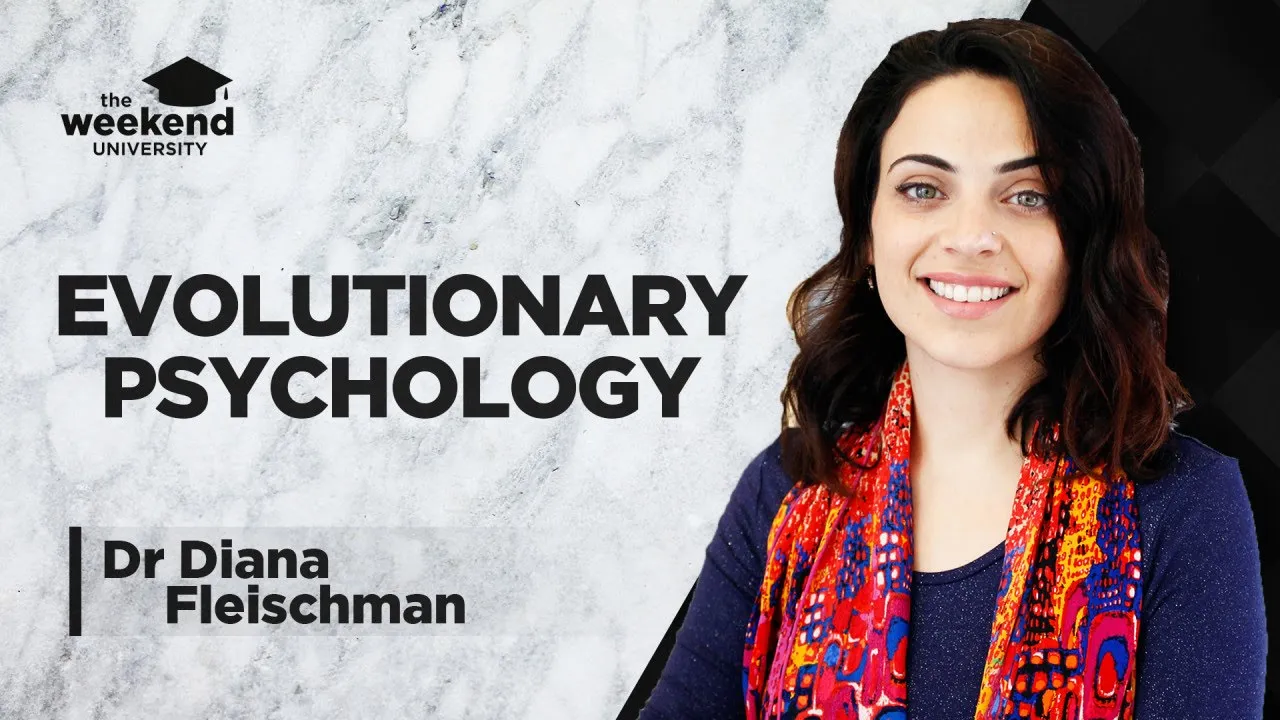
Evolutionary Psychology Explained by Diana Fleischman, PhD
@TheWeekendUniversity
143.8K views•2019-08-18

Cognitive Skills for Differentiated Instruction | Teacher PD
@BrainWareLearning
631 views•2017-12-17

Thinking, Fast and Slow: Daniel Kahneman Animated Book Summary
@FightMediocrity
2.3M views•2015-06-05

The Nocebo Effect: How Beliefs Can Cause Real Harm
@CGPGrey
10.4M views•2013-12-23
Related Study Plans & Knowledge Roadmaps
Structured learning paths in Psychology