





















![Bipolar Disorder vs Borderline Personality Disorder [Differences & How to Spot Them]](https://i.ytimg.com/vi_webp/i46a9MfdCmk/maxresdefault.webp)
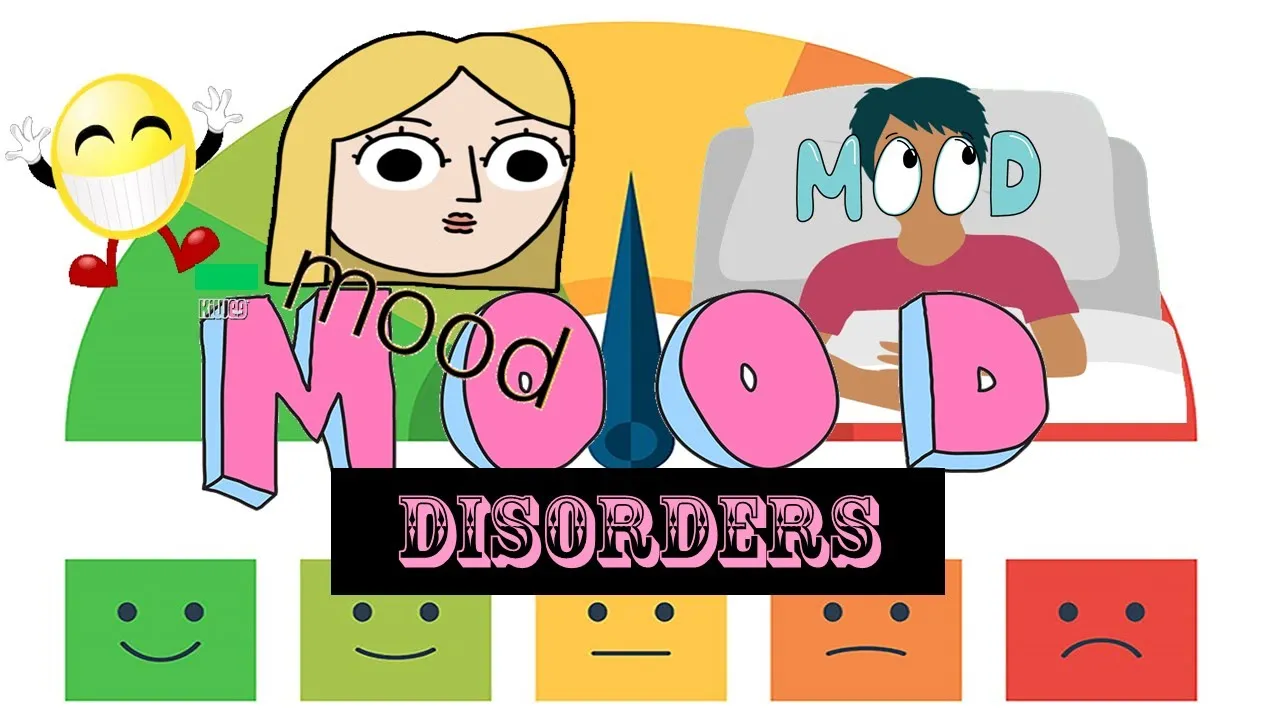
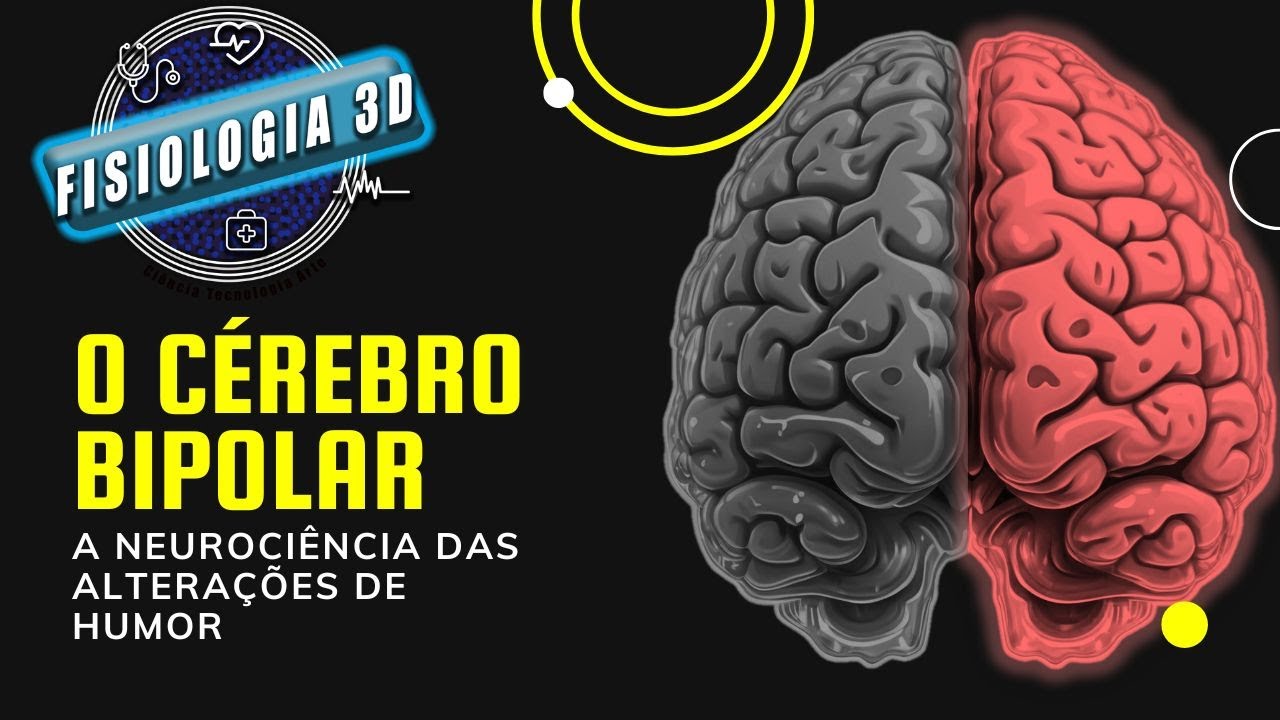
Mood disorders are mental health conditions characterized by emotional extremes, with two main types: depression (major depressive disorder) and bipolar disorder. Depression involves prolonged hopelessness, lethargy, social isolation, and disrupted sleep/eating patterns, affecting 13-22% of the global population and being the most common reason people seek mental health services. Bipolar disorder involves cycling between depressive states and mania, an extreme hyperactive state with euphoria and intense optimism, which can enhance creativity but also lead to reckless behaviors. Both disorders can be understood as points on a mood continuum, with depression representing plunges below normal mood levels and bipolar disorder representing extreme cycling between depression and mania.
Mood Disorders: Depression and Bipolar Disorder Explained
Added:mood disorders are disorders that are characterized by emotional extremes and there are two main kinds of mood disorders these include depression and bipolar disorder depression which is also called major depressive disorder is characterized by prolonged hopelessness and lethargy individuals with this disorder are discouraged about the future they feel socially isolated and they lack the energy to do even the things that they used to enjoy much less the things that they have to do or the things that they don't enjoy individuals with this disorder might stay in bed for long hours and they might stop eating or eat all the time or stop sleeping or maybe sleep all the time either way eating and sleeping behaviors are typically much different than they are when a person is not having a depressive episode depression is actually the most common disorder and it's actually the number one reason why people seek mental health services and because of that some people have taken to calling it the common cold of psychological disorders and i i like that term for some reasons and dislike it for others what i like about it is that it tends to capture how pervasive this disorder is it's estimated that 13 percent of men and 22 percent of women worldwide could meet the criteria for depression at least once in their lives it's also estimated that about 31 percent of college students in america suffer from this disorder so in this way yes it is like the common cold because it's so common however that term doesn't really capture the seriousness of this disorder depression isn't simply feeling a bit down it is feeling oppressively helpless and it is incredibly isolating and it's something considering how common it is that people need to take seriously depression can sometimes be triggered by a life event but it doesn't have to be so things like a loss or a breakup can lead to depressive states and to be sure sadness and the response of losing someone you love is normal but when it persists when it makes someone unable to function then it might meet the diagnostic criteria for depression another interesting fact about depression is that it doesn't always appear on its own for some people with depression they also have intense anxiety issues bipolar disorder is characterized by swinging between depressive states and states of mania so here we have depression and mania and what do i mean by mania i mean an extreme hyperactive state feelings of euphoria and intense optimism so if depression can feel like someone's moving in slow motion bipolar disorder makes someone feel like they're in fast forward they're over talkative they have little need for sleep they can sometimes show reckless behaviors and people with this disorder tend to cycle between these two states and maybe you're thinking to yourself hey manny actually doesn't sound all that bad i could probably get some good work done and i think on on some level for mild forms of media that that's that can be pretty true during these times people have a lot of energy they don't really need to sleep a lot and so they have a tendency to get a lot done there have also been a number of theories looking at mania's relationship to creativity specifically they found that a lot of very famous artists composers may have been able to meet this bipolar diagnosis and this makes sense as well mania can sometimes lead people to thinking outside of the box or looking at situations in new ways but it also has a tendency to get incredibly out of hand people in intense manic states might max out their credit cards while shopping or might engage in reckless driving or reckless sexual behaviors and as you might suspect when this mania gets out of control it can often times plummet into depression a way i like to think about these two disorders and their relationship to one another is to think about where they would be on a chart so let's say that this line here represents sort of the typical baseline mood of an average person and maybe within their lifetime that person might cycle up and down as they have a job and lose a job and meet someone they love but this is sort of normal cycling around this average mood level individuals with depression might also cycle normally for a bit but they also have the tendency to plunge down into much darker moods well below what we would normally see same with people with bipolar disorder they can also show normal mood swings but at times they will also show depression and also periods of mania and they'll cycle through these states and obviously this this chart is is not to scale whatsoever there are no lines here indicating how active someone is or how inactive someone is but if you're trying to picture how these disorders relate to each other this is a good way to do it
Up Next

Freud's Personality Structure: Id, Ego, and Superego Explained
@PsychExplained
164.5K views•2024-01-22

Cognitive Skills for Differentiated Instruction | Teacher PD
@BrainWareLearning
631 views•2017-12-17

Thinking, Fast and Slow: Daniel Kahneman Animated Book Summary
@FightMediocrity
2.3M views•2015-06-05

The Nocebo Effect: How Beliefs Can Cause Real Harm
@CGPGrey
10.4M views•2013-12-23
Related Study Plans & Knowledge Roadmaps
Structured learning paths in Psychology