






![Incredible Thermodynamics of Magnesia Alba [Brightest Reaction Ever😮] | Breaking Beakers⚗️ | Vedantu](https://i.ytimg.com/vi_webp/cU8INgsWuLg/maxresdefault.webp)




![المراجعة النهائية _ الكيمياء _ الباب الأول _ الكيمياء والقياس الدرجة النهائية مضمونة[القياس النانو]](https://i.ytimg.com/vi/sCxZZ8f1wIs/maxresdefault.jpg)



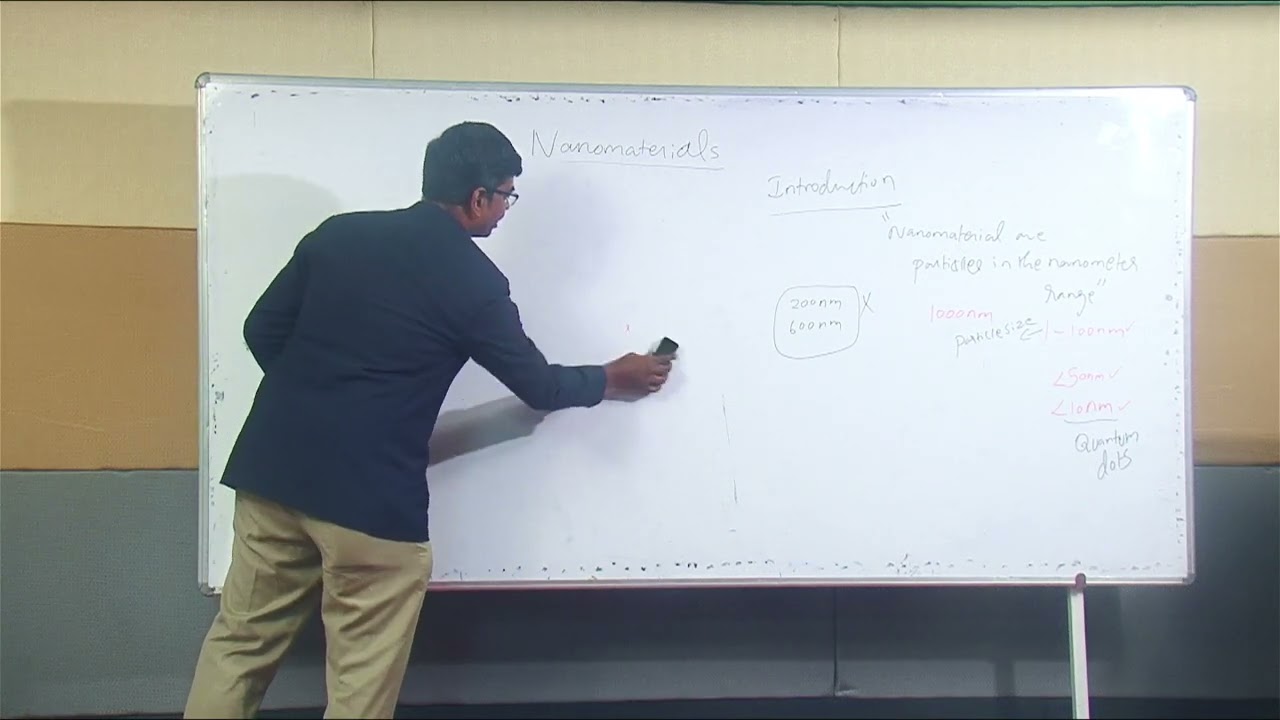

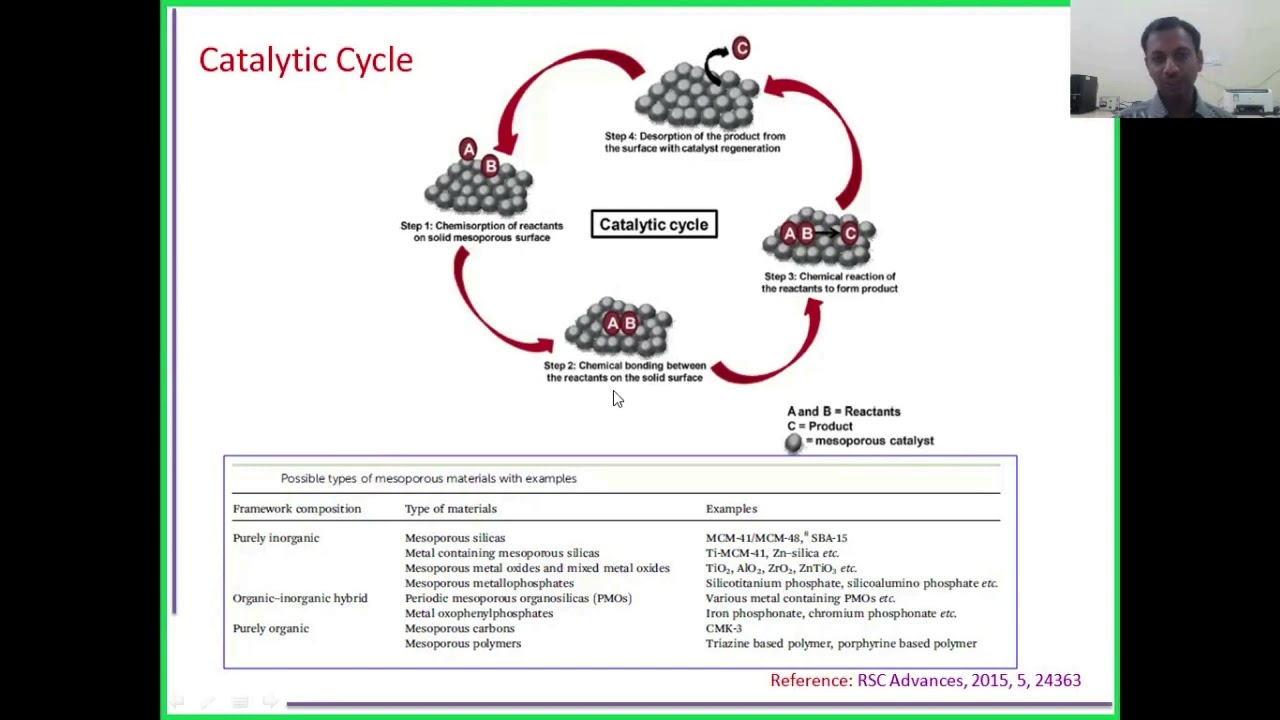
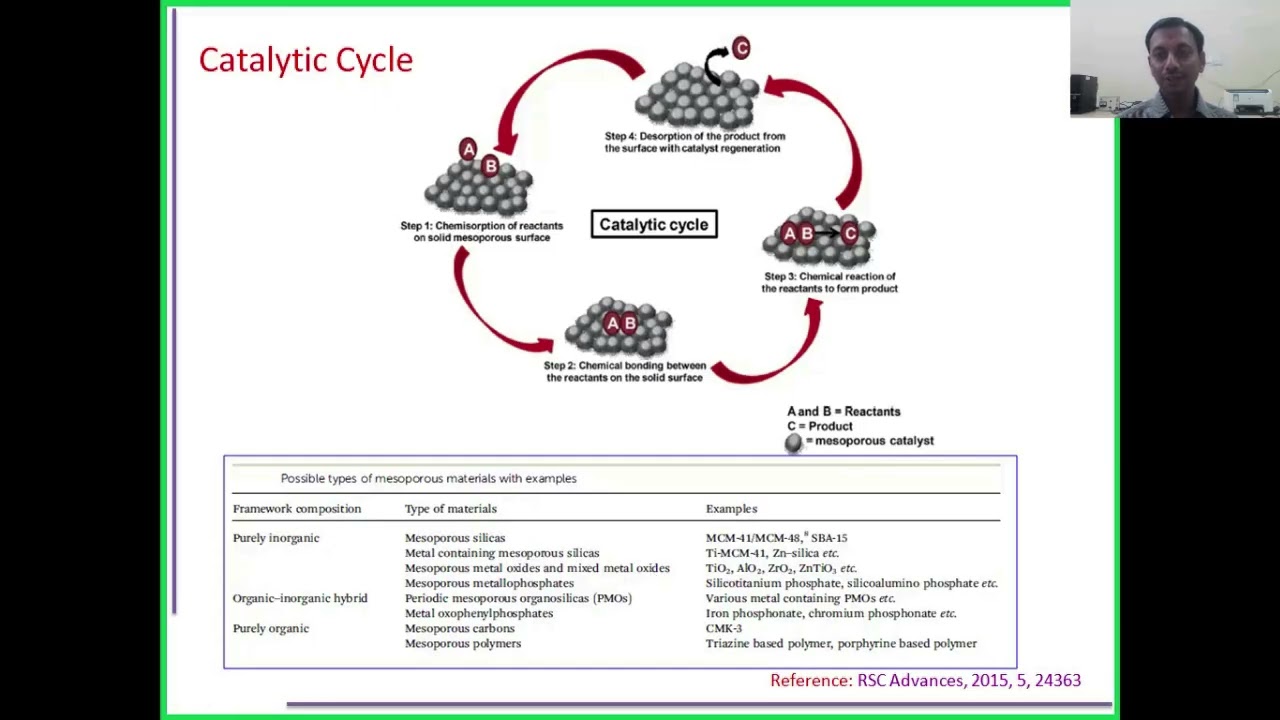
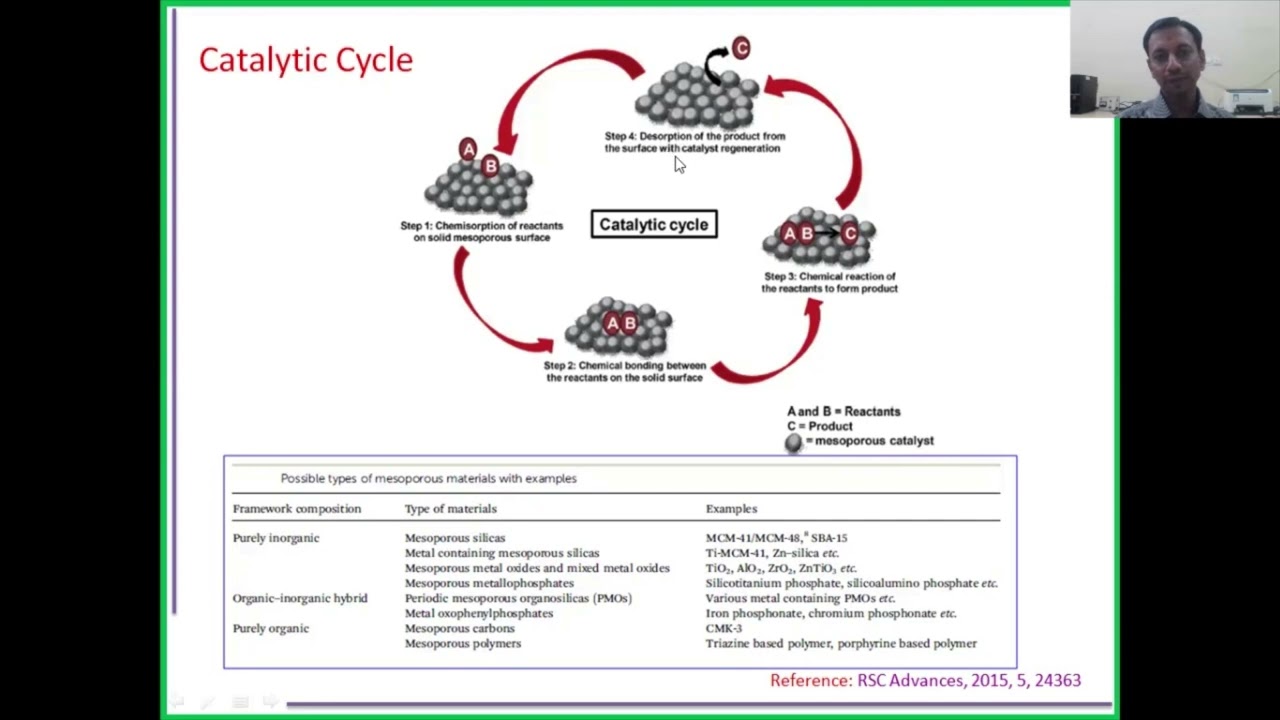









Nanomaterials possess a significantly higher surface-to-volume ratio compared to bulk materials because when a given volume of material is divided into smaller particles, the surface area increases proportionally. This occurs because smaller particles have a greater proportion of atoms located at their surfaces rather than within the interior. For example, dividing a cube into eight smaller cubes of equal volume increases the total surface area while keeping the mass constant. This high surface-to-volume ratio makes nanoparticles more reactive and advantageous for applications such as catalysis, sensors, and electronic devices, as the increased number of surface atoms provides more active sites for chemical reactions and interactions.
Surface-to-Volume Ratio in Nanomaterials | Nanoscience Part 1
Added:Basic geometric formulas for calculating the surface area and volume of regular solids, such as spheres and cubes.
An understanding of chemical kinetics, specifically how surface area affects reaction rates and collision theory.
Familiarity with the metric system and scientific notation, particularly the scale of a nanometer (10^-9 meters) relative to micro and macro scales.
Fundamental concepts of atomic structure, distinguishing between the behavior of bulk atoms and surface atoms.
Applications of nanomaterials in heterogeneous catalysis, where high surface area drastically increases catalytic activity.
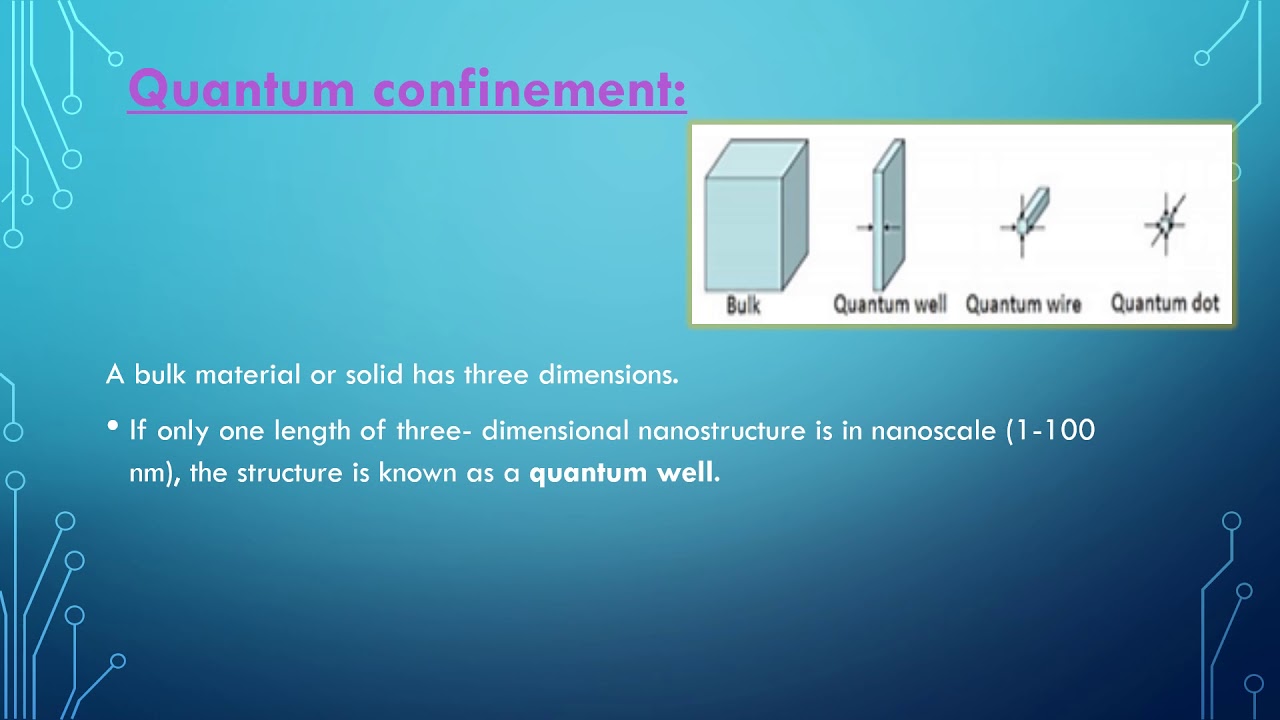
The phenomenon of quantum confinement and how electronic, magnetic, and optical properties change at the nanoscale.
Nanomedicine applications, such as targeted drug delivery systems that leverage high surface-area-to-volume ratios for enhanced solubility and drug loading.
Synthesis methods for nanomaterials (top-down and bottom-up approaches) to control particle size, shape, and surface characteristics.
Surface functionalization techniques used to stabilize nanoparticles and prevent agglomeration caused by high surface energy.
1.9K views57likes21:28Original Release: 2020-05-03
dear sir let's hope everything is fine at your site today in this lecture I shall mainly discuss about the advantages of nanoparticles over bulk and then later on in different two parts I will mainly discuss about two very important phenomena related to nanostructured materials that is quantum confinement effect and surface plasmon resonance whatever I remember till now in our previous classes we have already discussed about the introduction of nanoscience and nanotechnology or else I think we have almost discussed about some kind of some introductory part of nanoscience and nanotechnology right or if you do not remember then you can follow any introductory book or any kind of introductory chapter maybe in internet or means any kind of book okay for this purpose so here mainly whatever I'm going to discuss in this particular lecture is nothing but it is about the surface to plasmin ratio so in this particular part part one I shall be discussing about the surface to volume ratio okay so before going to discuss about the surface to volume ratio of course we should have at least some kind of some preliminary idea about the nanoscience and nanotechnology so for your just remember I can giving you one small definition of nanoscience and nanotechnology first then I can go to the main part of this particular lecture that is surface to volume ratio okay so what is basically neurosciences nanoscience is the study of science the study of systems in nanoscale and nanotechnology is the ability to systematically organize and manipulate properties and fear of metal in the atomic and molecular levels what does it mean whatever the definition said here for the nanoscience and nanotechnology what does it mean it means whatever is the system if any one dimension of such system for under 100 nanometer range then the study of such systems is known as nanoscience okay on the other hand suppose if you develop any process okay by using which you can tune any properties of nano materials or make any useful product searches suppose electronic devices catalysts sensors etc so those process will be called nanotechnology so basically the nano science is the study of a particular system and nanotechnology is the kind of means development okay it study about those particular processes okay so that is the basic definition of nanoscience and nanotechnology now of course the second question second question can come to your mind is something like Who I am nano what is the purpose of means you know studying all those particular nano and nano particles and all these things so of course the question will be how it is different from the performance how it is advantageous means okay how nano particles or nano systems are advantageous over the bulk so some basic differences or some advantages of Nano over bulk you can find anywhere any basic books you can follow all even anywhere you can you can get the advantages or small as small differences of this nano particles over d bulk particles like here you can see that this one stay in the case of bulk materials this display of materials have higher melting point okay but when you compare it with a nano controller then melting point you will get lower in the case of this name right then in the second point you can find here you see it is a rapid result with a small sample volume it means you will use small amount of volume a small amount but whatever the result you will get that will be very effective raise arguments okay more result in this you will get but using by using a small amount of volume okay so for any purposes means if we use very small amount of given quantity a small quantity of Firdous nanoparticles then also that is sufficient for that that can even solve the purpose okay after that one another special feature of nanomaterial is when you see the percentage of total number of atoms or ions on the surface of nano material it is always high compared to the ball one okay so if you calculate suppose the percentage of atoms at the surface okay if you compare the percentage of atoms present at the surface in the case of bulk material it is always lower then the nano particles where the percentage of surface atoms where the percentage of atoms present in the surface is always more okay so it means you always have to compare the surface atoms with respect to the volume units okay in the case of bulk although the volume is high very high okay in the bulk material we'll have the high volume so that is how if you calculate the total number of or total percentage of the whole atoms okay present there in that particular whole bulk material then in that way compared to that particular atoms of course which respect to depth total percentage of atoms you will have lesser number of atoms or lesser number of means ions present at the surface but in the case of nano material if you see the volume the volume is very less that very less volume in case of nano material okay so if you calculate the total number of atoms or ions present there in the new systems okay so with respect to that particular total percentage of atoms whatever the surface atoms or whatever the number of atoms or ions present at the surface you will get that will be of course very high in the case of nano material compared to the park so that is one very important point here you always have to remember in the case of while differentiating the one with reality nano material okay so where high percentage of surface atoms or ions are benefited by means if you have more number of surface atoms or more number of atoms or ions at the surface surface why it is more beneficial so the answer is it is because this particular surface atoms or ions are mostly regarded as active sites extra be okay those are the main active sites for any kind of human applications okay suppose if you if you suppose a kind of catalysis catalytic applications if you suppose any kind of means biological applications okay mainly we try to understand or try to study about the interaction of depth system interaction of any kind of substrate with the surface atoms okay that is how those particular surface atoms or ions always regarded as mainly the epic centers or active sites so of course if you will have more surface it'll more percentage of surface I am sorry Adams then of course I will have more active centers more active sites of course that will be more beneficial over other and that is how if you compare me ad activity for any kind of reaction suppose of course okay so if you can if you if you compare the reactivity of bulk material which the nanomaterials of course the reactivity of nanomaterials are always higher than the reactivity of bulk materials that means nanomaterials are always highly reactive means then they compare to the bulk material another important point you can remember here you can see here in this particular point is nothing but the tunability of properties in nanomaterials means okay that particular property is very important in the case of nanomaterials that means we can use any kind of properties if you take it take suppose the mechanical properties you take suppose some kind of electrical property any kind of suppose metallic or any kind of suppose optical properties okay electrical properties optical properties mechanical properties all those particular properties can be doomed esquire requirement by tuning the size and shape open a number of particles okay so whenever you will tune the size and shape or whenever you suppose increase or decrease the size of a particular nano materials okay accordingly of course you will do or you will obviously change some kind of surface properties there and of course that particular surface property will change all properties means different types of properties there in the nano materials like optical properties it can optical properties it can affect the electrical properties it can affect the mechanical property so that particular tunability of properties is very important in the case of nanometers and by tuning or by changing some kind of size and same only we can actually do any kind of properties in the case of nanomaterials compared to the bulk materials so you can say that in the case of bulk material almost whatever the physical properties whatever the mechanical properties you will talk about whatever the chemical properties you will talk about that will be almost constant okay that will be remain constant means at that particular range if you change the some kind of size or shape tier okay suppose you will change some kind of size by one or one centimeter or one millimeter or even one meter type of things okay so in that way you it cannot change its property whatever the original property it had initially that will be remain intact okay in the case of bulk material but in the case of nano material if you even change the size by even one millimeter or two nano meter it can even change the whole properties means various types of properties there in the case of nano materials that is how it is very interesting means that is how it is very interesting to study about to the nano materials means already bulk materials so don't remain and what possesses points more advantages all is bonus one difference is you should always keep in your mind okay then finally and the most importantly one great feature or you can say one great advantage of nano material is its high surface to volume ratio okay although many times we just fully hi Ceri only that that means advantage of nanomaterials over bulk is its high surface area we normally say it okay if somebody somebody will ask you something some questions about to be advantage of nanomaterials then we normally say that the surface area of a nanomaterials is actually higher compared to the bulk material but using only if I surface area is actually wrong okay and always we should use some kind of means high surface to volume ratio that particular term we should always use so in the case of nano material whatever the advantage of nano material over the bulk is high surface to volume ratio we always use the term high surface to volume ratio not only the high surface area suppose here if you see one smaller particle and compared to the smaller particular if you see a bigger particular of course you will see larger volume here in the case of bigger particle compared to the smaller this particular okay but when you calculate the surface area with respect to the volume of this particular particle then you will get to know that how the surface area is actually with respect to volume how surface area is actually higher bigger indicate some of these smaller particles compared to the particular large particles so here from this examples I hope the concepts will be more clear okay suppose here this one is d is smaller particle this one is slightly bigger compared to this one and this one is the biggest particle okay here among these three particles now if you suppose the size of this particular particle is suppose one unit okay this one is you this one is also Q but we got two and this one is the means of a digested okay so if you suppose is iam decide here one side okay one side is suppose one unit okay then you can camp of course the surface area here by using these six is for formula six size formula and of course the surface area will be your six only six unity squared on them okay then you can calculate the volume also that volume will be of course the a cube so whatever the volume you will find that one won't be one so finally if you calculate the surface to volume ratio means which respect the volume when you calculate the surface area then it will come out to be this one six okay so similarly if you suppose calculate the surface area for this bigger particular okay this one is just nothing but it is just two times higher than this particular material okay this particular means Q from all the sides okay everywhere it is actually just longer by one unit so that is how all the sides from here here here everywhere all the sides it is assumed to be this two unit so if side is two unit then of course this surface will be the 24 occurred by using the formula of six a spur okay so volume will be your active so it will be three so when you calculate the up for the surface to volume ratio for all this particular so you can easily imagine that how the surface to volume ratio is actually large in the case of these smaller particles then this one and then this one accordingly in this second example you can suppose all this use disk use all these cubes volumes are same so you are did nothing but you are keeping the volume same here okay you are taking such type of nanoparticle square the volumes are absolutely seen ok so here in this particular case you have having only one particular Q so for this particular Q if you calculate the surface area suppose this sign is nothing but it is again one immunity so if you calculate the surface area for this Q single cube then it will come up obviously the 6s per into one to this one is nothing but it is 41 so of course whatever the surface area you will get it will be v6 unity square but similar deal by keeping before you say if you divide this cube into this part okay 1 2 3 4 5 6 7 8 that means you are doing nothing but you are making 8 cubes by keeping the product sales you you have something just divided this particular view into 8 cubes a smaller cubes then if you calculate the surface area for all these skills what will be the surface area then the overall surface area you will get this of course nothing but for one cube it will be 6 into of course the site will be now half half of this particular side so it is kept here is the 1/2 so 1/2 is / 6 5 is / and you are having total number of a smaller Gilson so you are multiplying this whole term which be 8 so that is how it will come out well you need a squat accordingly in the case of surface area for this particular tool okay you have divided this cube into even how many numbers of use total number 27 of 27 number of each molecule so finally whatever the overall surface again you will get for this you all dirty absolutely saying go to this particular argument but whatever it is surface area you will get here it is the 18 unity squad so just by dividing this bigger queue means one single cube into smaller cubes okay keeping the volume same you are getting actually more surface area okay so that is how in that way you can do that that is smaller particles how is smaller particles can give you more surface area and how this more surface area can be effective for various applications now in a different way if you suppose measure the mass of all three discs use so name a this one is a B and C you can easily imagine that the mass of all this three will be actually say okay mass of all this particular tubes are absolutely same but by increasing the surface area of this by increasing the smaller divisions here okay for this particular cubes you are doing nothing but you are increasing the surface atoms also here you will have more smaller divisions then here and here even you will have even more than more and more divisions even more smaller divisions here even compared to this one so more smaller divisions means more will be the surface atoms so of course more will be the surface area more will be the reactivity so that is how this one will be more effective for a particular reactions for more reactive for a particular reactions compared to this one and then this one now in a similar way you can discuss this surface-to-volume ratio in the case of this spherical particles also here this radius of this is fiercest supposed to be smaller or for this one is capital and this one is Griffith L r1 and if you calculate the surface area by using the formula for pi RS well and if you calculate the volume of the sphere by using the formula 4 by 3 PI R cube then of course finally you can calculate the surface area to volume ratio and whatever the surface area to volume ratio you will get here for the spheres it is nothing but the 3 by I what does it mean if the surface to volume ratio is 3 by R that means it is depending upon the are okay so when you will increase the are of course the surface to volume ratio will be less so that is how in the case of bigger particles because fakest particles whatever the surface to volume ratio you will get that one will be of course the less compared to this one then this one so of course in this particular case you will get actually more surface area more surface to volume ratio in the case of spherical particles also so for any kind of particles whether if this is very clear whether it is cubic one anything else any particular particles by just decreasing the size of the nano particles sorry by decreasing the size of that particular particle you can just increase the surface-to-volume ratio and by increasing the surface-to-volume ratio you will have more number of surface atoms or you can say that you will have more numbers of atoms or ions at the surface so that is how you will have more active sites and that is how those nanoparticles will be having more actually catalytic properties over the other means bulk particles okay so that is how you can say that nanoparticles are even more reactive compared to D by one so whatever I have discussed till now in this particular lecture from this lecture what we understood the so far is when a given volume of material is made up of smaller particles the surface area of the material increases second point when the particle size decreases a greater proportion of the particles will be found at the surface of the puck of that particle which leads to the leads to nanoparticles with higher reactivity as I have already discussed and then third point you can remember here is when chemical reactions occur between particles that are on the surface a given mass of material made up of larger particles will be very less reactive than the same mass of nanomaterials that means you may have the mass of the particle same but depending upon the size of that particular particle the reactivity will be varied so for your information I am giving you some references here so if you want to means study in more details for this particular topic you can follow this references and finally of course all the best and happy learning
Up Next

13:19
Synthesis of Ruby Red Colloidal Gold: Nanotechnology Demonstration
@FlinnScientific
147.4K views•2012-12-21

34:36
Frances H. Arnold Nobel Lecture: Directed Evolution in Chemistry
@NobelPrize
109.5K views•2018-12-08
10:06
1H NMR: Determining Number of Peaks from Structure
@MSJChem
59.2K views•2017-04-06

17:31
Edible Water Bottles: A DIY Guide to Sodium Alginate Spherification
@ryan
10.5M views•2019-06-21
Related Study Plans & Knowledge Roadmaps
Structured learning paths in Chemistry
chemistry
Nanochemistry: Synthesis, Properties & Analysis
01Foundations of the Nanoscale
02Size-Dependent Physical & Optical Properties
03Synthesis Methods: Top-Down vs. Bottom-Up
+ 2 more learning modules
15h5 modules
Explore Roadmap
chemistry
Nuclear Chemistry: Decay, Meds & Fuel Cycle
01Introduction to Nuclear Structure and Radioactivity
02Decay Dynamics and Kinetics
03Radiation Interaction and Detection
+ 2 more learning modules
24h5 modules
Explore Roadmap
chemistry
Supramolecular Chemistry: Forces & Machines
01Foundations of Chemical Bonding and Intermolecular Forces
02Introduction to Host-Guest Chemistry
03Thermodynamics and Dynamics of Self-Assembly
+ 2 more learning modules
16h5 modules
Explore Roadmap
chemistry
Photochemistry: Excited States & Reactions
01Foundations of Light-Matter Interactions
02Molecular Orbitals and Electronic States
03Photophysical Processes and Jablonski Diagrams
+ 2 more learning modules
18h5 modules
Explore Roadmap