















This video demonstrates the synthesis of ruby-red colloidal gold nanoparticles by reducing a dilute solution of hydrogen tetrachloroaurate (HAuCl4) with sodium citrate under boiling conditions, showing how nanoparticles exhibit unique optical properties due to surface plasmon resonance and can be characterized using the Tyndall effect; the demonstration also illustrates how nanoparticle size affects color, as adding sodium chloride causes aggregation that shifts the color from red to blue.
Synthesis of Ruby Red Colloidal Gold: Nanotechnology Demonstration
Added:Foundational knowledge of chemical reduction-oxidation (redox) reactions, specifically how metal ions in solution are reduced to neutral metallic atoms.
Understanding the basics of colloid chemistry, including the distinction between solutions, suspensions, and colloidal dispersions.
Basic concepts of optical physics, particularly how light behaves (absorption, transmission, and scattering) when interacting with matter.
An introductory awareness of the nanoscale (1-100 nm) and the fundamental principle that material properties can change drastically at this scale compared to the bulk phase.
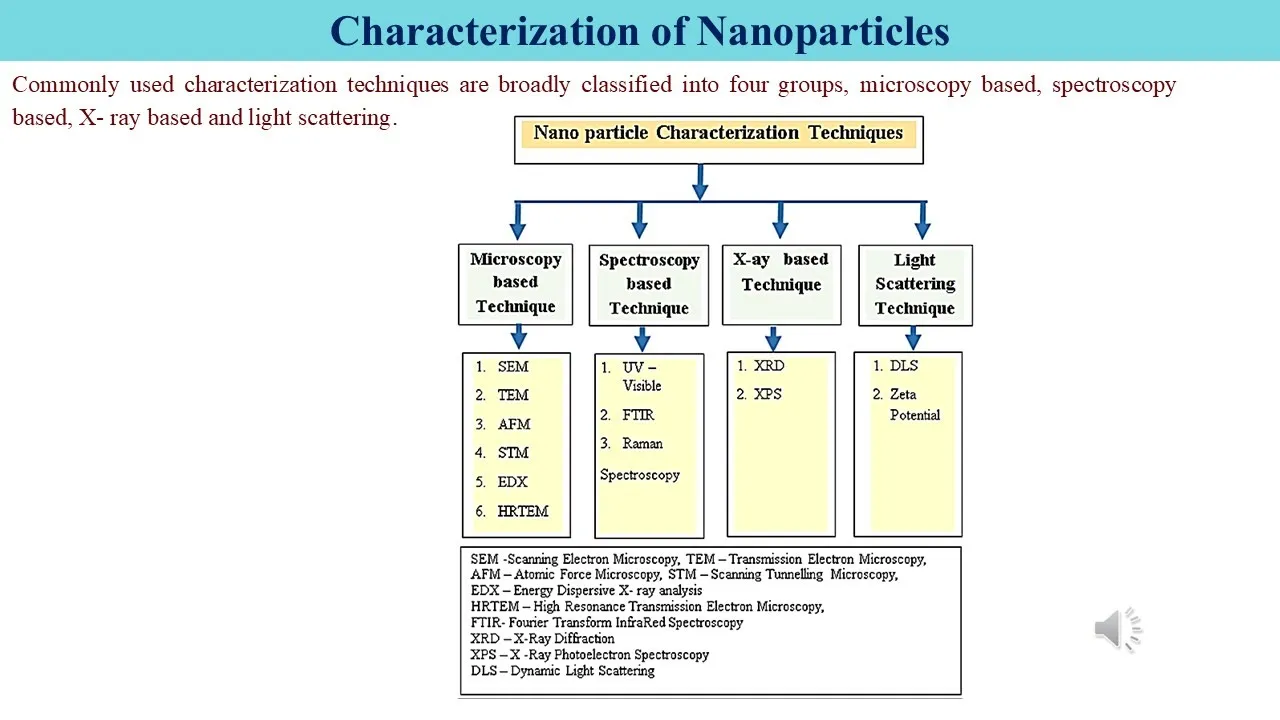
Analytical characterization techniques used to measure nanoparticle size and concentration, such as UV-Vis Spectroscopy, Dynamic Light Scattering (DLS), and Transmission Electron Microscopy (TEM).
The chemistry of surface functionalization, studying how to attach ligands, polymers, or biomolecules (like DNA and antibodies) to the gold nanoparticle surface.
Real-world diagnostic and medical applications, such as lateral flow immunoassays (e.g., rapid pregnancy or COVID-19 tests), targeted drug delivery, and photothermal cancer therapy.
Advanced tuning of Localized Surface Plasmon Resonance (LSPR) by synthesizing different nanoparticle geometries (such as gold nanorods, nanocubes, or nanostars) to shift absorption spectra.
147.4K views2Klikes13:19Original Release: 2012-12-21
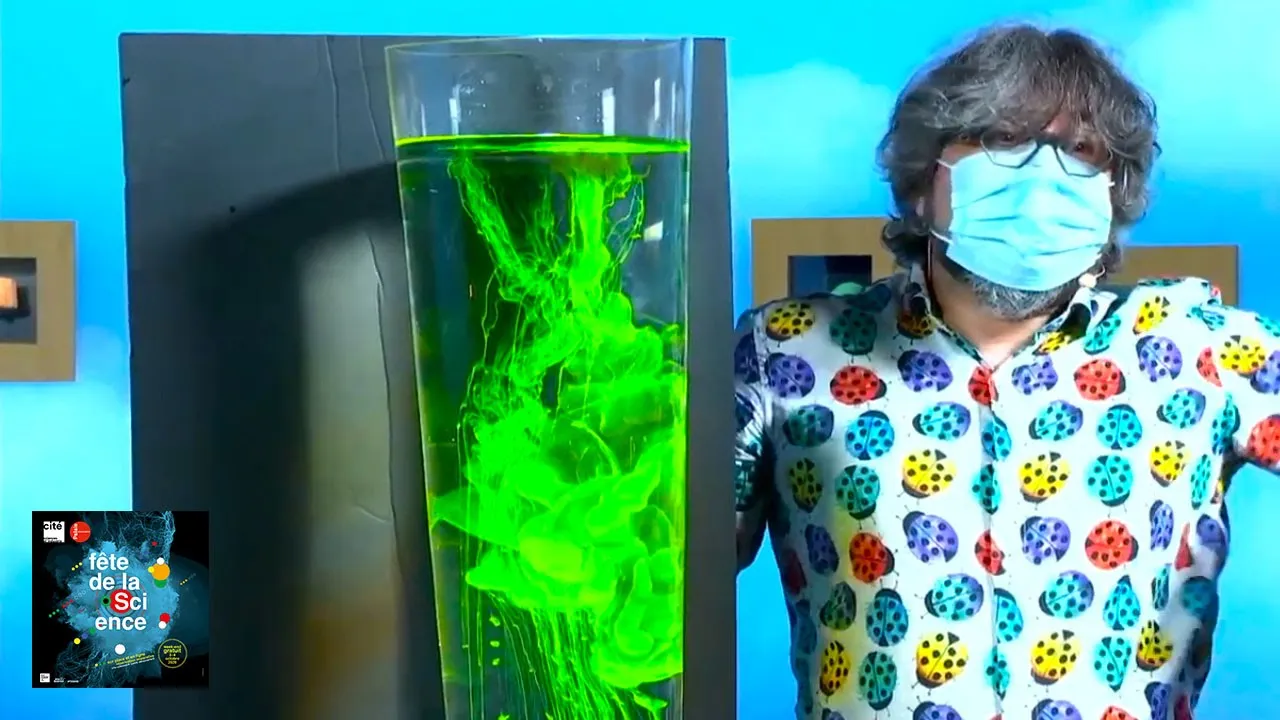
I want to do a nanot technology demonstration you know there's a saying in fashion that everything old is New Again well that's true nanotechnology sounds very new and it is and it's in all the news it's in science fiction but it's also in in a lot of consumer items it's in medical in the medical field nanotechnology Nano particles hot new thing there are nanotechnology institutes yet there's a type of nanot technology in particular gold nanop particles that have been known since ancient times in the British museum in London there's a Roman artifact called the luris cup which is a beautiful example of what's called gold ruby glass and basically even in ancient times they had known how to make gold nanoparticles first of all what are nanop particles or nanotchnology nanotechnology is the synthesis the characterization and the properties of nanop particles which are particles on the order of 1 billionth of a meter a nanometer 1 * 10 the 9us 9th meter basically what happens is when you get particles these are solid particles but they're so small you get very unique properties in the characteristics and so I can make gold metal that's a red solution we call it ruby red colloidal gold named after the gold ruby glass that's in the British museum what I have here and I've started this going here a little bit so that uh we can go on but we've got some hydrogen tetrachloro orate three solution very very dilute that's a key it's a pale yellow solution not not dark at all I have 1 * 10-3 molar 1 Millar solution I took 20 milliliters of that I added it to about 180 milliliters of water so that I have a total volume in there of about 200 milliliters so I've now got a.1 Millar Solution that's key cuz if you want to make these small particles you have to have them very dilute hydrogen tetrachloro orate is H Au cl4 it's gold which is the Orum the gold uh symbol is of course Au um gold in the plus three ionic or oxidation state I had a very pale yellow solution and I'm going to heat that to Boiling and I'm pretty close I'm at about 82° there so it's it's really Heating and what I want to do is watch that for a little bit and I should start seeing it pretty soon so uh why don't I go go in the back here talk a little bit about uh what we mean by nanotechnology and so on uh while it's cooking so to speak and what I want to do it's at about 86° is as it um what's going to happen here is I'm going to add some sodium citrate and I want about two milliliters of that so I'm going to go ahead and add one 2 milliliters of the sodium citrate and what should happen is very gradually you see some color changes in there and that's pretty well boiling so I don't think I need my thermometer in there and I'm just going to stir it once in a while sodium citrate is a very very mild reducing agent it's a reducing agent in our body so it better be pretty mild it's going to reduce the au3 cats the gold 3 cats and you can see that is boiling now and you know what as long as it's boiling let's turn down that hot plate just a little bit um so that we don't get too hot there but that should continue to boil and what we're going to see are some very gradual color changes eventually we're going to make a gold metal Solution that's bright ruby red let's give that just a little bit of time there it does take a little bit of time I have done a before and after here but I want to begin to see the color changes and then maybe we'll come back to it um as the sodium citrate reacted gold nanop particles are finding uses in a wide variety of areas they're used to make HIV diagnostic AIDS diagnostic kits they're used as catalysts um what you get basically is unique Optical and electronic properties when you get the size of the gold atoms so very small size of the gold atoms are going to be about 10 nanm or actually 10 to 20 nanm um I don't know if we're seeing it's certainly boiling there quite vigorously just beginning to see a very pale pale kind of a lavender color there what it's going to do is go through a series of color changes I'm going to bring that down do you see can you see that that's just a little bit pale lavender it's it's going to take a little bit of time but once it gets going ah there we go now you can see the purple you see that it's turning purple basically the sodium citrate is reducing the hu4 and we're we're getting gold metal but the gold metal particles are so small that rather than precipitate out they're going to be dispersed in there and you can see that now I have more or less purple gold solution and we're going to let that go and it's actually eventually going to turn turn it doesn't take very long it's going to turn almost bright red and I do have a before and after shot here but I just want to watch that just a little bit uh because it is getting a little hot there it's getting a deeper purple color let's watch that and what are some of the other unique properties of nanop particles and what gives it the color you know normally when something is colored and turn that down down just a little bit there so we don't get too vigorous um normally when something absorbs light it excites electrons from a lower energy level to a higher energy level that's not the source of the color here in the gold instead it's it's a very uh obscure term it's called spr surface plasmon resonance essentially in that gold medal you start oscillating electrons and they get in resonance with the the light energy that they absorb and that causes the color and you can see that we've already gone to kind of a magenta color there and that color is going to continue to change until it's like a ruby red but I do have a before and after shot here and what I have here is some of that ruby red colloidal gold and you can see that it's a bright red wine red color and this is getting there so it's it's not going to take too much longer I think before that's cooked how can we prove that we essentially have gold metal particles in there that we have colloidal gold well a colloid means that you have large particles and so even they're not dissolved in solution they are dispersed and the characteristic of a colloid is that it will scatter light and so what I have here is a laser pointer and I'm going to go ahead and point that through this solution and let's see what we see when we do that do we want to bring the lights down a little bit okay and if you look into the solution okay let's let's try it from this side instead here okay and were we real up close and personal here on the side there is that better if you're looking at that what you see is that you see the path that the laser is making through that solution can you see that okay that's called the Tindle effect that's due to light scattering if you had a normal solution just a red solution and I do have one here just you know food coloring or whatever you would not see the path of light because there are no particles okay can we see that yeah that's really good that's the again we're getting light scattering due to what we call the ruby red colloidal gold let's just compare it with I just have here and you know you can hardly tell the difference but I know the difference so this is just red food coloring that's all it is so this is a true solution and if I shine at the same place that laser through there even though I see the laser coming out if I look through that solution I don't see the path of light at all okay now you might see a tiny bit as you're coming off to the side there but I don't see any if I'm looking straight down you really need to be looking straight down I think to see it best so again that's proving that we have gold particles in there we'll go back and look one more time at our ruby red colloidal gold and I can see that perfectly right in there is the path of light right through it we got that okay and let's go ahead and look back here and our ruby red colloidal gold is just about finished remember it started out sort of a pale lavender went to a magenta kind of and it's getting red now it's still the orange so it takes a little bit longer um I want to show you one other effect CU this went through some color changes I just have two test tubes here and I'm going to fill them about a third full with the uh ruby red colloidal gold and I want them about the same level in each and the exact amounts are not important but actually I'm going to go a little higher just so you can see them okay those are pretty close we'll put them next to each other what I want to do is add some sodium chloride and this is showing us actually uh the color change that is used in many types of uh applications using the gold nanop particles what I'm going to do is add some water to the first and I'm going to add about that much and let's go ahead and mix that a little bit and you can see that the only thing that we did there basically was we diluted the color it's still the same kind of color but it's been diluted because we've added some water and in the second one rather than add the same amount of water I'm going to add a dilute sodium chloride one molar sodium chloride and I want to add it to about the same level and I think you can already begin to see what's happened here but let's do it to the same level so that you know we're we've done our control experiment here okay you can see what happened okay can you pick up those colors or not with me in front of them maybe it's better in there notice that the one where we added the water can we see those colors is just the same red solution it's just been diluted the second one I added some sodium chloride what happened it turned blue or purple it's a light blue Solution that's actually a characteristic and believe it or not what's happening there is the sodium chloride is causing some of those very small particles to essentially begin to uh aggregate a little bit and so you're getting larger particles and that's a a characteristic very unique to nanotechnology that's not known with other kinds of solids and liquids you get just a bit little bit bigger and that oscillation or resonance that we talked about changed from red to blue and that's actually what we were seeing here and this is pretty much cooked so I'm going to turn that off I'm not going to take it off the hot plate yet so we made the gold the ruby red colloidal gold we demonstrated its properties if you Google gold Nano particles you're going to get a billion hits you know uh so many uses that are being researched now it's absolutely amazing yet despite how amazing that modern chemistry is it really goes back a thousand years although and this is important they didn't understand what they were doing but they were able to do it they had made that basically uh by accident you might say but that's how Crafts People did it they knew what to do and they knew how to make gold ruby colloidal glass it's absolutely beautiful gold metal in a red solution Modern Chemistry nanotechnology
Up Next

13:02
Sol-Gel Method for Nano Metal Oxide Synthesis: Principle, Procedure & Mechanism
@DrMANJUNATHACHANNEGOWDA
109.7K views•2017-12-08

34:36
Frances H. Arnold Nobel Lecture: Directed Evolution in Chemistry
@NobelPrize
109.5K views•2018-12-08
10:06
1H NMR: Determining Number of Peaks from Structure
@MSJChem
59.2K views•2017-04-06

17:31
Edible Water Bottles: A DIY Guide to Sodium Alginate Spherification
@ryan
10.5M views•2019-06-21
Related Study Plans & Knowledge Roadmaps
Structured learning paths in Chemistry
chemistry
Nanochemistry: Synthesis, Properties & Analysis
01Foundations of the Nanoscale
02Size-Dependent Physical & Optical Properties
03Synthesis Methods: Top-Down vs. Bottom-Up
+ 2 more learning modules
15h5 modules
Explore Roadmap
chemistry
Nuclear Chemistry: Decay, Meds & Fuel Cycle
01Introduction to Nuclear Structure and Radioactivity
02Decay Dynamics and Kinetics
03Radiation Interaction and Detection
+ 2 more learning modules
24h5 modules
Explore Roadmap
chemistry
Supramolecular Chemistry: Forces & Machines
01Foundations of Chemical Bonding and Intermolecular Forces
02Introduction to Host-Guest Chemistry
03Thermodynamics and Dynamics of Self-Assembly
+ 2 more learning modules
16h5 modules
Explore Roadmap
chemistry
Photochemistry: Excited States & Reactions
01Foundations of Light-Matter Interactions
02Molecular Orbitals and Electronic States
03Photophysical Processes and Jablonski Diagrams
+ 2 more learning modules
18h5 modules
Explore Roadmap