

























This video explains two alternative vaccine technologies to mRNA vaccines: Johnson & Johnson's adenoviral vector vaccine (Janssen) and Novavax's recombinant protein nanoparticle vaccine with Matrix M adjuvant. Johnson & Johnson's vaccine uses adenoviral vectors to deliver spike protein genes, achieving 66% overall effectiveness in Phase 3 trials with 43,000+ participants, while Novavax's protein-based approach with saponin-based adjuvant showed approximately 90% effectiveness in UK trials. Both vaccines demonstrate effectiveness against the South African mutated virus, with Johnson & Johnson requiring only a single dose and offering better storage stability, while Novavax provides a more traditional protein-based approach with standardized manufacturing.
COVID-19 Vaccine Alternatives: J&J vs Novavax Explained
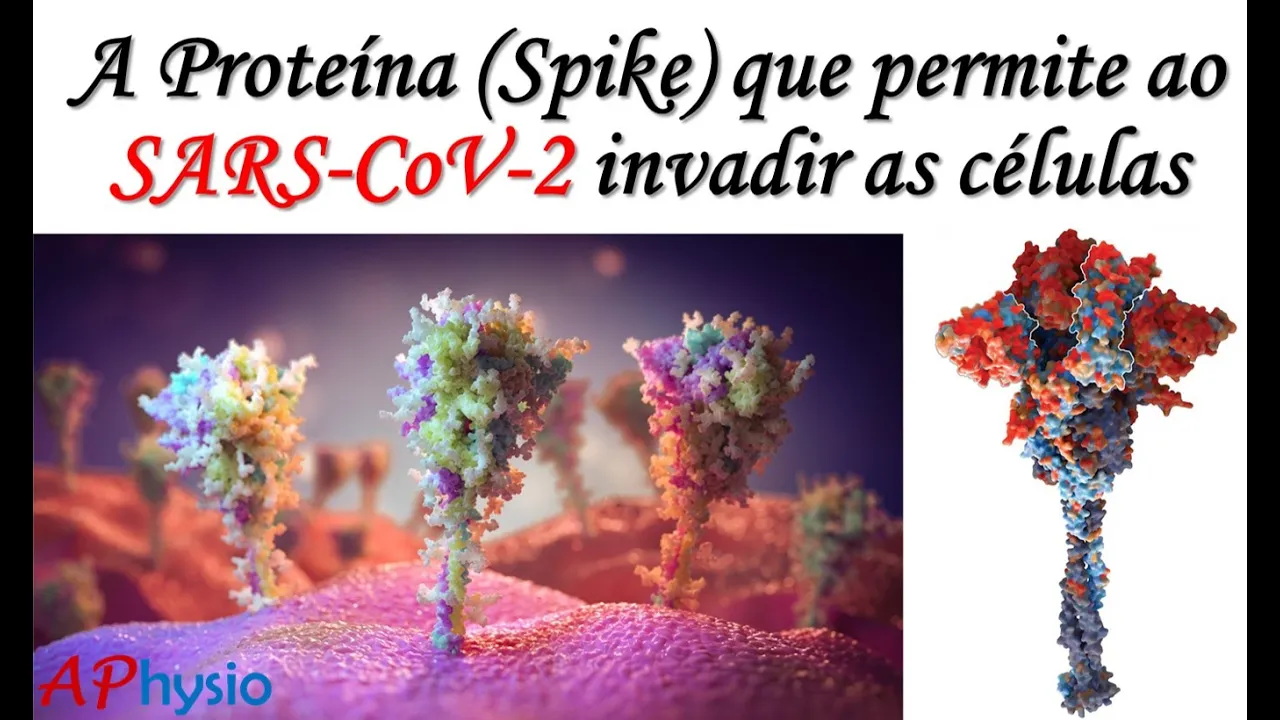
Added:hi guys welcome back to the channel now this past week we have a few exciting news on two new kovic vaccines they are from johnson and johnson and novavax now one of the viewers arithia have already asked about novavax a couple days ago so this week we'll talk about these two mrna alternative vaccines together if you are new to the channel i'm dr hong my goal for this channel is to connect scientific facts with everyone this includes my regular covet 19 update and other general science topic my idea is that if i can understand a topic you can understand now if you want to know more on these scientific facts please consider subscribing to the channel this channel needs your support to reach more people now without further ado let's go into the topic [Music] so like i said at the beginning we are going to look at two upcoming alternatives to mrna vaccine now again this video is my interpretations and summary of publicly available scientific information this video does not serve as any advice on treatment diagnosis and prevention of any diseases and all the company that i mentioned in my video i do not have affiliations with them first let's look at some of the background information on johnson and johnson but they have already completed their phase 3 trials and released a lot of data on their press release website on january 29th and have already submitted the eua application to the usfda on february 4th in terms of novex they have completed their phase 3 trial in the uk and released a lot of data on january 28th now however their north america trial are still ongoing and the company have submitted a rolling application to the uk mhra now in this video we are going to look at how the technology is compared and how does novavex vaccine work how do the efficacy compared and the pros and cons of the johnson johnson vaccine and as well as the pros and cons of the novavex vaccine fact number one how do the technology compares now first let's look at johnson and johnson johnson johnson relied on the adenoviral or adenovirus vector technology and they have a proprietary name for it which is called the advanced technology in terms of novavex they use recombinant protein nanoparticles and in combination with something called supponent-based technology to produce their vaccines they have a proprietary name for that saponin based technology which is called the matrix m adjuvant technology now in terms of the spike protein productions for johnson and johnson the spike protein gene is transferred and cloned into adenoviral factor and on the novosize the spike protein is purified to form multi-protein nanoparticles not the protein that are from johnson and johnson is produced by the recipient's cells however the spike protein from novo vax vaccines is produced in manufacturing facilities fact number two how does the novel vex vaccine work now we're going to briefly look at how does the novavax vaccine work first the spike proteins are basically engineered and purified in the lab then make sure the protein is folded and correctly oriented like the real spike protein then these proteins are assembled into so something called protein nanoparticles they make sure these assemblies form a size that are similar to the real coronal virus after that they mix that uh protein nanoparticles with their proprietary technology matrix m's which is saponin base which is coming from a plant basically now these adrens have an ability to increase immune cells activations so when these things are mixed with the protein nanoparticle basically we produce a stronger immune response than just purely giving the spike protein now let's look at how do the vaccines compare to each other in terms of their efficacies [Music] so let's first look at johnson and johnson they've completed their worldwide phase 3 of trial and they've enrolled more than 43 000 participants and out of all these 468 of those have symptomatic cases of covet 19. now they concluded it was about 66 overall effectiveness in preventing moderate to severe covet 19 after 28 days of vaccinations and the protection starts as early as day 14.
now they do have a quite a variety of effectiveness in different regions in the united states the effectiveness is 72 percent and comparing to 66 percent in latin america and 57 in south america now in terms of nova x the phase 3 trial is still ongoing in north america that means the u.s and mexico their goal is to enroll 30 000 participants so far about half of those have already enrolled they have completed their phase 3 in uk with 15 thousand participants they have a effectiveness close to ninety percent they also completed a smaller scale of phase three in south africa with four thousand four hundred and forty participants and out of those 60 effectiveness was observed in hiv negative participants while 49 effectiveness was observed in the overall both hiv positive and hiv negative participants [Music] well now let's look at the pros and cons of johnson and johnson vaccine now let's look at the pros of the johnson johnson vaccine first now the big plus of this vaccine is it only require single dose to have those effectiveness now they are also right now looking at to those regimens cf2 doses will boost the effectiveness this vaccine is stable at a freezer for two years and a regular refrigerator for at least three months so it makes it easier to store and transport in many parts of the world it it showed protectiveness against south africa mutated virus the 501y dot v2 string which is a very very important note now it is currently under review by the fda will likely be discussed at their meeting on february 26 and we could expect an approval in the u.s as early as in early march now the cons of these adenoviral vectors are pretty universal these vectors are immunogenic by nature remember they were viruses that could cause common cold but they will get engineered to put in a piece of coronal virus spike protein gene so the vector itself can cause inflammation and it is also less effective in people with pre-existing immunity against adenoviruses now let's look at the pros and cons of the novavex vaccine now first look at the pros of the nobel lax vaccines the big plus is that it is a more traditional type of protein based vaccine now protein based vaccines have been used in many types of vaccines for decades so it is a more established concept of in the vaccine technology it also doesn't require the recipient to produce the spike protein within their body and the protein production process is very standardized in the manufacturing facility it also only requires standard refrigerations and show protectiveness against south africa mutated virus now this subponent based matrix m technology is very interesting and actually can help boost and stimulate immune responses and that's in terms translating to requiring less spike protein in the production process and in terms leading to higher manufacturing capacity in terms of the cons for all protein-based vaccines is that it require much more time to develop at the beginning in general and this vaccine may not be widely available in the world until later in 2021 now protein-based vaccine also in general has weak stimulations inside a toxic t-cell which is another branch of the adaptive immune systems that can help kill those viral infected cells however this saponin based adjuvant is the key to help to boost immunity in particular help boosting the t cell immunity so this technology is so important very important in this vaccine so what are the take home message today so now we have two more upcoming mrna alternative kovid vaccines and the first one here is from johnson and johnson using adenoviral vector it is now pending for usfd review and approval and on the other side of the story we have novavax which is a protein saponin based vaccine it's also pending for uk mhra review and approval now both vaccines have shown effectiveness against the south african mutated coronal virus which is very very important these day because we know that this virus have mutated part in the spike protein that make other vaccines that are currently in market much less effective now all of these information that i got today is based on the company's press releases so we will have to review the peer-reviewed published data when it's available to confirm all this came by the companies so to learn more here are the links for all of the press releases data and technology that i look up on the manufacturing website now this link will also be in the description box down below and you can review them at your leisure time so i hope this week's video is able to provide a summary on the upcoming johnson johnson and nova wax vaccine now that is all for this week's covet 19 update and i'll see you again next sunday at 7 pm and meanwhile please stay safe and healthy bye [Music] you
Up Next
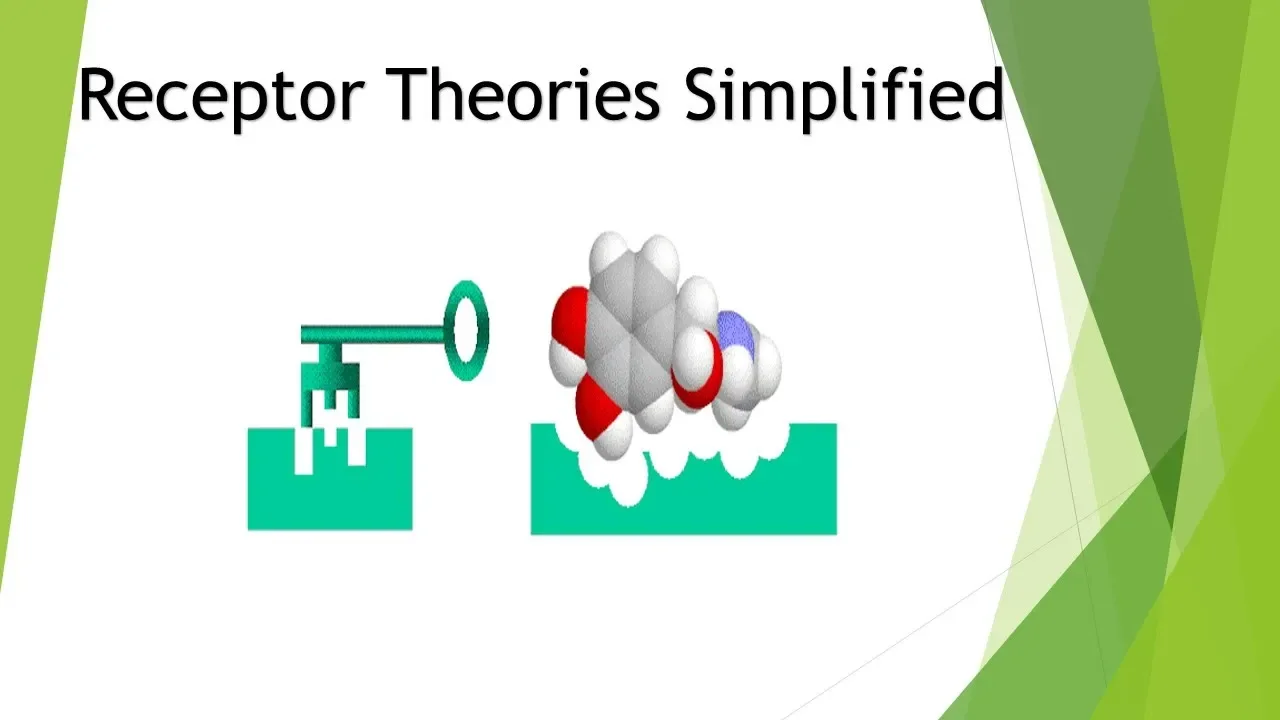
Receptor Theories Explained: Occupation, Rate, Activation + More
@medcologytutorials2636
16.4K views•2019-04-24

Rapid Quantitative Immunostaining of Intact Biological Systems
@simonscenterforthesocialbr1919
247 views•2015-12-02

Neuroanatomy: Central and Peripheral Nervous System Divisions Explained
@AKLECTURES
136.2K views•2014-09-20
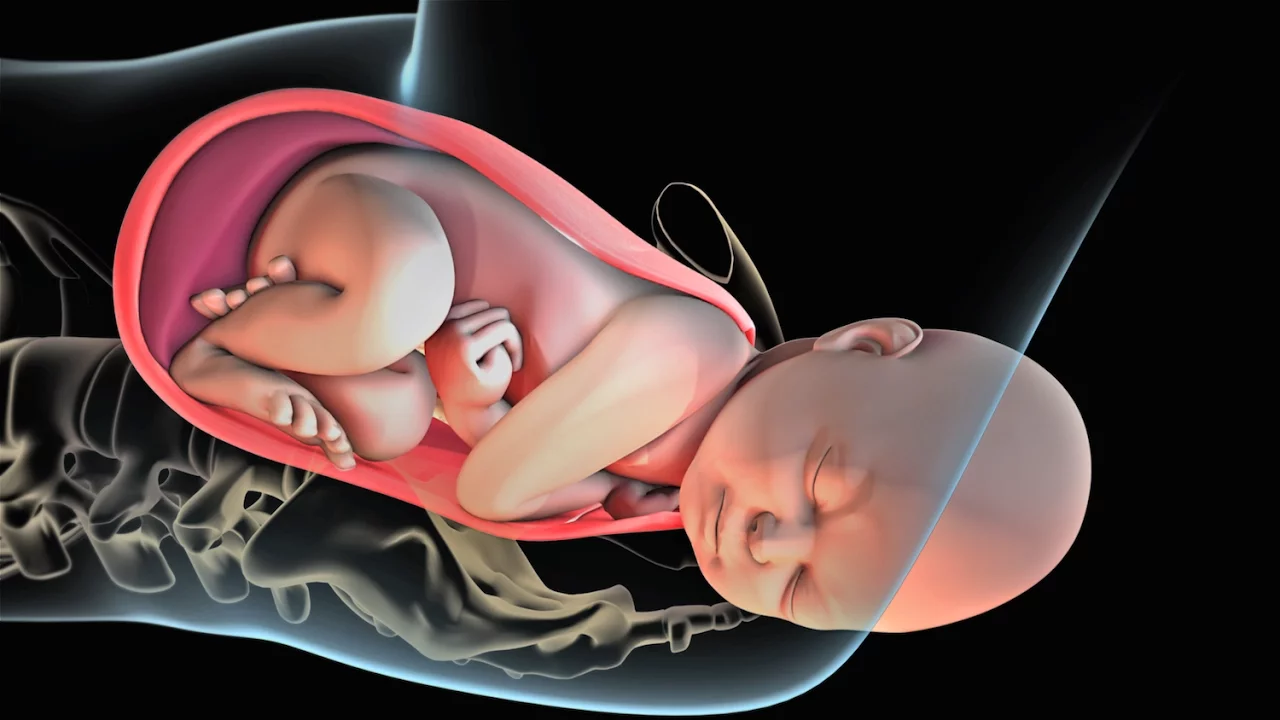
Stages of Labor and Vaginal Birth | Childbirth Animation
@nucleusmedicalmedia
52.1M views•2017-08-18
Related Study Plans & Knowledge Roadmaps
Structured learning paths in Medicine