

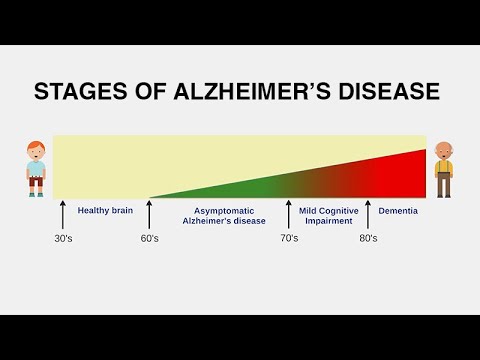











Cognitive reserve refers to the brain's ability to tolerate pathological changes, such as amyloid accumulation in Alzheimer's disease, without exhibiting cognitive decline; this capacity is built through lifelong experiences including education, intellectually demanding occupations, physical exercise, and social engagement, allowing some individuals to maintain cognitive function despite significant brain pathology while others with less reserve show earlier or more severe symptoms.
Cognitive Reserve: Brain Aging, Alzheimer's Risk, and Protection Factors
Added:Basic neuroanatomy and brain function, specifically how neurons, synapses, and key regions like the hippocampus change during normal aging.
The clinical definition and pathological hallmarks of Alzheimer's disease, including amyloid-beta plaques and neurofibrillary tangles.
The fundamental distinction between brain structure (anatomical integrity) and cognitive function (mental performance).
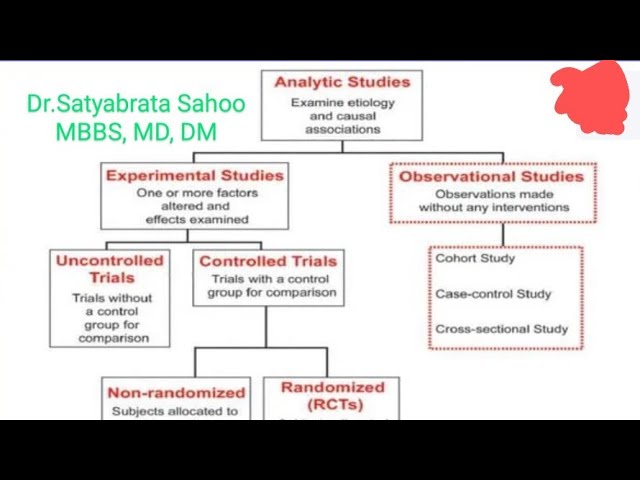
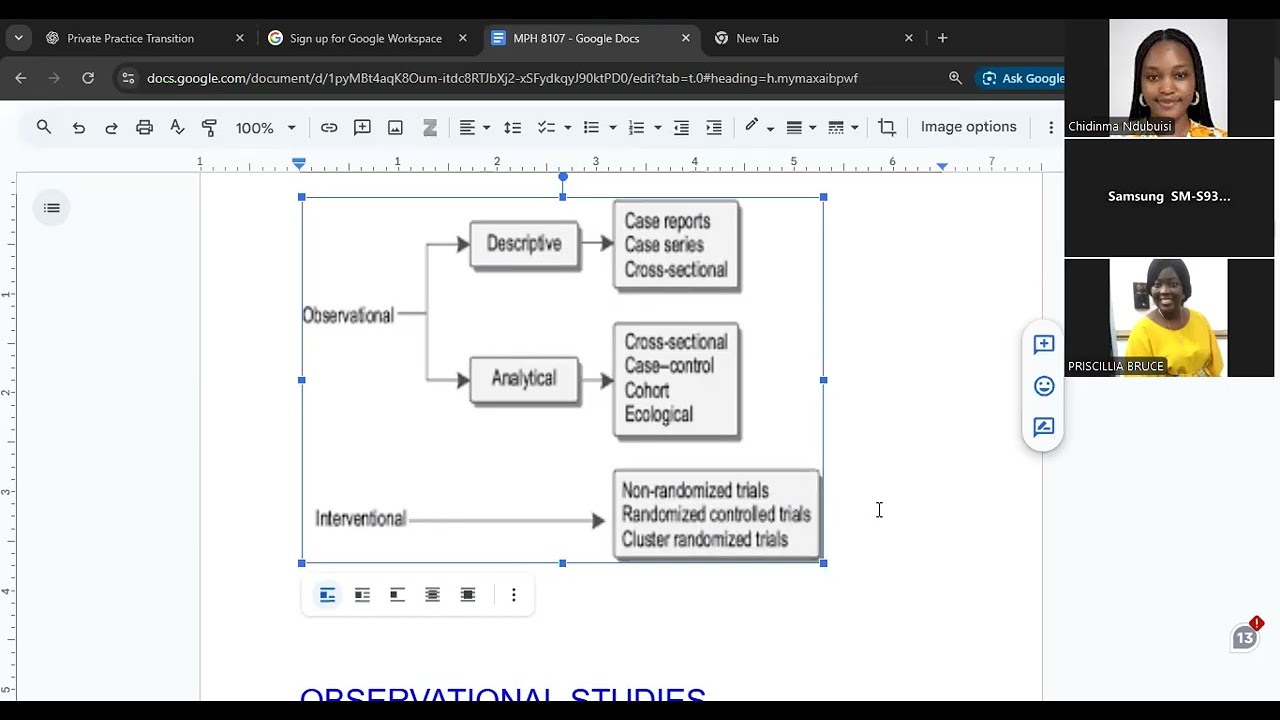
An understanding of observational study designs in epidemiology and neuropsychology, which are commonly used to identify protective lifestyle factors.
The theoretical and structural distinctions between Cognitive Reserve, Brain Reserve (passive model), and Brain Maintenance.
The specific neurobiological mechanisms of neuroplasticity and compensatory neural scaffolding that support cognitive reserve.
Evidence-based lifestyle interventions—such as cognitive training, physical exercise, dietary patterns, and bilingualism—designed to build reserve.
Clinical implications for diagnosing dementia, particularly how high cognitive reserve can mask underlying pathology and delay symptom onset.
Public health policies and educational frameworks aimed at promoting cognitive resilience and lifelong learning across the lifespan.
673 views12likes1:07:32Original Release: 2024-04-24
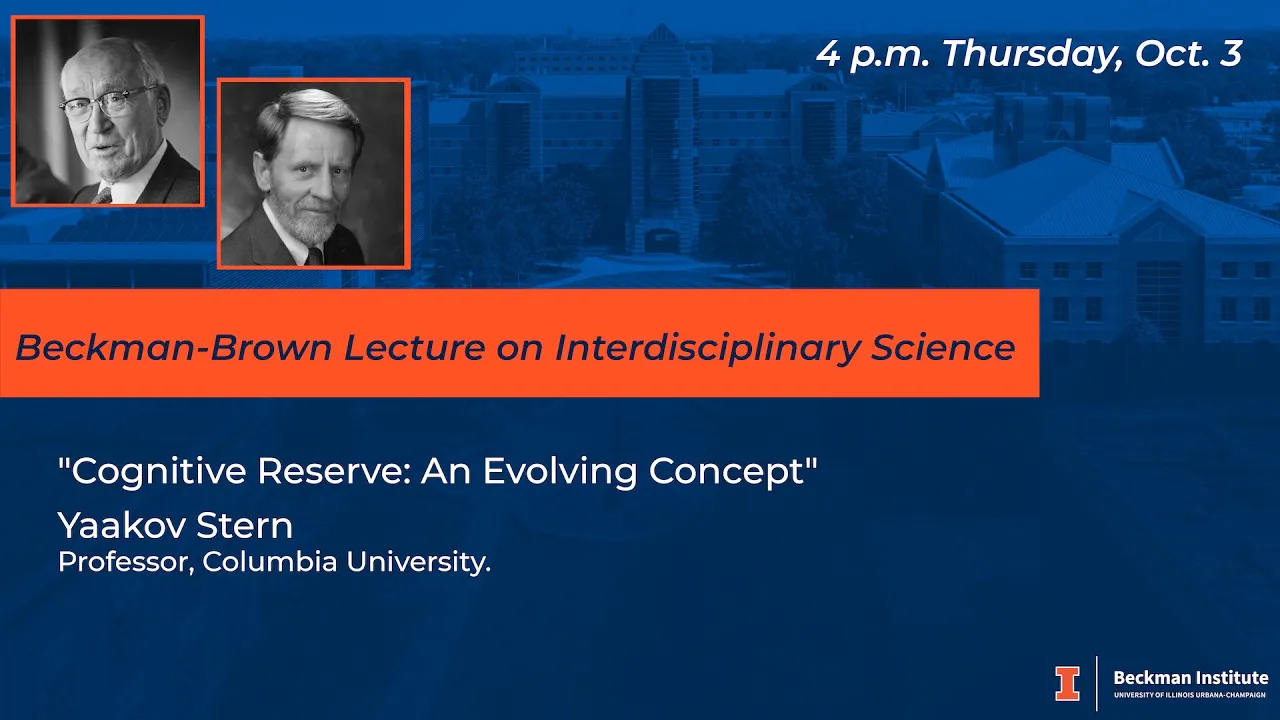
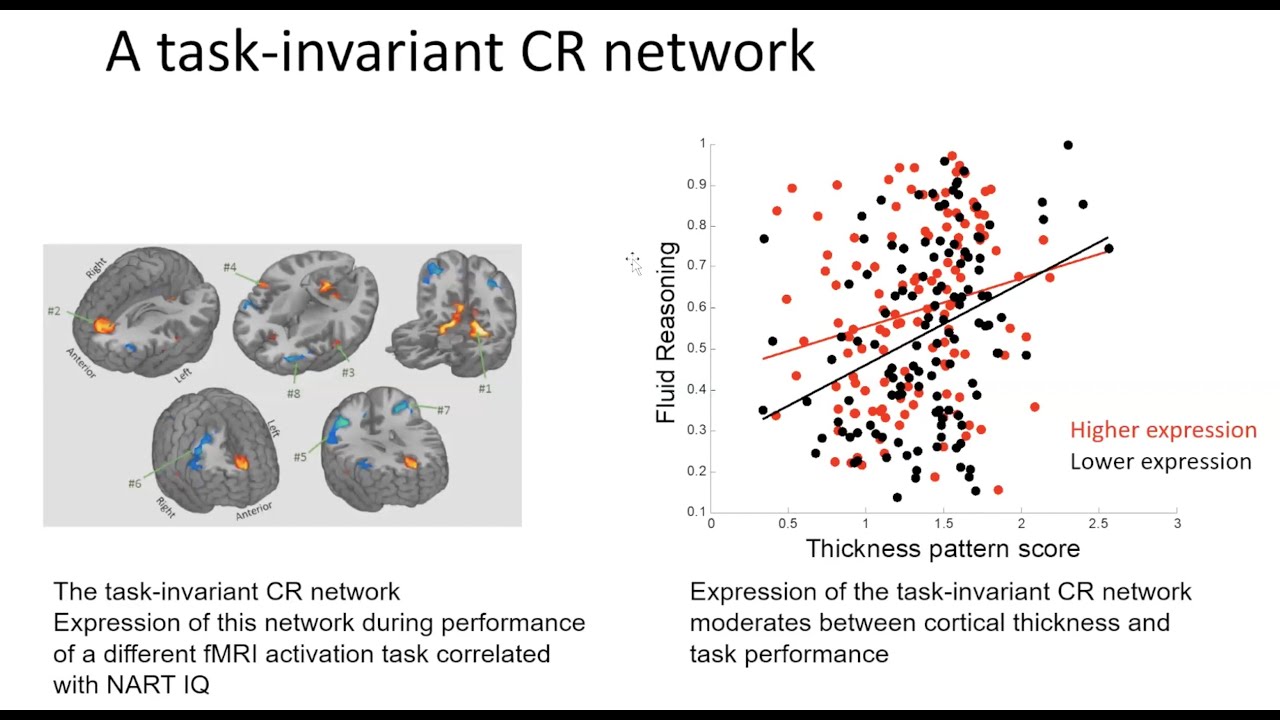
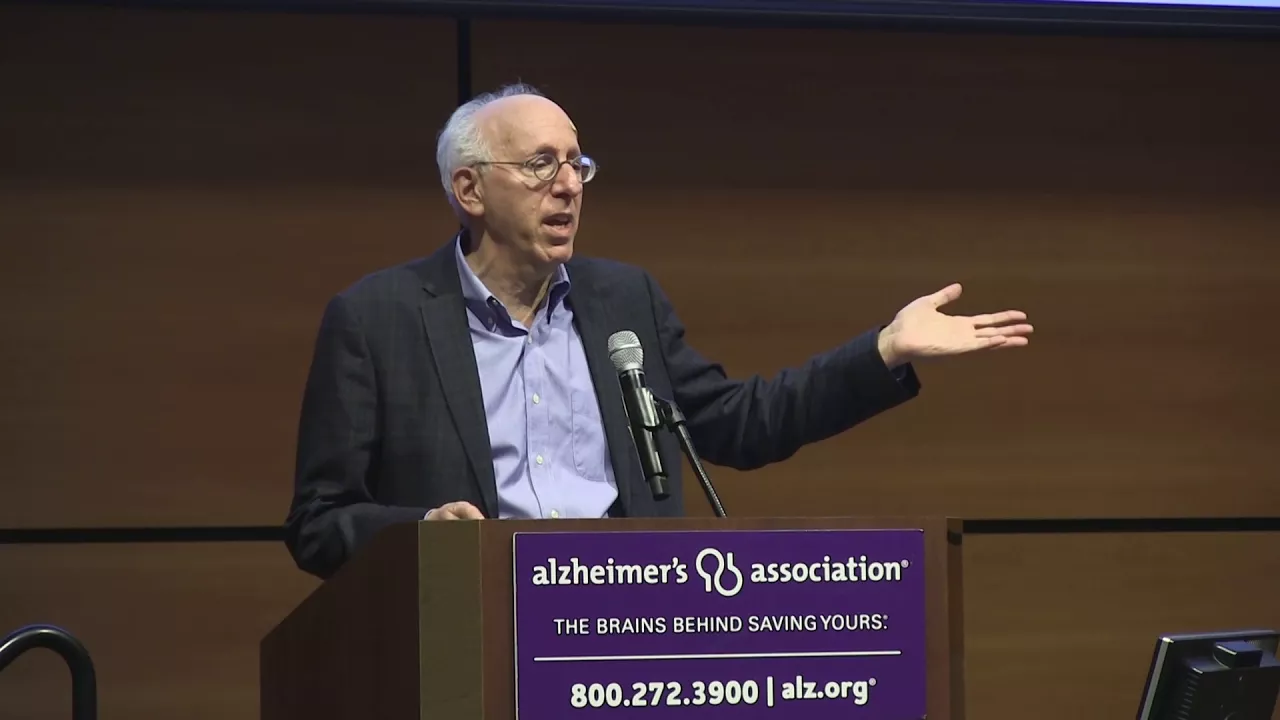
welcome to brain ponderings uh conversations with Scientists at the Forefront of brain research I'm Mark Matson and today I have Professor Yakov Stern he's the Florence serving professor of Nur psychology and chief of cognitive Neuroscience division the Department of Neurology at Columbia University he's uh well known for his work on what's called cognitive Reserve brain aging cognitive Reserve interindividual differences in trajectories of aging and in in apparently uh individuals ability to tolerate a given amount of pathology for example amalo or to pathology so welcome yaka thanks nice to be here I remember days I remember our days on uh reviewing grants a long time ago yeah we were on uh yeah so then I used to have study sections our program project grants where we actually physically went on site visits yeah and I guess they cut back on that because of the expenses involved in flying people all around but I I think it was really valuable to actually go to the place see what their facilities are you can bump into people that and talk to them uhuh and give them a chance to uh uh answer questions about the grant which I always wish I could do uh yeah I enjoyed that a lot I I I can't remember you must have been we went to Paul greenard I think one I remember in particular you know and so Paul greengard for those who you don't know he was a Nobel Prize laurat he did all pioneering work on protein phosphorilation and and signaling in neurons and so on but you know so he's just a prominent person in the field and when we went to site visit him he was very nervous you know about it and which I guess you know for a young person that would make sense but for him but it just shows that you know he's uh it's very important to him that the science okay so are you were you born and raised in New York City your career's been there my career's been in New York no my parents were New Yorkers uh from the Bronx uh but my father he my father uh was in the Navy during World War II then went to yiva University it's a Jewish college and trained to be a Hebrew teacher um on the GI Bill and he got his first job in Omaha Nebraska so I was born in Omaha uh and then when I started um Elementary School they moved to Columbus Ohio oh uh but then when I start and we would come to New York all of the time in the summer is because all our relatives were there and then when I started High School um they moved to Stanford Connecticut but I was in this boarding school uh in Manhattan so from the time I was about 13 I was in Manhattan I've been here ever since yeah okay interesting and you okay so you your undergraduate work was at Toro College can you you want to mention what it's kind of a unique well it you know it's it's t so there t college is a it's it's like yiv University it's a college that uh is academic but also offers uh Jewish studies um I sort of fell into it it was the very first year that it opened so it was me and about 40 young men uh at a brand new school i w i I didn't quite get the idea of uh prestigious college but but anyway I went but yeah so I went to Toro um and uh it was it was a brand new school but they did have a some very good um people teaching psychology so I got into psychology and that's where it's well I mean my advantage is that there's more one-on-one time with the instructors yeah it was it was it was okay yeah okay and then then you went toh for your PhD was at the City University of New York yes yeah um it was the program at that point was called experimental cognition uh now it's called cognitive neuroscience and the City University and and it was up at city college um now they have sort of uh all all of the city colleges uh have banded together for this kind of COG cognition program but yeah then I was experimental cognition and some people were doing um Mouse research so I did a little bit of that in the lab and then actually I just sort of fell into this neuropsychology uh it was very quite new then uh yeah and I hadn't really heard of it till I got into the program and uh that's how I started to learn about neuros psychology I think my first you know the first papers I saw you know with your name on it were with Richard Mayo yeah so um about the second or the second year that I was in Graduate School uh they um brought this guy Jeff Rosen from Boston to work with the people who were interested in neuros Psychology and um Jeff said to me you know um while I was back in Boston there was this guy uh Richard was Richard who had finished his um residency uh at Columbia in neurology and went to Boston which was the mecca Behavioral Neurology and he went there for a a postto and one of um uh Jeff's students had worked with him there so my student work with him there now he's back at New York as a new assistant professor why don't you go over and chat with him and see what you can do and so I went up and met Richard he really was you know just starting here uh and and uh we really hit it off and we've worked you know I've been here ever since uh when I met him he was collecting data he was interested in depression in people with Parkinson's disease um so I said okay I'll help you with those data and then he was also giving them um a mini mental exam and so I started looking at the cognitive data and realized that these people even though they were quite cognitively normal had some subtle cognitive deficits uh so that's what I started focusing on for my um dissertation so that's that's where you you really got into epidemiology and and how to how to do the studies and well those were more like cognitive experimental okay yeah and then what happened you know I I I think you were around for this um when catsman and Terry started pushing the idea that Alzheimer's was a very prevalent disease um you know people don't realize that uh you know most when when uh we started to try to do Alzheimer's research here like the pathologist didn't want to work with us because they they thought Alzheimer's was the the familial ad and the older ad they called it cility or something like that and so all of a sudden there was a big push to move into um into Alzheimer's research so we did he Richard really pushed it and we um we did some trials but we also started this um um study in North Manhattan it was called the Washington Heights Inwood Columbia aging project uh which was an epidemiologic project yeah uh yeah so uh we we started that and I was involved in figuring out the the cognitive tests and how to diagnose people and uh that's where a lot of our early work on the topic we're going to discuss started yeah yeah that's right I I remember that's so it's a combination of clinical trials and the epidemiology and I remember that like the vitamin E trial and things like that back we did a study um with um chicken L noodle soup uh where the co where Coline noodles or or Placebo noodles and oh yeah we did an oral we did some oral fiso stigmine studies uh which were not which were sort and the rationale for that was that the neurons that use acetal choline in the basal for brain degenerate and so idea is there's a deficit in caline but well I mean right I mean the main drug used to treat patients with Alzheimers is increasing the amount of cetal choline and synapses yeah yeah yeah so yeah so um and then um so they the this Washington High study was very EP epidemiologic and then you know as we'll get into as this these ideas started floating around about some people doing better or worse in the face of Alzheimer's pathology I got very interested in that and I saw that I could use the data from our epidemiologic studies to look at those issues yeah yeah and I guess before we get to alzheimer's per se talk a little bit about uh usual brain aging uh you know we for example I've noticed this I think probably everybody as they aged noticed this that um like my physical reaction times see to be slowing down and I learned this in a a bad way when I had a mountain bike accident four years ago yeah you know because I when I was a kid I used to race Motocross dirt bikes and so I've had lot so I go on these Trails their hiking trails right and they steep hills and rocks and roots and stuff yeah and so you know I crashed and had to have a couple surgeries but the I'm sure so my your brain my mind thinks I'm young yeah but components comp other components of my nervous system are looking Co cognitive aging is is a fact of life and and exactly what you're talking one place you can really see it as these um situations where you need very quick reflexes or or like you'll see it in in um basketball players or or anyone where they're really stressed uh and you know by early age they're would have wiped out but yeah the cognitive and and you know it's not just a matter of older people we have data now I have a study where we're following people between 20 and 80 we have fiveyear followup and now we have 10 year followup and even people in 20 to 25 you see declines in memory uh you know not everybody but on average memory reasoning speed of processing uh all these things um reaction time for sure but we don't we we're not doing that n study all these things change uh over time um maybe there's a little bit of a speed up in we're talking about normal aging now not not not when there's no dementing illness in in in the picture yeah so those so I mentioned a couple of the domains this guy Tim salous um was very well known in in cognitive aging uh so you know he he proposed um memory reasoning and speed of processing are three that sort of cover a lot a lot of people talk about what's called executive function uh those all Decline and then there are certain things that uh get better um like vocabulary we um we um acquire more vocabulary over time uh I think we get wiser yes those traits like wisdom um you know um th those things do get better but it's just a fact of love life and then um and behind it uh are a lot of things is um I mean the level that I look at it because I'm doing human studies is um we can um measure all of the structural features of the brain the the the size of the brain uh cortical thickness um white matter tract Integrity um things like that and these things decline slowly with aging and the and the ventricles get enlarged ventricles get enlarged um yeah and um you can correlate the change in these different brain measures uh structural brain measures uh with change in cognition they don't they don't account for all of the variants but they th those are the kinds of things that you can document just by Imaging the brain in a MRI scanner yeah I guess it it kind of makes sense from a evolutionary perspective that you know our our the years were maximally you know can reproduce uh things have to be working really well and then after you get but you're right even creativity and Imagination seem to be maximum like in the 20s and 30s at least you know I look at like performing artists and you know it seems pretty uniform that like their best work is done when they're really young yeah you know they said that about mathematicians that they all these mathematicians won these Awards when they were young I you know you but you do see I mean I have some favorite you know musicians that uh okay to be yeah uh it's hard to say but certainly you know hard hardcore measures like how many words can you remember you know for a week uh measures like that they certainly decline yeah and can you talk about historic give a historical perspective on cognitive reserve and like the the early recognition that there's variability between humans and right so the the the cognitive Reserve story for me really centered around Alzheimer's disease um so uh a lot of it was catsman there there were a few things that catsman did cats Robert katsman was a one of the people who first showed everyone that aloid as I said before is quite prevalent uh in the brains of people with dementia so he was doing a study uh in um North Manhattan I'm sorry in the Bronx north of Manhattan in the Bronx following elderly people and getting autopsies and he wrote this paper uh about I think it's like 10 women who um at were cognitively normal when they died but on autopsy they had a lot of amalo lot of PL and he was wondering why they weren't demented uh and he said the paper they wrote well the brains these women's Brains were larger than us ual uh and so maybe they had some form of reserve and he called it brain Reserve so somehow the size of the brain uh somehow he was positing allowed them to cope with this pathology better um and um I was thinking about that because I thought well that would be one reason why people should be could be able to cope and and and a a real concept brain Reserve or uh many many years later this guy LS bman wrote an influential paper on what's called brain maintenance that uh some people can maintain their brains the structural features that I was talking about better than others over time um but I was thinking that maybe um some people could cope with the pathology better um because somehow they're cognitive networks were were more resilient in some way um so the first experiment that I did the first paper that I published in this area uh early on as we were I knew that um the thought experiment I had was that um you could have people with the same severity of Alzheimer's disease um but um some people could have much more pathology in their brains than others so some people could cope with the pathology better than others so now there's huge Banks of um of brains autopsy brains but we didn't have that then but we happened to be doing a study uh on people with Alzheimer's disease where we were Imaging their brains with Xenon sort of like the predecessor to pet these are ancient and and I knew about this thing called neurod degeneration that's what we call it now but on pet you could see these are of the brain where there's reduced uh uptake of energy yeah uh and we we we had been following these people so for other reasons so I had a whole bunch of data on people uh with Alzheimer's disease and I had the pet and so um what we did is we we um matched people for severity of the disease uh the cognitive changes and functional ability and um we were able to show that the people with higher education had more of this neurod degeneration unpack um so so the idea was that somehow even though um they had more advanced Alzheimer pathology they were coping with the disease better and we saw that as a function of education and a few years later we wrote another paper uh where we saw it as a function of the demands of their work uh that was a funny story because you know to do that I I had to find an epidemiologist that could help me classify work uh because they they do that stuff you know you can you can classify the types of jobs people do let's say like on data people and things what the kinds of Demands that they have so I went to this epidemiologist I said can you explain to me how to do that and I said why I said well I want to see how it's related to pet scans and he he was very intrigued with the whole thing but anyway what we found was that um I thought that the cognitive demands of the task would of their jobs would um would be protective in the same way that education was but they were very close to each other because people with higher higher education usually have but we found that the um physical activity and the social demands of the job uh were um protective in the same way so people um with higher physical activity or jobs with um greater social demands also if you match for disease severity they had more neurod degeneration as if they're coping with more pathology the physical thing my colleague was saying in a yaka that's weird we can't publish that but that's just when these um healthy aging studies started beginning and people started realizing that exercise was really good for cognition yeah exercise intellectual activity and and not overeating also overeating yeah social point out one thing so the you know you use Z on at first but then since there's a lot with radiol labeled 2 deoxy glucose so all of what I'm yeah so yeah you can these have been were replicated as the techniques got better and better and imaging and with path pathology uh and whatever these things were have were replicated over and over that that matching for disease severity um people with let's say higher education higher IQ had more Alzheimer's pathology have you been have you been following Steve kanan's work up in Montreal he he's been doing PET Imaging with radial labeled um acetoacetate which is a ketone uhuh it's it's another energy source for neurons you know and he he's done this in people with a he actually does both at the same time uh P Imaging for glucose uptake and for Ketone uptake take and he's done P people with mild cognitive impairment or early ADN his evidence is suggesting that some neurons in the brain may be compromised in their ability to take up glucose but they can still take up ketones which I think is kind of interesting it's actually from a potentially there's clinical trials ongoing now with ketones um anyway so I guess I'm saying one way neurons May compensate is by having greater ability to use alternative energy right so we can yeah so I wasn't I I I I'm more of a neuropsychologist so I wasn't um thinking about it at that level then I mean I I follow that now and of course it's a very complicated story but I mean we can get to it um um I I want to tell you about one or two earlier studies but yeah the way I started to think about it just you know I was again sort of influenced by what was available um brain Imaging like uh fmri or techniques before fmri where you can actually look at the brain and action we just starting up so a lot of the way I thought about it was well I can these these people must be dealing with tasks differently in some way efficiency greater capacity we can talk about it more so that's the direction that I went into yeah no that's a good yeah right because you you you'd established that uh at that point also had had uh yeah the amalo pathology right so you can ameloid is a pathology right impaired glucose uptake is a pathology and then um what so I guess go ahead and describe what the functional brain Imaging so let before I do that let me just give you uh the the there was one or two other things that we did sort of epidemiologically uh that convinced me of this whole concept so maybe I can tell you about those first then we can talk about that I love to talk about the Imaging stuff so the other thing again katsman uh published this paper in China I'm not sure why they decided to do the research in China where they um this was more of a a CO cognitive Reserve finding he he was saying that people with higher education were less likely to have Alzheimer's disease it was an epidemiologic study it was cross-sectional it wasn't longitudinal uh I was very interested in that but I was little concerned because they were diagnosing dementia based on a mental status evaluation and as a neuropsychologist I know that you know people with higher education could do better on tests than people with lower education yeah uh and uh so because we were doing this work in North Manhattan I I was able to um use data and look at um people over time so we started with people we had data for people who were not demented at Baseline uh and follow them over time to look at their risk of becoming demented over time getting Al being diagnosed with Alzheimer's and we show that people with higher uh educational attainment higher occupational attainment were less likely to develop Alzheimer's disease over a period of time and again the idea was that we were assuming that the aggregation of Amoy to whatever was equivalent across these groups and the difference was that somehow these exposures life exposures or or abilities allowed them to cope better uh of course the so the main causes of death are still heart disease and cancer and and and you know diabetes and so is it just that the people with you know higher education um they're sort of protected within a certain time window but they would eventually develop yes so that so yeah so look I mean no matter how brilliant you are um it's a it's a horrible disease and if you have it an early you know you some people die before the disease really is expressed but if you have the disease it's going to affect you so that's like the third thing that we we we started looking within the people who um we were following in the community that were already had Alzheimer's disease and looking about what happens over time and our data suggested that they could Stave off the I'm giving you a save off the pathology longer yeah and then once they um started to show nitive decline they actually showed a more rapid decline interesting yeah as if the you know the the the the dam had been broken uh they're always going to do better than um people with lower education or lower IQ but they they seem to decline more quickly as if they were staving it off and now the disease is overwhelming them and people call it compression of morbidity uh so they have a a shorter amount of time with the disease but yeah I mean no matter in cognitive aging I think it's a different story but in the case of Alzheimer's disease the disease is going to win I I think if it gets severe enough but the idea is that some people can cope with the pathology longer with ad so those are sort of the early epidemiologic and those are sort of the key findings that got me um convinced that there was such a thing and I I really need to tell you that um you know like the I was at the Academy of Neurology meeting doing a poster on this um um differential incidence of uh ad as a function of education and friends would come over to me and were very doubtful of the whole idea I mean I think now it's it's quite accepted but at that point um you know uh very doubtful and you know uh so it took a while for the the concept to take hold back at that time I think it was in the 90s yeah and I was at University of Kentucky then and there's a guy David Snowden remember that did the nun study I'm from Minnesota originally but he was studying these nuns up in Mano Minnesota and the the rationale for studying this group of people is like their environment is kind of homogeneous yeah right and therefore you're in theory kind of reducing any you know variability and life you know lifestyle and so on um but he had this these data where they looked back in the um in their I guess academic history and looked at their their writing and when they when they joined the order they had to write an autobiography oh okay they had to write it's a it's a a very fun paper they have to write an autobiography it's part of the the entering I I I'm not sure what you call it but entering the order and so he actually got hold of those and got them um evaluated in terms of the complexity of the writing and the quality of the writing yeah yeah and so so the nun the nuns that had better writing skills when they were young were less likely to develop all yeah I mean it's a it's a very interest I was very famous um um um paper you know I I remember they had pictures of him with a nun on the cover of Life magazine yeah I remember that too but yeah but it was but if you look at the what was happening there the some people wrote in a very um flowery way and they got higher scores and people who wrote like we're trained to write for papers very sort of but but anyway yeah um I think that there was evidence similar to what I'm discussing from the from the nun study for this idea that education uh and other qualities like that were um associated with a better outcomes for some I've I've had multiple done multiple C podcasts talking about like early life trauma and kind of early life environment and then mainly related to like mental illness and so on later are there studies that have looked at the early life environment so early life and then risk for Alzheimer's right so yeah there are um I guess the the one that I'm most familiar with is the British Birth Cohort um this was a cohort that was um right after World War II actually they were worried about um um pregnancy they were they they they were worried that um people were because of the war were going to be less likely to be maybe affect fertility or their ability to have children so they tracked mother pregnant mothers uh they knew everything about them and then the babies and then of course the baby boom started uh right after World War II and that study's continued up until today so they know everything about these people including their mothers but they know um everything about the child as they're born and the kind of uh environment they grew up so so you know soou cultural environment their education the work they did their whole lives uh late life so it's it's it's it's a it's an amazing study and there's many other studies like that now uh and I think bottom line is it turns out that from my point of view there's some part of let's say um IQ or certain um cognitive capacities that are probably um driven to some degree genetically uh but there's a whole um set of exposures throughout the lifetime um that are associated I think with more successful aging or more successful um dealing with diseases like Alzheimer's disease so the sociocultural um so social networks I mean just social levels um the the the amount of money that people had and the mil in which they grew up the kind of schools that they went to um um the kinds of um College you know early life things where the kinds of schools they went to how much education that they had the quality of the education as well turns out to be very important uh then the as we were talking about the kind of occupations people engaged in uh and then and then you can look at you know there's multiple things and in later life you can start to look at um social networks uh um you can look at um physical activity um um whether people still engage in cognitively stimulating activity so there's there at this point there's a lot of Epic studies that try you know you know like in our data we try to get all of those different data points uh and each of them um could can influence people's um rate of change well there's two things that we can look at we can look at what I'm calling cognitive Reserve which is someone's ability to cope with brain Brain Change is better uh but then also this concept of brain maintenance where uh some people maintain their brains better over time and a lot of those variables are associated with both but in different ways they're they're two totally different processes uh so yeah so like in our studies we we have all of those we we try to collect all of that we don't have the ideal study the British birth board cohort is even better uh you know their people now are are quite old and they you know they added in all kinds of um pet scans and everything but yeah there so there's a whole set of Life exposures that seem to be associated with um aging more successfully or reduced risk of AD yeah and I guess you mentioned genetics once and what about apoe4 it's the really the only known risk factor for genetic risk factor for Al disease does this um do these uh you know education physical exercise throughout are they beneficial for people with apoe4 as well as yeah as far as I can tell yes I mean the apoe4 effect is still there uh it took me you know we we we I remember when it came out we were all very excited so we started looking at it uh and the the epidemiology was a little mixed up for a while but certainly apoe4 is associated more earlier and more rapid decline yeah uh in disease um but you can still see um these kinds of Reserve effects uh in people with A4 yeah okay and um well I guess Mo I don't know I guess that's do you know your APO e do you no neither do I I never wanted to I could have known it if I wanted I'll be honest like I could have been in many studies where uh I had scans of my brain I I've never wanted to yeah well it doesn't there's not much I mean whether or not we're all at risk for Alzheimer's and and so you know the kinds of work you're doing and others and we have ways if you start early in life to reduce risk through exercise keeping your mind intellectually socially engaged uh not overeating and so on yeah so I mean I think the the these Concepts um the brain the brain maintenance concept and the cognitive Reserve concept are are well accepted a lot of what I've dealt with over the years um is um research on it whether trying to under trying to create definitions that people can use uh so people could talk to each other so what I call cognitive Reserve there's people let's say in in the path World they would call that um resilience and what I call Brain maintenance they'll call it resistance uh so there's resistance and resilience and um so I've been involved in a lot of um efforts um to come up with common operational definitions for these terms so people don't talk past each other yeah uh yeah yeah that makes sense cognitive Reserve that res in other words res bounce back from our our protect and then maintenance is preserving preserving but you know the truth is that you can I think it's really important so I I just finished a whole process I the National Institute on Aging put out a request for applications maybe five or six years ago now for what they called a collaborative a process to uh to come to to to do exactly what I was just describing to try to develop um um um agreed upon definitions for these Concepts and operational definitions uh um because they had had one of these cognitive aging meetings they about cognitive reserve and they found that people were just talking past each other yeah so I really I I I got that I you know usually I would not not want to run one of these things but because it was about my baby I I was involved and they we had um well now we've had four meetings but by the end of the third meeting um over time we actually did publish what we call a framework that has very careful definitions for cognitive Reserve uh brain maintenance I can read you I have it sitting over here and and and and and I think the important thing for for for um you is that this included um people who did a non-human research as well so we wanted to make sure that these definitions um uh could um be um used by them and so we um Peter rap was part of the ex committee uh Carol Barnes uh so I'll just read you co cognitive Reserve is a property of the brain that allows for cognitive performance that is better than expected given the degree of life course related brain changes and brain injury or disease yeah good that that statement was was word crafted to death uh but the property of the brain was a very important thing so it's not it's not that education makes you um do better in the face of brain changes or pathology it's something in the brain uh that uh you know yeah and property of the brain this is refers to multiple potential mechanisms including molecular cellular and network levels yeah uh so we you know you can see how we try to and and and a bunch of the um animal researchers actually wrote a very nice paper talking about uh how you can look at these Concepts longitudinally yeah yeah that's great and okay so let's get into the brain then right um so you mentioned you know maybe this brain grow brain size itself might be protective what about if you look at little more detail different size of different brain regions or there are certain brain regions that seem to be more vulnerable in Alzheimer's right so there's there's a few things that we've done in that regard um so you can follow people so I think the best thing is to follow people longitudinally and there's a lot of studies now where that's happening uh and adne the Alzheimer's diseas or Imaging initiative is one where they are they've been following people and you know for what you asking you know um it's a lot easier now than it used to be because now you can follow people uh and you can image amalo with pet you can image too with pet now all of a sudden we have these um plasma biomarkers uh can really so and then and then of course for the kinds of things I was discussing before the sort of age related brain changes you can use um MRI and as you're suggesting you can look at cortical thickness but if you want to you can look at specific um areas of the of thick areas of of thickness and the same thing with um um um any kind of um AG related change you can look at shrinkage of the brain but you can look at which areas are differentially shrink you can look at white matter connection Etc you go white matter hyperintensity so you have all of these variables that that you you can uh look to quantify the the hit to the brain uh and then know Yakov you remember the famous study of cab drivers in London right and they had a bigger hippoc campus which and you mentioned animal studies so really the the main test for cognitive ability performance in animals is spatial navig spatial learning in memory right an animal learn you know Maze and which evolutionarily that's like really important but uh for survival and so what it'll be interesting to see now everybody's got GPS like my kids my son's not too bad he can read map and my my daughter it's just she plugs it in the GPS she doesn't really she does yeah you don't have to think about it at all I know it's uh it's it's interesting um you wonder whether that's going to make a difference I mean for me it's a godsend because I could I could never I I have no navigation ability at all I used to uh my father me and my brother used to train and race harness horses Trotters and Pacers yeah and this is a we go to county fairs Minnesota Iowa Wisconsin uh Michigan sometimes Kentucky and um I was the map reader yeah right so I can I can turn a r map 360 degrees in my brain you know and uh yeah yeah I I lived in uh I live back in Manhattan now but we lived in the suburbs in Nelle my wife would laugh because I I knew how to get to any place from my house uh but if I had to go from one place to another I sort of ended up going past my house in order you always have to come back to the home base anyway so so yeah so let me so you were asking me before about um so the so there's the image in uh or the appreciation of the Brain Change is that's on the one side uh and then the co cognitive Reserve concept is then there something moderates the impact of those brain changes so a lot of what we could do on one level is we were looking at these exposures that we were discussing uh but then I got when when Imaging functional Imaging started I got interested in oh can I use functional Imaging to understand the neural implementation of of cognitive research now this is on the you now what you can do on the on the non-human level is a whole other uh thing but so the kind of things that I was interested in were very simple like can I show that uh some network has greater capacity uh so let's say we have a task where people have to um they see one or three or six letters uh then they have to remember them for a little while then they have to recognize when a working memory task so can we show that people who um older people who ramp up the network the brain Network underlying that working memory to a greater degree can deal with brain changes better so that's a kind of um so we we we've done things like that with um working memory or with um executive tasks um can we find now there's a very hot as resting bold for for those who are not familiar it's just without even even doing a task you can look at connectivity of areas and there's a lot of different ways to map that out can we find that certain aspects of resting bold moderate the impact of brain change and the way that we're doing that now is um longitudinally so we can follow people we can see their cognitive change we can see their brain change and then we can see um whether we're at the point now where we're looking whether differential task related activation moderates the impact of Brain Change on cognitive change and are you involved in studies where now there's ways to image the amalo in the brain yes so so yeah so a lot of what we've been doing um is in well we have people 20 through 80 but we for all of our people over age 55 we have amalo Tow and amalo pet so we can we can add that in um because um even you know as we know people certainly can aggregate way before um um there's any sign of any cognitive change some people have none and to it's a little different uh but you know once once to so yeah so we have that information as well and now um we have blood on everyone so now we'll get these um blood-based biomarkers on everyone uh yeah before I left ni One of the investigators my laboratory he's a neurologist demetros capanas I don't know if you've come across him mhm so he uh developed these methods to isolate these small vesicles from blood they're called extracell vesicles or exomes uh using an antibody against the Protein that's in neurons but not other cells and so he's course the classic way is to look at U amalo beta peptide particular this long form or to hyper phosphorated tow yeah and um but he has some really interesting stuff with looking at insulin signaling so there's evidence now that neurons respond to insulin and that their ability to respond to insulin is impaired and Alzheimer's and he's shown that in the these exosomes they have insulin receptors and that they're yeah function I mean now with so you had I I saw you did a talk with Martin yeah recently yeah right so um he has data um from our subjects uh from the the mitochondrial Health index yeah so well we we don't have that yet but we're going to have that but he's finding that there's actually mitochondria as well as I understand that in the blood yeah and you could characterize those uh so anyway um we'll be able to try to look at some of these mitochondrial you know it once you you know it's it's things have really opened up like there's this other thing called the exposomics yeah yeah you could take blood and and now learn Every chemical that people have been exposed to in their lifetime uh yeah it's it's getting kind of scary now this this PAB stuff these you know Nano particle size plastic is you and me right now yeah so I mean I you know I think it's like a new era where we can have sort of solid measurements on a lot of things we didn't have before and actually look at them in human uh build them into this um framework yeah but this but the the the overall the overall framework I think is is um what I think that the is important so when we're looking for this kind of cognitive Reserve again we just want to car characteriz the brain changes uh um characterize the um cognitive changes that they cause and then look at moderators how you do that you can do that in there's some very nice papers um uh doing that uh in in animal research as well now but using that formula at least everybody is yeah doing the playing the same game yeah yeah yeah and so with kind of a one way of thinking about about Alzheimer's is aging is a major risk factor there are changes in the brain that occur during aging maybe oxidative stress maybe mitochondrial dysfunction yeah impaired autophagy that that then uh lead to start to lead to accumulation of amalo beta peptide which can have bad effects on neurons and and you know lead to to pathology or probably initially the big problem are probably at synapses right we did yakob we did this work a long time ago where we and this was after Bruce yankner he had the initial paper where he found that the amalo beta peptide can damage neurons in culture and and we found that too and then we started asking well okay uh and this gets to the the cognitive Reserve or brain maintenance I think because we found that on the one hand certain neurotrophic factors uh these are proteins that are known to promote the growth and survival of neurons we found they could protect the neurons from being damaged uhhuh by the ameloid then on the other other hand we found that the amalo protein can this was very striking can make neurons vulnerable to cytotoxicity uh there's quite a bit of evidence now that there's hyper excitability occurring yeah Alzheimer so and then another Point here is that when the mouse models were developed with a lot of amid human amalo beta peptide in their brain this there's not much neuronal loss or death that we can find so that suggests there are factors that you know can protect neurons it's say growth factor there uh there's something about a mouse brain maybe that makes the neurons more resistant to the amalo so I think this is kind of you know your work and others maybe we can get it explanations at the molecular and level yeah no I think on the an so um Tom Foster was um involved with so he has a paper I can I can barely explain it but um he was looking at um genes Gene he get these um um readouts of genes that are activated during a memory task uh and he found that um some of them um were associated with um memory capacity in the animal uh when they were um with aging some of those were depleted and animals did better but then he found another um set of genes that had nothing to do with that but when they were active they allowed some animals to do better in the face of these other Gene changes so it's it's it's a it's a level of looking at at a you know I we can't get to that on the you know in in people in the scanner but I think that there's a uh it's wide open on the animal side but the neurotrophic factor angle fits in nicely though with some of the epidemiologic data that H using your brain lot engaging in intellectual activ these physical exercises is very potent inducer of a neurotropic factor called bdnf yeah it's and it can promote synapse formation neurogenesis um no I'm a yeah yeah I think physical exercise is a an unbelievably I was never an exerciser but uh I was eventually convinced that it's a very important part of an healthy lifestyle yeah definitely I've I've had experiences I mentioned that well this is before we went online I had these injuries and stuff and so I was Avid exerciser distance Runner lot of trail running mountain biking and then had these accidents that I couldn't exercise I couldn't really get much aerobic exercise for several months and my mood went way down my ability to concentrate well I had a lot of pain issues but still you know it's like a dramatic effect uh I mean especially if you were an exerciser already we have dat I mean we it's a very New York study um because we you know I'm located here in Manhattan we had um just stair climbing because if you you know if you're in Manhattan and you're walking around you're Subway and buildings don't don't take the elevator that's your daily exercise so yeah so we found that just this index of stair climbing seemed to be protective uh in these aging studies uh so yeah so that convinced me to walk up the steps to my office regularly what floor are you on I'm on the 18th floor W oh good I do it a couple times a week but yeah no I think um exercise and I actually did an exercise study for younger people a lot of the exercise studies had been done in older people so we did one in younger people and we found um benefits for aerobic exercise these were couch potatoes that we get them to exercise uh even in younger people so it's it's a very powerful absolutely I 100% um let's see I I just want to make one other point you were talking about these models of Alzheimer's disease in animals I think you know and I I I was just did a visit where I was um uh at na Klein Institute which is up north Westchester and I met with a lot of basic scientists and they were all sort of upset that they could cure their um um models but you know Alzheimer's disease I mean besides amalo and TOA there's so much else going on in Alzheimer's disease other pathologies uh it's a very it's a very complex disease um so just having a a towel model or an amalo model which is what most people do it's just not enough um you have tdp43 you have Louis bodies um there's just so much happening uh and as we were discussing before we started uh there's a lot of heterogenity in in in the way the disease is expressed um in in patients so it's a it's it's a really complex you know early on in your in our discussion you talked about you did some work on depression and Parkinson's and so on and um and you're talking about the heterogeneity well aging is very complicated right and it's I mentioned a few of the changes that kind of uniformally occur but my father actually is a good example of heterogenity and dementia um so I grew up uh on a farm in Minnesota although my father was actually the the district attorney uh prosecuting attorney for Olstead County where the male clinic is uhhuh I went to male High School um but so my father retired pretty early he was like 60 um and then you know because he had the horses and like racing them and Liv in that environment but then my my mother died early at age 67 she she was a smoker and overweight and had a lot of ISS but then so then my father was alone on the farm he he was functioning at a high level then um and but then for the next 20 years is pretty much well no 15 years pretty much alone but then we started to notice he was having short-term memory problems with me it was in phone calls he'd in the same short phone call he'd ask me the same question more than once yeah was kind of a classic yeah thing and then so but he was still we let him go another few years he was still be able to drive the grocery store and a friend but then we took him in to Ron Peterson uh and he diagnosed them with probable Alzheimer's disease probable Alzheimer's right and then he we enrolled him in their Alzheimer's Research Center so he'd go going every year for cognitive testing MRI um CSF and and he progressed what was actually really striking is the progression in the shrinkage of the hippocampus uhuh um and the cognitive testing was it went down but it fluctuated a little and then but then he finally passed away and Dennis Dixon did the looked at his brain and he had some amalo pathology but it didn't reach the criteria for Alzheimer's disease uhuh he had to pathology had a lot of tdp43 pathology and he had massive loss of neurons in the hippocampus this called like a mixed kind of Ron's final thing was mixed dementia hample sclerosis yeah yeah that's uh Nelson at Kentucky has done a lot of work on that Peter no I mean that I so it's it's very it's um I mean now maybe with these um blood-based biomarkers and better Imaging but yeah we have a clinical path conference um once a month where we have three people that were well known to us sometimes they were involved in studies or they were followed by um the doctor for a long time who've come to autopsy get the history we have neuros testing on them um I I I I me or one of my colleagues I one of my colleagues will review that that we go through we talk about the diagnosis then you look at the brain and it's always humbling uh because there so many things some people you were sure had Alzheimer's and they really don't uh the variations in just where the amalo is where the tow is etc etc uh there's a lot of variability uh we used to call it you know the the terminology for probable Alzheimer's disease was before we had um pet scans or anything because you couldn't know until you saw the autopsy I think now you know the that that that what what people are trying to push is is relabeling Alzheimer's not as the cognitive and functional deficits but the underlying pathology and saying that that's what really Alzheimer's is but I think you know it it it it does allow the kind of complications that you and I are are are talking about here Al but I guess if they had amalo and tpet they would have seen what your father that he didn't have um you know they would have seen the distribution of pathology in a way that would have allow and and it may be kind of pushing the side mechanisms that apply to all dementia yeah so yeah oh by my father I kind one of my main points there what probably the environment Factor so he was living alone right and he after he he retired from his law profession he he didn't read much uh and he didn't have many social interactions he was on the farm yeah he got exercise it was he did a lot of walking but not any strenuous exercise so I don't know but maybe if my mother wouldn't have died uh you know he may have not developed dementia before it's hard to know you know it's just hard to know I think I think the pathology can win uh I mean what so like I was telling you about how we are looking at expression of um of the certain brain networks associated with a certain type of cognition and how those seem to be protect Ive against uh structural brain change but the other thing that really happens and I don't we we just published our very first paper on it recently it's a little flawed but the idea is right is that eventually those mechanisms that people are using to cope are attacked by the disease also yeah right so you have you know that are allowing people to cope uh eventually get it get depleted uh by the disease so I I think the disease wins unfortunately right now but but I think the interesting point with your dad is that it was a he probably didn't have Alzheimer's disease at all right yeah um kind of a final thing I I thought of uh you know when I was going to talk to you was this notion of tipping points which you may hear about in terms of climate change or I I actually did a podcast with a guy in uh Netherlands that studies tipping points in relation and with some psychiatrists in relation to mental illness and actually two papers just came out I'm an author and I I didn't do a lot for it but I did enough I guess but it's on uh this notion of tipping points for mental disorders and um so in the case of my father maybe this you know my mother dying was a Tipping Point yeah yeah know and and I I the the concept of of cognitive Reserve has been applied to psychiatric diseases it's been applied to a lot besides aging and and Alzheimer's uh yeah yeah it's hard to know it's hard to know my father had Alzheimer's disease as well it's yeah it's terrible to it's a ter so frustrating because you're you know surrounded by experts uh you know the thing was even though in towards the end when my father was you know no short-term memory and stuff I I would go see him and I'd take where we would get this I think it was monthly harness horse racing magazine it was called hoof beats uhuh right and so I would take a copy into it and I'd show it to him you know and he he would smile and you know so he's you know clearly able to still enjoy something right which I I think maybe is the most important thing when later on right in the disease right right yeah yeah uh it's it's it's it's just a bad disease my my my father had some people with Alzheimer's disease have these delusions yeah my father was a religious man and he had the delusion that it was always the Sabbath so it sounds sort of um funny but you know anytime that my mother turned on a light or vacuumed uh he was very angry at her that she's he she she she's breaking the Sabbath and he wouldn't let let any of the family members drive a car or exactly yeah this is the classic story it was my mother's birthday and we wanted to go out to a restaurant and he said well I can't go to that restaurant because it's it can't be koser if it's open on the Sabbath which was you know uh and you know I there's people here at Colombia that have done a lot of research on treating delusions and Alzheimer's disease but you know these things still are not [Music] really yeah my father another interesting thing was his his circadian rhythm didn't seem to get disrupted much he his sleep wake cycle uh you know a lot of patients with Alzheimer's disease they you know they they're sleeping in the day and up at night yeah yeah so I don't know I mean I think I think today we the diagnosis is much more accurate in that we have Imaging the Imaging was very expensive but now with these blood tests I think it's going to be much more yeah I mean I'm a little scared about diagnosing people before they have cognitive problems uh but you know that's sort of where people yeah theoretically we could catch the disease early enough uh and if you could really treat it uh so we're we're going to be more definite I guess about what people have um but yeah it's still a tough nut to crack so I think I think that's why people like the the cognitive Reserve concept it's one absolutely hopeful hopeful piece of the story yeah okay Yakov uh thanks for your time I appreciate it it's good to see you again after such a long time same here thanks for inviting me all right by bye take care byebye
Up Next
36:51
Boost Memory & Focus: Science-Based Tools | Wendy Suzuki, PhD
@hubermanlab
132.7K views•2026-01-15
21:55
Deciphering Neural Circuits Controlling Anorexia in Mice | Richard Palmiter
@AllenInstitute
2.3K views•2011-10-10

4:10
Vagus Nerve (CN X): Anatomy, Nuclei & Functions Explained
@Alilamedicalmedia
305.2K views•2022-10-31
13:03
How Exercise Benefits Your Brain: Science Explained
@TED
11.4M views•2018-03-21
Related Study Plans & Knowledge Roadmaps
Structured learning paths in Neuroscience
neuroscience
Appetite Regulation: Brain Circuits & Hormones
01Foundations of Endocrinology and Brain Anatomy
02Introduction to Energy Homeostasis
03Peripheral Signals: Leptin, Ghrelin, and Insulin
+ 2 more learning modules
14h5 modules
Explore Roadmap
neuroscience
Neuroeconomics: Value, Risk & Brain Mechanisms
01Foundations of Neuroscience and Brain Anatomy
02Introduction to Neuroeconomics and Subjective Value
03Dopaminergic Prediction Errors & Reinforcement Learning
+ 3 more learning modules
18h6 modules
Explore Roadmap
neuroscience
Spatial Navigation: Cells, Grids & Brain Maps
01Foundations of Brain Anatomy and Memory
02Place Cells and Head-Direction Cells
03Grid Cells: The Brain's Coordinate System
+ 2 more learning modules
12h5 modules
Explore Roadmap
neuroscience
BCIs: Neural Decoding & Prosthetic Control
01Neuroscience Foundations: How the Brain Signals Intent
02Signal Acquisition: Recording the Brain's Activity
03Neural Decoding: Translating Brain Waves into Data
+ 2 more learning modules
25h5 modules
Explore Roadmap