







![Mixer Pasiva O Activa [Ojo]](https://i.ytimg.com/vi/847fGRU7jyo/hq2.jpg?sqp=-oaymwFBCNACELwBSFryq4qpAzMIARUAAIhCGADYAQHiAQoIGBACGAY4AUAB8AEB-AG2CIACgA-KAgwIABABGE8gWihlMA8=&rs=AOn4CLCyGmvP81-TJTOMA4fQQpUZImYLcQ)






Microfluidic mixers overcome the diffusion-limited mixing in laminar flows by using engineered surface patterns (such as chevron/herringbone structures) that induce rotational vortices, or acoustic streaming with piezoelectric transducers and air bubbles that create intense mixing within 100 milliseconds; these passive and active techniques enable rapid fluid mixing in microscale devices without requiring external pumps or valves.
BioMEMS Microfluidic Mixers: Laminar Flow Techniques
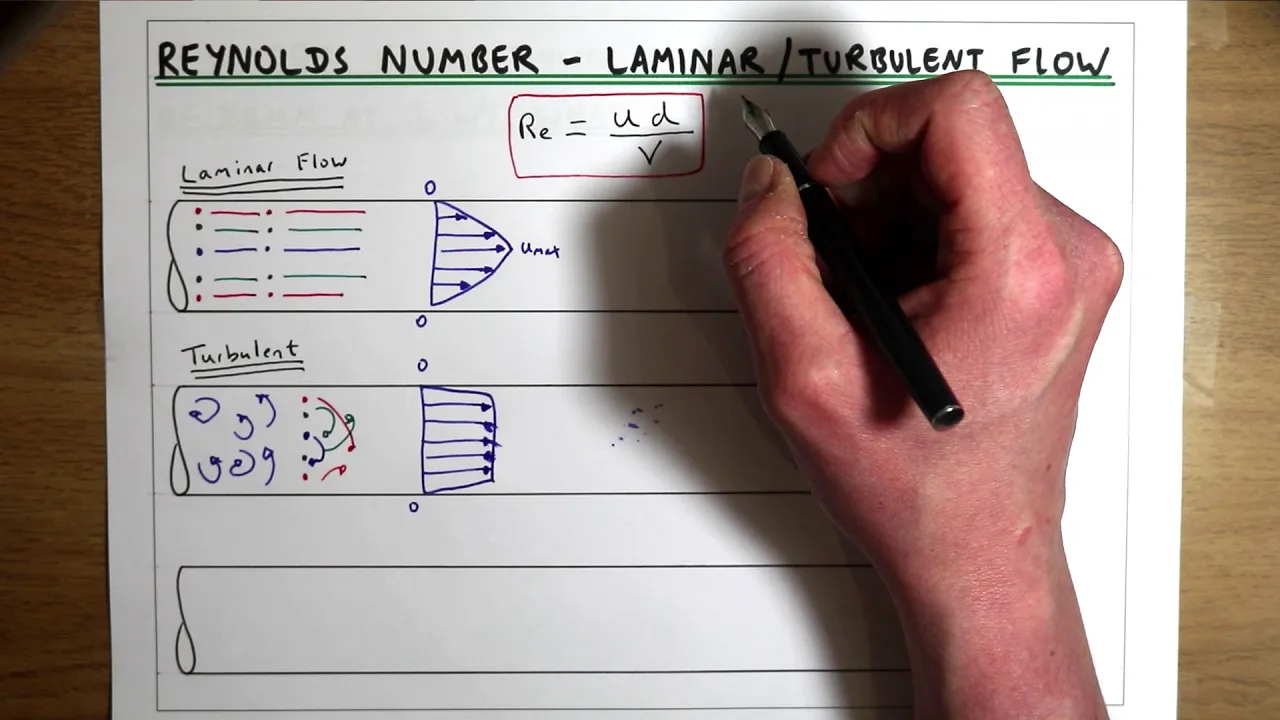
Added:Fundamentals of fluid dynamics, specifically the physical differences between laminar and turbulent flow, and the mathematical significance of the Reynolds number.
Basic principles of mass transport and diffusion, including Fick's laws, to understand why molecular diffusion is the primary mixing mechanism in laminar regimes.
An introduction to BioMEMS and scaling laws, particularly how scaling down to the micro-scale increases the importance of surface area-to-volume ratios and viscous forces over inertial forces.
The conceptual distinction between active mixing (requiring external energy like acoustics or pumping) and passive mixing (relying on channel geometry and surface patterns).
Practical microfabrication techniques, such as photolithography, soft lithography (PDMS), and the integration of piezoelectric actuators for acoustic streaming.
Real-world Lab-on-a-Chip (LoC) applications, including high-throughput drug screening, point-of-care diagnostics, and DNA amplification (PCR) where rapid mixing is critical.
Computational Fluid Dynamics (CFD) simulation tools (such as COMSOL Multiphysics) to model, analyze, and optimize microfluidic mixing channel geometries.
Two-phase and droplet-based microfluidics, which utilize segmented flows to achieve ultra-fast mixing confined within individual picoliter droplets.
2.5K views22likes19:21Original Release: 2015-04-01
all right i think it's recording uh so today we're going to finish up the just this little section on microfluidic mixer so we can move on to the last uh to the next module so we were ended up last thing we talked about here was the uh the tesla mixer using the quanda effect so i want to start today by talking about mixing using surface topology remember the goal of mixing is that we are trying to overcome just relying on diffusion okay microfluidics get laminar flows and with lavender flows you have two parallel streams flowing next to each other and in general the mixing only happens by diffusion at low reynolds number so the question is how can we get the fluids to turn and mix upon each other like they would do in turbulent flow in order to increase the mixing rates in mixing times and uh you know in doing this we also learn a little bit about just how fluids behave in microscope scale devices how you can engineer microscale devices to basically tailor different flow patterns so we're starting off with this one today which is a good example of that this is a well-known paper by um i believe it's abraham strook and he's at cornell if i remember correctly this was mixing using surface topology so remember the general goal with mixing is that you want to somehow stir the fluids together and uh if you can somehow do that with with the passive device meaning something that doesn't require an external pump or external valve or you know some which was required and these types of sources remember these types of pulsatile flow mixers required a second pump on it so if we could avoid that that would be nice and it turns out these you know one of the ways that we could do that which we saw was by using a three-dimensional structure this three-dimensional structure caused the fluid layers to turn into each other and that increased the mixing rate but the disadvantage with this is that it required a three-dimensional design it required two stacked layers of channels because the fluid moving in the along the z-axis was a critical part of getting the fluid layers to mix upon each other so we all like simple devices that can be fabricated easily so it turns out that this this device though it's not as simple as a basic microfluidic channel it is a one it is a one layer uh device you know one layer channel the difference between this and a regular channel is that it has these bottom uh surface uh patterns on it now these are called the um you know you can call them surface tracks or surface patterns on the bottom part or even the top part of the microfluidic channel it happen along the walls so the interesting thing that happens here is that these uh slanted uh uh patterns the bars across the bottom half the channel causes the fluid to uh to turn you can imagine that if fluid was sort of going from left to right in the channel then some of the fluid as it goes through these lines here it's going to stay in that little pit region and it's going to end up going at a 45 degree angle so this these patterns here these bars create a transverse component a transverse stress into the flow now ordinarily when flow is happening through the channel there's no transverse flow but as you can see here by introducing these little bars here you actually introduce a rotating pattern into the flow so not only the fluid is going through the channel from left to right it's causing a rotating motion in the flow as it goes through so this rotating motion basically stirs the two fluids together all right and that improves the mixing rate so one type of basic pattern is a single bar across the length of the channel that gives you one rotating vortex so this is looking at the cross section of the channel and the other type of approach is to have what's called a chevron pattern so kind of like a v-shape a groove at the bottom of the channel and that induces two co-rotating vortices you know one going from uh clockwise the other one going going counterclockwise you can see that each part of the group the two segments of the groove caused the vortex to vertices to rotate in opposite directions so this is a you know pretty interesting way to induce flow and the simulations that they did the the nice experiments that they did here some very beautiful pictures uh nicely show that you can get very nice mixing patterns right so the in addition to chevron patterns these are also called called herringbone patterns simple and elegant way to stir two fluids together in the channel now one of the fastest mixers you know if we looked at all the mixers that we've talked about thus far and and what we're talking about next it turns out that this is the fastest mixer of all of it it uses a different type of mechanism it it uses something called acoustic streaming now uh where acoustic vibrations you can imagine that acoustic vibrations are good at stirring liquids right acoustics can induce vibrations uh within um within the the interaction between a solid and a liquid surface now this device is actually inducing these types of oscillations between a uh between a bubble and the liquid around it it's a phenomena called acoustic streaming so this is how it works uh first of all let's look at the the fluidics part of it fluid a fluid b coming in in a laminar flow okay so this is the device that they showed just to demonstrate the mixing efficiency you have two fluids coming in here like this and then you have sort of a horseshoe trap like this now within this trap what they've done is uh they have uh you know they've created an air pocket in there so imagine if the channel was initially filled with air it's completely empty uh and then when you flow the fluid in here the fluid is actually going to go around this horseshoe horseshoe region and it's going to leave a little bit of an air pocket a little bit of an air bubble in there okay so we are intentionally putting an air bubble into a microfluidic device okay and the reason we're doing that is to get this acoustic streaming effect you put a piezoelectric transducer nearby piezoelectric transducer we've mentioned it before it's a device that converts voltage to mechanical vibration if you put a voltage across a piezoelectric transducer it'll deform slightly so if you put an oscillating voltage on there if you put an ac voltage on there the thing will vibrate at whatever the frequency of the electrical waveform that you put on it so piezoelectric transducers can go from one kilohertz all the way up to um you know tens hundreds of megahertz okay so these things can induce very fast very fast vibrations piezoelectric transducers you can get them for a few bucks a few dollars a piece they're really cheap in fact piezoelectric transducers are used in the buzzers in your in your cell phones so what happens here the piezoelectric transducer is placed somewhere near the device within the structure of the device that causes the entire device to vibrate entire devices vibrating however the vibrations are going to be particularly enhanced in regions where there's a difference in density now the the region of this device where the the biggest difference in density is between the air bubble air bubble has the air has a density of one kilograms per meter cubed and water next to it has a density of a thousand kilograms per meter cubed there's a large difference in density okay so that causes as a result there's a difference in acoustic impedance okay just like you know for those of you who may have like looked at microwave circuits if you have an electric wave or electric field going from going from something that has a a very low electric impedance to a very high electric pedals there'll be reflections at the boundary this is sort of an analogous concept there's something called acoustic impedance where different materials have different acoustic impedance based on their density and based on their young's modulus now one of the places where acoustic impedance plays a big role as ultrasound you know ultrasound uses a piezoelectric transducer to induce ultrasonic vibrations into into your body and then those waves actually the the sound waves actually bounce off of the different regions within inside your body based on their acoustic impedances so when you go from one type of tissue to the other that causes the sound waves to be reflected back into the ultrasonic transducer and that's how those things are able to you know when someone's pregnant you use those ultrasonic transducers to see pictures of the baby you have some really cool stuff you look up 3d ultrasound if you haven't like recently like there's 4d ultrasound they're like these really lifelike pictures of babies that you can get right now using uh high resolution ultrasound technology but um okay i'm getting off on a tangent here when you have a difference in acoustic impedance ultrasonic waves can get can get they reflect off that boundary now if if we're talking about fluids the ultrasonic vibrations that are induced at the interface between a low density and a high density medium can cause an effect called acoustic streaming that's basically where this bubble is sort of vibrating back and forth like this and when when the bubble vibrates back and forth inside a liquid it induces these rotational vortices within the liquid and it turns out that these vortices are extremely effective at mixing two fluids together so if the the liquid the fluids are coming in coming in uh one way like this these these co-rotating vortices were very will very rapidly mix these two fluid streams together in fact this is the fastest uh mixer and that they can do this mixing rates at less than 100 milliseconds i saw a follow-on of this paper in a recent microtest conference and they were actually using this to um to switch to switch the concentration of a flow from from low concentration to high concentration you can see an example of this in this in this picture here they've demonstrated this using a dye they have a high concentration dye here and this is when the transducer is off you get lavender flow high concentration no concentration when you turn the fluid when you turn the vibrations on these things mix mix very rapidly basically instantaneous mixing so one of the experiments that they did in a more recent paper is they had a cell that was placed into the channel downstream and what they were doing to the cells they were they were supplying it with a chemical stimulant and then they were removing that stimulus you know they were supplying oscillating uh stimulus to the cell a pre and i think you'll be kind of interested in this because you were trying to do the same with with some of the fluidic oscillators that you were working with earlier right so this is actually a pretty elegant and rapid way that you can deliver a selective stimulus to a cell and vary it in time in a relatively simple device any any questions about uh about this what's the distance the the uh transducer has to be coupled to the device so you saw yesterday you saw a picture of the chip so the transducer could be just somewhere on the chip where it and it puts vibrations into into the channel the the focusing of the focusing is just happening by virtue of this acoustic bubble the entire chip is being vibrated but these vibrations are causing acoustic streaming only at the region where there's a large difference in acoustic impedance so that's that's the interesting part about this thing if you vibrated the whole thing on it on its own then it wouldn't it wouldn't really induce any mixing because if you were to shake up this is an interesting thought experiment right if you were to shake up a a um a microfluidic channel that has two fluids in it if you think about this shaking isn't inertia dependent event it's an inertia dependent mechanism when you're like take a big bottle of coke right when you're shaking it up you're sending the the momentum of the fluid up and then you're changing direction so the fluid is still going up right and so by changing the directions you're constantly changing the the momentum of the device and that change in inertia is causing disruptions in the fluid so it really is shaking the thing is really a inertia dependent thing so it scales as length cubed that won't work in microfluidics you need a different mechanism all right so um another way you can mix fluids is a sort of uh you know going back to this type of thing where you're using some type of actuator to help stir the fluids in the channel this is a pulsatile flow mixer in this example this is an active rotary mixer that uses micro valves so we're going to talk about this in later today so this is a good segue into the next module this mixer mixes several fluids together by basically pumping them through a circular channel you can see the circular channel here this is what you know suppose you injected four sequential fluids into this circular channel you closed off the channel and then you pump the liquids in a in a circular manner so as they go around they get mixed with one another okay now how this works we're going to talk about in the next module it obviously requires several components it requires first of all a circular channel and it requires a lot of fluid handling components for example so this circular channel here is going to you're going to inject the first component so after you inject the first component then you have to close off this valve and then do the second component close off this valve and do the third component and so on after you've inserted all the components in the channel you have to then close this valve so no none of the fluids leak out then you can use these three valves here shown on the right as a peristaltic pump we'll talk about peristaltic pumping in the next module but peristaltic pump is basically where you have three diaphragms and you're pushing those three diaphragms in succession and as you do that the fluid gets pumped through the channel so these three valves are being used as a peristaltic pump so this is more of a microfluidic machine i guess you could say it has a lot of different components we'll talk about some of them in the next module so if you are able to have those more complex components on your chip you can do a lot of these mixing functions and fluid control functions in a very deterministic manner you can even program this chip to do what you what you want and this in fact was a famous paper by um carl hansen who's a faculty at ubc now and he used to be in stephen quake's lab and stephen quake's lab pioneered a lot of this micro valve technology so this device completes the mixing in about three seconds so you can actually see that this acoustic device is actually much faster than that less than 100 milliseconds these devices here were on the order of a few seconds you know you think about the mixing in these types of devices as the mixing length how far does the fluid have to go down through the channel before complete mixing is achieved in these types of active devices where you're actually putting in a some type of energy and you're controlling the mixing turning it on and off then you think about mixing in terms of how much time it takes 100 milliseconds here about three seconds in this case this is another example of an active type mixer just to show you you know that there's a diversity of different active techniques in this case you had like a pdms membrane here you had an air input here the same thing on this side when you push down on the membrane here that induces a rotational flow okay if you just look at this cross-section this will seem a little bit confusing to you oh let's look at this so if we were to deflect this membrane in order to deflect this membrane you imagine that the flow would just go straight up but the thing is this is these four um there's actually four of these guys oriented in a cross-like fashion and when you push all of them down at the same time it actually induces a rotational flow in here and that mixes on these things together so this is you can get complete mixing in in less than one second however this is not exactly a microfluidic channel it's just a micro well speaking so there are several types of experiments that you could do in a small well rather than you know flow through a channel any questions on the vortex mixer that's the last topic of of this module so any other questions on the mixers and mixers gradient generators laminar flows okay so let's stop this one here
Up Next

90:50
Molecular Motors and Switches - Ben Feringa Nobel Lecture (English)
@FundacionArecesFRA
195.6K views•2024-10-25
30:32
Ultrasonic Transducers: Resonant Frequency Measurement and Horn Design
@imajeenyus42
229.9K views•2017-02-22
54:16
Polymer Environmental Degradation: Mechanisms & Stabilization
@iit
1.8K views•2012-07-10
33:39
How a Student's Question Saved a NYC Skyscraper from Collapse
@veritasium
22.8M views•2025-04-26
Related Study Plans & Knowledge Roadmaps
Structured learning paths in Engineering
engineering
Building Acoustic Levitators: Physics & Arduino
01The Physics of Sound and Standing Waves
02Piezoelectric Transducers and H-Bridge Drivers
03Arduino Programming: Generating 40 kHz Signals
+ 2 more learning modules
14h5 modules
Explore Roadmap
engineering
Building Peltier Cloud Chambers: Particle Tracks
01Cosmic Rays & Cloud Chamber Physics
02Thermoelectric Cooling (TEC) Fundamentals
03Custom Liquid-Cooling Loop Design
+ 2 more learning modules
18h5 modules
Explore Roadmap
engineering
Yagi-Uda Antennas: Modeling, Build & VNA Test
01Introduction to RF and Antenna Fundamentals
02Yagi-Uda Antenna Design Principles
03Antenna Modeling and Simulation in 4NEC2
+ 2 more learning modules
18h5 modules
Explore Roadmap
engineering
ECG Monitor Design: Op-Amps, Filters & Noise
01Electronics & Breadboard Basics
02Op-Amps and Instrumentation Amplifiers
03Bioelectricity and ECG Fundamentals
+ 2 more learning modules
18h5 modules
Explore Roadmap