














![Msc. José Siqueira: Como Melhorar sua Saúde Mental e suas Emoções [Ep. 029]](https://i.ytimg.com/vi_webp/5kc0ysogL6c/maxresdefault.webp)




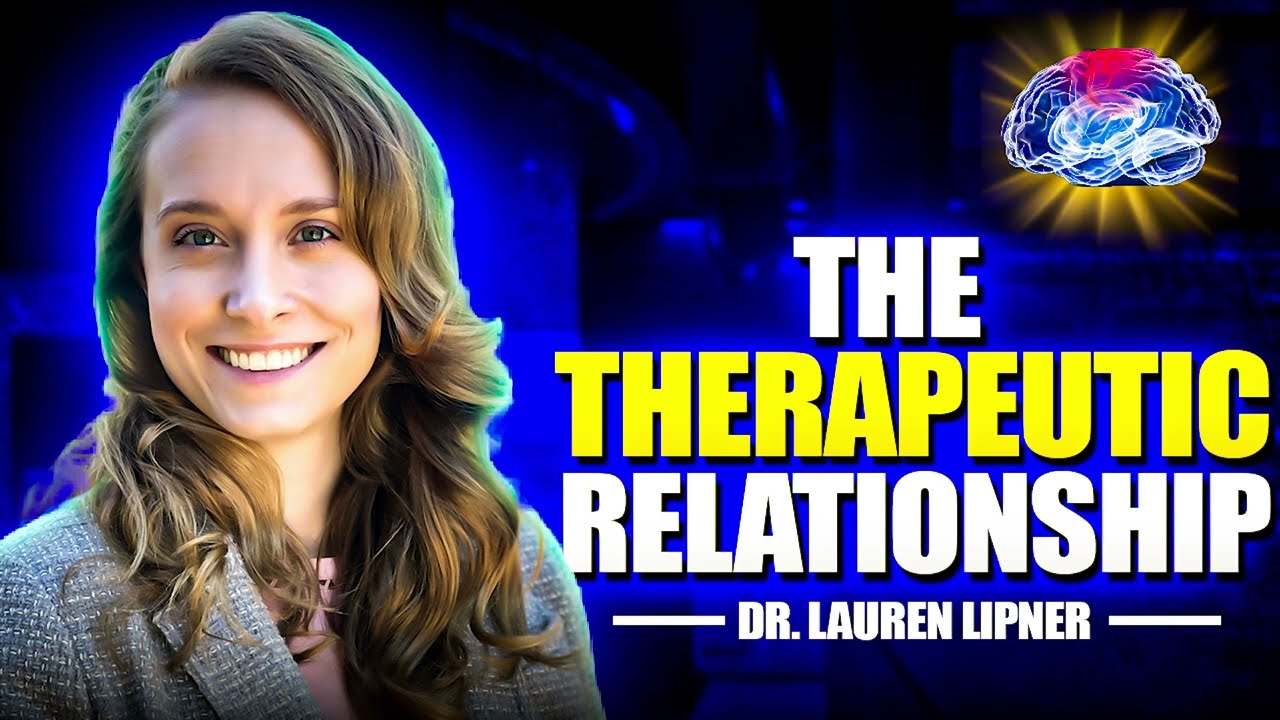
Research demonstrates that the therapeutic relationship between healthcare providers and chronic pain patients significantly influences treatment outcomes, with neuroscience showing that attuned, empathetic interactions can reshape neural pathways for emotional self-regulation; key strategies include attunement (being emotionally present and tracking patients' emotional states) and validation (acknowledging patients' feelings without judgment), which help reduce the fight-or-flight response and support neuroplastic changes that improve patients' ability to manage pain and distress.
Using the Therapeutic Relationship in Chronic Pain Care
Added:The distinction between acute and chronic pain pathology, including the concept of central sensitization.
The fundamentals of neuroplasticity and how the brain's neural pathways can reorganize in response to learning, behavior, and environment.
The Biopsychosocial Model of health, particularly how psychological and social factors directly influence the physical experience of pain.
The foundational definition and components of the 'therapeutic alliance' (the collaborative relationship between healthcare provider and patient).
Advanced clinical communication techniques, such as Motivational Interviewing and trauma-informed care, to build safety and trust.
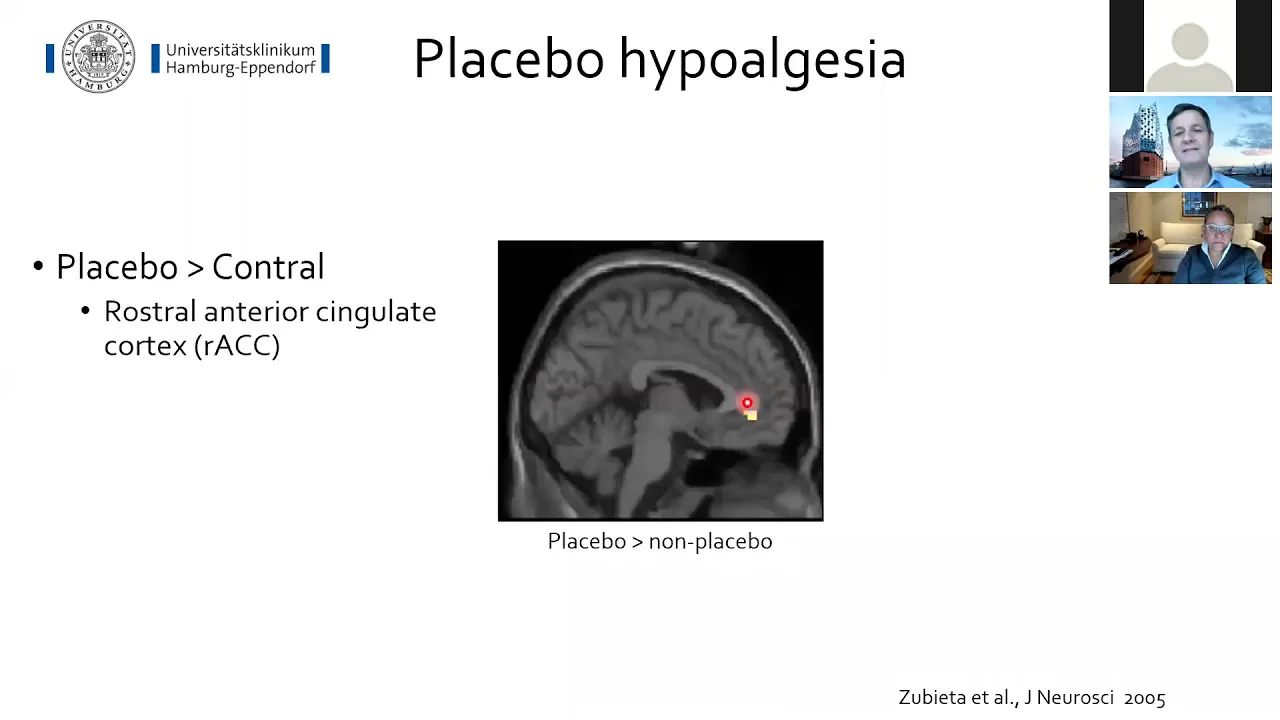
The neurological mechanisms of the placebo and nocebo effects, specifically how expectation and relationship-driven trust modulate descending pain inhibitory pathways.
How to integrate relationship-centered care with active pain rehabilitation modalities, such as Cognitive Behavioral Therapy (CBT) and Acceptance and Commitment Therapy (ACT).
Methods for measuring and evaluating the quality of the therapeutic bond in clinical practice and its correlation with patient treatment adherence and functional outcomes.
108 views2likes55:57Original Release: 2019-10-11
Julia I'm really happy to be here today to talk about one of my favorite topics which is relationship with our patients what I'm gonna do today is I'm gonna review research on the provider or patient relationship this research is really only in the beginning stages in the field of chronic pain in general so I'm gonna pull a lot from the field of psychotherapy where we have a much longer history with looking at this issue I'm trying to try to just give an overview of the research to spend more time on the neuroscience aspect so I'm gonna review the neuroscience and then I'm gonna go on to the key strategies that we need to know for building a relationship with our patients and getting the benefit out of therapeutic relationship I'm gonna talk a little bit about what to do with conflict and I'm gonna talk about how we can use a relationship to support change and in the end I'm gonna talk about the role of hope and how we look at self-care okay Julie you can go ahead and share your screen wonderful okay we asked if anybody wanted to send in some challenging patient interactions that we can speak to so I've got some and if you want to add any please just use the chat function and send them in as I'm speaking and at the end we can try to get to some of those now I'm difficulty moving on my presentation there we go okay so challenging relationships clinician patient relationships and chronic pain management are considered to be among the most challenging in healthcare chronic pain management can be time-consuming frustrating and distressing for clinicians and patients this is from Bushmen last year now we all know this working in chronic pain we must often navigate strong emotions in our relationships with pain patients our patients are often frustrated they're angry they're sad they're anxious their situations are often complex with complex medical issues possibly mental health issues social factors now most of us went into healthcare for reasons of wanting to help people we also feel frustrated in these interactions with pain patients often we want to help but they're off to no easy answers we often feel like we're not doing a great job they're not the feel-good type of patient interactions and we end up sometimes dreading some of these patients coming in and we end up sometimes feeling like we maybe can't help them the way we want to or maybe that they don't want to be helped the literature's actually says that many pain patients end up reporting that they have suboptimal relationships with their providers there's a study by a goal brinson in 2010 and what they found was that the communication problems between patient and physicians seemed to even increase with the longer the duration of the illness which is concerning and one study also found that 15 percent of General Practitioners interactions each day are considered challenging so I wonder how you all feel about that if you would think that the 15 percent of interactions in the day are challenging in your practice as well the other thing is that have a good relationship with our patients has long been an assumption of practice but we don't always know what to do with the challenging situations that occur and sometimes we feel like we're too busy to address them that's a big problem in health care is that patients are coming quickly and we don't have a lot of time but truly the difficulty with a challenging patient I put challenging patient in quotes is in the relationship so what I want to do today is really reframe how we look at our relationships with patients and particularly with the neuroscience info so if we look at the research on relationship in healthcare the association between a good patient and doctor relationship I'm looking at the doctor research now the association between a good relationship and patient satisfaction and adherence to treatment is well documented we've looked at that for a long time the better the relationship the more our patients will adhere to the treatment plans that we've agreed upon okay that's fairly common knowledge Griffen looked at 25 studies where they did interventions to try to improve the relationship between patients and their doctors and they found statistically significant effects on health outcomes okay that's really quite a large number they found 44% had better health outcomes when the relationship with their provider improved and articles argue researchers argue that for those with chronic pain the patient-physician relationship is particularly relevant because there's a lot of issues in the differences of opinion about the models of illness and treatment between the doctor and the patient treatment expectations and goals can often differ a couple of other researchers really looked a lot at the psychotherapy literature and identified the aspects relevant to chronic pain because as I said before in psychotherapy we have looked at this a lot and it is not so much been the case for chronic pain so they actually concluded that the quality of the patient provider relationship has a stable and predictable influence on outcomes and the consistency was remarkable actually over all the studies they looked at three different meta-analysis and they found that over the wide range of studies they had different treatment approaches different populations different measures but the effect of the relationship was stable across all these studies showing a modest a modest effect really but across all the studies they found that the patient provider relationship has a stable and predictable influence on outcomes and the evidence really suggests that a positive response to treatment and depends at least as much on the relationship between the patient provider as it does on the technical aspects of the intervention so they come to conclude that relationship is one of the hallmark ingredients of effective event intervention and chronic pain now this is somewhat different from what we spend a lot of time learning in school what a lot of the literature is about really a lot of it has us looking at techniques and different treatments but what they're saying now is that relationship is one of the hallmark it's a critical aspect of treatment with chronic pain patients so really needs to have more of our focus so the provider that provider characteristics that are related to a higher quality relationship the literature shows that what patients would say is perceiving their providers as genuine non-judgmental attentive respectful and empathetic okay this is what patients say leads to having a higher quality relationship with their healthcare providers so I think that the research when it starts to look more at the direct impact on health that relationship can have I think this is where it starts to get more interesting actually so there's a lot of argument now in the literature that we have gone too far into the technical aspects of care looking at techniques and technical expertise in chronic pain and really have ended up paying too little attention to relationship and relationship factors have actually been quite difficult to study over the years but recently they've had more focus and we have some different ways to study them which is quite interesting I'll talk a little bit about that later functional MRIs and PET scans and things like that so research is now looking more directly at how relationships can impact patient outcomes so one study that is interesting it's not directly related to chronic pain but it is an interesting study so I'm going to talk about it anyways um Michael and his group in 2009 looked at the role of empathy in medical consultations to outcomes with the common cold so they did in a randomized control trial and they looked at patient practitioner interaction so basically what they did was they had the doctor administer what they called a dose of empathy okay so this was in a one session in an office and some of the patients thought an empathetic response to the fact that they had a cold and some did not and they assess patients experience of empathy in their consultation so they looked at subjective factors what the patient said about it their symptom reports and then they gave them a nasal wash to measure immune markers okay so what they found those with higher perceived empathy from their doctors had a shorter duration and severity of the cold and actually were able to prove this with a new markers so people actually got they got better a full day better people got better a full day earlier if they had empathy so they're able to finally look at the fact that empathy can directly impact our immune system which was fascinating and it was really a new thing that they were able to do this so I'm gonna get to the direct impact on pain in just a moment four years in the therapy literature we've been looking at therapeutic relationship and this is where I think psychotherapy can really contribute to healthcare in general and there has been an argument and there's a very popular argument but there's actually little difference in outcomes across the various forms of psychotherapy so people talk about doing CBT or different things DBT there's all kinds of techniques that are used in psychotherapy and what they're finding now that relationship is actually the most significant factor in an outcome it doesn't matter what model you actually use so we have a poll now we all tend that to you I think to put up a poll okay so which factors facilitate the possibility of having a placebo effect in treatment and is it a patient's conscious expectations classical conditioning that clinicians facial expressions and verbal expressions of support a and B or we're actually supposed to have all of the above on there too okay I think most people have voted I'll give it a few more seconds and I'll close the poll in about five more seconds oh we've got some people changing their mind that's great okay this is your last chance to vote okay I'm gonna close the poll now thank you very much and here are our results all right great so the answer actually is all of the above so placebo actually in Latin means I shall please and a placebo effect is created by contextual factors that influence the patient and have a positive psychological and neurological effect so these are the effects that are beyond those that are expected by the intervention done or that technique used we often think of this as the sugar pill generating a positive outcome for a patient okay and nocebo is the opposite in Latin it means I shall harm and it's the contextual factors that have negative psychological and neurobiological effects so from the physio literature there's now a lot of discussion in the past three or four years on the management of placebo effects and the avoidance of nocebo responses and patient interactions and they've been suggested as really promising additions to clinical practice Julie do you want to just move to the next slide or or do you want me to share those poll results again sure let's move to the next slide okay go ahead I can do that so I just made a quick question because some people weren't sure it looks like they're avoiding maybe a and B did did you have any comments you wanted to share about that I remember you saying that the in the past the answer may have been a and B yes I'm just gonna go onto that if I can find my way back here there we go okay okay so yeah the answer is all of the above and the thing is is we have long known about the role of expectation and classical conditioning reward learning observational and social learning and placebo so those would be the a and B we've also long known that patient characteristics affect whether we get a placebo effect things like personality traits or how somatically focused people are but since about 2013 people have been looking more at other factors influencing placebo and what they have found is that placebo can be influenced by the practitioner patient relationship and characteristics of the provider so I think this is interesting the factors that they've actually found influence whether you get a placebo effect or not are things like the perceived competence and professionalism of the provider okay how professional we appear as clinicians whether the clinicians are optimistic or pessimistic how we give information how empathetic we are what our nonverbal communication is like facial expressions are we listening to patients actively do we give them verbal expressions of support and how do we encourage questions from them so there are actually a lot more things than we previously thought also they've been looking at aspects of the health care setting influencing placebo so patients perceptions of care are also relevant or also dependent on do they feel like this is a setting that is comforting to them or appear as competent so the things that these things all influenced patient expectations which goes back to what we previously knew about placebo but they also seem to have more of a direct impact on outcomes on people's pain levels and things like that and I think that in a minute neuroscience can start to explain part of that so what the literature is now arguing is that placebo and nocebo elements are always present during therapeutic interactions they interact with the specific to that effect of the therapy the technique we use to increase or decrease the global effective treatment so I think this actually really adds a lot of responsibility to us as care providers to think about that anytime we're interacting with a patient we can get a placebo effect we can get an added effect on top of the technique we're using or we can get the opposite we can have the technique the effectiveness of the technique decreased by our relationship so we really want to be aware of maximizing the potential impact of placebo in chronic pain and using relationship to do that and I like this little cartoon which says do you have the placebo I've heard so much about and I want to say yes as a health care provider we can add placebo in at any given point so bear with me on the neuroscience part because neuroscience is very complicated I'm gonna really try to simplify it here to the points I think are relevant and I need to sort of start ahead of where we are with our patients so bear with me and hopefully this will all come together in a little bit and then after this we're probably gonna get into a little bit of more fun aspects the how-to aspect with relationship ok so I want to look at how a relationship can influence emotions and emotional regulation because we know that managing the challenging emotions that are often associated with chronic pain are difficult for many of our patients an emotional plays such a significant role in people's pain experience so Allan schore is a psychologist and a neuroscientist and he's written on some of the most exciting information I've seen about the impact of therapeutic relationship on a patient if you are interested in more detailed science I've put some references at the end and he also has a great website he's a very prolific writer so you can go to his website and find many articles so and honestly I saw Allan schore speak in the States more than 10 years ago and when I first learned the information that he had on therapeutic relationship it was amazing to me it completely changed how I looked at my practice it was a complete mind shift they know in a day's session so let me see if I can give you that little bit of information now okay so self-regulation of emotion is a concept that's talked about a lot when we talk about it we're talking about generally the set of control processes by which we influence consciously and voluntarily our emotions and how we experience and express them so schools talk a lot about self-regulation these days teaching kids how to regulate their emotional states we teach our pain patients this information for example we talk about things like if I feel stressed if I notice I'm feeling stressed I can take some deep breaths and that's our idea of what it means to self regulate our emotions and that's important because that there definitely is a voluntary and conscious part to self-regulation but what neuroscience has found is truly the majority of self-regulation happens at an unconscious level systems that are non conscious to us so the right hemisphere of our brain is actually dumb and I'm just a little bit of background on the right hemisphere and this is simplified I will say again the right hemisphere of our brain is dominant for the recognition of emotions the expression of spontaneous and intense emotions and the nonverbal communication of emotions and the right hemisphere of our brain has the strongest links into our limbic system which is thought to be the system that has does the most work in regulating our emotions we learn to regulate our emotions and grow the pathways for regulating emotions through interaction with other humans right brain - right brain connections I'm going to talk about what that looks like in a minute okay so going way back scientists and clinicians agree that the unconscious part of regulating our emotions evolves early in life in our attachment experiences so the interaction between a baby and a caregiver so you know how it is when we respond to babies right we we all are biologically set to have a response to babies so when babies COO we make faces at them and we COO back when babies cry we feel it and we want to do something to soothe them that's why when you hear a baby crying it's really hard to ignore it even if it's not yours it's really hard because biologically we were set to want to soothe that if a baby's happy and we often want to join them in that right this is where you get the back and forth planning and making faces at each other and if they're overexcited we respond to them and help them calm and what happens between a baby in their caregiver is often they get into a state of synchrony where the caregiver is tracking the baby's emotions and having a similar emotion in response and then helping them to regulate it when it kind of gets into the higher low levels so so when they get to high into excitement we help bring them down and when they get to upset we help bring them back so what actually happens is a dual process of regulation it's called interactive regulation so babies are helped to regulate and through this they build the neural pathways to regulate themselves so it's interesting Ellen Shore actually shows PET scans and functional MRI pictures and shows that when a parent is interacting with the very young baby that similar brain areas are activated in the parent and the baby and what's actually happening is the baby is growing pathways through the limbic system through that connection to regulate their own emotions so through the relationship our tolerance to manage emotional states increases we get actual pathways in our brain to map to manage emotional states and then the human nervous system myelin aids during the first year and a half and so what that really means is that we have our abilities to regulate emotions set down very early in life and this is where the right brain - right brain comes in so that connection between the caregiver and the baby where they're in a synchrony is right brain - right brain okay we're gonna use that again later and again simplified so these attachment experiences that allow us to learn how to regulate emotions also impact other areas and what they found is that the regulation of the limbic system can also impact other systems like the endocrine says central nervous system immune system cardiovascular system how this relates to chronic pain many of our patients are struggling to self-regulate the emotions associated with pain their experiences are really often too overwhelming for their capacity the pain levels they have are to dress distressing for what they have to manage it also we have to remember that many of our pain patients have adverse childhood experiences and many so they may have not developed sufficient pathways or enough to then regulate what comes later has a really distressing experience of pain and many have also had a lot of trauma which impacts their ability to regulate so I hope that part was clear I'm now going to apply this to what we can do with our patients now okay this is the really amazing part this is what really shifted me is that research has now shown that we can access and continue to build these self-regulation pathways throughout life okay so really what's happened now is all forms of psychotherapy share a common goal of improving the effectiveness of patient's emotional self-regulation so only a part of that is what we teach them the ways we teach them to do things like deep breathing in order to regulate when they're stressed the other part of it is this relationship to relationship right brain to right brain connection that can actually build neural pathways for them to auto regulate their emotions later on so we can do with them what a caregiver would do with a baby again in life so this is why studies show that the method of therapy is much less important than the quality of the relationship so psychotherapy is using the same process as early attachment so I guess what I want us all to remember in working with patients is not only can we have a good relationship with a patient that then you know has them want to adhere to the treatment plan we've set up but we can also start to reshape their brain to directly impact those neural pathways that they have and on a on a shorter-term I actually got some story before I say that I should say we also have to assume that all relationship has the potential to create these deeper level changes it doesn't actually have to mean the therapy our because sometimes people come back to me on this and say well I don't have an hour with my patient like a psychotherapist would have but actually brief interactions with healthcare professionals if they are attuned and synchronous like with the baby caregiver can have the same kind of brain growth it doesn't have to be an hour and I think we see our patients depending on what professions are coming from or what your clinical setup is sometimes we see these patients week after week after week or we spend a lot of time with them at various periods so we actually have the ability to reshape their ability to self-regulate through these interactions and on a shorter term basis is another piece to this too from the neuroscience that I think is kind of interesting is that therapeutic relationship can also act as the antithesis of the fight-or-flight response so I think we talked quite a little OTT in chronic pain about a fact that our patients are in a chronic fight-or-flight response well what we know now is the experience of feeling cared about in a relationship reduces the secretion of stress hormones and can shift the neuro endocrine system towards homeostasis so the social bonds actually can reduce the stress induced arousal so for example if a child has a stressful experience they get scared by something they'll often go and run to their parent and the parent will you know care and soothe them and that will actually reduce the stress response and we're biologically set up for that animals reduce their stress response by being in their social group so if something that creates a fight-or-flight response than an animal happens in they then run back to their pack that turns off the response the social bonds are actually the opposite of the fight-or-flight stress response and if you want to read more about that Steven Portage's looks at that and I put a reference in there so even in our very short-term relationships we can help to turn off that fight-or-flight response in our patients so I hope that was clear Leah do you have any questions about that okay I know the neuroscience is a bit confusing but I think it's really amazing because a really validates what we can do but really if we think that we can create this kind of concrete change in a patient it's very very powerful so what I want to talk about is what we want in patient interactions so truly what we want is for practitioners to be present or I like to call it to show up emotionally so that means to be in the moment with the patient and try to be open to their experience to try to actually feel their emotional state we want a right brain - right brain connection like the connection between the infant and the caregiver what we don't want is to have what I would call emotional arms-length care so we can actually provide care to our patients without emotionally showing up for example I had a family member who went to his first colonoscopy he was anxious very anxious as you can imagine going to a colonoscopy went into the waiting room and met the nurse and was given a gown and sat there and was given all kinds of directions and came back and said nobody noticed how anxious he was nobody responded to his anxiety it was all very factual here's what you need to do and I think that is a great example of emotional arms-length care right they did the technical aspects where they did what they needed to do but they never noticed his emotion and I was also asked when I talked about this one time by a home health Oh T about how you can connect more and and I think that when I was thinking about it you know in home health so say you're going to see your elderly patient and your job is to check that the walker is the right size and fitting right and do some modifications to the home you can easily go in there and do those things without actually responding to the emotion of the patient and you may have and in this case the situation I was given was an elderly woman who was really lonely and really worried about being on her own and actually really wanted the OT to sit down and spend a bunch of time having tea and talking and the OTA said you know I don't have the amount of time to sit there and drink tea and hear the story and to that I would say I think we can actually respond to the emotion briefly and not ignore it and then still get the work done the other part of the work which is you know assessing for bird devices they might need shower bars and that kind of thing even I've even seen arms-length care given in psychotherapy we can provide mental health care counseling that way such as giving you know modules of teaching CBT skills without actually connecting with the patient's feelings so what we really want to do is work towards being more present and showing up emotionally with our patients and I wanted to show a little video and I'm not sure if my technology is going to work but this was a video done by Fraser Helms it's called moments to milestones you can see the whole thing on YouTube and it was a training video for first responders on dealing with people with addictions and this little clip if I can get it is a colleague of mine his name is dawn and he works at Surry Memorial and he's a he's a psychiatric nurse and I'm gonna see if I can and play this for you okay he's the next one I think so just bear with me so I'm gonna put him in the interview room too and we're waiting to play if if the quality isn't great for our viewers we can always share the link afterwards and you can watch everybody is somebody's son or daughter I came in and I said I introduced myself and I said you know what can I do to to help you for today he was down a note all his sponsors kind of just he felt that he was the doors were closing in on him and we just kept on talking and you know we've got more into personal history of that we just were being real I think about 18 months later yeah yeah we came back and presented to the ER toss busy day I still remember it very clearly I went out and yeah just as I came around the corner I reckon I his turn you know he just came to tell me that he was 18 months clean yeah today I live in a beautiful ok now I'm gonna try I gotta get back here to my sides sorry nope so now we're not in the right place when I was up through them I think that didn't work properly ok ok just give a quick summary of the video I'm not sure so I think what happened here is dawn met with a patient in emergency and it was a busy day and that's often the time when it's harder for us to truly connect and what happened here was Dawn was really real with this patient right he was curious about him he listened to his story and they had a conversation about what was really going on for this patient and it wasn't long and 18 months later this patient came back and it had had a huge impact on him and I think it's interesting to watch it on in this video too because that interaction really impacted him as well so I think this is a great example of being real Don's not talking about doing anything technical he didn't use any specific techniques he was actually there and real and present with this patient and it had a huge impact on him and on the flip side of that I mean it would have been easy to actually hand this patient a few resources and talk about what he could do with his you know with his addictions issues and here's a century you could call and probably would not have had the same impact on the patient and that would have been more emotional arms-length kind of care ok so this is the how-to part ok what we need the two key aspects of relationship are attunement so that attunement is staying present with the emotional state of our patient and which I'm gonna talk a lot more about and validation and that's the what we say part the trying to hear and understand and acknowledge a patient's feeling and looking for the feelings behind the content and I'm going to come more to that too but the research is actually shown with and again it's on doctors a lot of this research has been with doctors but the research actually shows that many doctors tend to overestimate their ability in communication and I think that we all do this actually and the most important part to this is actually a to mint communication skills are taught a lot and a 2 min is usually left out so that's what part of what I want to focus on here and I think even with this validation part a lot of people who are trying to do it don't quite get it we often kind of miss the mark with this because it is challenging so I'm going to come to that more later on - it's quite a misunderstood process I think so the other thing that's kind of exciting in this is that there is research to show that we can be taught this it's the communication skills plus the attunement and we can use it more successfully practice and the research is showing that even when the time for direct patient contact is limited we can use these skills well so first attunement from a neuroscience perspective when we use attunement we actually help patients expand their ability to tolerate both negative and positive effect okay we actually have to remember that we usually think of negative emotion as being the toughest to manage positive emotion are the really high ends of it like joy and super excitement are also hard to manage but when we attune we help patients expand their ability to tolerate both ends of emotion so what we want to do with patients is we want to track their emotional state we want to pay attention to it just like we would with a baby and we want to respond to not only just what they're saying because patients will tell us a lot of things but we want to see what we are we want to look for what they're showing us in other ways one respond to what we see and what we feel in that interaction and really track and follow it so studies show that 60% of communicate human communication is nonverbal so we read people's behavior their postures their gestures so much faster than we can process language so when we attune to them they're also reading our expressions and our body language much faster than what we're saying as well so that's why a to become so important they get that first so attunement involves our facial expressions prosody which is how we match tones and our voices so if someone's coming at us really quietly we don't talk back to them in a really loud voice we try to sort of match and our gestures so what we want to do is try to be really curious about the patient's experience just spend some moments sitting there and being curious about what's happening for them and trying to match it a little bit okay and I think sometimes when we do this we are too cognitive about it well we wanted to try to take that piece out because when one of our patients were often thinking about what we're gonna say next we want to kind of leave that out and even when we say try to put ourselves in their shoes often that's a little bit too cognitive too because we don't want to try to imagine what it's like to be them we want to actually sit there and kind of feel what we're getting from them and just experience what's happening so we want to join them in their emotional space and be with them especially when they're struggling so for example if a patient comes in crying their situation hasn't improved we've probably all had this a lot we want to put down what we're doing and just sit there and see what it feels like for them and we have to feel that ourselves for a moment we have to touch their feelings so we have to also experience the same feeling now this is where people often tell me they don't want to do this and I get it because patients come in in often very distressing states and this means that we have to jump in to feeling what they're feeling so it's hard and we're sometimes afraid of getting into these really big emotions but we really need to do this just briefly and then our body is naturally shift into this interactive regulation and we will move out of it okay so we have to feel it just briefly and know that together we're gonna move out of it the only thing to really be careful with is serious despair because if we spend too much time feeling someone else is serious despair we will both wallow in it with despair we kind of have to then shift the topic a little bit after we felt it but most other things together we will regulate ourselves out of it now validation is that what we say and probably many of you have had some training and validation or what to say communication skills but really what validation is is it we want to show that we're trying to understand what a person is feeling so what we want to do is look for the emotion behind what they're saying and doing and trying to guess at a label for it okay it's only a guess we don't have to be right the value is in trying to understand so if you have you ever had that experience of someone getting it for you like when you told them about all the upsetting things that your boss said today you don't want your friend to then justify your boss's behavior or talk about how to fix a situation what you really want is for them to just get it to get that it was a tough day for you and that's what our patients want to so for example patient comes in and they give us a long list of things they weren't on they weren't able to do this weekend because of their pain what they want is for you to guess sounds like you're feeling frustrated about your weekend maybe you're worried about your functioning like just pick an emotion that might be there and throw it out as a guess the values in being curious okay what I like about this is we don't actually have to have answers for our patients in some ways because we don't want to be solving the problem or giving advice the first thing they want to do with the patient is just get it and it doesn't mean that you agree we have to be careful with that - just because you value validated patient doesn't mean you agree with them so they might tell you how terrible their previous physiotherapist was by noting that they're frustrated or disappointed doesn't mean that you're agreeing that that physio was terrible okay it's just that you're getting their feeling so the other thing is we have to check in with our own emotional state because if something you know if we're feeling stressed or anxious it becomes a lot harder to validate patients so here's a little little kind of a formula although I don't want this to be too formula because that's when it sounds too scripted we take hope via tube in part but here's a few things you can try with a patient okay you seem to be disappointed you look angry or you look frustrated and if you don't know what feelings happening you can always say it seems like things feel very difficult for you so the other aspect in this is that we want to maintain curiosity okay it feels really annoying if someone says to you you're angry our response is often no not so you really want to say this in a way that is guessing at their feeling so these are the two things that two core skills the attunement which is not often taught to us and the validation that we really mean to build these relationships that are going to help our patients learn to regulate themselves better and build the pathways for regulation now people often ask me what about conflict because conflict is when things get really hard so conflict is part of relationship it's gonna happen and it actually is an opportunity and I think we need to look at it that way so when we have conflict and people will come in to our practices and they will disagree with us on many things they will want things from us that we can't provide for example medications that we can't provide or we don't think are a good idea but when we can get through conflict we can often have a better relationship with that patient our chronic pain patients are often our longer-term patients so if we can get to a point where they can express their conflict outright with us instead of you know not saying what they're really thinking and we can get to a point where we can have differences of opinion we often have a better relationship the other thing that we know is that dirt with neuroplasticity the theory is that more brain systems are actually active during high emotional states so the intensity of arousal is greater so with that the opportunity for learning and for growing new neural pathways is actually greater when people are in higher emotional states so we and Allan schore talks about this so we really need to use these conflict situations and see them as opportunities for change so what we want to do in conflict you can see in this picture that's pretty conflictual um is we want to attune and validate the same skills we want to use them in conflict and oftentimes we have to attune invalidate before we can move on so there is a study done with doctors that says it takes between two and five minutes to shift a patient out of a very high angry state and if we don't do that we can actually spend our entire session getting nowhere but if we spend two to five minutes at tuning to them and validating the emotion they're having we can get through it and then move on to other things the big goal is to be emotionally present which is sometimes hard because we often get triggered by angry patients we want to try our best to be present and to be curious about their experience we don't want to get stuck in you know defending ourselves and talking about the details we really want to feel their anger briefly and comment on it it seems like you're really angry and then look for what else is there because anger is usually just at the top and below it are usually things like sadness and frustration and fear so we may want to go on to say it seems like you're really worried about what's happening or it seems like you're really sad about this and respond to what's happening there remember that validation doesn't mean that you agree with them either okay it just means that you're trying to get it and they will notice that you're trying to get it and the other thing I should say about conflict is that we also need to put boundaries on it because it's not okay to accept destructive behavior so they can feel angry but they can't call you names so there are many times where I've said that to patients like I see that you're really angry and you know I'd be interested to hear more about that anger I can't hear you when you're swearing at me so you know if we can change that and we can talk about it that's fine but if you're gonna swear at me it makes it really hard for me to hear you [Applause] okay actually maybe before I do that I'll just give another little example with an angry patient which probably some people have had patients then sometimes be angry that they're not gonna get referred for something like a surgery consult so what we want to do with that too is attuned to the anger you seem really angry feel it sit with it we can't move on too quickly and comment out it seems like you're really hoping for a surgery solution sit with it and they will come down from it within two to five minutes sometimes you just have to you know maintain the hope in this theory but it really shows time and time again that people do come down if they're responded to in this way and you'll be able to move on okay so a little bit about change relationships we have with our patients can support change they can also have a negative impact on change we really need to take a look at the messages that we give about change one of the things that happens is the whole topic of change sometimes has an unintended message when we tell someone to change it sometimes means to them that we're saying that they're not good enough already so dialectical behavior therapy really looks at this and we have to be careful because many of our patients come to us after a long history with a health care system and many things have failed in their opinion things they've tried we want to be careful that they don't have this perspective on themselves that we're not we're not reinforcing a perspective on themselves that they're not good enough we want to accept where they're at and encourage change so the one way I use neuroscience in this is I sometimes talk about the fact that what we want them to do is actually grow and build on what they already have so I sometimes change the language from change to growth so I sometimes say things like you know it makes a lot of sense why you're struggling and they're big struggles and you've really done the best you can and now we might want to add a few strategies to what you already have might be helpful the other thing that we need to do with change which I think doesn't happen often enough is validate how hard it is for patients there's a lot of anxiety with change right we're heading into something new sometimes there's losses when we change our behavior and it's not acknowledged a lot so we want to validate with patients especially if they're not taking steps to change things too quickly we may want to notice like it's really hard to change how does it feel you know it can bring up a lot of anxiety when we do new things and sometimes for really stuck patients that's what's happened the anxiety about changing is actually outweighing the benefit for them so can we do another little quick poll yeah absolutely okay so we'll probably do this one how often do you make concrete detailed goals or patients and then follow up in the next session I think this is something that seems really obvious to patients like we don't often go through the steps to follow up and to even make the detailed goals I have been complacent with this many times and been burned by it honestly you know we say you know we need to you need to increase your exercise that would be really helpful and without sitting down and actually talking about when and where and who you're going to do it with and how we often patients really struggle to do that on their own great people are doing that often okay great good for you there's some great ways to do that the Lim plan B website has a great goal tracker and we can use SMART goals with our patients things like that you know I try to get out of the there we go okay might work better this time quickly I want to just talk about a little bit how we view change in success with patients with chronic pain we have to expect it to be slow and you know changes are often slow so I think how we frame it has an impact for the patient and also our ability to withstand in this field so we we need to look at things like you know did they meet part of their goal or you know did they change a couple of points on a pain reduction scale we have to look at that kind of stuff but another thing that I really want to talk about is we need to point out our patient strengths and highlight what they've done well so even if they've only done a small piece of the goals we set out for them really focusing on that and dialectical behavior therapy has this concept of being a cheerleader for our patients and although that may sound a little bit hokey actually many of our patients feel quite hopeless and quite passive about things and really can't cheerlead themselves and from session to session it often kind of falls apart on them so it becomes really important for us to value and acknowledge their efforts that they can't do for themselves so I often see my job as being a cheerleader for patients and over time they often become better at cheerleading themselves so don't underestimate - even the patients that look like they're doing a good job of this sometimes aren't doing such a good job so really keep this as a goal and cheerleading them and goal setting is really an opportunity for being a cheerleader because we can look at you know the incremental changes that have happened and you know the other thing I want to comment is on them we really want to celebrate progress we have to really notice the progress our patients are making because they may be hyper aware if we don't know this um I know we're not having a lot of time yet but I wanted to give you this analogy that I often do I usually tell patients that they've already changed that they've learned and tried something new and it can't be unlearned so even if they say that they're not doing things well or not doing it very often I say you know the fact that you have tried this deep breathing exercise you've learned it something has already changed and then I give them the story of the snow field I talk about learning a new skill is like creating a pathway in a snow field a very deep snow field we tend to travel down the warned path so if we look at this field of snow we will go down that pathway instead of going through deep deep snow around it it's the easiest thing to do if we want to try something new for the first time it's like forging a new path in the snow it's slow going and it's difficult we're trudging through that deep snow that's why learning a new skill feels difficult but each time we go down that path the path gets more compacted and easier to travel and I like to visualize creating new brain pathways is the same thing our first attempts at learning a new skill say an exercise are like trudging through that waist-deep snow it feels hard but it gets easier and easier and we can visualize that each attempt is like putting a few new steps into that pathway in the snow that's then going to Pat it down and Pat it down and make it easier and easier to use a little comment on hope is that studies have found that interactions with health care professionals hold the power to diminish or enhance hope things like being there and showing care and concern so again that's a 2 min invalidation can impact hope and our patients often struggle with their level of distress and their histories and what's happening for them they have really severe difficulties in maintaining hope so we often have to be the ones to see the hope and to hold it for them and convey it on an ongoing basis they often actually depend on us for that couple of comments on South care so what a lot of people say to me is I don't want to attune to patients because I don't want to take on those difficult feelings that they have and really having an empathic connection with our clients it allows them to get better but it does open us up to vicarious trauma and things like burnout and compassion fatigue that we have to be really careful about and I mean that's a great topic which is way beyond what I can do today is to talk about that but what I think we really need to remember is that in order to help our patients regulate and grow new self regulatory processes in their brains we need to attend to our self-care we need to be regulated and in health and health care what I found as practitioners are usually pretty bad at this we don't focus a lot we focus a lot on helping other people and not ourselves so we really need to think about it and we need to think about what's truly self-care often a lot of lip service is given to this but we need to look for the things that truly helped us feel calmer and things that truly bring us joy and adding them to our week and also having them as a plan so on a really bad day ahead of time I have a plan that what I'll do if I've had a really tough day at work and I feel really emotionally drained this is what I'm gonna do right after work and maybe it's how we run with a friend before I go home whatever it is but having a plan and truly attending to this because if we're not regulated we're not going to help our patients be regulated and we also need to encourage our system that we work in to focus more on relationship and supporting us to have relationship with our patients which may be you know having supervision around how we're doing with our relationship skills and it may also be giving us the time for our self-care and actually having a focus on that so I have some questions Leah I don't know that we have much time left I think we can continue if people need to leave that's fine we'll we'll continue recording and we can always share this with everybody after the fact so let's let's keep going and we've had two questions in the chat so far so let me know when you want me to read those out okay should I just do a couple of my common questions and so when I do a lot of talks on this topic and people often say to me how can I use a 2-man invalidation when my sessions are brief say I don't feel like I had time to do this and what I say to that is that a two minute validation can be really brief with our most highly emotional patients that are most angry patients for two to five minutes if we spend on that we can bring them down into a state that we can then have a different discussion so a lot of GPS will say to me I have 10 minutes with a patient and I'll say even if you get the highest level of emotion you can deal with that in half your session and then you have the other half to deal with whatever kind of practical issues you need to deal with if you don't attend to the emotion you may not get anywhere on other aspects of your session so it can be brief you only need a few moments and in terms of actually
Up Next

21:42
The Placebo Effect: History and Neuroscience Explained
@PatKellyTeaches
127.3K views•2024-06-15

48:47
Graphic Medicine: Comics for Collaborative Healthcare Communication
@nationalpatientadvocate
189 views•2023-12-04

10:28
Neuroanatomy: Central and Peripheral Nervous System Divisions Explained
@AKLECTURES
136.2K views•2014-09-20
3:05
Stages of Labor and Vaginal Birth | Childbirth Animation
@nucleusmedicalmedia
52.1M views•2017-08-18
Related Study Plans & Knowledge Roadmaps
Structured learning paths in Medicine
medicine
Abnormal LFTs: Diagnostic Workup & Pathology
01Liver Anatomy and Basic Physiology
02Introduction to Liver Function Tests (LFTs)
03Hepatocellular vs. Cholestatic Patterns
+ 3 more learning modules
12h6 modules
Explore Roadmap
medicine
Analyzing Blood Smears: RBC, WBC & Platelets
01Introduction to Blood Components & Smear Preparation
02Normal Morphology of Blood Cells
03Erythrocyte Pathologies & Morphological Variants
+ 2 more learning modules
12h5 modules
Explore Roadmap
medicine
Mechanical Ventilation: Waveforms & Alarms
01Anatomy and Physiology of Breathing
02Introduction to Mechanical Ventilation & Core Modes
03Ventilator Settings and Waveform Interpretation
+ 2 more learning modules
12h5 modules
Explore Roadmap
medicine
Neuro Exam: Localization & Stroke Syndromes
01Foundations of Neuroanatomy and Vascular Supply
02The Neurological Examination: Step-by-Step
03Principles of Neurological Localization
+ 3 more learning modules
18h6 modules
Explore Roadmap