




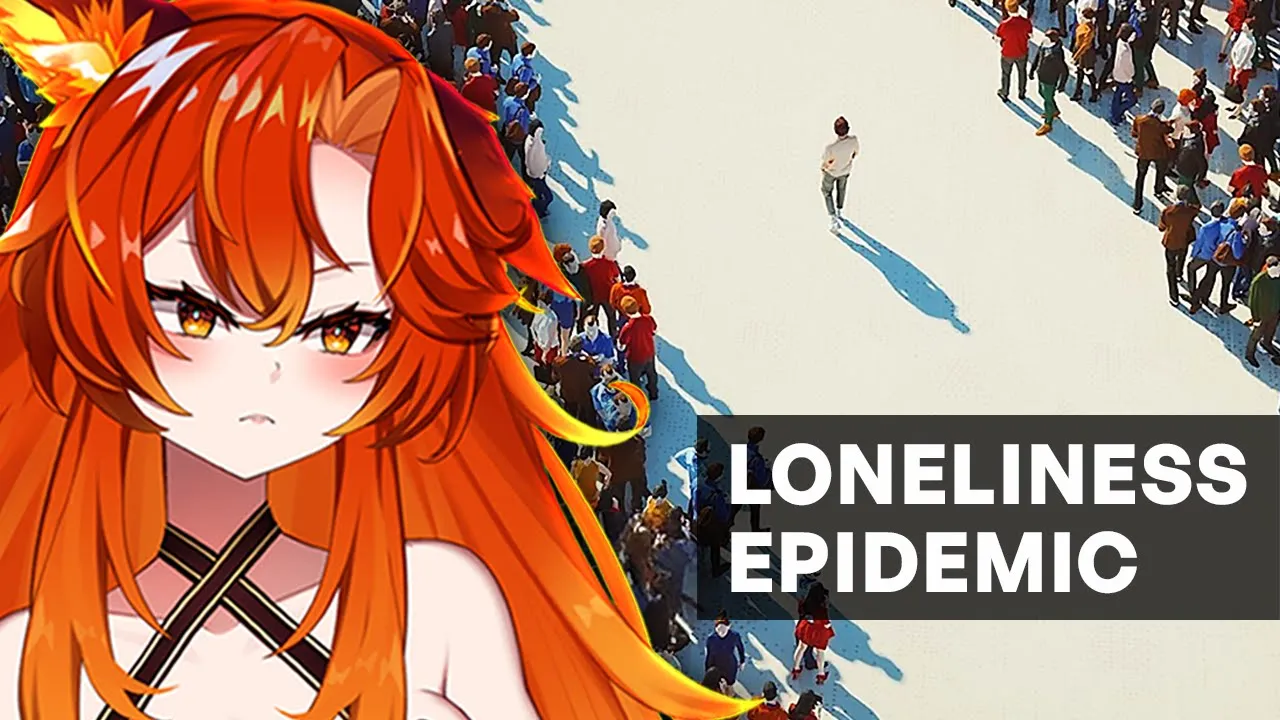










Third places are social environments between home and work where people exchange ideas, build relationships, and simply 'vibe' together; they are essential for combating loneliness and fostering community, as they provide unpretentious, accessible spaces where individuals can interact freely without obligation, and their decline in modern society contributes to increased isolation and depression.
Third Places Explained: Why Community Spaces Matter for Well-Being
Added:Ray Oldenburg's Three Places Theory: Understanding the foundational sociological framework that defines the first place (home), second place (work), and the characteristics of a third place.
Social Capital: Familiarity with the sociological concept of social networks, trust, and mutual cooperation within communities, famously detailed in Robert Putnam's 'Bowling Alone'.
The Modern Loneliness Epidemic: A basic understanding of the psychological and public health challenges associated with rising social isolation in post-industrial societies.
Urban Design and Walkability: Awareness of how physical infrastructure, car-dependency, and suburban sprawl affect human interaction and community density.
Urban Planning and Policy Advocacy: Exploring how zoning laws, mixed-use development, and tactical urbanism can be leveraged to actively design and protect local third places.
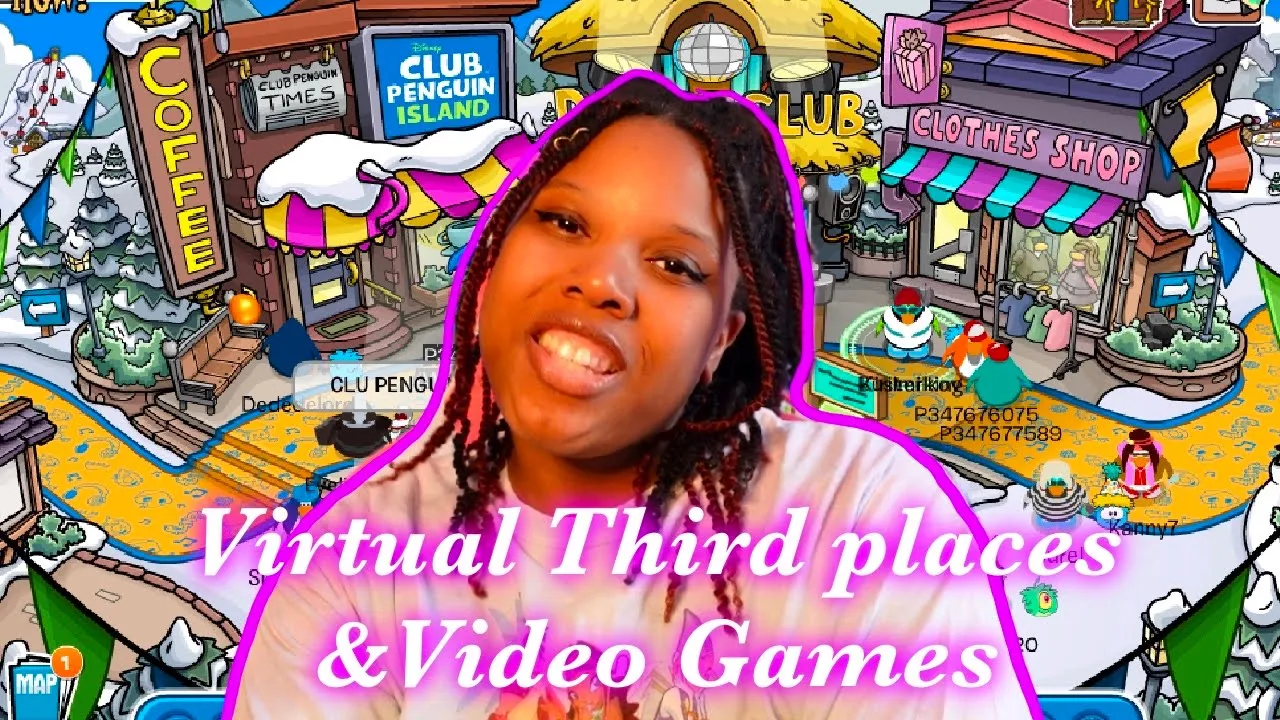
Virtual Third Places: Analyzing the sociological impact, advantages, and limitations of online communities, digital forums, and gaming environments as modern alternatives to physical spaces.
The Commercialization of Public Space: Examining the socioeconomic implications of the decline of free public spaces and the rise of commercialized 'pay-to-stay' social hubs.
Social Prescribing in Healthcare: Investigating how clinical medicine is beginning to integrate community involvement and social connection into holistic mental health treatment plans.
Community Asset Mapping: Learning practical methodologies to identify, catalog, and mobilize existing physical and social resources within a neighborhood to foster collective well-being.
622K views34.7Klikes14:29Original Release: 2024-02-13
if your internet search history looks anything like mine you've probably heard of the term third place it's not a bronze medal it's where according to sociologist Ray oldenberg people spend time between home the first place and work the second place they are locations where we exchange ideas have a good time and build relationships the third place has been aptly compared to a community's living room it's unpretentious accessible and animated by conversation it's a library a community center a church a park a barber shop a stoop or even the sidewalk the primary purpose of people inhabiting a third place is for lack of better terms to Simply Vibe it's a rare occasion when the internet can unanimously agree on something and when it comes to the online conversation about third places there's a general consensus that we need more of them one important question that you should be asking yourself is do you have a third place this is what it looks like inside of of a great third place because of how rare they are I'm going to suggest that you find a third place our generation is so depressed because we don't have a third place in the wake of the pandemic people have admitted to being lonelier than ever if the 2010s was about optimizing our lives for productivity it seems the 2020s are about optimizing our lives for connectivity people are joining clubs moving closer to friends and actively seeking out third places to give their social lives a much needed makeover you'd be hard pressed to find anyone who is actively anti-3 place that's what she said and you know what I what was that okay James but this newfound fixation reveals just how much they've been taken for granted in America the first place the home Reigns Supreme we siphoned off whole sections of Forest for them they're called the suburbs and they're the epitome of personalization of public amenities who needs a park when you have a backyard complete with your own patio swing set and pool now you can practically do anything from home whether it's working working out watching the latest Blockbuster or crafting your own artisanal latte but these conveniences come at the expense of creating and maintaining social connections that's where third Places come in and that's what I'll be exploring in today's video I recently watched Emma Chamberlain's video titled stories from my child hood and what really stood out to me is the amount of third places she frequented there was the park the local coffee shop the candy store even just the sidewalk on the Main Street these locations seemed fundamental to her life between her first place home and what I would argue is the kid version of the second place school I was fascinated by this because these were establishments she could get to on her own as a tween and teen she could walk there or take public transportation her parents didn't need to accompany her she could explore on her own or with her friends this is the exact opposite of my childhood experience I couldn't go anywhere unless an adult was able to drive me this isn't to say I didn't have third places I did in a sense but I didn't have freedom and I know it sounds dramatic but that's the truth freedom in third places go hand inand one of the primary characteristics of a third place is that occupants have little to no obligation to be there there's a distinct difference between third places when you have the autonomy to come and go as you please and third places where you are there by virtue of your parents being there hence the primary third place of my childhood was church I had no choice but to be there every Sunday Emma describes the place she grew up in San Bruno California as sleepy I feel like that's how most people describe their childhood towns especially after moving to a big city if sleepy were a synonym for boring I too would describe where I'm from as sleepy except sleepy implies a certain charm there is no charm to be found in my hometown charm is the stuff of story books and shops spelled shop with an e and shops with an E are invariably found on quaint sidewalk line main streets there's no sidewalks and no Main Street where I'm from there are strip malls subdivisions and if you're lucky the occasional Starbucks a corporation's Endeavor to create a Nationwide third space growing up I was obsessed with Starbucks they made drinking milkshakes at 8:00 a.m. socially acceptable because they were called Frappuccinos I don't have such a romantic view of Starbucks as an adult it's a corporation that has come under scrutiny for a variety of good reasons but you can't talk about third places in America without mentioning Starbucks third places have existed long before Starbucks opened its stores in 1971 but in areas that lack gathering places like suburbs Starbucks fills the void in this way it was a game changer besides church the third space of my formative years was the Barnes & Noble that had a built-in Starbucks which also sold Cheesecake Factory products corporate collaborations aside it was a place where I could sit my sugary drinks and post up in a plush armchair while flipping through a Yi novel for hours I didn't really interact with anyone besides my siblings or parents because I was a shy kid with a deep fear of talking to people who were not related to me but simply being there was enough to satiate my social battery I didn't know it then but that Starbucks was the origin of my lifelong love affair with little treats and third spaces looking back it's really funny to me that the third space I most identified with was Barnes & Noble Starbucks because I feel like the defao third place of most Americans youth is the mall which by the way that was inside the mall but I didn't really go into the actual mall I was never a mall rat I just didn't understand the appeal of wandering around a florescent lit Warehouse filled with clothes I didn't have money for when I could window shop online and make Polyvore outfits from the comfort of our family's desktop computer back to Starbucks though it could just be my changing taste but as I've gotten older Starbucks has felt less and less like a third place to me it's probably because I'm spoiled with a city that's teaming with local coffee shops it feels like a waste to go to Starbucks when you could be supporting a small business at this point Starbucks to me feels less like an Indulgence and more like a utility especially when you can order on the app and pick up your order to go there are now whole stores dedicated to the pickup experience places where you couldn't order from a person even if you wanted to while they're no doubt efficient you don't even get the tiny dose of human interaction that Starbucks promises saying your name to the Barista confirming that you are in fact a person who is alive and breathing my changed perception of Starbucks is almost certainly informed by the transformation of the Starbucks at my old college campus when I arrived it was an ambiently lit petri dish full of college students from all walks of lives there was ample seating tables and if you were lucky you got to sit in the overstuffed leather armchair but 2 years into my tenure seemingly overnight the place was gutted there was no more furniture except for those ropes that Corral people into a huge winding line and it was painted a stark white the place had absolutely no Vibes to speak of there was no loitering or conversation to be had you couldn't even distract yourself by looking around there was nothing to look at it was basically a ghost kitchen that served coffee it was no longer a third space it was like waiting in line at the DMV initially I thought they just did this redesign because of the pandemic and social distancing but they've kept it like this ever since and it's kind of depressing the barebones coffee shop whose minimalism feels ironically excessive is more ubiquitous than ever blank Street Coffee comes to mind it feels like a pasti of this auster Cafe aesthetic it's a venture capitalist backed coffee chain that eater magazine denounced as oppressively Bland the seating if any is stiff and unforgiving it's not the kind of place that encourages you to linger while inspired by its scale blank street is a far cry from Starbucks's early design ethos of feeling like a hyper local customized coffee shop blank Street on the other hand leans into the easily replicable and aggressively non-descript while I want to condemn the Bland coffee shop that feels like a glorified wework I honestly can't as someone who doesn't have a formal workplace on paper my third place is a variety of local coffee shops but because I'm self-employed I typically use those cafes as a second place a workplace I have headphones on I'm trying to focus on whatever I'm reading or writing they're not places where I socialize with regulars or frequently meet new people I appreciate the pseudo office like coffee shop with its abundance of outlets free Wi-Fi and instrumental music because it is more conducive for me being productive but these kinds of coffee shops are to me daytime coffee shops they're for getting work done they feel more like second places than third places but the Cozy Coffee Shops with sunken couches and fairy lights and board games are nighttime coffee shops they feel like third places but they're increasingly rare in 2022 the newsletter Blackbird spy plane coined these spaces as ungr hang zones which I think is kind of the ideal third place they Define them as warm welcoming unpretentious places that proliferated in the 9s back in the quainter earlier days of globalization key signifiers include but are not limited to Big Saran wrapped cookies studded with M&M'S for sale alongside enormous Muffins with jumbo chocolate chips a bulletin board with a bunch of drummer wanted and cats sitter available Flyers stained glass fixtures that look like this if you recognize the distinct Vibe you might have been lucky enough to find yourself in an ungr hang or you've seen a more polished version of it on TV thanks to friends this article reminded me that I was blessed enough to have frequented an ungr hang Zone in my high school years it was a coffee shop but it called itself a coffee Sanctuary so I think that tells you everything you need to know about it they had comically large cookies it had a pitch roof so the ceiling sloped in a really cozy attic like way they had every Pani syrup Under the Sun and they would make drinks with names like Chad's caramel koala latte and they would serve them in these thick lipped chunky ceramic mugs with no saucer I feel like that's how you know you're in a legit ungr hang Zone places that give you a saucer are decidedly doing too much also this Cafe was open until like 900 p.m. so in my senior of high school I'd go there on a Friday evening and just chat and hang out and read poetry with my friends now that I think about it it was a quintessential third space in the past year I've come to the conclusion that I am an introvert but I am not a homebody I feel like these two things are often conflated because people who are introverts tend to not want to go out as much and stay inside I identify as an introvert because I recharge by being alone however I do not like sitting in my apartment all day and night I get Stir Crazy very fast I have to interact with the world but but I don't necessarily have to be with other people I know to do that so even just going on a walk is great being in the general public domain is enough for me to fulfill that desire I don't know that I actually have a current third place I think the coffee shops I go to are near that realm but the primary activity for me Isn't conversation it's working then when I go to a place like a bar it's for a specific reason like an open mic or trivia I'm not not interacting with the patrons at large I think that's why I like to give myself small challenges sometimes where I'm like okay talk to one new person even if it's just a very quick exchange like hey cool shirt I feel accomplished I do like the idea of being a regular somewhere and knowing that you will have conversations with people even if you show up alone and don't plan ahead with a friend the idea of showing up to a neighborhood bar and knowing that someone you know is going to be there on a Saturday night is really cool I hope after living in the same neighborhood for an extended period of time I can get to this point I think this also speaks to the power of being friends with people who live near you or living near your friends there's so much more opportunity for Serendipity spontaneity and just unstructured hangout time which brings me to a theory I call your friend's apartment is actually a third place even though to them it's their home their first place to you it's basically a third place especially if they're a great host like so many of my friends are and they're showering you with tea and snacks it feels like just hanging out in a private Cafe recently I joined a writers group that one of my friends started and someone different will host at their apartment every week even though we're not in the same location it's the same people same Vibes so it kind of feels like a traveling third space I hope this video inspired you to think about third places and what they mean to use and if you're seeking one out I think it is important to remember that third places are ultimately about community and it can take time to build that up and find one so don't beat yourself up about it if it doesn't happen overnight or even in a year life is long you've got time um but yeah I'm excited to hear your thoughts about third places below and I'll see you in my next video [Music] bye
Up Next

9:38
Hostile Architecture: 15 Urban Design Tactics Explained
@SahariYT
184K views•2025-08-08

9:26
Georg Simmel's Metropolis & Mental Life Explained | Urban Sociology Lecture
@jaredbok3816
833 views•2023-07-01
19:23
How to Analyze Conversations Scientifically | Elizabeth Stokoe | TEDx
@TEDx
1M views•2014-12-04
9:41
What is Sociology? The Sociological Perspective Explained
@crashcourse
4.6M views•2017-03-13
Related Study Plans & Knowledge Roadmaps
Structured learning paths in Sociology
sociology
Disaster Sociology: Risk, Power & Recovery
01Foundations of Disaster Sociology
02Structural Vulnerability & Social Inequality
03Ulrich Beck and the 'Risk Society'
+ 2 more learning modules
15h5 modules
Explore Roadmap
sociology
Celebrity Culture: From Hollywood to TikTok
01Foundations of Celebrity Sociology
02The Rise of Micro-Celebrity & Digital Platforms
03Parasocial Relationships & Algorithmic Intimacy
+ 2 more learning modules
12h5 modules
Explore Roadmap
sociology
Hostile Architecture: Space, Power & Control
01Introduction to the Sociology of Space
02Social Control and Surveillance in the City
03Hostile Architecture and Defensive Design
+ 2 more learning modules
12h5 modules
Explore Roadmap
sociology
Loneliness Epidemic: Third Places & Isolation
01Foundations of Social Capital and Community Cohesion
02The Death of Third Places and Urban Space Erosion
03The Privatization of Leisure and Atomization
+ 2 more learning modules
12h5 modules
Explore Roadmap