

















![美 하원 '쿠팡 청문회' 연다‥의회까지 로비? - [LIVE] MBC 뉴스데스크 2026년 02월 06일](https://i.ytimg.com/vi/Md0Jec2-3RU/maxresdefault.jpg)
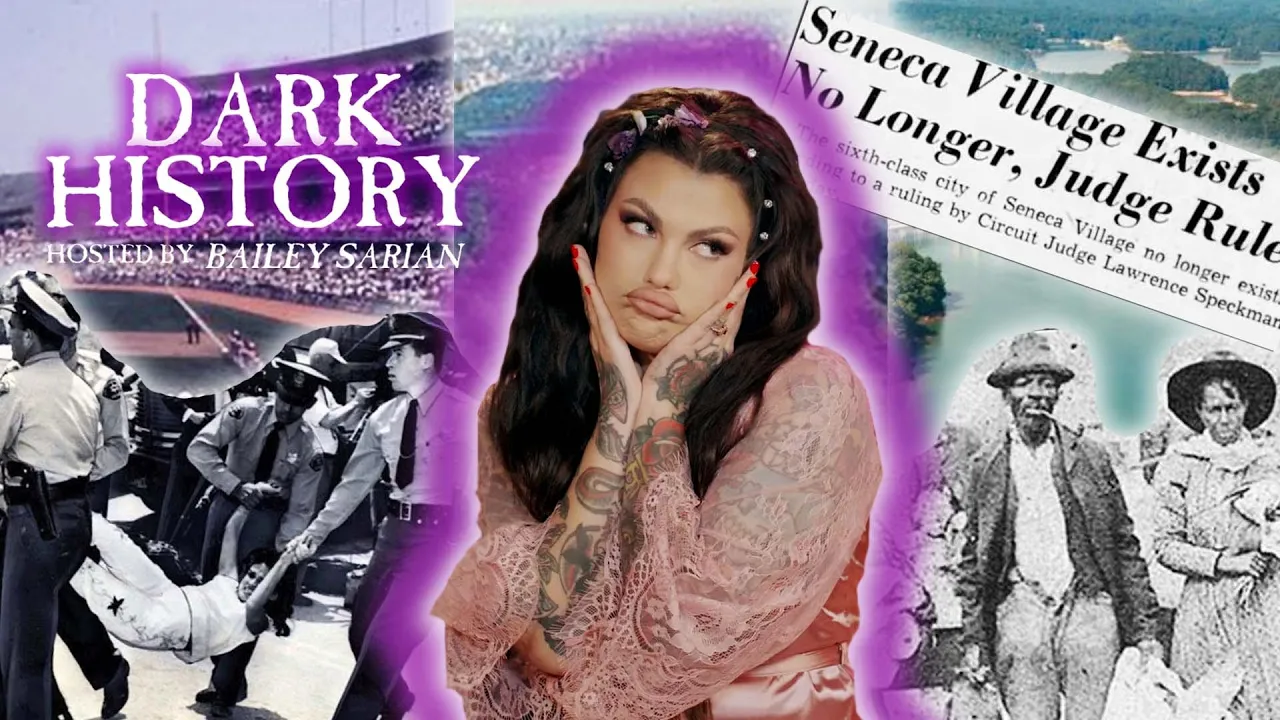


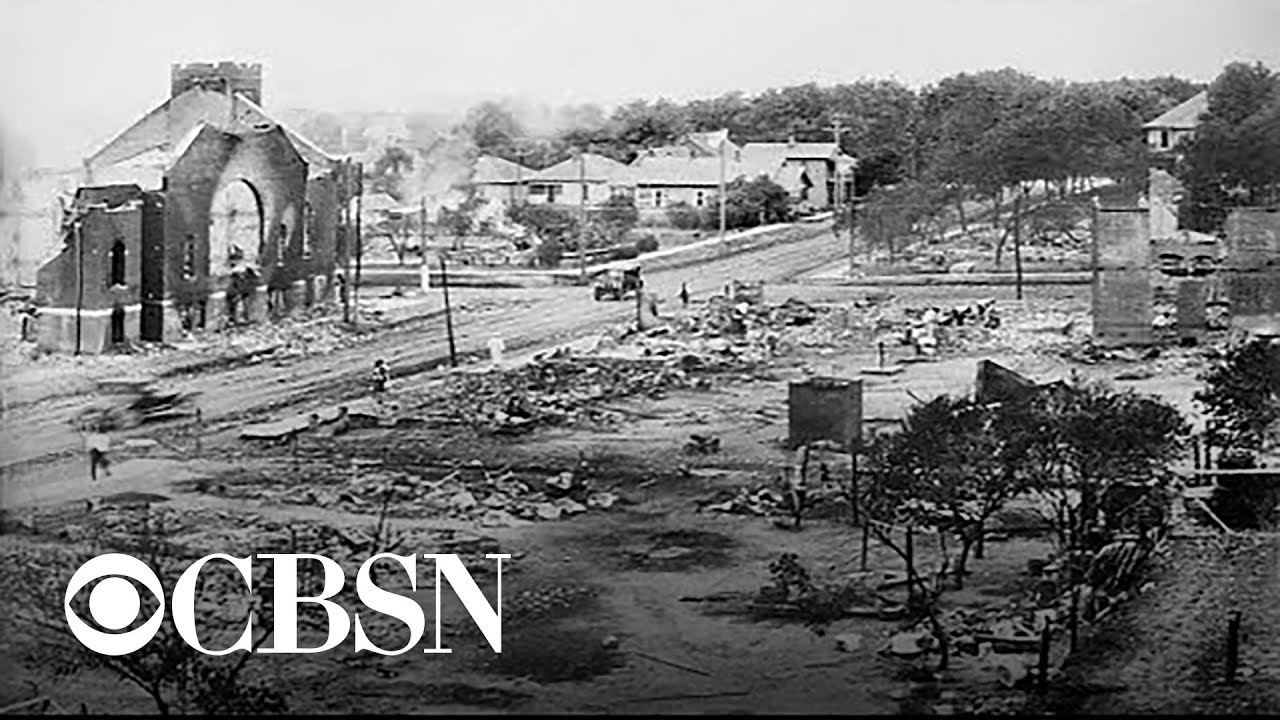

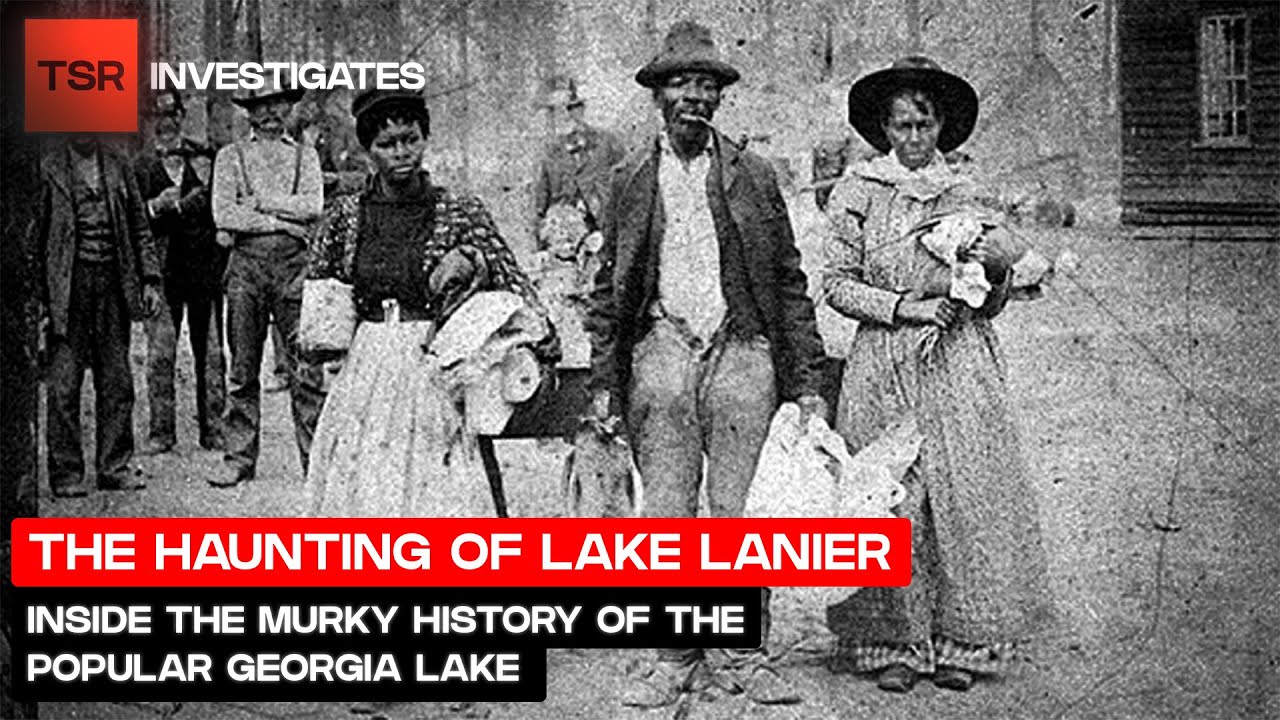
Oscarville was a thriving all-black community in Georgia formed during the Reconstruction era, known for its strong sense of community, 300 children attending black schools, and successful farming operations; however, in 1912, following the rape and death of a white woman, white night riders attacked the town, burning homes, churches, and lynching residents, forcing nearly all Black residents to flee or die, with many drowning at the Chattahoochee River, and the town was ultimately buried under Lake Lanier when the Buford Dam was constructed in the late 1950s, erasing much of its history from public memory.
Oscarville GA: The Black Town Erased by Lake Lanier's History
Added:The history of post-Reconstruction Black landownership and the rise of self-sustaining Black communities in the American South.
The 1912 racial conflict and subsequent expulsion of Black residents in Forsyth County, Georgia, which directly precipitated the decline of Oscarville.
The legal concept of Eminent Domain, detailing how governments acquire private property for public infrastructure projects like reservoirs.
The socio-economic landscape of the Jim Crow South, including racial terror and systemic disenfranchisement of African Americans.
The study of Environmental Racism and how historical infrastructure development disproportionately displaced marginalized communities.
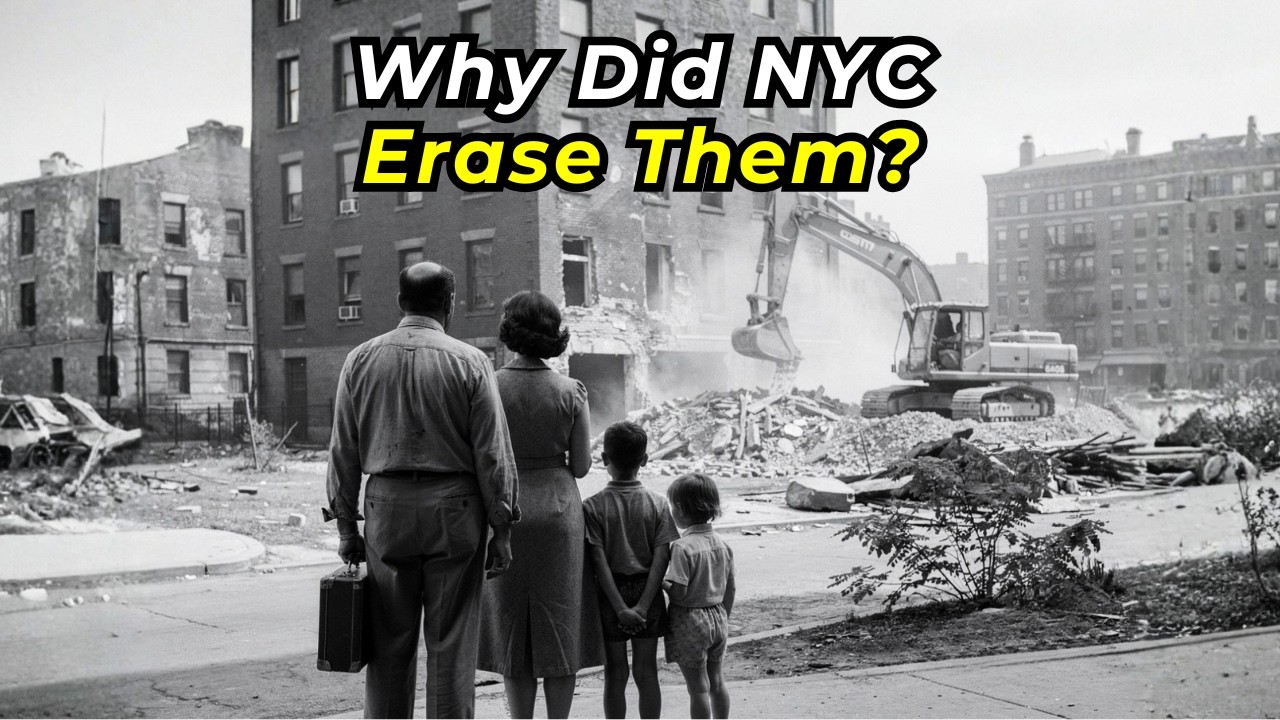
Comparative analysis of other 'submerged' or erased communities, such as Seneca Village in New York City or communities displaced by the Tennessee Valley Authority (TVA).
The politics of historical memory, exploring how public recreation spaces (like Lake Lanier) manage, ignore, or reconcile with traumatic histories.
Modern advocacy and legal frameworks surrounding land reparations, heirs' property rights, and restorative justice for descendants of displaced populations.
418.6K views5.2Klikes4:44Original Release: 2022-07-12
story all new at 5 30 we are taking a closer look at an all black town in georgia called oscarville yeah there's been a lot of talk about this on social media for the last few years and if you haven't heard of it it's probably because it no longer exists it's buried under lake lanier 11 alive's natasha givens has more when we started working on this story we set out to track down descendants of oscarville weeks later we found a family who could trace back their roots for generations they shared with us stories that were handed down about what the all black town was like including the night that led to its destruction it was set on fire by night riders after they say a white woman was raped then later it was covered by the body of water we now know as lake lanier may crow is buried here at this gainesville cemetery but the trail of destruction following her death stretches into the land surrounding forsyth county buried beneath these waves of lake lanier where in 1912 nearly every black resident was forced out that includes people living in an old black town called oscarville the community was formed in the late 1800s during the reconstruction era there was a very strong community feeling among the blacks about 300 kids children that went to some of the schools that were the black schools and it was closely connected to the churches georgia history teacher lisa crosby says oscar ville was a thriving black community full of carpenters blacksmiths and bricklayers but farming was the top trade so they really had kind of a miraculous farming growth here while the rest of the state was really struggling but then residents were abruptly forced off their land the flash point i think is 1912. this takes us back to the death of may crow the 19 year old white woman was found dead in the woods near oscarville presumably after being raped typically the answer to white girls being raped was go to the black community and just start blaming people by nightfall terror began to reign over oscarville so from there the rage and hatred in the community mobs got together and they were called knight riders and they were riding throughout oscarville and driving out the black community and the night turned deadly you know they were waking up by fires outside of fire bombs thrown in the church filmmaker bob mackey recaptures those horrific night in an upcoming television series anytime anything happened guess where everyone would go to the church well they attacked the church people were hung lynched mackey's series features stories of direct descendants like george rucker who can trace his family back four generations to oscarville he tells the story of his great grandfather bird oliver and the entire family being forced off their land night riders came through they had to leave everything the main thing they left was property and my grandfather had 100 acres rucker says many relatives died as they tried to flee so when they got to the chattahoochee river from what i understand they were told when the mob got up on the bridge they were told that they had to swim or drown most of them didn't make it my grandfather one of them that did make it he lost some brothers and sisters he says his relatives who survived settled in gainesville from what my mother told me married all of them he would sit and tell her that story and he would just sit and cry crosby says whites in the area took over the remaining properties she says oscarville farmers were specifically skilled in raising poultry which set the pace for gainesville eventually becoming poultry capital of the world we have a farm already going and you had free land so you just take it rucker says his great grandfather married his second wife beulah and they built this school that still stands in gainesville today by the late 1950s the beaufort dam was built and lake lanier was formed covering up oscarville and swallowing most of its history many believe lake lanier is haunted because of the high number of drownings we spoke to officials who tell us because there is an entire town that includes structures and even forest areas with trees that are 60 feet tall it makes it more difficult to navigate through and someone can easily become trapped in debris leading them to drowning we have so much more on this story on our website
Up Next

14:11
The Contested 1876 Election: Fraud, Compromise, and Legacy
@TheHistoryGuyChannel
258.2K views•2022-02-04

33:02
The Great Schism of 1054: Causes and Consequences
@SacredCathedrals
113.5K views•2026-02-19

91:57
The Geopolitics of the Ukraine War and the Rise of Global Autocracy
@JordanHarbingerShow
468K views•2025-04-19

17:05
Understanding the Cold War: Superpower Conflicts and the Road to Détente
@OverSimplified
46.1M views•2019-01-24
Related Study Plans & Knowledge Roadmaps
Structured learning paths in History
history
Byzantine Iconoclasm: Theology, Art & Politics
01Foundations of Byzantium and Early Christian Images
02The First Iconoclasm: Leo III and the Crisis of Images
03Empress Irene, Nicaea II, and the Second Iconoclasm
+ 2 more learning modules
9h5 modules
Explore Roadmap
history
Iranian Revolution (Causes, Events & Legacy)
01The Pahlavi Dynasty and the Roots of Discontent
02The Spark of Rebellion and the Rise of Khomeini
031979: The Fall of the Shah and the Climax of the Revolution
+ 2 more learning modules
8h5 modules
Explore Roadmap
history
Mali Empire: Mansa Musa, Trade & Timbuktu
01Foundations of the Mali Empire
02The Trans-Saharan Gold and Salt Trade
03The Reign and Pilgrimage of Mansa Musa
+ 1 more learning modules
6h4 modules
Explore Roadmap
history
1947 Partition: Politics, Borders & Legacies
01Foundations of British India and the Divide
02The Political Negotiations and the Mountbatten Plan
03Drawing the Boundary: The Radcliffe Line
+ 2 more learning modules
8h5 modules
Explore Roadmap