












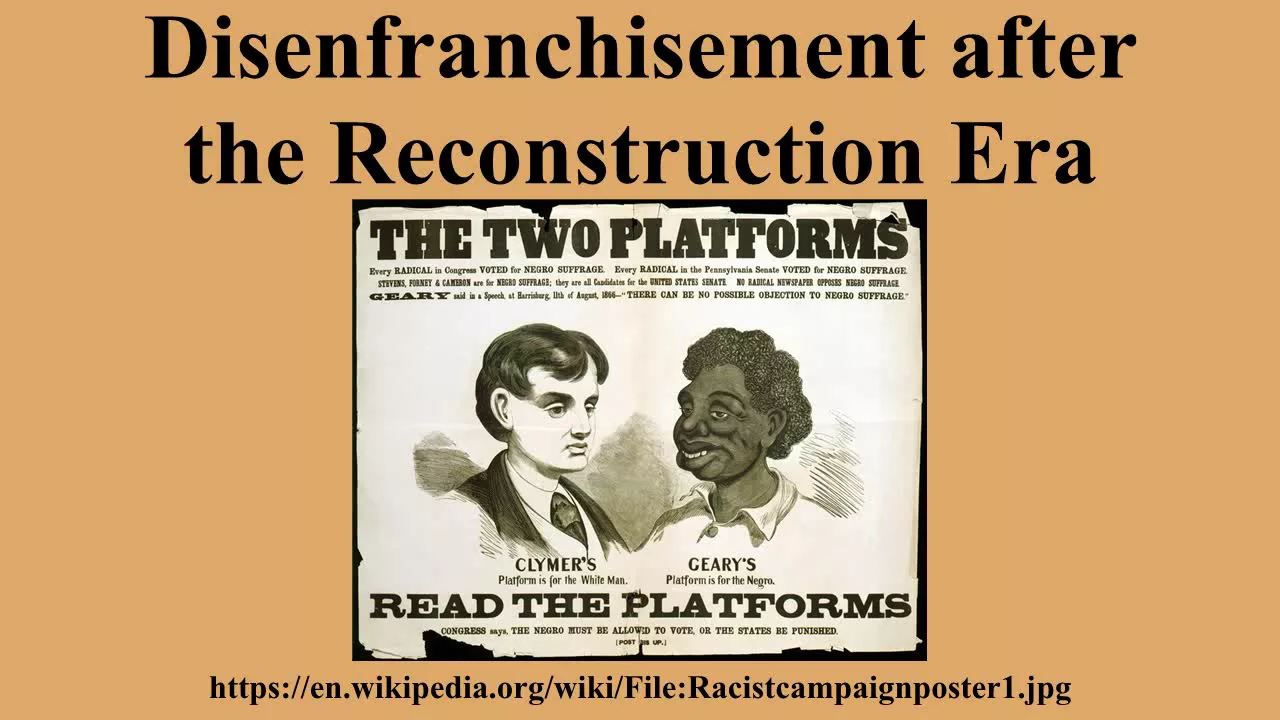





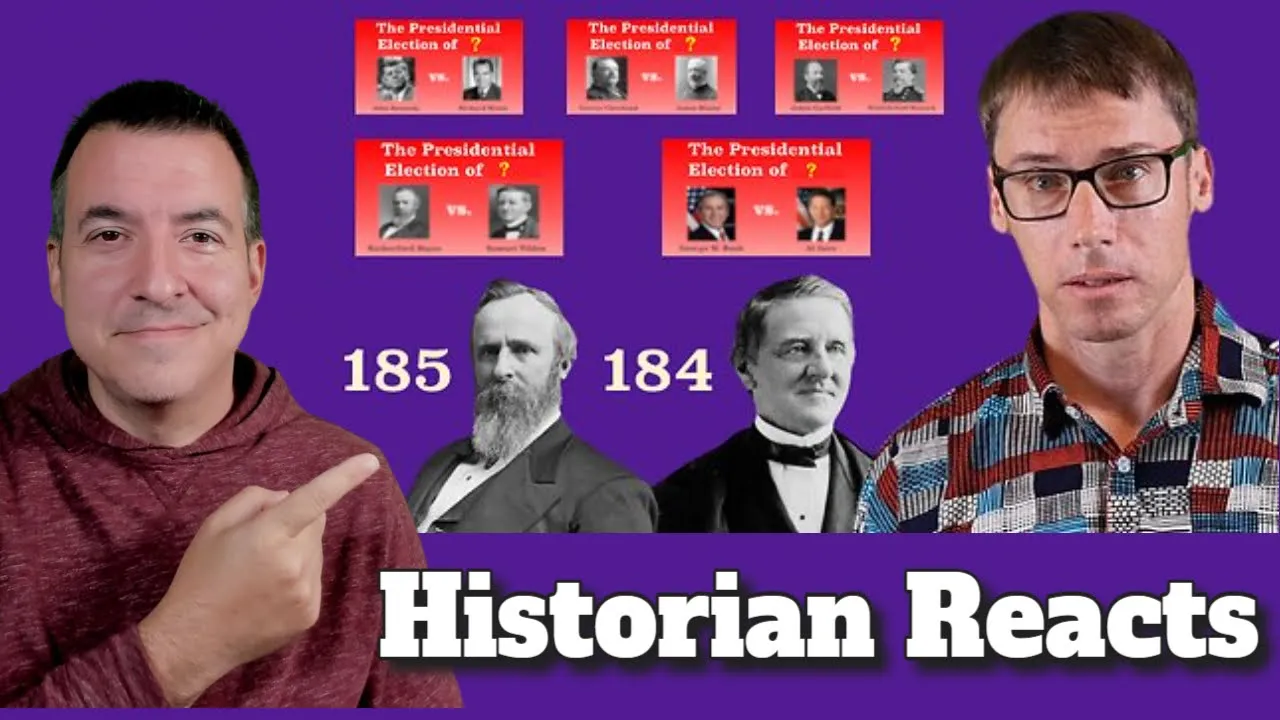



The 1876 U.S. presidential election between Rutherford B. Hayes and Samuel Tilden was the most contested and corrupt in American history, resulting in an unprecedented Electoral College deadlock (184-185) that required the creation of an Electoral Commission to resolve. This commission, composed of five Supreme Court justices, five Senators, and five Representatives, awarded all disputed electoral votes to Hayes, effectively ending Reconstruction and leading to the Compromise of 1877, which removed federal troops from the South and allowed Southern states to disenfranchise African-American voters for nearly a century.
The Contested 1876 Election: Fraud, Compromise, and Legacy
Added:The political and social structure of the Reconstruction Era (1865–1877) following the American Civil War.
The mechanics of the United States Electoral College system, including how electoral votes are allocated and disputed.
The passage and intent of the Reconstruction Amendments (13th, 14th, and 15th Amendments) regarding citizenship and voting rights.
The ideological differences and regional dominance of the Republican Party (the 'party of Lincoln') and the Democratic Party in the 1870s.
The terms and immediate consequences of the Compromise of 1877, which resolved the election and ended Reconstruction.
The rise of Jim Crow laws, racial segregation, and the systematic disenfranchisement of African Americans in the post-Reconstruction South.
The passage of the Electoral Count Act of 1887, designed to prevent future electoral crises and clarify how Congress counts electoral votes.
A comparative analysis of other disputed presidential elections in U.S. history, such as the elections of 1800, 1824, 2000, and 2020.
258.2K views12.9Klikes14:11Original Release: 2022-02-04
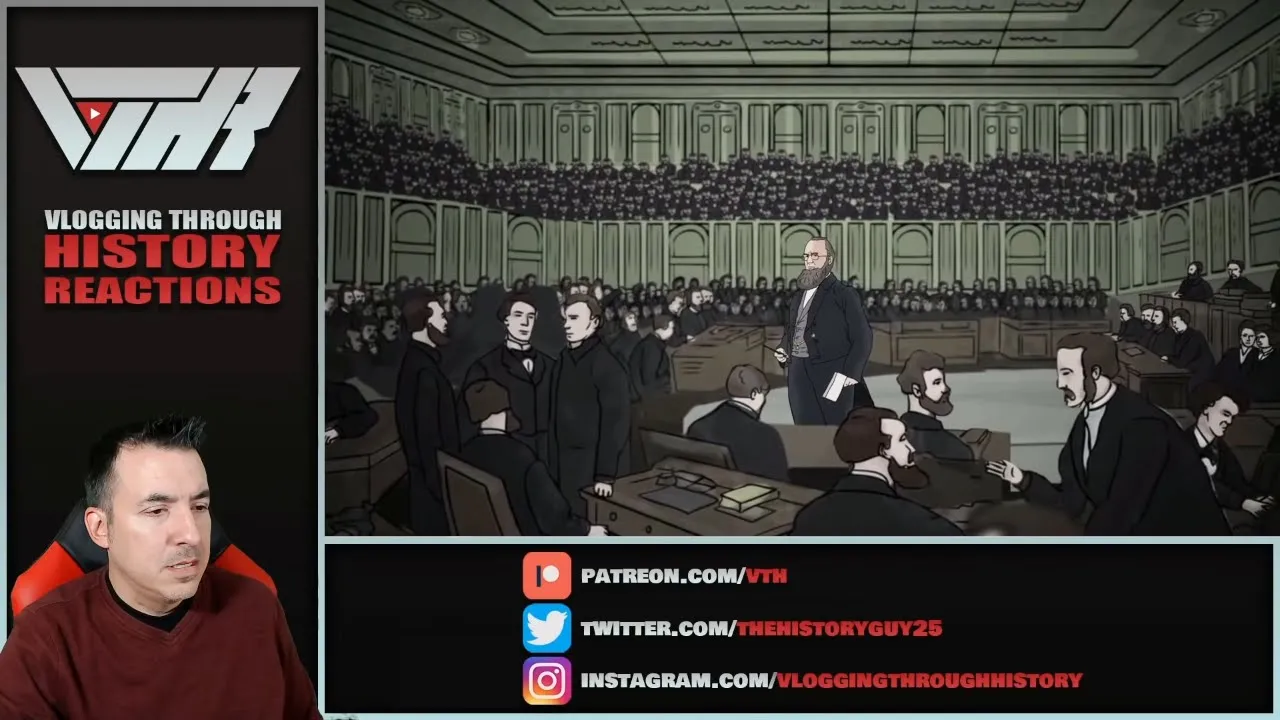
[Music] a century after the signing of the declaration of independence the nation which had managed to survive the civil war faced a new challenge the most contested and probably most corrupt presidential election in the nation's history full of accusations of and actual fraud the results were so uncertain and contested that the impasse could only be met with unprecedented solutions and those solutions that have an enormous impact on an indian era of american history it is history that deserves to be remembered the elections after the civil war proved that the divided nation was far from healed grants 1868 victory was considered slammed by contemporary observers black suffrage remained one of the most contentious issues with southern states hoping to suppress the vote on the state level grant supported suffrage for the freedmen and he won a majority of their half million votes while grant won handily in 1872 foreboding signs abounded arkansas and louisiana's votes were thrown out due to irregularities in 1874 president grant sent troops to louisiana to stamp out an armed uprising against the republican government there and in january of 1875 that commander seized the state house to expel democrats and preserve a republican majority grant's second term however was haunted by corruption scandal and the long depression which began after the panic of 1873.
grant chose not to run for a third term but it was unclear who would succeed him in 1874 the democrats had won controlled the house for the first time since the civil war and set the stage for a very different election in 1876 the republican convention struggled to find a candidate with the popular james blaine unable to secure a majority ultimately ohioan rutherford b hayes was selected as a compromise an affable but not especially charismatic character henry adams grandson of president john quincy adams and great grandson of john adams said of hayes that he is a third-rate non-entity whose recommendations are that he is obnoxious to no one the democrats chose samuel tilden whose reform efforts contrasted against the corruption that plagued grant's administration as was traditional neither candidate actively campaigned but party operatives were active across the country both platforms focused on honesty and reform mudslinging was a common feature of the campaign tilden supporters lampoon grant scandals while republicans charged the democrats as being the same in character and spirit as when it's sympathized with treason that tactic democrats dismissed as waving the bloody flag this was reflected in the candidates as well hayes was a union veteran and was wounded five times during the war after the war he'd served as a representative from ohio before being elected governor of that state and promised reform that he would only serve one term tilden was a long-time politician and lawyer from a wealthy new york family who had become a protege of martin van buren he supported the union during the war and was known for having turned against the corrupt machinery of tammany hall as governor of new york he had publicly battled corruption breaking up the canal ring opponents said tilden was a drunkard who planned on using the presidency to pay off southern deaths while others accused hayes of stealing money from his fellow soldiers toward the end of the campaign republicans allege that tilden meant to secure federal pensions for confederate soldiers and pay southerners for property lost in the war the democratic house had in fact fired many of the house clerks and other officials and replaced them with confederate veterans already fraud was rampant in 19th century elections state machines regularly purchased votes played voters with food and drink and regularly stuffed or tampered with ballot boxes floaters were people who voted for more than one party while repeaters voted more than once some were even advised to cut their beards several times on election day so that they could pretend to be a new voter ballots were often public and some even employed voice voting thanks to low literacy rates even during reconstruction the south saw serious incidence of voter suppression with groups like the kkk and the red shirts using mob violence lynching and intimidation to keep african-americans from the polls they would sometimes simply refuse to allow republicans to put their ballot in the box or would trick illiterate men into voting for the democratic candidate the red shirts and similar groups such as the white league use violence liberally in louisiana the white league forced six republican office holders to resign in 1874 and then killed them along with a number of freedmen that same year white league members actually rounded 3 500 police and militia and seized the louisiana state house in the carolinas redshirts employed intimidation and violence wearing red shirts as an implicit threat in 1876 the democratic organizer in south carolina required his supporters to wear red shirts at party functions one anti-reconstruction historian estimated that 150 african americans were killed in south carolina during the campaign years afterwards a redshirt leader would say that we went to battle was then that we shot them it was then that we killed them it was then that we stuffed ballot boxes november 7th 1876 election day was generally quiet but voting across the country and especially the south was corrupted by enormous and determined efforts to win the election unfairly by both sides by the evening of election day however things were looking grim for hayes so grim that the party chairman had taken a bottle of whiskey to bed but in new york city the controversial daniel sickles stopped by a depressed and nearly empty republican national headquarters to examine the returns though tilden had a large lead sickles noticed that if three particular close states held to hayes he would become president by a single electoral vote sickle sent telegrams under the names of the absent party chairman with your state sure for hayes he is elected hold your state november eighth was a day of mixed celebration the buffalo courier read glory tilden triumphant while the new york times had results still uncertain this was thanks to reports from those states that sickles had sent telegrams to the night before louisiana south carolina and florida as well as oregon the results in all four states were already in dispute the vote counts were incredibly close with south carolina going to haze by less than a thousand votes florida to tilden by only 100 in louisiana to tell them by 6 000 votes oregon was a special case hazard clearly won the state but one of the chosen electors was a postmaster and the constitution says electors cannot be government employees though he resigned the democratic governor replaced him with a tilden elector though tilden seemed to have won the popular vote with a solid majority of 250 000 votes the electoral count was undecided 185 votes were needed to win and without the disputed states tilden had 184 de hayes's 165 with 20 in dispute almost immediately party operatives were sent to the three southern states to examine the counts and influence them in any way they could hayes and tilden stayed out of the groin fray hayes believing that he lost wrote that he could remain in columbus where the cousins and friends live newspapers across the country were declaring for one or the other and stoking controversies or selling papers faster than hotcakes reports were conflicting with a shouting multitude rushing to hayes when at one point a claim came in that tilden had lost his home state of new york it was an important election a record 81 percent of eligible voters had voted but of course there were legitimate issues with the counts in south carolina more than 100 percent of elegant voters had somehow voted and it was no secret that intimidation and outright fraud were rampant governments in all three states were in limbo as candidates for both parties claimed to be the legitimate elected government but the early returns meant little all three southern states had to have those tallies reviewed by returning boards which were all controlled by republicans who had the power to throw out votes if they deemed them fraudulent one republican dashed south with a letter to hayes saying he meant to aid in preventing our being defrauded what we have fairly won hayes believed that the southern states were carried with fraud and violence by democrats and that if the election had been fair he would have won both the electoral college and the popular vote he feared that contesting the results might cause further issues indeed the country was awash in talk of a possible second civil war and president grant ordered several regiments secretly into dc to maintain order even while republican agents were throwing down with democrats by whatever means necessary hayes insisted he wanted no taint of dishonesty in canvassing the votes in florida one historian wrote it was impossible to determine who would have won a fair election democratic ballots with republican insignia abounded and rural areas had the results delayed and altered if necessary lou wallace writer of ben hur and a civil war veteran went to florida at hayes behest and was dismayed at what he saw nothing is so common as the resort to perjury unless it is violence if we win our methods are subject to impeachment for possible fraud if the enemy win it is the same thing exactly though tilden was as concerned about honesty's haze tilden's nephew william pelton was trying to buy off members of the returning boards in south carolina two counties votes were invalidated handing the state to hayes and the state government to republicans the democrats set up a rival government in louisiana j madison wells chair of the returning board likely negotiated for a payment from his own party to compete with the offer from tilden's nephew fifteen thousand votes thirteen thousand of them democratic were thrown out the returning board from florida reported hayes the winner as well on december 6th when the states officially cast their ballots all four disputed states saw electors from both parties attempt to have their votes recorded now more wrinkles face the nation the constitution says that electoral college votes be directed to the president of the senate who shall in the presence of the senate and house of representatives open all the certificates and all the votes shall then be counted but who exactly decided which votes to count when conflicting votes arrived to make the situation worse the president of the senate is the vice president however there was no vice president as henry wilson had died in 1875. the acting senate president was republican thomas ferry who chose to sidestep the issue and refused to make the decision democrats allegedly thought all of congress should vote on the issue secured that they had the majority meanwhile all kinds of politicians worked behind the scenes to jockey the way into a commanding position roscoe conkling a new york republican disliked hayes and approached children surreptitiously another man claimed that he had 36 democratic votes in the house that could support hayes if the south was given home rule and the last federal troops were removed while others suggested promising money to the texas and pacific railroad to earn southern votes to solve the issue committees propose something unprecedented to decide the election an electoral commission to have five representatives five senators and five members of the supreme court the commission would be evenly split between democrats and republicans with the fifth supreme court member to be an independent chosen by the justices of the court expected to be david davis who would then decide the election democrats were especially supportive of the commission but opposition was rife as well tilden supported it though he didn't and hayes came around to it after first complaining that it was a surrender a final bit of intrigue threw everything back in the air davis in addition to being a supreme court justice was then running on the greenback party for the senate in illinois tilden's nephew pelton suggested giving davis democratic support which would earn him the senate seat that he had no chance at otherwise getting peliton believed that he was purchasing davis support but it was a colossal miscalculation davis refused to serve on the commission since he was taking the senate seat he was replaced by justice joseph bradley a republican from then the results were never especially in doubt though democrats argue that the returning board's conclusion should be ignored the votes in the commission went straight along party lines giving haze the votes eight to seven each time it is possible although not universally agreed that a back room an unwritten deal among congressmen called the compromise of 1877 actually decided the election democrats continued to try and halt the official count through filibustering techniques which lasted until march second only two days before the presidential inauguration the compromise stated that the last federal troops would leave the south one southern democrat would be appointed to the cabinet a texas and pacific railroad would be built and money would be given to the south to revitalize its economy north would let the south deal with african americans as they desired but it isn't universally accepted that the deal really happened he had already advocated for southern home rule and promised to appoint a southerner to his cabinet additionally he did not provide money to the south florida's economy nor back the texas pacific railroad hayes was confirmed formally at 4 10 a.m on march 2nd after all the shouting and arguing hayes was officially inaugurated on march 5th 1877 peacefully although angry democrats refer to him as your fraudulency he removed federal troops from the south appointed a southern democrat to his cabinet and then pretty much carried on like normal tilden never contested the election the southern states threw out their republican governments installed their own and proceeded to do anything and everything they could think of to disenfranchise the african-american vote and vocally support racist and segregationist policies that would continue into the 1960s officially hayes won by a single electoral vote 185-184 the closest decision in electoral college history the 1876 election and extraordinary methods used to resolve that election profoundly affected american politics and drew many of the lines that would define the parties through much of the next century i hope you enjoyed this episode of the history guy check out our community on the historyguyguild.locals.com our webpage at thehistoryguy.com and our merchandise at teespring.com or book a special message from the history guy on cameo and if you'd like more episodes of forgotten history all you have to do is subscribe [Music] you
Up Next

8:04
The Compromise of 1877: End of Reconstruction Explained
@audiopedia5493
2.2K views•2015-10-26

33:02
The Great Schism of 1054: Causes and Consequences
@SacredCathedrals
113.5K views•2026-02-19

15:08
The Evolution of Elevators: From Ancient Lifts to Skyscrapers
@TheHistoryGuyChannel
436.7K views•2020-01-08
17:05
Understanding the Cold War: Superpower Conflicts and the Road to Détente
@OverSimplified
46.1M views•2019-01-24
Related Study Plans & Knowledge Roadmaps
Structured learning paths in History
history
Byzantine Iconoclasm: Theology, Art & Politics
01Foundations of Byzantium and Early Christian Images
02The First Iconoclasm: Leo III and the Crisis of Images
03Empress Irene, Nicaea II, and the Second Iconoclasm
+ 2 more learning modules
9h5 modules
Explore Roadmap
history
Iranian Revolution (Causes, Events & Legacy)
01The Pahlavi Dynasty and the Roots of Discontent
02The Spark of Rebellion and the Rise of Khomeini
031979: The Fall of the Shah and the Climax of the Revolution
+ 2 more learning modules
8h5 modules
Explore Roadmap
history
Mali Empire: Mansa Musa, Trade & Timbuktu
01Foundations of the Mali Empire
02The Trans-Saharan Gold and Salt Trade
03The Reign and Pilgrimage of Mansa Musa
+ 1 more learning modules
6h4 modules
Explore Roadmap
history
1947 Partition: Politics, Borders & Legacies
01Foundations of British India and the Divide
02The Political Negotiations and the Mountbatten Plan
03Drawing the Boundary: The Radcliffe Line
+ 2 more learning modules
8h5 modules
Explore Roadmap