



![History of Reconstruction [1865-1877]](https://i.ytimg.com/vi/uB7rlj9u27M/maxresdefault.jpg)

















![The Civil Rights Movement in the 1940s & 1950s [APUSH Review Unit 8 Topic 6] Period 8: 1945-1980](https://i.ytimg.com/vi_webp/fDctQg84TWY/maxresdefault.webp)
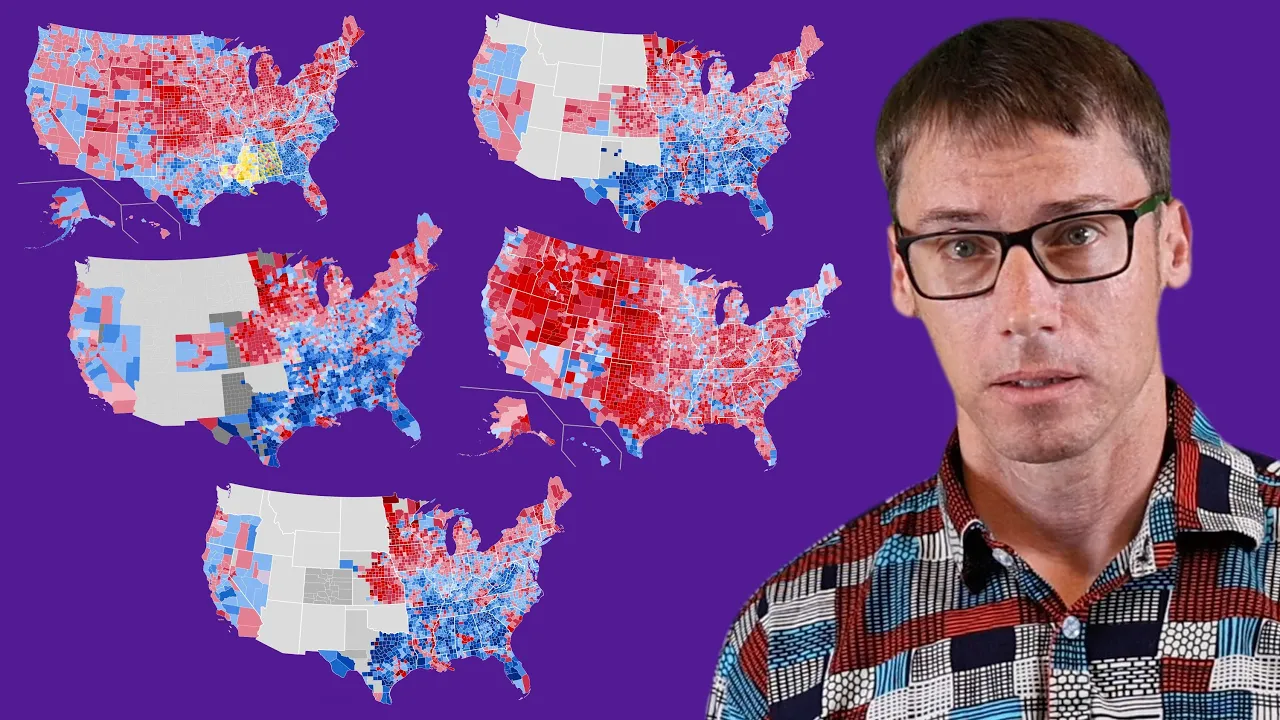
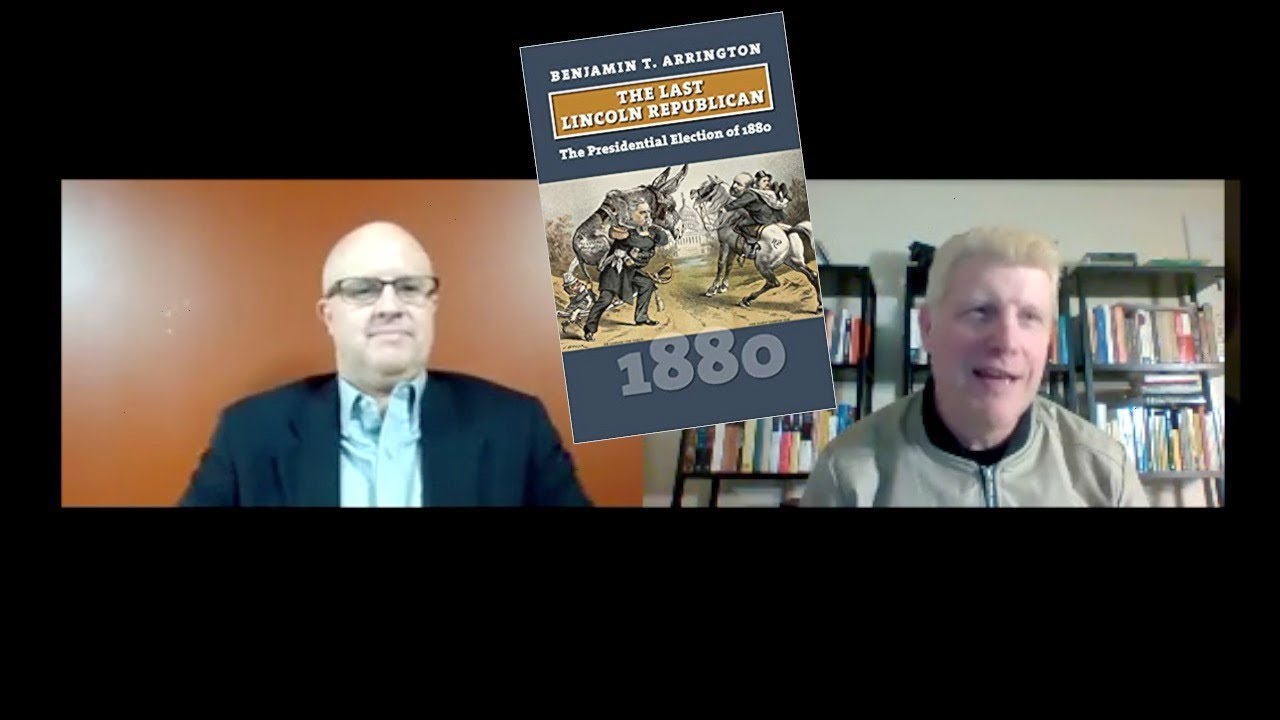
The Compromise of 1877 was an informal political agreement that resolved the disputed 1876 U.S. presidential election by awarding Republican Rutherford B. Hayes the presidency over Democrat Samuel J. Tilden in exchange for removing federal troops from the South and ending Reconstruction; this compromise allowed Southern Democrats to accept Hayes's presidency while effectively abandoning Black Republicans to disenfranchisement, thereby cementing Democratic Party dominance in the South for nearly a century.
The Compromise of 1877: End of Reconstruction Explained
Added:The core objectives, achievements, and challenges of the Reconstruction Era (1865–1877) following the American Civil War.
The significance of the Reconstruction Amendments (13th, 14th, and 15th Amendments) in redefining citizenship and voting rights.
The political polarization of the Era, specifically the divide between Radical Republicans in the North and Democratic 'Redeemers' in the South.
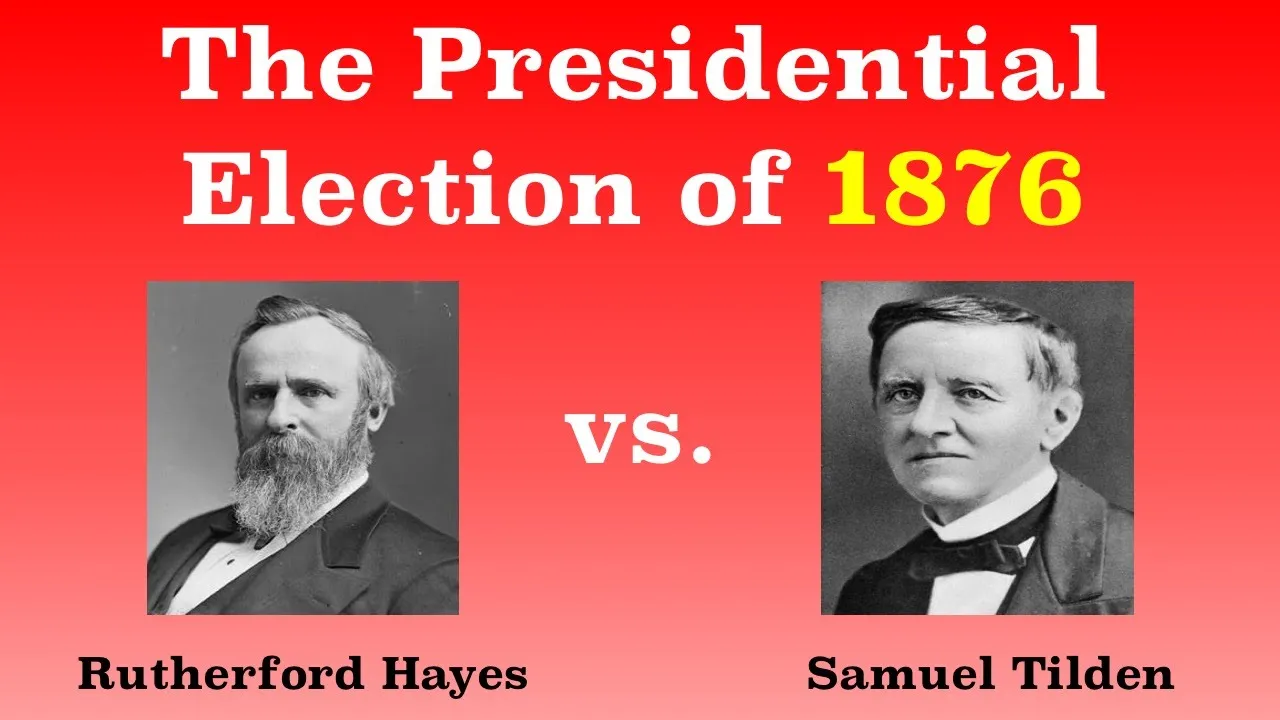
The highly contested U.S. Presidential Election of 1876 between Rutherford B. Hayes and Samuel J. Tilden, which resulted in disputed electoral votes.
The immediate withdrawal of federal troops from the South and the subsequent rise of 'Jim Crow' laws and institutionalized racial segregation.
The systematic disenfranchisement of Black voters in the South through poll taxes, literacy tests, and grandfather clauses.
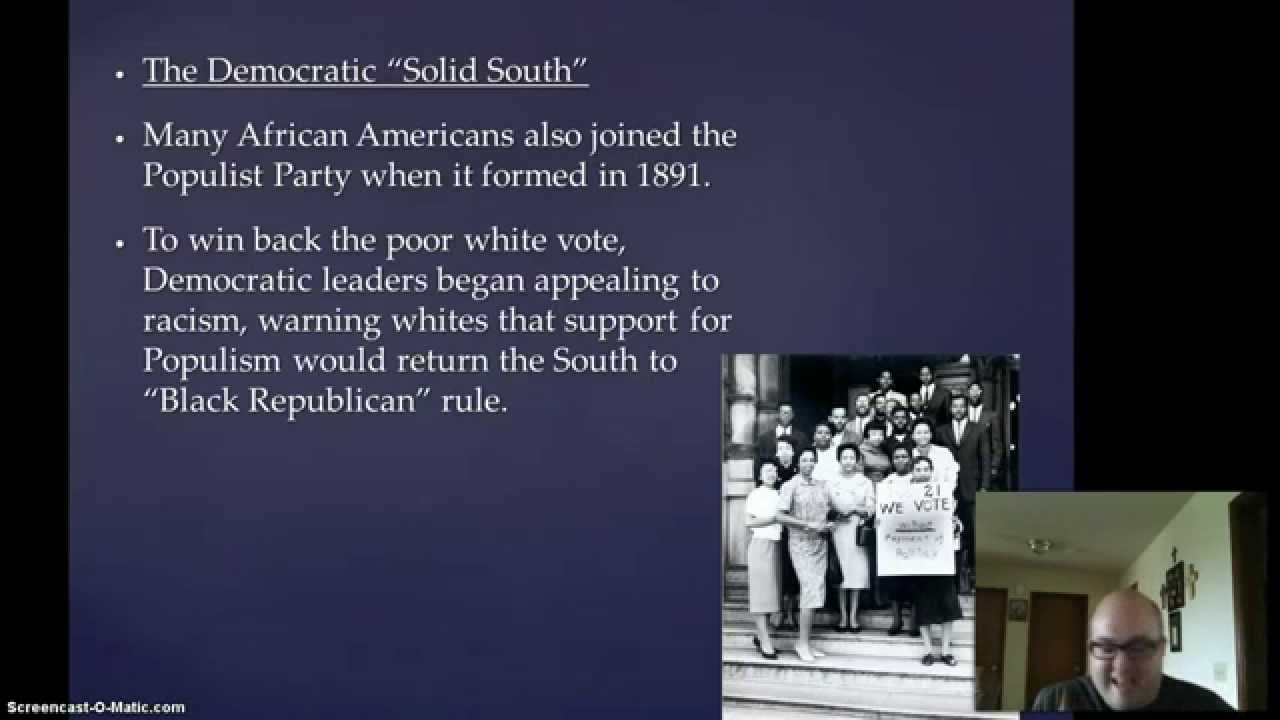
The emergence of the 'Solid South' political alignment, which secured Democratic Party dominance in Southern states for nearly a century.
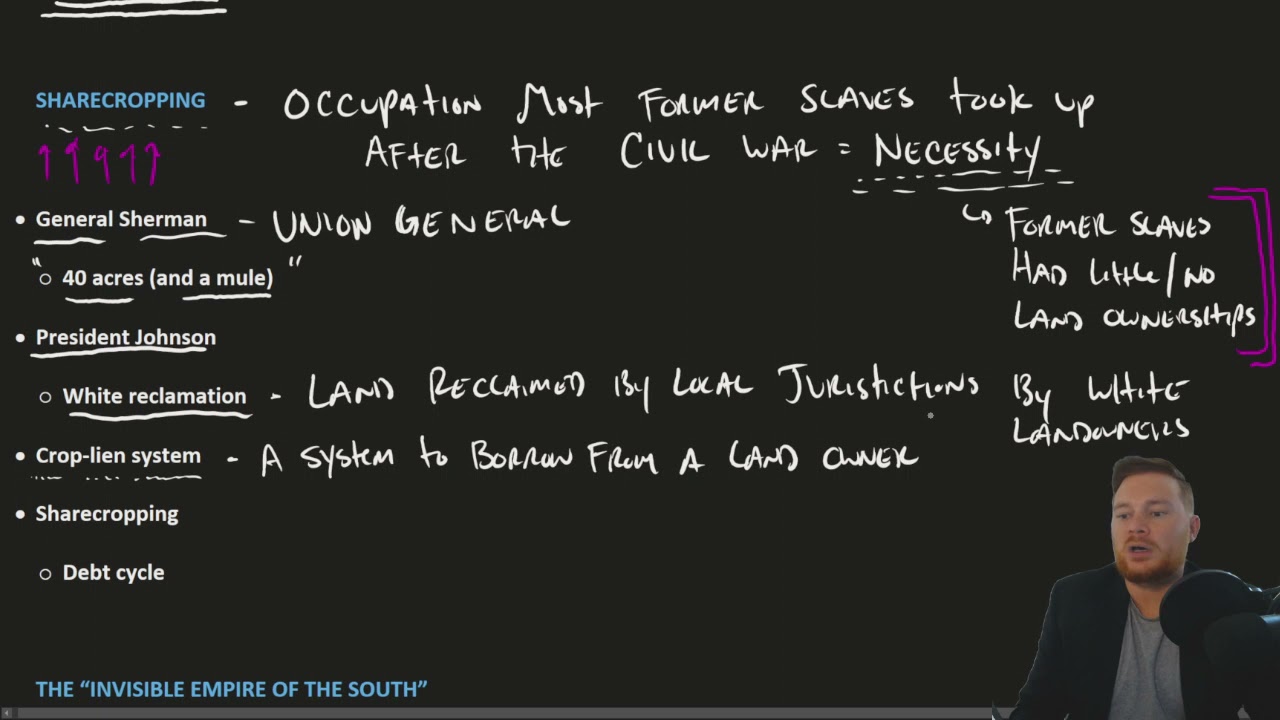
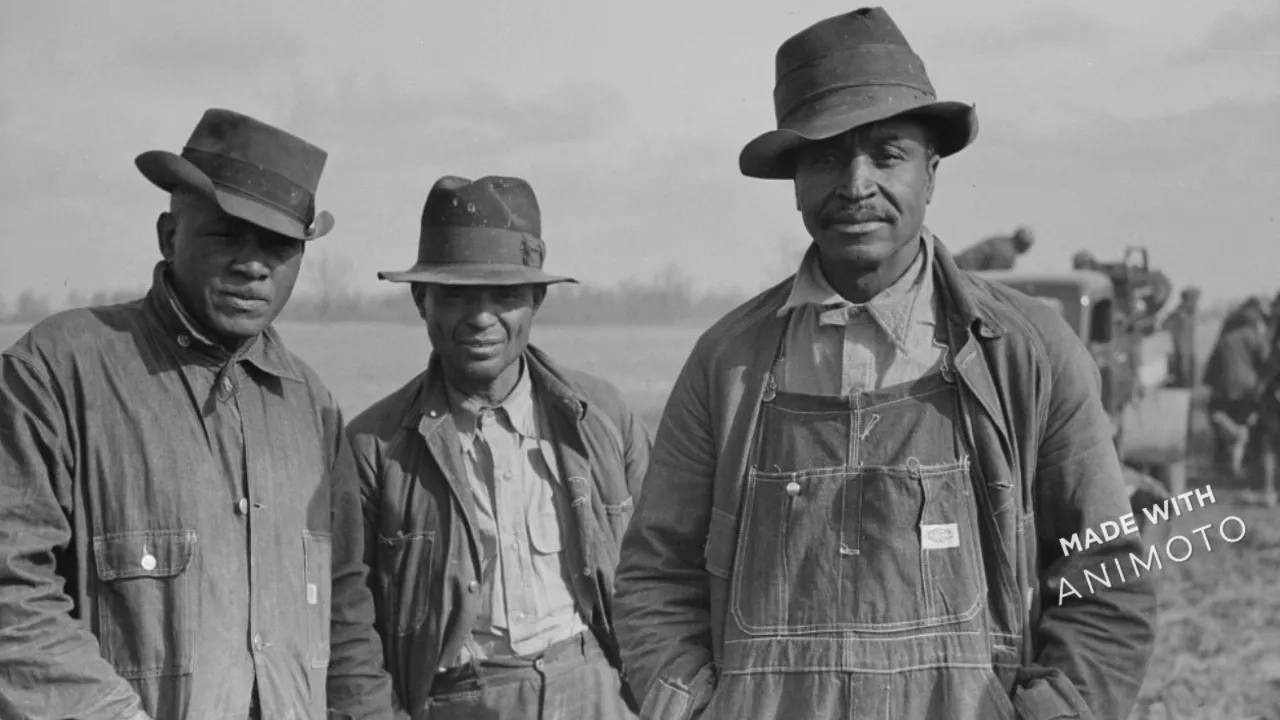
The economic shift to sharecropping and tenant farming, which economically bound formerly enslaved people to white landowners.
The long-term legal battles leading to Plessy v. Ferguson (1896) and the eventual mid-20th-century Civil Rights Movement to reclaim Reconstruction-era promises.
2.2K views7likes8:04Original Release: 2015-10-26
The Compromise of 1877 was a purported informal, unwritten deal that settled the intensely disputed 1876 U.S. presidential election, pulled federal troops out of state politics in the South, and ended the Reconstruction Era.
Through the Compromise, Republican Rutherford B. Hayes was awarded the White House over Democrat Samuel J. Tilden on the understanding that Hayes would remove the federal troops whose support was essential for the survival of Republican state governments in South Carolina, Florida and Louisiana. The compromise involved Democrats who controlled the House of Representatives allowing the decision of the Electoral Commission to take effect. The outgoing president, Republican Ulysses S. Grant, removed the soldiers from Florida. As president, Hayes removed the remaining troops in South Carolina and Louisiana.
As soon as the troops left, many white Republicans also left and the "Redeemer" Democrats took control. What exactly happened is somewhat contested as the documentation is scanty. Black Republicans felt betrayed as they lost power and were disenfranchised in the coming decades.
Terms of compromise Democrats complained loudly that Tilden had been cheated. There was talk of forming armed units that would march on Washington. President Grant beefed up military security in response, and no one marched on Washington. The compromise essentially stated that Southern Democrats would acknowledge Hayes as president, but only on the understanding that Republicans would meet certain demands. The following elements are generally said to be the points of the compromise: The removal of all U.S. military forces from the former Confederate states. U.S.
troops remained in only Louisiana, South Carolina, and Florida, but the Compromise finalized the process. The appointment of at least one Southern Democrat to Hayes's cabinet. The construction of another transcontinental railroad using the Texas and Pacific in the South.
Legislation to help industrialize the South and get them back on their feet after the loss during the Civil War. In exchange, Democrats would peacefully accept Hayes's presidency. Results Hayes was peacefully inaugurated; points 1 and 2 did take effect. As regards the first and most important point, Hayes had already announced his support for the restoration of "home rule", which would involve troop removal, before the election. It was also not unusual, nor unexpected, for a president, especially one so narrowly elected, to select a cabinet member favored by the other party. As for #3 and #4, if indeed there was any such firm agreement, they were never acted on. In any case, whether by an informal deal or simply reassurances already in line with Hayes's announced plans, talks with Southern Democrats satisfied the worries of many and so prevented a Congressional filibuster that had threatened to extend resolution of the election dispute beyond Inauguration Day 1877. Woodward argues for an economic interpretation, whereby railroad interest meeting secretly at the Wormley Hotel in Washington forged a compromise with aid to Southern railroads as the sweetener. However, no serious effort was made to fund a railroad or provide other federal aid. An opposing interest group representing the Southern Pacific successfully thwarted Scott's Texas and Pacific scheme and ultimately ran its own line to New Orleans. Interpretations Some historians argue that the assurances offered to some Southern Democrats to prevent a filibuster were not a "compromise" but a foregone conclusion. Peskin admits that Woodward's interpretation is almost universally accepted but since not all terms were met it should not be called a compromise. Other historians argue that the Republican Party abandoned Southern blacks to the rule of the racist Democratic Party in order to gain the support of Democrats. In any case, Reconstruction ended, and the supremacy of the Democratic Party in the South was cemented with the ascent of the "Redeemer" governments that displaced the Republican governments. After 1877, support for white supremacy generally caused the South to vote for Democrats in elections for U.S. federal office until 1966, becoming known as the "Solid South". In The Mexicanization of American Politics: The United States' Transnational Path from Civil War to Stabilization, Downs rejects the idea that it was an era of easy reconciliation and political stability. Instead he shows many Americans feared "Mexicanization" of politics, whereby force would be used to settle a presidential election, as force was used to settle state elections in the South.
Downs explores how Mexicanization was roundly rejected and stability was achieved. Whatever "deals" may or may not have taken place, in formal legal terms, the election of 1876 was not decided by such acts, but by the official vote of Congress to accept the recommendations of the Electoral Commission they themselves had set up as a way out of the election impasse. The expectation in setting up the committee had been that its decisions would be accepted by Congress. It was only when certain Democrats disagreed with the commission's decisions in favor of Hayes that this arrangement was jeopardized. This group threatened a filibuster that would prevent the agreed upon vote from even taking place. Discussions of the points in the alleged "compromise" only concerned convincing key Democrats not to acquiesce in a filibuster. The very threat of a filibuster—a measure used by a minority to prevent a vote—indicates that there were already sufficient votes for accepting the commission's recommendations.
References Further reading Clendenen, Clarence C.. "President Hayes' "Withdrawal" of the Troops: An Enduring Myth". The South Carolina Historical Magazine 70: 240–250.
DeSantis, Vincent P. "Rutherford B. Hayes and the Removal of the Troops and the End of Reconstruction" in Region, Race and Reconstruction edited by Morgan Kousser and James McPherson. pp. 417-50. Downs, Gregory P. "The Mexicanization of American Politics: The United States' Transnational Path from Civil War to Stabilization," American Historical Review Vol. 117, No. 2, pp 387-409 in JSTOR Frantz, Edward O. The Door of Hope: Republican Presidents and the First Southern Strategy, 1877–1933 Peskin, Allan. "Was There a Compromise of 1877?," Journal of American History 60#1 pp. 63-75 in JSTOR Polakoff, Keith Ian. The Politics of Inertia: The Election of 1876 and the End of Reconstruction Riddleberger Patrick W. "The Radicals' Abandonment of the Negro During Reconstruction," Journal of Negro History 45#2 pp. 88-102 in JSTOR Simpson, Brooks D. "Ulysses S. Grant and the Electoral Crisis of 1876-1877," Hayes Historical Journal 11#2 pp 5-22. Woodward, C. Vann. Reunion and Reaction: The Compromise of 1877 and the End of Reconstruction. Oxford University Press.
External links Samueltilden.com: History of Samuel J.
Tilden website Rbhayes.org: R. B. Hayes Presidential Library Southernspaces.org: "Corporations, Corruption, and the Modern Lobby: A Gilded Age Story of the West and the South in Washington, D.C." — by Richard White in Southern Spaces.
Up Next

9:32
Sharecropping After Emancipation: A Former Sharecropper's Story
@yourstory08
56.2K views•2010-09-25

33:02
The Great Schism of 1054: Causes and Consequences
@SacredCathedrals
113.5K views•2026-02-19

91:57
The Geopolitics of the Ukraine War and the Rise of Global Autocracy
@JordanHarbingerShow
468K views•2025-04-19
17:05
Understanding the Cold War: Superpower Conflicts and the Road to Détente
@OverSimplified
46.1M views•2019-01-24
Related Study Plans & Knowledge Roadmaps
Structured learning paths in History
history
Byzantine Iconoclasm: Theology, Art & Politics
01Foundations of Byzantium and Early Christian Images
02The First Iconoclasm: Leo III and the Crisis of Images
03Empress Irene, Nicaea II, and the Second Iconoclasm
+ 2 more learning modules
9h5 modules
Explore Roadmap
history
Iranian Revolution (Causes, Events & Legacy)
01The Pahlavi Dynasty and the Roots of Discontent
02The Spark of Rebellion and the Rise of Khomeini
031979: The Fall of the Shah and the Climax of the Revolution
+ 2 more learning modules
8h5 modules
Explore Roadmap
history
Mali Empire: Mansa Musa, Trade & Timbuktu
01Foundations of the Mali Empire
02The Trans-Saharan Gold and Salt Trade
03The Reign and Pilgrimage of Mansa Musa
+ 1 more learning modules
6h4 modules
Explore Roadmap
history
1947 Partition: Politics, Borders & Legacies
01Foundations of British India and the Divide
02The Political Negotiations and the Mountbatten Plan
03Drawing the Boundary: The Radcliffe Line
+ 2 more learning modules
8h5 modules
Explore Roadmap