
























![O QUE É DESIGN BIOFÍLICO [LIVE COM ARQ. BIA RAFAELLI]](https://i.ytimg.com/vi/UjBhB2D1oKM/maxresdefault.jpg)





NASA research conducted with Dr. Wolverton discovered that houseplants can remove harmful indoor pollutants like formaldehyde and benzene, with the Boston Fern rated number one for formaldehyde removal; NASA recommends one plant per 100 square feet, concentrated in frequently occupied areas, and effective air-purifying plants include palms, Ficus species (rubber tree, weeping fig), Dracaena varieties (Dragon Tree, corn plant, Janet Craig), vining plants (peace lilies, spider plants, philodendrons, English ivy), and flowering plants like Gerber daisies and pot mums, with self-watering containers enhancing air purification by allowing more air circulation around plant roots.
Indoor Air Purifying Houseplants: A Scientific Guide
Added:Basic plant anatomy and physiology, specifically how stomata regulate gas exchange, transpiration, and photosynthesis.
An introduction to Volatile Organic Compounds (VOCs) such as formaldehyde, benzene, and trichloroethylene, and their common indoor sources.
The fundamental concept of phytoremediation—the use of living green plants for risk reduction and removal of environmental contaminants.
Basic understanding of indoor environmental factors, including airflow, humidity, and how stagnant indoor air differs from outdoor atmosphere.
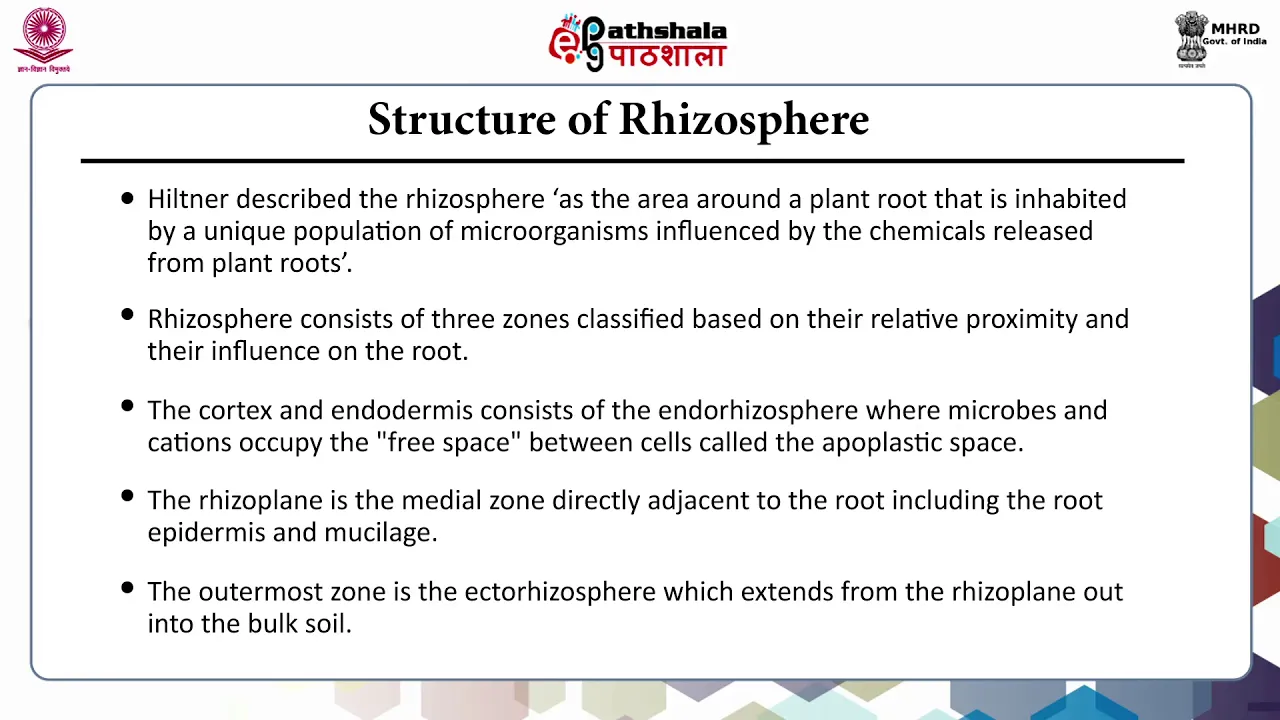
The specific role of the rhizosphere (root-soil microbiome) in absorbing and degrading gaseous organic pollutants.
A quantitative critique of the NASA Clean Air Study vs. real-world home environments, including Clean Air Delivery Rate (CADR) comparisons with mechanical HEPA filters.
Advanced integration of biophilic design and active phytoremediation systems (such as bio-walls or green walls with active ventilation).
Selecting and managing houseplants based on secondary factors, such as pet toxicity (e.g., oxalate crystals in Araceae) and moisture management to prevent mold.
149.7K views1.3Klikes7:02Original Release: 2012-12-13
[Music] house plants create a beautiful environment in our homes they can also contribute to a healthier living environment now as we've had more and more technological advances in energy efficient we've saved energy but we've also trapped gases inside our homes these include volatile chemicals given off by Building Materials adhesives paints carpets and many other common household items many healthc Care Professionals consider these chemical pollutants to be one of the greatest threats to our health now extensive research has been done on alleviating these chemicals and house plants provide the answer for us NASA conducted extensive research along with researcher Dr Wolverton and together they found that house plants could remove form Malahide Benzene and many other noxious gases from our environment This research has led businesses to incorporate plants in their interior spaces to alleviate what's often called sick building syndrome now we could do the same thing in our homes by simply growing more house plants NASA recommends using one plant per every hundred square fet and it's a great idea to concentrate these in areas where we spend the most time uh at work that might be around your desk and at home in your bedroom now fortunately many of the plants that work to clean our air are also very commonly found in green houses and nurseries among the top plants at scrubbing pollutants from the air are the Palms like this parlor Palm there are many different kinds of Palms they all come from tropical environments and they do require um moderate light levels and moist environment we want to make sure to keep them well watered and actually misting the upper area of the plant will help combat uh some of the problems that happen when it gets dry such as spidermites now both of our commonly used Ficus plants are also great at cleaning air these include the rubber tree and the Weeping fig these plants are a little bit more tolerant easier to grow indoors and in fact the rubber tree can tolerate lower light levels so it's a great option in those darker rooms while the Weeping fig re requires a lot of highlight the dras are a big group of house plants and these are also wonderful air scrubbers uh this is the Dragon Tree it has this red Edge on the foliage here's a little bit smaller version another very common Drina indors is the corn plant and typically we find this one with the yellowish variegation in the Le this is a small plant but you can see as it grows it develops this nice Woody trunk which adds a lot of interest and Janet Craig is another Drina it's a smaller version here um this one's also very very common and all these are excellent at cleaning air now many of our Vining plants used as house plants are incredibly easy to grow they also have a great amount of foliage which cont contributes to this cleansing property uh some of the common ones are the paos both the solid green and the variegated spider PL plants are well known for their ability to clean air as well as philodendrons and also even English ivy and again the great benefit of a lot of these plants are their ease at growth and they're relatively free of pest problems another highly vegetated plant uh the Boston fern great amounts of foliage this actually rated number one at removing from Malahide from the air during those studies conducted by NASA and Dr Wolverton this again will need a little bit of a misting it likes that moisture environment um but an excellent plant to consider if you're trying to improve indoor air quality now one thing we don't want to forget is color we've looked at a lot of foliage plants but we can also add flowers to the indoor environment uh very common commonly used plant for that is the P silly which creates these white space a little hooded flower and it also has beautiful deep green shiny foliage so a lot of uh aesthetic qualities to this plant and again good at cleaning air now just behind the uh Boston fern at removing felahy was the Gerber Daisy and the florist mum or pot mom these were second to the Boston fern and provide wonderful color to the indoor environment now the pot mom provides about 6 weeks of Bloom and it's typically used has just periodic color and it's replaced frequently this gerber daisy I dug out of our garden outside it's a little bit weathered from being outdoors but the great thing is if you grow them outside in the summer you can dig them up and pot them and then grow them indoors over the winter and they'll continue to flower all winter long so don't forget about adding a little color as you're selecting your clean air plants now one of the things that Dr Wolverton found is that the more air that's allowed to circulate around the roots of the plant the more pollutants those plants can remove from the atmosphere and the reason for this is an association of microbes on the plant roots now a great way to increase the amount of air that reaches those roots is to use a self-watering container such as this and these typically have a substrate that's made of small clay particles or even Stone and what this does is the stone particles and the clay particles have larger pore spaces and so more air is allowed to get in there around the roots and contribute to that air cleaning property the bottom of the pot has a reservoir where we add the water and then it moves up through these Wicks into the substrate to feed the plant another great benefit of using a self-watering container is that it maintains a relatively even moisture environment for our plants and supports healthier growth now regardless of which plants you use all of these will contribute to a healthy indoor environment but you want to make sure you match them to the conditions in your home consider temperature and also lighting conditions as you make your plant selection and think about diversity the greater diversity of plants the more pollutants will clean from the air
Up Next

21:34
Airthings Smart Home Air Quality Monitors: Field Review and Placement Guide
@CiscoSal
39.4K views•2021-04-02

12:54
Triumph of Orthodoxy Icon: Byzantine Art & History Explained
@BenCallan
2.1K views•2024-08-06

9:49
FastAPI vs Flask vs Django: Choosing the Right Python Web Framework
@TechWithTim
302.5K views•2024-05-26

1:42
Game of Thrones Opening Credits: A Cinematic Analysis
@gameofthrones
46.3M views•2011-04-18
Related Study Plans & Knowledge Roadmaps
Structured learning paths in General & Interdisciplinary Studies
general-studies
Elevator Engineering: History, Physics & Cities
01From Hoists to Safety Brakes: The Dawn of Vertical Lift
02Hydraulic vs. Traction: The Engineering Physics of Elevators
03Modern Speed, Safety, and Algorithms
+ 2 more learning modules
12h5 modules
Explore Roadmap
general-studies
Rubber: Material Science, History & Geopolitics
01Origins of Natural Rubber & Mesoamerican History
02The Chemistry of Natural Rubber & Vulcanization
03The Geopolitics of the Rubber Boom & Colonization
+ 2 more learning modules
12h5 modules
Explore Roadmap
general-studies
Containerization: Evolution, Logistics & Trade
01Ancient Trade & Bulk Cargo: Amphorae to Barrels
02The Industrial Revolution & Cardboard Packaging
03The Containerization Revolution: Malcom McLean
+ 2 more learning modules
12h5 modules
Explore Roadmap
general-studies
Textile Tech: Evolution, Labor & Global Impact
01Pre-Industrial Textiles: Handloom & Cottage Industry
02Mechanization: The Spinning Jenny to the Power Loom
03The Factory System & Global Labor Transformation
+ 2 more learning modules
10h5 modules
Explore Roadmap