















Indoor air quality sensors require proper calibration and environmental conditions to provide accurate readings; VOC sensors need weekly fresh air exposure to establish baseline readings, while radon sensors require time to accumulate samples for accurate measurements, and all sensors should be placed away from high-humidity areas to prevent damage and ensure reliable data collection.
Airthings Smart Home Air Quality Monitors: Field Review and Placement Guide
Added:Basic understanding of key indoor air pollutants, including Radon, Volatile Organic Compounds (VOCs), Carbon Dioxide (CO2), and Particulate Matter (PM2.5).
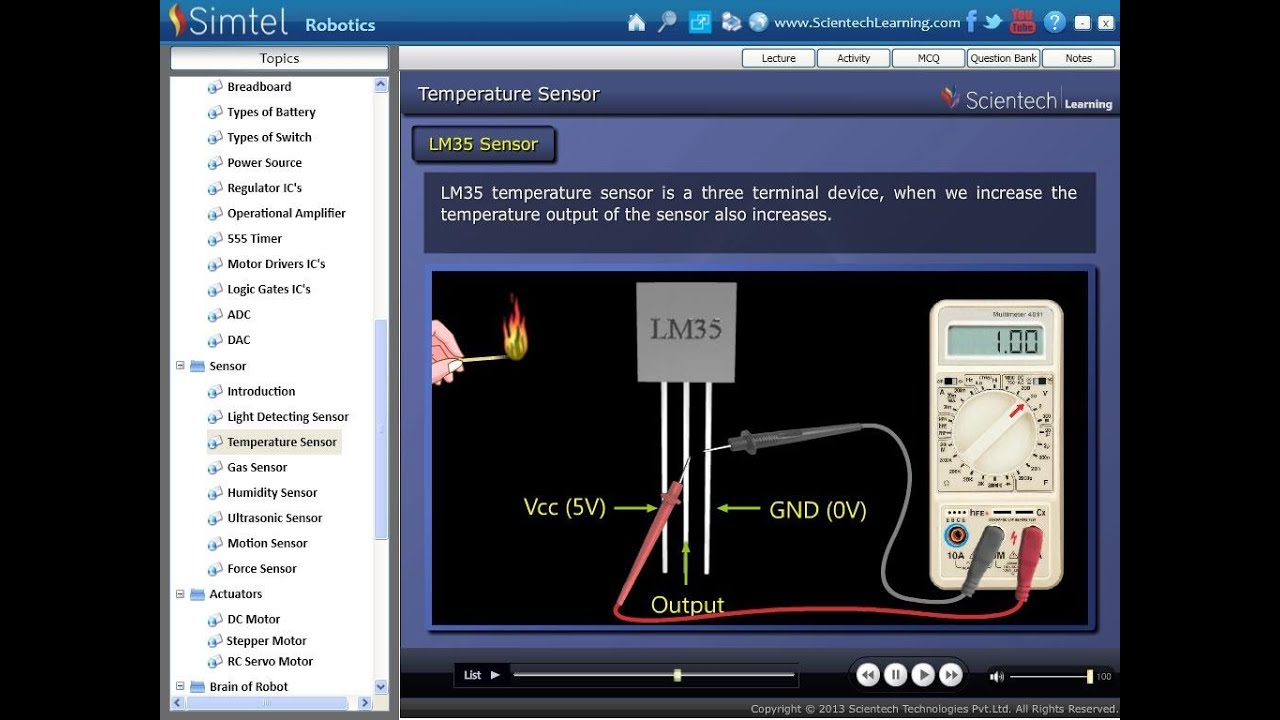
Elementary concepts of sensor technology, specifically how digital sensors measure physical gas concentrations and environmental variables.
The principles of sensor calibration, drift, and the difference between accuracy and precision in environmental monitoring.
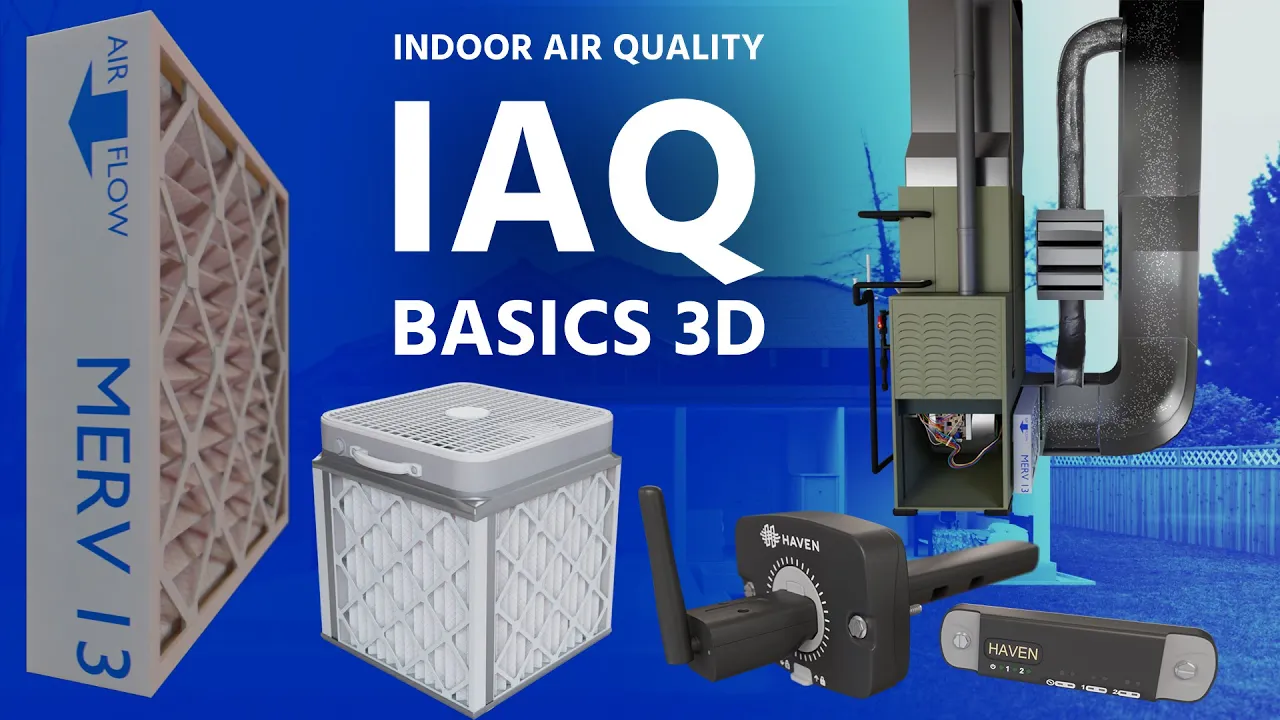
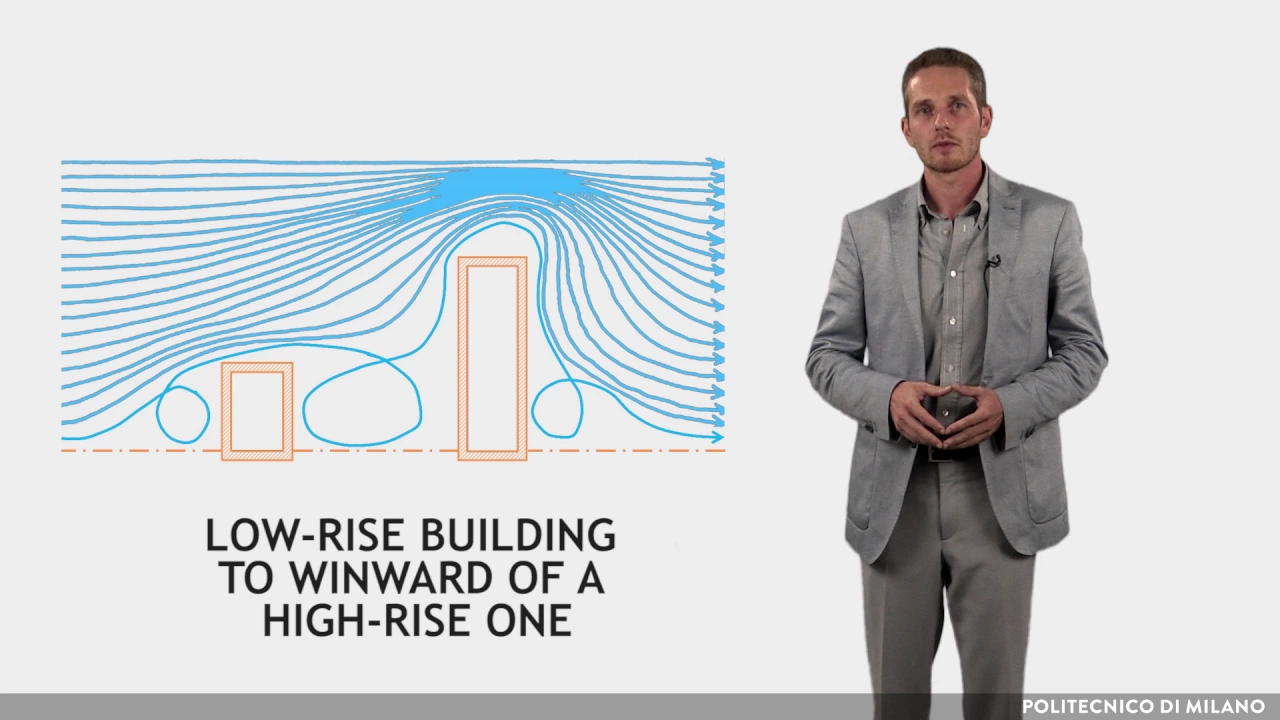
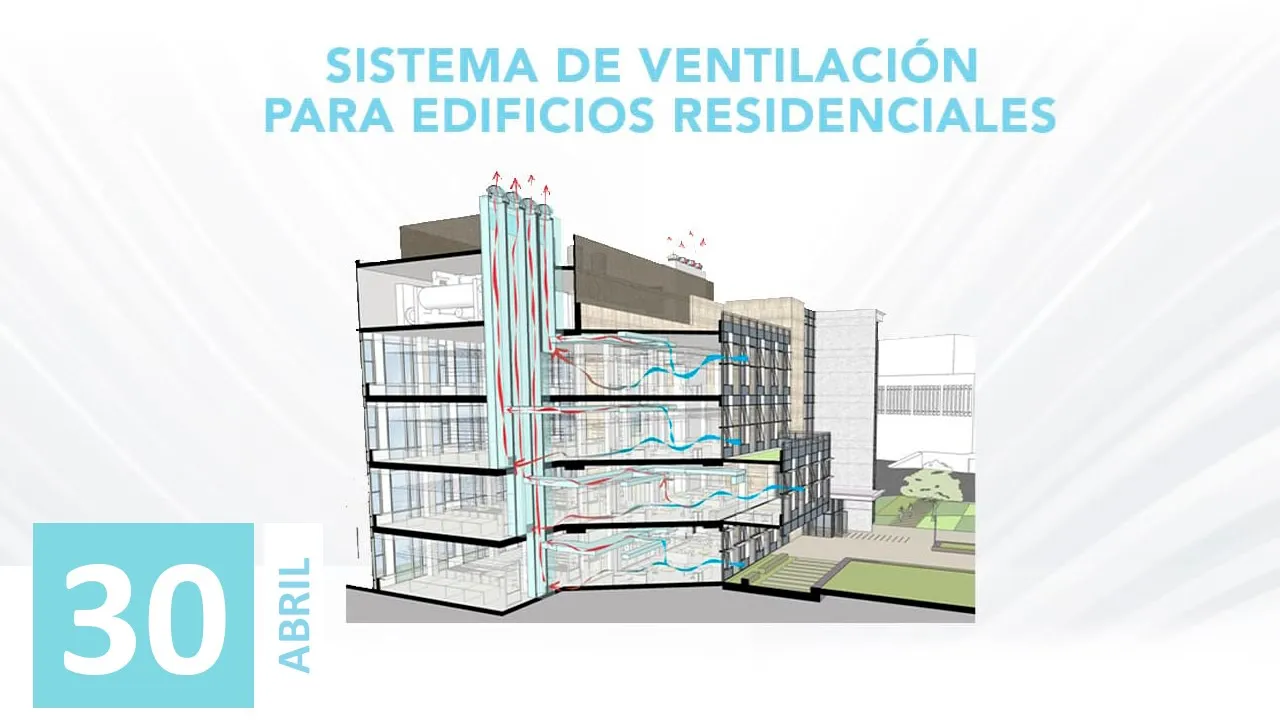
Fundamentals of residential ventilation and airflow dynamics, such as how HVAC systems and natural ventilation affect indoor air distribution.
Advanced integration of air quality monitors with smart home automation systems (e.g., using Home Assistant to trigger ERV/HRV systems based on CO2 thresholds).
Implementation of target mitigation strategies for specific pollutants, such as active radon mitigation systems and high-efficiency particulate air (HEPA) filtration.
Statistical analysis of long-term environmental data to identify seasonal trends, diurnal patterns, and specific pollution sources in a home.
Comparative analysis of consumer-grade metal-oxide semiconductor (MOS) and nondispersive infrared (NDIR) sensors versus laboratory-grade reference instruments.
39.4K views554likes21:34Original Release: 2021-04-02
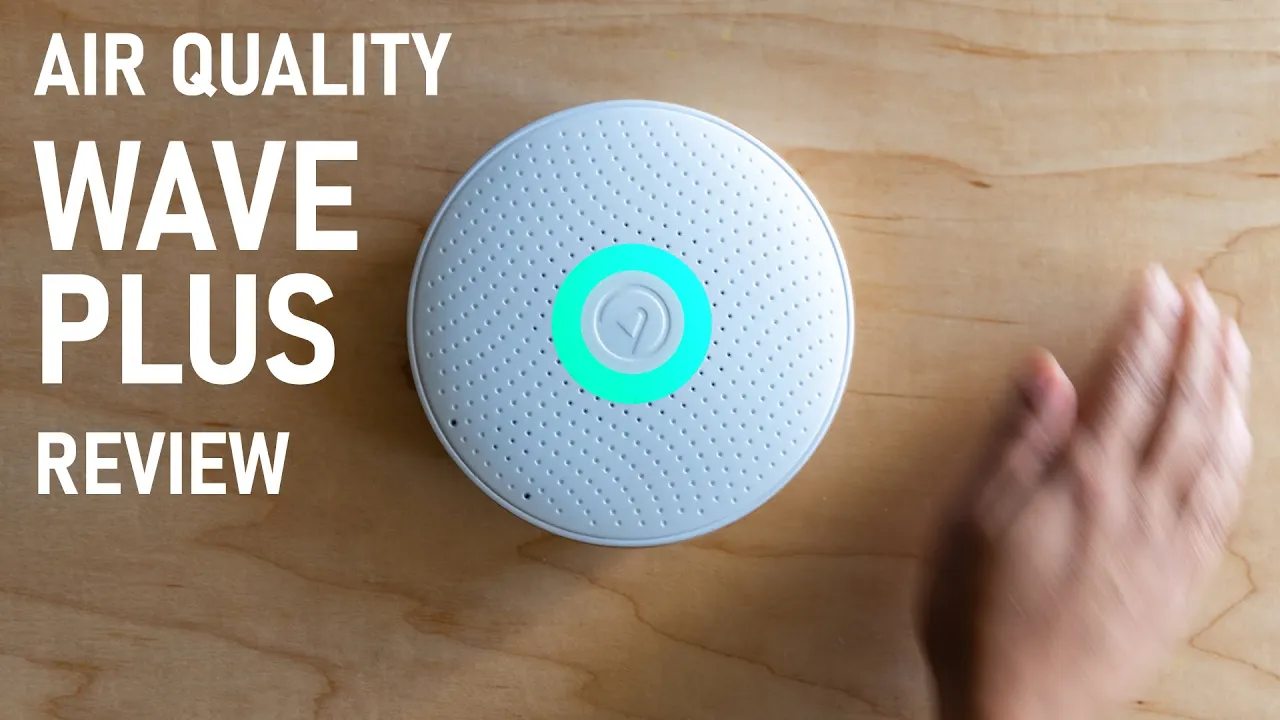
all right guys it's product review time and today we're going to be talking about the air things indoor air quality monitors so if you guys don't know a lot about indoor air quality make sure you take a look at my other video that i just posted where i go through what indoor air quality is what are some of the pollutants and really why it's important and it's especially important these days because we're all spending a lot more time inside of our houses than we ever have we want to make sure the air we're breathing is actually clean and is actually safe to breathe so today i'm going to kind of show you guys the real deal behind these sensors i've been using them now for about two months so i've got my feet underneath what they do the kind of quirks about them you definitely want to stay put for the entire video here because i'm going to talk about how to actually use these and it's not as simple as just taking out of the box placing it somewhere and you know you're going to be able to trust those readings you will for some of these sensors but ones especially like that voc sensor there's some quirks that you're going to want to know about here so i'm going to take you guys through all of that we're going to talk about the hardware here first show you guys all the different pieces then i'm going to show you guys where to place these and which ones you guys want to go with so with that let's jump into a quick hardware overview okay so let's talk about the different pieces that's available from air things i'm going to put a link in the description to all these to make it a lot easier for you guys because it can get confusing on which one i need um you can go right in the description click the one and you can purchase it if you want to so the way you could buy these things is either you can buy them in individual pieces so right here i have the wave plus this is a wave plus mini and then this is a hub you know you can buy those again all individually or you can buy them in a package a little bundle and those bundles are called the home kit or the home kit plus the kit versus the plus will make more sense to you guys in just a second here but those are the ways to purchase them again links in the description so let's go through and talk about what each one does so the first one that i have here the first sensor i have is the wave plus i bought the wave plus you can also get this sensor in just the wave the difference between the wave versus the wave plus is the plus can do more things it has more sensors in it where the wave only has a radon detector radon sensor in it it can do temperature and it can do humidity but the wave plus also does vocs we'll also do co2 and we'll also do pressure so if you want those additional features and functions you're going to want to go to the wave plus over the wave now if i flip this around you guys could take a look at the back and this is how it actually mounts there's a little plate here you can screw this to a wall this is going in your basement screw to the stud and then this just kind of connects in there take a look at the back there are two double a batteries that this thing requires and like i said screw it there and then that can kind of pop back on like that now this is called the wave right or the wave plus so why is it called that because i can wave my hand over the top and hopefully you guys can see that but when i wave my hand over the top it actually will show the color of the air quality so it's green it's good if it's yellow it says something's going on red is bad air quality so you can do that with the wave the wave plus and the mini so i move over to the wave plus mini here this does not have a radon detector in it a radon sensor in it but this can do temperature can do humidity can do voc and it also has a mold risk indicator and we'll get into what that mold risk indicator is it's not a mold risk sensor or a mold sensor it's just an indicator of it and i talked more about that in a little while here but very similar it's got the magnetic back this actually takes three double-a batteries on it and this one you don't have to really screw on anything it just kind of has the clip there on the back and then it can be on the table top just like that then is the hub now where you're going to want to use the hub is to have all these things kind of connected together so by default when you plug the batteries in these things are going to just go to work and they're going to start working automatically they're going to start taking readings and you can wave your hand over the top and you can see yup green is good yellow red is bad but you know you're going to want to use the app the air things app to actually see what those readings are and when you take these out of the box the only way that these will work is via bluetooth so your phone will find them via bluetooth and you can go into the app and you can actually see the readings that's fine if you're home and everything but if you want to view this stuff remotely and you're not going to be home then that's where the hub comes into play this has a bluetooth radio built into it and this can do bluetooth from the hub to all your sensors in your house and you may have multiple sensors in your house you may have one in the basement for your radon and then a couple at you know the main room areas where you want to really monitor things so this does a good job of tying all those together it does have an ethernet port on the bottom of this this does not have wi-fi so make sure you have an ethernet run wherever you're going to place this thing again it's bluetooth to these devices so you could probably just put this thing right next to your router the range on it is actually pretty good i have a decent sized house and i had no problem picking up my sensors wherever i put them and then it also has a power adapter on the back and you know you can also mount this thing if you really wanted to it has a little it has a little bracket on the back here and now let's go over where you should be placing these things and it really depends on what you're trying to measure where so if the only thing you care about is radon then what you're going to want to do is you're going to want to get just the wave and you're going to want to put the wave inside your basement and you can you can mount that you know a couple feet off the floor usually no one's should be crawling around the floor inside your basement and that's just going to give you your radon sensor and you know tell you make sure your rating levels are good if your basement is more of a livable space and maybe you have it finished and the kids are down there and everything and you're down there a little bit you may want to upgrade from the wave over to the wave plus it's still going to give you your radon monitoring but you're also going to get vocs and co2 make sure you have good ventilation down there and all those things so in the basement area you know you probably want the wave at a minimum or the wave plus then if you move up a level you know depending on how your house is built and everything um the main area again you probably want either a wave plus there so that way you get radon you get vocs because you know you're obviously going to be living in that area or if you have a radon monitor in your basement then you can kind of decide okay on the main floor do i want to go the wave plus or do i want to go with the mini uh again they'll both do vocs but if you're more concerned around co2 then you know obviously the wave plus is going to have everything built inside of it so you can take a look at that one there and you can put this one on your main floor and then same thing goes with your upstairs if you're only caring about the vocs you can go with the wave mini again radon should have been taken care of in your basement so you've got that detector down there so really the wave plus in the mini i would say for the ground floor and higher you want to be looking at those two sensors now there is one more sensor i'm going to give you guys a preview here that i kind of just found out about if you go to everything's web page they call it the vue plus and from my research and from doing everything on here it really has the same sensors in it as the wave plus except the vue plus also has a pm 2.5 detector and supposedly if you log into it you're actually going to be able to see your readings down below pm1 that's particulate matter so that's all the dust and debris and everything that's floating around the air the vue plus is going to have that sensor built in so it's going to be the wave plus plus that particular matter sensor built into it now the really cool thing about that device is it also is going to have the wave sorry the hub built into it so what that's going to allow me to do is i don't have to have this hub anymore i can just have the view plus and it's going to communicate with all my other sensors there and it's going to put them on the internet and then that way i can watch them from wherever i am the other cool thing about that vue pluses is it has wi-fi on it so i'm no longer tethered with this hub to you know being very close to my router i can place that view plus anywhere and why it's called the view because on the front of it now there's actually a little screen that'll tell you your different readings for like particular matter for example or the temperature it's got the little screen on there to do it now one other thing that i'm still trying to kind of figure out kind of cool i was you know obviously doing a lot of research on air things and you know everything is tracked these days so i go onto facebook and there's an ad for air things the view plus pre-order uh in the comments people were writing things back and forth and one of the things that someone mentioned from air things is that yup this is what it's doing today but they also made comment in there that there may be another hidden sensor in there so i'm kind of trying to figure out here what is that extra sensor is it going to be maybe a formaldehyde sensor is it going to be some other cool sensor that's in there i guess time will tell we'll have to see what what happens but that's pretty cool that there is another sensor in there and they could probably just enable it off of software all right so let's get into the actual sensors on these things this is what's going to be really important when you guys take these things out of the box you're going to want to make sure you know how to use them make sure you're reading these things correctly making sure they're set up correctly so um it's a great opportunity to show you guys the app so this is what i'm in right now this is the app and you can see i've got my wave mini up top here that's the wave plus mini it's called the office and i've also got the wave plus which i haven't really renamed yet once i figure out where that's actually going to be going um i'll probably rename that to basement or whatever there but i can go in here to the wave plus and we can take a look at what the dashboard looks like and here's all your sensor readings you've got radon voc co2 humidity temperature and pressure and you can see here that co2 that's why when i wave over this thing it turns bright red because the co2 is through the roof because i'm only six inches away from this thing and i'm talking right into it and you know we're probably the biggest source of co2 in an enclosed space like this so that's how you that's what those readings look like i could also view this information in the web dashboard and if you've got the hub you know you can log right into this from your computer and this gets a little bit more granular where you can kind of see long-term history you can kind of break things down a little bit better for you so a lot of times i will go into that and you can take a look at over time what all this stuff what all this stuff look like so i'm just going to go back here real quick and let's start talking about these sensors so the first one on the list and actually before we get into the sensors there is a calibration period that we should talk about and really the calibration period is for the voc voc and co2 and we'll talk about that in a little bit why we need that calibration period on that but there is a calibration period on those sensors so with the radon you know they say there's a calibration period but really with that one it just we need a lot of samples in the basement or where where the the radon sensor is going to be to really figure out how much radon is down there right because the way that the sensor works inside of these things for radon is it's an alpha spectrometry sensor that actually has a passive diffusion chamber inside of here so what happens is air comes in and then there's a test air comes in and then there's a test and air circulating around your basement not all air is going to be you know diffused equally with radon in it so the longer you have this thing down there the better pitcher you're going to get as far as how much radon is in your basement so your initial readings may be high they may be low give it a week give it a month give it a little bit longer you can actually start trending to see what what that looks like but i'd say you know you want to play it safe you probably want to give it a week to really figure out what that real real reading is in your basement it'll get more accurate as time goes on because it's because it's taking more samples and i'll click on radon just so you guys can see what that looks like inside your app here's mine you know over the last 48 hours been extremely low if i take a look at it over the month um really not a whole lot i don't have a full year here um you can see here a couple months ago it was a lot higher that's because the stack effect in the winter kind of pulls that up but if i take a look at the month you know you kind of see where that trends and then what is radon so this is actually really helpful go ahead and click that and this kind of gives you the basis of why this sensor is important you know all the health effects everything like that if you scroll down you know gives you the what do my levels mean you can take a look you know if you're 0 to 1.3 no action is needed now take these re take these levels with a grain of salt you know if you're in canada you know i think they say keep everything under two if you're in the u.s they usually say keep everything under four you know do your own research on these take a look at my other video kind of talking about the effects of the different levels but you know in all seriousness if you are over four you probably want to do something that's probably the place where you start to do your your mitigation is if you're over uh if you're over four here so we'll just go back one more thing to note on the radon sensor is that it is sensitive to high humidity uh and it can actually become damaged if the humidity is too high so you want to make sure that the humidity in the area that you put this is less than 80 percent so you're not gonna want to put this in the shower because i'm sure when you're taking a shower the humidity is is pretty close to 100 that's why you get all that condensation on your mirror and on the on the glass the shower so just keep that in mind make sure it's not near humidity you know if it's in your kitchen don't put it next to the area where you boil water for pasta because you're gonna get a lot of humidity coming off of that again could damage these sensors here so let's jump into the voc sensor here and this is the one that i think is the most finicky out of all these sensors here and there's a couple caveats you guys are going to want to watch out for so the reason that this has a seven day uh calibration period we'll call it is because it doesn't really know what 100 clean air is like so over those seven days it tries to figure out what its lowest level of clean air looks like so it's got a metal oxide based sensor inside of it with a little sensitivity layer that reacts to chemicals as it's being absorbed so it needs fresh air to figure out what fresh air is if it's not sensing a lot of chemicals then it's gonna say oh that must be fresh air um so you know that's where you need to i need to put this caveat here is if you're trying to get a baseline for everything you're gonna want to expose this thing for 30 minutes a week to true fresh air open a window up let it realize what true fresh air is then it's gonna be able to detect events a lot better if you don't do that what's gonna end up happening over time over like two weeks it's just gonna take its lowest reading and be like oh that must be fresh air so your vlc level could be at like 200 for two weeks but it's going to eventually take that 200 level and say okay well i guess that's as good as it gets i guess that's you know zero or in this case 46 parts per billion is actually the floor here and then everything's gonna be trending up on top of that now guys that's how all these sensors work so you know it's not that air things are doing anything wrong here but that's just how these sensors work that's the technology that we have to our disposal these days you know hopefully in the years ahead that changes a little bit but you do want to expose this sensor to fresh air you know 30 minutes a week could probably do it just so it knows what fresh air is so we'll go into this sensor as well so you guys can take a look here same thing you know you could trend it over a week over a month you can go ahead and click on what our vocs and it'll take you into the same similar page scroll down it'll give you the readings and what they are but one more really important thing about this sensor guys it is a tvoc sensor so that's total voc sensor it's not going to be able to break out individual components so if you're worried about formaldehyde or you're worried about some other voc it's not going to be able to tell you about what is going on inside that it's just going to give you the total value of vocs that it that it senses or that it smells is basically how it works so you know use that as kind of a baseline you know if you're way under that 250 number it probably doesn't matter um but you know if you're if you're always consistently high on that you know you're at 500 or 600 or whatever then hey what is actually causing it a lot of times use your nose if you can smell it it's probably a voc remove that from the environment let this thing go back to work and see if that helps the issue or if you want to get more granular if you want to know if you have formaldehyde in your environment you're going to need to get a formaldehyde sensor and i'm kind of curious if that's maybe one of those hidden sensors inside of the new view but again we'll we'll see when that comes out so i'm going to go back to the main screen here and we're going to go into the mini because the last sensor that we're going to talk about here guys is the mold risk indicator again the mini is going to have the voc humidity temperature but it's going to have this mold risk indicator on here and really all this is doing is giving you uh the mold risk based off the humidity and the temperature i don't know why they don't give you this with the wave plus since it's got a humidity sensor and a temperature sensor built in it could probably figure this out pretty easily but for right now it's only in the mini but the way that this works is it's just an algorithm it's not actually sensing mold in the environment right it's not a mold test it's just basically saying you know if my humidity is high you know where does it fall on that chart of where it's going to start to condensate based on the temperature warmer air holds more water so you know it's more of a risk if i have high humidity with high temperature that means there's a ton of water in the air your mold risk is probably going to go up if you have you know colder temperatures like you you know it's 60 degrees or whatever and you've got 75 humidity there's less water in that 60 degree number than in the 90 degree number 80 degree number because warmer air holds more water so you have a higher risk of mold at a higher temperature with a higher humidity level versus a lower temperature with maybe the same humidity level so that's all this thing's really doing it's just kind of figuring out that algorithm as far as what it is and letting you know that hey you have a propensity to have mold in this environment so guys that's the sensors that i really wanted to talk about here make sure you guys have those set up right what the readings kind of really mean and how to make sure that you know you're not jumping to conclusions like hey you know i'm getting this weird thing give it seven days let it kind of figure itself out voc sensor make sure you expose that to fresh air 30 minutes um a week just just that way it knows what fresh air is on here if you're really worried about it and the last thing i'll talk about guys is the support the support from air things is like up here compared to everything else you can go in right from the app and you can instantly just chat with people so if you've got a question about how the sensor works you start chatting with them i've been getting replies in less than an hour from them you know unless it's like the middle of the night then usually when they get in the next morning they reply to me but it's quick it's easy they're extremely knowledgeable it's kind of funny because the people that respond to you you go on the web page like look at articles it's like the same people writing their technical articles so they're 100 knowledgeable on all these products and in the rare event that you kind of stump them a little bit and it happened to me uh twice when i was when i was really digging into what some of these readings mean they went out you know went to their testing department asked their testing department you know hey this this customer has this really technical question can you help us to derive an answer and within a day i had a really really technical answer back from their testing department so can't say enough good things about the support from air things again it's way above what my expectations were from a consumer product um so yeah so guys that's that's kind of it i hope you like this video hope it was informative if you guys have any questions please let me know post them down below and we'll talk about them thanks a lot
Up Next

13:32
Air Quality Monitors 2024: Best Picks for Accurate Monitoring
@HouseFresh
80.5K views•2024-07-31

12:54
Triumph of Orthodoxy Icon: Byzantine Art & History Explained
@BenCallan
2.1K views•2024-08-06

9:49
FastAPI vs Flask vs Django: Choosing the Right Python Web Framework
@TechWithTim
302.5K views•2024-05-26

1:42
Game of Thrones Opening Credits: A Cinematic Analysis
@gameofthrones
46.3M views•2011-04-18
Related Study Plans & Knowledge Roadmaps
Structured learning paths in General & Interdisciplinary Studies
general-studies
Elevator Engineering: History, Physics & Cities
01From Hoists to Safety Brakes: The Dawn of Vertical Lift
02Hydraulic vs. Traction: The Engineering Physics of Elevators
03Modern Speed, Safety, and Algorithms
+ 2 more learning modules
12h5 modules
Explore Roadmap
general-studies
Rubber: Material Science, History & Geopolitics
01Origins of Natural Rubber & Mesoamerican History
02The Chemistry of Natural Rubber & Vulcanization
03The Geopolitics of the Rubber Boom & Colonization
+ 2 more learning modules
12h5 modules
Explore Roadmap
general-studies
Containerization: Evolution, Logistics & Trade
01Ancient Trade & Bulk Cargo: Amphorae to Barrels
02The Industrial Revolution & Cardboard Packaging
03The Containerization Revolution: Malcom McLean
+ 2 more learning modules
12h5 modules
Explore Roadmap
general-studies
Textile Tech: Evolution, Labor & Global Impact
01Pre-Industrial Textiles: Handloom & Cottage Industry
02Mechanization: The Spinning Jenny to the Power Loom
03The Factory System & Global Labor Transformation
+ 2 more learning modules
10h5 modules
Explore Roadmap