





















Tyrian Purple, the most expensive purple dye in ancient times, was created from the secretions of predatory sea snails called Muricidae (Murex snails) by the ancient Phoenicians around 1570 BCE; the production process required collecting snails, extracting the colored vein, salting, and heating for about ten days, yielding only 1.4 grams of pure dye from twelve thousand snails, which was so valuable it fetched its weight in silver and was reserved exclusively for royalty.
Tyrian Purple: The Royal Dye from Sea Snails in Ancient History
Added:Understanding the geography and maritime trade networks of the ancient Mediterranean, specifically the Phoenician civilization.
The concept of status symbols and social hierarchy in antiquity, where specific materials indicated wealth, power, and class.
Basic knowledge of natural dyes, including how pre-industrial societies extracted pigments from organic sources (plants, insects, and minerals) before synthetic chemistry.
An introductory awareness of marine biology, specifically the anatomy and defensive secretions of predatory sea snails (mollusks).
The organic chemistry of Tyrian Purple, focusing on the compound 6,6'-dibromoindigo and the photochemical reaction that develops the color.
The history of Sumptuary Laws in the Roman and Byzantine Empires, which legally restricted the use of certain colors and fabrics to the imperial elite.
The 19th-century transition to synthetic dyes, starting with William Henry Perkin's accidental discovery of Mauveine, which revolutionized the global textile and chemical industries.
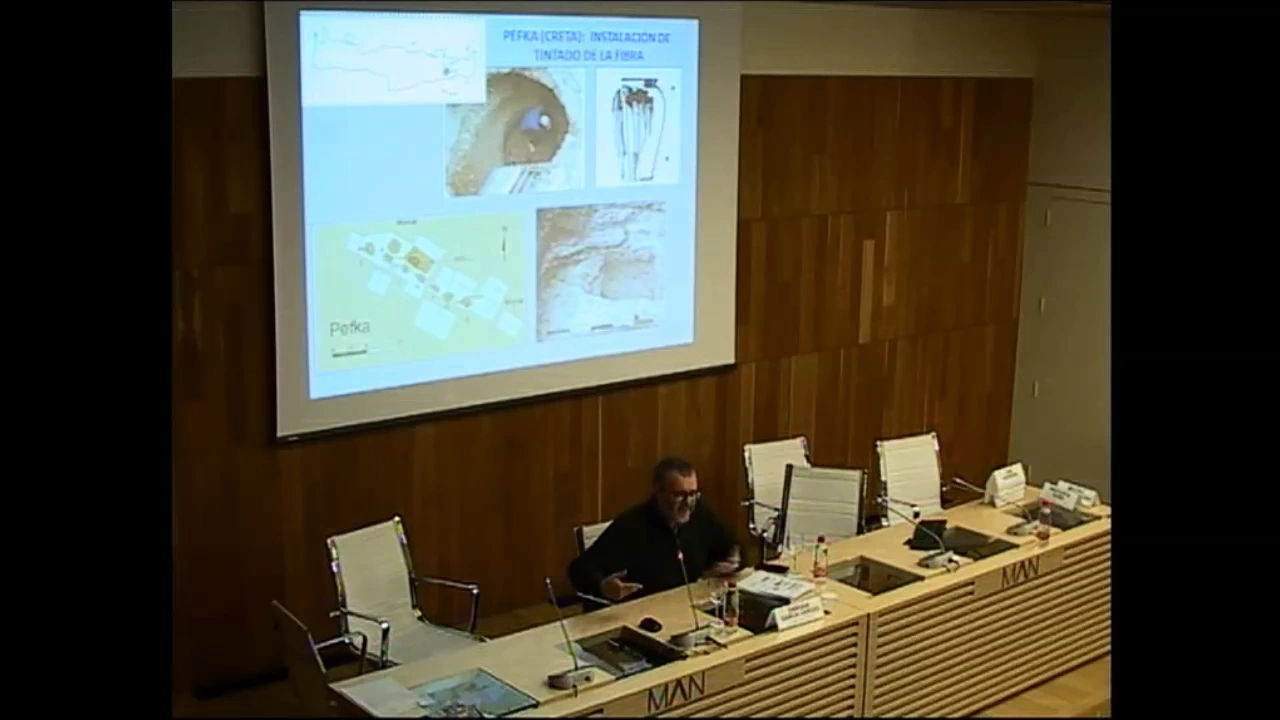
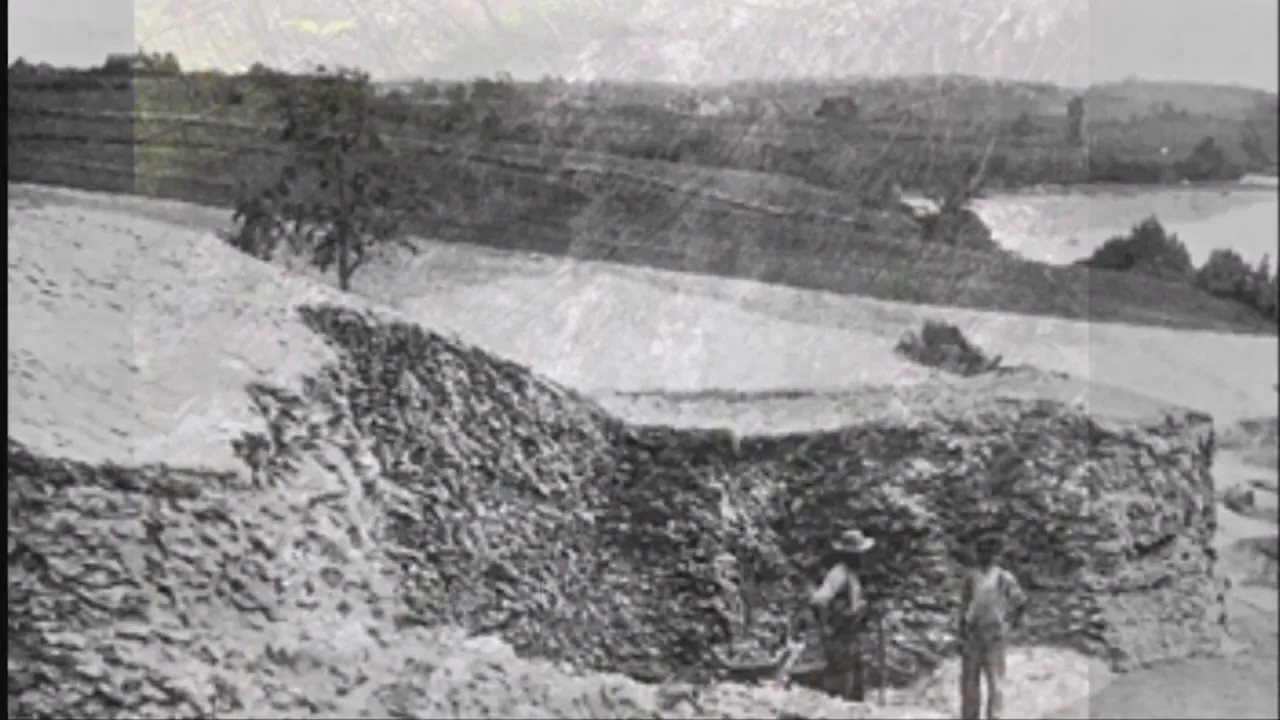
The archaeological and environmental history of ancient industrial sites, examining the physical remains (mounds of crushed shells) of dye-processing factories in the Levant.
81.8K views1.5Klikes4:44Original Release: 2015-09-24
Did you know, you can create a dye from the secretions of a sea snail? Well, you can!
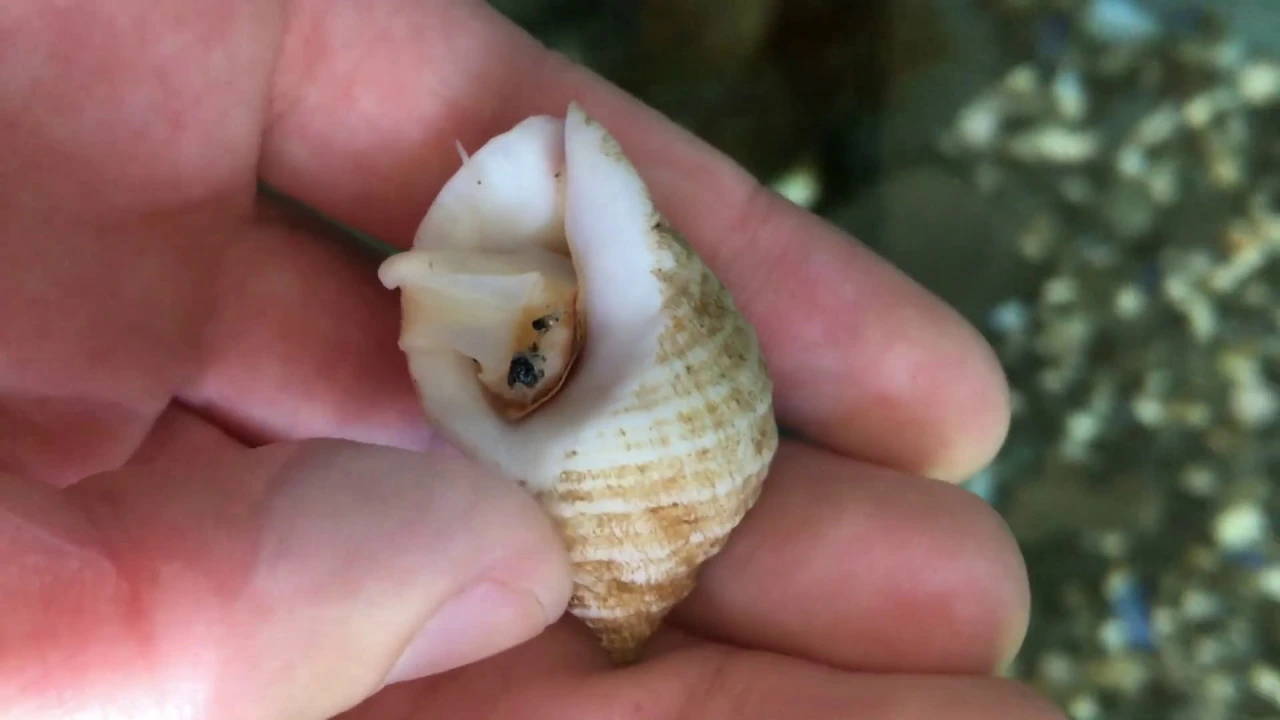
Hey guys, welcome to little art talks. My name is Karin, and I'm talking about a specific dye which you can make from a species of predatory sea snails, called Muricidae or Muricidae.
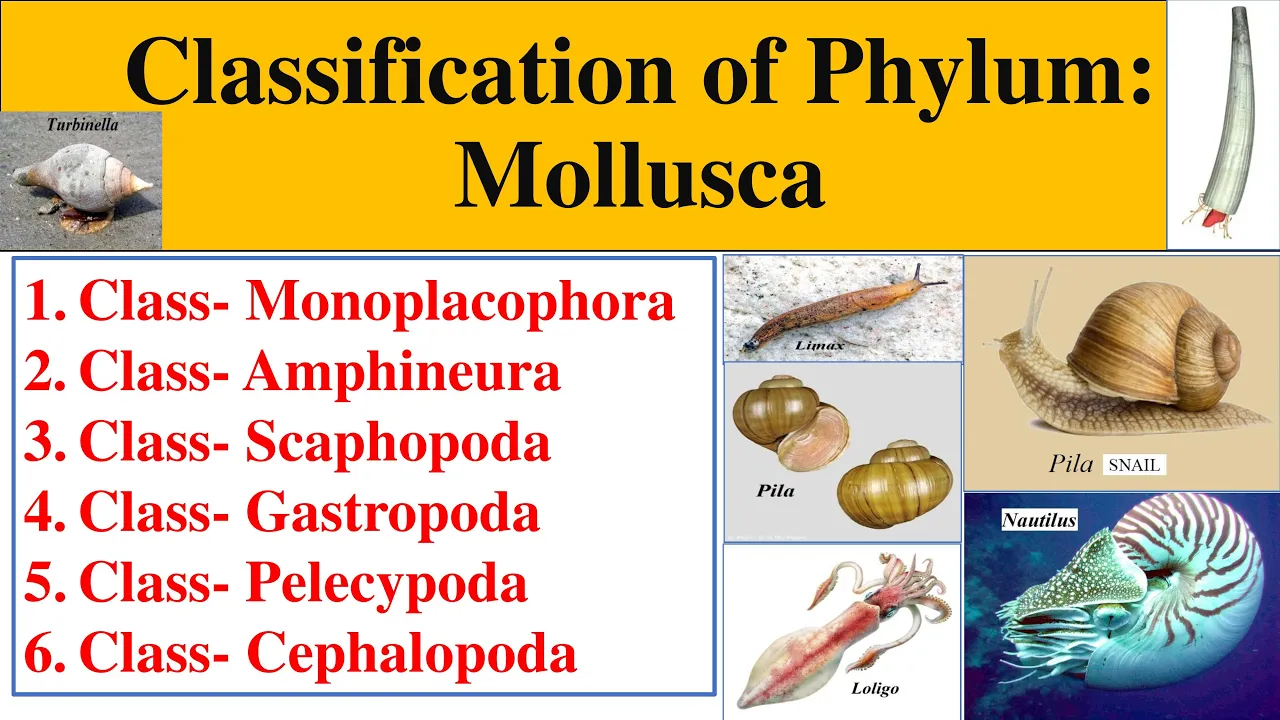
And they were formally known as Murex snails.
Now, you might be imagining what kind of color can you get from snails - maybe a brown color?
But, it turns out, that you get a vibrant purple! That’s pretty cool, if you ask me.
The color, called Tyrian Purple, may have been originally made by the ancient Phoenicians as early as 1570 BCE.
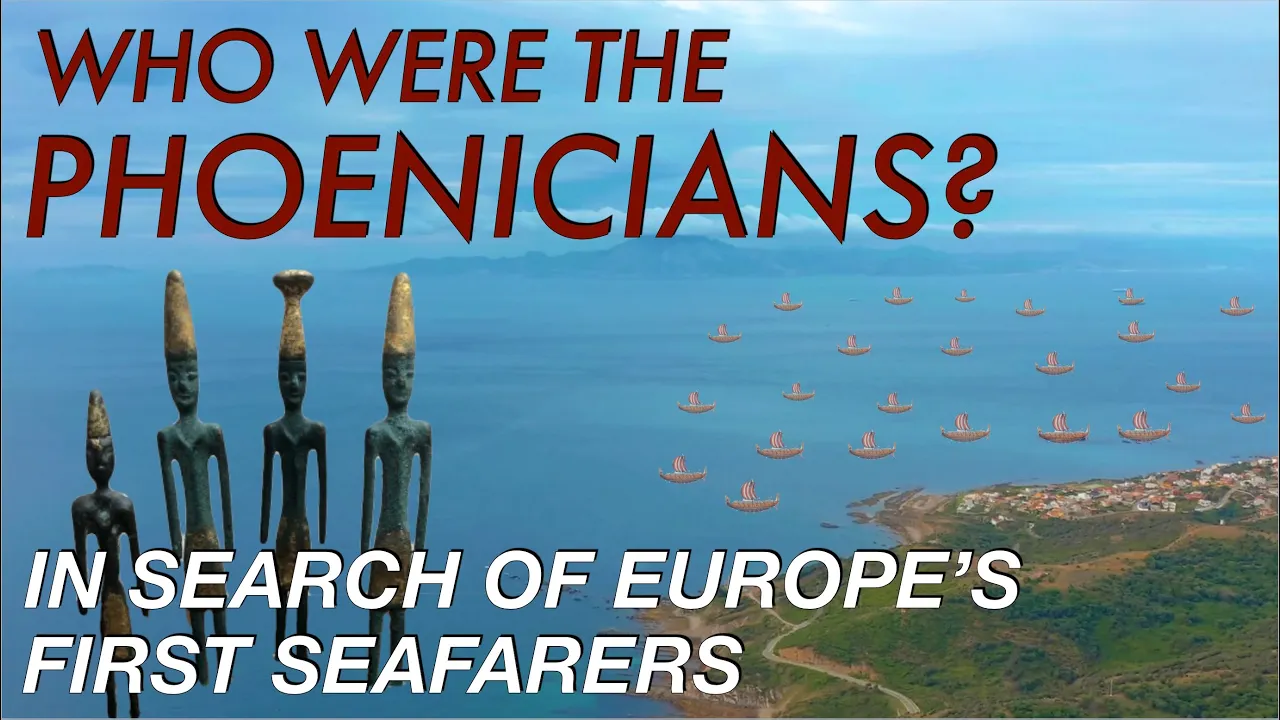
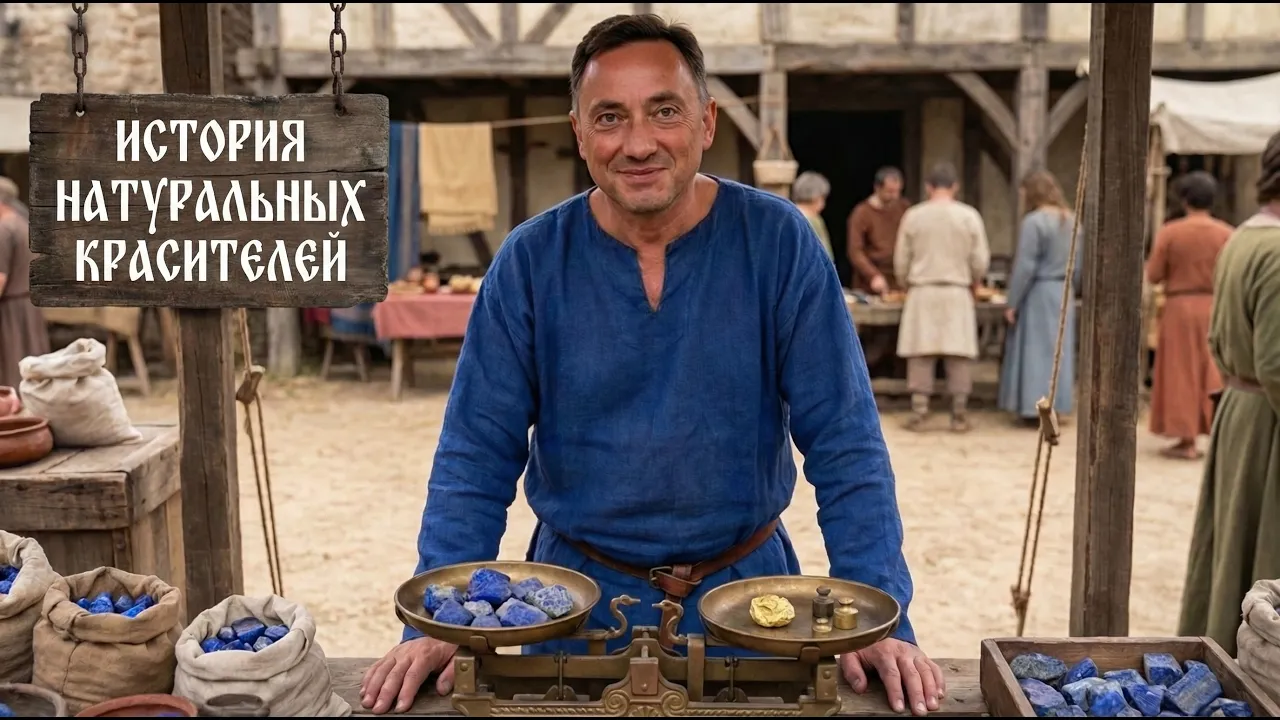
They were an an ancient Semitic thalassocratic civilization that lived in what is now modern Lebanon. Known by the Classical Greeks and Romans as “traders in purple”, they were most famed for their much sought after, very expensive purple dye, which was often used for royal clothing.
The dye is created from a mucous secretion that can be collected from one of several species of medium-sized predatory sea snails found in the eastern Mediterranean Sea, including the the spiny dyemurex, the banded dye-murex, and the rock-shell. In solution, the colour is blue but as a dye in the solid state it is purple.
In nature, the secretion is a mechanism of their predatory behaviour and it’s also used as an antimicrobial lining of egg masses. They also secrete the substance when attacked, humans can collect the dye via physical antagonization… like poking it. By the way this is not an animal friendly dye, so if you’re gonna get upset about this, maybe you don’t want to listen to the rest of this. A less labor intensive way of collecting the dye is just crushing them. Yeah.
Pliny the Elder described the whole process of creating Tyrian purple. And, just very quickly, it’s pretty much collecting the snails, removing the vein where the color is located, salting them, putting them in heated vats, and letting it sit. The whole process took about ten days, and and yes, the records do say it smelled real bad. Like horribly bad.
David Jacoby remarks that "twelve thousand snails of Murex brandaris yielded no more than 1.4 grams of pure dye, enough to colour only the trim of a single garment."
That’s just ridiculous! 4th century BCE historian Theopompus wrote, “Purple for dyes fetched its weight in silver at Colophon" in Asia Minor. It was such a status symbol that courts even restricted their uses. Who can wear it, who can make it, how much you can make, and what you can dye with it.
Despite how expensive and labor intensive it was to make this dye was, it was prized for the bright purple that was impossible to achieve otherwise at the time - it was color-fast, which means it didn’t fade or weather in the sun, and in fact it became a more vibrant purple. The color itself varied a lot, but the most prized variation of Tyrian Purple was that of “blackish clotted blood.” That’s certainly a way to describe color. The production of Murex purple for the Byzantine court ended with the Siege of Constantinople in 1204. Jacoby write, “no Byzantine emperor nor any Latin ruler in former Byzantine territories could muster the financial resources required for the pursuit of murex purple production” While similar dyes and processes continue to exist in Egypt and Mexico, there's no further mention of the color in Western Europe. Certainly not in the commercial extant as before. And instead they turned to vermilion, which is a whole nother story in itself. I hope you guys enjoyed this video about tyrian purple and that you learned something new. If you enjoyed this video, please check out my previous videos about the history of different colors. I have Flake white, Maya Blue, Mummy Brown, Alizarin Crimson… no.. Lapis Lazuli! I must be thinking about Crimson still, maybe that will be my next one. What do you guys think? Thanks so much to our patreon supporters who support this channel. If you would like to make a contribution, please visit our patreon page at patreon.com/Littlearttalks. So if you would like to make a contribution and see more videos, that is one way to do it. I would certainly appreciate it. Thanks so much for watching and I’ll see you guys next time.
Up Next
5:38
Accidental Discoveries in Chemistry: From Mauve to Gore-Tex
@ACSReactions
463.5K views•2014-11-10

33:02
The Great Schism of 1054: Causes and Consequences
@SacredCathedrals
113.5K views•2026-02-19

91:57
The Geopolitics of the Ukraine War and the Rise of Global Autocracy
@JordanHarbingerShow
468K views•2025-04-19

17:05
Understanding the Cold War: Superpower Conflicts and the Road to Détente
@OverSimplified
46.1M views•2019-01-24
Related Study Plans & Knowledge Roadmaps
Structured learning paths in History
history
Byzantine Iconoclasm: Theology, Art & Politics
01Foundations of Byzantium and Early Christian Images
02The First Iconoclasm: Leo III and the Crisis of Images
03Empress Irene, Nicaea II, and the Second Iconoclasm
+ 2 more learning modules
9h5 modules
Explore Roadmap
history
Iranian Revolution (Causes, Events & Legacy)
01The Pahlavi Dynasty and the Roots of Discontent
02The Spark of Rebellion and the Rise of Khomeini
031979: The Fall of the Shah and the Climax of the Revolution
+ 2 more learning modules
8h5 modules
Explore Roadmap
history
Mali Empire: Mansa Musa, Trade & Timbuktu
01Foundations of the Mali Empire
02The Trans-Saharan Gold and Salt Trade
03The Reign and Pilgrimage of Mansa Musa
+ 1 more learning modules
6h4 modules
Explore Roadmap
history
1947 Partition: Politics, Borders & Legacies
01Foundations of British India and the Divide
02The Political Negotiations and the Mountbatten Plan
03Drawing the Boundary: The Radcliffe Line
+ 2 more learning modules
8h5 modules
Explore Roadmap