














![[또보이즈] Ep.12 더보이즈 건강검진 마지막! 신체 스포츠 검사🏃♂️| 건강검진 #2](https://i.ytimg.com/vi/Gi4p1c5J-r8/maxresdefault.jpg)





![[Webcast] Musculoskeletal modeling for the evolutionary biologist: A primer](https://i.ytimg.com/vi/c3DtQGWaFnA/maxresdefault.jpg)




Newton's three laws of motion govern human body movement: the first law states that a body remains at rest or in constant angular velocity unless acted upon by external torque, with key concepts including inertia (resistance to change in motion, proportional to mass), center of mass, and radius of gyration (average distance from axis to center of mass, where inertia = m × r²); the second law states that torque equals moment of inertia times angular acceleration (τ = Iα); and the third law states that every action has an equal and opposite reaction, which explains why throwing a ball on ground produces greater velocity than on water due to stronger ground reaction forces. Practical applications include the swing phase of walking where hip flexion, knee flexion, and ankle dorsiflexion reduce radius of gyration and inertia, requiring less energy from hip flexors, and diving positions where tucking reduces angular inertia for faster rotation while extending increases it for slower spin.
Newton's Laws of Motion Explained for Biomechanics
Added:hello students my name is Dr rashidosh and in today's lecture we are going to discuss about Newton's law of motion and their practical implication in the body and how they are imported it with in regards with the biomechanics so now let's start first with the first law of motion we all know that a body remains at rest or a body in motion will remain at motion until and unless it is experienced it gets experienced and external Force to change its state so but we have to understand first law of motion in regards with the angular motion because everywhere inside the body there are no linear motion occurring more or less there are angular motions occurring inside the body because all the muscles act at a certain angles so we have to study that angle as well so whenever we will talk in with regards to the angular concept about the first law of motion will describe it as a body remains at rest or in constant angular velocity about an axis of rotation unless compelled by an external Force to change its state so here the more the definition is almost the same as the first definition there are two key terms that have been changed first is the linear velocity have been changed by the angular velocity so here we are will be describing the angular velocity and also the force is changed into external torque so we are all aware that whenever we will talk about angular motion we all talk we talk about torque not about the force because that force is acting at an angle there are some key terms that are associated with Newton's first law of motion that you must know to understand this lob even more better first is static equilibrium before moving on to static and dynamic equilibrium let's understand what is an equilibrium equilibrium is a condition where the net resultant of all the forces that are acting on a body is zero net force on that body is zero in equilibrium so this equilibrium can either be of static type or it can be of dynamic type in static equilibrium the velocity of the object is actually zero in dynamic equilibrium the velocity is not zero but constant the constant velocity of an object is there but the net force is zero so the object is able to maintain that constant velocity because no force is acting on it the other key term that we must know is about inertia inertia it is the amount of energy that is required to change the velocity or change the state of an object if I ask you to push someone who is of 40 kgs and if I ask you to push another person who is of 80 kgs you will find it more difficult to push a person off 80 ages to push 80 kg person because the inertia of that 80 kg person is greater than the 40 kg person because inertia is always correlated with the mass if the mass is more then inertia will be more you will find it difficult to lift a dumbbell of 10 kgs compared to a dumbbell of 2 kgs or 5 kgs because the inertia of the 10 kg dumbbell is more than the 2 kg table fourth key term that you must know in regards to the Newton's first law of motion it is Center of mass each body has a point about which its whole mass is located so there is a point where the whole mass of that object is located and if you tie the tie that object from that point and hang it then the object at the center of mass will attain a steady state neither it will go down neither it will go up because the whole motion is actually concentrated at that point now there is something which is called as mass moment of inertia as I told you earlier we are always uh doing the study of angular motion inside the body so resist tends to change in angular velocity is nothing but Mass moment of inertia it is same as the inertia whenever we are describing the angular motion then we take the concept of mass moment of inertia there is also one very important term that you must know which is radius of gyration so the radius of gyration is the average distance between the axis of rotation and the center of mass of the body let's understand this thing by an example so assume this is a lever and this has a fulcrum point over here where I am putting my finger and here we put a load uh maybe a box and the box so assume that the box has a center of mass over here over this point the distance between over this point okay now the distance between this point and the fulcrum the distance between the center of mass and the fulcrum or the axis is nothing but radius of gyration it is almost similar with the momentum but here we are taking the distance from the center of mass because the whole weight is located at the center of mass now there is a formula for inertia which is inertia is equals to m r Square here m is mass and R is the radius of gyration and inertia is directly proportional to the square of radius of gradation so if radius of Correction increases by 2 inertia will increase by four if we reduce some correction is increasing by three inner ratio will increase by 9.
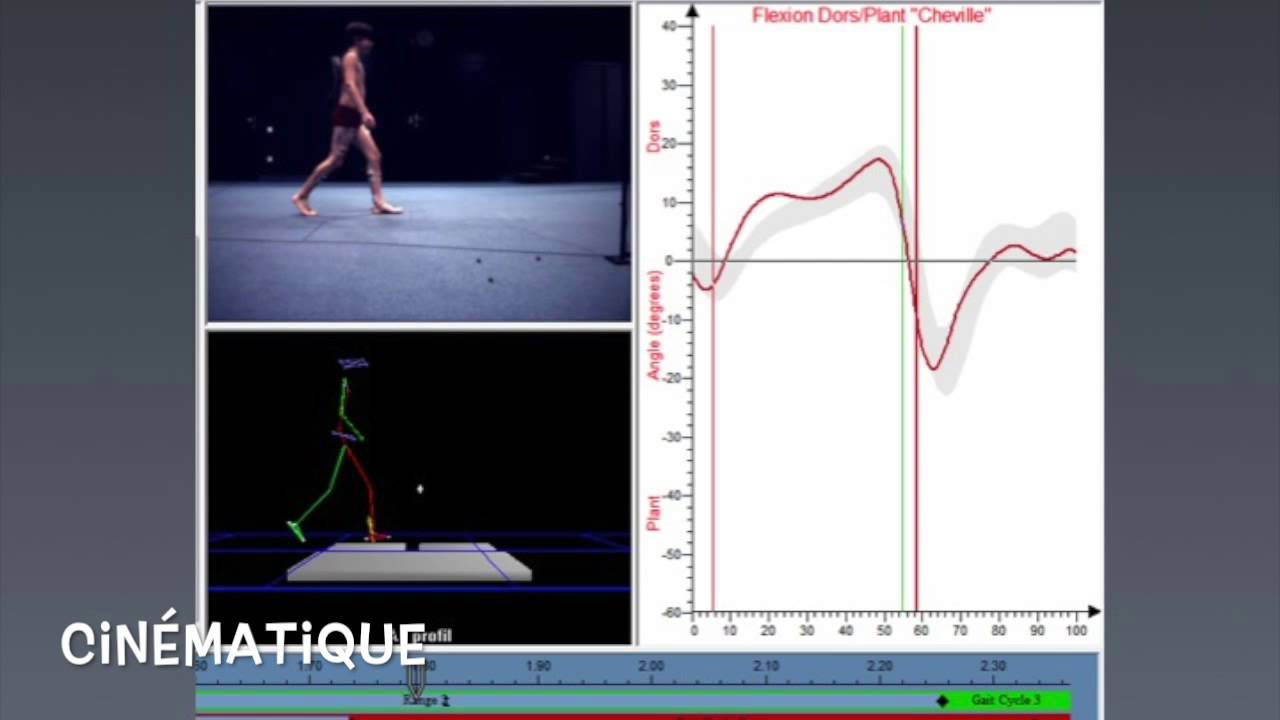
let's understand this first law by an example so here you all know whenever we walk there are two phases walking is also known as gate gate has two sub phases one is a swing phase and one is a stance phase stance phase is the phase at which your limb is touching the ground and swing phase is the phase in which your limb is in so we have a particular interest in the swing phase to understand this inertia even more better so during the swing phase of walking the entire lower limb shortens and how this lower limb shortens by doing some specific movement at the hip knee and Ankle so whenever you go into a swing phase whenever you will see if you just observe someone walking whenever they will go into a swing phase they will do a flexion at a hip joint they will do a fraction at a hip joint they will do a flexion at a knee joint and they will also do a dorsiflexion at an angle joint so these all three movement leads to functional shortening of that a limb so why are we doing this functional shortening because by doing this functional shortening what we actually are doing is we are reducing the average distance of the mass particles of the hips medial lateral axis of rotation we are reducing the radius of gyration because we the center of mass earlier when we were in extended position was more distal to the axis but now it is more closer to the axis so we have reduced the radius of gyration this is how we are able to reduce share also because of radius of gyration is increasing then we as by the equation we know that inertia will also reduce so this reduced movement inertia what does that mean if you movement of inertia is less as we studied earlier then lesser energy will be required to move the limb forward that means your hip flexors have to put in a lesser effort to move the link forward and which is your hip flexor it is your Elio swas muscle so your ilio swash muscle has to put up lesser amount of force in propelling that limb forward in swing phase if you will observe someone jogging you will see there is increased amount of hip flexion increased amount of knee flexion as well as increased amount of ankle dots reflection this is occurring as to increase the efficiency from as we are running so we are decreasing this distance and we are also decree increasing the efficiency now let's understand uh one more by one more example which is of a diver so a diver can assume two positions while doing his manure of diving so the first position is of Tuck position so what is a tuck position he places the head near the knees a diver will place the head near the knee so by doing this movement he is reducing the distance of the center of mass reducing the distance of the center of Mass to the fulcrum point so angular movement the inertia is reduced so he is able to do a large amount of Maneuvers like summer sort as the resistance has been reduced conversely if the athlete have to slow his speed he will come into a pike position that you can see in this B diagram that this is a pipe position so it is an extended position the radius of gyration has the distance between the center of mass and the fulcrum has increased thereby increasing the resistance to angular motion and it is resulting in decreasing the rate of the spin I hope I am very much clear right now let's move forward with the second law which second law of motion we all know that it states that the acceleration of body is directly proportional to the force this is a linear motion definition of the second law of motion but what is an angular concept it states that your torque is directly proportional to Alpha what is alpha alpha is nothing but angular acceleration here the constant is movement of inertia in linear whenever we describe in linear concept here the mass mass is the constant so f is equals to M A over here it is torque is equals to I into Alpha now coming on to the third law of motion it states that for every action there is equivalent opposite reaction so whenever as you can see in the example also balloon is moving up because there you are getting a reaction force by the air that is getting out of the balloon so the reaction force is upward and the force by the air is in the ground in the lower Direction so this law implies that every Effect one body exerts on another is counteracted by an effort that the second body exert on the first so it is more or less the same thing that we studied in the first point so let's see a practical implication of the third law of motion which we can see if I ask you to throw a ball on the ground and if I ask to throw that same ball on the water you will see that you are go you are able to throw the ball with a greater velocity when you are at Ground rather than Add Water why because in ground you are able to produce more ground reaction forces you are able to move produce more ground reaction forces and you are transferring that to ground reaction forces from your foot to your hand and you are able to throw away better than the throwing at the water so because the ground reaction force is more so every action has equal equal reaction so that is why you are able to throw at a large velocity when you are at the ground so that's it for uh today's lecture guys I hope all the laws of motion have been cleared and how they are important to our body with the Practical implication must have been understood by you thank you
Up Next
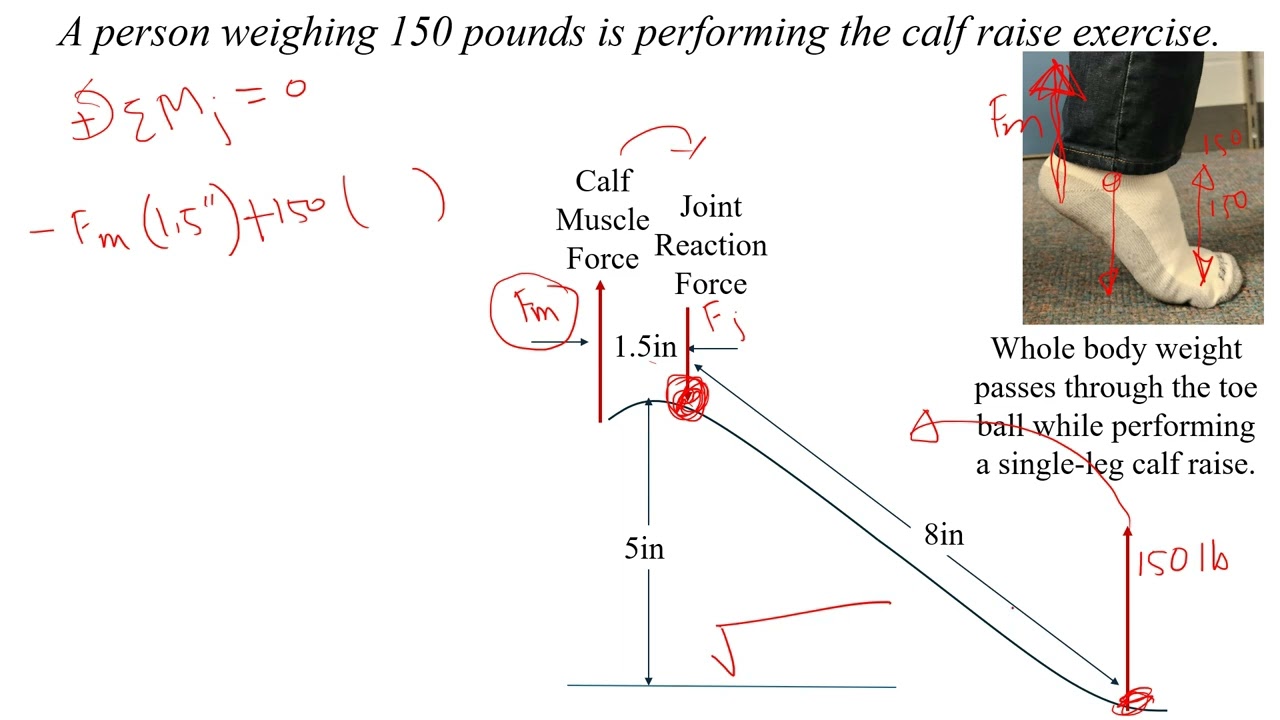
Calf Muscle & Ankle Joint Reaction Forces: Foot Up Calculation
@TheOpenEducator
172 views•2025-01-31
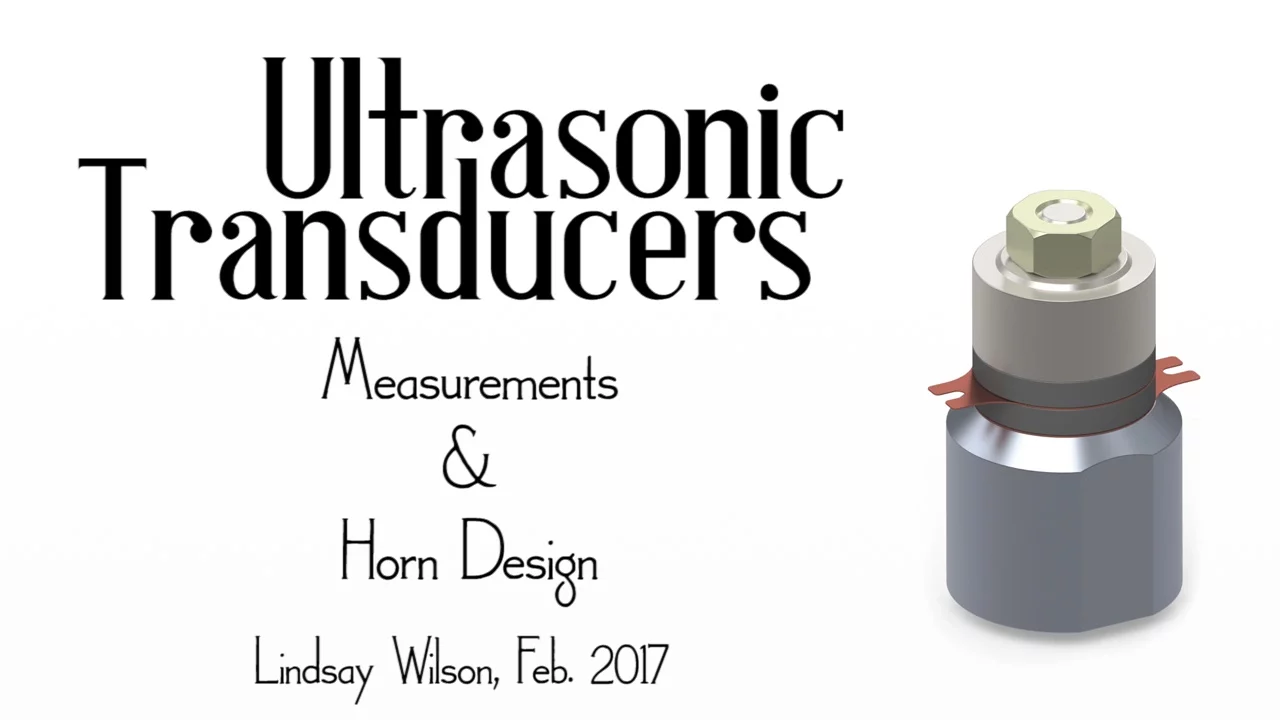
Ultrasonic Transducers: Resonant Frequency Measurement and Horn Design
@imajeenyus42
229.9K views•2017-02-22

Polymer Environmental Degradation: Mechanisms & Stabilization
@iit
1.8K views•2012-07-10

How a Student's Question Saved a NYC Skyscraper from Collapse
@veritasium
22.8M views•2025-04-26
Related Study Plans & Knowledge Roadmaps
Structured learning paths in Engineering