











![[FR] Evaluation of the ns-3 network simulator (T. Reynaldo)](https://i.ytimg.com/vi/r2X5x50a7Do/maxresdefault.jpg)


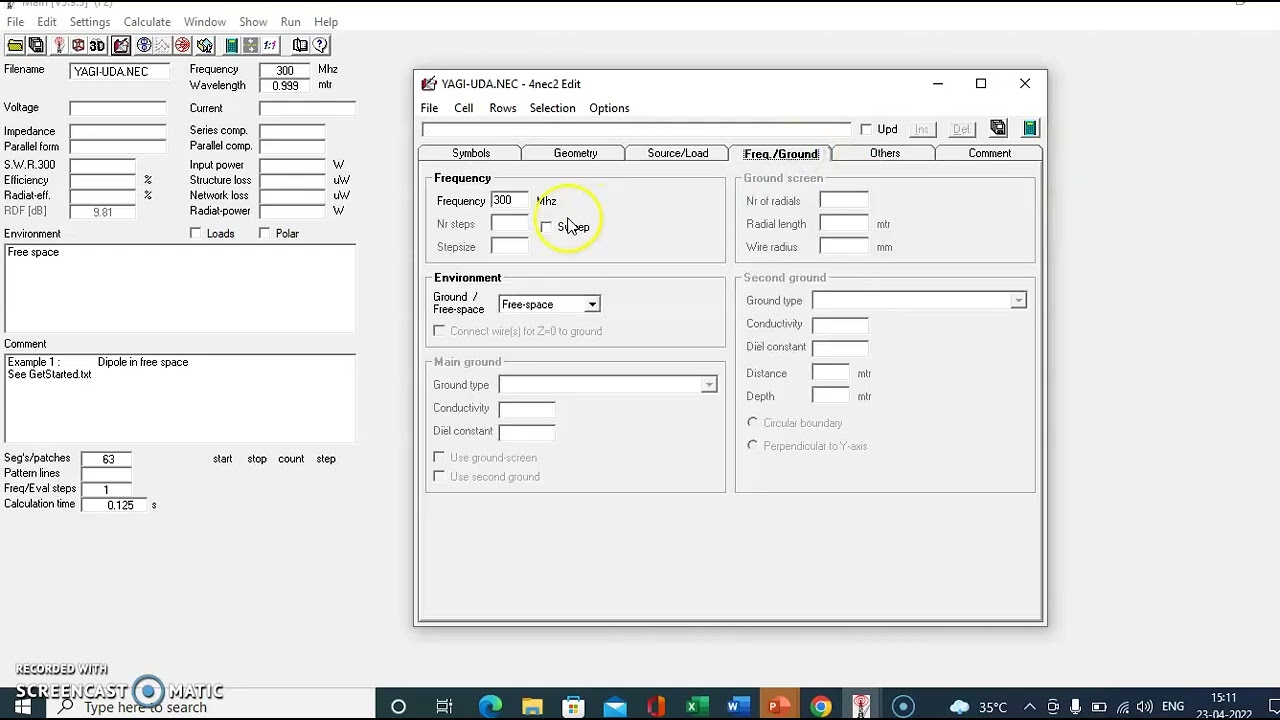
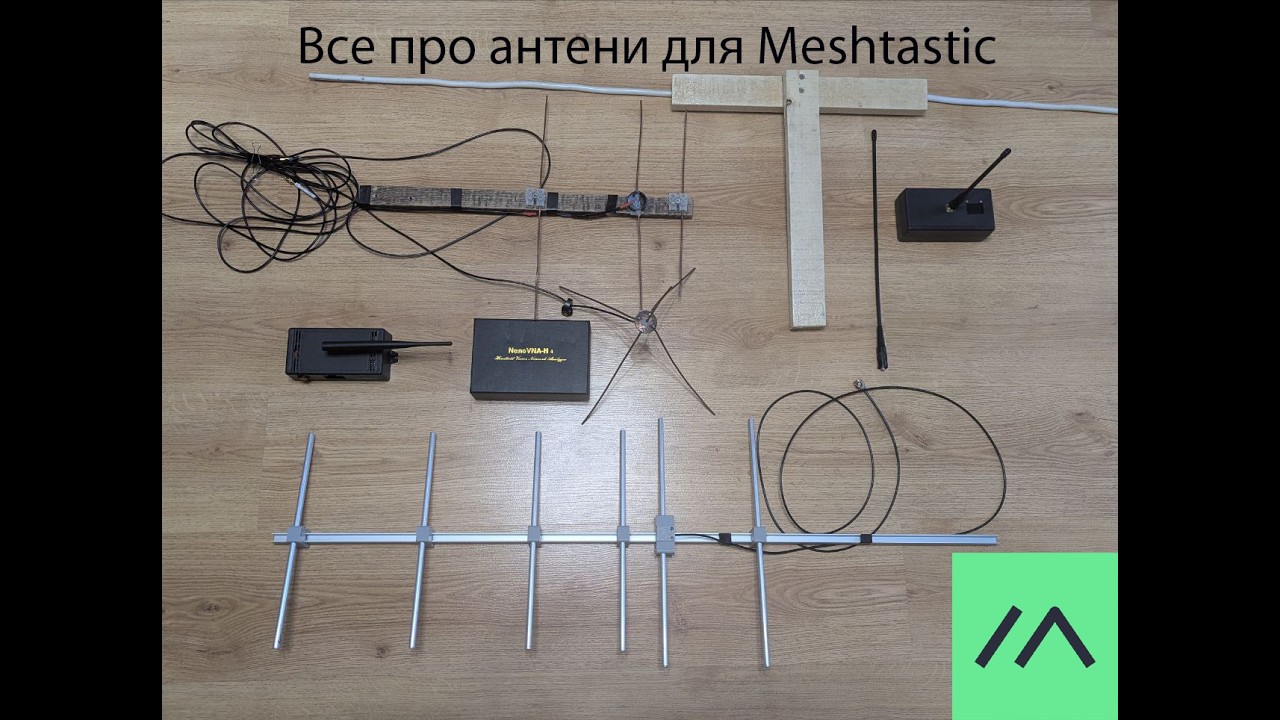



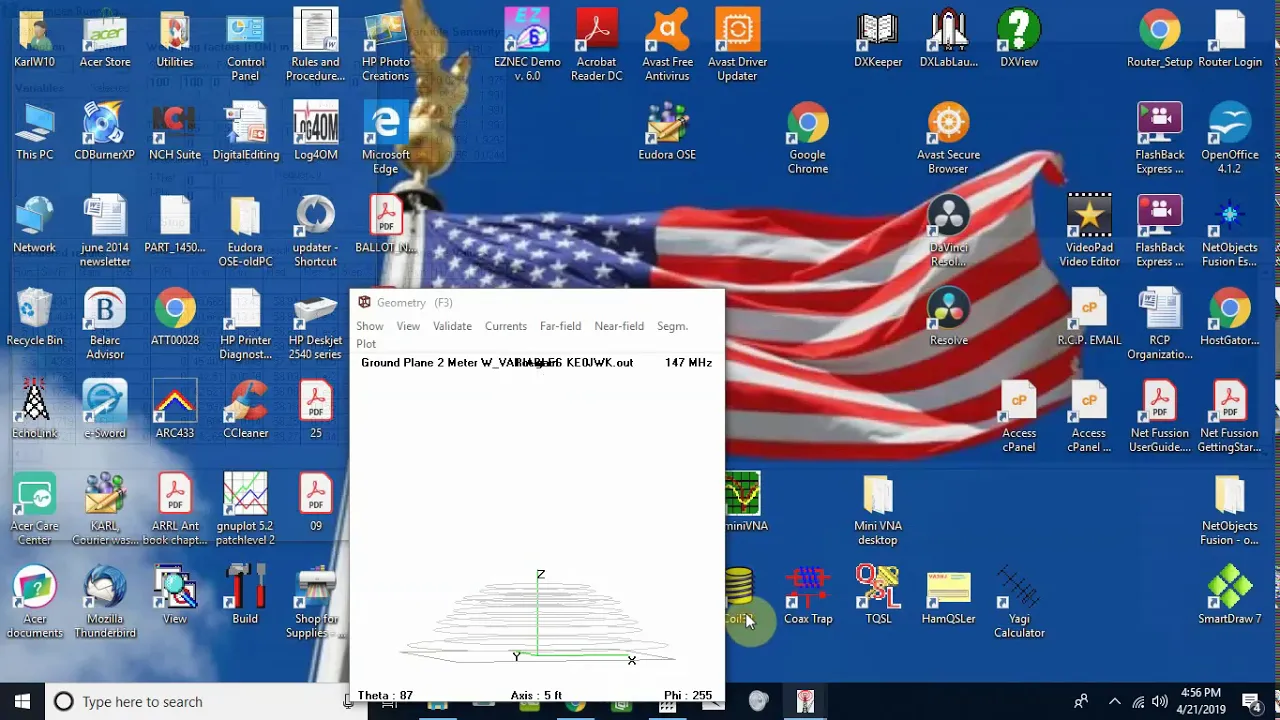
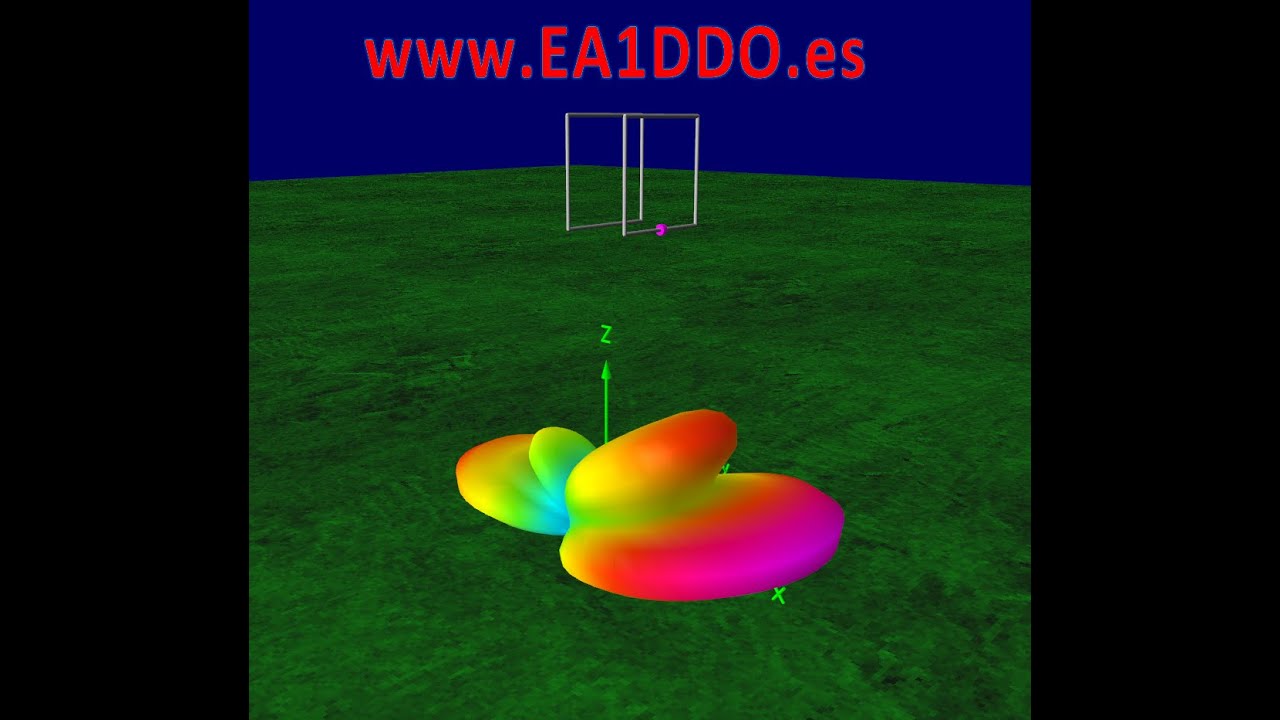
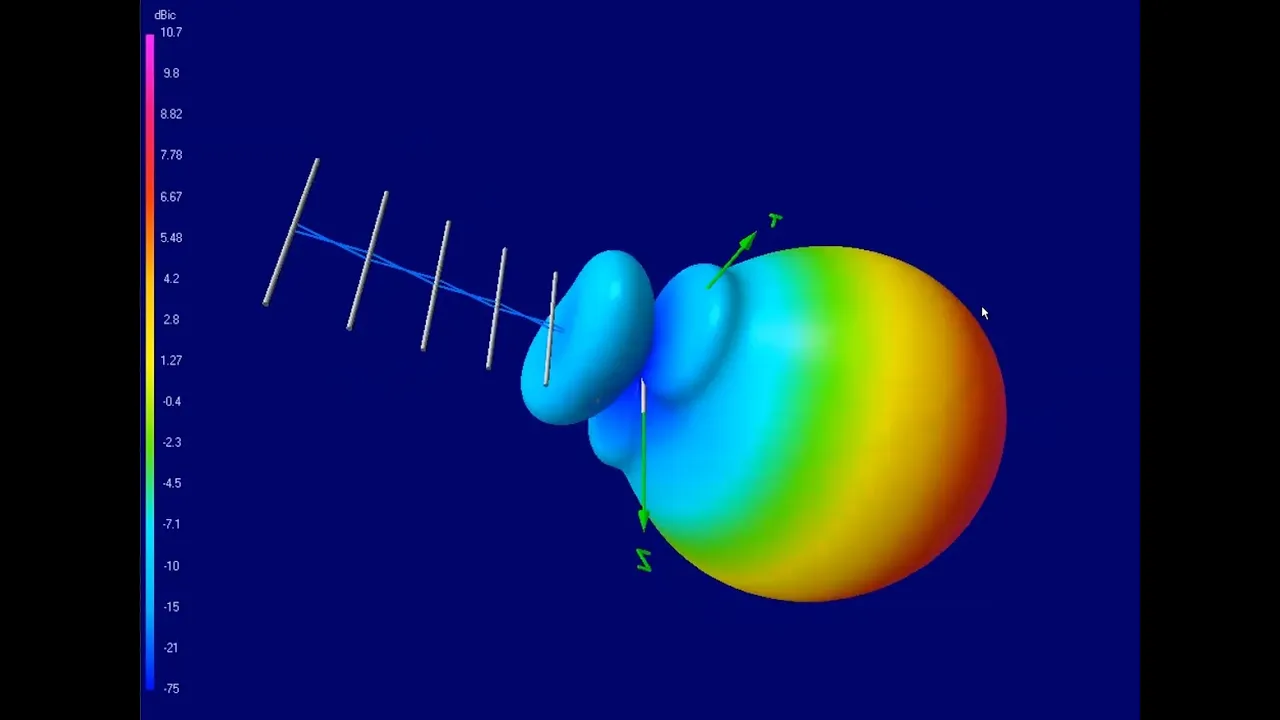
This video introduces the basics of using 4NEC2, a free antenna simulation program that operates in three-dimensional space with X, Y, and Z coordinates. Key concepts include: placing antenna centers at the origin (Y=0) for symmetry, using either meters or feet as units, modeling antennas with segmented wires where odd numbers of segments are typically used, inserting sources at the center segment for dipoles, and adding transmission lines or traps as parallel tuned circuits at specific segments. The approach involves creating a single wire for the entire antenna structure and letting the software interpret connections and components accordingly.
4NEC2 Antenna Modeling Software: Tutorial for Beginners
Added:Basic electromagnetics and antenna fundamentals, such as radiation patterns, gain, polarization, and resonance.
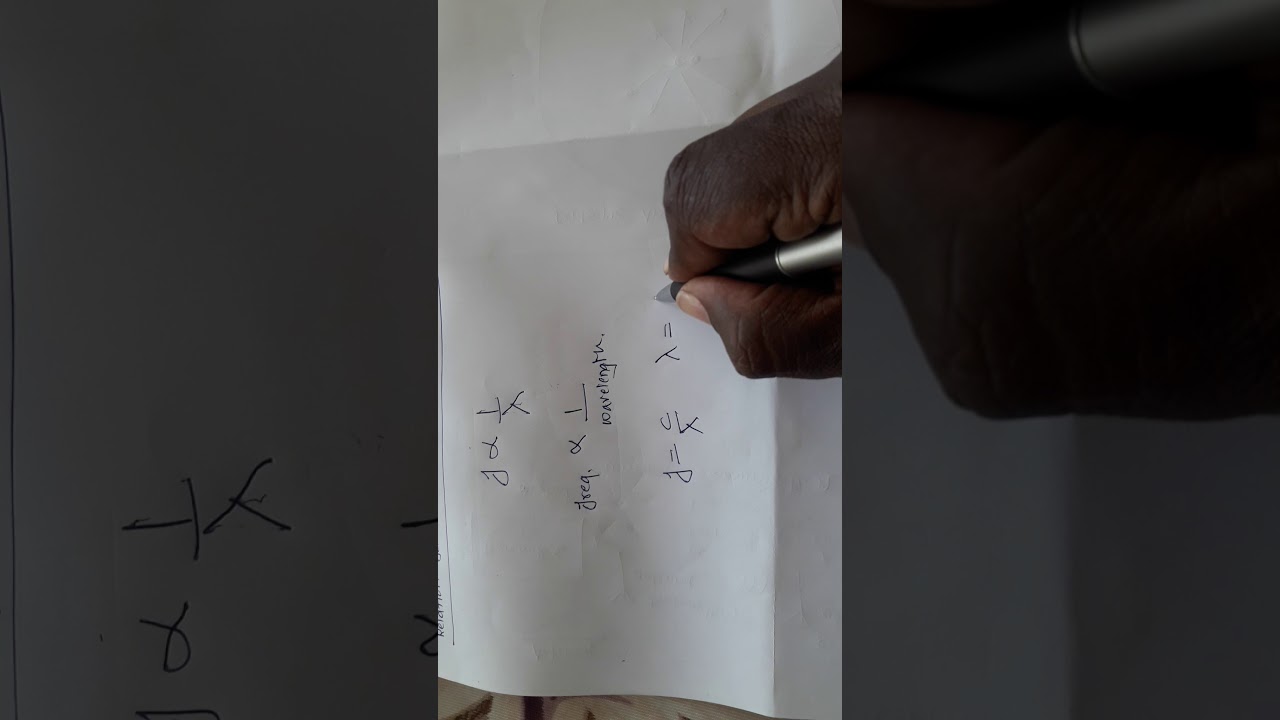
The mathematical relationship between frequency and wavelength to calculate physical antenna dimensions.
Fundamental AC circuit concepts, including RF impedance matching, standing wave ratio (SWR), and transmission lines.
An understanding of 3D Cartesian coordinate systems (X, Y, Z axes) to map out physical wire structures.
Using 4NEC2's optimization and sweep tools to automatically tune antenna dimensions for the best SWR or gain.
Modeling complex environmental factors, specifically comparing free-space simulations to real-ground models like Sommerfeld-Norton.
Simulating multi-element or complex geometries, such as Yagi-Uda arrays, loop antennas, and wire-grid ground planes.
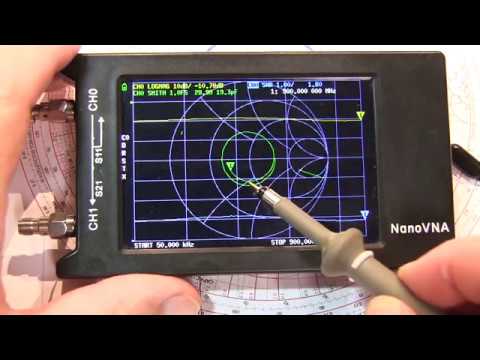
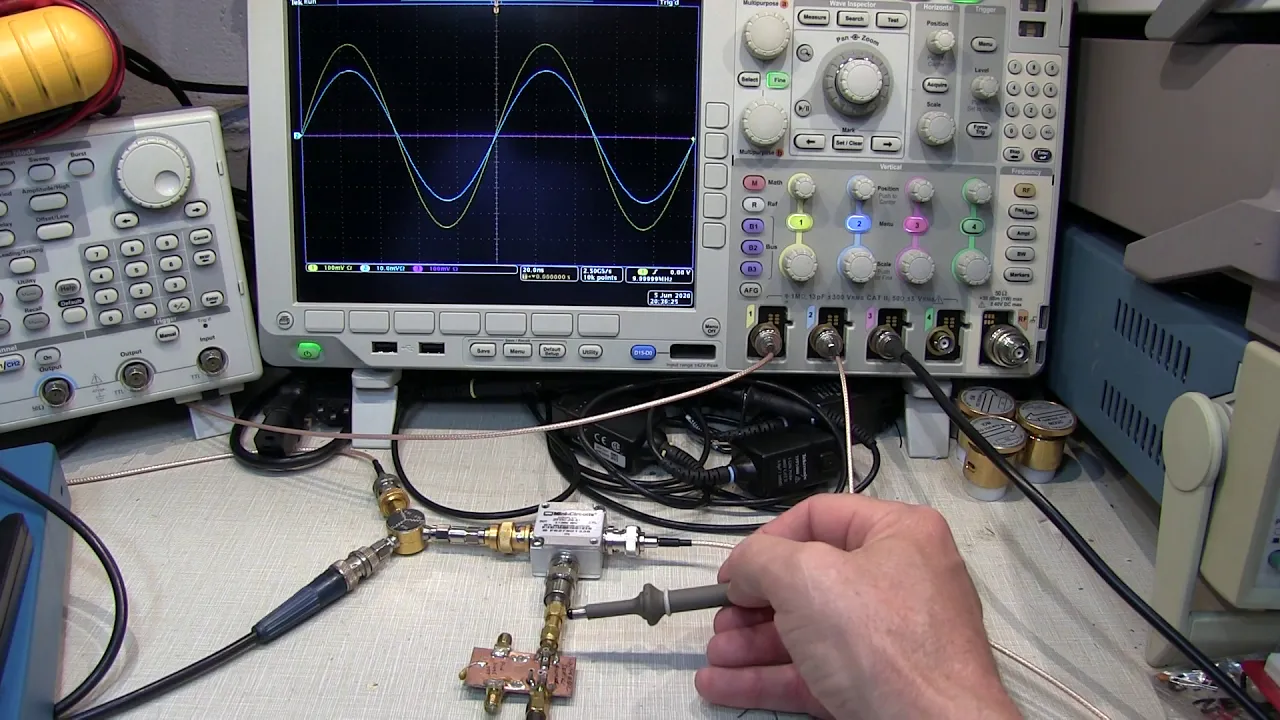
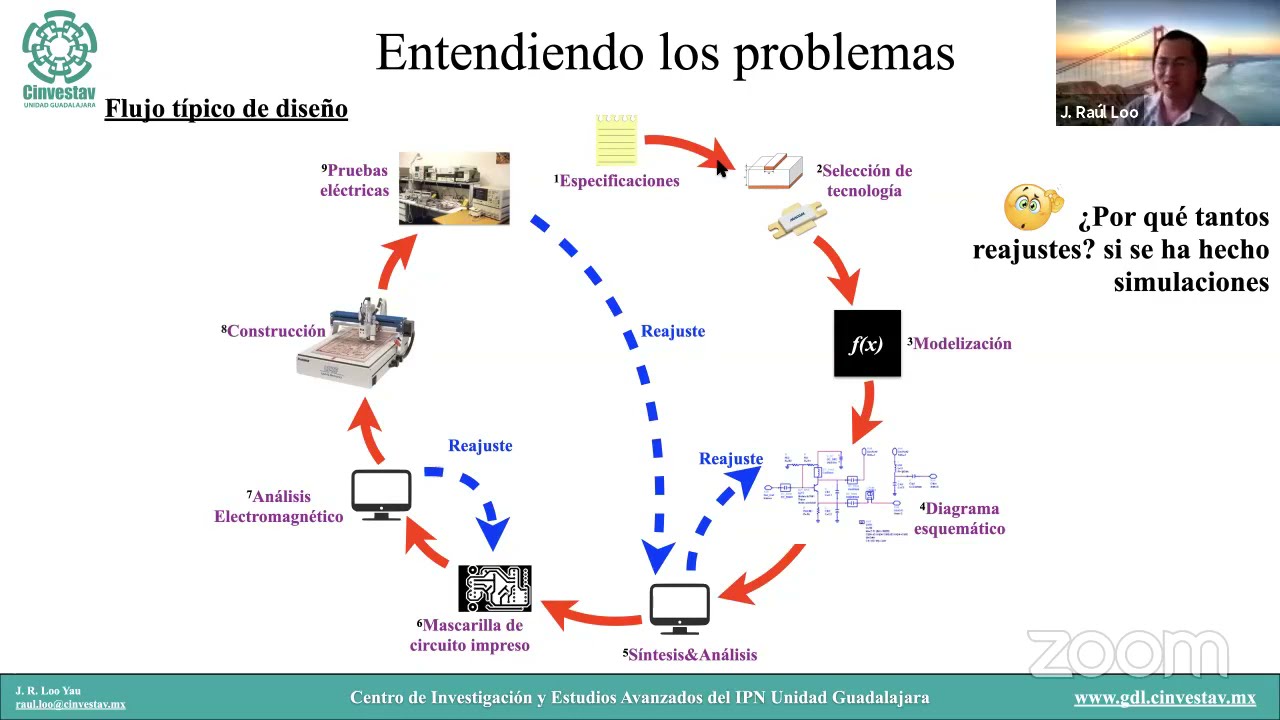
Translating simulated designs into physical prototypes and validating them using test equipment like a Vector Network Analyzer (VNA).
4.9K views208likes10:15Original Release: 2021-01-20
[Music] hello i'm ralph gable of the electronics for the inquisitive experimenter youtube channel this is the first of a three video series on the free yes i said free 4nec antenna simulation program in this video i'm going to present some basics regarding the free for nac 2 antenna simulation program just to kind of give you a step up on how how it works and and how to create your antenna models in the next video i'm going to use these very basics to model two different antennas the first will be a simple dipole antenna the second is a simple inverted v in the third video i will move forward into a virtual experiment with a whole band 80 meter inverted v antenna now i will provide the design files for all of the antennas that are described in these three videos in the description below if you find this video helpful please click on the like and subscribe to this channel so that you will be notified when new videos come out so let's talk about the free for nec 2 antenna modeling program and how to create a model we need to do a quick 4 nec 2 primer to begin with the nec program is three dimensional that means that we have to be operating in a three dimensional space you have your z which is the distance above ground you have the x direction that's minus x this is plus x and then you have the y direction this is minus y excuse me this is minus y this is plus y and so when you are planning the model for your antenna you have to three think in three directions now one of the things that makes it easy is if you plan your antenna so that it is along one of the axes so if we're going to model let's say a dipole and we plan our dipole this way so it's directly above the y-axis then that means that for the entire length of this antenna x equals 0 and we don't have to mess with anything then the only values that we have to be concerned about are z which is the height here above ground and y which is the distance from the center out to the ends and by convention we generally want to put the antenna center at zero so we we try to put the antenna center at zero so it extends an equal distance in each direction away from y equals zero now the next thing that we have to remember is that 4nec2 can operate in either meters or feet now i've tried using it you can set it to inches and i've tried using inches but i haven't been terrifically successful in in making it behave with inches so choose meters or feet you can actually do it in terms of wavelength too but i've never done that i don't know how well it behaves i generally choose feet and then all your dimensions even the dimension that of the the radius of your antenna material is in feet thirdly and this is the part that people have the most problem with we have antennas are created with wires and segments and this is confusing to some so think of it this way you have a wire and here's my my antenna it is this wire that extends from here to here now for analysis purposes 4nec2 needs these this wire broken up into smaller segments okay now generally speaking you are going to want an odd number of segments and you say why do you want an odd number of segments because like this could be a dipole here okay you say dipole it's just a single wire that doesn't make sense to me a dipole so we have to have a center insulator somewheres right and we tend to think we tend to think oh i have a wire here it comes here and i got a wire here and it comes here and this is where i connect my my transmission line well what you do in 4nec2 in these antenna modeling programs is you draw a single wire which is the entire let's say you're doing a half wave dipole this is a complete half wave long and then you insert your source in the center segment now what 4nec2 does is they they immediately interpret that as a wire here a wire here and your source here you can also do this put a have a single segment wire down here and you can insert transmission line between two this segment here and this single segment wire you have down here and then you insert the source here now you have a source down here you have your transmission line segment you have your center insulator and all of this is interpreted by 4nec2 as a wire to here a wire to here your transmission line coming down here and down here is your signal generator and there are specific rules about how big the segments have to be relative to each other and various things but i'm not going to get into that here so this is how you add sources and and what about traps i want to make a trapped antenna well what you end up doing then with a trapped antenna is you insert what they call a load at a particular segment and the load consists of let's say a parallel a parallel inductor and capacitor on both sides so now that's inserted there so what does it look like to 4n ec2 this well it interprets that as i now have a trap here which is a parallel tuned circuit of this inductor and this capacitor so that's how that's the basic uh tutorial about how all of this comes together so there you have it the basics of the four mod antenna modeling program in the next video in this series i will apply these basics in modeling two very basic antennas a simple dipole and a simple inverted v if you have found this video helpful please click on the like and subscribe to this channel so that you will be notified when new videos come out thank you so much for watching until then to the lutz
Up Next

23:34
EFHW Antenna Radiation Pattern Simulation in MMANA-GAL
@quantumradio
12.1K views•2023-05-22

12:54
Triumph of Orthodoxy Icon: Byzantine Art & History Explained
@BenCallan
2.1K views•2024-08-06

9:49
FastAPI vs Flask vs Django: Choosing the Right Python Web Framework
@TechWithTim
302.5K views•2024-05-26

1:42
Game of Thrones Opening Credits: A Cinematic Analysis
@gameofthrones
46.3M views•2011-04-18
Related Study Plans & Knowledge Roadmaps
Structured learning paths in General & Interdisciplinary Studies
general-studies
Elevator Engineering: History, Physics & Cities
01From Hoists to Safety Brakes: The Dawn of Vertical Lift
02Hydraulic vs. Traction: The Engineering Physics of Elevators
03Modern Speed, Safety, and Algorithms
+ 2 more learning modules
12h5 modules
Explore Roadmap
general-studies
Rubber: Material Science, History & Geopolitics
01Origins of Natural Rubber & Mesoamerican History
02The Chemistry of Natural Rubber & Vulcanization
03The Geopolitics of the Rubber Boom & Colonization
+ 2 more learning modules
12h5 modules
Explore Roadmap
general-studies
Containerization: Evolution, Logistics & Trade
01Ancient Trade & Bulk Cargo: Amphorae to Barrels
02The Industrial Revolution & Cardboard Packaging
03The Containerization Revolution: Malcom McLean
+ 2 more learning modules
12h5 modules
Explore Roadmap
general-studies
Textile Tech: Evolution, Labor & Global Impact
01Pre-Industrial Textiles: Handloom & Cottage Industry
02Mechanization: The Spinning Jenny to the Power Loom
03The Factory System & Global Labor Transformation
+ 2 more learning modules
10h5 modules
Explore Roadmap