

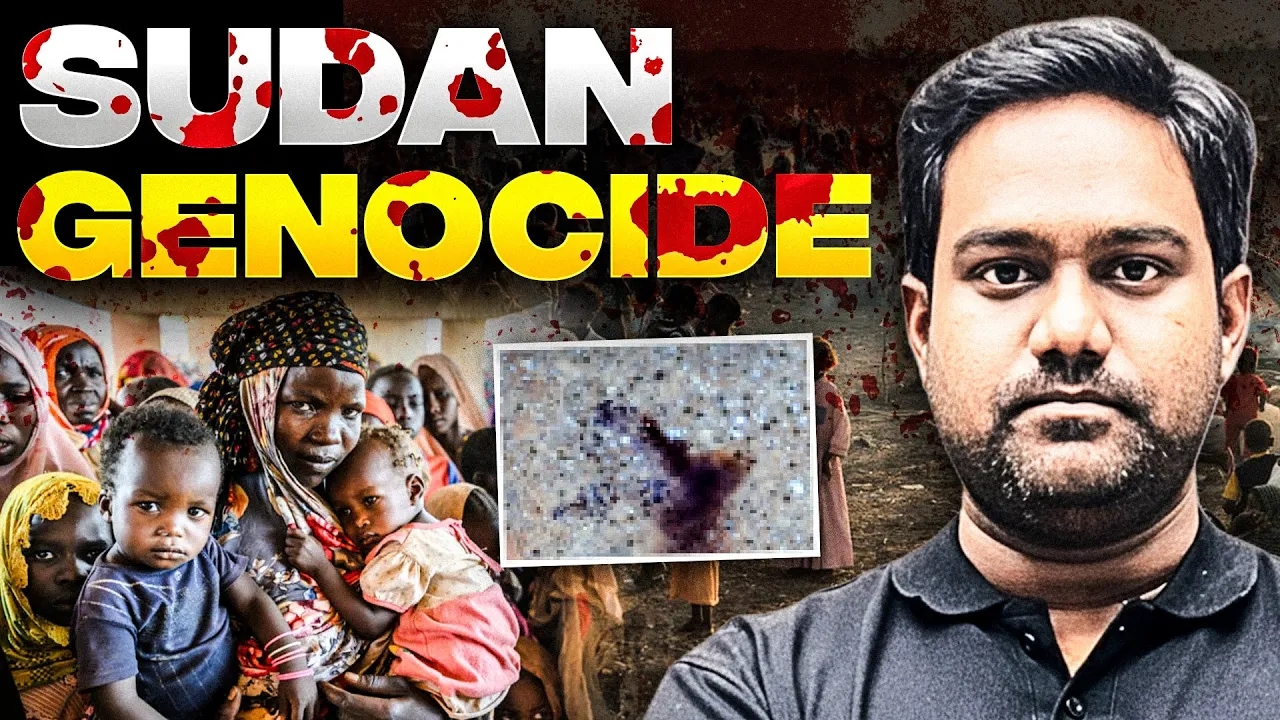

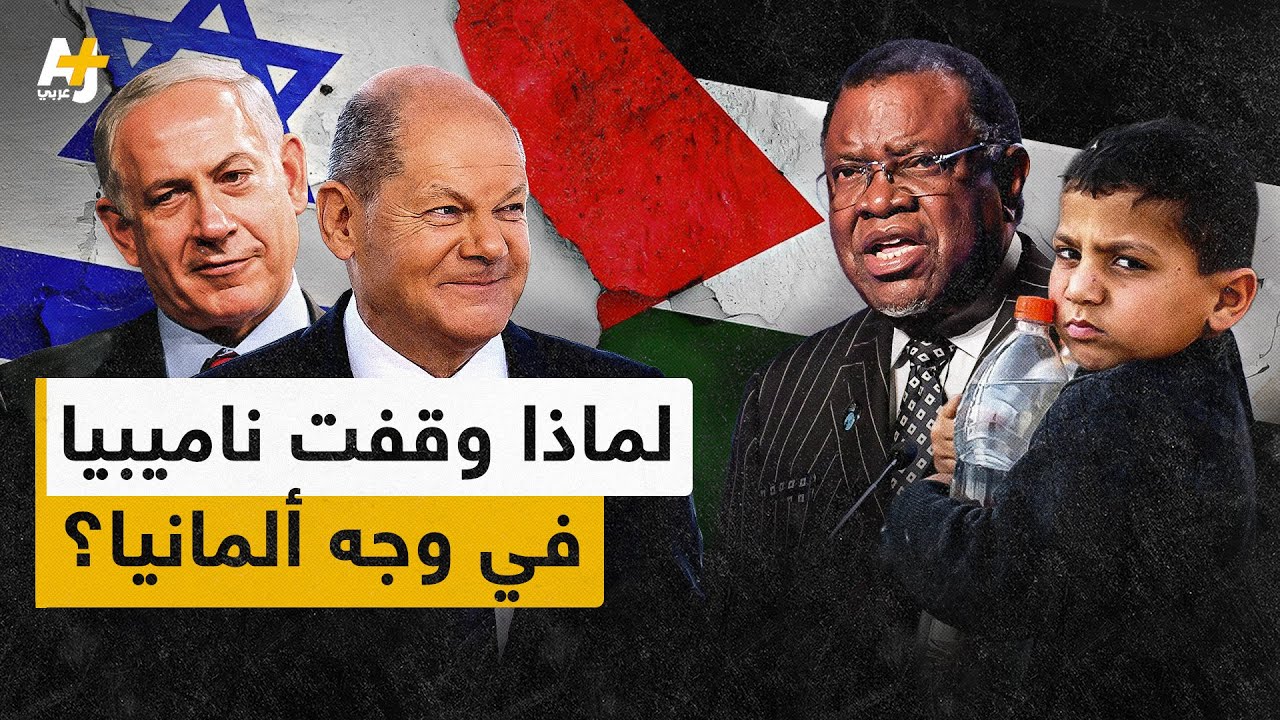

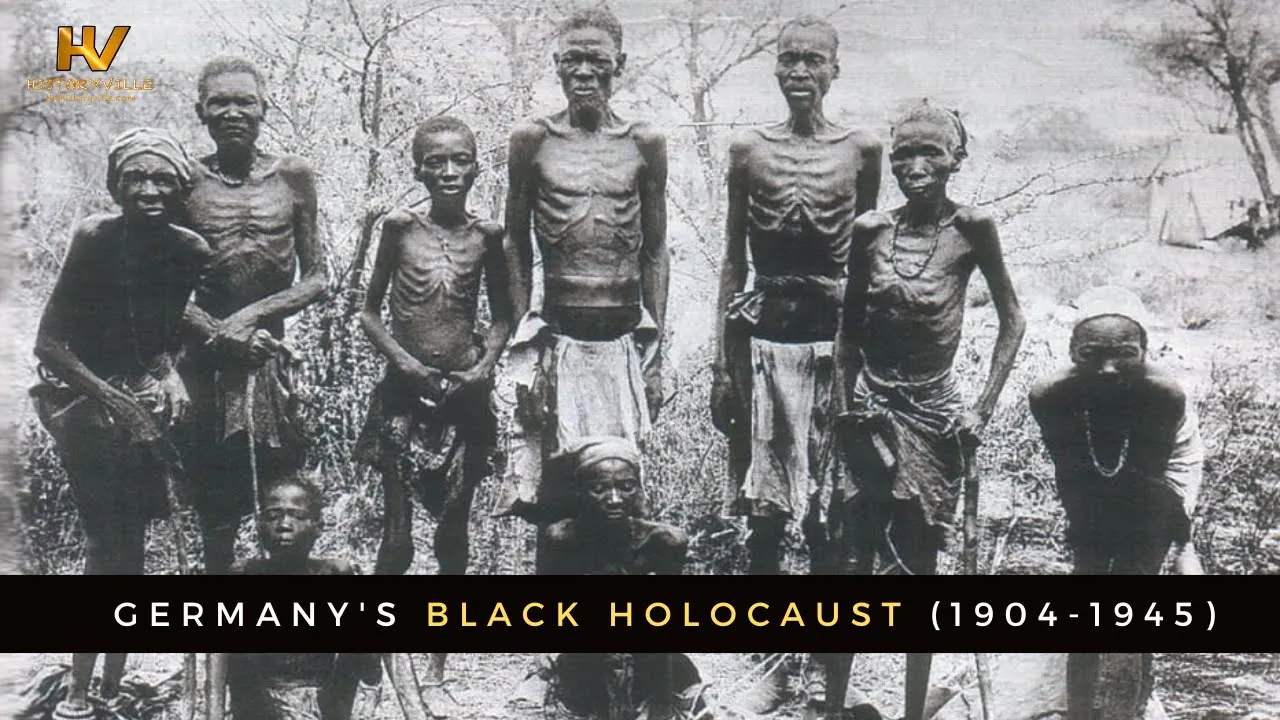







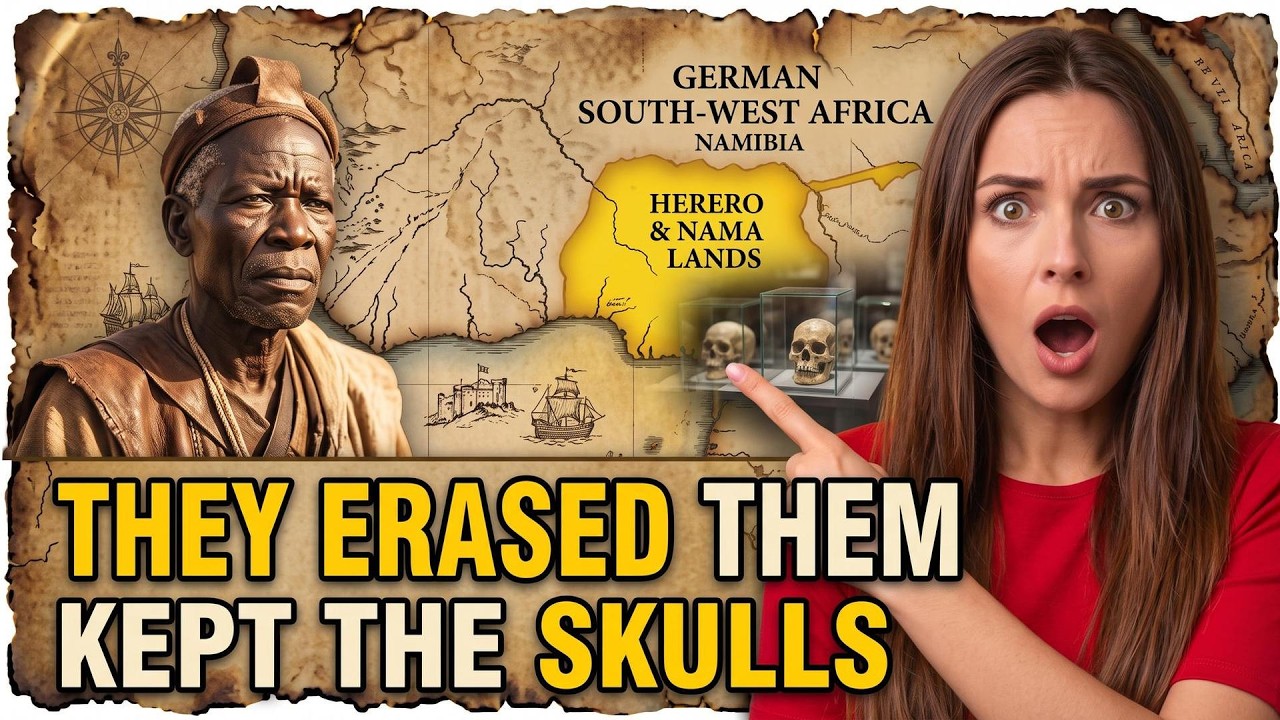








Germany colonized Namibia for 31 years (1884-1915), during which approximately 70,000 Herero and Nama people were slaughtered in a genocide that began in 1904. Despite Germany officially recognizing this event as genocide in 2021 and agreeing to reparations since 2013, no payments have been made, while Germany has paid over $90 billion in reparations to Israel for Holocaust survivors. The video argues that Germany's withdrawal from Africa was primarily due to World War I, and that African unity against colonial powers was rare, as most African groups were divided and fought each other rather than uniting against common enemies.
Namibia Genocide and German Reparations: A Historical Analysis
Added:The history of the 'Scramble for Africa' and the establishment of German South West Africa in the late 19th century.
The legal and conceptual definition of 'genocide', including its origins under international law and the UN Genocide Convention.
Basic understanding of the socio-economic and political landscape of pre-colonial Namibian societies, specifically the Herero and Nama peoples.
The fundamental principles of transitional justice, state accountability, and the concept of post-colonial reparations.
Comparative analysis of the Herero and Nama genocide and the Holocaust, examining potential ideological, administrative, and military continuities in German history.
Analysis of the 2021 German-Namibian Joint Declaration and the ongoing diplomatic debates over official apologies, financial aid, and legal liability.
The socio-economic legacy of colonial land dispossession and contemporary land reform challenges in modern Namibia.
The study of modern memory culture (Erinnerungskultur) in Germany and how European nations address colonial-era atrocities compared to 20th-century domestic crimes.
27.8K views1.7Klikes10:51Original Release: 2025-06-09
On the 28th of May 2025, candles were lit by the people and the president of Namibia in remembrance of their ancestors who were massacred by the German troops between 1904 to 1908. Germany colonized Namibia for 31 years and in that time span, ladies and gentlemen, it is estimated that 70,000 Namibians were slaughtered. This event was swept under the rug by the German government for over a century until on May 28, 2021 when the former German foreign minister Haiko Maras representing the government of Germany under Chancellor Angela Merkel publicly stated that Germany will now officially call that event a genocide. Ladies and gentlemen, this genocide largely occurred among two tribes in Namibia, the Herrera and the Nama tribes. And as usual, the question is, why will Germany do this? Why would they slaughter so many people? I have the answers with me and a video of the president of Namibia speaking passionately about the atrocities and the reparations Germany agreed to compensate Namibia with. But ladies and gentlemen, first make sure to subscribe and click on the notification bell and let's get into it.
Hi, I'm Cyrus from Ghana and this is Tunum Network where I do my independent research into topics of interest and share my findings with all. This video should let you know why as a black African. We don't need to encourage traveling anywhere again. Nobody actually loves us like you would think except for our own people. And so we need to invest our time and resources into developing our own continent, our countries for ourselves. I say this because Germany, the country Germany and Europe wanted to expand their territory.
Nazi Germany wanted to rule the world.
So even before the first world war will begin, they were scouting for where to find the resources to sustain their push for world dominance. Ladies and gentlemen, this brought them to Africa.
They came to Namibia, Tanzania, Rwanda, Burundi, Cameroon, even Nigeria, Chad, Gabon, and in Togo. At the time they arrived, we weren't cut out in the borders we have today as countries. So, they colonized these region for a short while. And I'll tell you about why they couldn't stay longer in Africa in a minute. But in Namibia, they wanted their fertile grazing lands to raise cattle. So they resorted to seizing the lands of the Herrera and the Nama people which was as a matter of fact their main source of livelihoods for their people.
The indigenous people were dispossessed, pushed into poverty and forced into labor. Tensions arose because of that and the indigents went against the Germans and that's when the Germans thought they could annihilate them entirely to have that piece of land to themselves. The Herrera people revolted in 1904 and the Nama people joined in in the following year and under the German general L von Troa a brutal campaign was launched on the people by the German general to exterminate both the Herrerero and the Nama people. Ladies and gentlemen, the massacre began and thousands died in just one year. In my research, one thing was clear to me. The main reason the German troop didn't completely exterminate the local people and take over that land and couldn't stay longer in Africa was because the first world war was almost about starting. They had to go back to their country and fight in Europe. That is the main reason. So when you check across board ladies and gentlemen by 1914 to 1918 Germany had lost control of all their territories in Africa to either the British or the French because of the war starting in Europe. That was the same time the first world war was started and ended. And around that same time, ladies and gentlemen, in the early 1900s, Germany ruled over a large part of East Africa called German East Africa, which comprised Tanzania, Rwanda, Bundi. There was a rebellion which started a massive war between the German soldiers and the indigenous people in that area. It was called Maji Maji Rebellion. From 1905 to 1907, the German colonialists imposed harsh taxes, forced labor, and cotton farming for export on the people. They forced the local people to abandon growing their own foods to now grow cotton instead for export, which caused hunger and resentment among the people. So when the people couldn't endure any longer, they rose up in July 1905 in the Matumbi hills and quickly spread across the southern and eastern Tanzania. One most remarkable thing about this war, ladies and gentlemen, was that the moment the uprising started and spread in that region, around 20 different ethnic groups quickly united under the movement called Maji Maji Movement and joined in the fight. This is one of the rarest instances where African tribes demonstrated a united panethnic resistance because in most cases elsewhere one African country will join the westerner to fight another African tribe. That is a common thing. This was a special moment in African history.
Note that the maji maji word is a swuahili word which actually means water. But this was a concocted water mixture prepared by a spiritual leader at the time who claimed that it had powers to turn German bullets into water. It was a mixture of water, millet, castor oil, and some herbs.
Ladies and gentlemen, and alongside that, the black people came with spears, arrows to the wall. The German army responded with brutal military force and overpowered our people and massacred a lot of them. The soldiers went ahead and burned their villages, food supplies, and killed tens of thousands of the people, including civilians. At the time, it is estimated that 75,000 to 300,000 Africans died altogether, many from starvation. The Maji Maji Rebellion was ultimately crushed in 1907. But at this point, ladies and gentlemen, it has shattered the German illusion of an easy colonial control in Africa. They feared for what the people might come together and do in retaliation. This is one another reason they left Africa by 1918.
And that's what was missing in many places in Africa. Unity. Instead of coming together to fight the common enemy, we are divided by our tribes and fighting our neighbors. We couldn't unite against the British and not against the French. And even till now, we still can't. Ladies and gentlemen, sad truth. The same group of leaders who sit around tables to plan for the unification of Africa are the same moles amongst them who will give out the entire plan to the western masters in exchange for material gain and protection. Ladies and gentlemen, this is how the western countries have been successful over the years over us. They divide us and then they conquer us. They mastermind our demise with our own people sitting amongst them from all the way in Europe. This has never changed.
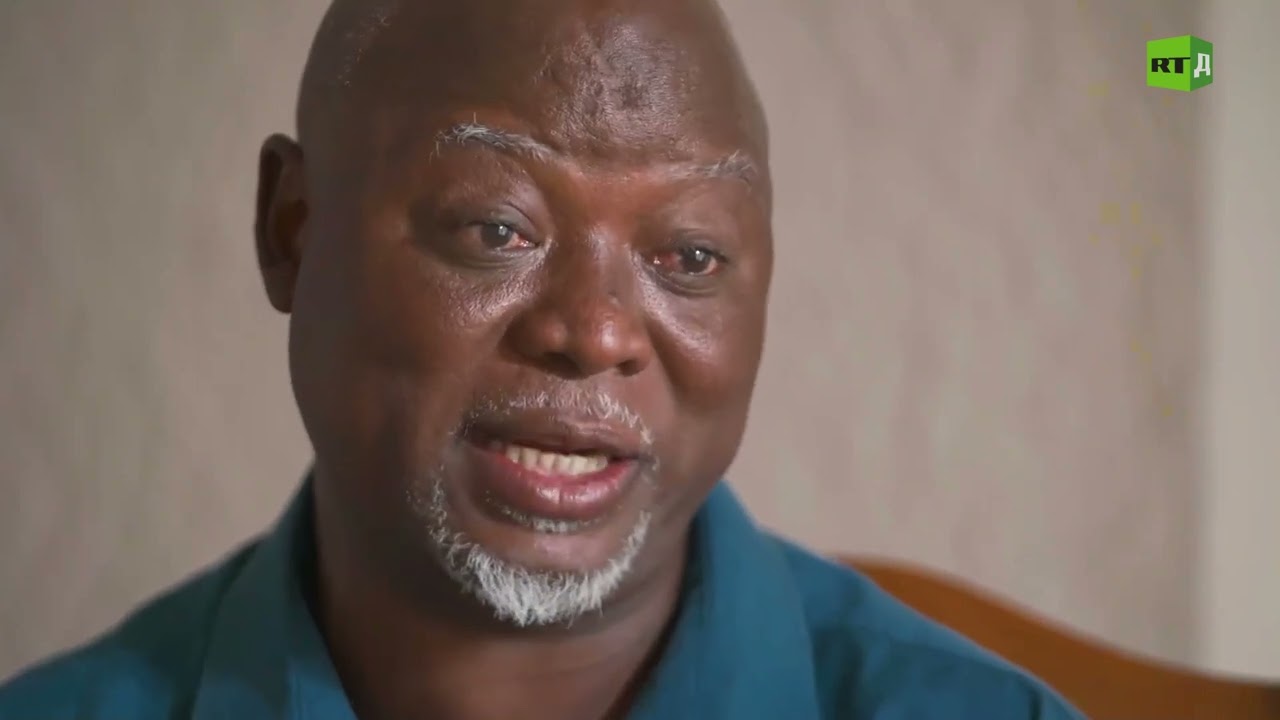
Still going on. Do you know that even after Germany finally finally recognized that that event in Namibia was a genocide and agreed to make reparations to them till this day, ladies and gentlemen, no such payments have been made. The German government under Angela Merkel promised that the Namibian government will receive reparations since 2013. Until today, not a single dime has been paid. But this same Germany has paid reparations to Israel and to individual Holocaust survivors for the atrocities committed during the Holocaust when they murdered approximately 6 million Jews during the Second World War. Since the 1950s, ladies and gentlemen, Germany has paid over $90 billion in various forms of compensation to Israel for the pensions and health care of the Holocaust survivors and to the Jewish organizations. Ladies and gentlemen, they have compensated them for Nazi persecutions, stolen property, forced labor, and their suffering. They've helped in the rebuilding of Jewish communities and all. But when it came to Nam media, they promised and then they disappeared. This is the injustice we see perpetuated against Africans all the time. Take a look at this video of how it was commemorated in Namibia and what the Namibian president said about the genocide and the reparations. Take a quick look. Justice for Africans and people of African descent through reparations.
This theme is talking to the engagement between the two governments, the Namibian government and the German government and asking the two government to conclude the negotiation on genocide, apology and reparation. So it's obvious the crime happened and promises were made. I don't know your take on this, but I'm curious to know it. But I strongly believe it's time we take care of ourselves and develop our continent, our countries without hesitation. Nothing should stop us this time, ladies and gentlemen, from working together as a continent and as a race and make sure that such incidents don't repeat themselves on this continent. We still have the resources and the people.
Let's rebuild and protect our sovereignty with firm and quality leadership. Ladies and gentlemen, our condolences to the families of all Africans who have lost their family in any type of war with the West on this continent over the years. Ladies and gentlemen, may their souls rest in perfect peace. Thanks for watching this one and catch me in the next one.
Remember to subscribe and click on the bell for more of my content. It's bye-bye for now.
[Music]
Up Next

19:27
1960 Turkish Coup d'État and the Cold War: A Historical Analysis
@TheColdWarTV
101.1K views•2021-09-25

33:02
The Great Schism of 1054: Causes and Consequences
@SacredCathedrals
113.5K views•2026-02-19
91:57
The Geopolitics of the Ukraine War and the Rise of Global Autocracy
@JordanHarbingerShow
468K views•2025-04-19
17:05
Understanding the Cold War: Superpower Conflicts and the Road to Détente
@OverSimplified
46.1M views•2019-01-24
Related Study Plans & Knowledge Roadmaps
Structured learning paths in History
history
Byzantine Iconoclasm: Theology, Art & Politics
01Foundations of Byzantium and Early Christian Images
02The First Iconoclasm: Leo III and the Crisis of Images
03Empress Irene, Nicaea II, and the Second Iconoclasm
+ 2 more learning modules
9h5 modules
Explore Roadmap
history
Iranian Revolution (Causes, Events & Legacy)
01The Pahlavi Dynasty and the Roots of Discontent
02The Spark of Rebellion and the Rise of Khomeini
031979: The Fall of the Shah and the Climax of the Revolution
+ 2 more learning modules
8h5 modules
Explore Roadmap
history
Mali Empire: Mansa Musa, Trade & Timbuktu
01Foundations of the Mali Empire
02The Trans-Saharan Gold and Salt Trade
03The Reign and Pilgrimage of Mansa Musa
+ 1 more learning modules
6h4 modules
Explore Roadmap
history
1947 Partition: Politics, Borders & Legacies
01Foundations of British India and the Divide
02The Political Negotiations and the Mountbatten Plan
03Drawing the Boundary: The Radcliffe Line
+ 2 more learning modules
8h5 modules
Explore Roadmap