













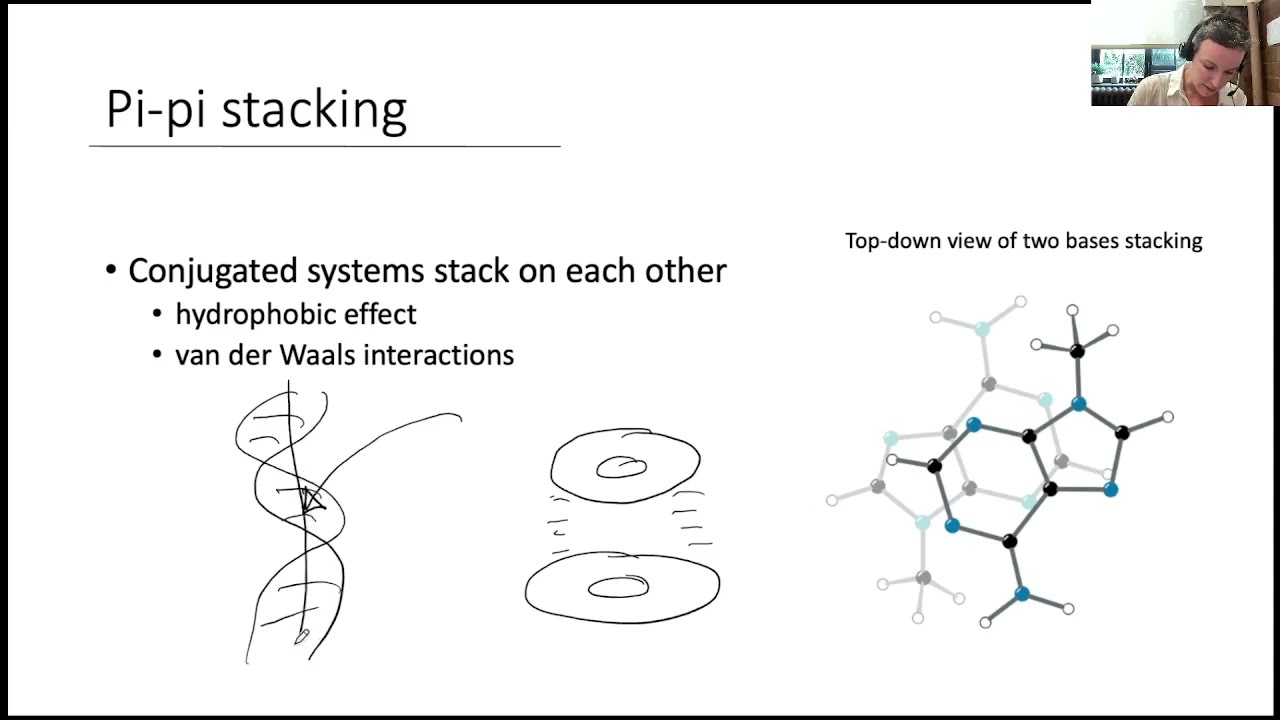






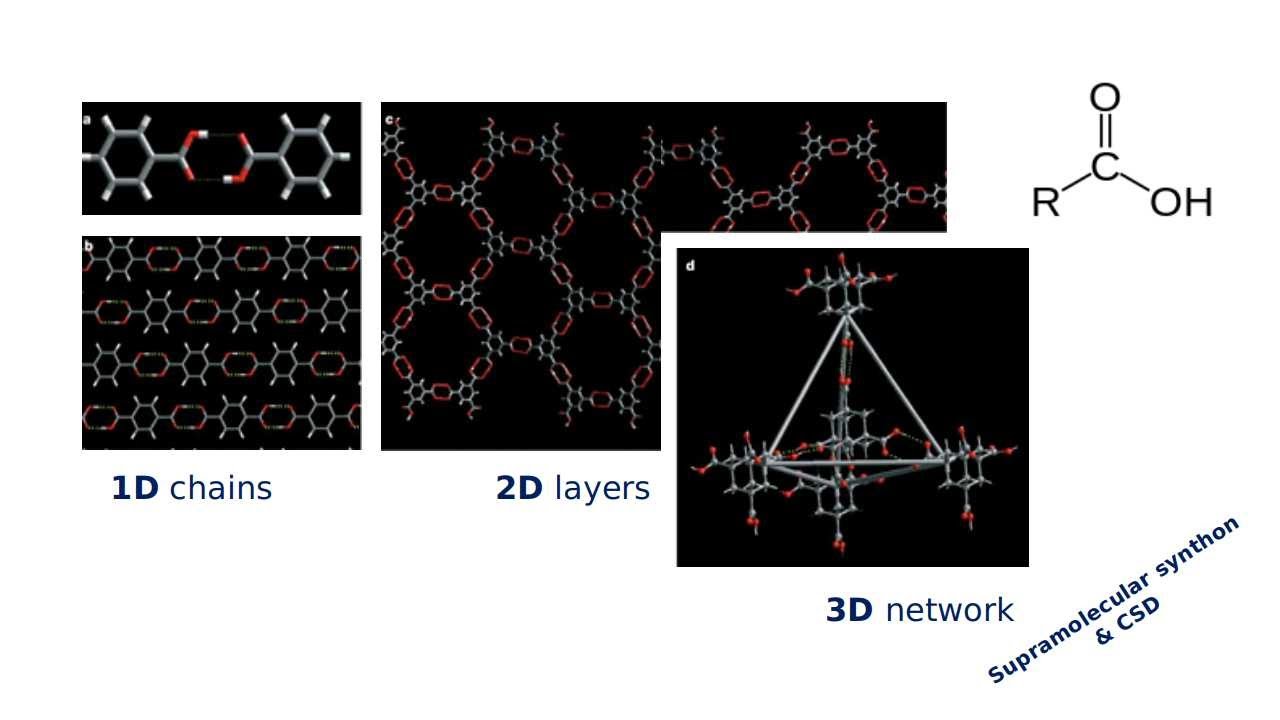
Pi-pi interactions are non-covalent forces arising from the electrostatic attraction between the negatively charged pi electron cloud of one conjugated molecule and the positively charged sigma framework of another, manifesting in four main types: pi-pi stacking (face-to-face, edge-to-face, and displaced/slip-stacked arrangements), cation-pi interactions (cation binding to pi electron cloud), anion-pi interactions (electron-deficient pi systems attracting electron-rich anions), and polar-pi interactions (dipole-quadrupole interactions between polar molecules and pi systems), with applications ranging from DNA structure stabilization to chemical sensing and protein folding.
Pi Interactions in Supramolecular Chemistry Explained
Added:Understanding of chemical bonding and molecular orbital theory, specifically the formation of pi bonds and conjugated systems in aromatic rings.
Familiarity with fundamental non-covalent intermolecular forces, such as hydrogen bonding, dipole-dipole interactions, and London dispersion forces.
Basic concepts of electrostatics, including molecular dipoles, polarizability, and the quadrupole moment of benzene.
An introduction to supramolecular chemistry, focusing on the distinction between covalent bonding and non-covalent molecular self-assembly.
Application of pi-interactions in host-guest chemistry and the design of synthetic molecular receptors.
The role of pi-stacking and cation-pi interactions in structural biology, specifically in DNA stabilization and protein-ligand binding.
Exploration of organic electronics and materials science, including the design of organic semiconductors and liquid crystals.
Principles of crystal engineering and the utilization of pi-based supramolecular synthons to design novel cocrystals.
20.7K views349likes9:21Original Release: 2020-12-25
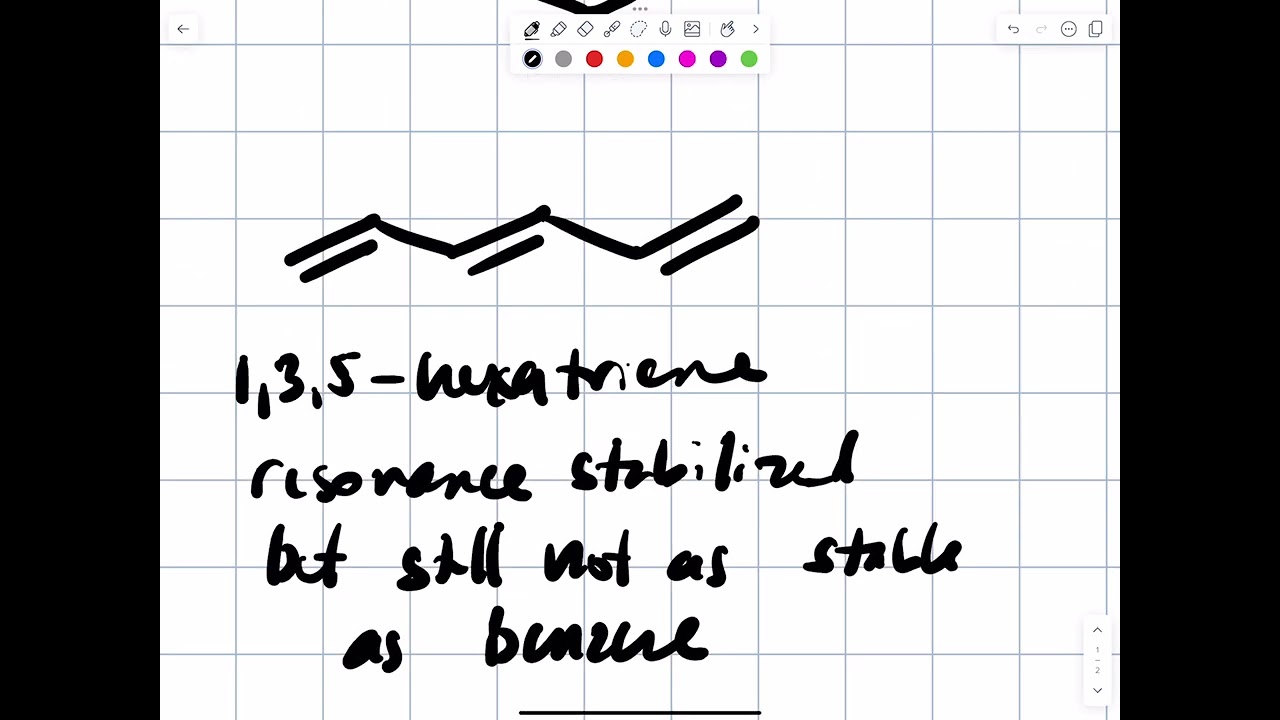
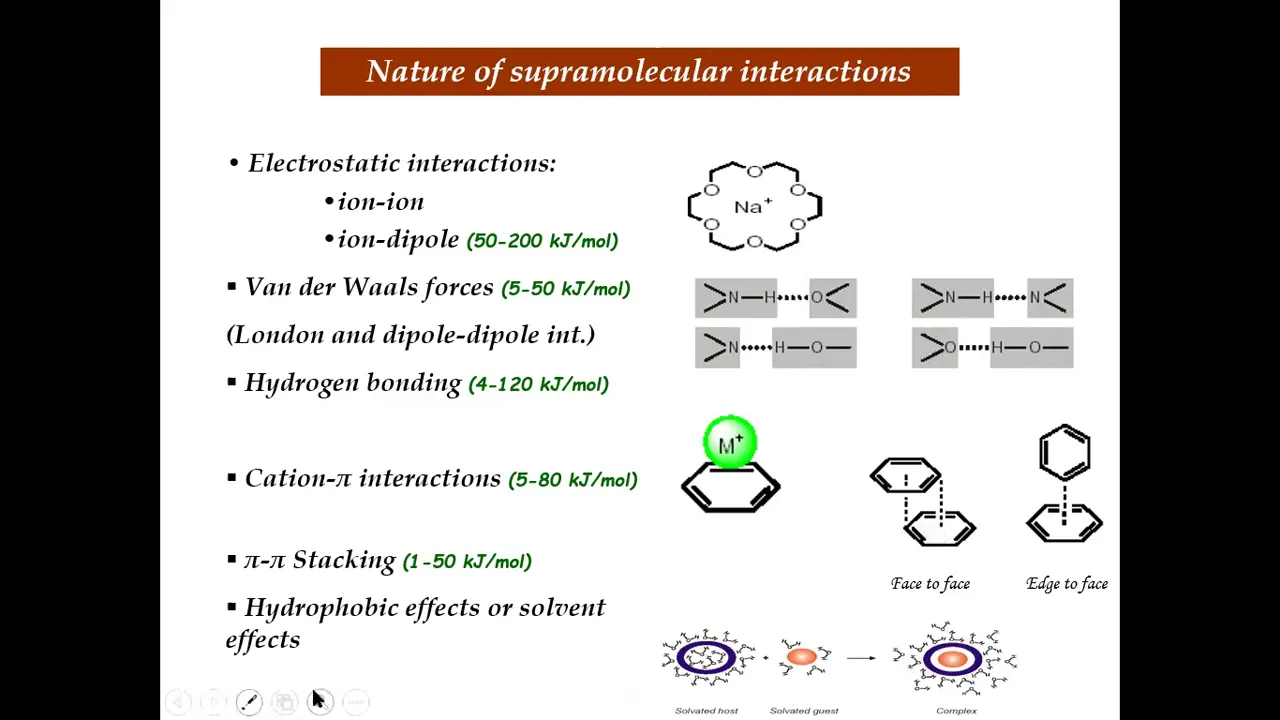
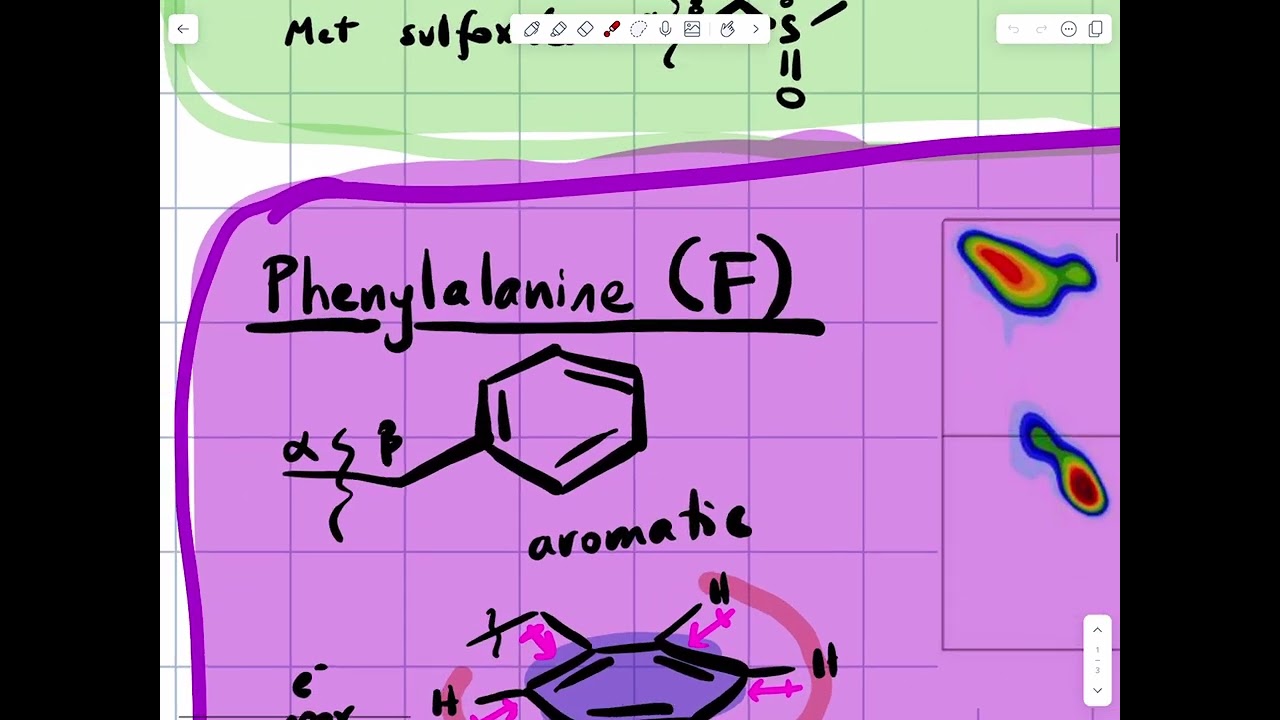
hello and hi welcome to supramolecular chemistry 14ch3007 today we are going to see about the pi interactions in supramolecular chemistry so you know very well there are several interactions in supramolecular chemistry they are all non-covalent interactions hydrogen bonding ion ion ion dipole dipole dipole wonder walls hydrophobic as well as the pi interactions so in this set of slides we are going to talk about the pi interactions and what are all the categories of pi interactions so what you mean by a pi interaction so these pi interactions these are all the pi effects which are associated with the interaction of the molecules with pi system of conjugated molecules such as benzene for example you know if you take benzene it has a pi electron cloud so the conjugated molecules which have pi electron cloud they are all involved in these type of pi interactions how do they arise so there is a interaction between the negatively charged pi electron cloud of one molecule and the positively charged sigma framework of the another molecule or the neighboring molecule and there is an interaction between a positive and the negative charges which gives you the pi interactions there are four types of pi interactions they are pi pi interaction cation and pi interaction anion and pi interaction polar and pi interactions let us see one by one now pi pi interactions the first one the pi pi interaction they are associated with the interaction between the pi orbitals of the molecular system as i told before if you take benzene the other molecule of benzene between those two there is an interaction both have electron pi electron cloud and there is an interaction between these two benzene molecules which is called as the pipe interactions so that can be arised due to by three ways two benzene molecules interact each other by three ways because of their conjugated y cloud the first one is the neighboring benzene ring i mean a benzene ring and a nearby neighboring benzene ring both interaction have a piper interaction which is minor and that is called as sandwiched if you have one benzene ring like this another benzene ring they sandwich like this so this is minor because there will be a repulsion pi electron cloud repulsion so they are they exist as a miner the second one is displaced or slip stacked with an enthalpy of 2.3 kilo calories per mole so that means you have one benzene ring like this the other benzene ring is little displaced it is not like a sandwich sandwich me like a brent's bread sandwich it is exactly one about the other this one is slightly displaced or it is called as slip stacked one benzene ring is here the other benzene ring is nearby the third one is benzene stacks edge to face one benzene ring will be like this the other benzene ring will be like this a perpendicular way so this is called as edge to face so this is a face and this is the edge so this is edge to face with an enthalpy of two kilocalories these three or the pipe interactions you can see here i told the first one is a sandwich one this is the sandwich so what happens here why i'm telling it is minor is there is a repulsive forces in the face-to-face stacking this is called as face to face or sandwich striking there is a repulsion forces between the pi electron clouds so it exists as a minor one the next this one this is edge to face so this is edge and this is face so the edge is positive and the face see this there is a pi electron cloud here and the corner they have sigma bond that is positive charge so the positive and the negative there is an interaction so it is called as edge to face the third one is displaced you can see ben one benzene ring is here the other benzene ring is here so the middle there is an electron cloud so this electron cloud and this sigma positive charge there is an interaction this is called as displaced or parallel displaced or slip stacked so these three are the pipe interactions in nature you can see the shape of a dna is due to the phase phase interactions between the base pairs along the length of the double helix so this is this pipeline interactions is more important even for the shape of dna and you can take the allotrope of carbon that is the graphite they also have face to face pipe interactions the second type that is cation by interactions as the name tells it is between a cation and a pi electron cloud so there are several examples one such example is a sodium ion can easily sit on the top of a pi electron cloud in a benzene molecule or you can take a ferrocene molecule so what happens the cation pi interactions involve the positive charge of the cation interacting with the pi electrons in a pi system of a molecule like benzene naphthalene and anthracene etc these are sometimes very strong more than hydrogen bonding and has many applications in the area of chemical sensors the third one is anion pi interaction this is just a reverse of cation pi interactions wherein instead of a cation you have an anion here but one may wonder that is also an anion and the pi electron cloud is also negative there should be repulsive forces how could be there exist an interaction between these two certain pi electron conjugated molecules they are electron poor systems due to the electron withdrawing group attached to those systems so in that case when the anion is more electron rich so you have an interaction those type of interaction is called as anion pipe interactions the last one is the polar pi interactions so the polar pi interactions involve molecules with permanent dipoles like water so they interact with the quadrupole movement of the pi system such as that in benzene so what do you mean by a quadrupole moment so this quadrupole arises from an uneven distribution of charge inside a molecule for example if you take a benzene molecule it has both positive and negative charges the sigma bonds have a small positive charge and the pi electron cloud has a negative charge so there is an uneven distribution between the positive and negative charge at a point of time so this has an interaction with a dipole a water molecule which has a dipole in it these two interactions is called as polar pi interactions they are not strong as cation pi interaction but they are about one to two kilo calories per mole so you can see this very commonly in protein folding and crystallity of solids so when you have a hydrogen bond donor you know what you mean by hydrogen bond donor or hydrogen bonding where in a hydrogen atom is attached to a strong electronic atom will have favorable electrostatic interactions with the pi electron rich system of a conjugated molecules so when these two have an interactions then they are called as polar pi interactions so in this current set of slides we have seen about pi interactions there are four types pi pi interaction in that three types and then you have your cation pie interaction anion pie interaction and polar pipe interactions thank you and best wishes
Up Next

10:10
Properties of Ethers and Crown Ethers | Organic Chemistry
@readysetorgo
57.9K views•2012-09-19
83:56
Biocatalysis and Catalysis in Islatravir Synthesis | Merck Webinar
@SCIwheresciencemeetsbusiness
675 views•2020-10-08
10:06
1H NMR: Determining Number of Peaks from Structure
@MSJChem
59.2K views•2017-04-06
17:31
Edible Water Bottles: A DIY Guide to Sodium Alginate Spherification
@ryan
10.5M views•2019-06-21
Related Study Plans & Knowledge Roadmaps
Structured learning paths in Chemistry
chemistry
Nuclear Chemistry: Decay, Meds & Fuel Cycle
01Introduction to Nuclear Structure and Radioactivity
02Decay Dynamics and Kinetics
03Radiation Interaction and Detection
+ 2 more learning modules
24h5 modules
Explore Roadmap
chemistry
Supramolecular Chemistry: Forces & Machines
01Foundations of Chemical Bonding and Intermolecular Forces
02Introduction to Host-Guest Chemistry
03Thermodynamics and Dynamics of Self-Assembly
+ 2 more learning modules
16h5 modules
Explore Roadmap
chemistry
Photochemistry: Excited States & Reactions
01Foundations of Light-Matter Interactions
02Molecular Orbitals and Electronic States
03Photophysical Processes and Jablonski Diagrams
+ 2 more learning modules
18h5 modules
Explore Roadmap
chemistry
Coordination Chemistry: Bonding & Properties
01Introduction to Transition Metals and Ligands
02Crystal Field Theory (CFT) and Geometry
03Magnetic Behavior and Spin States
+ 2 more learning modules
14h5 modules
Explore Roadmap