


















Exposure to bright artificial light, regardless of color, during evening and nighttime hours disrupts the circadian clock and suppresses melatonin production, making it harder to fall and stay asleep; to optimize sleep, one should dim indoor lights after sunset, use low-intensity lighting such as candlelight or moonlight (which provide only 3-10 lux compared to 100-1000 lux from artificial lamps), avoid overhead fluorescent lights, and limit bright light exposure between 10 PM and 4 AM.
Blue Light and Circadian Rhythm: Optimize Sleep with Light Management
Added:Basic understanding of the human endocrine system, specifically how hormones like melatonin regulate bodily functions.
The concept of the circadian rhythm as the body's internal 24-hour biological clock.
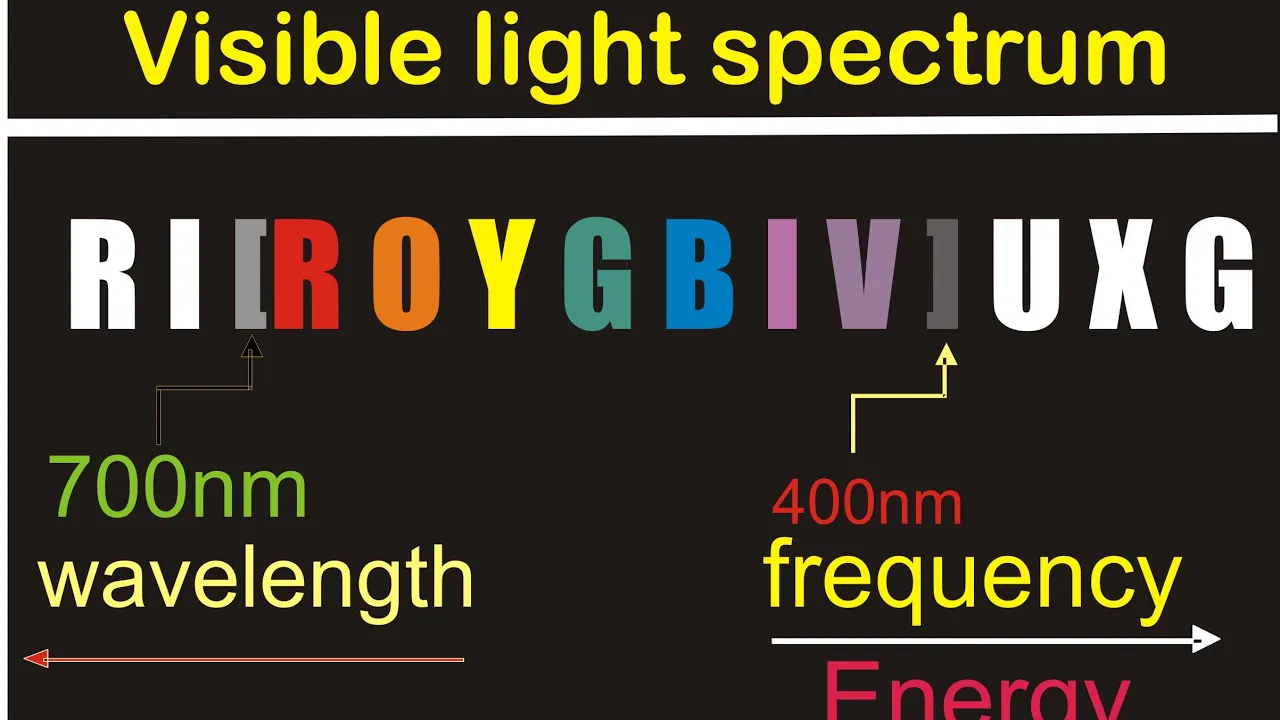
Fundamentals of the electromagnetic spectrum, specifically where visible blue light falls in terms of wavelength and energy.
Anatomy of the eye, particularly how photoreceptors detect light and transmit signals to the brain's suprachiasmatic nucleus (SCN).
The long-term physiological consequences of chronic circadian disruption, including metabolic disorders, cardiovascular issues, and mental health impacts.
The science and application of phototherapy (light therapy) for treating Seasonal Affective Disorder (SAD), jet lag, and shift work sleep disorder.
Principles of biodynamic or human-centric lighting design in architecture and smart home technology to support natural sleep-wake cycles.
The role of other zeitgebers (external cues) such as temperature, exercise, and meal timing in regulating circadian biology.
114.2K views2.8Klikes7:11Original Release: 2022-08-11
- So now let's talk about what I'm calling critical period three of each 24-hour cycle.
So this would be the period of time of late evening, so it might be 6:00 PM for some, depending on when you go to sleep, or 7:00 PM, extending into the hours in which you decide to get into bed and go to sleep, and then throughout the night.
There are a number of things that you're going to want to do, and there are a number of things that you are going to want to avoid doing in order to optimize your sleep.
First of all, you're going to want to avoid bright artificial lights of any color.
Yes, of any color.
We haven't talked a lot about blue blockers, you know, lenses that block blue wavelengths, or short wavelengths of light.
I don't have anything against blue blockers.
In fact, many people find that blue blockers provide them some relief from headache and some eye strain, if they wear blue blockers throughout the day and certainly at night, but you don't need them.
And even if you do wear them, you will find that if lights are very bright, doesn't matter if it's a blue light, a yellow light or a red light, those bright lights will wake up your brain and body.
They will activate the same mechanisms that were activated early in the day by sunlight.
However, and here's the really diabolical twist.
I mentioned this earlier, but the diabolical twist in the way that your brain and body respond to light is that, early in the day, in the morning hours, you need a lot of bright light ideally from sunlight to be very alert and to wake up.
But in the evening hours and nighttime hours, it takes very little light, very few photons in order to wake up your brain and body and to disrupt your circadian clock and disrupt your sleep.
So what that means is that once the sun goes down, which, of course, is going to happen at different times of year and different places on earth, but once the sun goes down, you would be wise to try and dim the lights in your indoor environment most days, right?
I realize some nights you're going to throw a party and have people over.
You might not want to dim the lights.
Some nights you're going to go out, you might view a lot of bright lights.
But most nights of your life, you're going to want to dim the lights in your internal environment.
And ideally the lights that you do use, you would place low in that physical environment.
So you would try and not use overhead lights but rather rely on desk lamps, or lights even placed low to the floor, even on the floor.
If you are going to use light at night, and most people do, I would encourage you to use as little artificial light as is required to carry out the activities you need to require safely.
That could be studying, in which case you might need a little bit more light in order to read or study.
If you're watching a television show, or you're watching something on your computer, dim that screen way, way down, as dim as possible, while still, of course, being able to view what you need to view.
Even better... I should say, ideally, you would use candlelight and/or moonlight.
Now some nights the moon is really bright and you actually can use moonlight to go about your usual activities.
Moonlight might seem very, very bright, but actually moonlight is fairly low light intensity, and candlelight, which can also seem very bright, actually is very low light intensity.
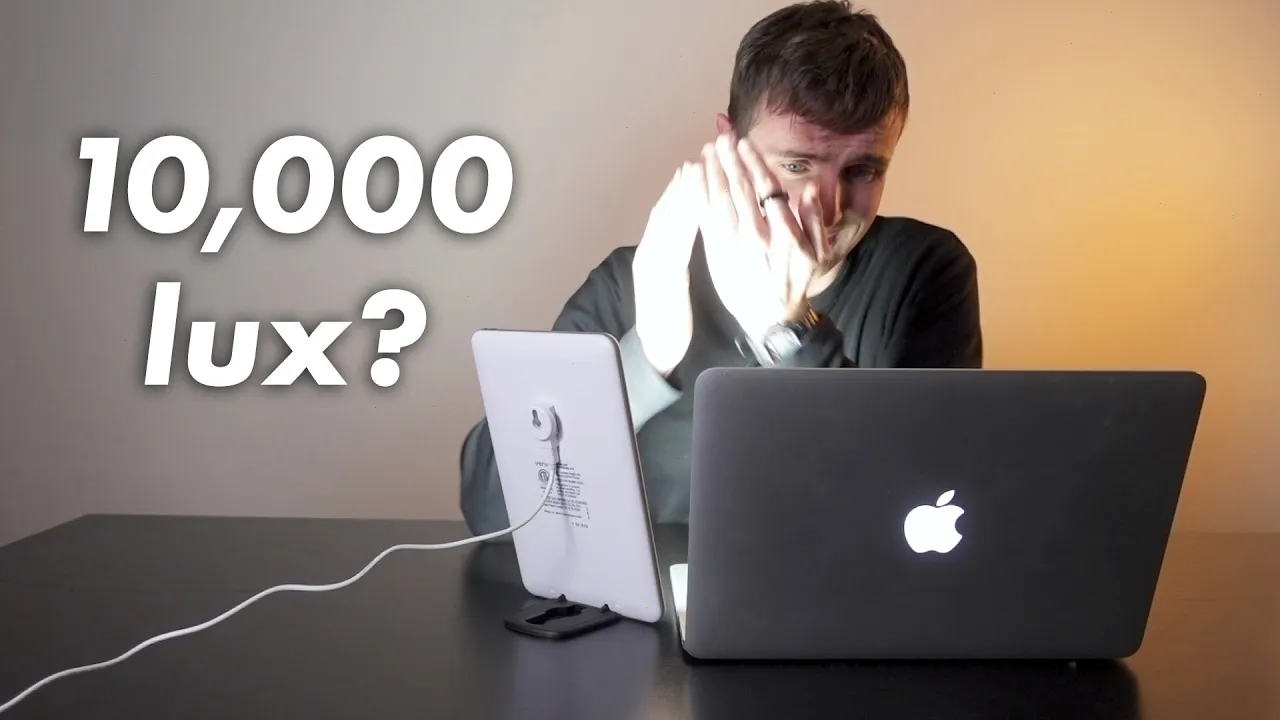
If you're sitting across a table with some candlelight there, and it's a really bright candle, chances are it's only about three to 10 lux, which is very, very little light energy compared to, say, an artificial desk lamp or an overhead light, which is going to be in the area of anywhere from 100 to 1000 lux.
So candlelight is fine.
Of course, be cautious with open flame, but candlelight is fine, moonlight is fine, dimming artificial lights is fine, provided their dimmed way, way down.
And again, try and avoid using overhead artificial lights.
The absolute worst lights are going to be overhead fluorescent lights of the sort that you would have in the supermarket, or that you would see at a gas station, or something of that sort.
And I confess there are times in which I'm, you know, driving home, and it's late at night, and I want to be able to get to sleep, and I'll need to stop at the grocery store, or a gas station, or something like that.
I've actually put on sunglasses at night in order to avoid getting that bright light exposure at night, although that's a little bit extreme.
I have done that from time to time, because that bright light exposure will absolutely quash, it will eliminate any melatonin that happens to be circulating in your brain and body.
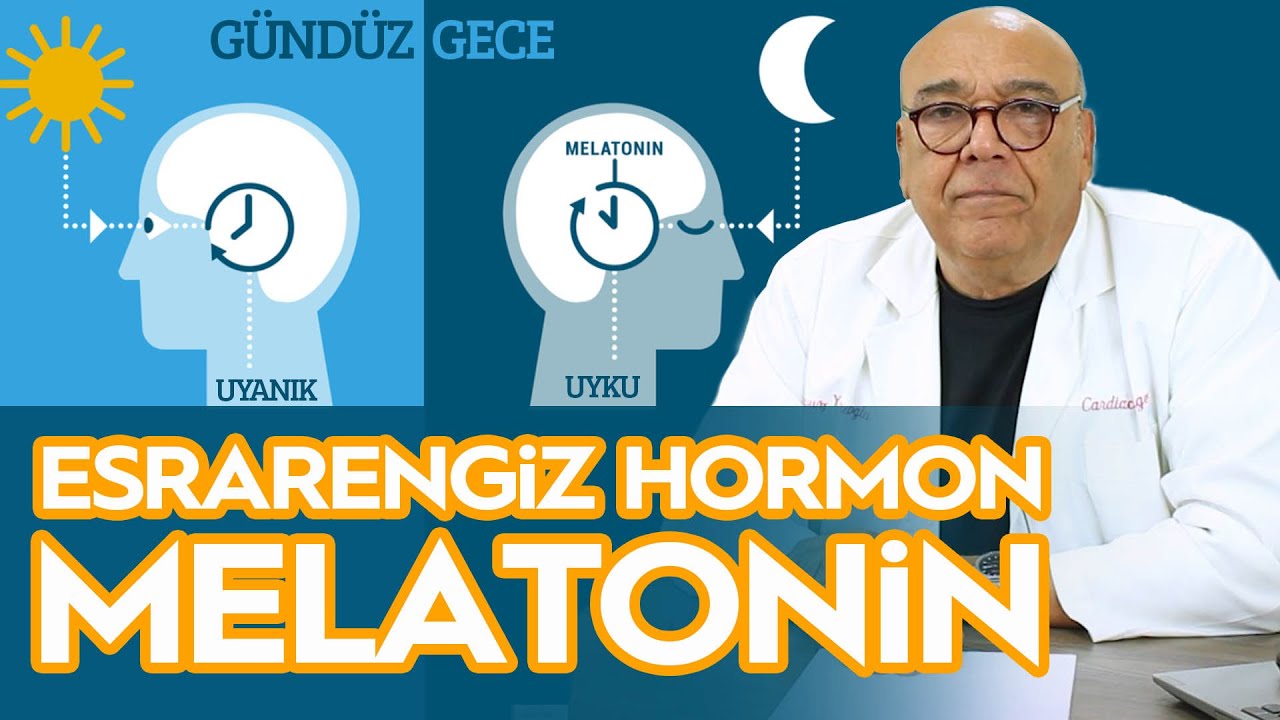
Now, melatonin, a lot of people think of as a supplement, but melatonin is naturally released as the evening comes about, and into the nighttime hours.
It's a hormone that makes you feel sleepy and allows you to fall asleep.
So viewing bright light in the late evening hours and nighttime hours is really not good for your sleep quality and your ability to fall and stay asleep.
So for most people, a simple rule of thumb is going to be avoid bright artificial lights of all colors, and in particular, overhead bright artificial lights, between the hours of 10:00 PM and 4:00 AM.
That's right, between 10:00 PM and 4:00 AM, avoid those bright artificial lights as much as possible.
Use only as much light as absolutely necessary in order to carry out the routines and activities you need to carry out safely.
I should mention that the reason overhead lights are problematic is the same reason why sunlight is so great early in the day, which is that the cells, that is the neurons, that can wake up your brain and body through activation of the circadian clock, reside mainly in the bottom half or two-thirds of your neural retina, and the way the optics of your eyes work is that the cells on the bottom half of your eye view the upper visual field.
So this is a beautiful adaptive mechanism that allows these cells to respond to overhead light from sunlight in the early part of the day and throughout the day.
But in the evening, if you have bright artificial lights on, and those bright artificial lights are overhead lights, it's going to more closely mimic what sunlight does in the evening time.
And that turns out to be a bad thing if your goal is to eventually go to sleep.
So again, do like the Scandinavians do, use lights that are set low in the room at night.
And if you really wanted to optimize your sleep-wake cycles, I suppose you could also do the opposite throughout the day.
You could really emphasize the use of bright artificial lights and sunlight that comes from above.
And of course, sunlight always comes from above.
But if you're working in a given, you know, office environment, and, you know, it's 2:00 PM or 3:00 PM, and you want to be as awake as possible, really crank up the overhead lights.
And then in the evening, which is this critical period three that we're referring to, really try and dim those lights, or have them off, or just rely on candlelight or moonlight from the hours of about 10:00 PM until 4:00 AM.
Our good friend, Samer Hattar, who's been on this podcast before, Samer is Director of the Chronobiology Unit at the National Institute of Mental Health.
Well, he's absolutely obsessive about this light stuff and avoiding light at night.
In fact, he lives in what I sort of joke, it's like a cave at night from 9:00 PM until 5:00 AM, which is really his kind of sleep cycle, he has his house so dark that you'd be lucky to be able to find a spoon in the kitchen.
In fact, you'd be lucky to find your way down the hallway, if you're me.
But in any case, dim the lights.
Turn them way, way down.
It will serve you well.
It will make it much easier for you to get sleepy and stay sleepy, and fall asleep, and stay asleep throughout the night.
[upbeat music]
Up Next

2:02
Bilingual Brain Switch: Left Caudate in Language Control
@AmericanMuseumofNaturalHistory
36.3K views•2012-06-25
21:55
Deciphering Neural Circuits Controlling Anorexia in Mice | Richard Palmiter
@AllenInstitute
2.3K views•2011-10-10

14:12
Dopamine's Role in Working Memory | Huberman Lab Clips
@HubermanLabClips
38.7K views•2024-04-26

13:03
How Exercise Benefits Your Brain: Science Explained
@TED
11.4M views•2018-03-21
Related Study Plans & Knowledge Roadmaps
Structured learning paths in Neuroscience
neuroscience
Appetite Regulation: Brain Circuits & Hormones
01Foundations of Endocrinology and Brain Anatomy
02Introduction to Energy Homeostasis
03Peripheral Signals: Leptin, Ghrelin, and Insulin
+ 2 more learning modules
14h5 modules
Explore Roadmap
neuroscience
Neuroeconomics: Value, Risk & Brain Mechanisms
01Foundations of Neuroscience and Brain Anatomy
02Introduction to Neuroeconomics and Subjective Value
03Dopaminergic Prediction Errors & Reinforcement Learning
+ 3 more learning modules
18h6 modules
Explore Roadmap
neuroscience
Spatial Navigation: Cells, Grids & Brain Maps
01Foundations of Brain Anatomy and Memory
02Place Cells and Head-Direction Cells
03Grid Cells: The Brain's Coordinate System
+ 2 more learning modules
12h5 modules
Explore Roadmap
neuroscience
BCIs: Neural Decoding & Prosthetic Control
01Neuroscience Foundations: How the Brain Signals Intent
02Signal Acquisition: Recording the Brain's Activity
03Neural Decoding: Translating Brain Waves into Data
+ 2 more learning modules
25h5 modules
Explore Roadmap