







![[Dream Lecture] 너의 눈으로 세상을 보라 - 최인철 서울대 심리학과 교수](https://i.ytimg.com/vi_webp/5aGRGN2mqc8/maxresdefault.webp)







Giving and receiving good compliments is essential for building relationships and driving achievement, yet many people struggle with both due to cultural upbringing, psychological barriers like the illusion of transparency, and self-critical tendencies; effective compliments should be specific, achievement-focused, and genuinely delivered, while proper reception involves simply acknowledging with gratitude and internalizing the compliment to understand what behavior deserves recognition.
The Lost Art of Giving and Receiving Compliments | Stanford MBA
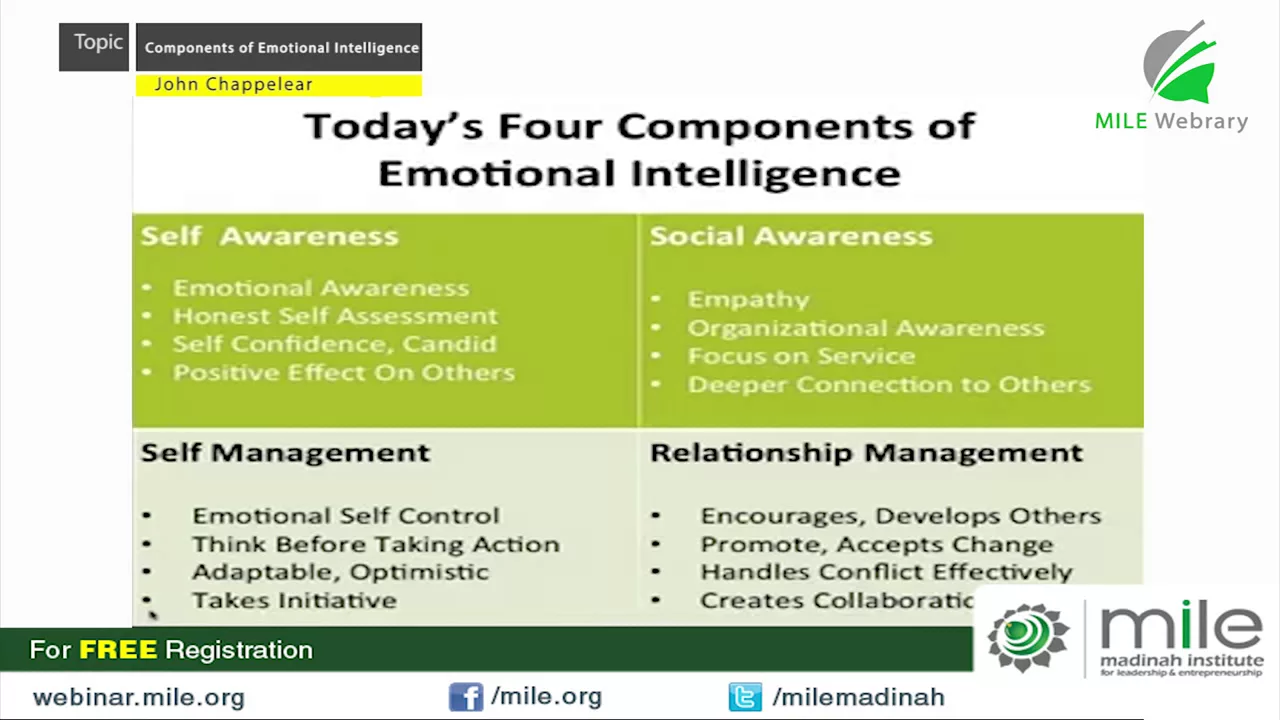
Added:Fundamentals of Emotional Intelligence (EQ), specifically the components of self-awareness, social awareness, and relationship management.
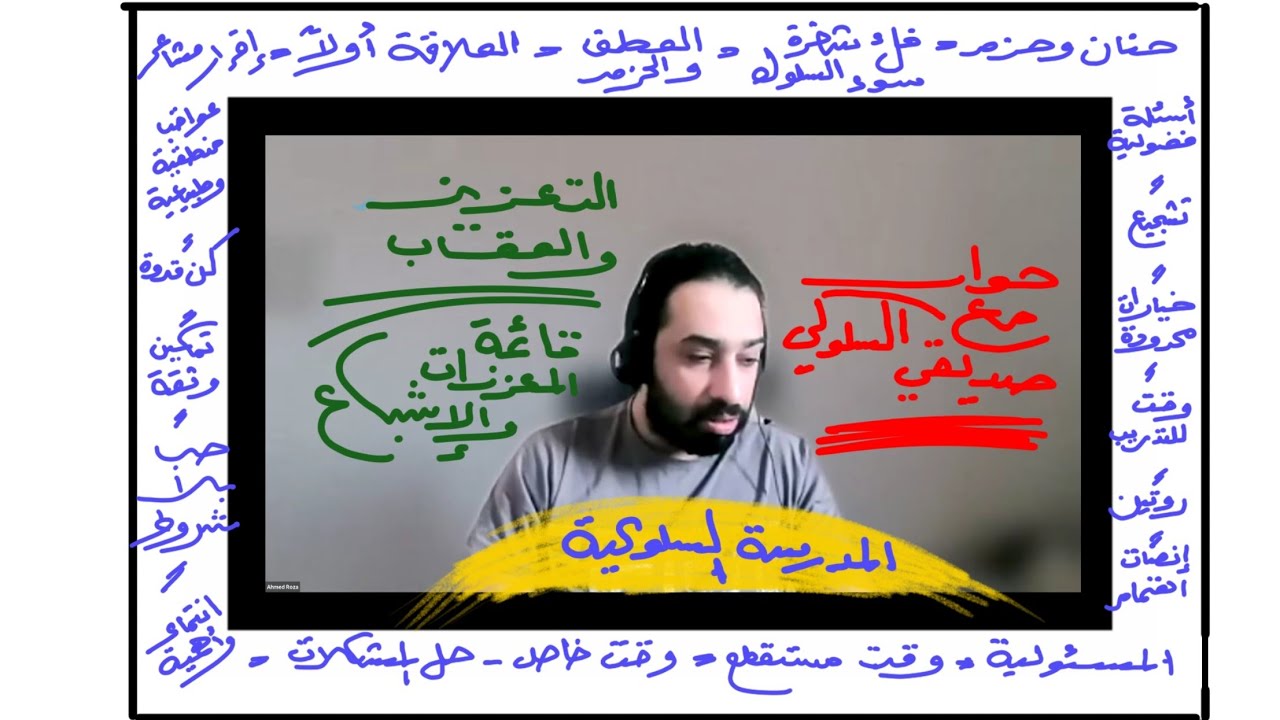
Basic principles of behavioral psychology, particularly the concept of positive reinforcement and its effect on human motivation.
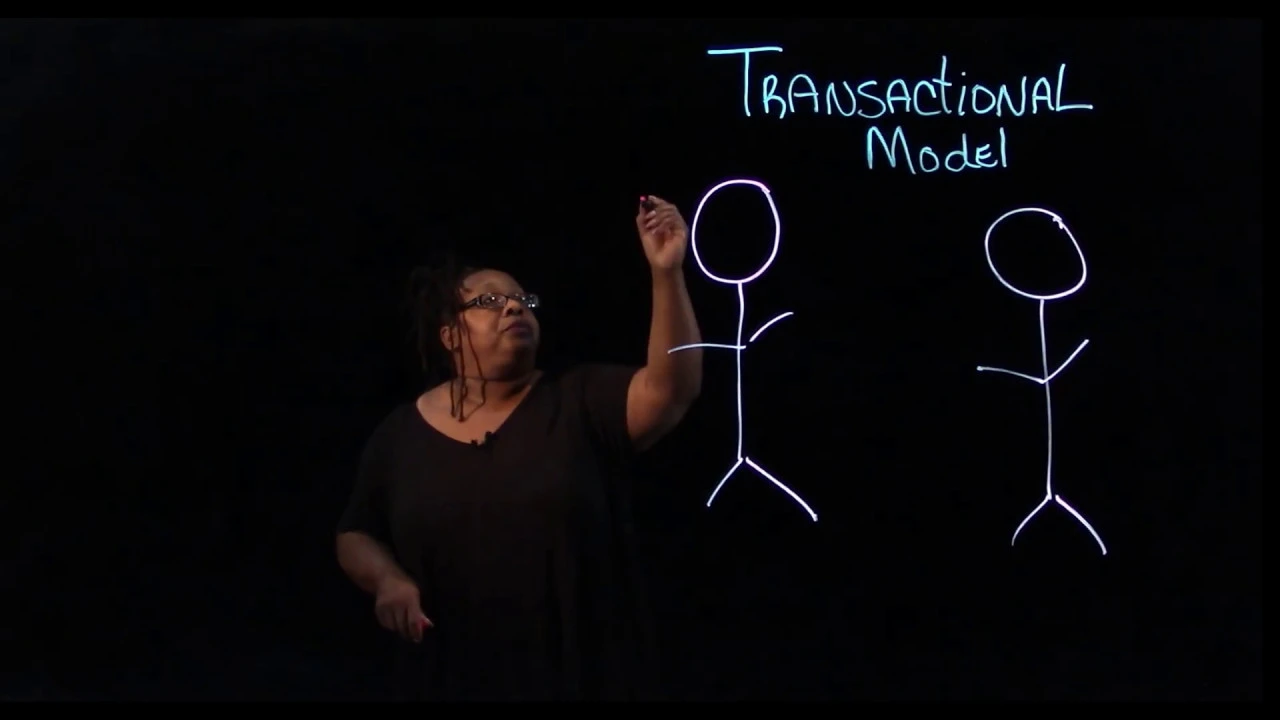
The transactional model of communication, highlighting how a sender's intent can differ from a receiver's impact.
Cognitive barriers to communication, such as the spotlight effect, imposter syndrome, and negative bias in self-evaluation.
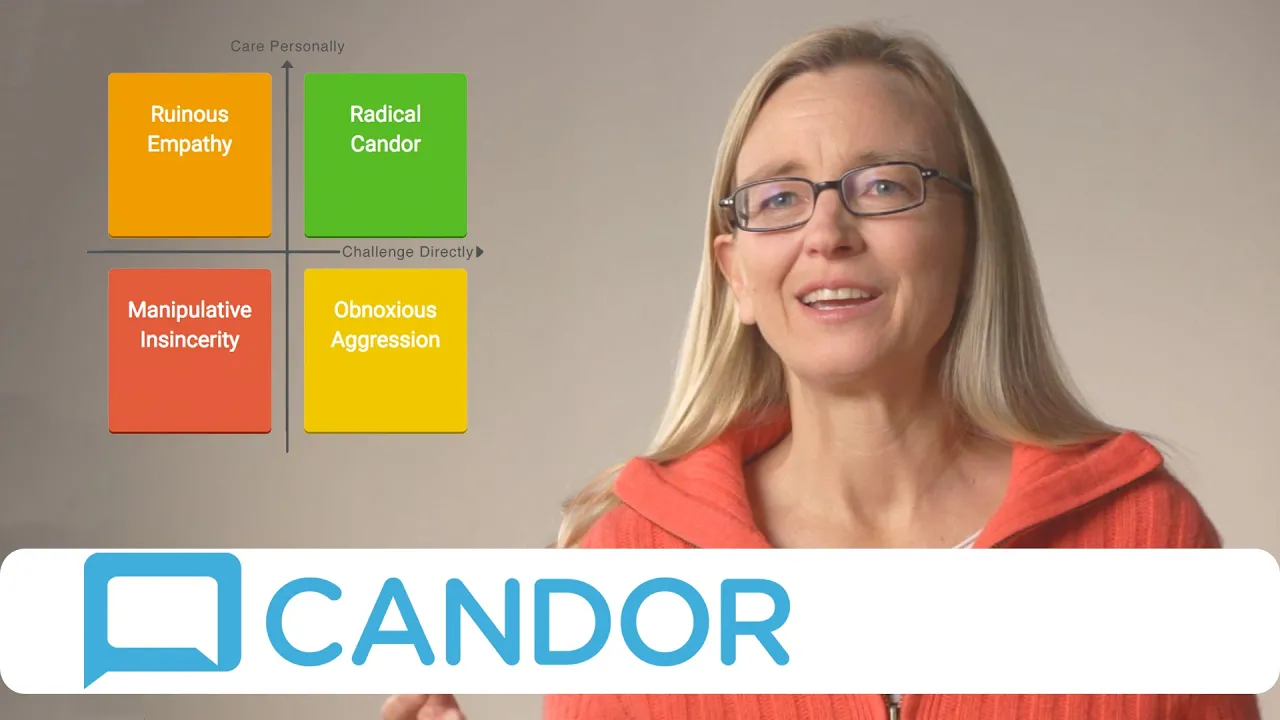
Advanced professional feedback models, such as the Situation-Behavior-Impact (SBI) framework and Radical Candor.
The principles of Positive Organizational Scholarship (POS) and how deliberate praise shapes organizational culture and psychological safety.
The application of positive psychology interventions, including gratitude practices and the development of a growth mindset in teams.
Negotiation and persuasion strategies that leverage relational capital and mutual validation to build strategic partnerships.
12.8K views0likes9:47Original Release: 2018-04-19
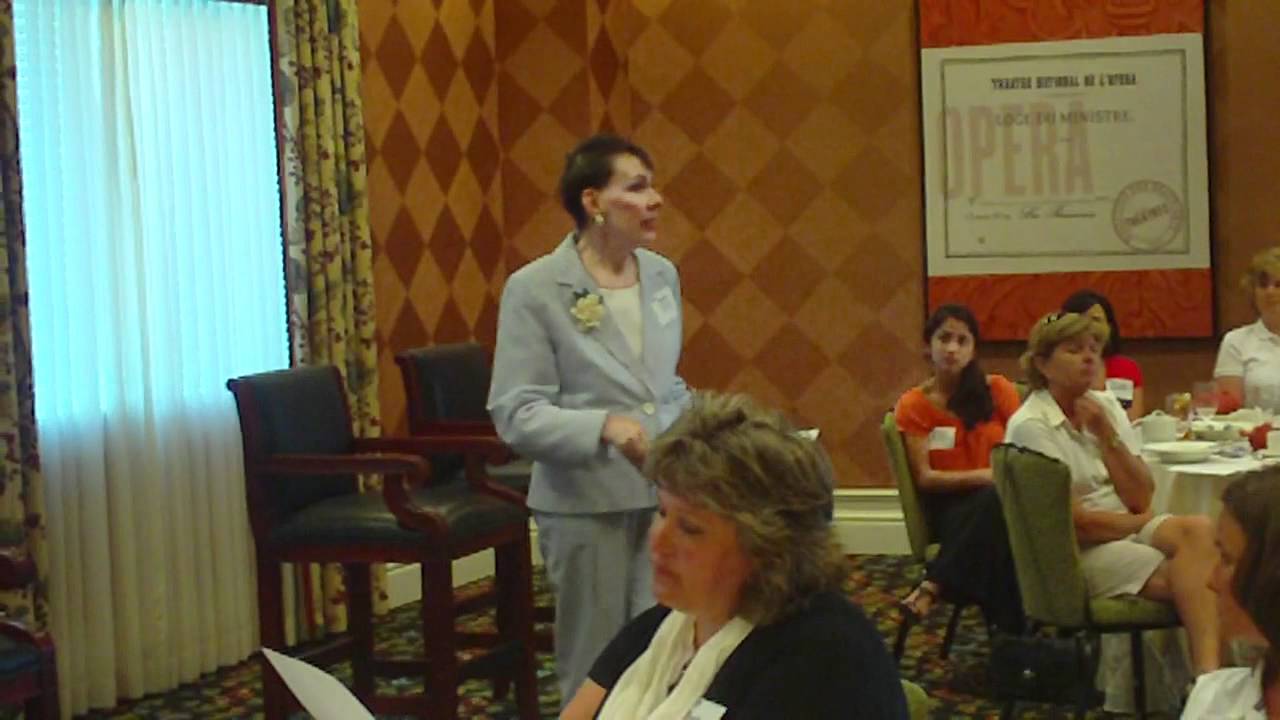
[Music] as the last notes of my violin fell upon the crowd the audience burst into applause I had just finished the best violin performance in my life to date and I was feeling awesome I ran off the stage up to my mom expecting praise compliments hugs instead I was greeted with in unenthused high-five and a/c Helen if you just apply yourself like this to other aspects of your life think about how awesome you could be but that hurt because her opinion mattered a lot to me and I'm not sharing this story with you to ask for your pity or because I enjoy it throwing my poor mom under the bus but because I can't race a lot of my inability to give or receive good compliments to my strict traditional Chinese heritage but you don't have to come from the same upbringing to maybe also struggle with giving or receiving compliments and because I'm an ex consultant I'm gonna have you guys take a look at a chart take a look at this chart and take a moment and think about maybe where you fall on this chart I'm willing to bet if I took a poll most of you guys would say me somewhere in the middle but I'm also willing to bet a lot of us actually unknowingly fall into this bottom left-hand corner somewhere between not being so great at giving compliments and not being so great at receiving them and today I'm here to not only get us up to that upper right-hand corner but to also drive home the importance of being in that corner starting with receiving comp giving compliments think about the last time you gave someone a compliment what did you say how specific or genuine do you think it was when was it I asked these questions because a lot of us again don't realize how few good compliments we give and there's a lot of good reasons for that for example thanks to the illusion of transparency we believe that other people know how we think or know what we feel and that's not true other times we're just trying to avoid being awkward so we don't say anything at all and even worse sometimes we're a little self-absorbed and so we forget about the people around us as we freely focus on what we're trying to get done what we're trying to do but stick with me here because there's really good reasons as to why we need to become better complimentary starting with the fact that giving a good compliment actually drives achievement at a very fundamental level researchers of Japan recently discovered that giving someone a good compliment is equivalent to giving them straight cash and yes I'm a poor grad student right now so I love money but this actually like any reward leaves us wanting more it drives us to want to recreate our stellar performance giving an awesome compliment is also better than giving constructive criticism this coming from a researcher at the University of Hamburg where he noted that giving a good compliment exacerbates our optimism bias we have a feeling and we believe that good things will happen and bad things won't so when we give a good compliment where we receive a good compliment we then believe that we can actually achieve and do something that maybe we wouldn't have otherwise and finally giving a good compliment lifts moods it builds trust and it leads to stronger relationships and the simple act of just recognizing those around you builds the foundations of reciprocity and positivity that leads to long-lasting relationships with all that being said in order to actually achieve all of these benefits you actually have to give a good compliment so what's a good compliment it comes down to giving great the content and having great delivery when it comes down to content we're thinking about being specific what exactly did someone do to deserve that compliment well more specific we avoid comparing people to each other and we also show that we were really paying attention we also want to be achievement focus we want to think about what they achieved versus what someone is because when we think about achievement and we talk about achievement it's something that someone can repeat and someone can do better it's what triggers that reward Center in their brain and when it comes to delivery what we want to talk about is being genuine and the easiest way to do that is to just recognize the impact that someone had on you and finally we want to be selective as much as you guys might walk away from this talk saying you get a compliment you get a compliment you get a compliment we want to avoid doing that because when you give too many compliments that complement and that sincerity gets diluted okay so now that you guys are all awesome at giving compliments walk with me to the other side as we talk about receiving compliments when was the last time someone gave you a compliment how did you react was it potentially with a question mark like thanks was maybe with it oh no no it wasn't me it was the team it was the weather it was luck these reactions are so common that sociolinguists have categorized them into two categories rejection and deflection and there's a good reason why we also tend to dodge dip duck dive and dodge compliments like we're playing dodge ball and it all starts from when we were kids we're told that good people in strong leaders are humble so we don't want to come off as stuck-up we also have a tendency to run away from the spotlight so when someone shines the bright light of praise on us our first reaction is to run away and finally especially in this room we all tend to be a little self-critical some of us very self-critical and when someone gives us a compliment we view it with skepticism what did we even do to deserve it and this last part is really important because when we dodge a good compliment we're actually devaluing the perspective the time the heart that someone put into giving us that compliment and just as much as giving good compliments builds up relationships dodging good compliments breaks those relationships down additionally when we dodge compliments we're also missing out on an awesome opportunity to better ourselves we did something to really deserve that compliment figuring out what that is will make us better and stronger faster so when it comes to receiving compliments there's really just two pieces acknowledge just say thank you you're going to want to say more but just stop at thank you internalize really think about what you did to deserve that compliment and how you could recreate that and how you could apply it elsewhere in your life now admittedly as I stand in front of you giving you all this sage advice on giving compliments and receiving them I myself continue to really struggle with becoming a better compliment giver and receiver it's hard but just the other day I was teaching my seven-year-old nephew how to throw a frisbee and memories of that violin recital came flooding back to me and I wondered what I would have wanted my mom to say in that moment and I was reminded that this was my opportunity to not repeat history so I countered each of his throws with this very specific targeted compliment and I watched as his confidence grew I saw it in his eyes and to think that I could have that kind of an impact on a young child was a stark reminder that my work that our work in becoming better compliment givers and receivers is never done thank you [Applause] [Music]
Up Next

13:30
Understanding Parasocial Relationships in the Digital Age
@KnowingBetter
419.2K views•2019-01-20

68:32
Cognitive Skills for Differentiated Instruction | Teacher PD
@BrainWareLearning
631 views•2017-12-17

9:55
Thinking, Fast and Slow: Daniel Kahneman Animated Book Summary
@FightMediocrity
2.3M views•2015-06-05

6:40
The Nocebo Effect: How Beliefs Can Cause Real Harm
@CGPGrey
10.4M views•2013-12-23
Related Study Plans & Knowledge Roadmaps
Structured learning paths in Psychology
psychology
Neuroscience of Creativity: Networks & Training
01Foundations of Creative Cognition
02The Cognitive Neuroscience of Insight & Fixation
03The Triple Network Model of Creativity
+ 1 more learning modules
15h4 modules
Explore Roadmap
psychology
Imposter Syndrome: Etiology & CBT Framework
01Defining the Imposter Phenomenon
02Socio-Developmental Etiologies
03CBT Fundamentals & Thought Distortions
+ 2 more learning modules
15h5 modules
Explore Roadmap
psychology
Adult ADHD: Executive Dysfunction & Scaffolding
01Neurobiology of the ADHD Brain
02The Core Triad of Executive Deficits
03Executive Dysfunction and Emotional Regulation
+ 2 more learning modules
12h5 modules
Explore Roadmap
psychology
Loneliness: Evolution, Neurobiology & CBT
01Evolutionary Origins of Human Connection and Loneliness
02The Neurobiology and Physiology of Chronic Loneliness
03Maladaptive Social Cognition: The Psychological Loop
+ 2 more learning modules
12h5 modules
Explore Roadmap