




![RECONSTRUCTION [APUSH Review Unit 5 Topic 10] Period 5: 1844-1877](https://i.ytimg.com/vi_webp/9vxpwXx0iuE/maxresdefault.webp)






![The Rise Of Evil (Adolf hitler) Full Movie [2003]](https://i.ytimg.com/vi/LM-HphUuHQo/hqdefault.jpg)






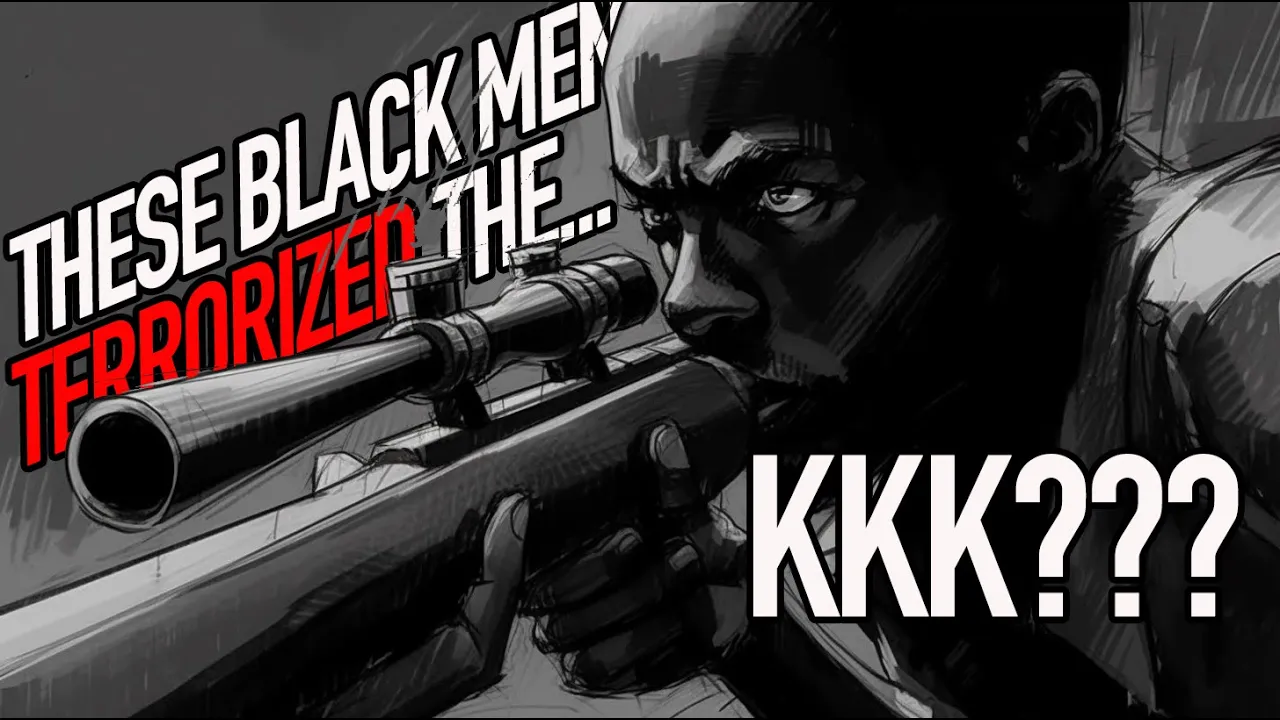
During the Reconstruction era (1865-1877), black Americans formed officially sanctioned state militia companies that legally authorized and commanded by black officers, which successfully crushed the Ku Klux Klan's power through organized military resistance; however, this victory was systematically erased from American history as white supremacists and their allies withdrew federal support, disarmed black communities, and rewrote historical narratives to portray black people as passive victims rather than empowered agents of their own liberation.
Reconstruction Era: The Black Militias That Defeated the Ku Klux Klan
Added:The constitutional framework of the Reconstruction Amendments (13th, 14th, and 15th Amendments) and how they redefined citizenship and voting rights for newly emancipated African Americans.
The fundamental differences between Presidential Reconstruction (under Andrew Johnson) and Radical Reconstruction (led by Congressional Republicans), which enabled the empowerment of Southern Black communities.
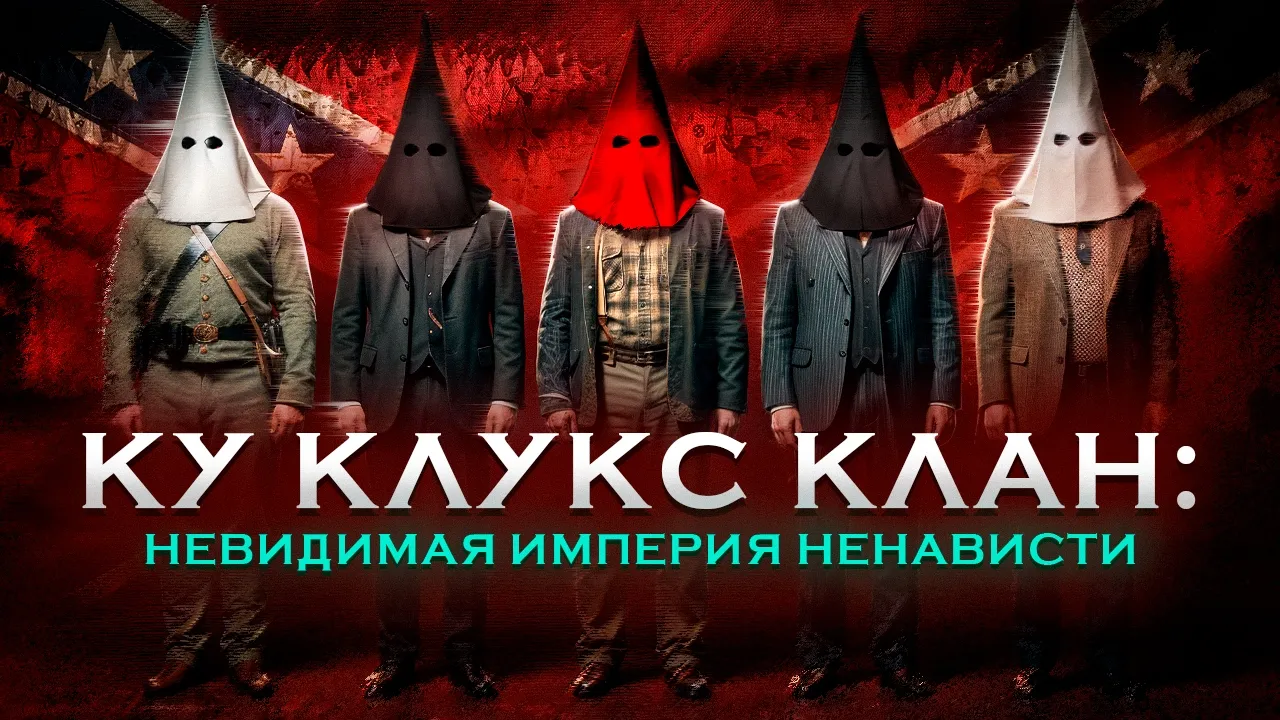
The origins and social functions of the first-wave Ku Klux Klan as a domestic terrorist insurgent group aiming to restore white supremacy through political violence.
The legal and historical definition of state-sanctioned militias in 19th-century America, including the authority of state governors to mobilize citizens for law enforcement.
The rise of subsequent white paramilitary organizations (such as the Red Shirts and White League) and the shift from secret terror to open political intimidation.
The passage and impact of the Enforcement Acts (also known as the KKK Acts) of 1870 and 1871, which granted the federal government unprecedented powers to protect civil rights.
The Compromise of 1877, the subsequent withdrawal of federal troops from the South, and the dawn of the Jim Crow era of disenfranchisement.
The long-term legacy of armed Black self-defense in U.S. history, connecting Reconstruction-era militias to 20th-century movements like the Deacons for Defense and Justice.
502.8K views8.6Klikes17:38Original Release: 2025-10-04
Midnight October 1871.
600 armed black men surround a plantation house in South Carolina.
Inside, 11 clan members are cowering in terror. The same men who've been lynching freed men for sport. The captain leading this raid, a former slave named Jim Williams. What happens in the next 60 seconds will be erased from every history book for the next 150 years. Because when those doors kicked open, everything white America believed about power, race, and violence shattered. They couldn't let you know that black soldiers didn't just fight the KKK. They absolutely crushed them.
The year is 1865 and the American Civil War has just ended. 4 million black Americans have been declared free. But freedom on paper means almost nothing when you're surrounded by people who've spent generations treating you as property.
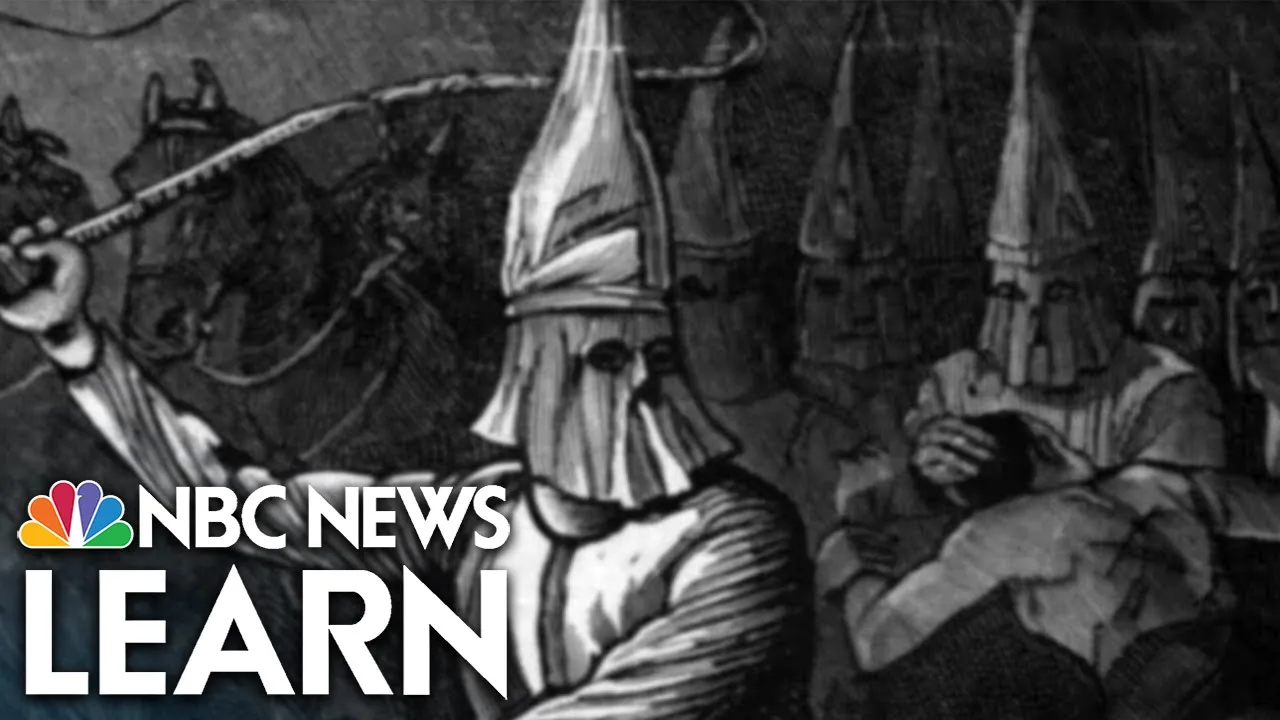
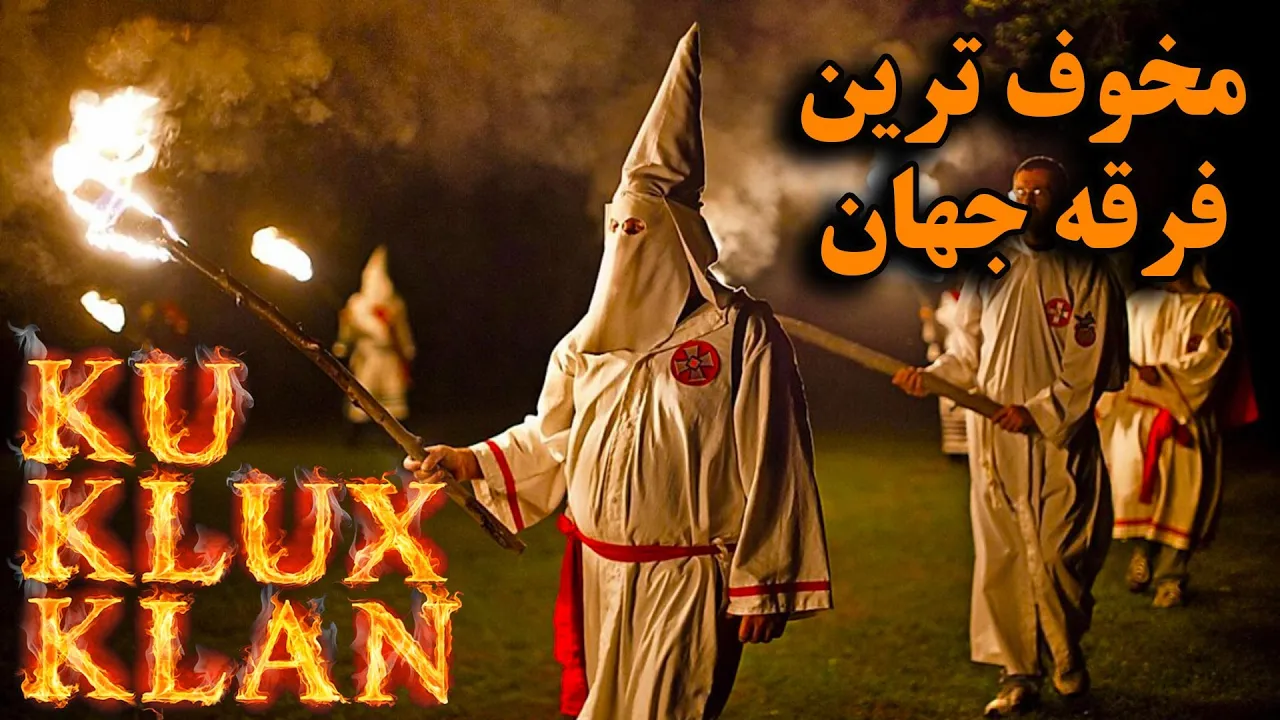
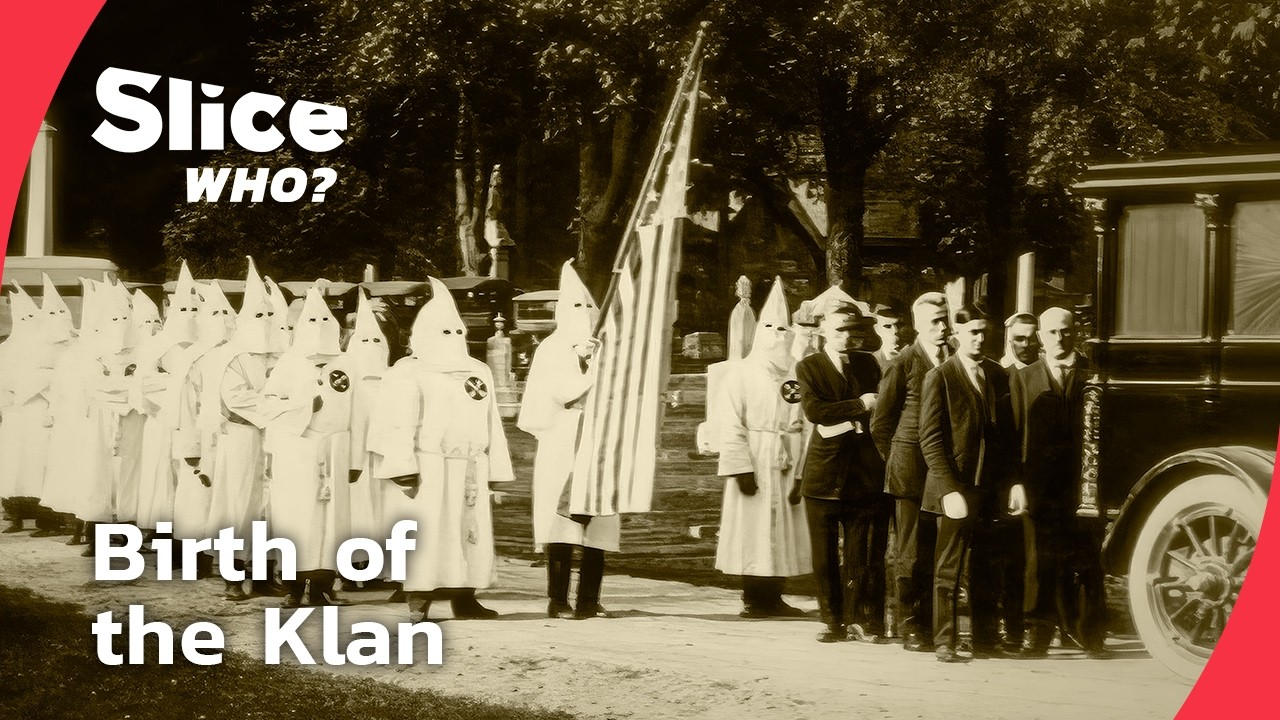
Across the former Confederacy, white supremacists are refusing to accept their defeat. They can't reinslave black people legally, so they turn to terror instead. In Tennessee, a group of Confederate veterans forms a secret society dedicated to restoring white supremacy through violence. They call themselves the Ku Klux Clan, and within months, they've spread to every corner of the South like a disease. The clan strategy is brutally simple. They ride at night, their faces hidden under white hoods, and they target anyone who represents black freedom. A freedman who dares to vote. His house burns to the ground. A black political leader who speaks up for his community. He's dragged from his bed and lynched. A black family trying to buy their own land. They're whipped until they agree to keep working for their former masters. In South Carolina alone, historians estimate the clan murders hundreds of black Americans in just 2 years. Local sheriffs look the other way. State courts refuse to prosecute.
For black communities, there's nowhere to turn for protection. But here's the part they don't teach in school. Black Americans didn't just endure this nightmare passively. They organized.
They strategized. And in several southern states, they did something that would become the white supremacists worst fear. They formed their own militias.
These weren't vigilante groups or angry mobs. They were official state militia companies legally authorized and commanded by black officers. In South Carolina, where black voters had helped elect a Republican governor, the state militia became majority black by 1870.
Black men like Jim Williams, Robert Smalls, and Prince Rivers weren't just given rifles. They were given military rank, authority, and the legal power to arrest terrorists. Think about what this meant. Men who had been enslaved just 5 years earlier were now captains and lieutenants commanding armed companies.
They drilled in formation. They wore uniforms. They had the backing of the state government and initially the federal government too. For the first time since arriving in America in chains, black communities had organized military power and white supremacists absolutely lost their minds.
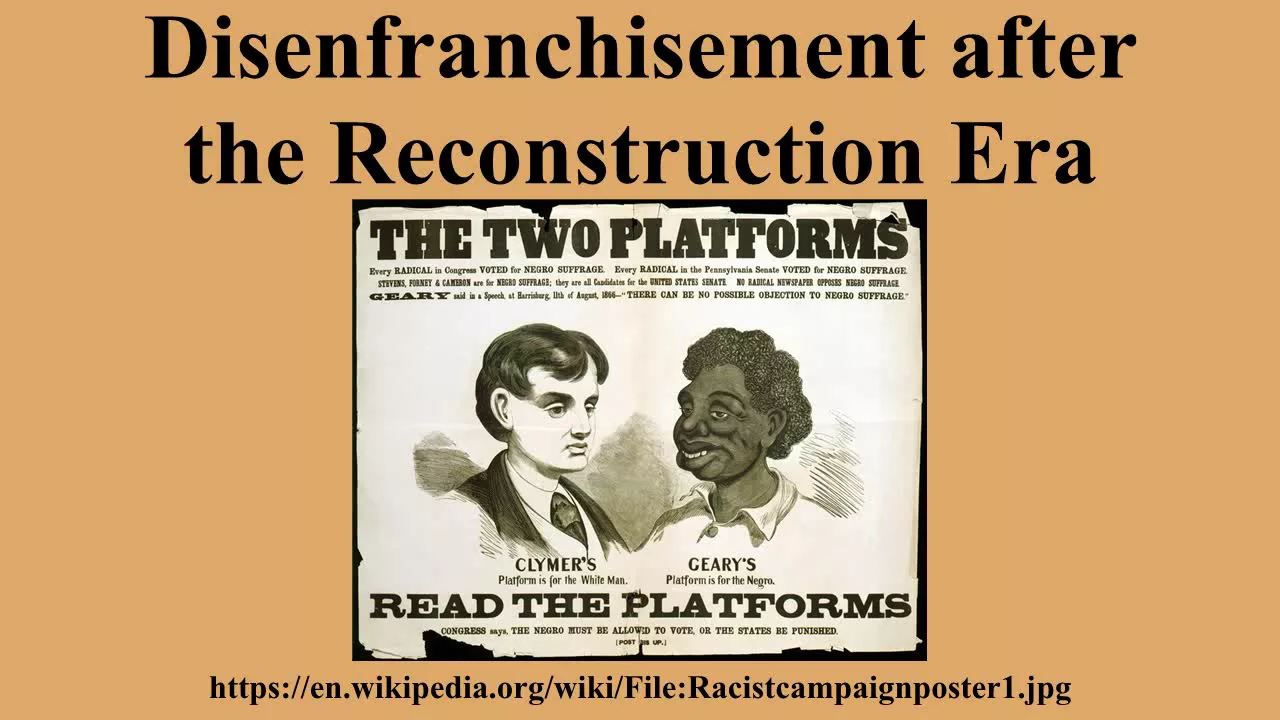
Southern newspapers went into hystericss. They published cartoons showing black soldiers as savage apes with guns. They ran headlines screaming about negro rule and warned that black militias were planning to massacre white families in their sleep. Former Confederate officers claimed that arming black men would lead to race war and chaos. But the truth, as always, was far simpler and far less dramatic.
Black militia men weren't planning revenge fantasies or racial violence.
They were doing exactly what militias are supposed to do, protecting their communities from terrorist attacks. When the clan rode into a county with a strong black militia presence, they suddenly found themselves facing organized resistance instead of defenseless victims. The federal government under President Ulissiz Srant had to make a choice. Grant, to his credit, understood what was happening.
He'd fought to end slavery, and he wasn't about to let ex-confederates terrorize their way back into power. In 1871, he did something unprecedented. He asked Congress to pass the Ku Klux Clan Act, giving him the power to suspend habius corpus and deploy federal troops against domestic terrorists. When Congress agreed, Grant didn't hesitate.
He declared martial law in nine South Carolina counties and sent in the army.
But here's the crucial detail that history books bury. Those federal troops didn't work alone. They coordinated with black militia companies, treating them as legitimate military allies. For a brief shining moment, the United States government backed armed black resistance against white supremacy. You have to understand how revolutionary this was.
Black men who'd been whipped for learning to read were now working alongside federal officers to arrest their former masters. Black captains were interrogating Confederate veterans about their crimes. The entire racial hierarchy of the South was being turned upside down at gunpoint and it was completely legal. White supremacists had built their power on the assumption that black people would always be defenseless, that violence would always flow in one direction. The existence of organized armed state sanctioned black military units shattered that assumption entirely.
October 1871, York County, South Carolina. The tension has reached a breaking point. A black militia man has been lynched by the clan as a warning to others. The message is clear. Join the militia and die. Most white officials expect black communities to back down, to accept that resistance is too dangerous. But Captain Jim Williams has had enough. He's watched his neighbors terrorized for years. He's seen children orphaned and women widowed. He's listened to white authorities make excuses for why they can't stop the violence. And he's done waiting for permission to defend his people. Williams musters his company, all 600 men, and they begin a night march that will become legendary in black communities, even as it's erased from white historical memory. They move through the darkness with military precision. No torches, no noise, just the sound of boots on dirt roads. their target, the plantation of a known clan leader, a man who's openly boasted about his role in multiple lynchings. When they arrive, Williams positions his men in a complete perimeter around the house. There's no escape, no way out.
Then they move in. The doors splinter under their assault. Clansmen who'd spent years terrorizing defenseless families suddenly find themselves staring down the barrels of rifles held by black soldiers who have every legal right to be there. Williams and his men arrest 11 clansmen that night, dragging them out in their nightclo, binding their hands and marching them to federal custody. Not a single shot is fired. The entire operation is executed with the kind of discipline that would make any military commander proud. And that's exactly what terrifies white supremacists.
This isn't a mob, it's an army. Word of Williams' raid spreads like wildfire through South Carolina's black communities. If it worked in York County, it can work everywhere. Within weeks, black militia captains across the state are conducting similar operations.
In Union County, a black officer arrests an entire clan den. 19 men captured in a coordinated midnight raid. In Spartanberg, clansmen start fleeing to North Carolina before the militias can reach them. In counties where black militia companies actively patrol, clan violence doesn't just decrease, it nearly vanishes. The statistics are stunning. a 90% drop in terrorist attacks wherever black soldiers operate.
This isn't coincidence. This is what happens when oppressed communities finally get the tools to defend themselves. Federal prosecutors move quickly to capitalize on the momentum.
By late 1871, they've arrested over 600 clansmen in South Carolina alone. Trials begin in federal court, and for the first time, clan members are facing real consequence. Black militia men take the witness stand and testify against the terrorists who'd brutalize their communities. They names, describe crimes, and provide evidence that leads to convictions. The clan's aura of invincibility is shattered. members who'd hidden behind hoods and darkness are being exposed in courtrooms and sentenced to prison. The entire power structure of white supremacist terror is being systematically dismantled, not by white saviors or northern charity, but by black military organization and federal support. It's working. Against all odds, against centuries of oppression, against a terrorist organization that seemed unstoppable.
Black militias are winning. The original Ku Klux Clan, the one founded by Confederate veterans in 1865, is on the verge of complete collapse in South Carolina.
This should be one of the great triumphs of American history. A story of oppressed people using legal means and military discipline to defeat their oppressors. This should be taught in every school, celebrated in every textbook. But that's not what happens because northern whites are watching all of this unfold and they're starting to get uncomfortable. They're seeing newspaper illustrations of black soldiers with rifles arresting white men. They're reading accounts of black captains interrogating Confederate veterans. They're realizing that armed, organized black communities represent a fundamental shift in power, and many of them don't like it. Northern industrialists worry about labor unrest if black workers get ideas about armed resistance. Northern Democrats see an opportunity to reclaim southern votes by abandoning reconstruction. Even some northern Republicans decide that maintaining white supremacy just in a gentler form is preferable to real black equality. So the support evaporates.
Federal troops are withdrawn. Funding for militia operations dries up. White supremacist redeemer governments start winning elections through fraud and violence. And the moment they take power, they move against black militias with vicious efficiency. The weapons are confiscated. The companies are disbanded. Black officers are arrested on trumped up charges of insurrection.
The same charges white people had used against Nat Turner and Denmark VC. The message is clear. Black self-defense is illegal the moment it becomes effective.
Captain Jim Williams, the man who proved that organized black resistance could defeat the clan, is murdered by white supremacists in 1872. His killers are never prosecuted. They never face trial.
They walk free, protected by the very legal system that Williams had used to arrest clansmen just months before. It's a lynching, pure and simple. And it sends a message to every black leader in the South. This is what happens when you win. And then comes the final insult, the one that lasts for over a century.
Historians erase the entire story.
Textbooks teach that reconstruction failed because black people were unprepared for freedom, because they were too ignorant to govern themselves.
They claim the period descended into chaos and corruption, conveniently ignoring that black militia companies had actually brought order by defeating terrorists. They write about the tragedy of reconstruction without mentioning that the real tragedy was the federal government abandoning black communities to white supremacist violence. For a hundred years, American children learned that the clan was unstoppable. That black people were helpless victims. That only white northern charity could provide any protection at all. It's a complete inversion of the truth. Here's what they never told you. The revelation that changes everything. The Ku Klux Clan didn't disappear because white Americans suddenly developed a conscience. The original clan dissolved in 1871 and 1872 because black militias destroyed them militarily. They were defeated, beaten, crushed by the very people they tried to terrorize. The clan only came back in 1915 because black communities had been systematically disarmed for 40 years. Think about that timeline. The second clan, the one that became a national organization with millions of members, only succeeded because white America had spent decades ensuring that what happened in South Carolina in 1871 could never happen again. Every gun control law written in the South after reconstruction was designed with one purpose. Preventing black communities from arming themselves. Every restriction on assembly, every ban on black organization, every legal barrier to black self-defense, it all traces back to the terror white supremacists felt when they saw black soldiers win.
The entire architecture of Jim Crow violence depended on black defenselessness. Lynchings could only happen in communities that had been stripped of weapons and organization.
The clan could only ride when they knew their victims couldn't shoot back. The story of Captain Jim Williams and the Black Militia Companies isn't just forgotten history. It's not just a detail that slipped through the cracks of historical memory. It's suppressed history, actively erased because it proves something that white supremacy cannot tolerate. When black communities have resources, organization, and the means to defend themselves, they don't just survive racist violence. They defeat it. They don't need white saviors or charity or gradual progress granted from above. They need white society to stop actively blocking their power. Jim Williams showed us that armed resistance works. He proved that black self-defense isn't terrorism or chaos or revenge.
It's justice. He demonstrated that with organization, discipline, and legal authority, black Americans could protect their communities, arrest their oppressors, and build a different kind of south. And white America couldn't let that story survive because it would give every future generation of black people a blueprint for resistance. So the next time someone tells you that reconstruction failed or that the clan was invincible or that black Americans were passive victims waiting for white people to save them. Remember October 1871.
Remember 600 black soldiers marching through the darkness. Remember Captain Jim Williams kicking down doors and arresting terrorists? Remember the 90% drop in clan violence wherever black militias operated. Remember that for one brief moment, black military organization crushed white supremacist terrorism so thoroughly that it took a century of deliberate forgetting to hide the truth. Their names were erased from the history books. Their achievements were buried under lies about black incapacity and white benevolence. But their victory was real. The clan ran.
The terrorists fled. The oppressors were arrested and convicted. It happened. It worked. And that's the history they never wanted you to know. Because knowing it means understanding that black freedom has always been won through black resistance, not white permission. That's the lesson. That's the truth.
Up Next

9:32
Sharecropping After Emancipation: A Former Sharecropper's Story
@yourstory08
56.2K views•2010-09-25

33:02
The Great Schism of 1054: Causes and Consequences
@SacredCathedrals
113.5K views•2026-02-19
91:57
The Geopolitics of the Ukraine War and the Rise of Global Autocracy
@JordanHarbingerShow
468K views•2025-04-19

17:05
Understanding the Cold War: Superpower Conflicts and the Road to Détente
@OverSimplified
46.1M views•2019-01-24
Related Study Plans & Knowledge Roadmaps
Structured learning paths in History
history
Byzantine Iconoclasm: Theology, Art & Politics
01Foundations of Byzantium and Early Christian Images
02The First Iconoclasm: Leo III and the Crisis of Images
03Empress Irene, Nicaea II, and the Second Iconoclasm
+ 2 more learning modules
9h5 modules
Explore Roadmap
history
Iranian Revolution (Causes, Events & Legacy)
01The Pahlavi Dynasty and the Roots of Discontent
02The Spark of Rebellion and the Rise of Khomeini
031979: The Fall of the Shah and the Climax of the Revolution
+ 2 more learning modules
8h5 modules
Explore Roadmap
history
Mali Empire: Mansa Musa, Trade & Timbuktu
01Foundations of the Mali Empire
02The Trans-Saharan Gold and Salt Trade
03The Reign and Pilgrimage of Mansa Musa
+ 1 more learning modules
6h4 modules
Explore Roadmap
history
1947 Partition: Politics, Borders & Legacies
01Foundations of British India and the Divide
02The Political Negotiations and the Mountbatten Plan
03Drawing the Boundary: The Radcliffe Line
+ 2 more learning modules
8h5 modules
Explore Roadmap