




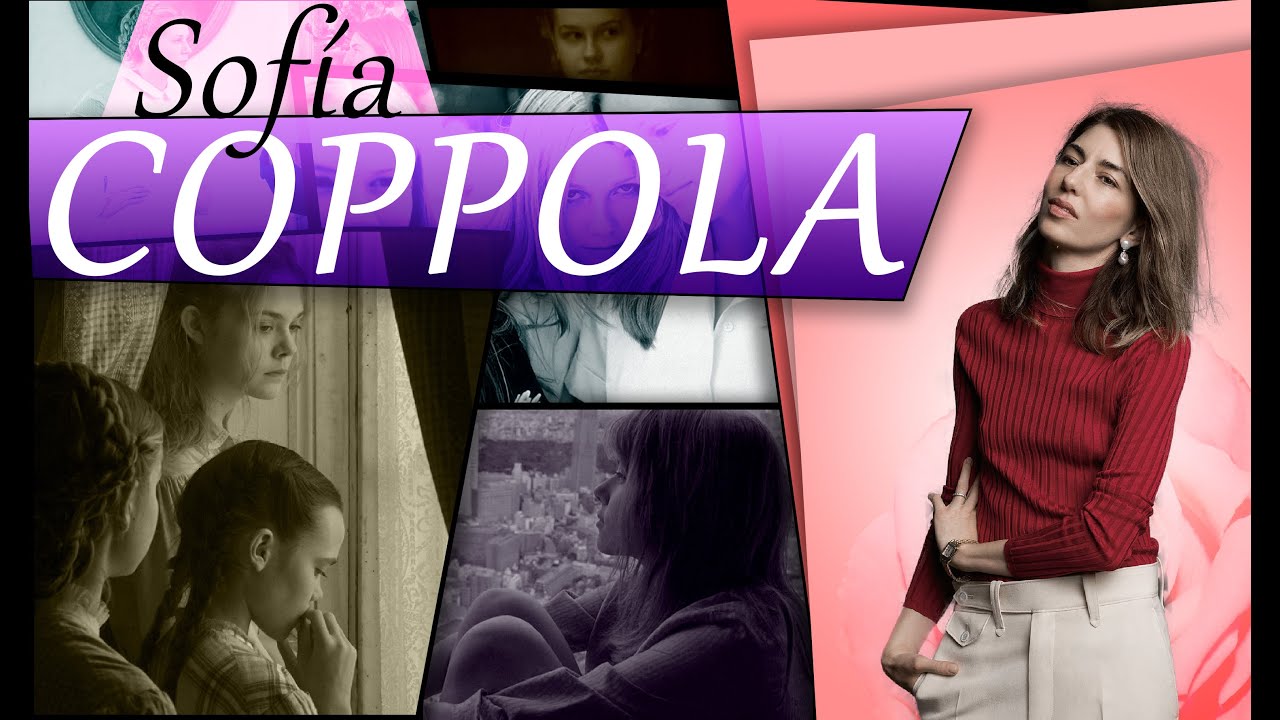

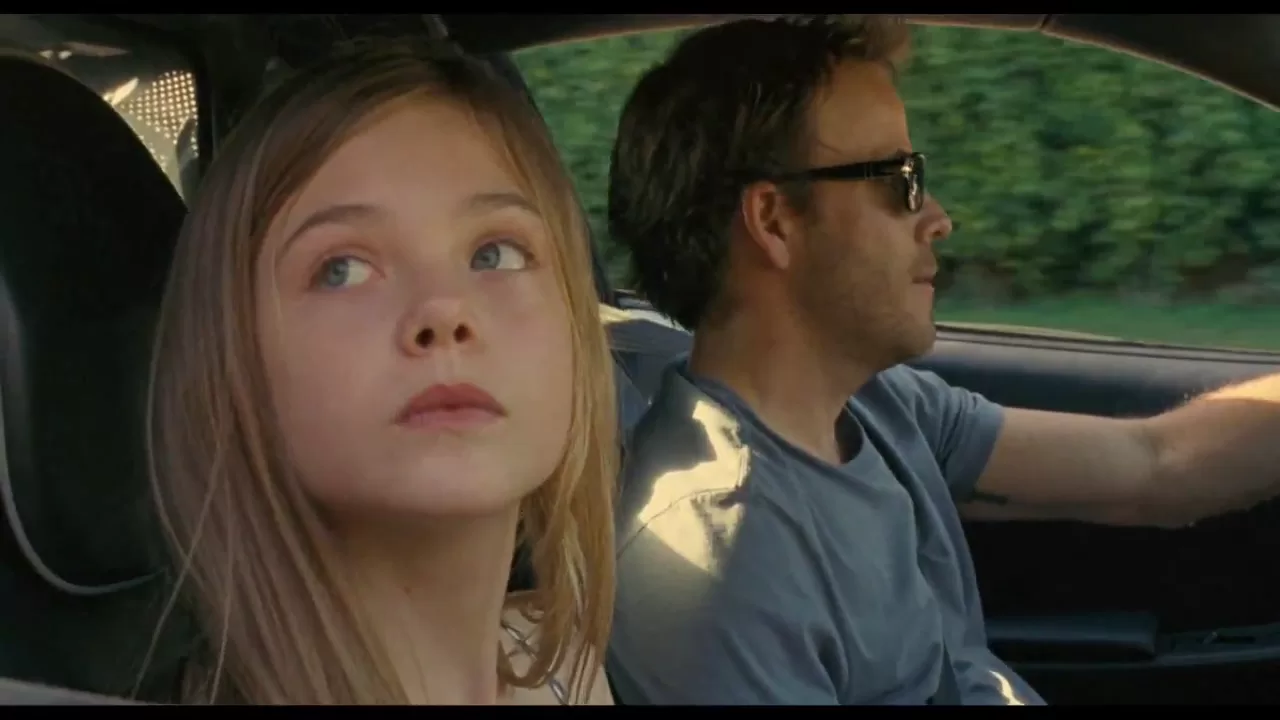



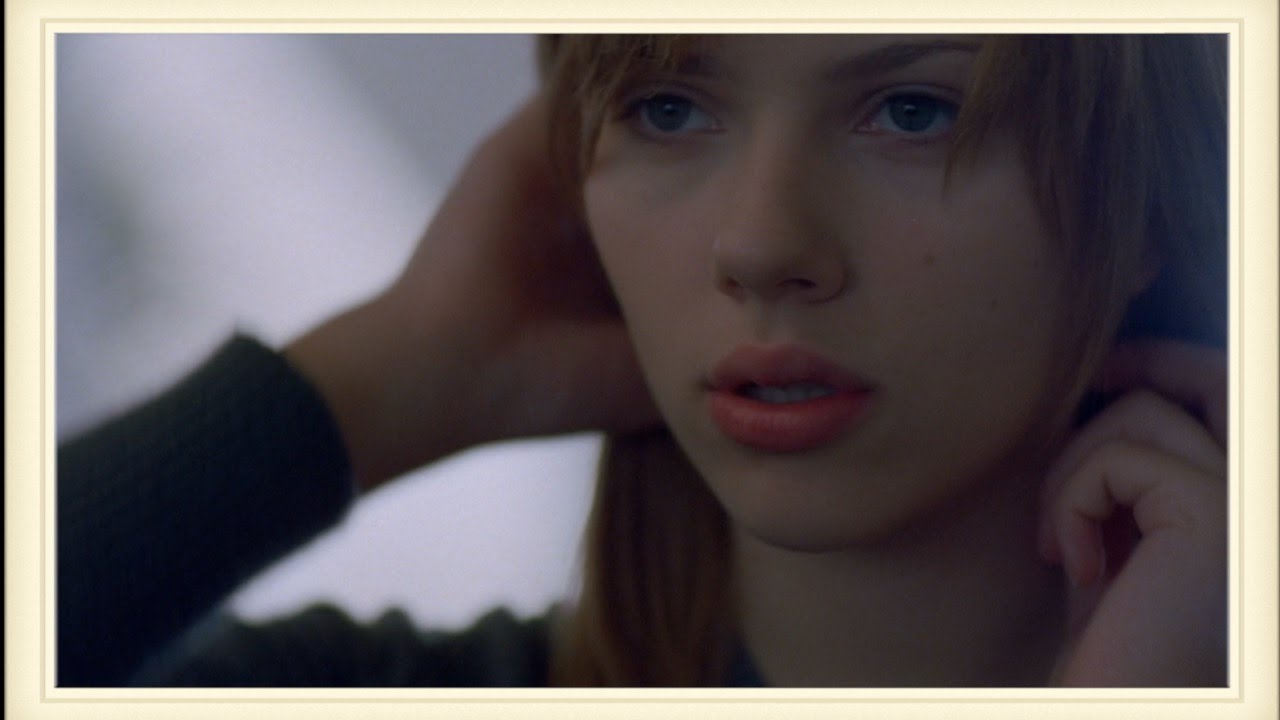







Sofia Coppola masterfully conveys isolation in her films through seven interconnected techniques: (1) Storytelling focuses on characters in transitional life moments experiencing emotional or geographic isolation; (2) Production design uses maximal and minimal extremes—decadent excess versus bare essentials—to emphasize loneliness; (3) Color serves as an emotional palette, with subdued pastels and neon contrasts dividing characters from their environments; (4) Cinematography employs wide shots, negative space, and slow zooms to visually isolate characters within their surroundings; (5) Editing maintains a languid pace with minimal cuts to align viewers with characters' stasis, while montage captures subjective memories and unspoken communication; (6) Sound design emphasizes quiet moments and environmental sounds to create profound silence and loneliness; (7) Music choices—from dreamy ballads to minimal scores—provide atmospheric layers that deepen the sense of isolation and introspection.
Isolation in Sofia Coppola's Directing Style: 7 Cinematic Elements
Added:Characters looking out of windows.
They're lost.
Introspective.
Undecided.
Trapped.
This is a motif we find in the films of Sofia Coppola.
A director who has mastered the art of isolation.
But these shots are just the beginning.
There is so much more going on.
"- You're not even old enough to know how bad life gets.
- Obviously, Doctor. You've never been a 13 year old girl."
Remember to subscribe and click the bell to stay in the loop with more filmmaking videos like this.
Thanks to the following subscribers for requesting this video.
Keep the suggestions coming in the comments.
We will be spoiling the following movies.
Are you ready?
Let's take a ride.
Watching Sofia Coppola's work, there is often a distinct mood.
The depth and richness of her imagery, paired with sounds and music, seep under the skin.
There is a consistent theme running underneath them all.
Whether alone or in ensembles, all of these characters are dealing with the consequences of isolation.
She doesn't tell us these characters feel isolated.
She does more than simply show us this detachment.
She makes us feel it ourselves.
With all the filmmaking elements at her disposal, Coppola tailors each towards this goal.
But how does she do it?
First up, story.
- This idea of isolation is clearly a focus in the stories Coppola tells.
To me, I always like characters that are in a moment of transition in their life and you're trying to figure out what the next stage is.
So any characters that are in a moment of kind of self-discovery.
- The Lisbon sisters on house arrest.
A pair of lost souls far from home.
A debutante thrust into royalty.
A movie star without purpose.
Students and their teachers on the outskirts of war.
These are characters who are isolated emotionally, geographically or both.
And in movies like "The Bling Ring" and "On the Rocks", we see the lengths people will go to to avoid isolation.
"- Where are you from? - Pagora Hills.
But I was away for a year, so did homeschool.
- Bummer."
- Pursuing friendship at all costs.
"- We need to get out of here.
- It's fine. Don't freak out."
- Or allowing their insecurities to take over.
"- There were some of his co-workers toiletries in his luggage.
- I think we should follow him. - What?
- Yeah, I think we should.
Keep an eye on him, see what he's up to.
- No, I, I can't do that."
- The resolution to their existential crisis is elusive.
Some break through them.
And some are overwhelmed by them.
But no matter the setting or circumstance, Coppola has a unique ability to make her characters and their plight, relatable.
She admits that "Lost in Translation" is semi-autobiographical in this regard.
- I spent a lot of time in Tokyo in my 20s.
And I really wanted to make a film about my experience of just being there.
I got married not long before and kind of felt isolated.
I was in this stage where I wasn't sure if I'd made the right choices or what I was doing in the post-college beginning of my adult life.
"- And what did you study? - Philosophy.
- Yeah, there's a good buck in that record. - Yeah.
Well, so far, it's pro bono.
- Well, I'm sure you'll figure out the angles."
- Coppola's films skip goal-driven plots for more observational character studies.
But establishing this isolation on the page is just the beginning.
She also builds the worlds around her protagonists with production design.
So much visual storytelling can be achieved through production design.
And few filmmakers understand this potential better than Coppola.
To emphasize the loneliness at the core of her films, Coppola tends to switch between extremes.
Maximal and minimal.
Some sets are bursting at the seams.
"Marie Antoinette" surrounds herself with decadence to relieve the pressures of her royal obligations and disrupt her confinement.
On the opposite end, the sets are pared down to nothing.
Johnny's living at the Chateau Marmont is bare and lifeless.
Simple details like unhung artwork help communicate his unsettled and transient state of being.
"- Shouldn't you be in school today? - It's Sunday."
- Costumes are another focal point for indicating characters in isolation.
"- I was always self-conscious that I wasn't, you know, as good looking as other people."
- Coppola explains with an example from "On the Rocks".
Clothing provides the little clues that tell you who characters are.
And Laura's trying to figure out who she is at the moment.
She wears a custom-made Paris Review t-shirt, but also old band t-shirts from her previous life.
In "The Beguiled", the dresses inform their situation without the need for expository dialogue.
Miss Martha and her students have been deserted at their school for some time.
And so, the colors in their dresses are faded.
And alterations are made as they grow.
Coppola adds how her production designer, Anne Ross, continued this idea with set decoration.
She made the house with vines growing up it.
And that feeling of neglect really helped set the stage that they're cut off from the world.
"- I can't say that it hasn't been a struggle.
- Well, I admire her strength.
I know it must be hard for you to be strong all the time for these girls.
You're lucky to have a woman such as yourself to keep going for all of them.
- I'm just trying to give them what they need to survive in these times.
It's a very different world out there that they're going into.
I don't think they realize that."
- With production design, Coppola injects context around her characters.
Who they are.
Who they're trying to be.
Where they've been.
And where they may be going.
Now, let's move on to one of Coppola's strongest elements in production design.
Color.
Color is a key element in Coppola's visual palette.
She indulges in feminine pastel worlds and neon-infused cities.
As Coppola explains, her preference is for more subdued color schemes.
Usually, I love not very saturated colors.
That's something in my films.
I always want low contrast.
But not always.
It depends on the subject matter.
Because when we made "Bling Ring", it was really garish.
And it was this awful kind of US Weekly subject.
Color is also used to divide the worlds these characters traverse.
The contrast between the beige suburban world and the glittery night of the city.
I thought DP Harris Savides made a really beautiful look out of this world that isn't so beautiful.
"- So, what qualities do you guys admire about Angelina Jolie?
- Her husband.
- Mm hmm. Okay.
Anything else?
- Her hot bod. - Okay.
Okay, well, the hot bod is not a characteristic."
- For "The Virgin Suicides", DP Edward Lachman explains how color helped isolate the characters.
I was aware of the tone Coppola was aiming for.
A difference between the male and female worlds.
That's why I tried to create the two worlds visually.
One of the girls inside being locked in their house with magentas and blues.
And then one with the boys outside in this more austere sunlight and stronger saturated color.
In these films, color is used as an emotional measurement.
It marks how these characters see the world and how they feel inside.
Coppola's control over color could be attributed to having studied painting and photography.
But this background will become even more apparent in the next section.
Cinematography.
It might sound obvious or trite, but Coppola is a very visual filmmaker.
Much of her preparation starts with visual references that she shares with her department heads.
She will even tape these reference images into the script.
Here is a mood board assembled for "The Beguiled".
She will often find inspiration in photography to set the mood and direction of her projects.
The look of the "Virgin Suicides" was sparked by the work of Bill Owens.
John R. Hamilton's candid shot of Clint Eastwood informed the spirit of "Somewhere".
And Larry Sultan's portrait is given a direct homage in "Lost in Translation".
The best photography tells a complete story in a single image.
Coppola takes this practice into her own work with strong compositions.
Press pause on just about any frame in a Sofia Coppola movie and they could stand as amazing photographs on their own.
Much of this feeling of disconnection for these characters is achieved through framing and composition.
Here's Lost in Translation DP Lance Acord on how this works.
- The loneliness that can be created with space, I feel like that was achieved on that film.
Allowing shots to be wider, allowing people to be smaller in frame, kind of hanging on those shots.
- We find this in her extreme wide shots.
Or with heavy use of negative space.
We also find slow zooms that inform this idea of isolation.
They close in to apply pressure.
Or open up to let the environment overwhelm the character.
Consider this moment.
The camera slowly constricts the space around Johnny paired with a visual metaphor of being stuck.
This is Johnny at his lowest.
Later, we get the opposite shot.
A simple slow zoom-out that seems to release Johnny from his existential confinement.
Through composition, framing, and subtle lens adjustments, Coppola creates strong imagery with a clear point of view.
And a focused goal of capturing disconnected characters alone with the world surrounding them on all sides.
Now, let's see how these images are assembled to enhance this isolation with... Editing.
With exceptions, Coppola is predominantly a mise-en-scene filmmaker.
This means that her images are designed to be complete without much editing.
She tends not to shoot coverage.
The lack of editing and coverage naturally creates a slower, more deliberate pace.
This was purposefully done for "Somewhere", as editor Sarah Flack explains.
Because of the way Sophia and DP Harris Savides designed the shots, there wasn't much coverage in many of the scenes.
But the length of the shots brought with it a wonderful sense of realism.
Coppola elaborates that this minimalist coverage and editing style also served to align the viewer with Johnny's stasis.
It was all about finding the rhythm sustaining a shot.
Not putting the audience to sleep, but still trying their patience to put them in the frame of mind of this character who's bored in his life.
On the other hand, there are moments constructed with editing.
This is especially evident in capturing the unspoken language between female characters as she explains.
The way that women communicate is very particular.
How you communicate so much with a glance or the tone.
And I think men don't see that.
And it's really between women.
"- Is Dean still traveling a lot with that new assistant?
- Um, account manager.
Yeah, she's um, yeah, she seems nice.
- Is she very attractive?
- I don't know, I mean, yeah, she's attractive."
- This comes into play in "The Beguiled" as the girls anticipate the poison trap they have laid for McBurney.
"- Miss Amy picked the mushrooms today. Would you like some, Corporal?
- I would indeed, yeah.
Thank you, Miss Marie."
- "The Virgin Suicides" has a more subjective, nostalgic construction.
Just as the Lisbon girls were isolated from the world the boys were isolated from them.
Therefore, everything we see is from the boys recollections.
What they remember.
And what they imagined.
To capture this, Coppola and her editors employ montage editing techniques.
Split screens.
Super impositions.
An iris with x-ray vision.
As Coppola explains, the story is told as a memory.
That's why it's made in a collage style of piecing together these memories to try to bring back these girls.
"- The only way we could feel close to the girls was through these impossible excursions, which have scarred us forever.
Making us happier with dreams.
Then wives.
Collecting everything we could of theirs.
The Lisbon girls wouldn't leave our minds.
But they were slipping away.
The color of their eyes was fading along with the exact locations of moles and dimples.
From five they had become four.
And they were all, the living and the dead, becoming shadows."
- Coppola's editing is mostly restrained, letting the images speak for themselves.
But there are moments where memories and unspoken communication are constructed with montage.
To dive deeper into the emotional realm of these characters in isolation, let's open our ears to Coppola's sound design.
As we've As we've seen, Coppola prioritizes mood and feeling.
One of the most direct ways to do this is through sound.
To establish isolation in "The Beguiled", we start with sound.
What do you hear?
There is clear juxtaposition between the isolation of the girl surrounded by nature and the wall in the distance.
It all adds up to both atmosphere and plot.
As Coppola explains.
- It has a lot of awareness on the sounds of nature with the sound design of the cicadas and the cannons in the distance and I hope that you feel the tension.
Coppola also uses sound to speak directly to the character's emotional state.
In some scenes, Johnny is surrounded by sound.
But it is the silent moments that reveal what's really in his heart.
A solitary meal.
The pull of a cigarette.
Johnny's heartache is soundtracked with the muted whir of a helicopter.
By focusing on quiet sounds like water, we feel the silence and the loneliness.
The cry for help.
The monotony.
Even a single drop speaks volumes.
The silence at this moment is deafening.
And it is clear that she has lost all favor with her subjects.
There are loud and layered moments in Coppola's films.
But it is her use of minimal sound design that encapsulates characters in seclusion.
Stripping the artifice from watching a movie so we can share these private moments with them.
Our last element might be what Coppola is most known for.
Music.
As we've seen, Coppola makes strong visual choices.
But her musical choices are equally strong.
The musical core of these films is built from the very beginning.
Often integral to her writing process.
As she says, when I write the script, I listen to music and that's usually when I find the tone or the atmosphere between the visuals, the colors, and then the music.
For example, music by the group "Air" inspired a dreamy, nostalgic tone for "The Virgin Suicides".
So much so, that she brought them on to provide original music for the soundtrack with tracks like Playground Love.
Music supervisor Brian Reitel worked with Coppola to make Tokyo Dream Pop playlists while she worked on the script for "Lost in Translation".
These tracks complete the imagery in a wash of soft distortion and dreamy introspection.
This fits the mood she was after.
I wanted to create this sense of disassociation of being in this kind of unfamiliar alienating world.
Charlotte's Sojourn is soundtracked with a somber, contemplative track, fittingly titled "Alone in Kyoto".
When Laura's confidence in her marriage hits a low point, we get a melancholy ballad.
"- You're gonna be all right, shorty."
- "Marie Antoinette" derives a lot of momentum from its soundtrack.
We get anachronistic tracks from groups like "New Order" and "Bow Wow Wow".
This allowed Coppola to capture Marie Antoinette's youthful and romantic spirit.
But it also reinforced her disconnection from her royal duties which would become her downfall.
Movies like "Somewhere" and "The Beguiled" prove that removing music is an effective way of creating isolation.
On this latter film's minimal score, Coppola says the choice was made because these characters have no escape.
- It's very restrained synthesizer tonal music that's very under the surface because I wanted to have a lot of tension and just really not have songs that would alleviate the tension.
"- What are you doing there, Miss Haney?"
- Coppola's use of music gets right to the heart of her characters.
Moments of ecstatic youthful energy provide further contrast to their angst and detachment.
"- Why do you think Rebecca was so obsessed with these women and their clothes enough to steal?
- I just think she wanted to be a part of like, the lifestyle, like, the lifestyle that everybody kind of wants."
- Few directors are as invested in exploring the inner worlds of their characters as Sofia Coppola.
Her stories center on people dealing with isolation.
She threads this idea into the production design with wardrobe and set dressing.
The color palettes sustain these somber tones and disconnected worlds.
Her compositions and framing add distance between the characters and their surroundings.
She edits with a languid pace so we can share the feelings of seclusion.
A focus on minimal sound design brings us into these private moments.
And her soundtracks provide a final layer of tone and atmosphere that is ripe for contemplation.
What else do you feel watching Sofia Coppola's movies?
Share your thoughts in the comments below.
And tell us which filmmaker you'd like us to cover next.
With StudioBinder's pre-production software, you can write your next ode to isolation.
Compose your shots in a storyboard.
And nail down your vision with a mood board.
Like the one we created for Coppola's films, which you'll find linked below.
Until then, remember that it's okay to get lost once in a while.
Up Next

Anamorphic vs Spherical Lenses: A Cinematography Comparison
@InDepthCine
2.3M views•2020-06-27

Triumph of Orthodoxy Icon: Byzantine Art & History Explained
@BenCallan
2.1K views•2024-08-06
Post-Production Sound for Film: The Complete Process Guide
@StudioBinder
142.4K views•2025-03-17

Game of Thrones Opening Credits: A Cinematic Analysis
@gameofthrones
46.3M views•2011-04-18
Related Study Plans & Knowledge Roadmaps
Structured learning paths in General & Interdisciplinary Studies