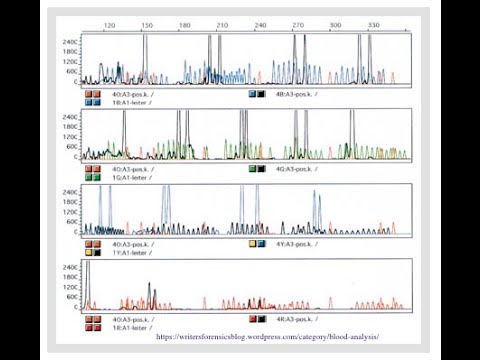


















The Scientific Working Group on DNA Analysis Methods (SWGDAM) released updated validation guidelines for DNA analysis methods in December 2016, incorporating next-generation sequencing technology consistent with FBI Quality Assurance Standards, along with recommendations for efficient DNA processing of sexual assault evidence kits to improve accuracy, timeliness, and effectiveness of evidence collection and processing.
Forensic DNA Analysis Updates and Training | January 2017
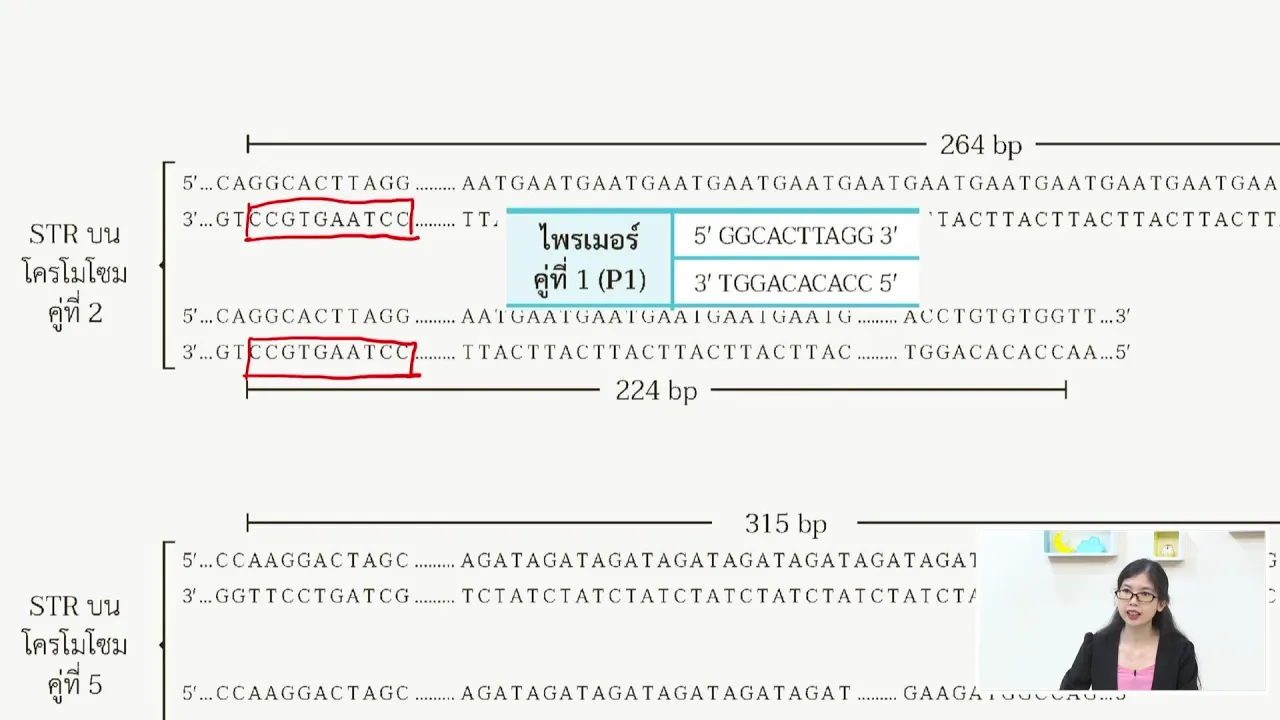
Added:Basic principles of forensic DNA profiling, including Short Tandem Repeat (STR) analysis and Polymerase Chain Reaction (PCR).
Understanding of the role of standardizing bodies in forensic science, specifically the Scientific Working Group on DNA Analysis Methods (SWGDAM).
Fundamental laboratory safety protocols, including Personal Protective Equipment (PPE) and hazardous substance handling.
Concepts of quality assurance and quality control (QA/QC) in a forensic laboratory environment.
Advanced DNA profiling technologies, such as Next-Generation Sequencing (NGS) and probabilistic genotyping software.
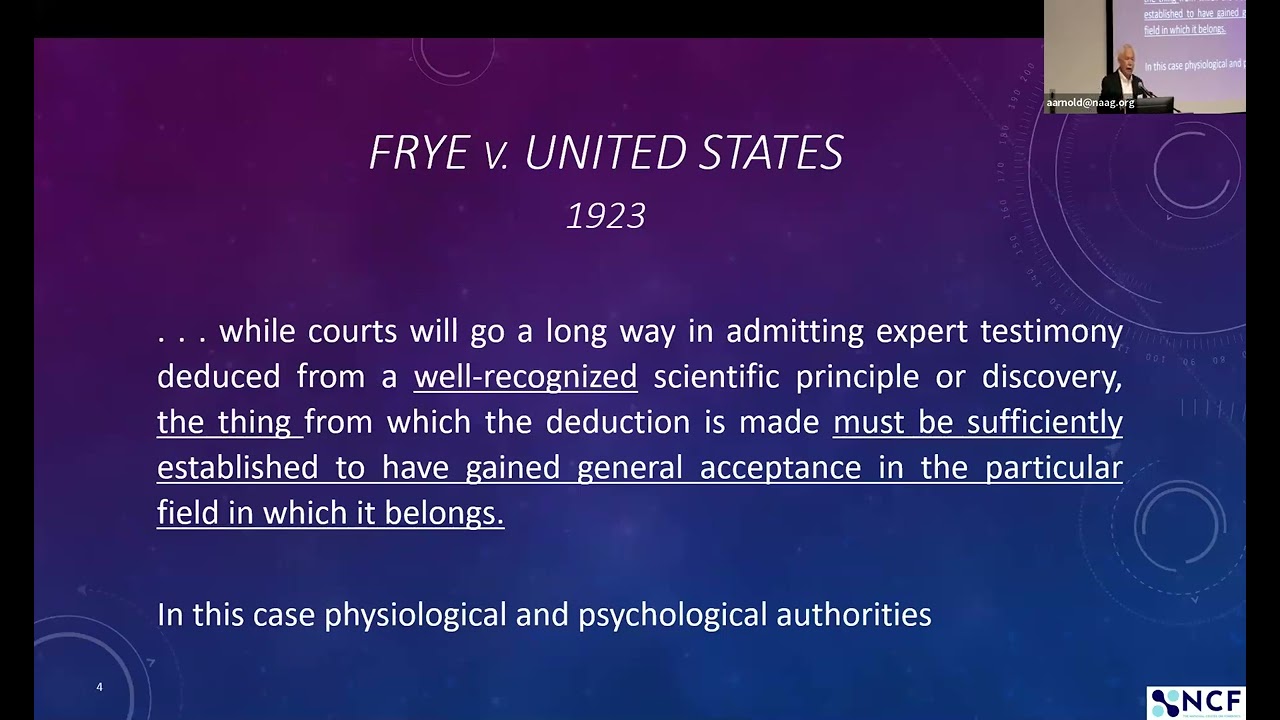
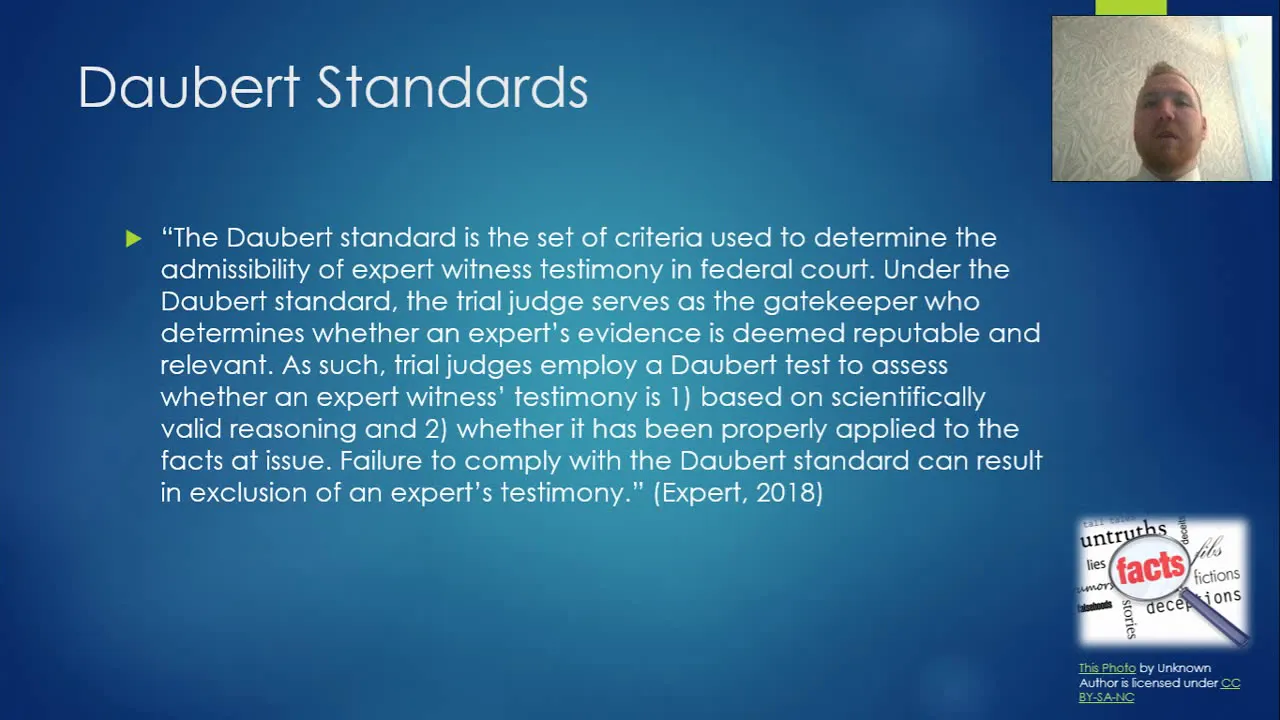
The impact of updated SWGDAM guidelines on the admissibility of DNA evidence in court (Daubert and Frye standards).
Specialized safety protocols and decontamination procedures for high-potency synthetic opioids like fentanyl and carfentanil in forensic settings.
Design and evaluation of modern training programs for forensic biology analysts in compliance with national standards.
217 views5likes4:39Original Release: 2017-01-19
[Music] [Applause] hello and welcome to the first forensic update of the year I'm your host Bill Duffin it may be the first month of 2017 but it's already starting off with big industry news and events the scientific working group on DNA analysis methods released two new recommendations in December the scientists revised the validation guidelines for DNA analysis methods to include information on next-generation sequencing consistent with the FBI directors qas the second release was the recommendations for the efficient DNA processing of sexual assault evident kids in response to the safer act designed to develop accurate timely and effective DNA evidence collection and processing we put a link to both of these important documents on our ad seen on the forensic update page NF FCC is finished updating the DNA analyst online training first published in 2005 now available on NFS DC's online learning system modules include new technologies and standards and resources and assessments technical leaders can monitor a single analyst or an entire team with access to grading reports and resources training costs will vary based on agency enrollment you can find more information on our website it's a startling statistic 33,000 people die from opioid overdose in 2015 and with the growing use of dangerous substances like fentanyl there's a direct threat to first responders join us februari nice at 1pm Eastern for a free webinar on synthetic opioids and officer safety mike healy forensic chemist for the bradington police department will answer your questions and provide safety guidance on how to handle substances in the field and communicate effectively about possible dangers and exposure hazards registration is available soon are you attending this year's as clad symposium workshops poster presentations and plenary sessions will all focus around this year's theme continuous improvement leading through continuous learning NFS pcs communication team will host a workshop on building trust and forensic science through social media and CEO Kevin Loughridge will present on the responsibility laboratory directors have to improve forensic science on a global scale from the current leaders and the laboratories to the next generation we're proud to be hosting students from the university of south florida st. Petersburg for a unique workplace training as part of their field forensics course every Friday in the spring semester the students will receive hands-on training from collection to analysis to documentation to give them hands-on experience with what they will encounter what they are in the field stepping outside the classroom is something there professor max Houck says will benefit the students the benefits of growing outside of the classroom for the students is that it takes it out of the realm of the academic and into the realm of the practical and not that you can't do practical work in a laboratory but this is closer to real life this is closer to what they would experience outside as a professional and I want them to get that that sense of risk that sense of responsibility of accountability for the actions they take the methods they use and the results that they generate really I think the best thing for them is to see it's not an abstract concept that forensic science is is a series of applied method to assist criminal justice system rather than this abstract notion of what they've seen on TV perhaps the university of south florida st. Petersburg is looking to expand this course as part of their program forensic studies in justice which will be created later this year in the meantime you can follow along with the class on our social media pages to see what they're learning next until next time I'm Bill Dustin thanks for watching Oh [Music] [Music]
Up Next

22:59
Indrani Mukerjea on Sheena Bora Case: Exclusive Interview
@indiatoday
53.7K views•2024-03-02

26:22
Walking in the City: Urban Rituals and the Flâneur in Contemporary India
@PSBTIndia
1.9K views•2016-08-02

19:15
qPCR Essentials: DNA Quantitation Methods & Workflow
@FIUForensics
1.1K views•2012-10-02

1:42
Game of Thrones Opening Credits: A Cinematic Analysis
@gameofthrones
46.3M views•2011-04-18
Related Study Plans & Knowledge Roadmaps
Structured learning paths in General & Interdisciplinary Studies
general-studies
Artificial Light: History, Tech & Human Impact
01The Pre-Electric Era: Fire, Oil, and Gas Lighting
02The Incandescent Revolution and Grid Electrification
03Gas Discharge and Fluorescent Illumination
+ 3 more learning modules
14h6 modules
Explore Roadmap
general-studies
Elevator Engineering: History, Physics & Cities
01From Hoists to Safety Brakes: The Dawn of Vertical Lift
02Hydraulic vs. Traction: The Engineering Physics of Elevators
03Modern Speed, Safety, and Algorithms
+ 2 more learning modules
12h5 modules
Explore Roadmap
general-studies
Rubber: Material Science, History & Geopolitics
01Origins of Natural Rubber & Mesoamerican History
02The Chemistry of Natural Rubber & Vulcanization
03The Geopolitics of the Rubber Boom & Colonization
+ 2 more learning modules
12h5 modules
Explore Roadmap
general-studies
Containerization: Evolution, Logistics & Trade
01Ancient Trade & Bulk Cargo: Amphorae to Barrels
02The Industrial Revolution & Cardboard Packaging
03The Containerization Revolution: Malcom McLean
+ 2 more learning modules
12h5 modules
Explore Roadmap