







![[PRESUMED INNOCENT?] Or Already Convicted by the Media | Ft. Truth & Transparency](https://i.ytimg.com/vi/BVmiJGO2u2s/hqdefault.jpg)










In India's high-profile Sheena Bora murder case (2012 disappearance, 2015 arrest), accused Indrani Mukerjea claims she was framed, citing that DNA evidence linking her to the body was forged by altering 8 out of 15 allele numbers in the electropherogram to match her blood sample; she maintains her innocence as Sheena's mother and asserts that multiple people have claimed to see Sheena alive after her disappearance, suggesting the case remains unsolved with significant questions about evidence integrity and potential wrongful conviction.
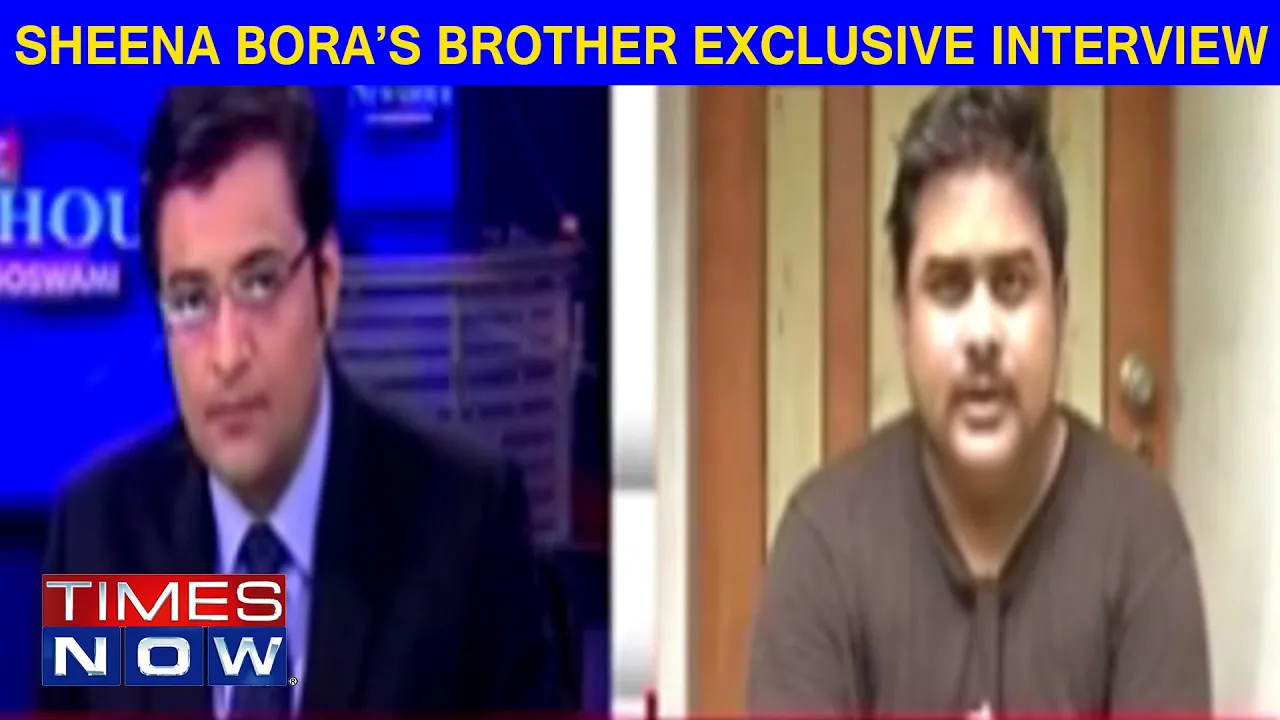
Indrani Mukerjea on Sheena Bora Case: Exclusive Interview
Added:An overview of the Indian criminal justice system, specifically the roles of local police, the Central Bureau of Investigation (CBI), and the trial courts in major criminal investigations.
A basic timeline of the Sheena Bora murder case, including the relationships between the key individuals involved: Indrani Mukerjea, Sheena Bora, Mikhail Bora, and Peter Mukerjea.
Fundamental legal concepts regarding evidence, particularly the distinction between direct and circumstantial evidence, and the legal weight of confessions made to police versus magistrates.
The concept of 'trial by media' and how high-profile crime coverage affects public perception, legal defense strategies, and judicial objectivity.
Critically analyzing the ethical implications of true-crime documentaries and media interviews on active or high-profile legal appeals.
Investigating the forensic science methodologies used in cold cases, specifically the identification of skeletal remains through DNA profiling and forensic anthropology.
Studying defense litigation strategies, focusing on how defense attorneys cross-examine approvers (accomplices who turn state's witness) and challenge call data records (CDR).
Conducting a comparative study of media-hyped criminal cases in India, such as the Aarushi Talwar case, to understand systemic gaps in institutional investigations.
53.7K views311likes22:59Original Release: 2024-03-02
a crime story a murder mystery that gripped newsrooms and the nation for weeks and months together back in 2015 and the case continues to drag on with the release of a brand new documentary the indrani muky story buried truth on Netflix now four episodes long and with information never known before new light has been thrown on perhaps the most mysterious murder case this country has seen in deck decades together and the person at the middle of the entire mystery and who continues to be at the middle of this entire story is indrani mukari herself but I'm going to start this interview indrani by asking a question which you probably have asked been asked the most but it's a question that bears repeating because it still doesn't have an answer did you kill Shea Bora well I think um you know today the very fact that I have come out in the open I think I am the only accused who has come out very open openly to talk in the documentary I've also written a book and I have been very forthcoming with all my you know all the questions uh that have been asked have been very forthcoming with my answers for one simple reason that uh anything that I have said or everything that I have said I have been able to validate with evidence which has already been submitted in court and uh as far as uh you know I think a question like this goes the question that you asked me just now I think the court is going to ultimately decide the guilt or the Innocence but personally if you're asking me this question you must first remember that I am Shea's mother yeah she is my firstborn child okay and I think all mothers always have a special corner for their firstborn child all the time and there is absolutely absolutely neither any reason nor any motive or nor any lack of uh you know what do you call it lack of uh uh love from my end which would have have ever ever kind of moved me to do something so gruesome and uh I think it is shocking that even people actually believe that anybody forget about me I mean obviously any mother is capable of committing a crime like this for anyone to have believed something so Gastly I think it's itself you know I think it's very shocking and I'll I'll just finish yeah and I think even before today this question is being asked to me almost after 6 and a half years s years but I think this question should have been really asked a long long time ago it was uh well I don't think so it was really asked because but sorry to interrupt but I'm just saying that uh you know heinous crimes do happen it's not like they don't happen you know you're right about the shock factor of a mother you know accused of killing her own daughter I take all of that and uh you know with the with the greatest of respect for the personal aspects of what you're talking about you know I think everyone is aware that you uh are shab bora's mother and that's the reason why uh this story continues to shock people my next question to you therefore would be uh Sheena went missing in 2012 correct you were arrested in 2015 uh uh what happened in 2012 then if she you know if you're saying you didn't kill Shina Bora what happened to her see obviously she disappeared that is very clear but now the evidence that has come on record in court very clearly establishes that she was very much around around and when till 2012 September okay that has that evidence has already come on record yes it is very true to say that since 2012 April I have had absolutely no contact with Sheena I have not had any contact but uh Co records that have actually ratified call records okay by the FSL that have been submitted in uh the trial court very clearly establishes that uh she has been in touch with Rahul mukarji yeah yeah so which is out there it is not me saying it it is you know very much there but you've also been on record to say that Sheena Is Alive no no I I am sorry I have not said that okay so again let me clarify that which I've already clarified no because because you've said in and I want to just press this point because you're saying that you've made claims that can all be validated that's that's why I'm pressing that point so now it is not I have never made a claim I have never made a claim that sheina is alive what has been submitted in court is people who have who claim to have met Shea or seen Sheena that is not my claim so whoever has seen like there is an advocate who had apparently seen Shea the her the footage on her phone has been submitted in court the CCTV footage has been submitted in court but I have personally never met Shea just to be clear you're saying CCTV footage supposedly of Sheena after the date of her known disappearance yes yes which is in I think 2023 January if I'm not mistaken I think 5th of January or 4th of January 20 and what has been said about that footage submitted in court and it's sealed and uh obviously this lady who had uh you know seen somebody who resembled Sheena now do you believe that what is your view do you think Shea is alive I will tell you something I uh in my heart I don't really know but whatever there's more than one person who claims to have you know seen Sheena met Sheena and it has also happened that in 2020 was it in 2020 or 21 yes for somebody else who is actually a police officer she was with the crime Branch earlier so uh she had claimed that she had seen sheina in Kashmir and to that effect in fact we had um you know sent a letter to uh the investigating agencies so that you know the CCTV footage could be gathered because after some time the CCTV footage goes but no action was taken but what about the but what about the DNA evidence of the body that was found it's been it's been linked to you why why don't you simply ask for another DNA test no we don't need to it has already been established that it it was forged so I don't have to ask for it anymore so what has happened no so why don't you ask for another DNA test if you believe that it was a forged DNA test the remains that were so because the investigation is apparently closed so that is we we've asked for a lot of things okay but uh you know nothing has really there's been no movement on that right for example when this lady had come and said that she had met Sheena we had asked for an investigation we said you please get the CCTV footage this lady was willing to go and show the exact spot because she's a police officer herself right and so that the CCTV footage if any uh you know could have been retrieved but nobody took any action so which itself speaks volumes you see because that is I think uh really very Unbecoming I think of any agency to do something you know like you said like you said indani you you are sha bora's mother okay and you you made it a point to emphasize that and I think that's important because that goes to the heart of also how this story was treated uh you know how Newsroom looked at the story how people made up their minds about you as well and this and the case isn't over yet and you've chosen to come out uh and you know speak in this documentary that's coming up as well my question to you is uh you know you say you frankly don't know what happened you don't know if she's alive or she's gone yes uh and this is your child we're talking about so I I I mean this with the greatest degree of sensitivity aware that you are the mother my question to you is what do you think happened to her you you know after all these years it's been a decade now actually more than a decade because she disappeared in 2012 what do you think happened what happened to Shea who do you think did something to her sh uh I you know think there are people in the family who are aware what has happened to Shea okay I'm I am absolutely convinced about this in fact I filed an application in court to that effect okay so I don't want to say until and unless I do not have concrete evidence but you mean Peter oh well I shall not say that right now but definitely we is um I have reasons to believe that and not just reasons because I think because I think there is enough evidence which has already come on record and there is even more evidence which we will put forward from you know our defense side and which I cannot obviously uh you know show my cards at this my when I say my cards means you know the defense cards as of now I cannot talk about it but coming back to the D DNA aspect when you said that uh you know why don't we ask for another DNA test obviously the first body that was allegedly there was a body which was discovered in 2012 uh there is no DNA report of that so that that goes in 2015 apparently another body which was discovered so there was allegedly a DNA test which matched my blood sample now of course when the DNA expert came uh you know to depose now it turned out to be something completely different because he admitted to have changed you know the El numbers in the electrogram to which ultimately ended up matching within his own handwriting because an electrogram is always machine printed only so you cannot just scratch out and okay this is inani muki's d any report okay so this has so it is 15 Al numbers so these Al numbers are coordinates X and Y coordinates okay so you're basically saying that the the the DNA test the basically the claim by the prosecution that this was sheena's body you basically you're you're putting that entirely into doubt because of the way it's I am not putting it into you saying being are you saying absolutely I said this I think on but by who but by who it has to be you know is it a bunch of people is it your family what is the motive to frame you in this see motives I think uh can be several okay so uh it could be Financial it could be personal see I don't know what goes on in somebody else's head and for what reasons but I can tell you for sure for sure because there were things that happened immediately on the day of my arrest or after my arrest which over a period of time uh made me realize you know that I was definitely property titles shifting ET lots of things lot of things which I mean come on you know you don't decide on the day a family member gets arrested all you can think of is writing an email to the society to stop transfers I mean it's just there are there are several things okay so so there are several things which have made me believe over a period of time that definitely I was framed and somebody very very close to me obviously indani you know you talked about how it's possibly Financial or personal you don't uh you claim not to know what the reason could be uh but I want to come to one of the most personal things that you revealed some months ago and you talk about it for the first time in much greater detail in this documentary uh which is is uh who Shina Bora really was that she was uh you know your child from your own father it was a product of rape uh and uh uh you know it was a very very traumatic uh you know episode in your life and that You' moved away from it uh my question to you is when did when did you break it to your family and I'm talking about your family with Peter mukarji when did they come to know that Sheena is not your sister but your daughter because that appears to have been part of how this entire episode unfolded and that was very much part of the whole shock value I remember being in the office when there was actually a breaking news story saying Sheena isn't indrani's sister she's her daughter yeah so uh let me now when you said uh Peter's family okay now the only person obviously who knew about it as far as I have communicated in Peter's family is Peter M knew about it of course he knew about it and I think uh there is so at no point did he think that Sheena is your sister no no so uh that is something uh which I think there is enough evidence to back that up and I think from somebody from your channel itself I think it was Vidya yeah I remember correctly a crime reporter in Mumbai yes in uh your crime reporter in Mumbai viya when Rahul mukarji was uh finished his trial and uh she caught him actually and Rahul mukarji has come on record to say that even he knew that she was uh always my daughter and uh you know so it is uh you know very strange that you know people made such a big so you're saying everyone knew she was your I don't know about everyone I cannot say that about everyone because on record on record when we talk about official records she is uh you know like like my the daughter of my parents right because you know the background how she was adopted and you've I think yeah yeah I've written it in my book and it's in the chart sheet as well that she was adopted when she was a baby and uh but as far as uh Peter goes yes as did uh you know my ex-husband s Chief Kaa so that he and his mom I'd like to speak about Rahul for a minute because Rahul became a protagonist in this entire episode for a long time because he was um engaged uh uh engaged to sha or we don't know whether he was married engage we don't at least he referred to her as his fiance in his phone conversations that he was recording because uh he uh at least claims not to have been in the know about what was happening with her in those conversations and uh there are extended conversations which are now part of this documentary right it seems like and and and I want your perspective on this because this is important I'm sure it's part of the investigation it seems like Rahul is desperate to find out where Shea is and it looks like both Peter and you from the background in Rani are audible in those audio cassettes uh trying to dissuade him saying she's gone away you know maybe she needs some time off it looks like you're dissuading him from pursuing any information about her okay that looks suspicious yeah okay so let me clarify this uh if you've heard all the tapes also there are tapes where uh both Peter and I have told so I I won't speak for Peter we have been insistent on those tapes uh that uh you know he should come with us to the police station so that is very very clear which he kept on making excuses he never came you know I would say even public opinion in general was you know painted you inani as a as a kind of bloodless mother you know a decision had been taken in the public mind a mon Etc so I I actually want to ask you uh about how you dealt with all of that that you know that view seemed to have you know pretty much sunk in it took root the case isn't over just yet and it's a question that is still being asked but how did you deal with that being painted as that you know more than actually uh What uh the society or the media had to paint me as honestly for me uh when I heard the news about Shea's alleged demise okay so we don't know for me sheina had vanished in 2012 so that thought really never crossed my mind that she would be no more so for me I think the first year was more of grieving about her loss till I started seeing the those you know what people had to think about me I think was I was immune to all that honestly that really didn't bother me as much because there was a bigger this thing that why would a why would somebody do that to her that was one and because for a long time I believed myself till we started diing more and more into the DNA reports I also believe she was no more right the first year that was my belief because I believe the DNA report was right I knew I hadn't done it but I also beli at that point that somebody did something to her and that DNA report is the correct report yeah yeah right so that was my grief initially till my lawyers said hang on this is uh you know half a page report is not a DNA report and I was asked this question very categorically at that point by my that time my trial lawyer was uh sudas bua he asked me a very simple question that inani I need you to be honest with me you have done it or not done it because if you haven't done it I'm going to pull out every single piece of evidence and I'm going to ask for everything which will clear your name so obviously I said that I haven't done it then he said I'm going to ask for everything that is when he asked for this raw data of the DNA and we found it that it was you know all forged and it was out of that 15 El numbers eight were handwritten to match my blood sample right so that is when then kind of I became much stronger and I realized that somebody see I knew from the beginning that obviously from day one and if you remember if you go back to your records and I think I said it to your channel I can't remember who because I was asked on the 19th of uh November 2015 I was coming out of the police van I was asked that have you been framed and I said yes I have been framed I was asked another question that have the police scamed you so I said I am not sure then I was asked one more question that has Peter frame you it was very strange because at that time I still remember very distinctly one joural asking me this as and I kept quiet because by then I think I knew someone very close to me wanted to ensure that I was inside for some reason many of the things that I've asked you today indani have more detailed answers in this documentary corre it's important to point out that many of the questions don't have uh you know clear answers just yet I'd like to end uh this interview by asking you see those questions 2012 to now you know it's been a dozen years you've spent half of that time in jail um and you claim that you didn't commit this crime apart from I I I am being very honest about it in in court and in public opinion it still is your I have pleaded not guilty because I am not guilty with the greatest of respect man I I agree with that I'm just saying techically reason you know I that cour will de have uh I am absolutely sure shave I am going to get acquitted in this case because I have not done it and no matter how hard anyone tries they will never be able to bring evidence against me only because they cannot prove a crime that I have not committed it's as simp they can forge is there anything that you regret doing you've CL you say you didn't commit this crime let's keep that aside for a moment is there anything else you regret in the last I would say 15 years I regret having met having actually got married to Peter but that's not in the last 15 years I got married to him in 2002 and I met him in 2001 yeah I think my life would have been very different but this is I suppose you know uh life you know you don't always you know life always doesn't you know seem the way or turn out the way you want it but I think I'm in a good placees shift today I think I'm uh I have obviously I know who my friends are and who are not and I'm very happy not to have a fair weather family and a fair weather husband I think I'm lucky and uh I am going to fight this and as uh you know at one point in time uh the media and um you know U large chunk of society believed that you know I am guilty I think there is okay a large number of people who do believe in my innocence as well today and uh which is why I have gone out and done this documentary because I have nothing to hide indani uh thank you for taking all of our questions and being candid here on India today we look forward to that documentary and remember the case isn't over yet and that's the reason why the indani mukarji story is still called bered truth thanks for watching
Up Next

46:35
Global STR Analysis Kit With Quality Control for Forensic DNA Profiling
@qiagen
165 views•2014-11-13

12:54
Triumph of Orthodoxy Icon: Byzantine Art & History Explained
@BenCallan
2.1K views•2024-08-06

9:49
FastAPI vs Flask vs Django: Choosing the Right Python Web Framework
@TechWithTim
302.5K views•2024-05-26

1:42
Game of Thrones Opening Credits: A Cinematic Analysis
@gameofthrones
46.3M views•2011-04-18
Related Study Plans & Knowledge Roadmaps
Structured learning paths in General & Interdisciplinary Studies
general-studies
Elevator Engineering: History, Physics & Cities
01From Hoists to Safety Brakes: The Dawn of Vertical Lift
02Hydraulic vs. Traction: The Engineering Physics of Elevators
03Modern Speed, Safety, and Algorithms
+ 2 more learning modules
12h5 modules
Explore Roadmap
general-studies
Rubber: Material Science, History & Geopolitics
01Origins of Natural Rubber & Mesoamerican History
02The Chemistry of Natural Rubber & Vulcanization
03The Geopolitics of the Rubber Boom & Colonization
+ 2 more learning modules
12h5 modules
Explore Roadmap
general-studies
Containerization: Evolution, Logistics & Trade
01Ancient Trade & Bulk Cargo: Amphorae to Barrels
02The Industrial Revolution & Cardboard Packaging
03The Containerization Revolution: Malcom McLean
+ 2 more learning modules
12h5 modules
Explore Roadmap
general-studies
Textile Tech: Evolution, Labor & Global Impact
01Pre-Industrial Textiles: Handloom & Cottage Industry
02Mechanization: The Spinning Jenny to the Power Loom
03The Factory System & Global Labor Transformation
+ 2 more learning modules
10h5 modules
Explore Roadmap