






![상상도 못 한 증거에서 범인을 찾는 K-과학 수사 (feat. 임시근 교수) [취미는 과학/94화 확장판]](https://i.ytimg.com/vi/OAVzLyETXzE/maxresdefault.jpg)


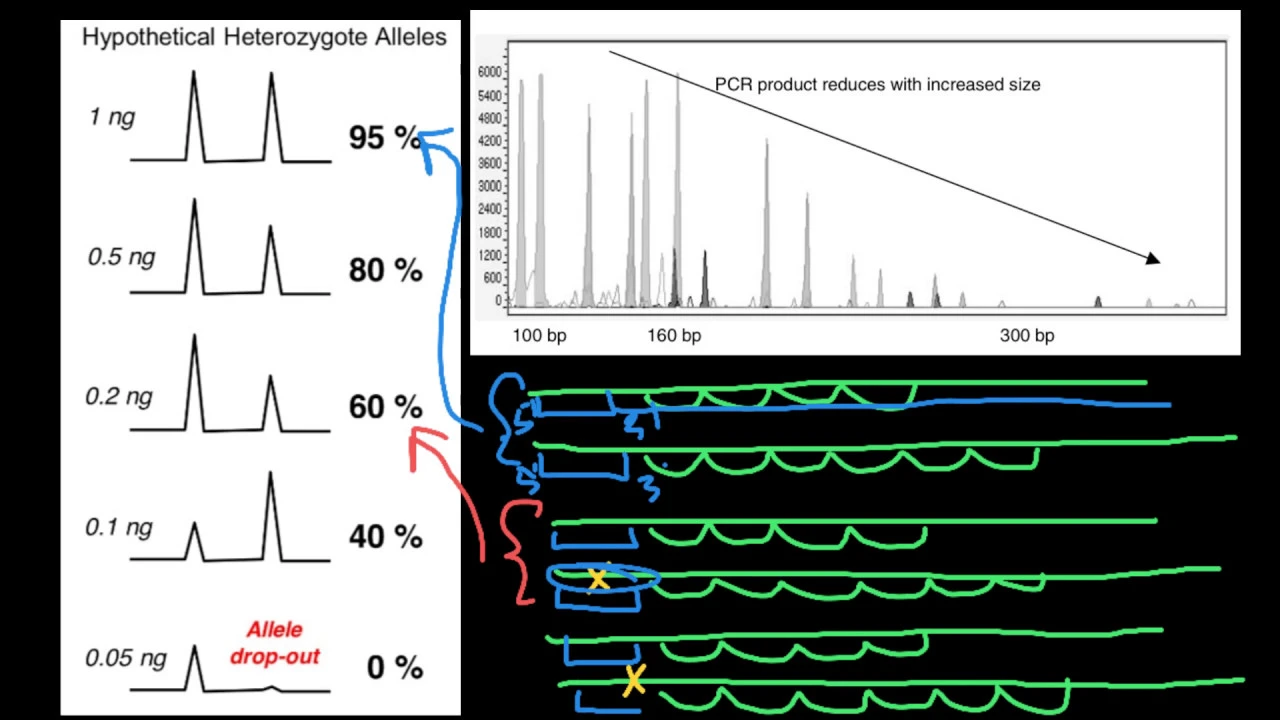

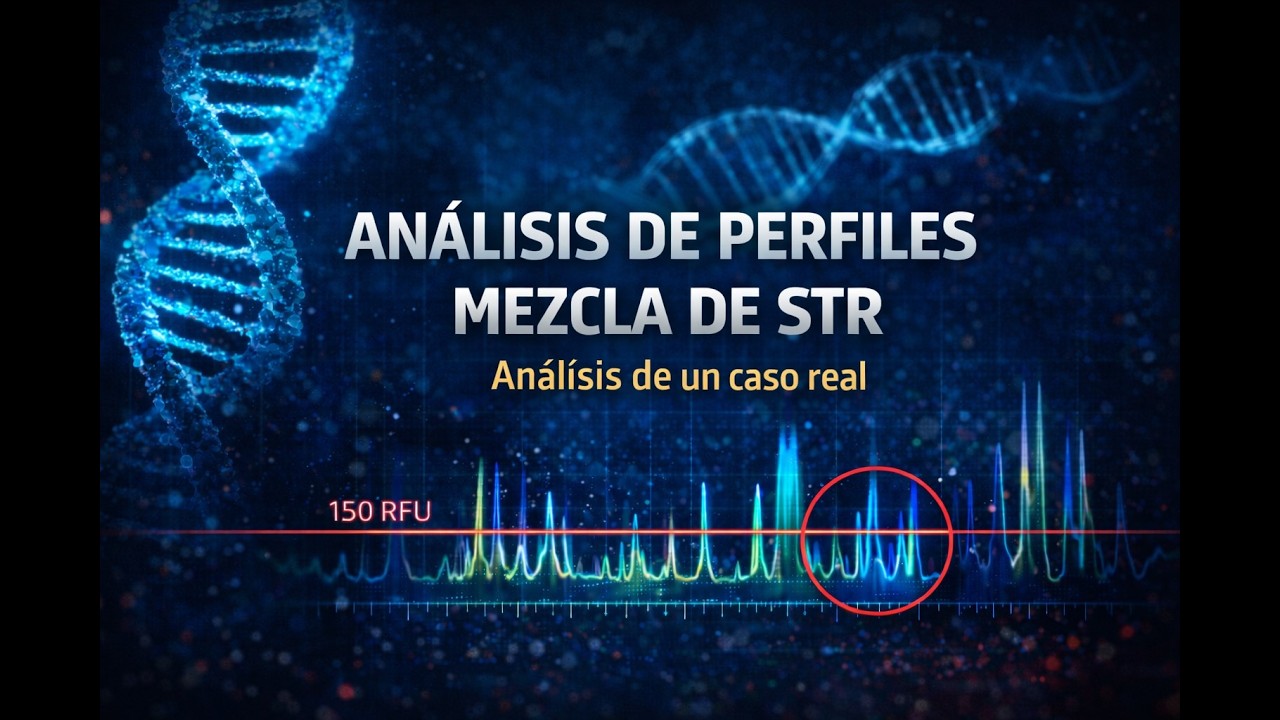

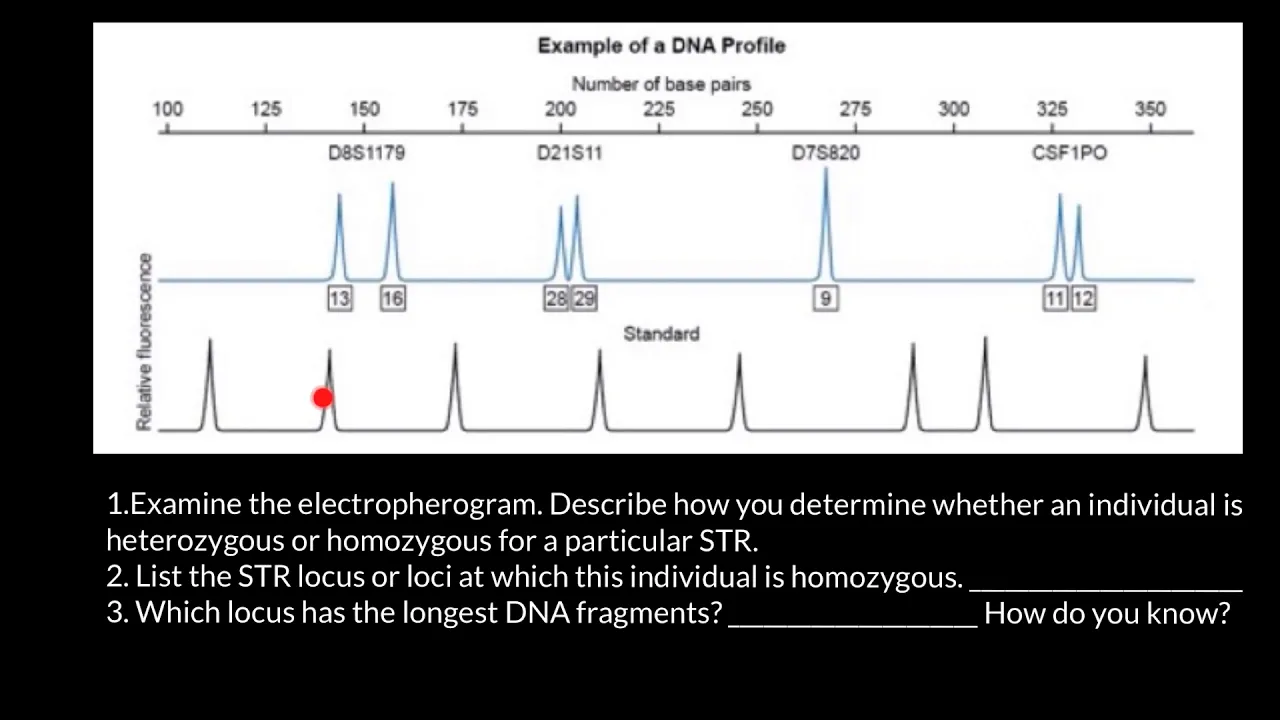
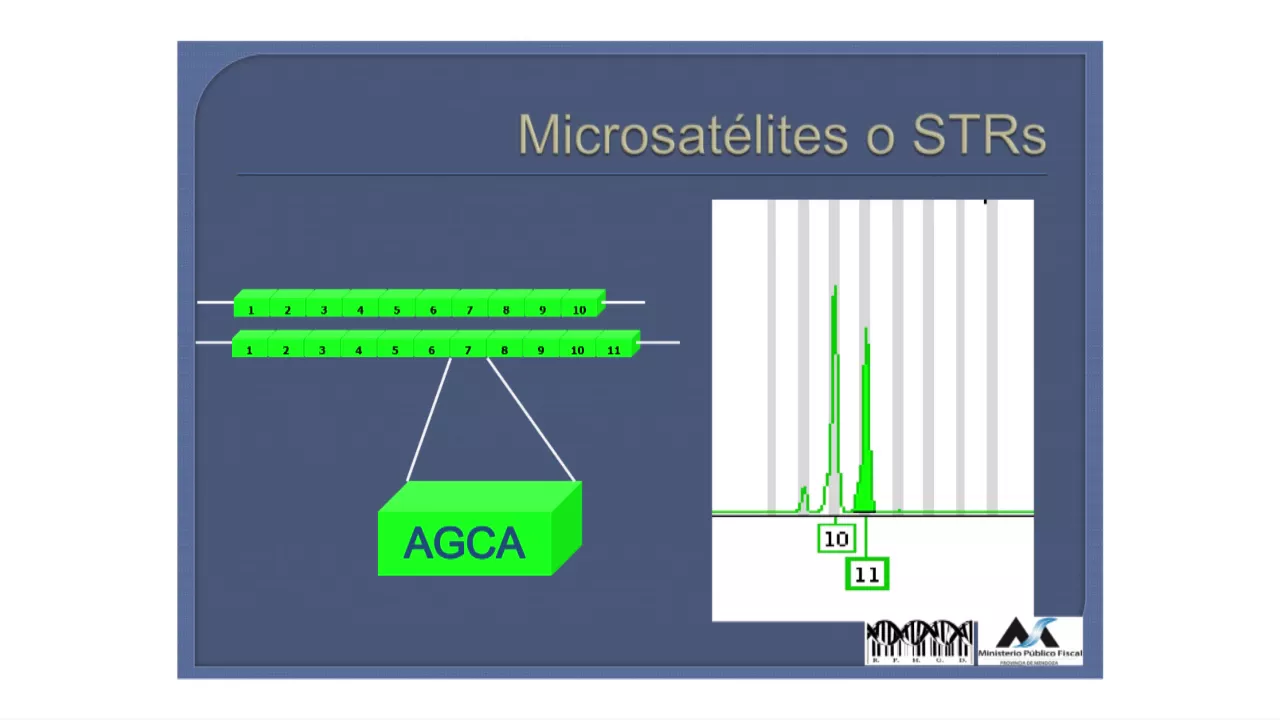




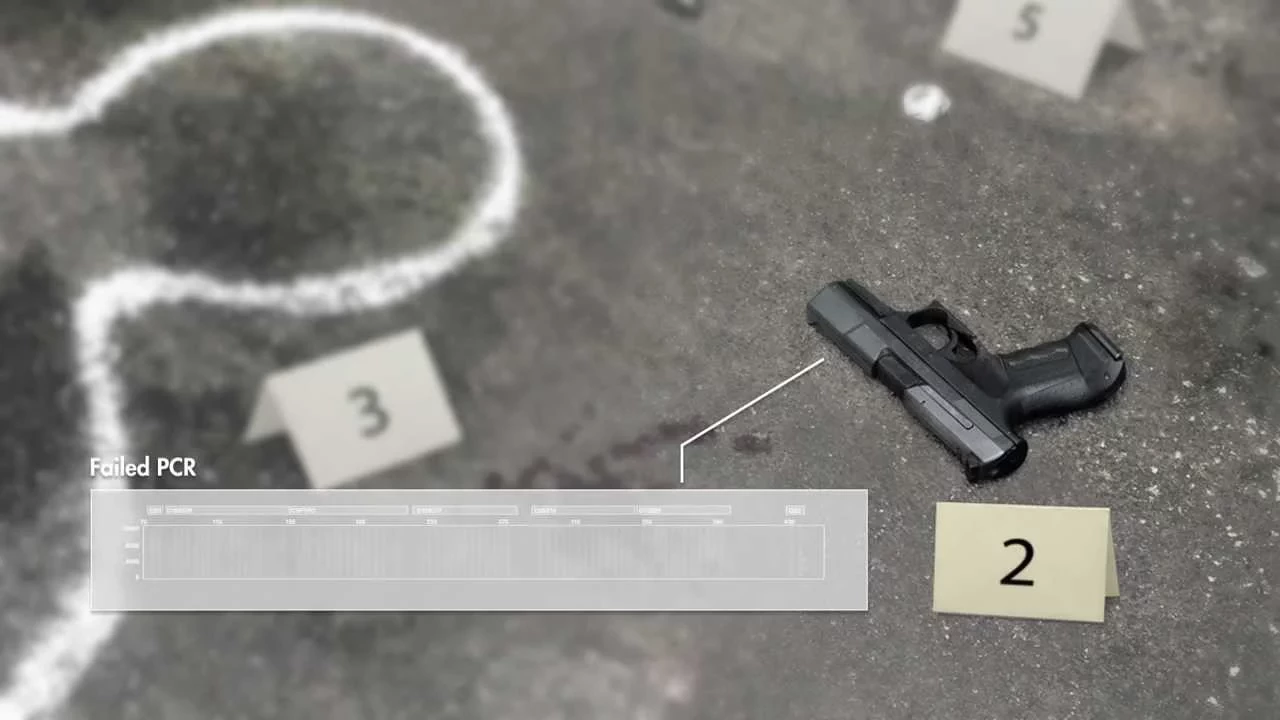




Forensic STR analysis requires quality control mechanisms to distinguish between successful amplification, degraded DNA, inhibited samples, and PCR failures. The 24 Plex kit incorporates a quality sensor system using two internal positive controls (QS1 and QS2) that enable analysts to diagnose sample issues without rerunning experiments. Standard samples show all markers and quality sensors amplified well; no DNA samples show only quality sensors; PCR failures show no peaks; inhibited samples show a 'ski slope' effect with quality sensor 2 drop-out; and degraded samples show a ski slope effect but retain both quality sensors. This system provides critical information for sample processing decisions and ensures reliable profiling results.
Global STR Analysis Kit With Quality Control for Forensic DNA Profiling
Added:Fundamental principles of PCR (Polymerase Chain Reaction) and DNA amplification.
The concept of Short Tandem Repeats (STRs) and their utility as genetic markers in human identification.
Basics of Capillary Electrophoresis (CE) for separating and detecting fluorescently labeled DNA fragments.
Understanding of multiplexing, specifically how multiple loci are amplified simultaneously in a single reaction vessel.
Advanced analysis of STR electropherograms, including troubleshooting artifacts like stutter, pull-up, and allelic dropout.
How DNA databases (such as CODIS or ENFSI) utilize standardized STR core loci sets for international data sharing.
Using internal PCR quality sensors to differentiate between degraded DNA samples and the presence of PCR inhibitors.
Transitioning from capillary electrophoresis-based STR profiling to Next-Generation Sequencing (NGS/MPS) in forensic genomics.
165 views2likes46:35Original Release: 2014-11-13
so coming to my talk as I said I will talk about uh 24 Plex this is uh Ken's new forensic uh SDR kit uh that allows Global SDR analysis uh including um the quality sensor so okay in the next 40 minutes I will present you of the content of the kit as well as uh the kit features and uh the benefits um during the early development phase uh we thought about uh what are the issues um customers have to deal with uh in the routine analysis and what complicates their informative profiling success some of these questions I have listed here so um do customers have sometimes issues uh with marker overlaps so for example example the ampon of a certain marker is of so large fragment size that the peak appear in the next upper SDR Channel um is this a signal or noise so this question deals with the sensitivity on the one of course signal uh um uh sensitivity um is um due to um Signal Peak height but this also um related to um signal um to noise ratio to clearly determine and a um so if you um might have a high background in the past you might have lost some Peaks another question is it a really a m male profile so maybe you lost U um amelogenin Peak uh in the past and do you have to rerun uh samples um how do you know um it's a PCR failed or is it degraded or inhibited um sample and are your results International compatible and Does it include for example the European marker se33 in the next 40 minutes I will give you answers on um all these question U we at Ken work really hard um on these topics to bring um SDR analysis uh to the Next Generation so this the agenda for today's webinar first of all I will give you an over about the uh kit concept um the investigator 24px Qs and um event investigator uh um 24 BL go kit so actually this is a two Kit format as you can see um the two kits are very similar um but are developed for different applications the next topic will be U the Innovative quality sensor then I will talk about the confirmed uh profiling success and the last point is the availability of the kit so first topic uh the kit concept and overview um is I I mentioned before investigator 24x is not only one kit it is a family of uh two very similar SDR kits so on the left uh side uh I displayed the investigator 24x Qs this is intended to use for a purified DNA from casework or reference samples so if you have uh very difficult samples uh you should use the 24px Qs kit on the right side display 24 plx go this is intended to use for reference samples for example from FDA cards or swaps and this a very F and cost efficient um approach both kits uh share very similar features um I displayed some of these uh topics here in this slide um first of all uh we address uh 23 markers that are recommended by the CODIS cor working group um these 23 marker uh enable the international compatibility and uh will facilitate the uh the data exchange between different countries we included an Innovative quality sensor um I will go into detail uh later on WE included um se33 and dyss 391 so se33 is a really high discriminative marker and it's getting more and more popular and utilized in different countries around the world therefore we decided to include um this marker sc33 and 391 is an additional gender marker both kits um um are based on a six color setup um so we decided to use um six colors one additional color to have a um higher um marker range available um and to minimize um marker overlaps between different markers to um facilitate the data interpretation and um also to uh facilitate the data interpretation we added 60 additionals to um the alic lead and one uh important point is the new reaction chemistry this is frm 2.0 here uh we have a new um formulation um that gives you an even higher convenience and stability it is a very fast reaction um you can um cycle for example a 24x Qs in uh 60 minutes minutes and uh if you're cycling 24 plx go for direct amplification you are in the range between 45 and 50 minutes this depends on uh the cycle number you use we have here a very high uh inhibitor tolerance so this is uh um still the same as known for the frm with the plus chemistry kits uh so these kits have the uh highest inhibitor tolerance on the market right now and the FRN 2.0 is on the same level with a very high inhibitor tolerance we have a very um convenient uh pip heading you see F frm 2.0 uh some customers reported uh when using um the frm of the first generation um that they had sometimes um issues with viscosity or they had bubbles in the Rea C and this was due to um um development reasons so we wanted to get a very high inhibitor tolerance and very um fast speed and this had the disadvantage of some bit um viscosity but now in the FRN 2.0 we have a much better um viscosity so this is more fluent you don't need a Shaker uh it's very easy um pip hitting and you still have this High inhibitor tolerance and this high speed in combination with the low viscosity so we are very happy that we could um develop this uh new Fast reaction chemistry okay in the next slide I present you um the markers that we introduced in the kit so first of all um if you look into the history um you can see in this table on the left side are the CODIS markers um that are predominantly used in us or other countries around the world and on the right side we have the European Marker set and the CODIS call working group um they recommended uh to use um all of these markers so this is a combination of the CODIS and the European um standard set and with 24le we will include all of these mark so we included s e33 so I said before we think this is a very good marker is highly discriminative and it is getting more and more popular and utilized uh from different customers around the world uh so we think uh this is a good choice uh to include the ac33 marker we have also uh the gender marker uh dys391 so dys391 and I'm do these are um both used um for gender identification and with this you have all um required C expansion markers in one kit okay next slide um I present you um the new colors uh we set up uh six color metrics so it's called u bt6 i you I hope you can see it uh in the upper um figure so we have a new color this is a purple color is shown here the wavelength Maxima this is uh between the orange and um the red Maxima and we were happy um to found a new color that fits um to the other other colors with a a very high intensity and with this you get also a very high sensitivity and this is also um a good choice as uh we had uh really low pull-ups uh between the different channels on the lower um figure you can see um the electrooptic uh separation of the different fragments from The Matrix so it's starting with orange then red yellow green blue and purple so these are all separated by uh The Matrix installation and the Baseline is very flat so this is uh would be a very easy for you to install the metrix and you will get no issues um regarding um yeah metrix installation and you will get really low um pull-ups okay next slide um shows you the mark arrangement of the 24 Plex kit um so this is a schematic overview this is comparable uh to your um electrogram so you see markers in in blue um green yellow red and purple and this displays the marker range and that the peaks of a certain marker can cure um in the development uh we looked for uh primers that were already uh existing in our kits so we had one block of uh primers that we took from ESX SE then the next row we took from um idx plus and coupled the param with a new um six color and we had to design um three new um primer pairs so on the one hand um this is dys 391 so this is not um present in in ESX SE or ID Plex uh we designed new primers for se33 uh this had the reason uh to fix uh disconcordant um results that were uh showing up in ESX SE and the third primer is um for D7 because otherwise there was no space available uh for the D7 marker so we looked uh in the development uh for primary Arrangement and design in that way that we uh minimize uh the marker overlap between different markers um this uh will make it more easier for you to interpret the results okay yeah as all of these primers are trusted primers from existing kits uh uh that most of you know this uh stand for Reliable um results in this slide I showed you uh the marker Arrangement again so we have um the markers um addressed in the different colors so this six F btg BTY BT R2 and uh btp um and as you can see out of this scheme is uh that we introduce the quality sensor system this is um qs1 at the front and this is qs2 um it's the high molecular range so these are two markers uh that are not Str strr markers that are used uh to um verify the quality um of the PCR uh this I will um point to you later just show you um the allic letter of the 24 Plex in comparison to existing kits kits like ESS Plex SE or ID Plex are L letter of 24le uh will contain about 60 additional Els uh that will facilitate the interpretation of Al calling so what does it mean to the routine analyst um fors that appear in in high frequency but also for very rare alals um the probability of um automatic Al genotyping is is very like and this will increase the genotyping efficiency and it will make it easier for you um to interpret the results so you can see that there are lots of um Al present uh in the alic letter and um yeah this should make it uh more easier uh to to automatically uh genotype um the leads okay uh after the kit overview I will now um come to the um investigator 24x Qs in more detail so investigator 24px Qs is intended to use for for difficult samples uh if you for example have purified um DNA from from casework samples or you can also use it uh for reference samples uh this preliminary electr that you can see here is the result of the uh PCR uh done with a 500 pgam template DNA of uh 9948 and what you can see that you have a really uh baned profile um throughout um the colors and throughout um the markers and um yeah you can see here um at the front and this is qs1 um sensor and at the high moleular range this a qs2 um uh quality sensor okay next slide um displays the um the Baseline of the kit so we performed uh no template control experiment with no DNA in the PCR and what you can see that you get a really flat Baseline so of course you still have the quality zendos qs1 and qs2 these are present uh in the PCR so you have um primers and templates that are included um in the Prima mix and the Peaks uh will be Amplified in in every PCR reaction uh in that case it's the PCR was successful but what I want to point out that the uh Baseline is is very flat here and uh this will make it very easy for you um to interpret the results so for example uh if you have case workk samples with a low template DNA so it would be very easy for you if you for example have an um threshold of 50 VI you can easily um um yeah select a certain Peak uh for Al genotyping and you will have a very high sensitivity uh as you have a really good uh signal to noise um ratio okay next point is a 24 Plex go kit so this is um for direct amplification and first of all I would like to give you an overview about the workflow of the gokit so usually um you can use a different kinds of sample types um the first example is if you have U blood on da cards or or other paper first of all uh in the protocol uh you have to take a 1.2 mm punch from the center of the blood spot then you have to prepare a PCR Master mix then you transfer a disc to the PCR reaction and then you start the termal cycling so this is 25 Cycles here this is about 45 minutes so very fast cycling and you then you go to uh the capillary electropores um to analyze the Peaks so this workflow is is very easy so you have to prepare your PCR um throw in um the punch of the FDA card start cycling and then after the C Electro um C analysis the workflow for Buckle cells on FDA cards is very similar to this so here again you take a punch from uh the center of the spot you pick prare the PCR Master mix you transfer the disc to the PCR reaction start the uh termal cycl here we recommend 26 cycles and after this you start the C uh instrument uh third option might be uh if you're using Buckle swaps uh for refer samples so if we have a very fast lices protocol we developed a special buffer this is called SDR go lies buffer and with this buffer you can uh perform the lies in five minutes this the first step that you have to do uh then you prepare the PCR Master mix afterward you transfer two microl of the swap lied to the PCR reaction then you start the termal cycling here um 27 cycles and then um you start the C uh we recommend um so Cycles between 25 and 20 um s Cycles this is the cycling time between 45 and 50 minutes so this is um really fast um but this also depends on the um type of Temple that you are using and it might be possible that you have to use one cycle more or or one cycle less to to ensure a very good uh first round success rate the spis protocol um looks like this so you um have to um collect your sample place it into a tube then you have to add uh 500 microl of the SDR go liis buffer then you have to incubate 5 minutes at room temperature and that's all then you can transfer two microl uh to the PCR and go for um cycling this uh lies protocol takes only so 5 minutes at room temperature it's a very robust uh non- entic liis you can use it for different kinds of swaps cotton nylon or flock swaps and what's also very nice uh feature is you can use it on the one hand directly to go directly forward uh forward to the PCR or you can also store your um swap Li it for example at minus 20° and you can use it uh for rerunning samples at a later time point so kin's Innovative SD go liers buffer reduces lies Time by at least 75% so if you compareed for example to protocols uh that are routinely used or um used from um other suppliers the next slide um I have an overview um about one example of the um experiment with Buckle cells on swaps um so here we did uh um lies in in 5 minutes um transfer two mols to the PCR and the result is what you can uh see uh in this figure here so you get a really nice balanced profile um yeah starting from beginning to the end is a really um balanced Peak and it's very easy interpretation and Analysis to to get the genotype of this sample next point is um if you use another sample types this is blood on FDA um paper here we used the 1.2 mm punch um transferred it to the PCR reaction and this is a result that you can see here so um this also again a really nice uh Billings profile uh what is interesting in this case this is a female profile so you get only one Peak for aminin and uh you don't get any Peak for um dyss 391 so Dy 391 is a marker that is located on the Y chromosone and therefore you have verified that this is an female sample here what's interesting for um reference samples that he has most uh um very very high number of uh samples that have to be processed and for this uh we um had a cooperation with Hamilton uh to facilitate the handling of uh the PCR reaction setups and uh here is the instrument called Hamilton easy punch Starlet and um we validated it for uh the 24px um go protocol as well as we did also for other go kits that kogen selling and this is um very easy setup so um as you can see in this figure um first of all um the instrument pipets um the master mix in each well then the robota starts and starts um punching um yeah the spots directly and into uh a well and um you have to program the instrument and um then you can go away and it usually takes uh yeah 90 minutes for 96 samples 90 minutes means um this is a long time that the PCR reaction um yeah stands at um room temperature and here uh primary di reactions or unspecific reaction might occure but we developed our new um frm 2.0 um chemistry in that way uh that this is very stable so we if you're very tight uh hot start function and you can also use uh more than one well you can for example if it takes um four or 6 hours it doesn't matter um because the hot start function is so tight uh that no primer dier or unspecific um reaction occur and you have very um clear um profile so Hamilton is so this Hamilton easy punch is a true walkway automation um for optimal results and you can use it for FDA paper uh with 24x go kit okay next Point um this is the yeah one of the highlights of this talk this is um the innovative quality sensor um so I grab one question that I raised at the beginning so do I have to rerun samples um is it degradation or in or is it inhibition and the answer on this is uh the quality sensor so actually the quality sensor uh consists of two um positive controls and the purple Channel as I've um shown you before this means um you have um certain primers and the template that are already included in the primer mix so you don't have to do any other um handling steps so you just uh set up your PCR as usual and as a benefit you will get the results of the uh quality zenor the template is an artificial um um template sequence this matches to uh any does not matches to any other known um sequence known so far so we will get not get in trouble with any uh unspecific Peaks the quality sensor will uh um distinguish um successful amplification degraded DNA inhibited DNA no DNA or if the PCR reaction failed um I will explain it in the next slide to you um how the quality sensor system works first of all um if you have an um standard sample so this is not degraded this is uh not inhibited you see um the SDR Peaks um that are uh Amplified as usual and what you also can see is that you have um Quality zensor one in the front and quality thenor two and and the high molecular range that are both uh Amplified well so this is how a standard uh reaction looks like and it confirms that your sample is not degraded or inhibited if you perform a um an negative control for example um or you have a a casework sample where you don't have uh any DNA in your sample um then the profile would like this as you can see here in this figure so um you can't see any um Str strr Peaks because you don't have any DNA in your sample uh but uh quality sensor one and quality sensor two are present um so these are present because you already have your template uh this is the specific template from the quality sensor this is in every experiment um present so we always will get uh the Peaks from the two quality sensors and so this shows you that there was no DNA in the sample um but the PCR worked and uh in case of you're doing um um casework samples you don't have um to repeat your um experiments because it will not led to better results or another case would be you can um increase uh the volume of your template DNA um to get maybe any um yeah small Peaks above the the threshold okay next scenario is if the PCR reaction failed then you see uh electrogram like this so you don't get uh any SDR profile and you also don't get uh any quality Z quality Z one and two so they're both missing you have um totally up sled uh Baseline so there's there's there's no peak present and this shows you that something went wrong in your PCR so maybe you've forgot the primer or uh the PCR buffer or to do cycle or or whatever and this shows you um that there was uh the PCR reaction failed and the rerun will most likely lead uh to better results so now it's getting more tricky um we have your one profile that shows you the so-called ski slope effect so meaning you have um High Peaks at the at the front and you have very low Peaks um at the higher molecular range and if you have an inhibited sample then the difference is um that you have a high um Quality than the one and the um Mini S strr region and you have a drop down or drop out of the quality than to so this shows you that the uh PCR is inhibited and uh doesn't work well and um you can rerun um the PCR for example if you um yeah try to dilute the sample or maybe it's also a good choice um to purify the DNA again with an appropriate kit okay um Quality zensor um yeah here's one example um for an inited sample so we spiked uh 750 mic micr hematine into the PCR and this is a typical um um electral Prof profile um that you can see here so um the Peaks are going down from the beginning um to the end so you have low Peaks on the SDR regions you also can see U some split Peaks and uh you have a quality sensor one that is working fine and the quality sensor two that is uh Missing here in this case next scenario is um a degraded sample so this is a comparable um to inhibited sample but the difference is that uh the quality sensor two is is still present so you have quality sensor one and quality sensor two that are both Amplified wall and you have this ski slope effect so you have high peaks at Mini S R range and low Peaks at the high molecular range and this shows you that the PCR works perfectly uh but there's an issue with your sample that is is uh degraded and as you don't have uh any template of um High fragment size it is not possible um to to amplify the Peaks for example in the nd7 marker um so a rerun will not improve here um your profile and 24 Plex already gives you the best results as a standard setup you again have uh one um example for you so on the left side you can see an ose gel um the first line is the control of a genomic DNA and we shared it by ultrasound uh to different fragment sizes so to 500 to 300 and to 150 um base pairs and you can see this um yeah fragment range on the agoros gel and we placed um um uh we used this um sample of the 150 base per um shared fragments in the PCR and the result is that what you can see on the right side um you can see that you don't get U fragments of the um High higher molecular range and therefore you if good amplification of in the mini strr regions um low amplification rate and the higher molecular range and what's here really nice to see is U that the um Quality zensor one and two these are both uh present and Amplified veryable so in summary the benefits of the quality sensors are that it enables a successful amplification um so it's it's this enables you to distinguish U between successful amplification uh degraded DNA an inhibited DNA if you have no DNA in your sample or the PCR reaction um failed and um this is for short summary so a standard sample um the quality Z and this markers Amplified very good uh if you have a negative control or no DNA a um then you don't have SDR markers but the both quality sensors uh one and two are present if you have um issues with your PCR for example if the PCR reaction fails and you don't have um SDR markers and you don't have quality sensors if you have an inhibited sample and then you see the ski slope profile uh with um High uh Peak heids at the beginning and low Peak heids um and the high molecular range so this is identical between inhibited sample and degraded sample but the difference is uh that uh with inhibited sample you don't have or have a drop down with the quality sensor to and in for the degraded sample you still have the quality Sensor 2 um present okay next topic is are confirmed profiling success first of all I will um introduce you in the gender uh typing with 24px so 24px includes two gender markers this is amogan and dys391 and uh yeah in the past some population studies showed um that there are some mutation sites in on the white chromosome that leads to fail typing of amoenum so there are some studies from from India and Malaysia um that showed that there are for example point mutation uh sites uh in the Primal binding sites this uh lets to uh drop down or drop out of the Peaks luckily the kyogen kit was not affected yet uh by this kind of mutation but there are other mutations known that the whole aogen Gene is uh deleted and uh this also not amelogenin also uh the neighboring genes um are deleted so with this you can't um design a primer for this um kind of scenario because if the DNA is not present you can't amplify um the amelogen and for this reason uh we introduced um the new marker this is dys391 and we placed it at a small size nice for very robust uh typing also for difficult samples and we checked um the performance of amelogenin 391 um while testing aminin y null mutants here um I have a um one of example of um an an um difficult sample so um we decided to place D 391 in the relatively short fragment range U for two reasons so in the Exemplar uh electrum shown here you see um the results of um degraded DNA so amelogenin and dyss were very well Amplified in this scenario but if you had placed dys 391 at a high molecular in you would not see uh any result of the marker um um theis 391 and the second reason is uh why we choosed dyss 391 and the mini RR reason is uh because of Bio informatics so we performed a sequence alignment U for dys391 between the Y and the X chromosome and it turned out that the uh sequence difference for um the designing PCR fragments of higher fragment size are very critical and therefore we selected uh primers that are Amplified at a relatively um small um fragment size so my point of view um the gender identification is very important uh attribute for the police to identify a certain suspect so therefore in my opinion it's very important to get the right results for uh gender identification so this is not an scenario that is uh um reported very often that there are mutations uh in the amelogen gene but from time to time there are um cases um reported and for this um the combination of amelogenin and Dy dyss 391 is uh very good choice and um as we have it Dy 391 in the mini region uh you can um also um perform the gender typing with very difficult samples okay uh next topic concordance um so uh we know for some kids uh from for example ESX orlex um there were some um disconcordance reported and very few um cases but um there can occure and uh with 24 ples uh we fixed all this uh disc concordances um for example um yeah if you look at uh se33 marker so uh before it ured that you have a drop down or drop out for a certain sample and with uh 24 Plex uh now we have fixed this issue and um you get uh uh very well Amplified um se3 33 marker and both Peaks so heterog soas profile can be um easily identified so we have a very high concordance for uh reliable results and this was also tested by certain um Institute so this is a n Institute in us and they performed a concordance study for us with the investigator 24x Qs kit and uh the n in Institute compared um a final um data set with 656 unrelated in individuals so it's a population Set uh of 650 samples and the SRM 2091 C samples and it showed uh that we have a full concordance with this n SRM 2391 C um certified values uh we have no null alls but uh we had one this concordance um regarding the mar D7 was one sample out of this uh 656 samples and what is was interesting is that this d724 Plex result is concordant for example to Kits like identifier public Fusion profile plus but it is disconcordant to other kits like forx 16 mini or idx um yeah so out of this about 30,000 Al compared there was one disconcordant call so this is one uh 0.003% disc concurrence or the other way around they have a 99.997% concurrence between the investigator 24 PX kit and the nist final data set so with is 24le kit so we have uh fixed all the disc concordances known um so far and you will get really reliable and very high quality um results okay last part is the availability um so as mentioned before um we have um a two Kit format this this 24 plx go for um direct amplification these kits will be available in formats of 200 and 1,000 reactions and these contain of course primer mix reactor mix control DNA liic lead and what's also uh present uh included in the kit is a DNA size standard 550 uh a BTO marker so you don't have uh to buy this uh separately and the second hit 24px Qs this will be available able in 100 reactions and in 400 reactions and you also have a prime mix reaction M you have water uh to fill up um the reaction volume control DNA the alic ladder and again the DNA size standard I forgot uh so you also um can of course buy uh the SD go lies buffer uh yeah under this number shown here the launch of this kits is planned for September this year uh 24le Qs and 24le go uh will be launched in uh end of the year in November okay the last slide is uh summary um the investigator 24px kit um the kit configuration uh for direct amplification and for the analysis of purified DNA so we have a a kit family of two kids this is 24px Qs and 24px go um the kit includes all new CODIS score loai and the European Standard set of loai so we address all markers uh that are recommended by the CODIS score working group and uh that makes it uh easier for you uh to exchange datas uh between different countries uh we included here uh the quality sensor system and I hope I could explain you uh which benefits you will have uh when using the 24 Plex kit so you know much more information about your sample and uh how to process further uh in your workflow we have a high concordance so this is a very high quality kit with uh High concordance uh to reduce the risk of uh misinterpretation uh we have a very high sensitivity uh with a superior Peak bildings so the Baseline is uh very um very flat and it's is very easy for you um to call a certain um Al so there's a very uh nice signal to noise ratio um good Peak Heights and a really good uh Peak plants okay with this um I like to close um I hope you uh enjoyed the webinar and um I hope I could answer all the questions that are raised at the beginning of my talk and uh I'm very happy um to answer your questions if you have any further questions kayen sample and assay Technologies e
Up Next

14:06
Cleanroom Protocols: Proper Gowning and Operating Procedures
@denissearanda976
371.2K views•2015-07-27

12:54
Triumph of Orthodoxy Icon: Byzantine Art & History Explained
@BenCallan
2.1K views•2024-08-06

9:49
FastAPI vs Flask vs Django: Choosing the Right Python Web Framework
@TechWithTim
302.5K views•2024-05-26

1:42
Game of Thrones Opening Credits: A Cinematic Analysis
@gameofthrones
46.3M views•2011-04-18
Related Study Plans & Knowledge Roadmaps
Structured learning paths in General & Interdisciplinary Studies
general-studies
Elevator Engineering: History, Physics & Cities
01From Hoists to Safety Brakes: The Dawn of Vertical Lift
02Hydraulic vs. Traction: The Engineering Physics of Elevators
03Modern Speed, Safety, and Algorithms
+ 2 more learning modules
12h5 modules
Explore Roadmap
general-studies
Rubber: Material Science, History & Geopolitics
01Origins of Natural Rubber & Mesoamerican History
02The Chemistry of Natural Rubber & Vulcanization
03The Geopolitics of the Rubber Boom & Colonization
+ 2 more learning modules
12h5 modules
Explore Roadmap
general-studies
Containerization: Evolution, Logistics & Trade
01Ancient Trade & Bulk Cargo: Amphorae to Barrels
02The Industrial Revolution & Cardboard Packaging
03The Containerization Revolution: Malcom McLean
+ 2 more learning modules
12h5 modules
Explore Roadmap
general-studies
Textile Tech: Evolution, Labor & Global Impact
01Pre-Industrial Textiles: Handloom & Cottage Industry
02Mechanization: The Spinning Jenny to the Power Loom
03The Factory System & Global Labor Transformation
+ 2 more learning modules
10h5 modules
Explore Roadmap