















Attachment theory identifies four major attachment styles—secure, anxious-preoccupied, dismissive-avoidant, and fearful-avoidant—that develop from childhood experiences and influence adult relationships; healing involves the adult part of the self consciously re-parenting the inner child by establishing loving dialogue, setting healthy boundaries, and addressing core trauma beliefs to shift from seeking external validation through partners to developing internal self-regulation and self-love.
Understanding Attachment Styles Through Inner Child Work | Trauma Education
Added:Foundational Attachment Theory: Familiarity with John Bowlby and Mary Ainsworth's work on secure, anxious-preoccupied, dismissive-avoidant, and fearful-avoidant attachment styles.
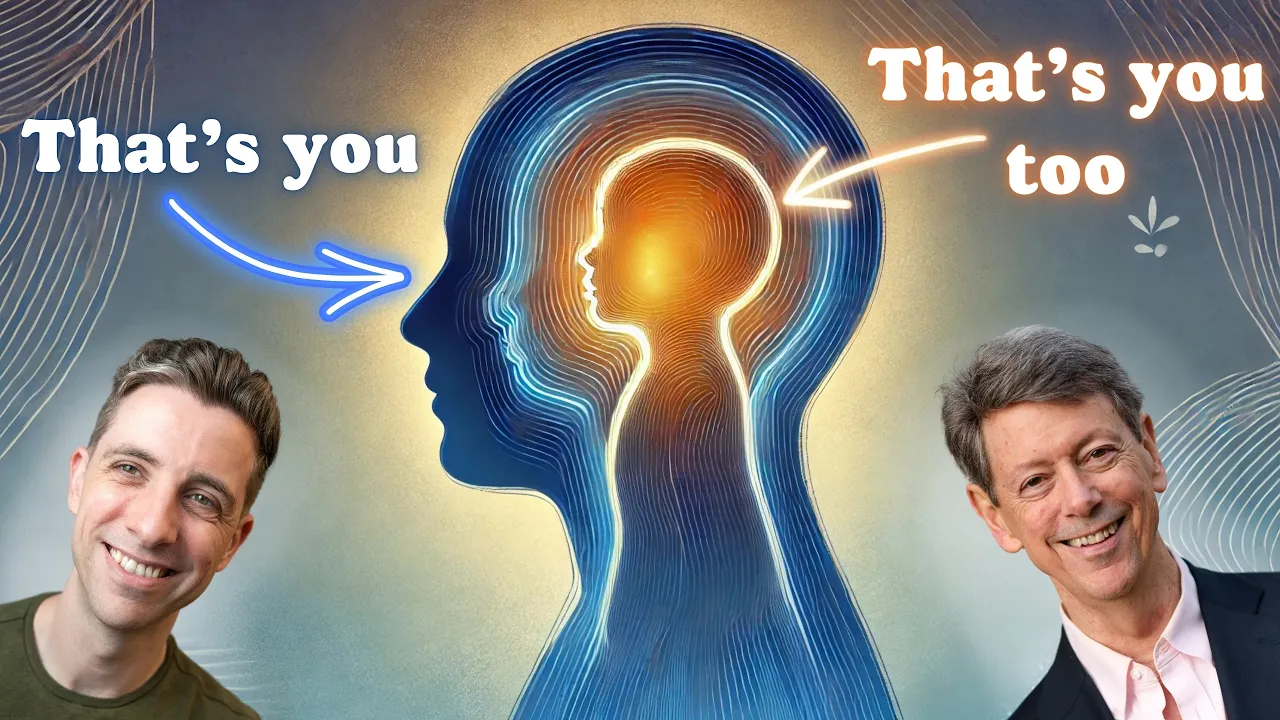
Basic Concept of the 'Inner Child': Understanding the psychological construct representing an individual's childhood experiences, feelings, and memories within the subconscious.
Introduction to Psychological Trauma: Comprehending how early life adversity, neglect, or relational trauma can impact neurological development and emotional regulation.
Self-Reflective Capacity: Having a basic level of mindfulness and the ability to observe one's own emotional triggers and relational patterns without immediate judgment.
Reparenting Methodologies: Learning active techniques to meet one's own unmet childhood needs, establish healthy personal boundaries, and cultivate self-compassion.
Internal Family Systems (IFS) Therapy: Exploring 'parts work' as an advanced psychotherapeutic model to understand and harmonize different sub-personalities (e.g., exiles, managers, protectors).
Somatic Experiencing and Body-Based Healing: Investigating how trauma is physiologically stored in the nervous system and practicing body-centered techniques to release stored stress.
Earning Secure Attachment in Adult Relationships: Studying interpersonal neurobiology and communication frameworks to transition from insecure attachment patterns to secure, healthy relationships.
106.2K views6.5Klikes19:19Original Release: 2021-01-02
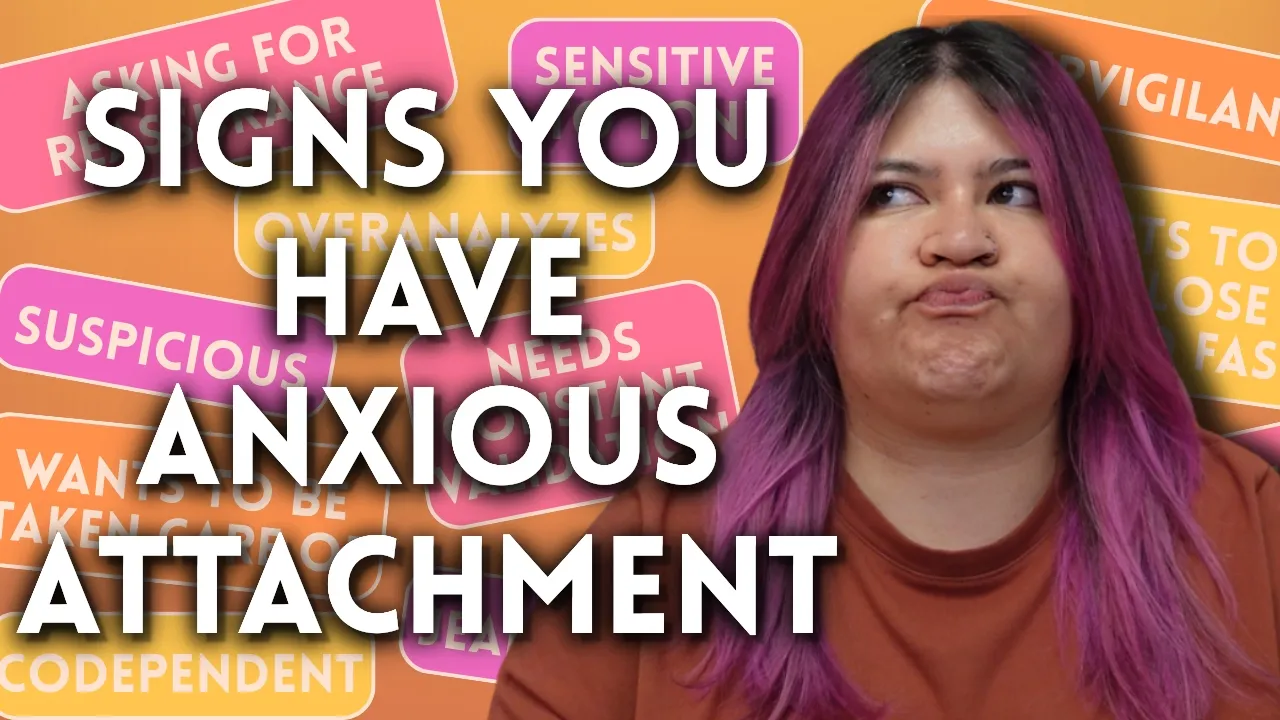
[Music] [Music] hey everybody welcome back to the third episode of the adult in the inner child and in this episode we're going to take a deep dive into attachment and attachment styles and more importantly look at the attachment style that we have with ourself between the adult and the inner child the adult inner child work that i do is designed to help the abuse survivor connect and fix the attachment wound that they have in a good enough way we've all heard the annoying phrase you gotta love yourself first man and by now it's a vague cliche statement that people make whether in recovery culture or whatever and it's kind of annoying and what is annoying about is that no one explains how that's done it's just more of a command to go do that i'll do my best and i hope that the takeaway from this video is to get you guys to have a game plan about some concrete steps about moving towards self-love it's not just like poof you got a haircut and now you're like sort of like you have some self-love going on it's a process as a childhood trauma therapist i'd say that 99 of us essentially all of us is that we try to fix our childhood wounds through a romantic partner whether that's trying to get somebody who was really shut down to awaken or to try to get somebody to see us in a certain way i really feel like that's what these inner children are sort of doing and there's no adult present to stop that process this is why things get really stuck and really mucky in our relationships we want a partner but we're actually sort of fighting with our parents and fighting through our childhood stuff through that partner so let's dive in there are four major attachment styles and it's helpful to figure out what is primarily your major romantic attachment style before we can figure out like how does that apply to our inner child so usually the four attachment styles are explained on an x y axis with the two variables on variables on that axis being avoidance and anxiety there are other really cool ways to explain attachment like sort of trust and low self-esteem but i really like these two because they are sort of adult and inner child centric so here is a super overly simplified rundown of the four attachment styles so out of the four styles the first is secure attachment and it's obviously sort of the ideal goal for us to be moving towards two in a good enough way the securely attached person means that there is low anxiety and low avoidance it doesn't mean that everything in the relationship is perfect for them but the secure person or the secure couple has the ease and the skills and the personal safety to fix and repair conflict and roll with stuff that comes up in every relationship so that is secure the next is something called anxious preoccupied it is low avoidance and high anxiety anxious preoccupied people want the relationship but they are often acting out in the relationship feeling like they will lose the partner at any given time this style is known to be needy their neediness comes from needing to prove their worth and prevent the loss of the partner or they need constant confirmation from that partner that they're going to stay and even when they get that reassurance it doesn't last due to the childhood trauma belief system they make themselves uncomfortable by being hyper vigilant about how things are going in the relationship and in a relationship they can really idolize their partner and diminish themselves so that is anxious preoccupied next is the attachment style of dismissive avoidant is they have low anxiety and they are okay with themselves but they have high avoidance these folks are fine being alone and they can you know easily throw relationships away dismissive avoiding people aren't really attached enough and they can move between relationships with ease because they're fiercely independent and they tend to not value relationships so much they can be super casual about connecting they can be aloof they can be indifferent and they can be shut down and in a relationship they often behave like they have one foot out the door whether that's known to the to their partner or not so next up is fearful avoidance fearful avoidance is high anxiety high avoidance they want to be in a relationship but they're highly comfortable being in one and they tend to act out from a place of criticism followed by fearing abandonment there is this vibe of like i love you i hate you and that in this attachment style creates a lot of chaos and a lot of turbulence they may not really believe in trust or love but they can't stand being alone you can see that as kind of like a huge conflict and in a relationship they can be very hot or cold which creates some chaos so in an overly simplified view guys i tend to look at attachment as combinations of people who are runners and who are chasers anxious preoccupied people chase their partner there's that neediness dismissive avoidant people they run from intimacy because they're independent and they they're pretty much not experiencing the full range of emotions so they're out of there and the fearful avoidant does a combination of both running and then chasing which creates that sort of chaos two side notes here these styles can be known as different names such as fearful avoidance also known as disorganized attachment it might get confusing if you sort of jump in and try to do what i would recommend this to do some research on your own and read more up about it i'm giving a very overly simplified version of this stuff but just know they have different names so that can be a little bit of a bump in the road the second side note is that people can be paired with the same attachment style or your opposite for example i find trauma survivors they can be often paired with a runner and a chaser but that's no there's no hard and fast rule to that stuff i've had couples who are both sort of like anxious preoccupied and that's kind of a mess because they're both they're both constantly questing how the other one's doing hopefully that makes sense so there's lots of videos and literature that you guys can dive into to help you make more sense of your romantic style and maybe your partners and to look for your personal patterns of relationships but in this video the takeaway is i want you to be thinking about like what is the quality of your attachment with yourself how do you treat yourself and how do you feel about yourself and i'm trying to get people to look inward and connect with themselves as opposed to trying to sort of get their needs met from such external sources or not have it all be that is what i'm trying to say let's come back to the axis of that infographic about avoidance and anxiety remember those two variables this is why i like it because these two variables they're adult and inner child centric in my mind avoidance is a behavior which is something that the adult part of us actually has control over meaning if we get our adult in shape our adult has the capacity to have self-control over how much we avoid ourselves how much we avoid our own issues and our own emotions as opposed to just like sort of acting out unconsciously what that looks like when we when if we did have control it means we wouldn't act out in a relationship we would spend more turn more time learning to control our emotions and not avoiding ourselves and we would most importantly set personal boundaries self boundaries like we're not going to continue to date unavailable people because it's me and you kid we're not going to continue to try to like get our partner to see us as good because you need that from me those kinds of ideas the avoidance here isn't about avoiding connection with a partner the avoidance is how i'm framing it is that the person no longer tries to avoid themselves and their inner child that's the name of the game let's focus on how we disregard ourselves unconsciously and unconsciously act out from a place of the inner child's anxiety the other variable the anxiety on that axis is simply the inner child's emotional memory system from childhood and those vibes are believed such as love isn't real i have to get people to stay or i can't deal with this and i can't deal with you you can see that each one of those statements is significant to one of the attachment styles which ones testing you guys a little bit so so i've broken down each of the the three dysfunctional attachment styles from the perspective of getting our adult in place or having our adult have it together more on behalf of this kid and focusing on our inner child instead of trying to fix our relationships through our partners so for anxious attachment here are the parent re-parenting tasks the general vibe of anxious preoccupied is are we okay and the re-parenting task is that first is the adult needs to buy into the strong tendency to project abandonment onto others namely their partner the second task is that the adult needs to establish consistent loving dialogue with their inner child to help with their trauma beliefs and the third is that the adult needs to practice setting healthy limits with our inner child about the tendency to project the first suggestion of buying in really means to become painfully aware or painfully conscious of how the inner child acts out with others by projecting abandonment this looks like i can tell you're mad at me from your mood it looks like putting the partner on a pedestal and diminishing ourselves and it looks like ignoring flaws or ignoring issues that need to be brought up due to feeling that there's going to be abandonment if we do bring those up hopefully that makes sense the dialoguing that second suggestion means to do the work of connecting with our inner child i'll be doing more videos on this i'm developing a dialoguing resource for my website in the future to help you guys with that and for now i've placed a couple books in the description of this video that are excellent to learn how to do inner child dialoguing hands down these are the best two that i know the third suggestion is the personal boundary setting with our inner child this looks like saying to our inner child we're not gonna avoid bringing up this hard thing with our partner it looks like we're not going to constantly ask them if they're okay with us it looks like we're not we're gonna it looks like we're gonna slow this thing down and really see if this person is safe for us because anxious preoccupied they may have a tendency to rush and not really see the person not really spend the time seeing if the person is safe or not okay so lastly on this is the anxious preoccupied person tries to self-regulate through feeling okay with their partner or feeling that the relationship is okay instead of self-regulating with their inner child and taking care of that inner child's emotional state okay so four let's move on to dismissive avoidance here are the re-parenting tasks dismissive avoidant the general vibe is i don't need anything from anyone it's a very independent vibe that the dismissive avoidant person has the re-parenting tasks are the adult needs to buy into valuing their emotions and valuing intimacy more the second suggestion is the adult needs to establish consistent loving dialogue with their inner child to help with their trauma history and help with their core beliefs and lastly the adult needs to seek and practice resources around reconnecting with repressed emotional spectrum and experience i know that that's a multiple but i'll explain the first suggestion of buying in really means to become conscious of how the inner child and the adult do not value relationships or the full range of their emotions what this looks like it looks like being shut down looks like being somewhat numb or aloof in relationships and it also means to really question their own value system of their independence it's not exactly healthy or good for them to be that independent or not needing anybody it's not usually keeps their world pretty small and not connected and the adult loving dialogue and connection is the same for anxious preoccupied and each of these styles needs to do that dialoguing footwork with themselves and repair their amazing inner child the third suggestion is getting help with opening up and what that means is going to therapy with somebody who's safe like a safe therapist going to groups the dismissive avoidant person had a great strategy in childhood is to be really siloed and be really independent and they're too self-sufficient to be honest the battery icon that i have in that infographic is there because this attachment style needs a jump start it's like their battery is dead and through therapy or learning about emotions or being with safe people is designed to get them to awaken um hopefully that makes sense the dismissive avoidant person tries to self-regulate through independence and not feeling their full spectrum of emotions that's the opposite from like learning how to be open and experiencing deeper emotions which are for them really repressed and underground and to self-regulate in a different way hopefully that makes sense lastly is the fearful avoidant attachment style the general vibe of this attachment style is get away from me wait come back i've got a roller coaster icon there because this is a very turbulent sort of attachment style unfortunately it's exhausting for the person and it's exhausting for the partner usually and the re-parenting tasks are the adult needs to buy into the strong tendency to create chaos or turbulence in order to create personal distance and safety they're doing it for a reason so in some of the stuff it may seem judging you guys but you guys are doing this stuff for a very specific good reason adults need to establish consistent loving dialogue with the inner child to help with their trauma history and their core beliefs and the adult needs to seek and practice resources for emotional sobriety and regulation and to also develop a filter so the first task like the others is the buy-in to really know that you're creating distance and turbulence as a way to keep yourself safe this looks like criticism of self criticism of your partner there's sort of a you suck and i suck vibe to this attachment style and i know it sounds like a paradox but discomfort and distrust are more familiar to this attachment style than being emotionally sober and accepting and chill with your partner there could be a lot of negative self-talk with this attachment style fights in the head with their partner it can look like the fearful avoidant person it looks like they want to be in but they need to control the parameters and the safety and they are creating this push-pull environment in actually a very convincing sort of way you know what i mean it's like it's actually hard to know what's going on there um during the present sort of upset the second suggestion is you know the adult loving dialogue is the same as the other two attachment styles each style needs to do the footwork of connecting with themselves and re-parenting their amazing inner child to move forward and the third suggestion is for the adult to learn about becoming emotionally sober unlike say the dismissive avoidant the fearful avoidant person has too much emotion where the dismissive award doesn't really have enough and they have too much relational chaos this style needs help from therapy about grounding themselves about cultivating self-safety and chill on behalf of their inner child who does who kind of fuels the acting out some ideas is like therapy some mindfulness work some dbt like skill sets and practicing protecting their partner from themselves by developing a filter what that looks like is like i feel like i want to sort of like either have a fight or disengage or whatever and let's not let's not sort of maybe provoke them in some way and we'll take care of ourselves first that's what i mean about a self-boundary the fearful avoidant person might try to self-regulate through upset and conflict i know that that sounds ridiculous i know that that sounds like a paradox but they do that instead of the goal would be to embrace being loving and chill with their inner child so that maybe they don't need to act out so some closing thoughts these three styles are on a scale for most people you may identify with some of these qualities but not all of them you may identify all and say like oh my god that's me and you may have sort of more of an intense version of it but it is on a scale not everyone checks off all the boxes for these attachment styles so there is sort of um severity to it hopefully that makes sense the other is and this might be a little bit more confusing is that um i think we all identify with the three aspects of these attachment styles through different relationships and different periods in our life but we are looking for more of the patternized one that we tend to gravitate gravitate towards and hopefully that's helpful so i hope that this video was helpful to you guys and i'll end with that with that sort of prayer statement and from the other videos which is um may you be filled with loving kindness may you be well may you be peaceful and at ease may you be joyous i wish you guys good luck i hope that this video was helpful and just more ideas about establishing and getting our adult in shape on behalf of the inner child to kind of move towards change and lastly i know i've said it before this stuff is like it's not like you get a haircut and then you see poof you're magically different this took me years to move towards but i needed to be in therapy i needed to be chipping away at this stuff and lastly if you like the video if it was helpful to you i'd love a thumbs up subscribe share it do what you got to do leave a comment fight me on this stuff um or don't and i will see you guys next time and i hope you're well bye bye [Music] bye
Up Next

11:53
Fearful Avoidant vs Anxious Attachment: Key Differences Explained
@ThePersonalDevelopmentSchool
46.1K views•2019-09-27

68:32
Cognitive Skills for Differentiated Instruction | Teacher PD
@BrainWareLearning
631 views•2017-12-17

9:55
Thinking, Fast and Slow: Daniel Kahneman Animated Book Summary
@FightMediocrity
2.3M views•2015-06-05

6:40
The Nocebo Effect: How Beliefs Can Cause Real Harm
@CGPGrey
10.4M views•2013-12-23
Related Study Plans & Knowledge Roadmaps
Structured learning paths in Psychology
psychology
Neuroscience of Creativity: Networks & Training
01Foundations of Creative Cognition
02The Cognitive Neuroscience of Insight & Fixation
03The Triple Network Model of Creativity
+ 1 more learning modules
15h4 modules
Explore Roadmap
psychology
Imposter Syndrome: Etiology & CBT Framework
01Defining the Imposter Phenomenon
02Socio-Developmental Etiologies
03CBT Fundamentals & Thought Distortions
+ 2 more learning modules
15h5 modules
Explore Roadmap
psychology
Adult ADHD: Executive Dysfunction & Scaffolding
01Neurobiology of the ADHD Brain
02The Core Triad of Executive Deficits
03Executive Dysfunction and Emotional Regulation
+ 2 more learning modules
12h5 modules
Explore Roadmap
psychology
Loneliness: Evolution, Neurobiology & CBT
01Evolutionary Origins of Human Connection and Loneliness
02The Neurobiology and Physiology of Chronic Loneliness
03Maladaptive Social Cognition: The Psychological Loop
+ 2 more learning modules
12h5 modules
Explore Roadmap