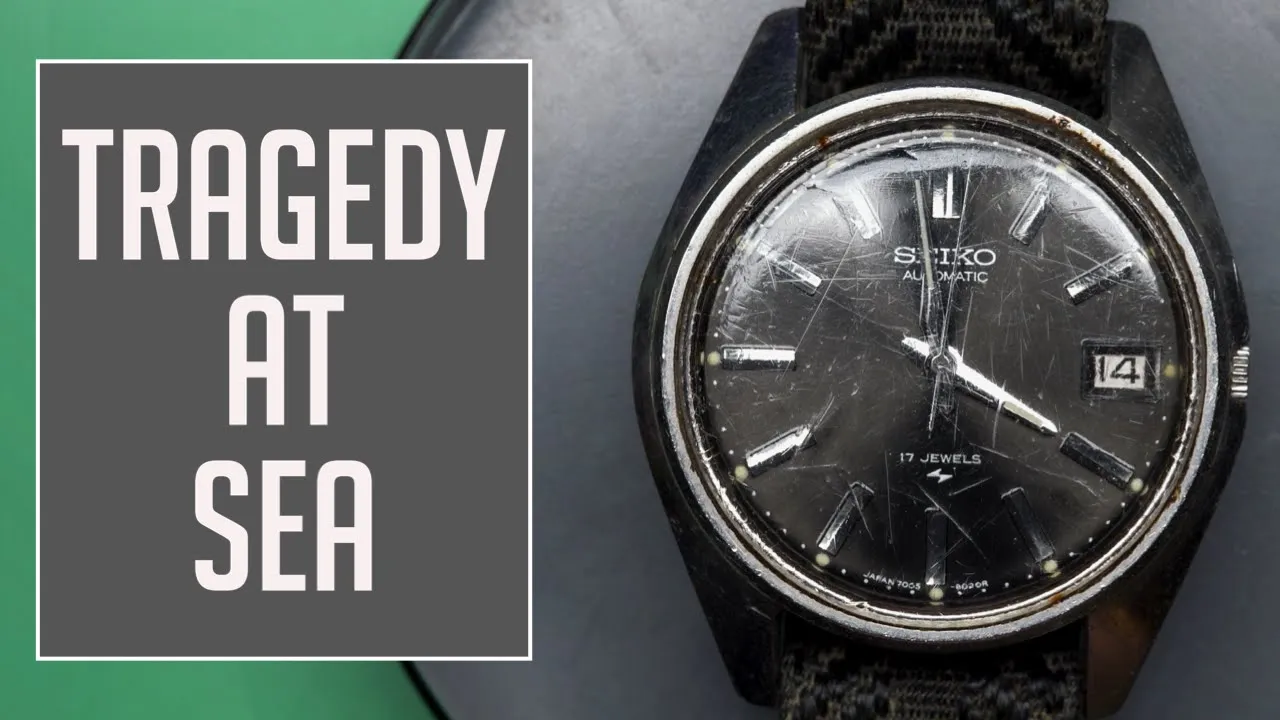


























The Quartz Crisis (1969-1980s) was a technological revolution where quartz watches, using piezoelectric quartz crystals vibrating at 32,768 Hz for unprecedented accuracy, disrupted the Swiss watch industry's 200-year dominance. Seiko's 1969 Quartz Astron launch triggered mass-market adoption, causing major brands like Hamilton, Elgin, and Omega to nearly collapse. The crisis was resolved through strategic adaptation: the Swatch Group (formed by merging Swiss companies under Nicholas Hayek) created affordable fashion watches, while luxury brands like Rolex and Audemars Piguet doubled down on mechanical craftsmanship. This event demonstrates how technological innovation can fundamentally reshape entire industries, with established players either adapting strategically or facing existential threats.
The Quartz Crisis: How Japan Revolutionized Watchmaking
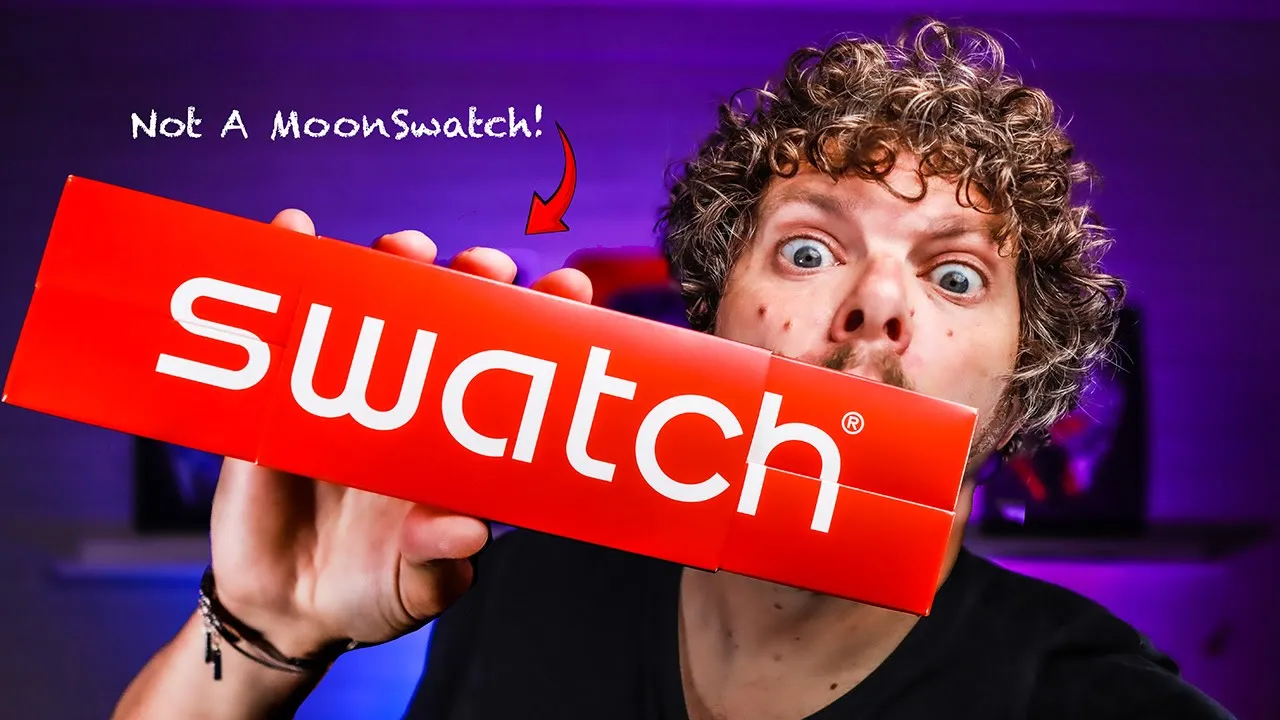
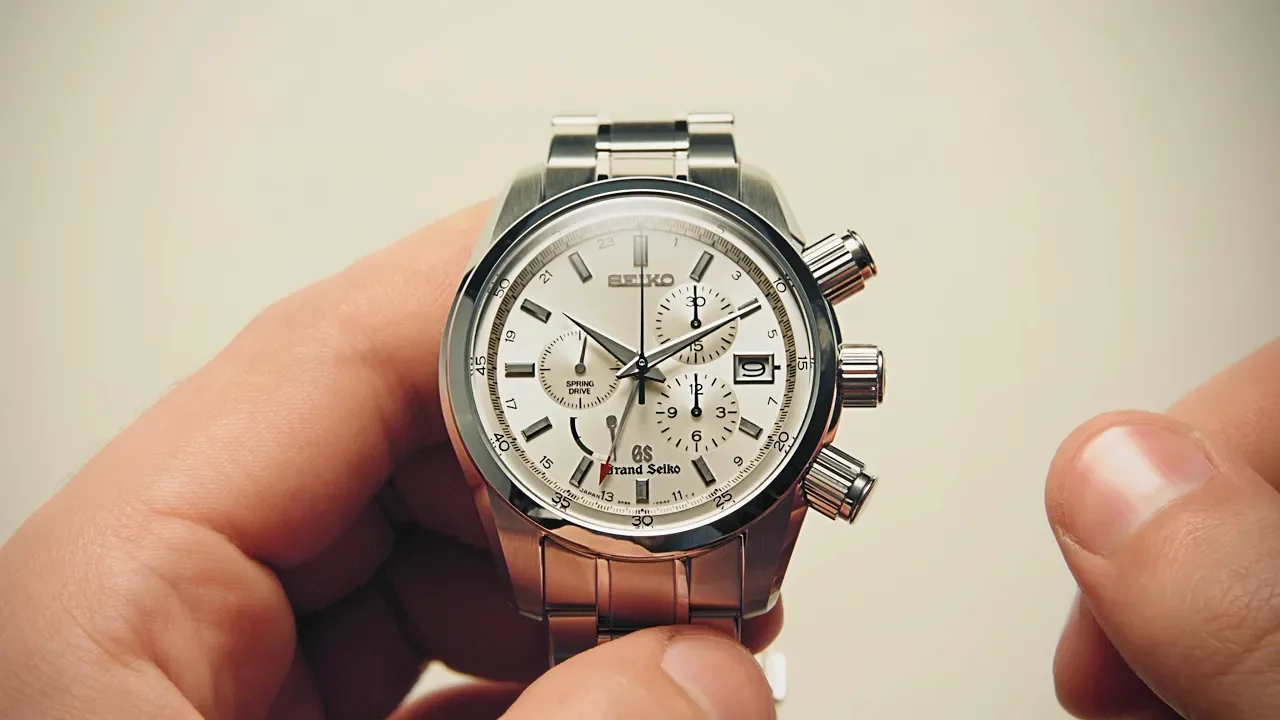
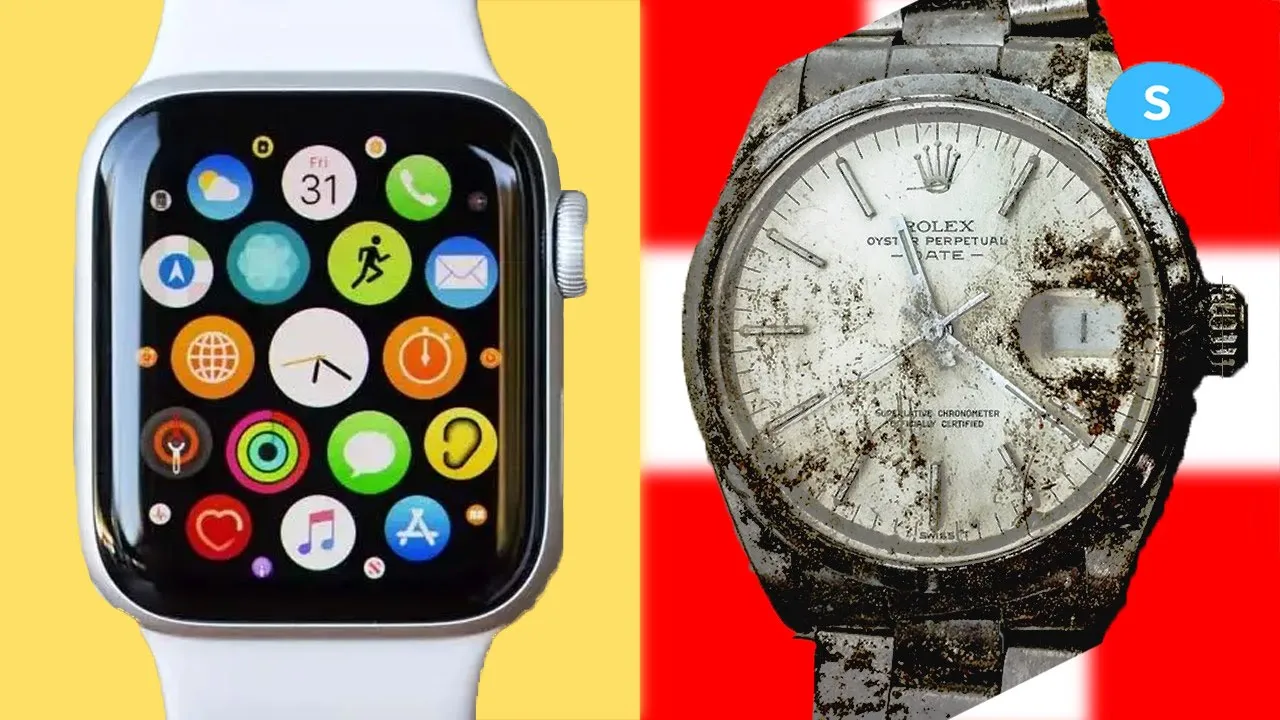
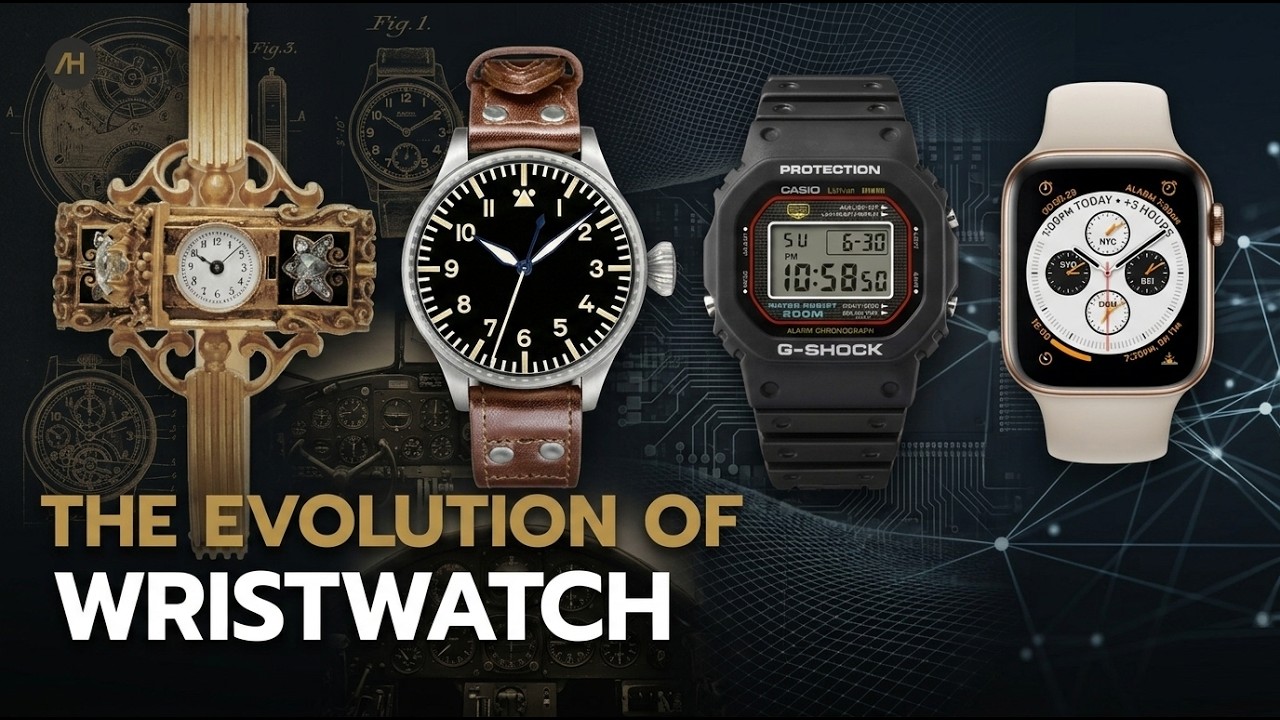
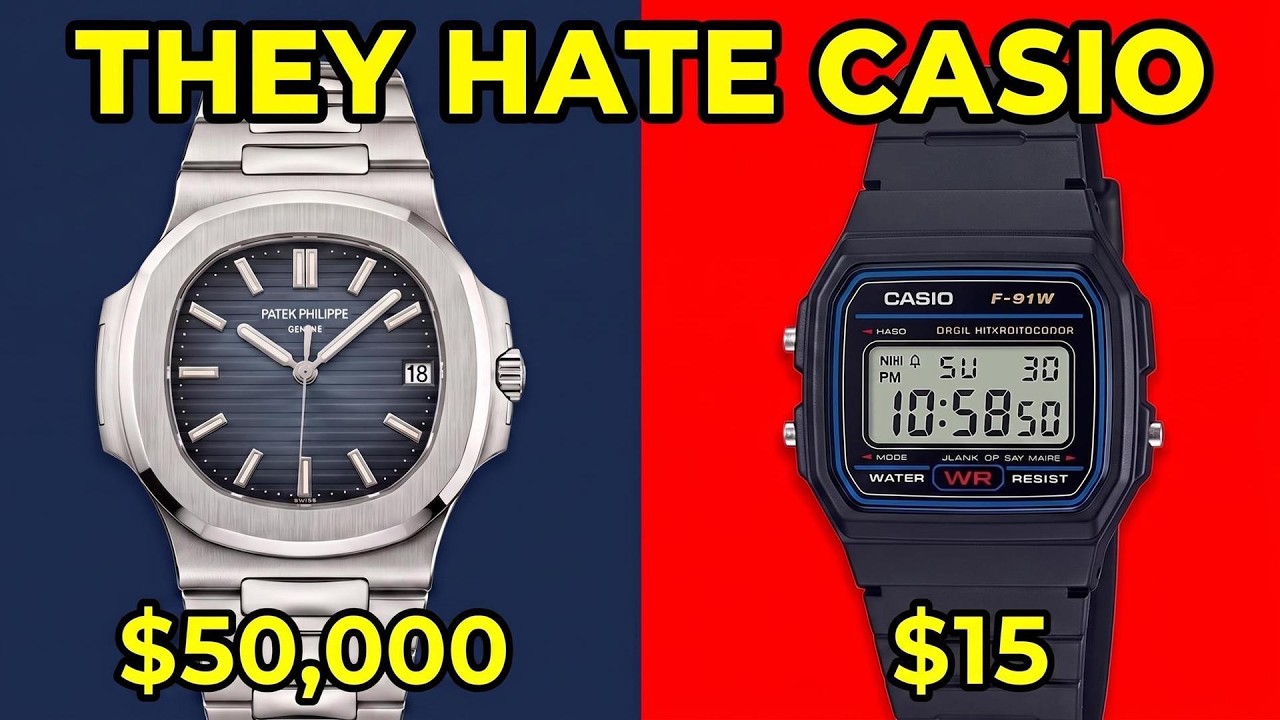
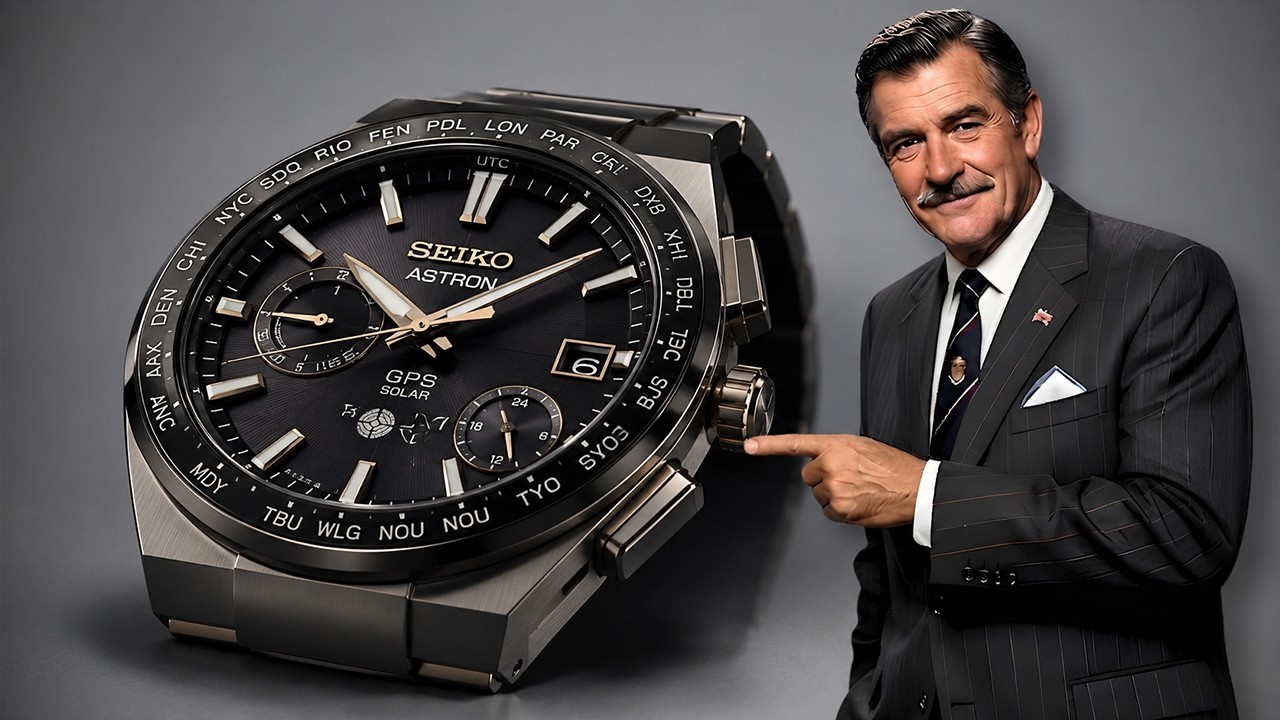
Added:as long as there have been artisans and craftspeople there has been competition in 1750 bc a sumerian artist by the name of irina received a complaint on his low quality copper compared to that of the others in the ancient city of uh many roman artisans pushed to create and then improve purple dye and become fabulously wealthy from the nearly limitless coffers of the roman elite in the modern age google and apple push each other to make cutting-edge innovations to consumer technology in a quest for market domination however one of the most interesting accounts of companies racing to achieve technology that was right on the brink of proliferation took place far in the background while the cold war and the space race captivated the world's attention this is the little known story of the quartz crisis this raised to develop computerized timekeeping and bring it to the mass market brought many giants of luxury to their knees [Music] for millennia the improvements to tools for accurate timekeeping was a slow crawl from ancient ancestors who simply used the position of the sun in the sky to early sundials in egypt and eventually mechanical clocks in the 14th century in europe the goal of accurately marking the current time was an inexact and rarely agreed upon task no two cities had the same time zone and would set their clocks by solar noon the time when the sun was directly overhead this started to cause huge issues as rail lines started to make rapid transportation a reality for the first time in the 19th century on a train journey from new york to chicago the conductor would have to keep track of the time not just for those two cities but also for each city along the route which could be a few minutes to half an hour off from each other to further confuse things the rail companies themselves set their own time which was independent of all of those cities to keep up with these changes miniaturized pocket watches were developed many modern watch brands can trace their origins to this time period when the demand for timepiece is blamed this confusing and clunky method of organizing many time zones ambled along for many years and was eventually unified in 1883 in america and across the rest of the globe the following year this established the time zones roughly as they are today however this didn't solve all of the issues surrounding the timing of trains the imprecise ticking was the ticking of a time bomb in 1891 in the small town of kipton ohio just outside of cleveland two trains collided at full speed nine people died most of them postal workers the subsequent investigation revealed that a slow pocket watch was to blame for the needless tragedy the eastbound trains conductor had a timepiece that was four minutes slow causing them to be late and still on the tracks when another engine barreled toward them this disaster led the locomotive industry to invest in ultra accurate timepieces webster baller local jeweler and watchmaker was given the task he succeeded and ball watches became the railway standard as well as a luxury status symbol that persists to this day with bull watch companies still using their status as rail standard timepieces in their marketing strict regulation of all their pieces also inspired the official swiss chronometer testing institute cosc to offer independent standardization which many luxury brands still use today so world war one saw a move from pocket watches to wrist watches their invention is often incorrectly attributed to louis cartier seeing military tanks from his upstairs room and inspired him to design the now iconic cartier tank wristwatch by the second world war watches were no longer just a luxury for the ultra wealthy but were at all for the every man as the mass production of war goods brought their prices down significantly now across the channel at bletchley park in the english countryside a group of scientists were trying to break the nazi enigma code alan turing and many other brilliant artists worked with brand new technology that allowed for machines to complete equations faster than the greatest mathematicians these new computing machines helped win the war for the allies and would change the rest of human history computers quickly evolved from a singular code-breaking tool to a few industrial machines then in the 1960s the technology proliferated into nearly every sector however they were still not adopted by the general public because of their exorbitant cost and the difficulty in usability however several executives and engineers in japan thought this computerized technology could be used by everyone and they started working on a world-changing invention for the first two centuries before world war ii switzerland had been the unchallenged behemoth of timepieces a few american companies such as the aforementioned ball watches and timex had some distribution in the states but it paled in comparison to the swiss giants however the newest competition in innovation wouldn't come from the swiss establishment or the secondary but still profitable american market it came from a region that none of the competition had even considered japan although seiko is a household name today it didn't have that position until the middle of the 20th century it was established at the end of the 19th century and was a largely local success with limited foreign distribution however it did the same task as ball by keeping railway time the brand was also the primary supplier of timepieces for the japanese military during world war ii being infamously worn on the wrists of pilots including the feared kamikaze in the post-war period their use's military tools translated into universal recognition in the country foreign soldiers who had come across the tools found the pieces to be well made and reliable which added to the demand when tokyo hosted the 1964 olympic games their branding finally brought the company to global prominence also at first seiko had made some prototype quartz-regulated full-size clocks which were used as backup timers in the marathon a preview of the technology that would soon sweep the globe in the background of all of this there had been some small steps in miniaturization of computer watchmaking both in japan and abroad the american brand elgin made one of the very first battery-powered watches which sold under the bulova line the piece skeletonized its first design to allow all of the internals to be viewed giving it the futuristic marketing term space view however its design isn't the one that would be picked up and mass-produced the world over because the watch let off a low audible hum the hum was also an integral part of the design as it used a tuning fork that vibrates at a very specific frequency to keep time and there was no way to remove it although the hum was marketed as a futuristic feature in practice it was an annoyance and many consumers probably thought that they had tinnitus until realizing that the buzzing in their ear was from the timepiece on their wrist it was a fun novelty but it was not a new standard in timekeeping the acatron was a successful concept but it wasn't the industry changing leap forward that bulova had been hoping for using an audible hump and tuna fork just wasn't a feasible solution to digital time keeping so they searched for a new solution little do they know it seiko already had one in mind and they were on the verge of a breakthrough as a mineral quartz has many properties that make it an oddity of nature and ideal for computerization when quartz is etched into the shape of a tuning fork similar to the one used in the beloved logo the fork-shaped crystal becomes the oscillator when an electric current travels through the quartz it vibrates at precisely 32 768 vibrations per second miniaturized computers can then be used to count these vibrations and keep time with accuracy that simply wasn't possible before although many different competitors were refining the technology seiko beat them all to market by releasing the seiko quartz astron on christmas day 1969 retailing at 1 250 around nine thousand dollars today it was a luxury product but priced competitively to other luxury pieces that being said it was well on the higher end of the scale for reference the 1970 rolex submariner retailed for 250 for the stainless steel model 2 000 today and the 18 carat gold model sold for 2 000 or 15 000 today placing the astron as a mid-range luxury product many even considered good value as it was cased in the same 18-carat gold of the higher end submariner the piece was an instant success having a computerized wrist watch was a sign of wealth and status and other brands quickly scrambled to release their own version of the new digital trend among these one of the most popular was the pulsar from american turn swiss brand hamilton the pulsar was one of the first watches with a digital display utilizing led lights that were only viewed when the button on the side was pressed this futuristic design coming both in stainless steel and gold was particularly successful appearing on the wrists of the rich and famous from roger moore's james bond in the 1973 classic live and let die to sitting president of the united states gerald ford omega released their take on the quartz watch in 1974 with the omega marine chronometer which bragged of its accuracy to no more than 12 seconds off per year they then followed it up with the omega chrono courts the first dual digital and analog chronograph just in time for the 1976 montreal olympic games even rolex jumped on the quartz trend releasing their classic oyster perpetual as the rolex oyster courts however luxury quartz watches were a bubble that was bursting underneath the entire swiss watch industry the thing about technology is that it always seems to improve while the first quartz movements were expensive and only accessible to wealthy consumers the technology evolved at a breakneck pace while mechanical movements were constructed by hand using skilled laborers quartz movements became much more inexpensive and easier to mass produce with less human labor further driving down their cost adding to this the liquid crystal display or lcd had solved battery issues other watches needed annual or semi-annual battery changes but the lcd panels were efficient enough to keep the display ticking for multiple years or even a full decade before a change was needed by the 1980s quartz watches weren't a luxury anymore expensive luxury quartz watches from brands like omega and rolex were not only unfashionable but associated with cheap watches for mass consumption nobody wanted them dozens of brands with long and storied histories failed notably the american giant hamilton who had just a few years previously moved operations to switzerland to raise their profile had utterly failed selling their name to avoid completely vanishing from the industry elgin watchers founded in 1864 liquidated and the company went bankrupt most devastatingly omega a swiss icon since 1848 and one of the most iconic brands in all of fashion was on the brink of collapse banks refused to deliver bailout loans assuming that they'd never be able to pay them back even seiko whose market cap had exploded due to their continuing market domination and had an incredible amount of cash on hand decided against acquiring them but then muted valuation unsure if they'd ever be able to make them profitable again a few major players were able to avoid the worst effects of the crisis although none were completely unaffected rolex's unrivaled name recognition along with their hesitancy to embrace quartz technology on a large scale allowed them to weather the worst of the crisis they doubled down on their commitment to classical mechanical timepieces as a luxury good which is still the status quo for modern luxury brands some wondered if the industry that had been dominated by the swiss for nearly two centuries would drift across the continents in japan seiko had grown from a local success to a global sensation in a few short years and were bolstering their product line across the board they introduced the seiko 5 as a budget-focused automatic line to capitalize on those who were hesitant to switch to computerized watches they similarly invested heavily into their grand seiko line that was made to compete with the highest of swiss luxury brands and products however seiko wasn't the only japanese brand capitalizing on this trend citizen watches had been operating in the country since the beginning of the 20th century but used the market as an excuse to start ramping up production and investing in budget-focused quartz watches also the calculated company casio introduced their own version of digital watches and saw instant success with unprecedented global market penetration casio calculator watches are still one of the most iconic symbols of the 1980s and the constant companion for marty mcfly and back to the future there were many who were convinced that the age of swiss watches was over even the swiss government was concerned since their economy which was often touted as the strongest and one of the most stable in all of europe if not all of the world was largely intertwined with the industry they had survived two world wars but it wasn't clear if they would survive global competition however despite all of the devastation there was a phoenix in the financial ashes of this crisis [Music] with seiko declining to purchase omega in 1983 the future of the company was grim in a desperate bid to keep the company afloat the two largest swiss watch companies both of whom owned dozens of popular brands merged in an attempt to salvage the floundering industry they scoured the world for a ceo with the skills to take these companies through uncharted waters eventually nicholas hayek was tasked with steering this titanic away from the iceberg that it had already hit hayek himself is an incredibly interesting figure who could easily warrant his own video his role in the eventual recovery of the company is referenced in business textbooks since he pulled unprecedented success from the jaws of defeat his amazing success becomes less surprising when one sees that hayek was uniquely certified for the position he was trained in mathematics chemistry and physics and was the ceo of a successful swiss engineering firm at the time he had the economic chops as well as the knowledge of swiss culture and its workforce he also had the technical know-how to make insightful decisions and to save the legendary brands from utter collapse one of the first decisions was for omega not to attempt to beat seiko at their own game having omega produce quartz watches when they were associated with budget pieces undercut the luxury image that they'd built they would take rolex's lead and lean hard into mechanical pieces as artistic tools made by artisans and preserved their state as a luxury brand lastly and more importantly they would create a new brand that would fill the role of cheap everyday pieces for anyone to use it would function as a second watch so the name swatch was picked swatch in direct contrast to the higher end brands would be plastic pieces that could be manufactured cheaply have designs swapped regularly and produced at a huge scale they also used pop artists such as keith hiring to contribute to designs hayek himself could be seen in public wearing up to eight different swatches all at once swatch was enormously popular omega weathered the storm and slowly gained back their market cap tissue acts as an entryway for new watch enthusiasts especially doubting their partnership with major cultural icons such as the exclusive advertising rights with the mba the other brands in the collective have freedom to operate as individuals in their design and marketing but with shared production to bring prices down for everyone to punctuate this massive change the company rebranded as the swatch group under which they still operate as one of the largest fashion collectors in the world hayek's plan had succeeded more spectacularly than anyone dared to hope for it also turned out particularly well for hayek financially he had invested heavily in stock of the failing companies which made him a multi-billionaire although swatch was the most public and likely most impressive entity coming through the court's crisis they were far from the only success one of the other unlikely successes came from a brand in the so-called holy trinity of watches audemars piguet having a space in the industry considered high horology and offering boutique luxury products quartz watches were not serious competition their market floated even above the level that rolex and omega operated at their customers were the old money elite that rarely concern themselves with fads and were incredibly slow to adopt to new technologies until proven permanent even then the technology had to fit into their established view of their luxury products for them to adopt it and quartz didn't fit in even with their privileged position they realized that they needed something to compete with the marketing buzz that seiko was generating in their quest to create buzz they accidentally created one of the most iconic pieces that watchmaking has ever produced designer gerald genter created the luxury stainless steel sports watch with the 1972 release of the ap royal oak this piece of modern classic art with exposed bolts an integrated bracelet and a blue textured dial was a luxury watch that was meant for the everyday this was considered a big departure from their sophisticated dress watches demand for the piece immediately shot through the roof the importance of the royal oak really can't be overstated there have been very few times in any industry when a single product has had such an incredible impact one of the few proper comparisons would be how the iphone changed the market of smartphones and mobile technology almost overnight even today the royal oak is one of their best selling pieces and maintains a constant wait list that all but the most privileged of clients must wait in sometimes for upwards of a decade before being given the privilege of spending 50 000 on a single watch ap has made dozens of alternate versions in different colors with different complications and composed of different materials each one sells out instantly at whatever price they decide to set it at they may as well have been given a license for printing money a recent version of this piece used the marvel comic character black panther as a design focus it was limited to 250 pieces and sold at retail for a quarter of a million dollars the line sold out immediately this success had a knock-on effect in the rest of the industry along with making genter the top designer in watchmaking a role he would hold for the rest of his life until passing away in 2011. every company then designed their own steel sports watch with an integrated bracelet and a blue dial most famously gentle was tasked with designing a similar product for another member of the holy trinity patek philippe gender trapped lightning in a bottle once again in 1976 with the patek philippe nautilus although the royal oak seemed like a once in a generation success the nautilus somehow managed to achieve this for a second time in four years the demand for this product was just as overwhelming as the royal oak and both designs still command the same demand half a century later a time period there was an unmitigated disaster for the vast majority of swiss watch companies was one of the most successful for these two horological giants the court's crisis changed the industry of watchmaking forever but in another ironic twist it saved it from a future disaster the utility of smart watches that integrate with smartphones could have signaled the end for traditional timepieces however that didn't happen in fact there has been a resurgence in interest in traditional mechanical wristwatches smartwatches such as the apple watch have created a new generation of horological enthusiasts that have their entry point into the hobby as a smart watch mechanical watches are selling better than ever robust manufacturing facilities and the proliferation of off-the-shelf mechanical movements have created a cottage industry of micro brands that design watches for niche markets at competitive prices and released in limited quantities brands such as monta boulder and xailos that started as small artisanal brands have risen to become big players in the marketplace in another stroke of irony seiko has pivoted almost entirely away from quartz movements while other japanese competitors such as casio and citizen traffic heavily in the space of consumer quartz watches seiko is more focused than ever on their mechanical movements the aforementioned seiko 5 line which they started in the 1960s is still running strong today and received a brand new design refresh in 2020 to start moving seiko's profile up market and away from their computerized competitors this does not mean that seiko has stopped innovating in watchmaking in fact they are responsible for one of the biggest innovations in horology since the quartz watch seiko released the spring drive movement in 1999 which is a combination of mechanical components and a quartz regulator to have an incredibly accurate watch with a perfect sweep of the second hand harkening all the way back to the bulova acutron if you're interested in this it could almost certainly be its own video here on this channel so let me know in the comments below if you want to see that the swatch group is still one of the major players in the industry and uses the number of powerful brands at its disposal to corner various portions of the watch market one area of focus has been their development of the watch manufacturer eta which was part of the merger back in 1983. along with being one of the top distributors of watch movements from switzerland it's also constantly innovating to make better movements for their in-house brands one of their recent advancements adapted some of their most popular movements to stretch the power reserve on their watches to 80 hours allowing a watch to be put in the box on friday evening and picked up on monday morning running on time and ready for use hamilton may have failed in the 1970s but they were also revived in higher saving of the industry as part of the swatch group they straddled the border between the consumer and the enthusiast market and used that position to bring in newcomers to the hobby they are particularly close with hollywood productions seeing their timepieces in many enormous blockbusters from interstellar to avengers in star contrast the glitz and glam of hollywood they still produce many of the classics made for the us military in world war ii and vietnam more so than nearly any other time in the past the world of horology is open to enthusiasts from every price range from pragmatists looking to tell the time quickly to master artisans who have worked for generations to refine pieces of functional art hundreds of brands from all over the world contribute designs to fit certain niches or push boundaries of analog technology the old starwoods are ticking away regularly as any of their timepieces slowly improving these mostly superfluous but still delightful everyday tools it's an industry that has something to offer for nearly everyone aiding in the task that everyone does every single day glancing down to check the time [Music]
Up Next

Intentional Attention: How Tech Shapes Your Focus, and How to Reclaim It
@thejohnfish
433.2K views•2019-02-16

Retention Habits of Top DTC Ecommerce Brands Revealed
@SendItPodcast
44K views•2026-03-03

Decoy Effect: How Pricing Psychology Influences Consumer Spending
@bobinvestsUS
90K views•2026-01-05

The Planned Obsolescence of Light Bulbs and Tech
@veritasium
25.3M views•2021-03-26
Related Study Plans & Knowledge Roadmaps
Structured learning paths in Business