








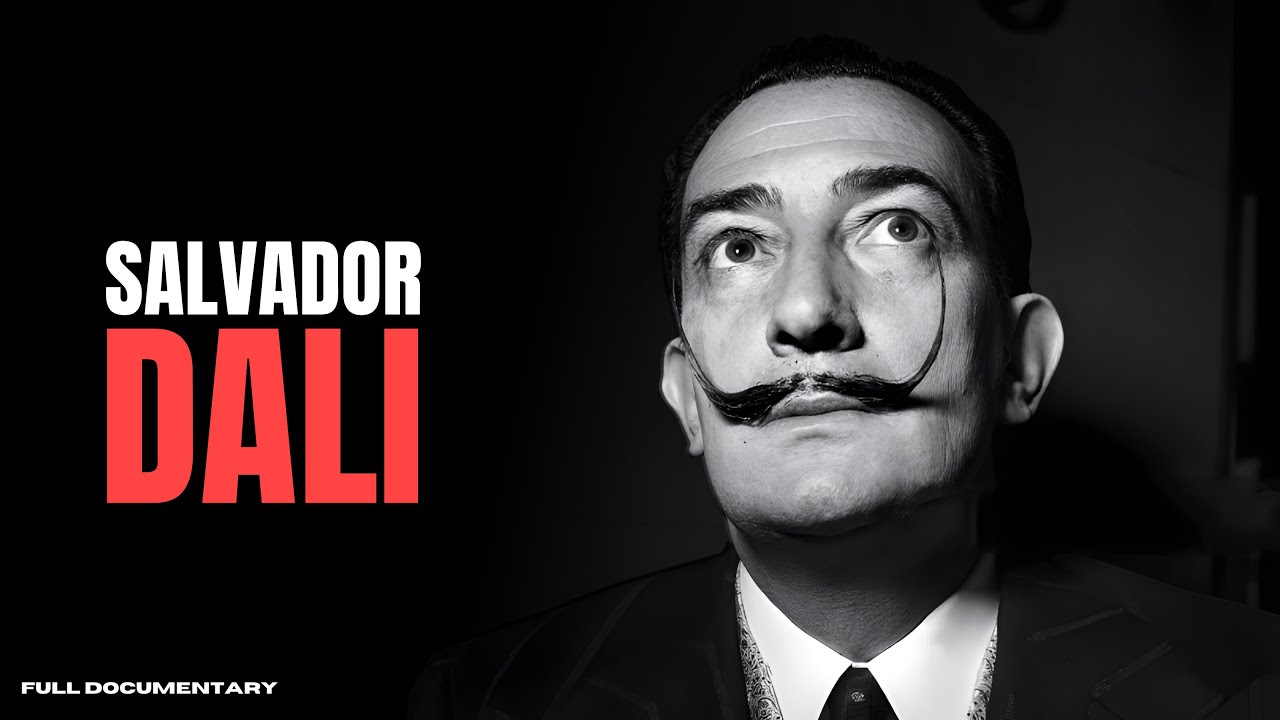

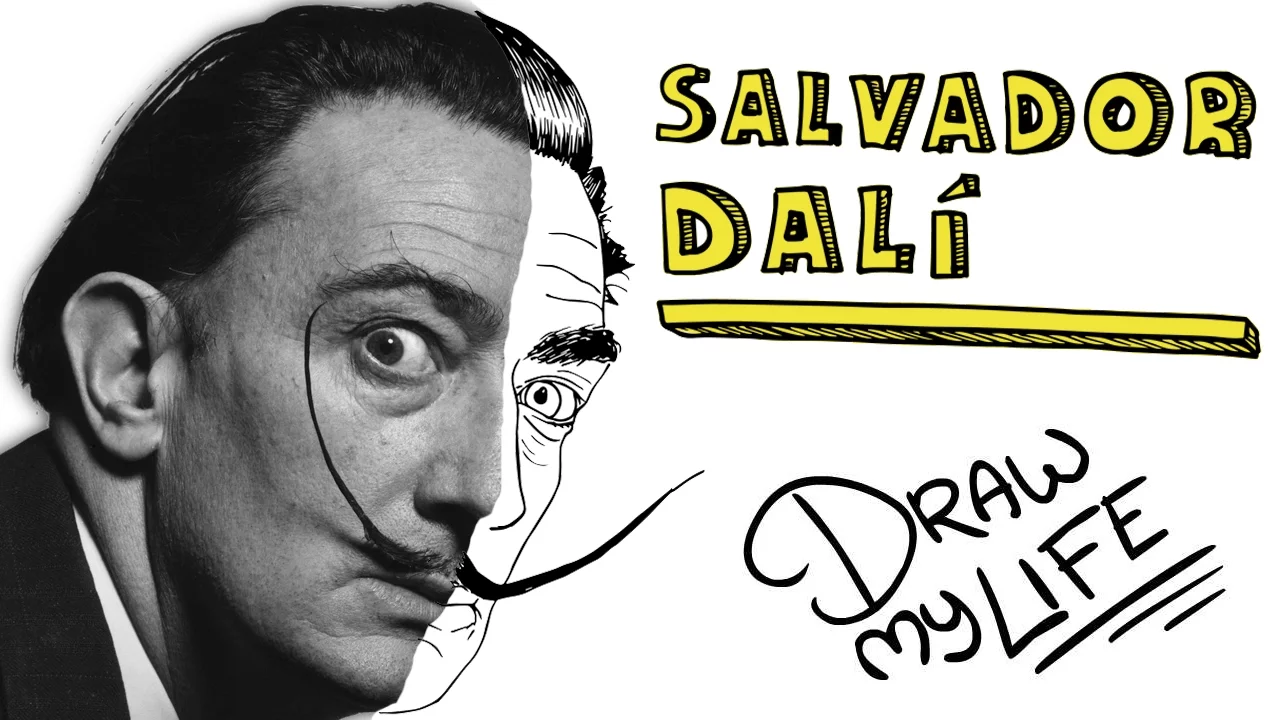
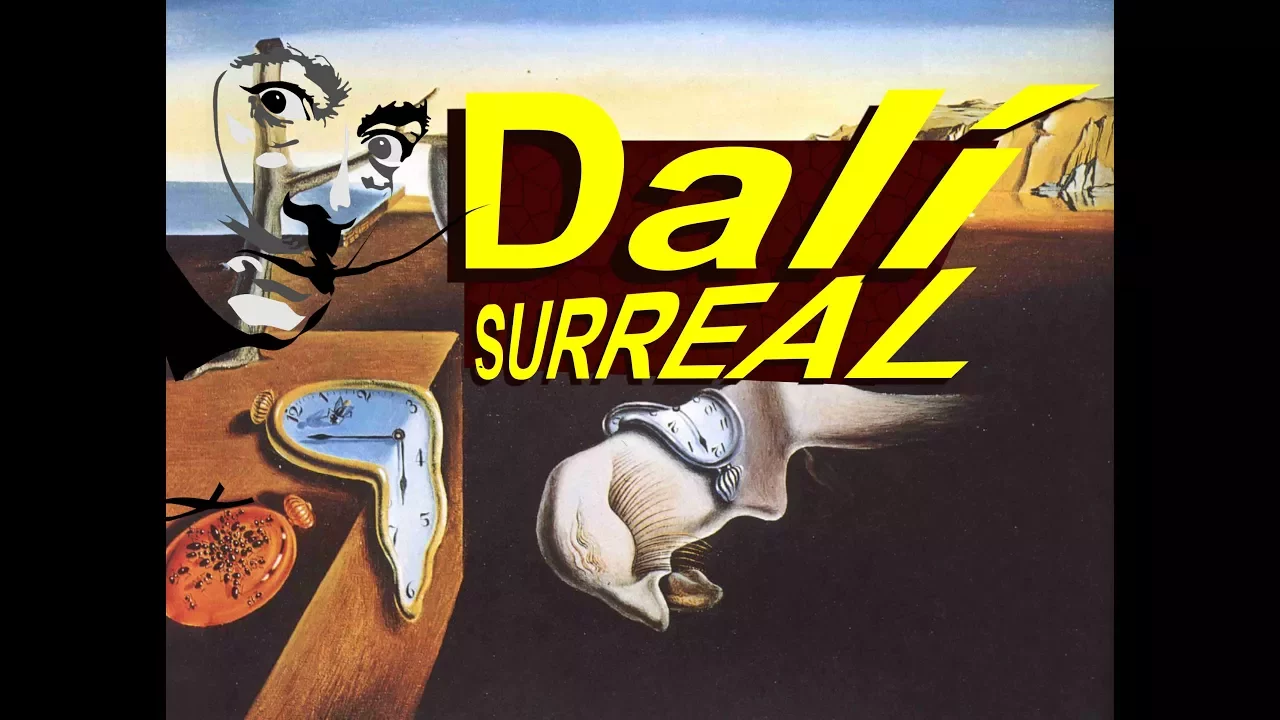
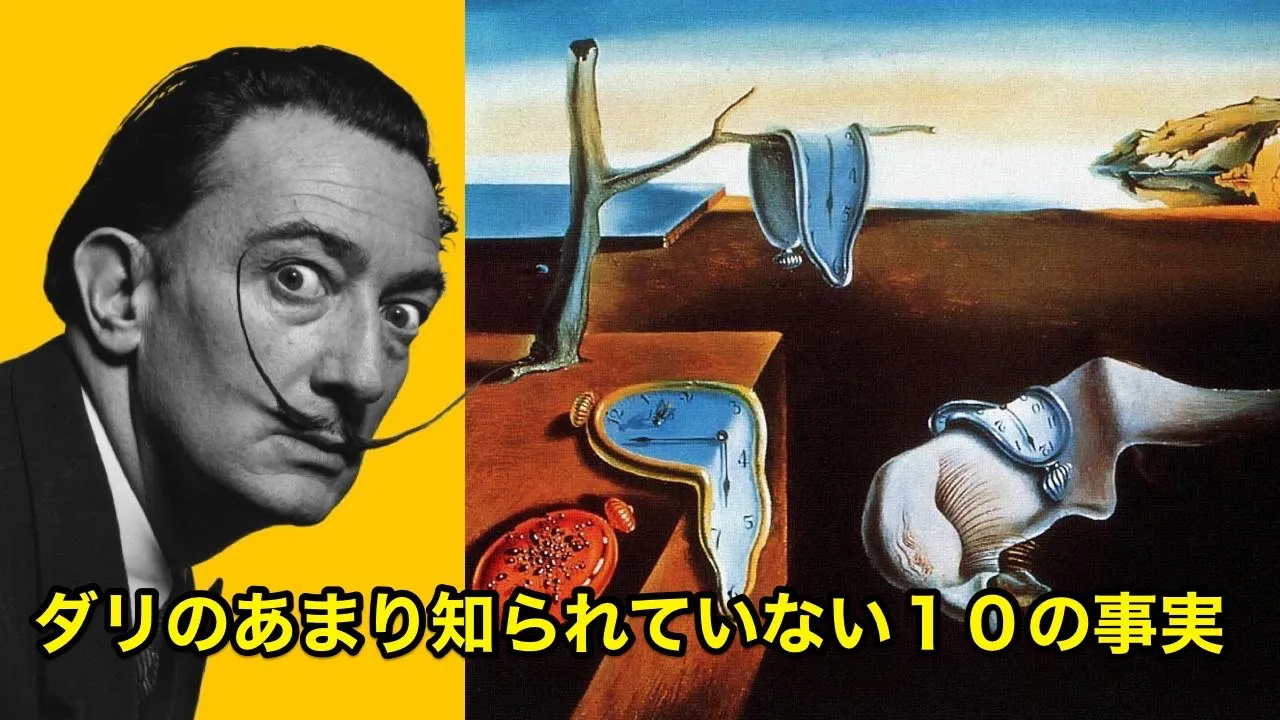




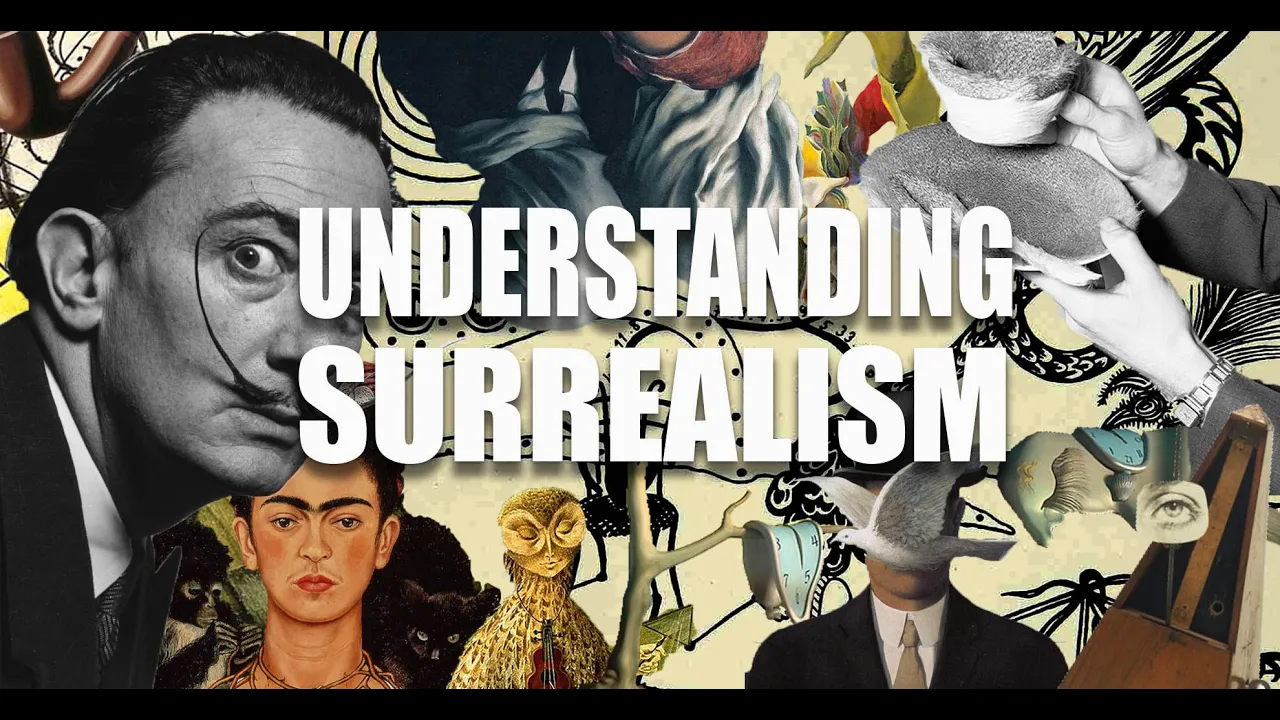






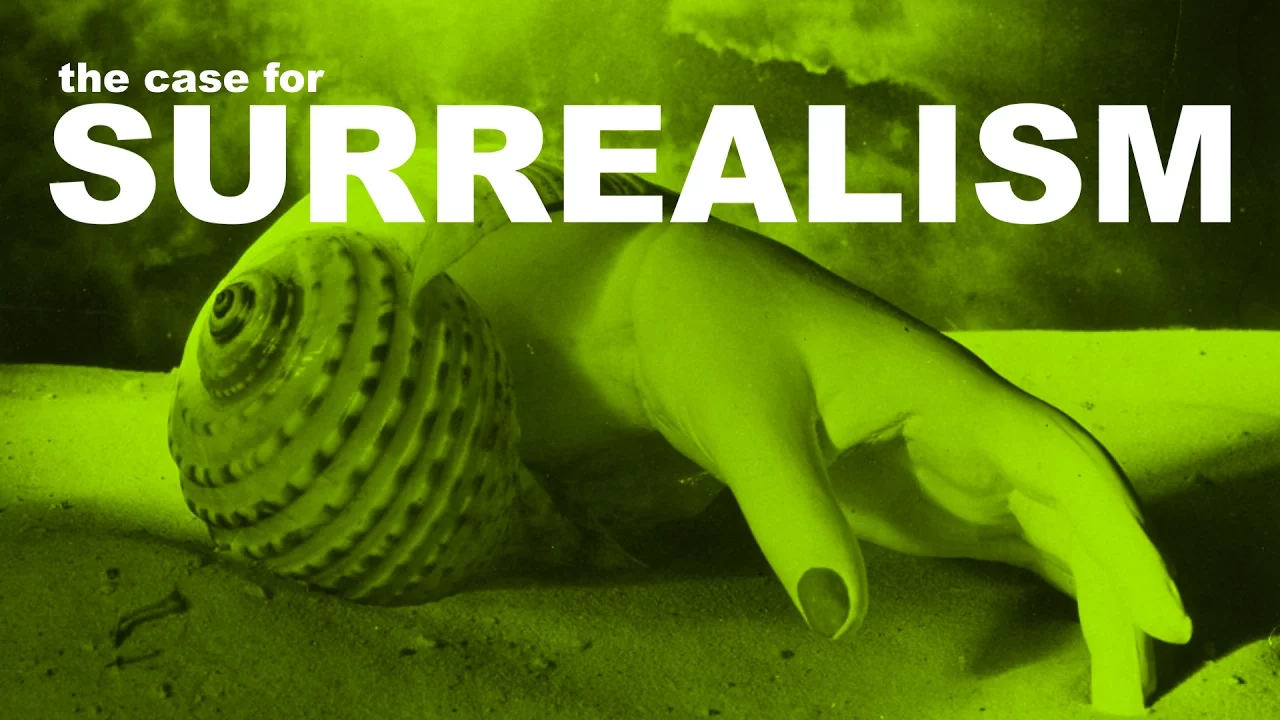
Surrealism is an art movement that challenges reality by combining unrelated objects, transforming familiar items into strange forms, and placing objects in unexpected contexts to create dream-like, thought-provoking imagery. Salvador Dali, a leading surrealist artist, developed the 'paranoid critical method' to see hidden images within objects, creating double-image paintings like 'Slave Market with the Disappearing Bust of Voltaire.' His childhood experiences, including traumatic encounters with grasshoppers, heavily influenced his recurring symbols such as grasshoppers, watches, and crutches. Dali's masterpiece 'The Persistence of Memory' features melting watches that represent the fluidity of time, and he later applied surrealist principles to film by collaborating with Alfred Hitchcock on 'Spellbound.'
Salvador Dali and Surrealism: Art Techniques Explained
Added:hi my name is Tiffany and my name is Matt join us today as we take a look at Salvador Dolly and The Surreal and what made them tick get surreal with Salvador dolli next on Dolly TV Matt take a look at this painting seems kind of normal right yeah now look at the entire painting weird huh yeah un real you mean surreal this painting by Salvador dolly is called the weaning of furniture nutrition do you know why this painting is surreal well the woman sitting on the beach has an opening in her back and a crutch holding her up it's like she's not a real person so the laws of nature are reversed a living thing has become a lifeless object right what else those chested drawers on the beach they don't belong there that's J to position putting two different things side by side that don't normally go together oh got it two things side by side that don't normally go together like us Matt what are you talking about we're the perfect surreal team The Surreal Love to surprise and shock the viewer one of the favorite techniques of the sural was trans transformation turning something familiar into something unusual and disturbing this is a sculpture by marray oppenheim called object it's a fur covered cup spoon and saucer oppenheim transformed a regular household object into something strange by covering it with a different material I mean can you imagine taking a drink out of that another favorite technique of the real was dis location objects are placed where they shouldn't be this painting seems fairly normal a table setting but there's a human eyeball staring out at you that's dislocation strange bizarre dream like fantastic so [Music] okay Tiffany take a look at this painting and get surreal with it a challenge I love it this pin is called the ghost of verir of Del which can be used as a table it was done by the most famous of the surrealist Salvador DOL so uh Tiff tell me why it's surreal Tiff please well well first of all it is done in a very realistic style it almost looks like a photograph and the yellowish light in the sky makes it look like a storm is ready to happen it kind of gives me a creepy feeling but those things don't make it surreal I know I'm not done sheesh look at the man's leg it's become a table leg that's metamorphosis when an object is changed into something else so the realistic look of the painting The Strange lighting and the metamorphosis of the man's leg I'll make this a surreal painting I'd hate to admit it you're good why do you hate to admit it don't hate me because I'm smart and beautiful yeah get real no get surreal the unusual landscape around kakz was very influential to the young Dolly he would study the rocks and cliffs and saw animal and human shapes and when he looked at the rocks at different times of the year the light and shadows made them change again and he saw even more images Dolly never forgot these strange shapes and Landscapes and he used them over and over in his later works Dolly began to mix into his paintings childhood fears and memories in the form of symbols one of these symbols was a grasshopper when doly was a kid he chased and collected grasshoppers one day he caught a strange looking fish called a slobberer and saw the face of a grasshopper Dolly freaked out and was filled with Terror the kids at school found out and teased him threw grasshoppers at him and hid them in his desk Dolly remembered these events from his Youth and began to put grasshoppers in his paintings he wanted to fill the viewer with the same shock and disgust that he felt Dolly had many symbols that reappear often in his works including grand pianos egg-shaped objects watches [Music] ants and [Music] crutches one evening in 1931 Gala went to the movies with friends while Dolly stayed at home Dolly had been working on a painting that featured the deserted landscape near Port legot dolly was about to go to bed and looked over at the painting he started thinking about the hardness and softness of objects and remembered the cham bear cheese he had eaten earlier Dolly went over to the painting and suddenly saw three limp watches soft like kamam bear cheese when Gala returned from the movies Dolly showed her the finished painting he asked her if if she thought she would remember the painting in 3 years Gala told him that no one who saw the painting would ever forget it she was right and the painting The Persistence of memory which hangs in the Museum of Modern Art in New York City is one of the 20th Century's most famous works of art perhaps Do's major contribution to the surrealist moment was something he called the paranoid critical method the theory was inspired by the rocks that Dolly saw as a child the ones that look like faces and animals but at the same time were also rocks Do's paranoia critical method was a process to look at an object and see other things within it that don't really exist one result of this practice were Works known as Double Image paintings where one form contains two or more images this painting slave market with the disappearing bus of volter is an example of a Double Image painting at first glance you see merchants in the market some lean against the walls others walk through a high arched window but if you look at the painting again there's something else going on can you see the disappearing bust of vol now voler was a French Rider philosopher this bust is in the Lou Museum in Paris and when doly saw this he visualized a Double Image what Dolly has done is hide the bus within the marketplace can you see it now the arch window becomes the forehead the two Merchants heads are the eyes the Merchant's collars become the nose and cheeks and the Merchant's sleeve becomes the chin now that you've seen the double images it's impossible for you to ever look at this painting the same way again [Applause] [Music] in 1945 Dolly collaborated with film director Alfred Hitchcock on the film Spellbound it seemed to Dolly created the design for a dream sequence in which the main character of the film Gregory peek had lost his memory and is accused of murder Dolly created sketches and 10 concept paintings that were recreated through the use of props Miniatures and trick photography I hope today's journey into the world of surrealism and the life of Salvador doy was for you just the tip of the iceberg we hope you have fun when you check out the Salvador Dolly Museum in St Petersburg Florida have a surreal Adventure in the museum go through a guided tour and see these incredible paintings in person come and take a visit Dolly won't disappoint you hope you had fun getting surreal with us thanks for watching
Up Next

Dali's Metamorphosis of Narcissus: Surrealism & Paranoia
@smarthistory-art-history
81.2K views•2011-10-18

Christian Iconography: History, Theology, and Meaning | Fr. Panayiotis Papageorgiou
@Trisagionfilms
58.8K views•2020-02-21
Ukiyo-e Art: History, Woodblock Printing & Influence
@japanathand
6.3K views•2023-06-08

Earliest Depictions of Jesus in Art: 10 Ancient Images Explained
@UsefulCharts
5.9M views•2022-06-03
Related Study Plans & Knowledge Roadmaps
Structured learning paths in Art History