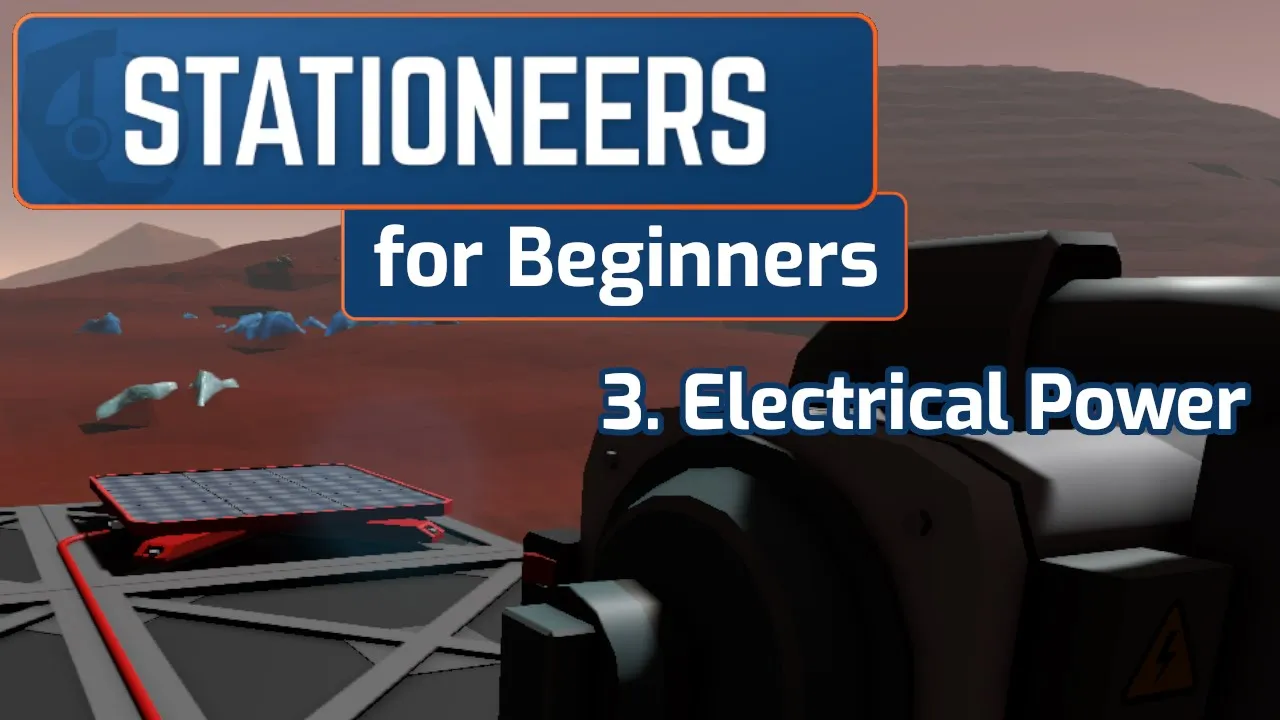


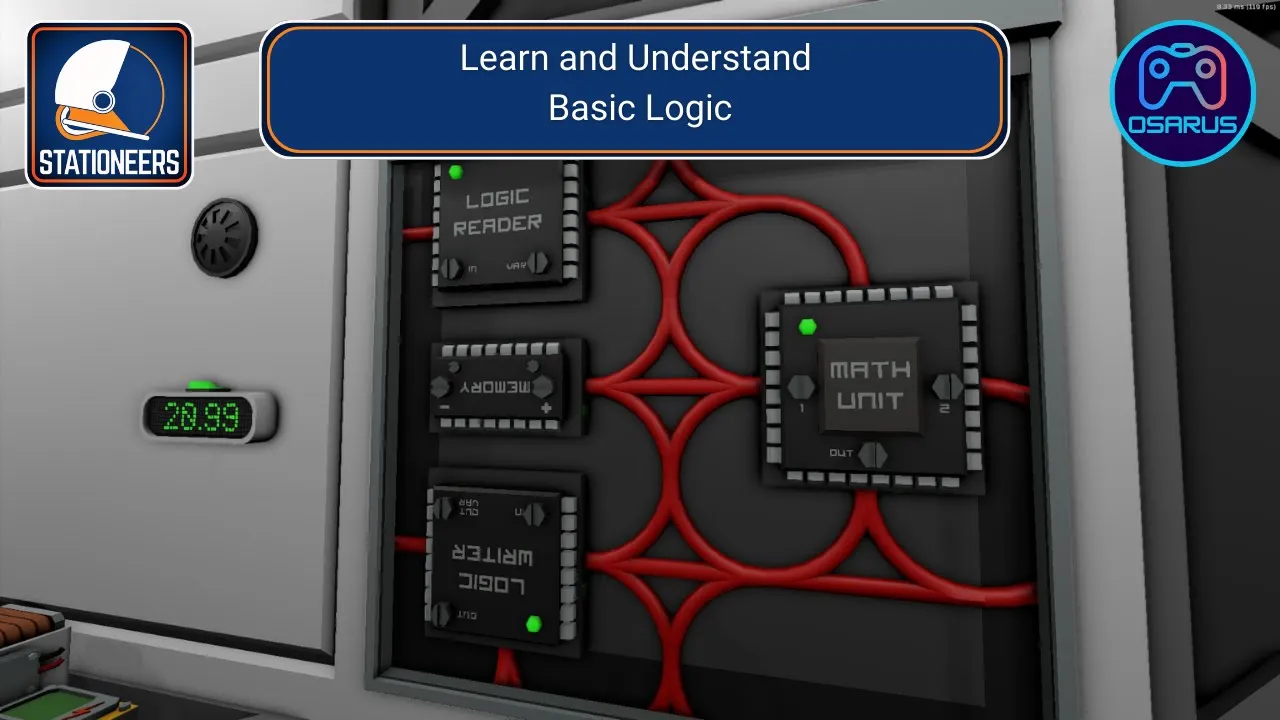
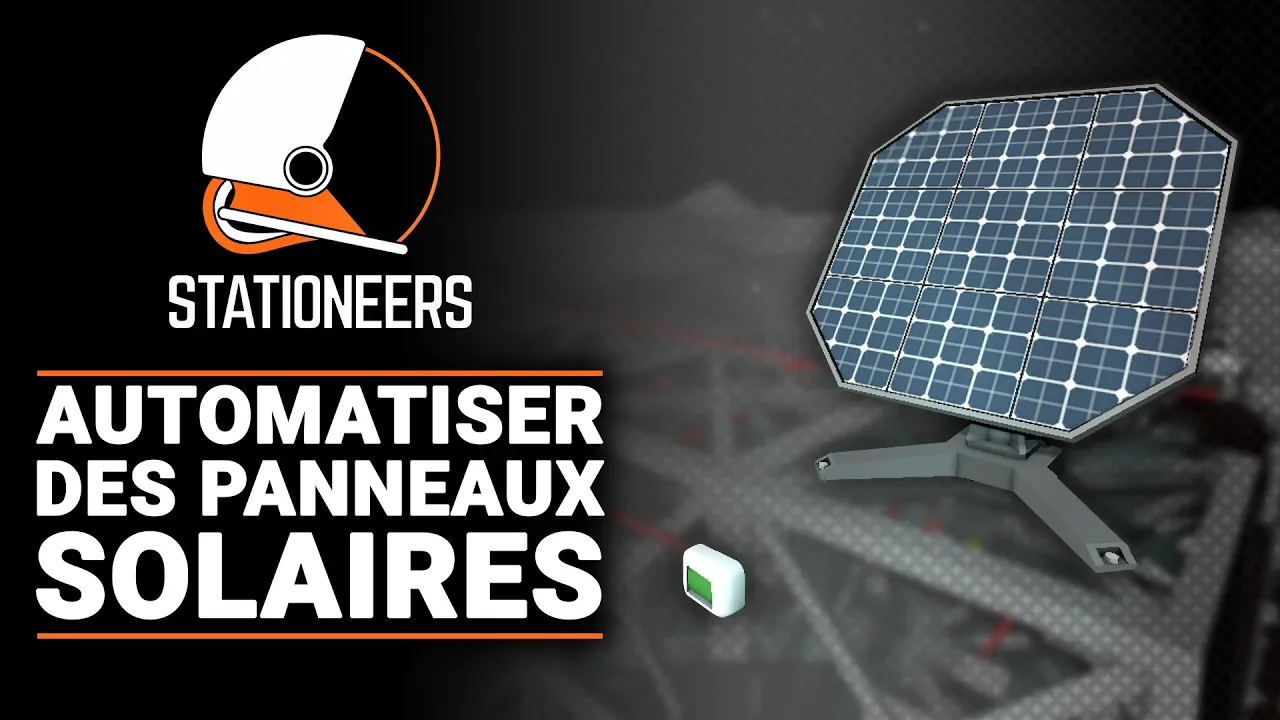





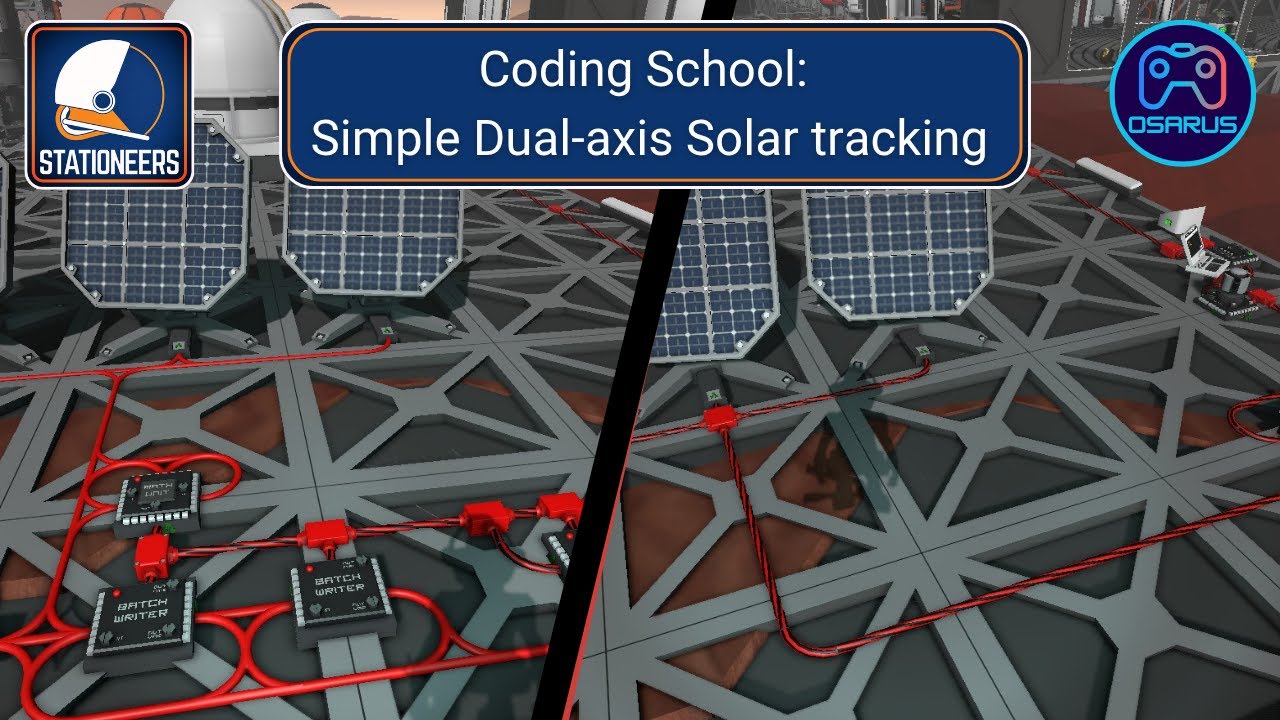







This tutorial demonstrates how to build a single-axis solar tracking logic circuit in Stationeers that automatically adjusts solar panels to follow the sun's vertical position, dramatically increasing power output. The system uses a daylight sensor to detect the sun's angle in degrees, converts this to the percentage-based vertical adjustment system of the solar panels (using a conversion factor of approximately 1.8), and applies the calculated value through a batch writer to all connected solar panels. The circuit requires an area power controller to isolate the logic system from the main base power network, along with logic IO chips, a logic memory chip for storing the conversion ratio, and a logic processor chip for performing the mathematical calculation.
Mastering Single-Axis Solar Tracking Logic Circuits in Stationeers
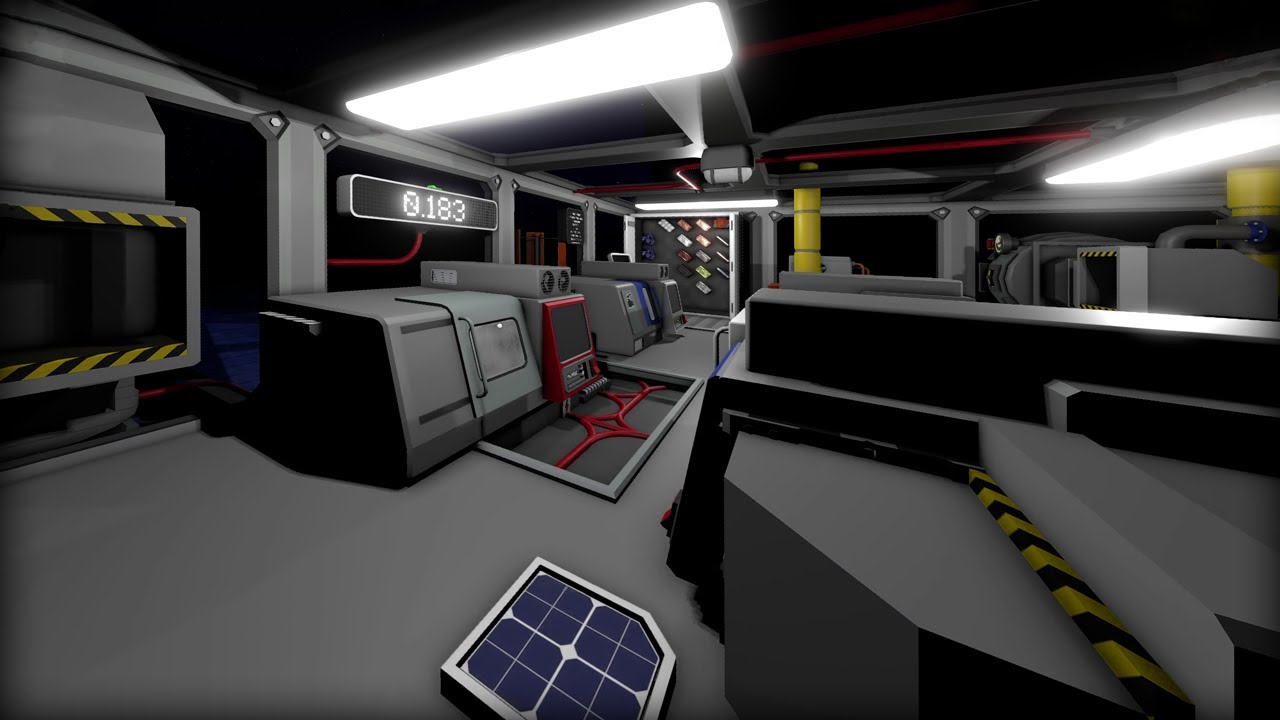
Added:[Music] g'day and welcome back for another stationeers tutorial today what we're going to be doing is building a basic logic circuit to ensure that these solar panels can track the sun in a single axis since we're on mars the sun travels pretty close although it is slightly off from this but pretty close to straight up over and down and that means that if we can at least track in that single axis we will dramatically improve our power output from these solar panels you can do that manually by using a wrench or using a control setup to adjust this vertical aspect of the solar panel and follow the sun as you go through but who wants to stand around doing that all day that just ugh every game i start when i have to do that it's just annoying it's so time consuming and what i really want to do during the day is things like mining and stuff like that where i need to be able to see what i'm doing easily and so what we want is to automate this process in the previous tutorial i covered how to get from the lander to being able to build these solar panels and just be lining straight for them because i think it's really important to secure a nice effective even if it's not a hundred percent effective passive power generation early on in the game as it just makes life with everything else so much simpler so let's go over to my lander and grab a few bits of equipment that we need in this yellow crate i've got an additional solar panel that i built earlier some batteries and some other bits of kit i'm also going to grab out of this other yellow container the sensors kit pop it in here and instead of grabbing each of these bits and running back and forth from the lander let's drag this off the lander itself if you use your wrench you can actually oop don't get me in the face you can grab these crates and move them off then pick them up by their handle and be careful moving them around personally i think it's safest to jetpack and fly forward while carrying these things but if you're going through a doorway or any other tight space make sure you walk backwards there is a small chance that you will end up killing yourself if you don't press q to drop it and then we've got a nice little storage bit on our base that's much more convenient but yeah there's the whole walking backwards thing is really important don't get this snagged on a door and then have it kick and smack you in the face it ends badly so solar panel as mentioned in the previous video there are two forms of this solar panel one with the data and power ports on the same side and then one with them split i prefer the split so we're going to go with that and keep the power port towards us to match up with the other two panels grab a piece of glass to finish it off with the vertical aspect of the panel it is in percent it goes from zero to one hundred percent as it goes from almost vertical on one side to almost vertical facing the other way and that is important to remember because when we're getting a sensor to pick up the direction of the sun it's going to give us values in degrees not percent so the reason for this logic circuit is to convert between the degrees to this percent that we need and because of the way we're going to do it we need this vertical at zero percent to be facing sunrise so that is not that way that is this way at about minus 90 degrees these two panels are also set up this way so that's all as we need it to be i'm going to plug the power point of this panel into the one beside it all right now we're ready to set up the sensor and the logic circuit i'm gonna need a bit of space to put it down though i've got a few iron frames i'm gonna use them to do it we need to make sure that we've got enough room on a vertical surface that is facing east or sunrise i don't actually know if sunrise is east in this but either way facing sunrise so that we can place our sensor on it that can either be a wall or a frame but it needs to be something we can put the sensor on in this case i'm using the frames because it's a bit easier for building this sort of stuff as i'm describing what i'm doing place down a little grid like this i'm going to make this a lot bigger than i need to make it just so i've got plenty of space make sure you weld up your frames you don't need to weld them up to airtight i'm just doing that because it makes it a bit easier to show what i'm doing because it's a bit easier to see it against the fully welded up blocks rather than the partially welded ones then we're going to start with an area power controller the reason we want an area power controller is because we want to isolate this new circuit from the rest of the base if we grab our tablet and switch it out to a network analyzer cartridge that's in it turn it on you can see when we have a look at this area power control the cable network to the left has the area power control auto lathe arc furnace and electronics printer and the cable to the right has all our solar panels and the area power control they're two isolated systems so if we're going to be building a lot of logic systems it makes some sense to separate them so that you don't have to worry about lots of things that are named similarly and it makes it a lot easier working with the logic chips if you've got fewer parts there now what i'm gonna do is place my area power control over here let's place it here with the power coming in from the right by placing that there i can then hook up the data port from this panel to the output of the aerial power control same with this one and all of the others and i can join up this power production side of things from the other side of the panels to the input of the area power control there's a reason i placed the area power controller here not over here somewhere that is because otherwise you have to try and prevent data cables from splicing with power cables and undoing the benefits of having the area power control in the first place which obviously we don't want to do but i have run out of cable coils so i'm going to spend a good chunk of tonight building up enough of them to make sure i can make a nice logic circuit if you're going to be making a ton of cable coils you probably want to make them from the electro printer because it does them much much faster you can see how quickly it's popping these out if we compare that to the auto lathe which costs the same 0.5 grams for the cable coil it does things a lot slower seems like it's almost three times as long per coil it's a lot regardless so i'll make up these and then we'll continue on with all my additional cables i'm going to connect up each of the solar panels data ports to my new data cable system there we go and then open up this area power control and pop a battery in it with our cable system ready to go let's start with our sensor the sensor kit grab it and then we want to place that as i mentioned earlier on a vertical surface if you don't have one you can just grab your drill and drill out a little bit more space so that you can access one of the sides of these blocks like i've just done now then place your sensor facing sunrise it doesn't really matter which way it's oriented vertical sideways whatever i'm going to place a vertical just to make it more convenient for wiring it up and then you can see that at some point once the sun's up it will show a solar angle and it will do so in degrees because it's facing sunrise zero degrees will be sunrise which is why we also made zero percent on these solar panels sunrise so the maths works out nice and easily for us to convert between the two and that's where our logic circuits come in so what we need to do with our logic circuit is take the angle in degrees from the daylight sensor so we need a device to grab that information so that will be an io chip that will grab the input from the solar sensor then we need a maths chip or a maths processor that will take the information from that i o chip and the ratio between degrees and percent which we'll store on a memory chip which is another chip we'll need combining those two values it will then output another value which a second io chip which will be an output chip can write that value to the vertical aspect of these solar panels and i'll explain that a few more times as we go through because that was the part that i really really struggled with when i was learning how to do these and i still struggle with a little bit now so let's make those chips that we need we go to our electronics printer you've got logic i o which we're going to need two one to take that value from the solar sensor and one to write our final value to the solar panels so we'll make two of those we're also going to need to have one logic memory for that ratio value that we're going to need and the logic processor for that mathematical con conversion we're going to need to do okay so we've got our logic processor memory those in our backpack and grab our two logic i os now we can wander over here and start setting things up first up let's connect this sensor to our data system the first device we need is a logic reader this is going to take that value from the solar sensor and put it in a form that we can then use with the logic math unit so we'll place that down then next thing i'm going to put down is the logic memory memory doesn't have many connections so we'll just place it beneath the logic reader right there because these are the two values that the logic math unit is going to need let's connect this up to our system so grab our cable coil and wire cutter so we can splice and you can see how many inputs these chips have the logic reader has three top and two sides and the memory has two the memory we only need connected on one side it doesn't need to be connected up all around it for the logic reader you've got a power port on top and then you've got separate data ports on either side for the sake of simplicity we're just going to connect everything to everything else so now we've got those two let's place down our logic processor this thing has four things and what we need is a logic math which we can now place down there and finally to write the value from the logic math unit to the solar panels we need a batch writer because we're writing to multiple devices what we want is something that's going to write to all devices of a particular type not just one solar panel in different situations you may be out you may be using a logic writer because you only want to write to a specific device and there are multiple devices of the same type but in this case we want every single solar panel to do exactly the same thing so we're going to use a batchwriter we'll place that down there wire all these up and then start setting up their values okay there is now a path from every data port to every other data port on these devices so now we should be able to set everything up to do that we need a screwdriver so we can adjust the values on each of these devices for the logic reader what we're going to have is the device set to our daylight sensor the variable it's going to pull from the daylight sensor is going to be solar angle if we have a look at it it should be displaying a solar angle now there we go 93 degrees so dead straight up pretty much if you compare that to these solar panels dead straight up is going to be 50 percent so to convert 90 degrees to 50 percent it's going to be a factor of about 1.8 because we've got 100 over almost a complete 180 from horizon to horizon the panels are a little bit less so there is some error in this calculation but still close so a conversion factor of 1.8 is what we need to set on our memory so we're going to use our screwdriver and press this then press c and get that till it's 1.8 if we go over we can just go to the other side onto the minus and subtract it there we go we have our logic reader pulling our solar angle we have our memory with 1.8 now our math unit can combine those two values with divide so that we can then use it on our solar panels we want input 1 set to logic reader we're going to divide it by input 2 which is the 1.8 in the logic memory whoops went too far logic memory so angle in degrees divided by 1.8 which will give us our percent read for these solar panels so what we need for the batchwriter to do is input from the logic math and output to the solar panels with a variable of vertical and now we can turn all these on and they should work turn that on turn that on and turn that on and you'll see our solar panels have moved to almost exactly the right position for tracking the sun and that is your first really simple logic circuit and auto tracking solar array if you can get your head around what you need to do for this to work you will be well along your way to making some really interesting logic circuits to do some stuff that you want to automate in other ways it is really really powerful it is also really chunky so you may need a lot of room to spread these things out and to set them out where you want them to be but it's kind of a really fun system to mess around with one thing you will notice over time with this setup is that this battery is not enough to keep this circuit running all night so perhaps a future upgrade will be to switch this out to a large battery so that it can so we can grab our large battery from here swap it out and run a large battery on this that should run the whole day but eventually once you've got a station battery you can put a station battery before the area power control and ensure there's enough power going through that the other option is to just turn it off manually each night set the panels up to face the morning and then that's only one thing you have to do each night personally i prefer to just go with large battery in there and you're good to go next time what we're going to be taking a look at is how to set up your first greenhouse because as you can see on my hud i am getting hungry and while i've got two little cereal bars in my suit uniform i am starting to slowly eat my way through what i've got on aboard my lander and i'd really rather have a greenhouse set up before i'm onto my last cereal bar so that's planned for next time so there's all that and plenty more to come and i will see you then [Music] you
Up Next

Dual-Axis Solar Tracker DIY Part 2: Assembly & Sensor Wiring
@PhillipFourieZA
17.5K views•2023-07-30

Triumph of Orthodoxy Icon: Byzantine Art & History Explained
@BenCallan
2.1K views•2024-08-06

FastAPI vs Flask vs Django: Choosing the Right Python Web Framework
@TechWithTim
302.5K views•2024-05-26

Game of Thrones Opening Credits: A Cinematic Analysis
@gameofthrones
46.3M views•2011-04-18
Related Study Plans & Knowledge Roadmaps
Structured learning paths in General & Interdisciplinary Studies