
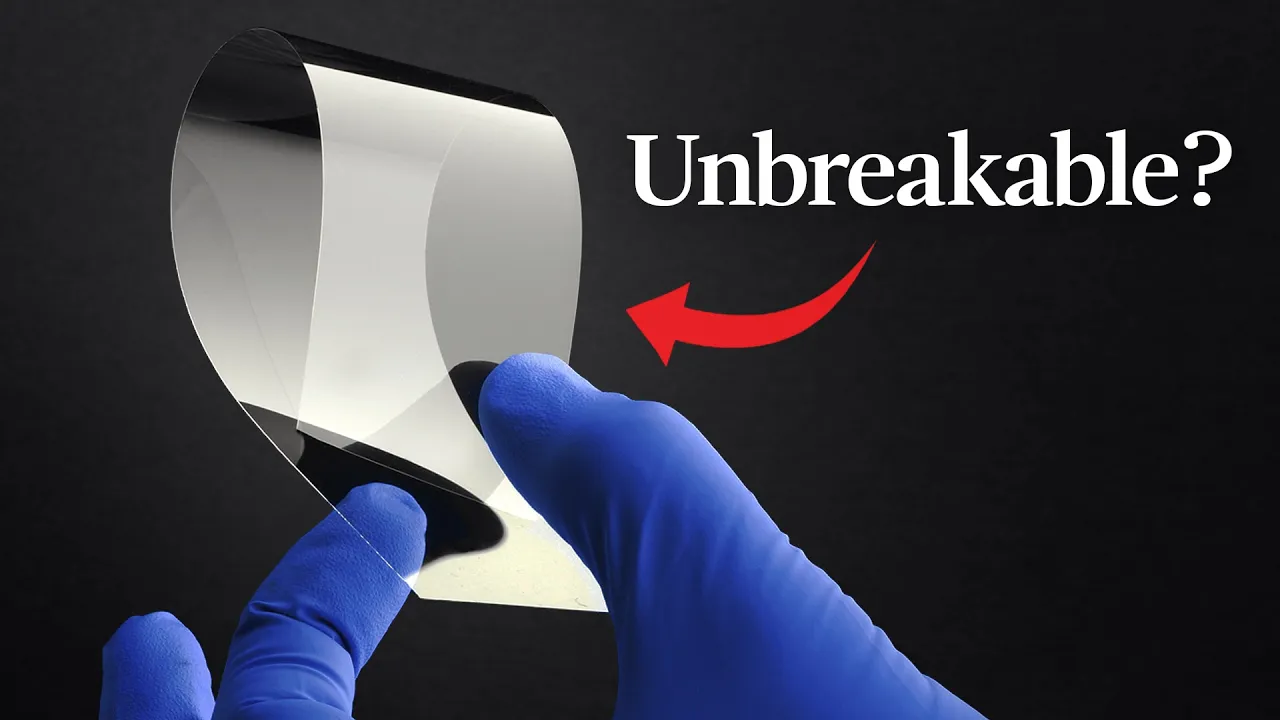

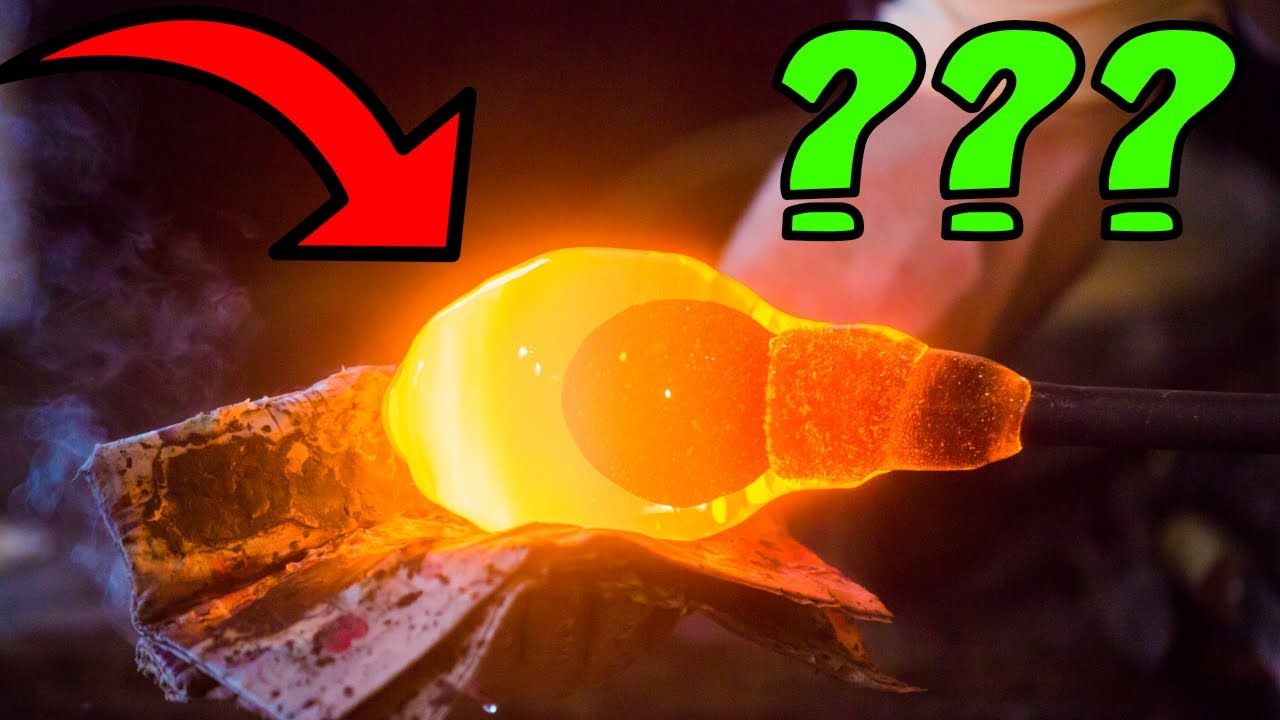







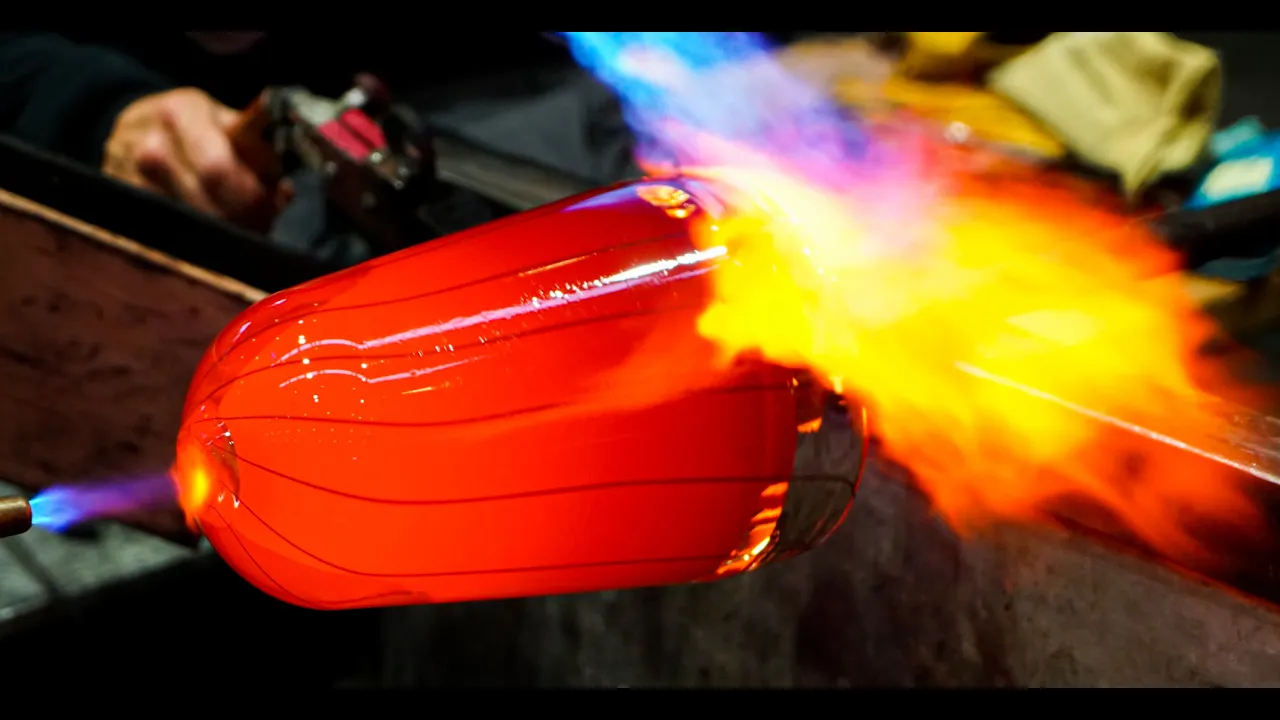
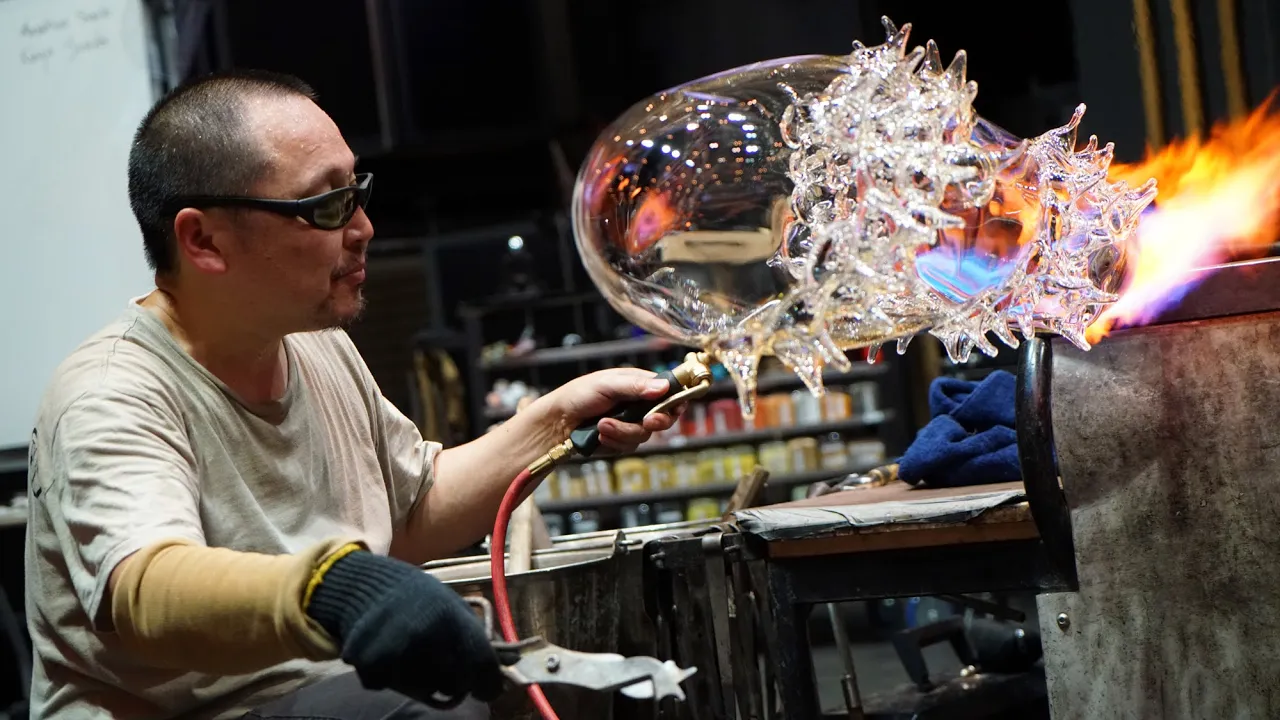
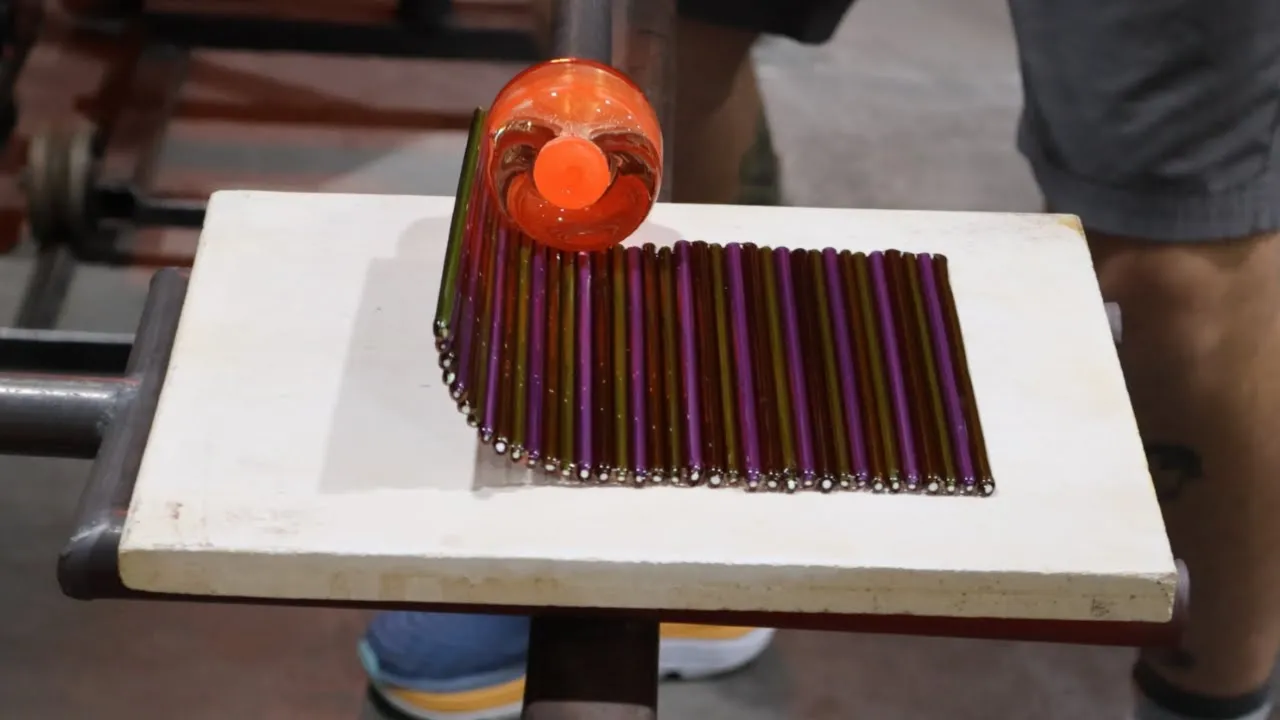


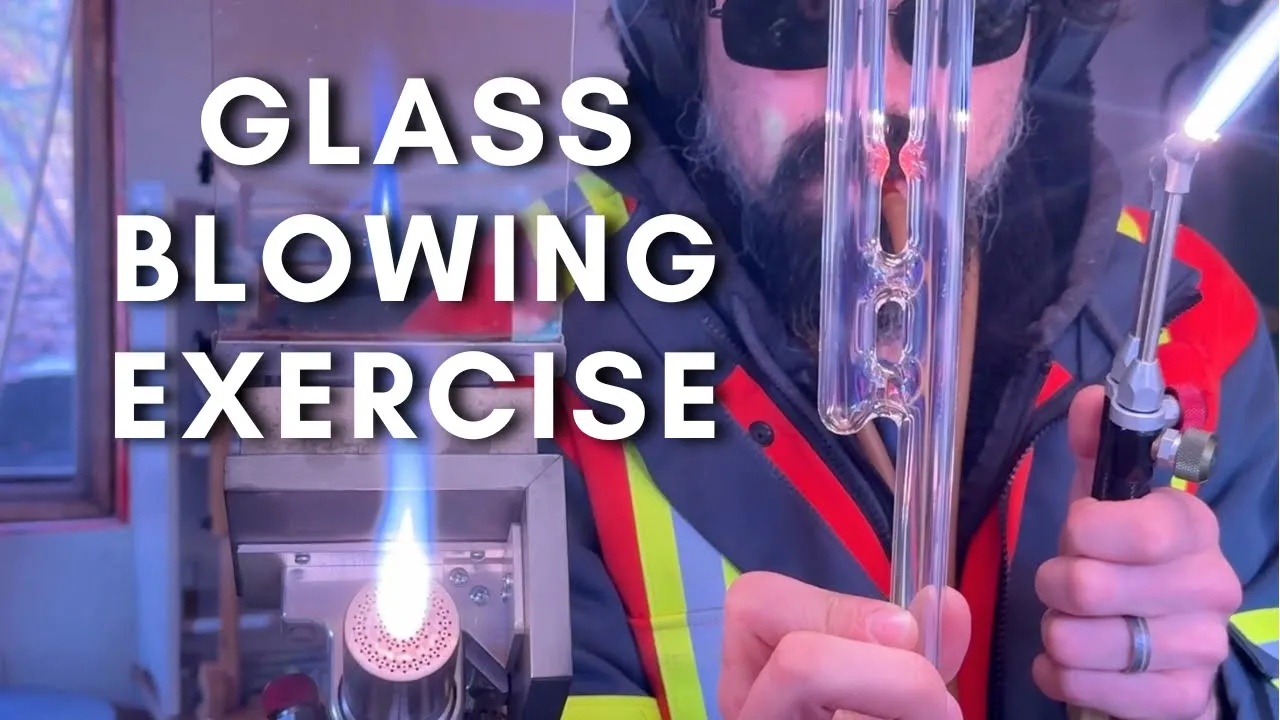












Scientific glassblowing involves creating laboratory equipment such as condensers using Pyrex (borosilicate) glass, which has superior thermal properties compared to regular soda-lime glass, allowing it to withstand high temperatures and thermal cycling without cracking; the process uses specialized equipment like the Heathway lathe with dual planetary chucks that rotate both ends of the glass simultaneously to prevent sagging, combined with oxy-propane torches and manual techniques including coiling, flaring, cutting, and fusing to assemble complex glass instruments.
The Art of Laboratory Glassblowing: Crafting Condensers in the UK
Added:Understanding the properties of borosilicate glass, including its thermal shock resistance and low coefficient of thermal expansion, which make it ideal for laboratory use.
The basic operational principles of scientific condensers (such as Liebig, Graham, or Allihn) in chemical processes like distillation and reflux.
Fundamental concepts of thermodynamics, specifically heat exchange and the physical phase change from gas to liquid.
Basic glassworking terminology and concepts, such as the relationship between glass viscosity and temperature, and the necessity of annealing to relieve internal stresses.
Advanced scientific glassblowing techniques, including the creation of complex internal ring-seals, glass-to-metal seals, and vacuum-jacketed apparatus.
The engineering and design process of custom, bespoke laboratory glassware tailored for specific chemical and pharmaceutical research applications.
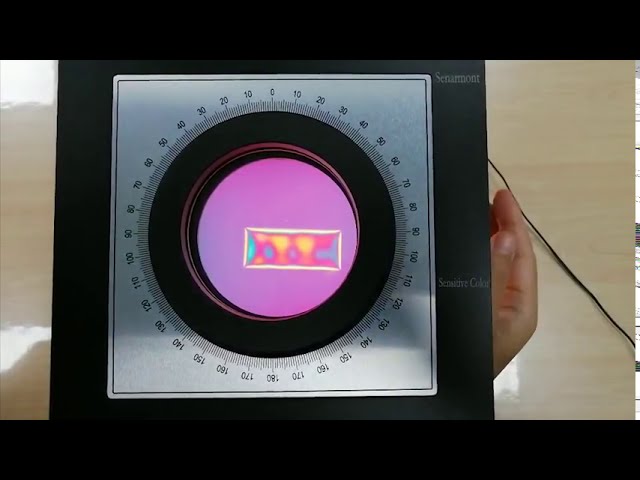
Quality control and safety testing methodologies for scientific glassware, such as polariscope stress analysis and pressure testing.
The industrial history and economic landscape of specialized scientific instrument manufacturing, contrasting automated production with handmade craftsmanship.
1.9M views69.5Klikes18:24Original Release: 2023-03-31
get a free trial and 10 off your first purchase from today's sponsor at squarespace.com forward slash Forge welcome back we're somewhere new we're here at mtech glass to show you glass blowing like you have never seen it can you tell us a little bit about the type of things that you do and you make well we make the variety of things from test tubes all the way through to Giant reaction vessels yeah we do variety of anything the customer requires really scientific and Industrial glass blowing that's exactly it awesome there's some amazing Tools in here some cool machines and we are going to watch the making of a condenser so let's get into it so this is one of the things that you're making today this is a condenser for scientific applications they need to condense things that's correct what is involved in making this the coil is the main part which is one of these and we'll um put the mandrel into the life and literally warming that art coil in it as we go pop it to the right sizes and then tape at the ends down and uh join it all together as simple as that it sounds simple but this isn't just any glass either this is Pyrex yes so this is promising look at glass which is very very similar to Pyrex and that's what we used to refer to as pirate and it's got a good coefficiency with heat so it can be heated very well and cooled very well at the same time and it doesn't tend to crack it takes more heat so it can you've got to get it hotter than a lot of other glasses so the softer cheaper glasses like milk bottles and drinking glasses they're made from a soda glass which is very soft so there's a small flame almost a non-oxygen flame can melt it but that's not so good when you want to heat something and cool it in a laboratory otherwise you'll have a blob of glass from a Bunsen burner so using Pyrex it can withstand the Heat and hold the heat really well but it does mean we've got to heat it a little bit more so job one is you are going to coil a bit of glass tube on this heathway lathe that's correct could you tell us what this machine is sure so this is a heathway foreign flight and what it does is it turns the glass equally each end while we're working it on the lathe at this time is two planetary sharks and they can tighten down onto the glass evenly and strong and you can give them some real good tightening there and it won't break the glass but they are ideal for holding tube and am I right in understanding this differs from a metal lathe because it's not just this section of the lathe that is turning you have both ends turning together exactly at the same time exactly because when you heat a cup a piece of glass if you're melting just one end it'll sag and drop if you've got the other end turning it's effectively as if you're holding the glass in both hands and turning them and you've got really easily accessible controls for forward reverse speed changing forward reverse as you see there one disengaging Chuck down this end so sometimes you you need to put something else in that end so you can quickly disengage it remove the glass add the piece you're putting in there turn it back on and off it goes again ready to be joined onto the whatever piece you may be producing on this end so that will go to a fair speed is just the raw material right here this is the material this is how we buy it tube form so that's the wall thickness the customer requires glass you can buy Pyrex or borosilicate or silicates you can purchase borosilicate tube in the diameters and wall thicknesses that you want mainly it comes with set sizes okay so not every size is available so sometimes you've got to adjust it yourself yeah so other yeah so sometimes the customer may ask what sizes are available but then we do get some customers which require an OD or an ID tolerant stack so it's like specially ground outside tubing scentless ground or outer ground tubing so we have to then get it reworked to get it the precise the size that the customer requires bloody hell just like Metal Works it's just like metal except that it's glass and it breaks it does it's going to take some to take something for me to get my head around how any of this works you're just leaning up glass tubes as if it's not going to break how is this possible bend it yeah you're bending it like it's a bit of Steel so that is unbelievable I mean this is like you're talking 0.1 a few thousandths of an inch 0.1 of a mil 0.2 of a mil see it seems unbelievable to me that you can blow glass and work hot glass and maintain tolerances like this it's very difficult because when you blow the glass it will measure one size but then when it cools down it'll measure enough so the whole Workshop you run on oxy propane for instead of oxy Etc so there's anything else away that's all we use yeah this is the mixer so we'll put gas in there uh gas in there and knocks you through it yeah and we adjust it on this and that alert gives the flame what we require to not leave this contraption is so unique it looks it looks like it's somebody's homemade creation there's a lot of glasses yes we a lot of bathroom equipment is a bit made in your shed looking because a lot of it is this burner head is on this perfectly continually adjustable arm I mean it's unbelievable it's gorgeous so you can perfectly align exactly where this goes and so you're mixing here does that mean that every single flame coming out of here is going to have the same properties you have the same tips on every single flame on every single burn ahead yeah so a lot of the time we'll use something such as this to join two bits of tubing together and we've got a hand lamp to help it and focus it a little bit extra so Robert's going to be guiding us through the coil showing us how it's done so right now you're just preheating the mandrel so it doesn't break the glass is that effectively yet because if we expand the Magnum to its maximum State then we put the glass on then the man can shrink back down oh and then it comes off oh that makes so much sense doing there at the moment is he's just manually putting the glass and fixing it to the mandrel so then when it starts rolling it's got a fixed point and so he's feeding the glass through the flame so it's hot as it comes in yeah so it's it's not molten it's just getting it warm enough to um move it all so the whole tubing now is nice warm there's a huge amount of glasses heating up at the same time as these turn and so there's no lead screw this is all by hand all by hand all by eye revolutions yeah so you can feel when he's turning the Chuck it can actually feel how hot or how cold the tubing is by the resistance of the tubing being fed into the mandrel so he's just feeling it with his hand and is using his eyes hand coordination really well oh so you're cutting it off and there's your coin now I've got it and I'm not burnt yet I thought it was gonna be a prank and you're gonna just watch me drop it that is gorgeous look at that that's coiling a tube I would love to have a go at trying to do that let's get some more tubing get your safety glasses on right let's do it push that back a little bit get that in and if it feels like it's going I can turn it yeah turn it back a little bit how much pressure am I putting on the glass in my right hand you feel it when it gets tight very hard to tell if I'm getting hot or not yeah I'm used to like so much visual for heat a lot of hands oh this is very satisfying to do oh I lost my coil neatness no what have I done well thank you so much for letting me do this this is fun I think he's done very well I think you've done extremely well I got a little funky here in the middle well I got distracted and then I finally got it back in you use on it thank you very much for letting me make a coil that's nuts you're not very good at making Springs no spring making Springs is my worst enemy I'm not good at making Springs so that is how the coil in the condenser is made we now also need the tube that the coil sits inside is that correct yep so that's just a plain bit of tubing which is slightly larger than the OD of your coil and uh we'll slide that inside of it in a second all right really quickly we've had to drive back to the workshop to thank today's sponsor which is Squarespace it is the website building platform that allows absolutely anybody to build their own beautiful website using their countless themes that scale effortlessly from computer to mobile now gone are the days of needing to pay exorbitant prices to have somebody build you a website you can do it yourself with their all-in-one platform from editing Pages adding unlimited products to sell whether physical or digital you can set up and manage it all effortlessly if you offer services Squarespace also allows you to take bookings using Squarespace scheduling you can connect with your clients using Squarespace email marketing campaign chains and if you've got a brick and mortar store you can sell right there with Squarespace point of sale no matter how your business evolves Squarespace is there right by your side and you can go to squarespace.com forward slash Forge to get a free trial and see just how easy their website building platform is and then if you want to go ahead with it code Forge is going to get you 10 off your first purchase that includes your domain as well as your subscription and all their plans are incredibly cost effective so please check them out down below let's get back to end tech class so basically when we get tubing up to a certain size diameter we'll crack it screw it and crack it by hand so all we do is use our glass knife give it a good four dig it in all we're doing is putting pressure onto the score Mark so evenly with our elbows pushing down and not very nice Why didn't it do that that was a bit cleaner so you need to straighten out the ends of the tube so that they are able to connect to something it seems inconceivable to me that you're putting a coil in a Chuck and it's not breaking because you said you put a blower on one end of it and so you're going to blow with your mouth on the other end of that tube how cool Craftsman we're not engineers and such I'm going to tap that on the end are you fusing that together yeah not that easy to feel stuff in my workshop and you're periodically putting pressure through the pipe blowing into the tube look at that that is unbelievable glow and it swells out oh it's evened it up so much so every time you heat it it kind of shrinks down the tube gets narrower and then you've got to blow it back out to maintain the diameter yeah so you're now going to cut it back off so you're heating it up and pulling your blowing your other end of the lathe off oh no way and then you just open the hole right back out so there's our prepped coil there's the prep coil two flared ends if we go into this tube sealed in one end and then sealed in the other end that's what I'm about to do I'm interested to see how this works because I am still confused the magic of glass I have no idea how it's not broken and I have no idea how it sticks together right but it's somehow not broken and it somehow sticks together so this is a sidearm bit yes that's what we call them we call we call those sidearms they're water connectors okay so they just connect the jacket but this condenser is slightly different because it's been joined at the top and at the bottom you're going to cut this section off is that what yeah so I'm just pulling this off it almost cuts it Like a Knife so then you flare it out again just like the other end yep I'm just giving it a flare so that now needs to get fused that'll go on to the out of this it is mesmerizing isn't it Jamie you're going back utterly mesmerizing so I'll do an extra one of these just in case so we can't just put that in there or else that'll just sit on the side of the tube and as so so we've got to do a little bit of packing so even side packing to make it fit tightly inside the tube so effectively this is holding this in place while we melt it together all right what are you checking for right there as you're looking at it I've just shown him oh I ain't living for nothing we tend to twizzle things in our hands a lot just to make sure they're Central and feel that it's loose or not I know now it's too loose so you were thinking about it of course you were thinking about it you were going there going hmm I don't quite like this so this is where the multi stopper comes in handy yeah you just peel it onion buns multi-stoppers whatever they like to call them we need to blow in there to blow puff and blow puff and blow puff and blow so the pipe that's connected to the glass is going to attach onto here that spins on a bearing then all the way down he then is going to put that in his mouth and blow on it this is going to go on to the end is this another pre-purchase so this is these all pre-made pre-bought in joints put your hand over there like that and just give it a gentle squeeze oh it's not round at all you got it this is like there's some serious ovals to it exactly and that's just how it comes from the supply that's how it comes man so I'm just getting a bit of the moisture out really because I don't want puddles of water in there the Orange is the sodium glare which is making the cameras and everything pick up that but what I see that color oh you don't see the glare I don't see that glare if you put those glasses on oh yeah no it's a brilliant are you able to see through that Jamie yeah so that's what it looks like through the glasses you kind of have to be worn to be able to work because I can't see any of that through the flame so that was just a cutting off operation just like you did on the small pieces great yep pretty much I'm just pulling it off but I'm not making a hole and see how that goes back because of taxes oh you're sealing it against the little internal piece the internal piece give it a blow and from here I can see it's sealed all the way around and you're blowing and putting pressure and pulling down blowing and pulling this Central One that was release of me flowing it until it popped and made a hole all I'm doing here is making it look a bit nicer and then you've got to give it a good flaming whenever you're working a bit of glass so that keeps everything around the stress area free of strain and now I've got to get this next bit ready so again you're going to shorten this down making this right length yeah I am working on the edge and turning it at the same time and then let that cool a little bit and then pull then you're going to flare that out to kind of match a little bit slightly flared that out yeah just slightly thread that out did it do it like down the coil oh my goodness and so then because the lathe has two ends it's going to be perfectly concentric when you stick it together yeah you might have to straighten it up afterwards but yeah sometimes and you just touch them together and they're stuck and then this is your post heat again just to kind of like equalize the stresses so I'm keeping it all warm keeping the stretches free but what I'm going to do I'll go put that side arm on there wait are you gonna poke a hole in it yep I'm now going to pop the hole no wait you're literally blowing a hole with your lungs yeah oh that's ridiculous now I've got a hole until you're starting on one Edge you stick one Edge and then you bring it all down you got it that is ridiculous I love that on the go while you're doing the operation you're managing the flame you're changing it okay I need a little more oxygen a little more propane a little more heat a little less heat and on the go between your thumb and forefinger you're adjusting it like every few seconds so Orange in there is heating it up and equaling out the wall thickness it's all even around their neck and now this is the uh it actually coming spot oh you look at it wobble as you speak yeah there's so much flexibility because it's only secured up there so what I'll do now is like double blow down this end t-piece so I'm blowing in here and in here otherwise if I just blow in here I can only blow the chord I can't do that process because that flexes so much you're going to put dimples in the glass so that it just can't Flex as much as much yeah it keeps it more sturdy to the band drawer I love the types and drawers that people have in their different types of workshops a drawer full of buns that noise is give me the heely-jeebies I'm just waiting for it to break no don't say that it's not cold wait these are fixed together and they're running based on a magnet and this yeah so at the end there there's a magnetic clutch like magnetic direct drives clutch type of thing no way yeah so now he's gonna do the same thing on the other side so it matches [Music] so there is the finished condenser and it just doesn't make sense that that's possible to be made thank you in a few hours oh yeah and you probably could have made it in what 30 minutes if you didn't have us here in the way possibly yeah I'm I'm so grateful thank you so I'll pass this back before I drop it I've been perfect about dropping anything all day you're welcome man I'm so grateful thank you for letting me come in into your workshop for the day thank you for the incredible hospitality and coaching us and giving us the opportunity to have a good two it was really fun and people can find you on Instagram Instagram yeah same Tech glass mtech glass on Instagram go check them out there's some amazing photos of the work that they do and this industry apparently needs more people so if anybody wants to get into this type of glass blowing how how could they get into the industry um just contact me yeah directly directly contact me yeah I'm more than happy to help um bring people in and train them up yeah that is you've got an interest we we've got an interest how cool is that thank you so much no problems thank you so grateful see you on the next one bye [Music] foreign [Music]
Up Next

15:33
Asgard Archaea: Unveiling the Origins of Complex Life
@whatdamath
101.3K views•2025-04-02

12:54
Triumph of Orthodoxy Icon: Byzantine Art & History Explained
@BenCallan
2.1K views•2024-08-06

9:49
FastAPI vs Flask vs Django: Choosing the Right Python Web Framework
@TechWithTim
302.5K views•2024-05-26

1:42
Game of Thrones Opening Credits: A Cinematic Analysis
@gameofthrones
46.3M views•2011-04-18
Related Study Plans & Knowledge Roadmaps
Structured learning paths in General & Interdisciplinary Studies
general-studies
Elevator Engineering: History, Physics & Cities
01From Hoists to Safety Brakes: The Dawn of Vertical Lift
02Hydraulic vs. Traction: The Engineering Physics of Elevators
03Modern Speed, Safety, and Algorithms
+ 2 more learning modules
12h5 modules
Explore Roadmap
general-studies
Rubber: Material Science, History & Geopolitics
01Origins of Natural Rubber & Mesoamerican History
02The Chemistry of Natural Rubber & Vulcanization
03The Geopolitics of the Rubber Boom & Colonization
+ 2 more learning modules
12h5 modules
Explore Roadmap
general-studies
Containerization: Evolution, Logistics & Trade
01Ancient Trade & Bulk Cargo: Amphorae to Barrels
02The Industrial Revolution & Cardboard Packaging
03The Containerization Revolution: Malcom McLean
+ 2 more learning modules
12h5 modules
Explore Roadmap
general-studies
Textile Tech: Evolution, Labor & Global Impact
01Pre-Industrial Textiles: Handloom & Cottage Industry
02Mechanization: The Spinning Jenny to the Power Loom
03The Factory System & Global Labor Transformation
+ 2 more learning modules
10h5 modules
Explore Roadmap