

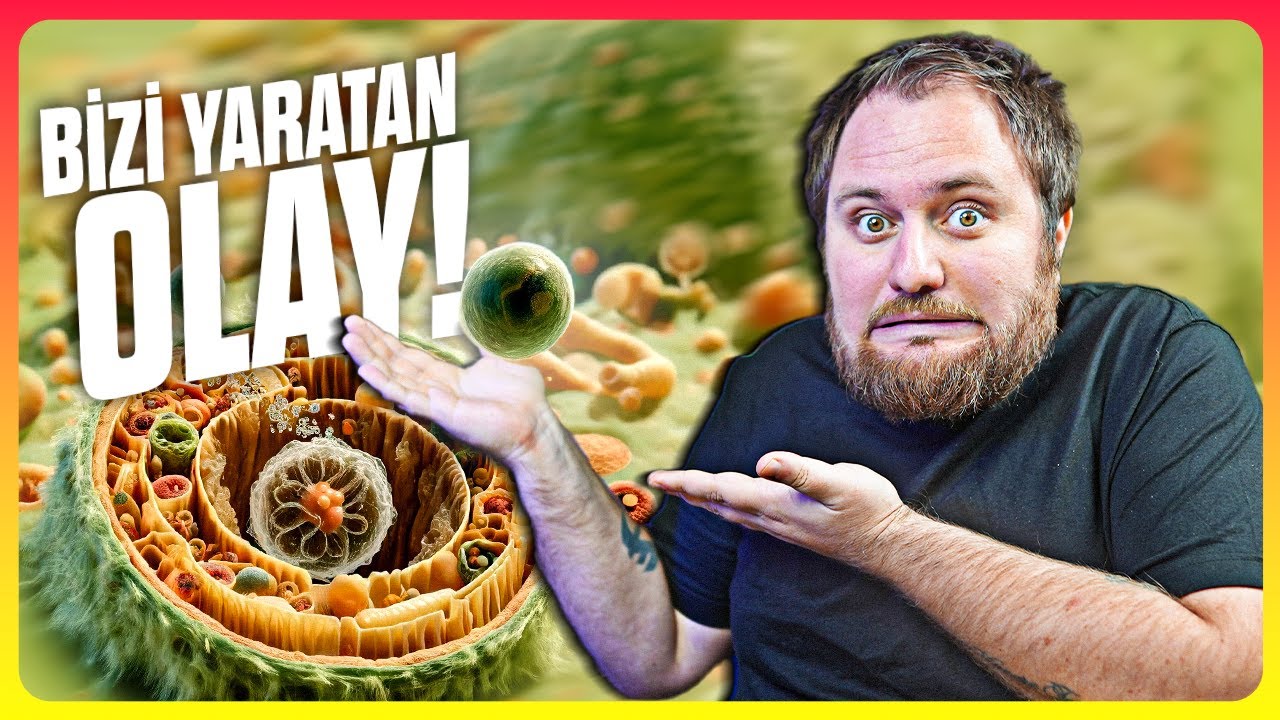






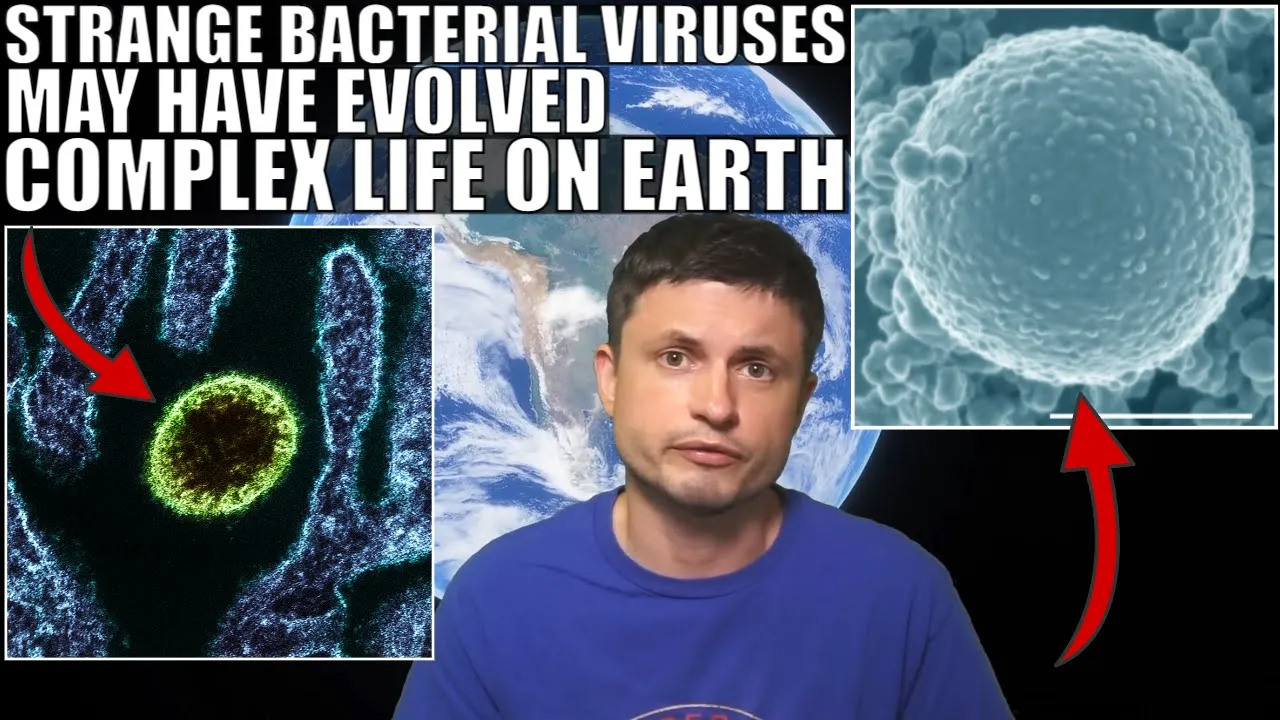







Asgard archaea, discovered in 2015 near Loki's Castle hydrothermal vents, possess actin and microtubule proteins similar to those in eukaryotic cells, providing evidence that complex cellular life may have evolved from these ancient archaea through endosymbiosis with bacteria, where the archaeal host captured a bacterium to form the first eukaryotic cell.
Asgard Archaea: Unveiling the Origins of Complex Life
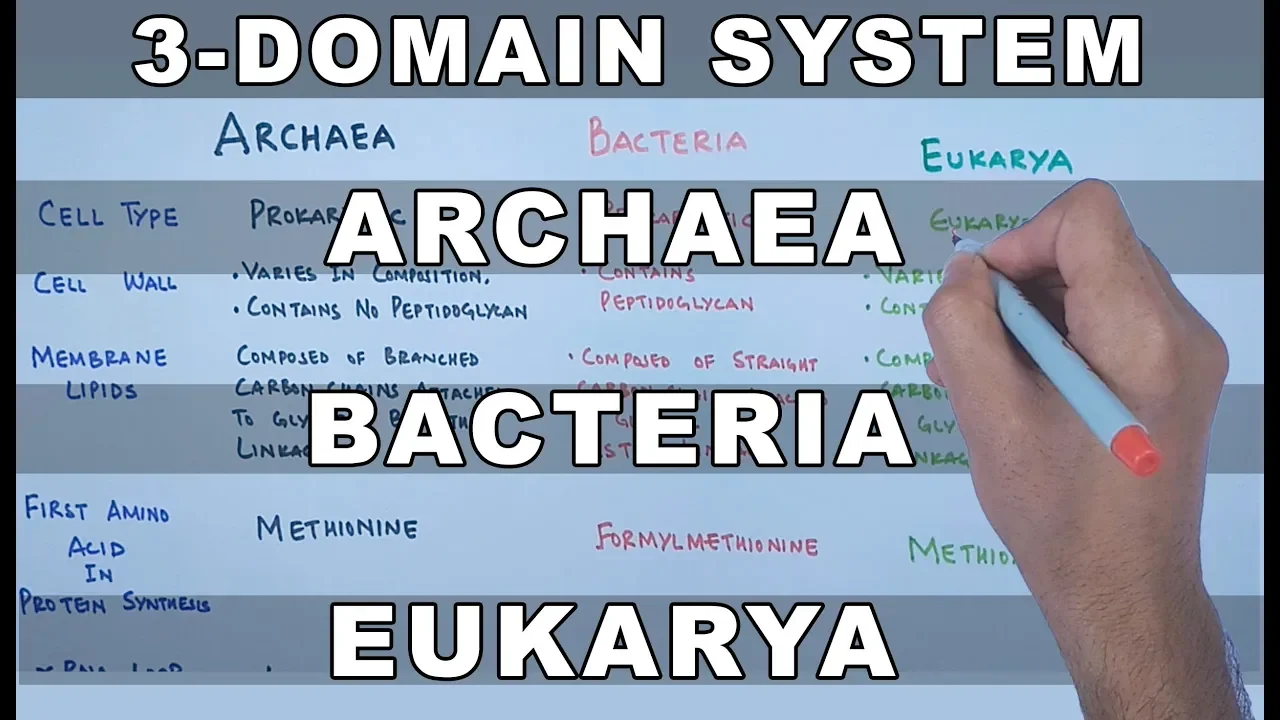
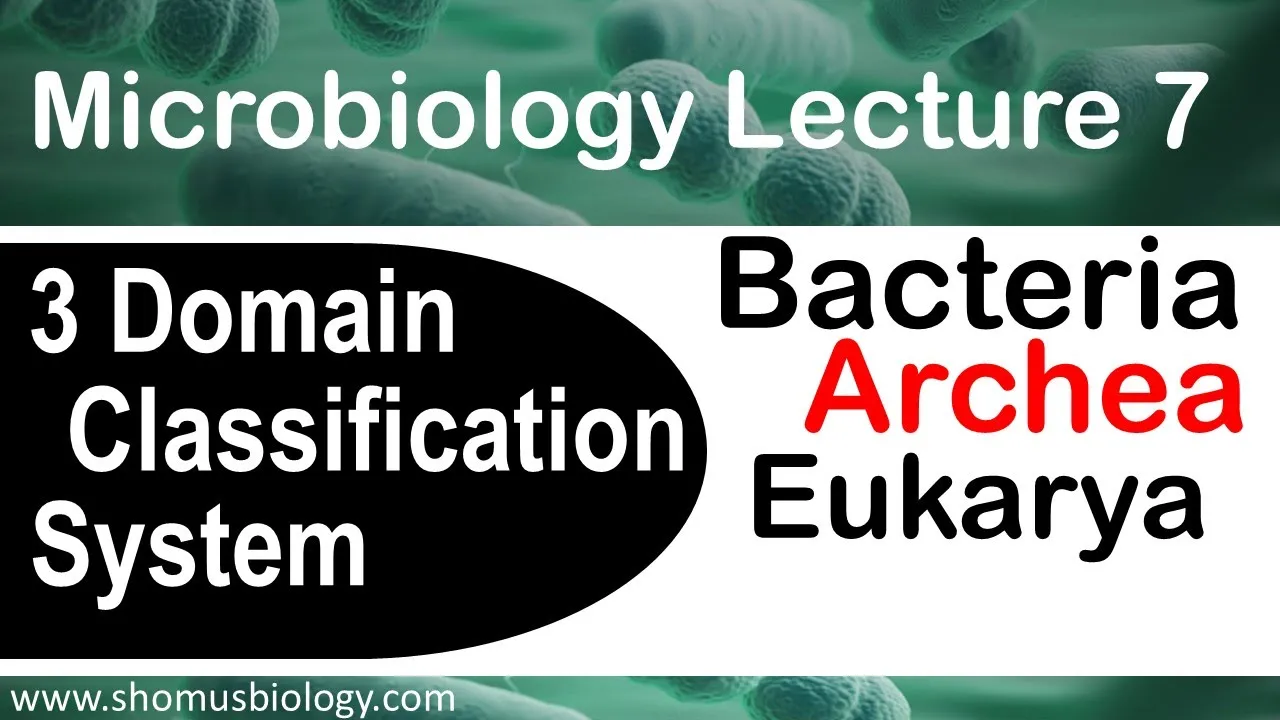
Added:The three-domain system of biological classification (Archaea, Bacteria, and Eukarya) and their fundamental differences.
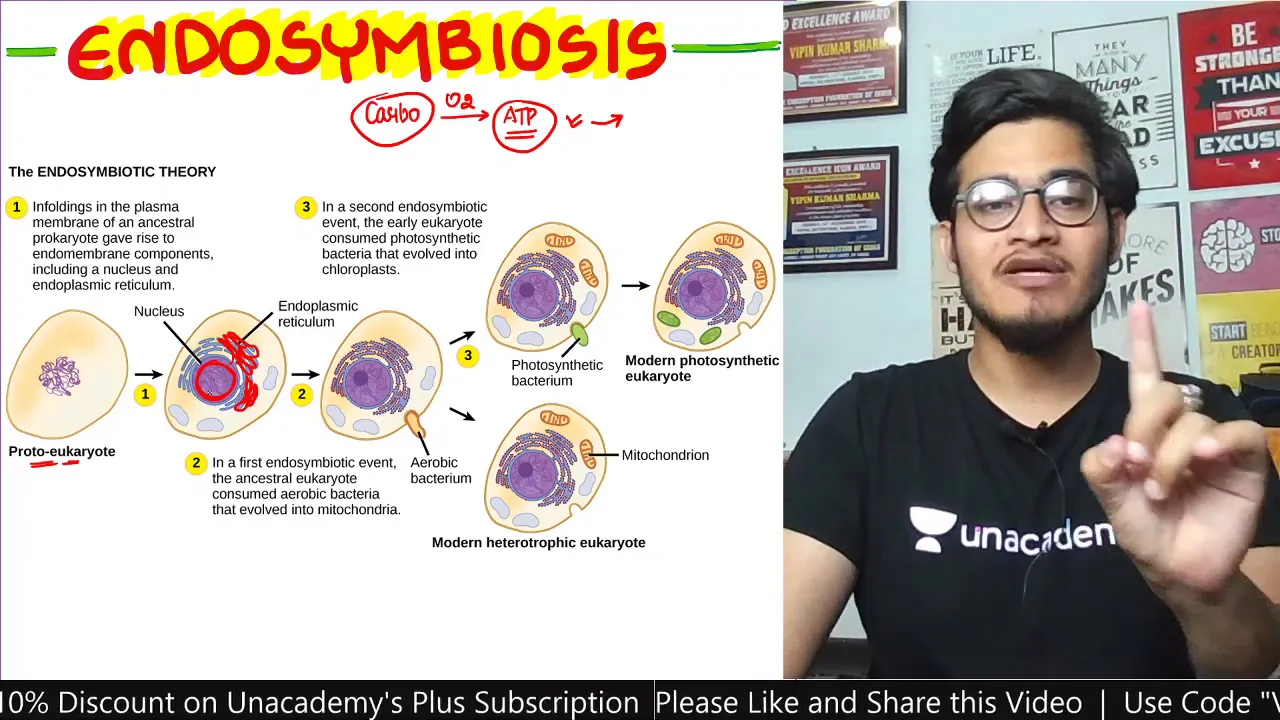
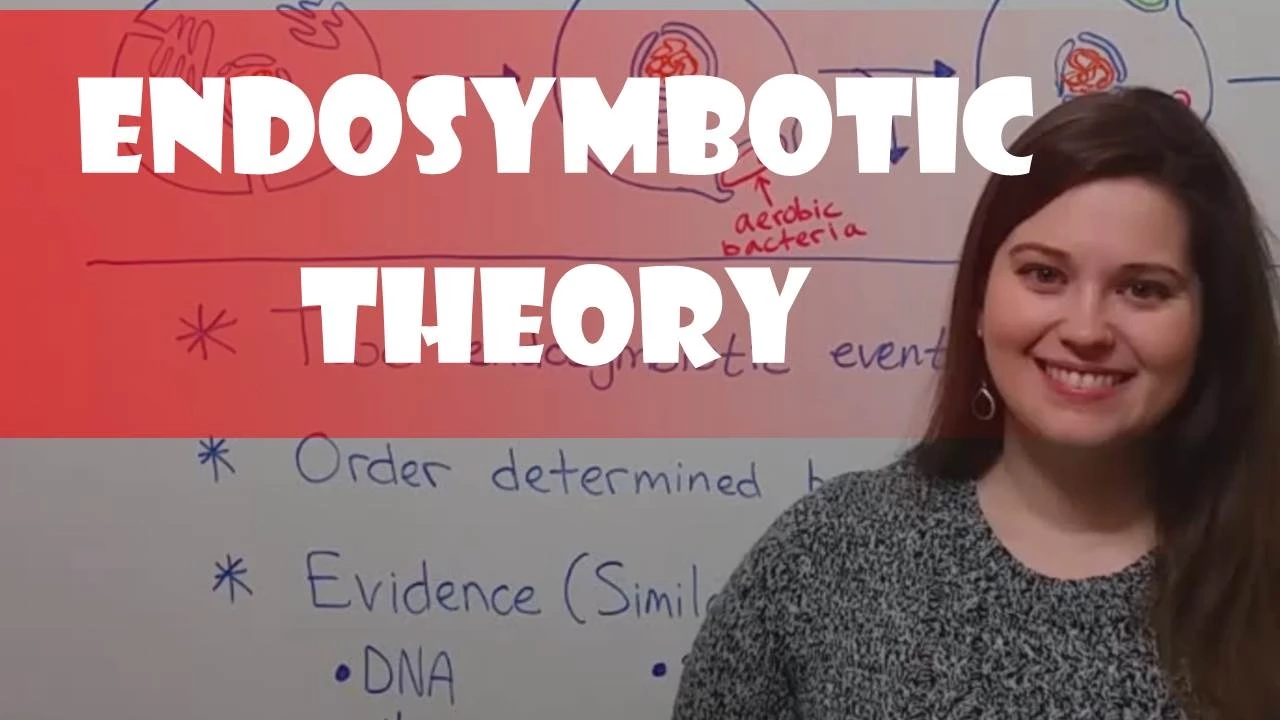
The Endosymbiotic Theory, particularly how ancestral cells engulfed bacteria to form organelles like mitochondria.
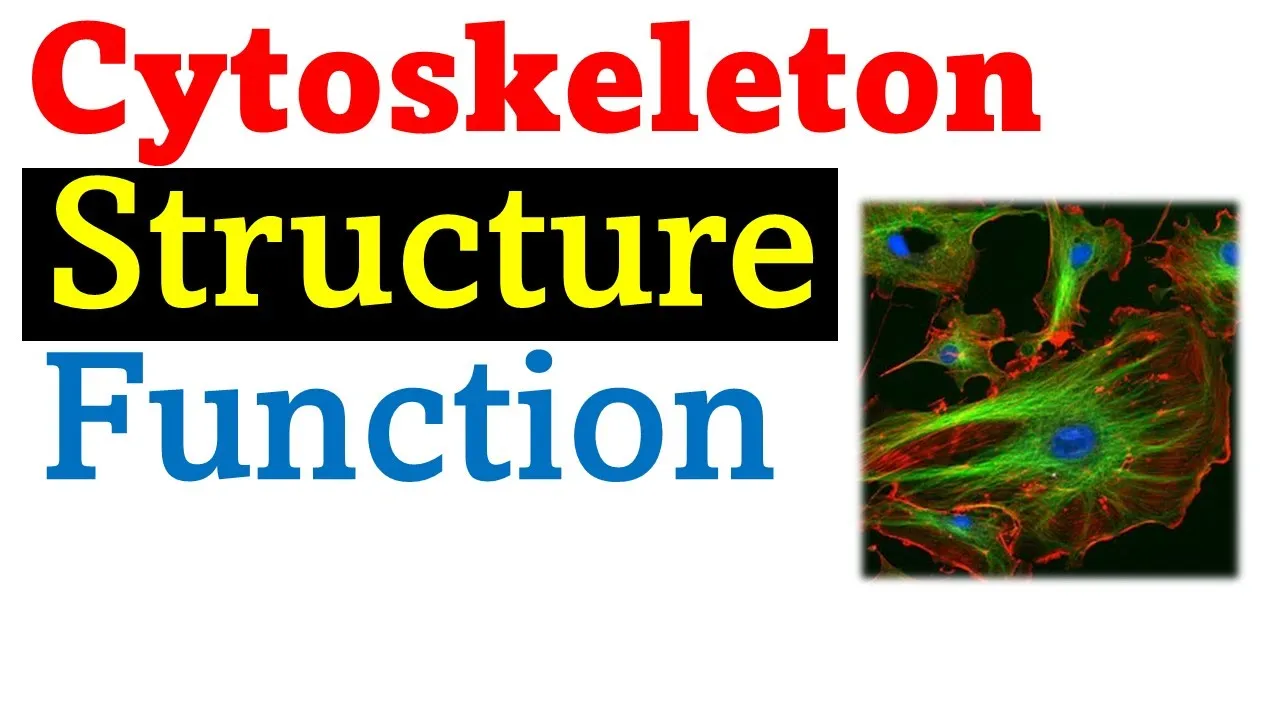
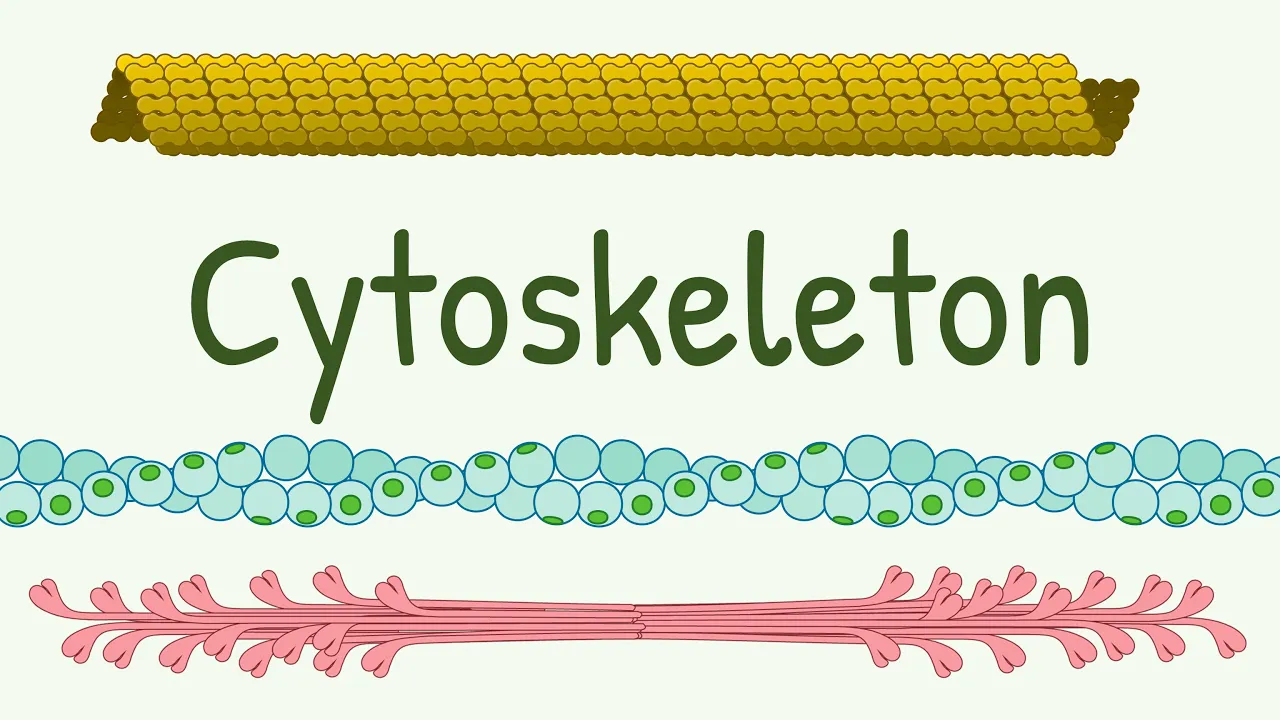
Basic eukaryotic cell structure and the functions of key cytoskeletal proteins, specifically actin and tubulin.
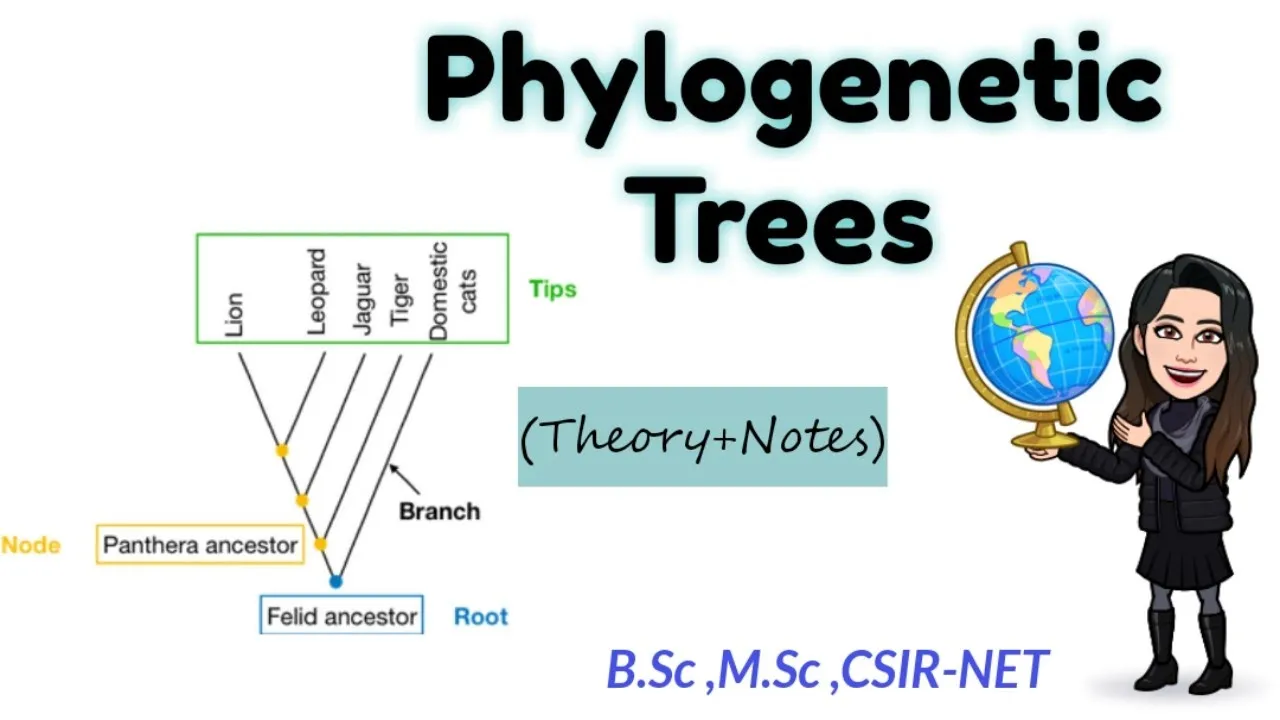
Fundamentals of evolutionary phylogenetics, including how genomic sequencing is used to construct trees of life.
The isolation and cultivation challenges of Asgard archaea, such as the breakthrough study of Promethearchaeum syntrophicum.
Deep-dive into Eukaryotic Signature Proteins (ESPs) and their evolutionary pathways from archaeal homologs.
The biochemical mechanisms of syntrophy (metabolic dependency) between ancient archaea and bacteria during eukaryogenesis.
The evolution of complex cellular processes like endocytosis, vesicle transport, and nuclear membrane formation.
101.3K views9.4Klikes15:33Original Release: 2025-04-02
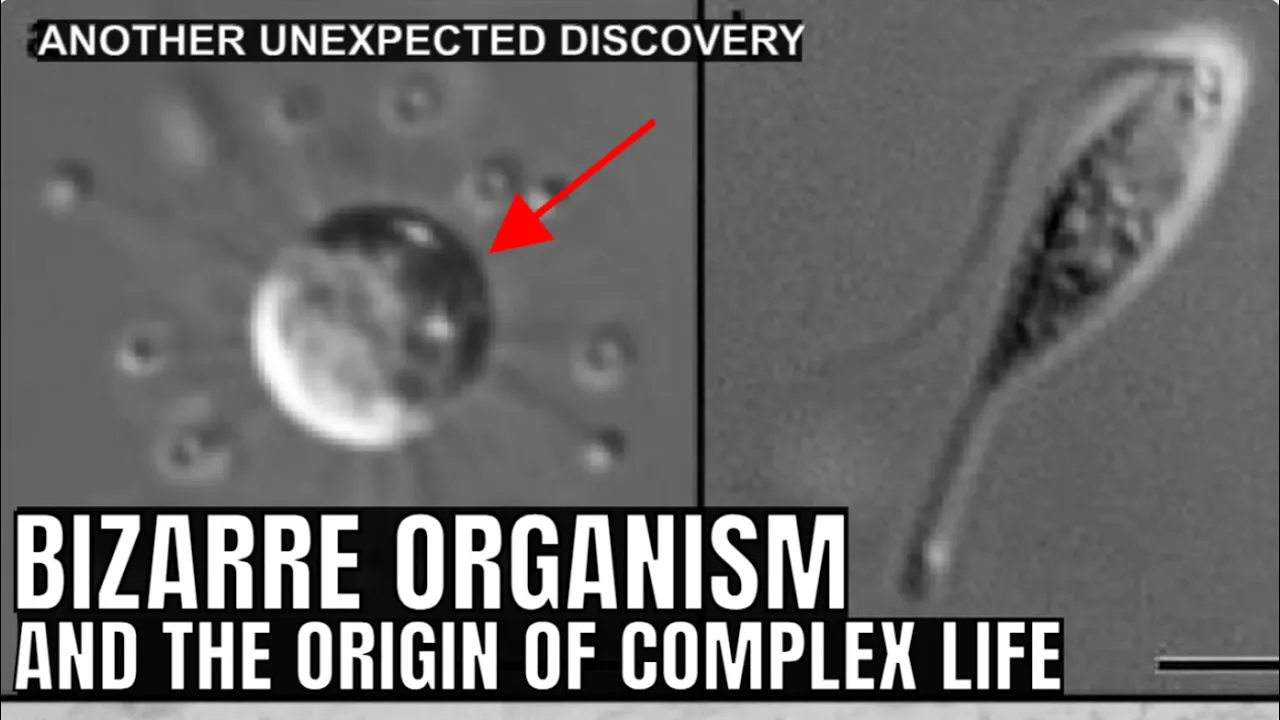
hello and full person this is Anton and today we're going to discuss one of my most favorite topics when it comes to microbiology mostly because of the implications that it has we're going to discuss the Asgard ARA an organism that we had no idea even existed up until 2015 but ever since then it turned out to be an extremely important organism for evolutionary biology and potentially explains how we basically came to be so technically this is our ancestor and in this video we're going to discuss some of the most recent evidence that's actually extremely important that basically once again confirms that a water complex life potentially started with ARA but first what exactly are these Asgard ARA and how are they found now first of all when it comes to life on our planet decades ago it was basically divided into Pro karot or bacteria and ukar or essentially cells that are more complex including cells inside our body but eventually scientists realized that there was also another type known as ARA a single cell organism that was not complex enough to be a eukaryot but was actually still very different from a typical bacteria mostly because of the structure inside the cell including the cell envelope and various metabolic processes and just so you know inside of you right now you actually have both bacteria and ARA and because ARA was a relatively recent discovery we're obviously still learning so much about them especially because ARA tend to live in some really extreme environment en Ms and one such environment is known as Loki's Castle this is actually a bunch of hydrothermal vents located very close to Iceland and a lot of different new species have already been recovered from this region and while in 2015 completely by accident when examining deep sea sediments scientists discovered another unusual type that they've never seen before at first they were just discovered by analyzing genes and in this case scientists discovered never before seen Gene markers but eventually they discovered where these genes came came from they came from a neverbe seen ARA and specifically a never before known group of ARA that were now referred to as Asgard mostly because they were discovered inside of this VY castle and though by itself this was already a pretty exciting Discovery it only took researchers a few years to realize that this is way more profound than they ever thought these very strange Arc living inside of these hydrothermal vents seem to possess many different properties that we usually attribute to UK carots or basically more complex cells like the ones inside your body with many different studies discovering more and more links between Asgard archa and UK carots over time you can actually learn about these unusual organisms in some of the previous videos in the description where I do discuss many of these discoveries but in the natural researchers discovered extremely similar proteins they have never been discovered in either bacteria or ARA and whose origin was actually unknown up until this point and eventually microbiologists formed the hypothesis this was probably our ancestor with this one being the closest member an ARA known as heimdal ARA with the overall explanation now basically resembling something like this long long time ago here we're talking about billions of years ago one of these Hoster potentially interacted with some kind of a bacterium that produced a lot of ATP or a lot of biological energy and this early Asgard ARA was able to somehow capture the bacterium using its unusual appendages most because it very likely absorbed a lot of free energy as a result not then it's not entirely clear what happened afterwards but it's quite possible that the kept capturing more and more and very likely captured even other stuff eventually becoming a kind of a central cell we actually discussed an extremely recent discovery of something like this happening in action which you can even see as a picture in one of the previous videos in the description this host and this protom mitochondrian very likely Co evolved into what we now refer to as EU carot or at least that's the best explanation we have with a lot of supporting evidence that was collected in the last decade but the actual process is still obviously not entirely clear especially when it comes to the more complex structure in UK carots compared to the archa and specifically in regards to what's known as the cytoskeleton UK carots are known for their structure inside as a matter of fact if it wasn't for the structure or for the skeleton inside our cells the complexity inside the cell would be practically impossible and and so exactly how this evolved or where it came from was always a bit of a mystery and that's obviously until now ough before we talk about this most recent study let me briefly talk about the cytoskeleton because there's a really cool video you might have seen before that actually connects to all of this this is in regards to an extremely important set of proteins inside our body known as actins and tubulins both are responsible for the structural support and in many cases for different types of motion as well and so almost two decades ago John lier and the team from the XV scientific animation created This brilliant 3D animation for a classro video called the inner life of the cell this was in collaboration with Robert Lou and Alain V and in essence it kind of showed us what happens inside a typical cell and the complexity inside the cell when it comes to this cytoskeleton when it comes to actins and various tubulins but the part that you might have seen that became Super Famous is right here is this super cute motion of something walking along the tubin carrying something behind it now this actually went viral on many different media sites but it was kind of reported erroneously as is this what happiness actually looks like because here a lot of people claim that this was myosin transporting endorphine or the neurotransmitter responsible for happiness that's not really the case though in this case this is actually a Canin a slightly different moral protein carrying a really large vle with a lot of stuff inside of it in order to then potentially deposit it outside of the cell now this was actually a brilliant video and it's probably one of the best videos in microbiology ever made but like many other videos on the internet it does require an explanation in order to understand the context but the point is that this is very likely what the inside of the cell a typical cell inside your body looks like very complex containing a lot of different structural proteins and of course containing a lot of other complexity now the link for the original video should be also in the description but in essence this is what you just observed this walk-in mechanism is actually a bunch of proteins interacting one protein at a time but as I mentioned in the beginning there is basically a bit of a problem explaining where this came from as in exactly how this evolved and why our cells seem to contain these cytoskeletons whereas bacterial cells usually are much simpler and don't really have as much interaction so basically here the origin of actin and microtubules has always been a little bit un but then a couple of years back by studying a lot of these Asgard ARA researchers actually started to discover very bizarre links it looks like they actually did possess certain actins in them it was reported in the study that we' discussed previously but basically by taking a look at one of these Asgard ARA known as Loki ARA researchers confirmed that it indeed seemed to possess very similar structures to a modern UK cariot or basically our cells they possessed a lot of actin proteins that appeared extremely similar to the ones we have and more importantly appear to be present in all of the Asgard archa that we discovered so far and so in that older study by conducting very precise microscopic observations combined with genetic analysis mostly focusing on acting proteins that usually form long filaments researchers confirm that a lot of these acting filaments essential for cell function which in our body are also responsible for the muscle motion we're basically all over the place in the Asgard archa as well now in my body and your body actines are usually some of the most prominent proteins mostly because of the muscle cells and because of their importance in the structure of the cell but this ly actin seemed to be also very important in forming filamental structures and was actually super important for these bizarre octopus like tentacles in other words in this particular ARA it potentially served a really important role in not just the structural support but also in Locomotion and interaction with the environment as a matter of fact this is probably how they also capture their prey and so these tentacles seem to be dependent on actins in a very similar fashion to ourselves and though there are some bacteria that contain actins as well in this case this actin seem to be extremely similar to the one inside our cells which potentially explained where these actins came from and how they evolved and so these Asgard archa very likely evolve them first and as their cells became more complex over time these actins started to be used for other purposes as well but but going back to this video there's also something else here we don't just depend on actins in our cells we also depend on microtubules this is what you see right here and though they're not as populous as actins they're also just as important for maintaining the structure of the cell and for as you can see right here forming these huge highways responsible for the transport of everything in and out of the cell and when it comes to jubiles that's actually a mystery that nobody could solve up until just a few weeks ago as in tubules don't seem to exist in a lot of other species and surprisingly were always very prominent in the eukariotic cells and that's because generally bacteria don't actually have microtubules and it was really only UK carots that seem to possess them for some unknown reasons now bacteria have something so much similar but it's actually different enough that it's not easy to explain the connection and while this new study microtubules in Asgard ARA very likely solves this mystery once and for all and very likely once again provides even more evidence that ourselves indeed came from Asgard ARA and so once again researchers studying this Asgard ARA were able to definitively confirm that some of them seem to possess extremely similar proteins that are basically identical to microtubules here you'll actually notice that it's a very similar image but this time it shows us both the actins and the micr tubu and here we even get a video showing us the motion of this tubu inside the cell the tubes are in green and the actins are in orange and so basically here these new experiments definitively confirm that microtubules inside Asgard cells seem to do exactly the same thing like in our cells but maybe not as complex and not as big but there is maybe one small issue right now only some L seem to possess them which is actually kind of bizarre the actin proteins seem to be present in many [Music] microtubules are usually responsible for cellular communication and especially the transport of a lot of different stuff this is of course what you're observing here nothing like this has been seen yet in any of the Asgard cells so the actual purpose of tubulin inside of them is actually unknown but they possibly perform some kind of a similar function and very likely provide some kind of a structural support too although in our cells they do possess way more functions for example many of them help the cells divide they also provide cells with their shape and most of the intracellular communication is usually the result of tubulin as well and so I'm actually kind of curious to find out exactly what they do in the Asgard ARA and why they exist in some of them but not all of them but because of these new discoveries it also sort of redefines our understanding of the evolution of life and even the tree of life because some microbiologists are now thinking that maybe UK carots are actually ARA or basically UK carots are just a group of Asgard Ara that became extremely complex over time and so in reality maybe there are no UK carots there are just bacteria and ARA with ARA just becoming super complex and multicellular with time now this is just the new hypothesis and it doesn't actually have a lot of support yet but it's still something that we need to consider when it comes to the evolution of complex life on planet Earth but what seems to be pretty clear from these new discoveries is that satos skeleton was potentially essential for the development of complex life because one of the main differences between bacteria and UK carots is the existence of these microtubules and actins which form this complex cytoskeleton inside and so the evolution of complex cells probably began with the development of cytoskeleton which eventually allowed these Asgard ARA to gain more complexity over time not to mention it also allowed them to grab things and to capture stuff from the outside using these bizar tentacles but because all of this is still basically completely brand new research and these are extremely recent discoveries from less than 10 years ago it's actually going to take us years and years to finally come to some kind of a definitive explanation for how all this came to be right now what's clear is that there's definitely a lot of connection between this bizarre tentacle ARA and us and the connection that cannot be ignored because they might be our ancestors after all or at least somehow related to ancestors that used to exist billions of years ago but until future discoveries and additional studies we're probably not going to know more and so one once something else comes out I'll make sure to follow this up with the next video Until then check out previous videos on a similar Topic in the description thank you for watching subscribe share this with someone who about space and Sciences come back tomorrow to learn something else support this channel patreon my joining Channel membership or by buying the wonderful person t-shirt you can find in description stay wonderful I'll see you tomorrow and as always bye-bye [Music] n e
Up Next

48:53
Great Salt Lake Ecosystem: Utah's Saline Biodiversity Explained
@SLICE_Earth
91.9K views•2024-04-27

12:54
Triumph of Orthodoxy Icon: Byzantine Art & History Explained
@BenCallan
2.1K views•2024-08-06

9:49
FastAPI vs Flask vs Django: Choosing the Right Python Web Framework
@TechWithTim
302.5K views•2024-05-26

1:42
Game of Thrones Opening Credits: A Cinematic Analysis
@gameofthrones
46.3M views•2011-04-18
Related Study Plans & Knowledge Roadmaps
Structured learning paths in General & Interdisciplinary Studies
general-studies
Elevator Engineering: History, Physics & Cities
01From Hoists to Safety Brakes: The Dawn of Vertical Lift
02Hydraulic vs. Traction: The Engineering Physics of Elevators
03Modern Speed, Safety, and Algorithms
+ 2 more learning modules
12h5 modules
Explore Roadmap
general-studies
Rubber: Material Science, History & Geopolitics
01Origins of Natural Rubber & Mesoamerican History
02The Chemistry of Natural Rubber & Vulcanization
03The Geopolitics of the Rubber Boom & Colonization
+ 2 more learning modules
12h5 modules
Explore Roadmap
general-studies
Containerization: Evolution, Logistics & Trade
01Ancient Trade & Bulk Cargo: Amphorae to Barrels
02The Industrial Revolution & Cardboard Packaging
03The Containerization Revolution: Malcom McLean
+ 2 more learning modules
12h5 modules
Explore Roadmap
general-studies
Textile Tech: Evolution, Labor & Global Impact
01Pre-Industrial Textiles: Handloom & Cottage Industry
02Mechanization: The Spinning Jenny to the Power Loom
03The Factory System & Global Labor Transformation
+ 2 more learning modules
10h5 modules
Explore Roadmap