




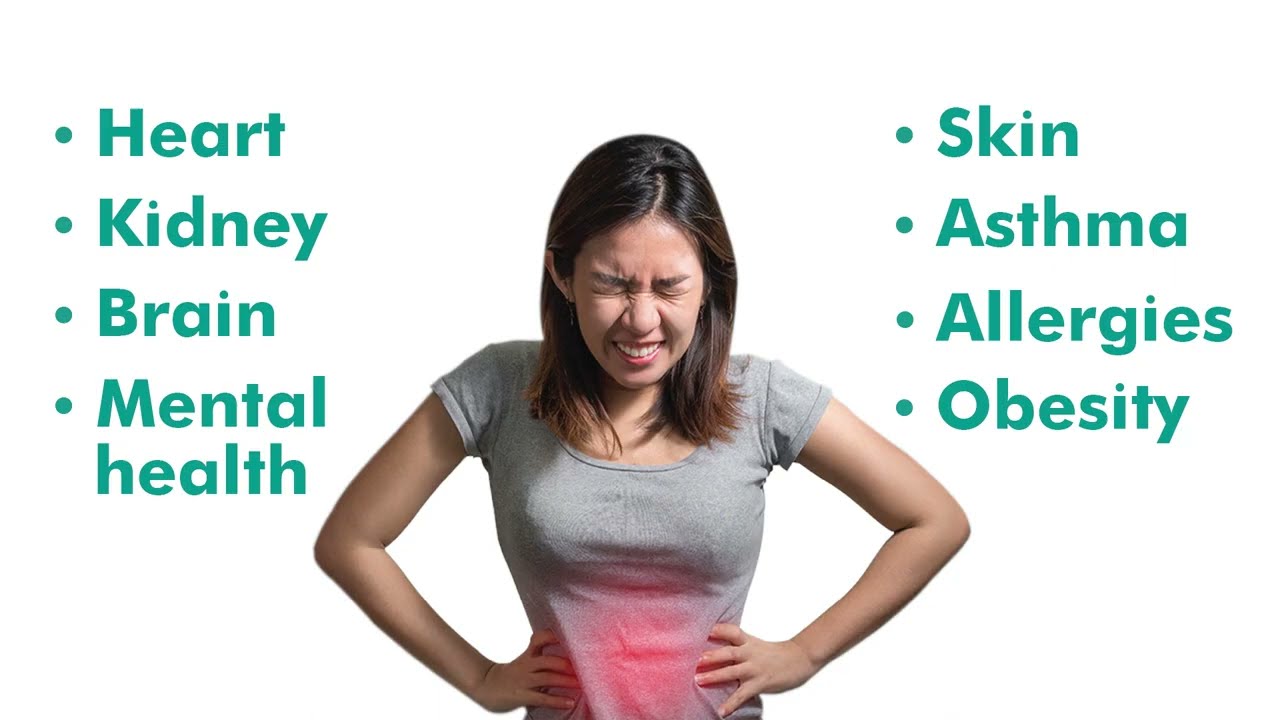





















Gut health can be assessed through simple daily observations like examining stool characteristics (shape, frequency, color, and comfort) and urine color for hydration levels; a healthy gut microbiome produces short-chain fatty acids that support overall health, and maintaining adequate fiber intake through whole foods like fruits, vegetables, beans, and whole grains is more beneficial than expensive supplements or probiotics, as the gut microbiome adapts to dietary changes within days to weeks.
Daily Gut Health Checks and How to Improve Microbiome
Added:Basic anatomy and physiology of the human digestive system, particularly the stomach, small intestine, and large intestine.
The fundamental concept of the gut microbiome, representing the community of trillions of microorganisms living in the gastrointestinal tract.
The distinction between probiotics (live beneficial microorganisms) and prebiotics (non-digestible fibers that feed beneficial microbes).
How dietary fiber and macronutrient diversity generally influence metabolic health and digestion.
The biochemical pathways of the gut-brain axis and how the microbiome influences mental health, mood, and cognitive function.
The clinical implications of microbiome dysbiosis, including its links to Irritable Bowel Syndrome (IBS), auto-immune diseases, and chronic inflammation.
Advanced diagnostic tools in gut health, such as metagenomic sequencing of the stool to analyze personalized microbial diversity.
The physiological impact of external lifestyle factors, including chronic stress, sleep architecture, and pharmaceutical interventions (like antibiotics), on the microbiome.
39.2K views831likes1:51:21Original Release: 2025-02-25
What is your go to quick, gut friendly breakfast when you're short on time?
Greek yogurt mixed into flaxseeds, berries and mixed nuts go.
All right.
That sounds like what you had this morning.
So. Yeah.
Okay. True or false?
One bad meal can wreck your gut health.
So what is the biggest myth around gut health that drives you mad?
That you have to take probiotics, that you have to have expensive supplements?
You know, an expensive microbiome test?
Absolutely no need is okay.
I can sense that.
There's a probably a few myths.
And what is one gut health habit that you rarely, if ever, skip no matter what?
Focus on fiber. Okay.
What is one food that you would never want to give up for your gut health.
Beans love them.
Big fan. If big fat is leaky gut a real thing.
I think it's been miscommunicated and that it does.
The science is there to support some of it, but it's been made and pathologized into something else.
Okay, interesting. We're going to get to that, I'm sure.
And, last of all, can the menopause of negatively affect my gut?
Yes and no.
Interesting. All right.
We've got a lot of things to go through today.
Maybe I thought to myself, maybe we should start, a bit of a higher level, because I am guilty of this as well.
I throw around the the words gut health quite loosely, just kind of assuming that people know what I talk about, what I'm referring to.
So why don't we start by imagining you're in the pub or some other gut friendly environment?
And you are explaining to someone what you mean when you say the words gut health.
Yeah.
So I think I really start with saying, what is the gut?
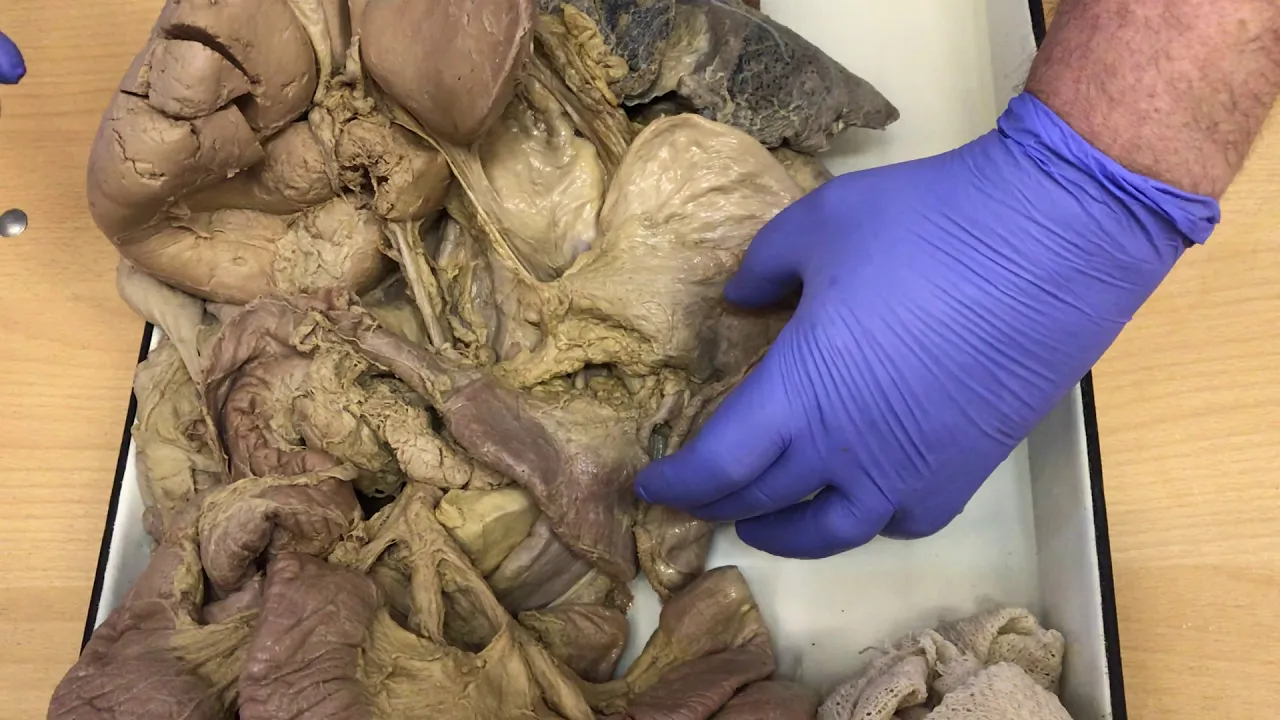
And I think most of us, when we think about the God, we point to our stomachs and we say, this belly, and actually the gut is starting in on mice and going all the way down to our.
So it's that whole digestive tract.
So really we're thinking about the health of that entire process.
But now more commonly we're we're actually referring to the health of your gut microbiome.
So this living, thriving community of tiny living organisms called microbes that live in your lower intestines, that's towards the end of your digestive tract.
And they, we want them to be kind of thriving.
We want them to be making these special molecules for our health.
And it's these molecules that are particularly important because they are helping to support the health of your gut, but they're also traveling across the lining of your gut into your bloodstream and supporting your organs and body systems, too.
Okay.
And so just so we get our terminology right, because I'm sure we're going to be referring to this throughout the episode.
We're referring to microbes as bacteria, but but also viruses, nematodes, fungi.
I'm guessing those are all part of this rich ecosystem in our lodge, in our large intestine.
Yeah. So predominately in a large intestine.
We have about 100 trillion microbes.
So within these microbes we have bacteria, we have fungi, we have viruses, we have archaea.
We actually tend to talk mostly about bacteria because they're the ones that we know a lot more bugs.
And really the evidence around, viruses, for example, is only just beginning.
And it's a very exciting different field.
So that's really what we're talking about.
And I think it's worth remembering that this hundred trillion microbes, you know, that is as many, microbes as there are stars in the Milky Way galaxy.
And everybody has a very individual gut microbiome, which is unique to them as a fingerprint.
So it's this kind of new, could have forgotten organ that we haven't previously known about, because it's really only in the last 20 years that we've been able to research it and understand that it's there and how influential it is for our health.
And so we have these microbes.
And then you mentioned special molecules that they produce.
What are we refer to those molecules as.
And what are some examples of that.
So the technical term is metabolites.
I often just talk about them as just molecules because I think sometimes it can just be like too many like terms being thrown around.
But within those there's a particular group called short chain fatty acids.
And these are ones that are very potent for your health.
Your body can't make them.
And itself, it needs your microbes to be able to make them.
And this these are really produced by your microbes, your bacteria feeding on fiber from the foods that you eat that then helps them to make these special molecules, these metabolites, these short chain fatty acids which have an anti-inflammatory effects.
And they travel across your body and they're also really important for your brain health as well.
Was saying that, they support your blood brain barrier, which is this fortress around your brain that basically acts like gateways, letting the helpful nutrients in and keeping the harmful ones out. And, not to take us down too much of a meandering path here, but if short chain fatty acids are so important for us, if we consume some of these metabolites, like, I'd know better, right?
Let's say that I'm now seeing sort of being added to drinks and potions.
Is that going to have the same benefits as if, it's almost like I'm going straight to the source.
I'm like, okay, these microbes produce butyrate, so I'm going to consume some beta, and I'm going to have hopefully the same desired anti-inflammatory effect or the brain boosting effect or whatever they might be.
So the research is really new around this.
And these what they're called post biotics.
And that makes intuitive sense, right.
That if you're eating these short chain fatty acids, that's kind of skipping a step and they're going to have a health effects.
We're not quite seeing that translating.
And it might be because the fact that the gut is a really kind of long, you know, pipe before even gets to your gut microbes to even be or just be absorbed in your small intestine, or your large intestine.
And this is probably because you're they've got a get past your stomach, which is a swirling sack of acid.
And I talk a little bit like it's, a little bit like Indiana Jones having to kind of make his way, across all these different obstacles.
It's very like that, the food that we eat, which is great because it keeps the bad things out by killing them, but it also makes it quite difficult sometimes when we're ingesting things to.
Yeah, not always have the same effects, but I think we'll have more research in this area.
I think it's going to be quite interesting to keep an eye on.
Yeah, definite.
I often think that there's a reason why evolution has designed this pathway for us, and I think any shortcut always comes with a trade off.
And I'm not too sure what that trade off is, at this point, but I'm always a little bit skeptical.
And that's why I personally have like a food focused approach.
Yeah. There's no such thing as a silver bullet.
Yeah.
Actually, you know, it's the simple things that make the biggest difference that maybe don't seem that sexy.
You know, having, you know, a balanced diet, focusing on fiber, getting a variety of different plants in, At the start of your book, Genius Girl, which I love.
You've got this sort of really insightful, gut health quiz, and it sort of gives folks an insight into what the health status of their gut is.
I wonder if you can walk us through that.
And perhaps is this someone listening to this?
And they're thinking, well, I don't really know if my gut health is optimum or not.
Should I do a gut health test?
Isn't that like something that will give me some sort of, idea as to what's going on with my gut?
In the context of, like, whether a quiz can do the same thing.
Yeah.
So I think what I really wanted to do with the quiz was show how much our body is telling us about our health already, and a really, really easy, simple way of checking our gut health is by just looking into the toilet bowl and looking at your poo.
So I talk about poo poo.
I don't think we should be talking about stools and bowel movements and getting kind of stressed about it.
Like poo poo. Poo poo poo poo poo.
And there's a few things that you want to be looking at.
So you want to be looking at that shape of the poo, which is, ideally, and I still need to find a term that isn't food related for this.
Like looking for a sausage, that smooth sausage or a sausage with cracks in it.
Maybe we can brainstorm on, like.
Okay, You're looking for, how often are you having it?
So anything from three times a day to three times a week is considered healthy.
Now, that's quite a range.
That's a really great.
Sign that, you know, kind of a bit confusing, but that's just to show that we are all slightly different and can be healthy within that.
You also looking at the color of the poo.
So it wants to be a dark brown.
If you are getting red or black, that could be likely a sign there's blood in the poo, and that might be something that you want to go and check with your doctor, just to see that there's not something more sinister going on than you're looking at.
All you having any uncomfortable digestive symptoms with that is that discomfort when you go to the bathroom?
Are you struggling to get everything completely out?
Is there any pain?
So really, those things collectively, all together are showing you kind of how healthy your gut is.
Yeah.
And when I, when I hear this and it might be a key for some of our listeners to think about poo, but within my culture.
So I'm from an Indian background, we talk about poo all the time and this is something that has been normalized from childhood.
It's just, you know, how is your poos the person.
Right.
And later on, I kind of felt the embarrassment and shame when I went to school and there wasn't near the same sort of like, ease around talking about toilet habits.
But this is something that I think you're championing right through, obviously, the quiz, but just normalizing the conversation around poo.
Yeah, absolutely.
Everyone does it. Kim Kardashian does this. You know, you know, it's just something that I think we just need to be okay.
And talking about, particularly where it's giving such a it's such an easy thing to keep an eye on with our health.
I talk about PE as well as being a really great way of checking your hydration levels.
So let's talk about that.
Yeah, we could talk.
Yeah. Well, what kind of shit might be.
Yeah. So.
So you want it to be like that homemade, lemonade color.
So that kind of pale, slightly pale, lemony tinge, that it see through, but you still got a kind of slight hint of color, but it's translation, obviously.
And then a sign that it's perhaps you need to be drinking more when it's concentrated apple juice.
So I think the thing is that while drinking eight glass of water a day is really helpful measure, it's effectively a myth.
And actually your hydration levels do change day to day.
Could depend on how much.
So you've eaten, how much exercise you've done, how hot the environment is, maybe on holiday and Costa Rica and you need to drink some more water.
So yes, aim for a glass of water a day, but do just check in with your body and just use that as kind of a really easy reference point for how much you need to be drinking.
I want to come back to PE in a second.
I just want to, highlight something you mentioned around the three per week versus three per day, all of which can be normal.
How does one recognize whether that is normal or whether they're constipated?
Is it with the constellation of other symptoms associated with their bowel habit frequency?
Yeah.
So you want to be really thinking about all those four things that we talked about.
So the shape, the form, the color, and also how comfortable you feel and going to the bathroom, how quickly it's coming out, the kind of lack of pain.
So if you are going over three times, a week, then that is likely a sign that you're constipated.
But even if you have a change within, say, you're somebody who goes three times a day and then it slows down, that could be a sign that something's going on with your gut because it's a change from your normal.
So I think that's also something to like, really be aware of that.
If you're having a big change from what's normal for you for probably longer than three weeks, that might be something more like, oh, you know, maybe I'll go and look into that even though it technically comes within that range that's healthy.
Within your normal habit.
So let's say you go usually once a day, and you start going twice a day, for a week, and then another week it goes down to, okay, well, I'm only going three times a week now.
So there is this sort of inherent fluctuate in your bowel frequency.
It's it's not really, the same.
And this is a new thing.
What are the things that can speed up the frequency and reduce the frequency, generally speaking.
Yeah.
So I think a lot of it comes down to diet but also stress because we have this big connection between our gut and our brain.
And I think, anyone will recognize me in themselves or perhaps know someone that if they're in like an exam environment, or maybe they have to do a stressful presentation at work, that will then make them perhaps need to run to the bathroom.
And that can go either way.
For someone with stress, it can be that they need to just straight away go and like got a really fast, you know, maybe got diarrhea or something or it's just kind of happening really quickly.
But it can also go the other way and be constipation.
So stress is a big thing. Diet another one.
So diet you know, obviously of what we eat changes every single day.
And fiber is, something that we really want to be thinking about when we're thinking about how quickly or slowly, our poo is kind of passing through.
Fiber acts like your kind of optimal timekeeper.
That helps to make sure that things aren't going too fast, but it also helps make things aren't going too slow.
So it could be that having kind of changes in your diet, perhaps you're having a kind of higher fiber one day or and then a lower fiber another day.
Other things like coffee, alcohol can also make food go through much quicker as well.
And that's also can be quite individual and also depend on how much coffee and alcohol you've drunk.
Just a quick one.
If you want to learn the five ingredients that I think are fantastic for inflammation that you should be getting into your diet every week, then download this PDF.
Right now it's in the link down there and I'll send you my five ingredients for inflammation.
Generally speaking, should people be going to the bathroom for their poo?
I was going to say number two that.
But for their poo in the morning or the evening, or does it not really seem to matter?
It doesn't matter.
I think the only time where it might be a concern is if you're having to wake up in the night.
And I'm going.
There could be something perhaps going on that would be worth checking up.
Especially as well that, you know, maybe there's nothing sinister going on, but it's also disrupting your sleep. Okay.
So in the context of a week, you know, there's so many things that are changing.
You get stressed, let's say Monday to Friday, you're stressed at work.
You may have a different bad habit.
You're going to be eating differently if you're commuting into work, you might not have the opportunity to have your lovely flaxseed berry, breakfast or snacks during the day.
And your activity levels are going to be different as well.
That's going to affect your hydration status.
So all of these things, all of these inputs are going to be having an impact on when you poo, how often you poo.
The type of p that you have.
And so how do we even know what's like what's normal?
I think it really comes down to being intuitive or as intuitive as possible.
Yeah, I think, you know, if you're within that range, you know, and I've c I think when I'm talking about like a deviation, it's quite an extreme deviation.
It's not just like, you know, having maybe going twice one day, just maybe skipping.
So I think just want to kind of be clear on that.
Like if you have, you know, something where you're like, this is very different from, from my normal, but your body will fluctuate.
This is what's so fantastic about our bodies is that they're able to kind of be in tune with the balance and the rhythm of what's happening in our lives, and to kind of just fluctuate, according to that as well.
Yeah.
I've always thought it's a bit odd that when we are stressed, we go to the bathroom because from an evolutionary perspective, if you are stressed because you're faced with a predator or whatever it might be, the last thing you want to be doing is going to the bathroom, right?
I think my theory is that, well, we know there's something called, you know, so you have your two modes.
You've got rest and digest, and then you have this kind of, fight or flight syndrome.
So this is kind of going back to being a caveman and thinking, oh my God, there's a tiger by me.
I need to move really quickly.
And what they, we think from that with stress is that, you know, your, your digestion is not priority.
And that point, your, your priority is moving your muscles so that you can run away.
And so perhaps as part of that is just, everything just needs to just drop and it's going to make you lighter.
There's no kind of energy or attention going to kind of holding that in, you know, everything's going a little bit wonky.
So, I don't know, maybe in the past there was a few accidents and that was just, you know, going to make you run faster.
Yeah.
But now it's like, oh, God. Yeah, yeah.
Gotta make it to the loo.
Do you think people should be tracking their poo?
Do you think there's any benefit, doing, like, a seven day or a 14 day or just generally keeping an eye on how many poos you're having?
Yeah, I think I think we should always be looking in the loo, like, why not?
It takes two seconds less than that.
Like, that's just a nice, really easy health check.
Look at your poo. Look at your pee.
And, you know, if you want to track it, if you're making a change, for example, that could be something that could be interesting, but I don't think you have to be, fastidious about it.
If that works within.
It's something you want to do, you know, maybe track.
It's, you know, a week or two to kind of see what's happening, check in with your body and think, okay, this is what my normal is.
But I think really just looking in every single day when, whenever you're going, it's just such a an automatic thing we should all be doing.
I'm just thinking from the perspective of someone who is intrigued by doing a gut health test. Right?
One that you buy online.
All the various, you know, brands out there, if someone is interested in knowing this state of the gut, maybe the first point, of course, should just be doing a stool tracking, exercise where they record the shape, the frequency, over a 30 day period and try and connect the dots between, stress that day or, that day.
I didn't go to the gym or had two cups of coffee instead of four cups of coffee, you know, just again, like bringing that intuition to the forefront so they begin to understand about how much flux there is in their diet week to week and and how that is reflected in that in their bowel, behavior.
Yeah, absolutely.
And I think, you know, tying it into that bigger piece of how do you feel, what's your energy, what's your mood, you know, what have you eaten that day?
And actually kind of I think connecting those pieces of positive actually this is all connected and this all related, you know, how comfortable am I feeling?
And. Yeah, I think I think it's, you know, we don't have to be like, really, you know, worried if there's perhaps, you know, a day or two that isn't so great.
It's really about the big picture.
I'm making the most days.
And I think something I really want to highlight is that, you know, with bloating, I think we've got really kind of overly anxious about what bloating means, that any sign of bloating is a problem where is actually a little bit of bloating in that hour after the meal is totally normal.
And actually, if you've had a high fiber meal, that's a sign of very happy gut microbes.
You know that having a party, having a fiesta in there, they're feeding on that fiber.
They're making those special molecules for our health.
I short chain fatty acids and as a side effect of producing gas.
So that's something that actually if that's happening, you know, a little bit after a meal, that's fine.
The problem is, is if that bloating isn't going down at all over the day and you're feeling incredibly uncomfortable with that.
But the benefit is that there's lots of things we can do with diet and lifestyle to help manage that.
And if you're not seeing any relief from doing changes, then definitely go and see a dietician and, you know, get some personalized advice.
Okay, so just to reiterate that, I'm glad we're talking about bloating.
It's one of the commonest reasons I feel for my in clinical practice, but also from just speaking to our community as to why people fear increasing fiber in their diet, either from the anxiety around bloating or having bloating or having had experience of this in the past. So bloating is normal after consuming food, particularly those that are home fiber.
When does it become a problem?
Just reiterate what you said there.
So if you've got if you're bloated, consists only throughout the day, so it's not easing and not going down and you're feeling incredibly uncomfortable with that and it feels perhaps excessive, you know, any of those things, you know, your body is telling you and you you know, your body.
So I think that's something to then be like, actually, can I get some advice on how to manage that?
Are we talking 60 minutes, 120 minutes after eating?
There are particular time sort of guides or.
Yeah.
So usually I'd say like within that hour after eating, you know, it's totally normal to feel bloated, but it's not going to be one of those things that you can just like click your fingers and, you know, boom, it's gone.
It'll probably just slowly dissipate.
And then you want to see that, you know, it's your food because your food digesting your food is still staying in that doesn't, doesn't just kind of disappear.
So that process is still happening.
So it won't perhaps mean that you go back to kind of a perfectly flat stomach, but it should, you know, within the hour, like really start to kind of ease off nicely.
Okay.
If people are struggling with lentils and beans, that caused bloating, perhaps we could talk specifically about the ingredients within lentils and beans that may cause those troublesome symptoms, and what are some ways in which we can ease that bloating side effect if it becomes troublesome.
So it going on for longer or becoming uncomfortable.
Yeah.
So some people really do fine if they have beans or lentils that they find it quite difficult to, you know, digest having some discomfort and that bloating as you say.
And that might likely be because they're sensitive to a kind of fermentable sugar.
So there's a group of them called FODMAPs.
And so beans tend to be like a really rich sort of this and actually, like, there's nothing inherently problematic in these, you know, FODMAPs because these fermentable sugars are actually really great for your gut microbiome in terms of feeding them, what might happen for these group of people is that actually, just too much gas is produced or there's just incredible sensitivity, in the kind of lining of your gut that send shooting signals back saying, oh, whoa, what's going on?
So what I say, if someone's struggling with beans and lentils, I always say like start slow and start low, you know, take a small amount, slowly increase it up.
But really listen to your body because that's going to be very individual for one person to another.
It could be that you're just starting with, you know, a tablespoon of beans, in a day.
And just seeing how that goes, there are some tips and tricks to make it a little bit easier for yourself.
So things like getting canned beans, for example, or beans in a tin, that process tends to break down some of those fermentable sugars.
So actually, by having those rather than making them yourself, maybe you're already doing that because it's less, you. Know, scratching.
Yeah. Yeah.
But you can also then rinse them.
So I would recommend that rinsing the, the canned beans and the tin beans because again, there's some kind of those fermentable, sugars are still on those fermentable carbohydrates and still on, the outside of the bean.
Okay. So make it a little bit easier.
And so annoying, right?
Because I love using the liquor.
That the beans have been staying in because it's like, it's thick and it makes a lovely curry sauce and stuff.
But I have noticed my wife complaining when I do that, because it does cause a bit of bloating for her.
Actually. Sorry not to call you out, Rachelle.
But it's, it's it's one of those things that's like a trade off, right?
So you lose the sort of, like, lovely thick, viscosity of the sauce, for, a reduction in the fermentable sugar.
It can cause issues.
Yeah.
I think it's just playing with what works for you and what what feels great.
And, you know, as you say, your wife has a different experience to what you were having and just finding that happy compromise.
Yeah, yeah.
As an exercise for the book that I've just written that's coming out in March.
We have a section on, on gut health.
And the whole premise of the book is protein, not just high protein for high protein sake.
It's all about, looking after your gut and looking at inflammation levels.
And one of the exercises we did was to look at the prebiotic fibers in different fruits, vegetables, beans and legumes.
It's so hard to find the raw data on specific sugars and different lentils and legumes.
And so I'd love to be sort of a bit more prescriptive about which beans and lentils you should try first.
Obviously rinsing them and perhaps even added some spices to help with, with bloating.
But, the reality is I haven't come across that much data.
And so I think your suggestion of just doing a tablespoon and seeing how you feel in part of your like, daily diet and then titrating upwards is probably a pragmatic, exercise.
And I think, I think you're so right on that lack of data and I think so Monash University in Australia, doing a lot of work in that area and that's really formed their Fodmap, app.
But that's really useful tool for people with IBS.
King's College London also have a version as well.
And I think that's something that's, you know, quite difficult with the nutrition databases.
So we have, you know, a lot of them, you know, only describe, you know, a kind of a range of 60 to 120 nutrients and bioactive compounds.
And we just really want to get kind of more of those, that data of that breakdown of those fiber types of FODMAPs.
So that work is happening.
But, you know, it's also then making sure that, you know, other researchers are accessing accessing that as well.
It's funny, right, because I see a bit of a vacuum of information within the clinical world, and the research world, but somewhat heinously you have, big companies, particularly those in the states that are marketing the bloat tablets.
But yeah, to to everyone.
But I think primarily women just looking at the marketing sort of, graphics and messaging, all that kind of stuff is something to take with meals to prevent bloating.
And clearly bloating is an issue for a lot of people, and it's not always dietary as well.
I always say that bloating can be a symptom of and it can be a red flag, red flag symptoms, so always get it checked if it's a new symptom with your primary care physician.
But what do you make of some of these tablets or supplements that are being marketed as d bloat to take after, or with meals?
Yeah, I think there's I think there's a difference between perhaps getting advice from a doctor or a dietician who's saying, I recognize that you've got issues.
You know, let's let's talk this through.
Let's see what strategies there are to to tackle this.
As you say, it's not always diet related.
And then perhaps, you know, if there's certain recommendations that need to be made within that to, you know, companies making any women feel.
And it is as you. Right.
So say that having anything but a flat stomach is not normal.
I think that can be quite problematic.
And it kind of means that, you know, people are taking stuff unnecessarily and we don't know, you know, perhaps it's that kind of, you know, likely completely harmless.
But I think it's something that, you know, we've got to be kind of careful about how how are these things communicated.
And, you know, is it really that we need to be taking them?
Yeah. I want to go back to PE.
So, the, the eight glasses of water, what did that even come from?
I think there was a number of studies that looks or like 1 or 2 studies are looked at, kind of the kind of milliliters kind of equivalent roughly.
But yeah, no one's actually it's, it's a little bit like the 10,000 steps.
It's kind of just become a thing.
But obviously it's important to is a really nice, easy way to say, okay, I've, I've drunk glasses.
But I think it's just, you know, equally, you know.
Yeah. To check in with your body.
I think there's so much that we like outsourced to other things.
Our body is actually telling us a lot itself.
Okay, so straw colored homemade lemonade.
You have a thing about using diet and food and drink to describe, bowel related, stuff.
So, at Twitter related stuff. So, straw colored homemade lemonade and drink as much water as you need to sort of consistently hit that.
Yeah. Color.
And I think a key thing, you know, in the morning, for example, you know, you've you've not drank any water overnight.
And you know, something as simple as having, you know, two glasses of water in the morning.
That was a kind of nice small randomized control trials that looked at, giving people different quantities of water.
Okay.
Having one glass helped to improve their energy.
They had about a mus, two glasses also help them perform better, cognitive tasks.
Their memory got better. Interesting.
One glass wasn't like.
So half a glass wasn't quite enough.
And obviously, not having any water, they were a bit more grumpy and and tired.
So for me, that's like something that's really simple that we can all be doing, you know, it's free.
You just go to the tap.
You know, those are the changes that are really making a difference for our health.
It's like hydration.
It's the simple foundations of our diet.
Like, it doesn't have to be something like having the latest kind of crazy expensive supplements.
Yeah, whatever else going on.
So two glasses in the morning.
I know, I know with the caveat that was a small asked.
Yeah, but I'm really interested in this kind of stuff because I've always been of the opinion that the first thing we should be doing when we wake up is rehydrating after a prolonged fast and, like, dehydration, process.
Do do you remember how many milliliters that was?
That two glasses, five. Hundred. 500 mils. Okay. Yeah.
So I have a liter in the morning.
So I, I know the study I went beyond the boundary of the study, but I personally have a liter.
I think that like keeps you regular.
It definitely helps wake me up and I, I actually kind of delay my coffee, because I don't want something that's literally dehydrating me when I'm trying to rehydrate.
So I actually delay my coffee for that reason as well.
What about salts and stuff?
Because electrolyte, replacements have become super popular online, and I personally use an electrolyte replacement when I train.
So when I'm doing endurance, cardio cycling, that kind of stuff. But, are there any benefits to rehydration salts?
So for the everyday person, no, we don't need to be doing.
It's like, you know, if you're doing extreme exercise, if you're working out, if you sweat heavily when you're doing yoga, like, maybe, you know, you and and it's been a really hot day and you haven't drank that much, you know, that's probably something that definitely, you know, why not?
But I think at the same time, you can be getting those electrolytes in the food that you're eating.
Okay. You know, you can get potassium for banana.
You know, we get many of these electrolytes are already naturally present in our everyday food.
So I think it's something that, yeah, if you, really wanting to fine tune your workout and or you're in a very extreme athlete, then that can be like a kind of nice add in.
But for everybody else, no, absolutely don't need to worry about this.
Okay.
Great.
Because, I mean, I tend to have, like, fruits and vegetables, and I always think about them through the perspective of those incidental electrolytes and minerals that we're getting magnesium and, and salt and all the rest of it.
And so that that's, that's really well explained in terms of how we would get some of these minerals and vitamins and rehydration elements alongside just ensuring that you're hydrating.
Those are properly.
So not a fan of that.
I'm guessing any other things in the morning that you're not a fan of, like green drinks or lemon or that kind of stuff?
I think it's, you know, for me, it's about making sure that you're having breakfast.
I know there's kind of.
Oh, having breakfast.
Interesting. Okay. Yeah.
Yeah, I think. Breakfast has.
Yeah, it's been it's been a kind of contentious point, but I definitely think from looking at the evidence, there's a number of reasons, very strong reasons why I think we should be having breakfast.
One of the main ones is if we think back to our gut microbiome and gut health, that our gut microbes favorite fuel is fiber.
And, you know, really thinking about the context that in the UK, 90% of us are not reaching our recommended 30g of fiber a day.
Gosh. Okay.
And then within that, on average in the UK, we're only, getting, 20g out of that 30g a day.
So that's a deficit of about 35 to 40%.
So we've got this kind of big fiber gap happening.
What we see with the people who don't have breakfast is that they have a lower fiber intake, and they also have less, nutrients, micronutrients of certain key micronutrients.
And this is from key surveys in the UK, in Australia, in the US and in Mexico as well.
So this is something where I think if we're looking about our gut microbes, we've already got a fiber deficit happening.
Missing that breakfast is such a key opportunity to be getting fiber in there for our gut microbes.
So that's something that I think, you know, can be like a really easy, simple thing for us to be doing, to look after our gut health and really like thinking about what are the things we should be having for breakfast that are going to help us feel great.
You know, I love thinking about rye pumpernickel bread, which is seven grams, per slice of fiber.
So, you know, already, like, you know, really making a massive fiber boost that, you know, say you were to add you know, some avocado and some eggs.
With that, you're getting protein.
You're getting, extra fiber from the avocado.
You know, half an avocado is about kind of 3 to 4g.
You've then already got your ten grams of fiber in one meal.
Yeah.
Add in some nuts and c sprinkle kind of mixed seeds on top.
Extra fiber.
So that's just a really great way to start fueling your day.
And also I really talk about, health in the perspective of health being not just about preventing disease later down the line.
Of course, that's really important.
But health being really about how you feel right now, being really important because, you know, all those days that you are experiencing day after day after day, they are piece of a puzzle that fit together to make the picture of your life.
And actually, it's about having those pieces of the puzzle where you feel great, you feel energized, throughout your life.
And that's what nutrition can also do. Okay.
So am I.
Am I right in thinking that from the breakfast perspective and the reason why you're not a fan of skipping breakfast, it's because it's harder to hit that daily quota of 30g if you've only got two meals further down the line.
Is that. Yeah, absolutely.
But I think also, you know, I kind of also kind of put out this, this question where, you know, why is it that we're so insistent that children go to school and have breakfast before they go to school?
You know, we are dogmatic about it.
Yeah.
All of a sudden we click our fingers that, you know, you hit adulthood and you go and do a real job, you know, oh no, no, no, no breakfast.
You know, you know, we we don't need to be having that.
I think, you know, of course within that I'm always like there is individual variability.
And really it's about being in tune with what works for you.
And I would never say that anything is a rule.
You know, for me, it's like.
But I think it's being open minded and exploring these things.
And I think, you know, a lot of people say that they don't feel hungry in the morning.
And that can almost be a very trained response, you know, where if we're shutting down hunger signals, our body then learns to not listen to them.
Gotcha.
So again, it's like, is that something that's true, or is that the fact that you haven't been kind of intuitive to what's happening in your body, and then you've kind of lost and forgotten that signal?
If you do want to try, I do suggest, you know, you can start with something really small in the morning.
You know, maybe it's just even kind of kicking off your day with a banana or like a small yogurt or whatever you feel like, give yourself some time, you know, again, do that tracking we talked about.
We want to, you know, change one thing, see what happens.
Do you feel different for weeks down the line? Yes.
I fluctuate, but, in all honesty, as to some days I do skip breakfast, but I'm.
I'm a fiber guy, so I'm always, like, having tons of fiber and and high protein plant based foods in my diet.
So I definitely don't fit that criteria of, under consuming fiber.
And I definitely see the benefits for certain adults, particularly if they are struggling with overconsumption of energy and that 24 hours a day.
So as a means to reduce excess fat, I can see why breakfast skipping has become popular, with the caveat that we have to also be maintaining our fiber intake for all the benefits that we're going to go into a bit later.
And I guess for kids, because they're so energy dependent and they need a higher calorie and protein intake in general, sending our kids to school without breakfast would would be pretty sacrilege as far from that.
So that's the kind of pushback that I would imagine people might be saying, with regards to skipping breakfast or not skipping breakfast.
I think, you know, I think we've looked at stuff a little bit too, too through the lens of that, everything is about just the calories.
And I think this is where the contention has come with talking about breakfast, because it's always centered simply on weight.
And I think, you know, you know, that's, you know, totally valid point, kind of talking about calories.
But actually, you know, health is so much more about that.
And I think when the fact that most, you know, we're really struggling to get fruits and vegetables and starting to eat fiber, we're struggling to give our body the foods it needs to thrive, you know, thinking solely about calories in terms of, I'm just going to strictly cut out a meal when actually we could flip it and say, can actually we have breakfast, but just make it really nutrient dense, which then inherently is lower calorie anyway.
So really thinking about you, the types of food that we're having, rather than just like, I'm going to completely cut that out, again, it's you know, what individual what works for you.
You know, maybe somebody finds that easier if they all want to lose weight.
They're like, actually, this is what works for me, you know?
Absolutely. You know what?
Find what suits you, find your thing, and then just try and like, really work around that to still have those principles of, can I focus on getting those plants and can I think about whole grains?
Can I get my fruits and vegetables?
And are there, is there any evidence that too much fiber can actually be detrimental?
So we there are some studies that, for example, for people, some people with constipation that having too much fiber can be problematic.
So this is a very kind of, kind of a subset.
Sure. Constipation.
So again, I think that just really ties really nicely in that narrative of, you know, there are no rules.
Find what works for you.
And perhaps that maybe kind of eases your symptoms, for, for other people.
You know, generally, you know, we know that fiber is just so important.
Like, we have big, kind of large, epidemiological studies that show kind of strong links with lower risk of heart disease, low risk of type type two diabetes, low risk of colorectal cancer, you know, even, you know, associated with, you know, low risk of depression.
You know, something as small as adding five grams of fiber a day.
So that is the same as, a third of a can of beans.
Or maybe it's like two squares of dark chocolate on a piece of fruit.
So for every five grams of fiber you add is linked to a 5% lower risk of depression.
And I think the key thing about fiber is that it's really about the foods that they're in, right?
It's because those foods that fibers contain in, naturally kind of very densely packed with other nutrients that you need for your health.
So by increasing your fiber intake, you're likely meeting many other nutritional needs without even needing to think about it.
Yeah.
And I think I really like the message of let's be adding things and, you know, let's, you know, enjoy things.
And then that may naturally displace some of the stuff that's less healthy.
But we don't need to be, dogmatic or kind of stressed about enjoying a slice cake.
We'll do it. We all like it.
I definitely do that.
What what are some of the unusual high fiber foods that you've come across during your research?
You mentioned one of them, avocado, which I was quite interested in is I think of avocado.
I'm like, oh, it's just belly fat, but there's some fiber. Yep.
There's so yeah.
So one I of one whole avocados about kind of 7 or 8g of fiber.
That's great. So yeah.
Rye pumpernickel bread is something I'm always a huge fan of being to see.
I'm like, I like to just so easy to know.
Just one slice, seven grams done.
Something like dark chocolate.
If, 100 gram bar.
Not that you would maybe want to eat 100g one sitting, but that's about.
So are you class or like a big close out, maybe one?
So yeah, I like 85% dark chocolate.
That's about 11g.
I think there's really so I talk a lot about what I call the BGS.
So I think you talk about BGS.
We talk about BGS two inches, it's all the same thing.
It's a different, order of of the letters to the lessons.
So yeah, I'm like 70s boy bands, you know, Saturday Night Fever.
So yeah, so bg BGS.
So for me, I had active tabs. Check what you want.
They say beans, greens, berries, grains and whole grains and seeds and nuts and seeds. Gotcha.
And so of the beans, whole grains and nuts and seeds, they tend to contain about 3 to 4 times more fiber than most fruits and vegetables.
Oh, wow.
So actually when we think about adding in fiber, if we can think about having the bags and particularly the whole grains, the beans and the nuts and seeds, they're just easy, simple add ons that we can be really thinking about to kind of meet that 30g of fiber daily, or even just get an extra five grams like that.
Five grams has so many more health benefits, so many health benefits.
So I can I that could be having, you know, a jar of, so I keep a jar of mixed nuts and seeds by the kettle.
So if I make a cup of tea, I can have that as a snack.
I really like flaxseed and chia seeds.
Because two tablespoons is about five grams of fiber, and you can easily add that, you know, I joked, I kind of add that to my breakfast.
You can sprinkle it on roasted vegetables.
You can mix that in with so many things.
Maybe you just want to put in your salad dressing.
That's a really nice easy add in as well.
And I think it's just having again, it's like this variety of, of different foods that are just going to make your meal taste really delicious and be great for you and your gut as well.
Yeah. I completely agree.
Aussies BGS, but we don't do it from the perspective of fiber alone.
It's more like just nutrient density.
So beans, berries, greens, seeds and nuts, that's it.
And so it's, you know, it's got a collection of fats and all those different plant chemicals and greens that are anti-inflammatory.
We should be getting more greens in.
And that would negate the need for you to have to supplement with magnesium, because it's got those magnesium in it. Anyway.
So yeah, I as a slightly different, but it's all the same.
You mentioned add a couple of ingredients there other rye, dark chocolate, all favorites of mine.
Flax, chia pretty much have those every day.
Some of the push that we get from recipes where we utilize these ingredients, particularly for those who are new to this game of looking after their gut health and increasing fiber, is the expense.
What do you say to, to to people who would rightly say, like, you know, I can't even find cheer in my local store, or I've looked at the rye bread and it's like 3 or 4 times the price of the plain white farmhouse bread.
Yeah. So I think I totally hear you on that.
And I think it's really important to always think about you know, what's possible and what's achievable for an individual.
And I think really, berries are a really great place to start because actually you don't have to have the fresh.
You can get the mixed ones from the frozen section.
Beans are really affordable.
You know, you get the canned ones if you're not really a huge fan of beans, actually, think about peas and edamame.
We'll add them on my a bit more expensive, but even just do a humble, you know, garden pea is like, great source patch of fiber and protein.
You know, like, if you only buy the bulk pack of, of, nuts and seeds, you know, peanuts.
Great.
You know, just get that, you know, whatever is kind of on if something's on sale, you know, try and stop things up.
I'm a huge fan of, also making things when I cook in bulk and then using that leftovers that moment rising food waste, because I think that's also a key thing.
And then making sure you're keeping stuff in the freezer as much as possible.
I have so many frozen fruits and vegetables in the freezer is like ridiculous.
Because it's great.
Like, and also like, I don't want to be paying, like, for fresh air, like, you know, when it's not in season, it's like, to my surprise, you know, I'll just put it in the microwave.
So, like, cherries are my favorite.
I'll just, you know, put it in the microwave or, like, cook it into something, you know, if it's, like, porridge in the morning.
So there's lots of simple kind of, I guess kind of less, kind of fancy sounding foods that are packed with fiber.
You know, it could be that you're getting pale barley, which is, you know, a grain that maybe, maybe from Scotland, that's a very common.
You know, I used for barley all the time, I.
Yeah, yeah, yeah, it's got a lovely chew to it.
It's like a real nutty flavor as well. Yeah.
Something like, you know, I would be kind of putting into kind of broths and things.
Yeah.
And you get the lentils again, really affordable.
You don't have to like I think the great thing about red lentils, you get the dry packs.
You don't have to soak them or pre-cooked them.
You just bung them in things.
So if I'm, I'm making rice, for example, I'll put red lentils in the rice.
So I think, oh, there's so many affordable options that are out there.
I think that hopefully can and I talk a lot about price in the book as well.
Yeah, yeah yeah I think price is is one of those areas where fiber can really win.
Because you don't need to spend, huge amount of money on supplements to increase your fiber intake.
And actually, the cheapest options in the supermarket are often the highest in fiber and the highest in nutrient density.
And you're getting that collection of not just fiber, but all the other chemicals that you find in whole like grains and, Powerball.
And so Powerball is literally one of my favorites. We make that all the time.
With, the menopause, a lot of people experience gut issues around this time.
What's going on there? What's that?
What are the reasons why the menopause can lead to gut issues and and how can we potentially mitigate against them? Yeah.
So when we're going through menopause, we have this fluctuation all season and kind of all kind of female sex hormones.
And these are actually kind of have a two way relationship with our gut and our gut microbiome.
So we tend to see that things perhaps are slowing down things maybe you feel more bloated, can get quite kind of discomfort.
And that's just all kind of natural changes are happening during this period of time.
We also see changes in your gut microbiome.
And this is the thing because there seems to be, you know, this, this stronger relationship with estrogen than perhaps men have kind of with, you know, male sex hormones such as testosterone, and, and kind of what's curious about this is that, if we think about kind of female, you know, microbiome from puberty, we see actually a shift in puberty, which we think is because this kind of estrogen is going to starting to increase.
That means that we have a kind of slightly different microbiome from men.
Not not to say that, you know, one's better ones worse, just like different competition.
And then you know that that continues throughout life until we kind of get to menopause.
And then with that estrogen levels kind of again, kind of fluctuating and starting to kind of decrease, we see the microbiome becoming more similar to man again.
But I think inherently, you know, that people kind of get worried about, you know, is the menopause ruining my gut microbiome?
Yeah. But I think actually we just going to step back and think, actually, you know, just getting older in life, our microbiome does just become less diverse and a little bit less resilient.
So we do want to be thinking about our gut microbiome, but perhaps it is just like a natural age related kind of thing that's happening as well.
Not to kind of feel like, gosh, you know, menopause is just, kind of completely raining down on, on everything that's happening in my body.
Although perhaps for some people, of course, it may feel like that at the time.
I think I feel very passionate that we just do not have enough research in this area.
I still just incredibly, I think angry is probably the right words because we don't know enough about what's happening in women's bodies, women's health.
And that has a knock on effect in us being able to give advice on being able to manage symptoms.
There's a particular lack of, research around the impact of diet, in menopause.
You know, we have some kind of evidence that shows that aggressive, kind of, soy, soy based foods that contain a plant compound called phyto estrogen, which is like a similar to, kind of similar makeup to kind of our estrogen, in our body.
And for some people that can help to ease their hot flushes.
But I think what's really interesting is that that could be related to what gut microbiome you have.
Interesting.
So there was research, that have looked at, kind of certain types of microbes and, you know, having, women who were in Japan tended to have kind of 40 to 60% of kind of microbes that kind of help to kind of process this and kind of bring estrogen back into the body.
In comparison to in the US, which I think would be very similar to us in the West in kind of in, in the UK, you know, probably like 15 to 30%.
Again, that's very kind of exploratory kind of hypothesis, but perhaps that's kind of an element why we're saying for some people that having kind of a high intake of soy foods is helpful with our hot flushes and perhaps not.
So I think there's a lot of things going on that we need to explore.
And I just really hope we get more research in this area.
Yes. Yeah, it's really interesting, isn't it, because this one size fits all diet and I'm aware, like when we talk and have these generic conversations, we are talking about, essentially within that sort of frame of like one size fits all, like everyone should have more fiber or should have more beans, etc., etc. but within these nuanced conversations, these studies actually shed a lot of light on how different we all are.
So if I'm not mistaken, it's the oil producing microbes that are commonly found in, Japanese female population.
And so if you are going to be consuming soy based foods with this soy isoflavones from tofu, or edamame is an example, you're going to be reaping more benefits because you've essentially got the machinery to create the metabolites in built in your gut, versus perhaps a European population that has less of those eco producing, microbes.
And a similar thing can be said of, mushrooms, I think so Japanese men who consume mushrooms have, more of an anti-cancer benefit compared to the mushrooms, consumed in an American person's diet.
That could be, again, because of the microbes that they have.
It could be the type of mushrooms that they have more, exposure to growing conditions, all these different things.
But it's really interesting to see this sort of like patterns and how the differences are not, sorry, the similarities aren't always the same when you compare different populations.
But it's it's interesting.
And you mentioned sorry, a word diversity that gets bands around quite a bit as a, descriptive term for a healthy microbial population.
What do we mean by diversity?
What what why why should we be aiming for a more diverse microbiome?
So it's, and when we talk about a diverse gut microbiome, a healthy one, it's it's really the best measure we have at the moment.
But it's not a perfect measure.
And I actually I think in, you know, three, 4 or 5 years, I would be curious that we might have a different measure that maybe considers, you know, a lot more other things are going on.
But what we're really looking for in terms of diversity is just thinking about, having lots of different types of microbes.
And that, you know, we talk a lot about, you know, that being similar to a forest and a forest thriving because it has shrubs and vines, and kind of large trees and, and moss and needing to have this rich different types of plants to be able to have this kind of thriving ecosystem.
And it's kind of similar with our gut microbiome.
We want kind of different microbes that can live together and relative harmony.
We don't want one dictator coming out and saying, you know, I'm dominating everyone.
And you know, what's important also about that is that really it's not really about what microbes you have, the name of them.
It's the job that they're doing it.
The molecules are producing.
And so many of them will have this range of different types of jobs, producing different molecules.
So, so therefore you want to have, you know, there's this variety.
And the key thing within that as well is that, having lots of different types means that your gut microbiome is also more resilient to a dictator coming from outside and saying, I'm going to have dominion over you.
And that could be, you know, basically getting, you know, stomach bug maybe, and then that kind of harmful bacteria that perhaps you've caught from traveling abroad, then getting kind of rooted and causing issues.
Whereas if your gut microbiome is diverse, they're able to kind of unite and fight back, but bit easier. Gotcha.
So more diversity is better for protection against any dominant forces that could arise, either, externally from a pathogen or internally as well.
Like, a species that becomes more dominant because of, you know, you're feeding at the same sort of diet, an ultra processed diet.
Is that that. Right? Yeah, exactly.
But I think, well, what I kind of interesting about this diversity thing is that when we look at babies, the opposite is true.
Oh, really? Yeah.
So actually for, you know, newborn babies, if they have like a high, diverse kind of microbiome, that's not actually an ideal thing.
We want them to have low diversity.
Really? Yeah.
So this is why I think it's really interesting.
And and I think, you know, that diversity, you know, if we're going to get really technological about it doesn't necessarily tell you about you know, what kind of molecules are producing and where is this real shift.
And now looking at something called metabolomics, which is we go back to that word metabolites, metabolomics, which is effectively kind of looking at the molecules that are produced.
So you might not actually see a shift in your gut microbiome, you might not see any change in, you know, in the diversity or perhaps even in the types.
But you might see a change in what molecules are producing and that then having an effect for your health.
Can we just double click on the low diversity of kids because that's, newborns?
Because that's that's kind of mind blowing for me.
So why is low diversity better for, for newborns?
So I think really when we're thinking about newborns, you know, they've got their kind of sole source of milk, and then they also getting microbes from kind of contact with their parents.
Yeah.
So a lot of that.
So you see those microbes, you know, even in kind of kids got to kind of five years old.
We see, you know, their father's microbes and their mothers microbes or whoever parent figures are, still kind of being present, in that gut.
And actually, that can still last up until the study's at until, eight years old, are finding, microbes that are still related to their mother's microbiome, probably their fathers as well.
But sadly, we don't have enough studies that actually also include fathers.
So hopefully that's going to change.
But but to go back to that kind of early life, you know, you haven't got lots of different food sources.
You know, you are just getting, you know, the breast milk has a really rich source of kind of what's called a prebiotic, which feeds your kind of good gut bacteria.
So you don't want to be having lots of other different things come up.
And then we see that diversity starts when that food gets introduced.
So, kind of that kind of six months mark.
And then again, kind of when they're older.
And I think also bearing in mind it's not just about the food, it's like crawling, picking things up, putting them in your mice.
All these different things are kind of all snakes.
Microbes are all around us.
And then every surface we touch, they're everywhere.
And so, so not to go to too far down this rabbit hole.
I'm not sure I like how far I have researchers in this area, but the diversity that we kind of want to see in adults is that, what we want to see reflected in kids guts, beyond six months or whenever they start weaning properly to get, like, a diversity of different, ingredients in their diet.
Yeah.
So it really starts when the when the diet kind of starts, food starts kicking in.
And so what we think there's still needs to be more research on this.
And then it's really you know, we used to think it was three years old when you would then get what we call an adult like microbiome.
And that's effectively when there's kind of, you know, this huge, kind of ups and downs of all the different, you know, the microbes being introduced, you know, when the young, young baby, and then that kind of settles down into a kind of more stable, more resilient gut microbiome.
So we used to think that was three.
We now think it's probably actually more like five years old.
Oh, wow. Okay.
The key thing from that is like, actually, you know, will we in the future be thinking about targeting the microbiome within that early window when it's still kind of more malleable?
So I think that's going to be, again, a really interesting thing of like, how can we perhaps get someone off to like, that burst starter block, you know, before it kind of settles down into this kind of adult like signature that's more stable and that, you know, that, don't get me wrong, that more stable signature is more resilient to those dictators coming in, which is helpful.
But it also means it's harder to then change it to a kind of healthier gut microbiome. It's still possible.
It's just kind of small, consistent changes, but it's just.
Yeah, giving you, more room to play with perhaps.
Again, a theory.
Yeah. Yeah.
I it's so interesting because just speaking for a minute here, getting our kids off to the best start, plus a boy, something that I'm kind of obsessing over at the moment.
And I just want to make sure that I'm doing as much as I can.
And Rafael's diet, to improve the health of his microbes.
So he has the best defenses early on in life against all the things that I know that we're coming up against in adulthood and early adulthood as well.
So that diversity of the microbes, you know, whether that's 3 or 5 as it, marries up with an adults pattern, is is really interesting.
And I'll definitely be looking at the research, looking at how we can introduce diversity.
I just know that what's going to happen, ironically, is he's probably going to be a faciliter.
It's looking at allow me to get a diversity of foods into his diet.
I think so, I think is I, I think parents get made to feel like so incredibly anxious about their children, their children's health.
Oh, yeah, I feel it. Yeah, yeah.
And I think that can, you know, I kind of want to slightly alleviate that aspect because actually, you know, as you say, your child could be like, you know, they're going to eat what they're going to eat and you can have the best intention and perhaps it doesn't work out, but I think we've got to really step back and think about, what are the things of bringing kind of gut health into play?
So we know that skin contacts, you know, the people that you live with in your home, you have a lot of microbes going back and forth, spending time in, you know, mud and dirt.
There's an adult study that looked at, you know, giving people, buckets of soil and they dip their hands in the soil before, I think before, two meals of the day.
And then I think before bed and then just rinse it off and then have that. Now.
Just rinse. No. No antibiotic.
No. That's right.
No. Yeah.
And then, and, you know, within two weeks they didn't they improved.
They'd increase the diversity of that gut microbiome.
So think about the skin microbiome, that diversity then that, you know, so, you know, we really got to think about the environment we're in, you know, spending time in nature, moving our body.
There's so many different factors at play.
And I think we can get overly stressed about how we support our gut.
Microbiome is so many things that we already inherently do.
Yeah.
You know, our positive health behaviors that support the gut microbiome.
With that, I'll see you then.
Necessarily nursing is, and, you know, you don't think about, you know, the food that you eat.
You know, one apple contains 100 million microbes, like, inside it and around us, you know, so we're consuming, you know, all these microbes we're breeding them in.
Yeah, we're we're just, you know, we're I wash.
We're teeming with bugs.
But, you know, talking about stress, a lot of people get very fixated about specific guides and rules around food.
And one of them, I think that's got a lot of attention is this idea of 30 plants a week.
Right.
I think it's a it's a it's a noble sort of aim.
I think more diversity in the diet is a good thing.
What are your thoughts on 30 plants a week?
Is that something that we should be rigidly going for?
So I think I quite like to try and talk about 30 plants in the context of how strong is the science behind it.
Okay.
And I think we know that having a diverse diet is really helpful.
And I think for some people that 30 plants a week is a really helpful message.
And that maybe it's a fun thing they can do for we can kind of count the plants that they have.
I actually personally find that there's also the other side, which is, I've got to religiously note down every single plant that I've had this week.
I can't have tomatoes today because I had them on Monday.
This is really expensive because I've hated by so many different vegetables, and, I can't eat a whole thing of celery.
And then therefore it's wastage at the end of the week.
And really, for me, I'm just kind of.
So if we go back to what the science is, it was an analysis done within, you know, very landmark study, looking at, kind of citizen scientists in the US and in the UK who kind of gave their stool samples, like what was the the technical term that we use in research.
And really.
They.
Gave that to, they took to the research.
And that's how we look at the gut microbiome.
And then they kind of did a number of, you know, completion number questionnaires.
And actually this 30 Plant week message comes from one small part of this whole phenomenal paper they did.
But actually it was just an association with a single estimated survey question.
So there was no accounting for okay.
Is it that how like what what how much kind of plant point you know, was, you know actually is it the diversity or are they just eating more plants overall.
You know, there's no thing about number 30 being magic.
It was just the way that they split the groups.
So they compared people who ate less than ten plants a week, which, you know, and the way they were counting it, you know, includes like, you know, you know, supermarket bread that has written it and, you know, maybe seeds.
That was three plants.
You know, they they their example was a kind of soup, you know, with, that was like three plants.
You know, which is not what you hear in the kind of public sphere of sugar.
We talked about that.
So very minimal plant intake, very minimal fruit and veg intake versus someone who's having, you know, quote unquote, 30 plants or more a day, effectively.
Just saying we're comparing.
Oh sorry. Sorry. We yeah. Yeah.
Comparing compare compared against people who having 30 different plants a week which you know, effectively just saying, you know, could just be a people who were actually eating plenty of fruits and vegetables.
Right.
So people eating plenty of fruits and vegetables have a more diverse microbiome compared to people who don't eat many plants.
And so for me, I just find that the 30 plants a week message is getting talked about like it's the new five a day, which is based on thousands of rigorous studies.
Actually, you know, let's just have a bit more nuance when we talk about and if it doesn't work for you, then don't worry.
And if we can focus on actually the things that, you know, diversity in an easy way, which is having a range of different colors on your plate, going to the supermarket and getting that mixed bag of veggies.
I love those stir fry mixed bag of veggies, going to the freezer section, getting those far as the fruit, getting fruits, the forest, the, you know, getting the kind of mixed kinds of beans.
Many ways you can just make diversity really simple for yourself without necessarily having to be religiously writing everything down.
Okay, this is music to my ears, because I think I've I've been of the opinion that the plot point system, whilst it is helpful for certain people and it encourages a behavior that we want to, make easier for folks, you know, just by getting diversity into their diet can tend to something that's a lot more rigid.
But I don't think I was fully aware of the 30 plants a day message being based on an association.
And so what I'm hearing is there isn't a randomized controlled trial where they've actually instigated a 30 plants a week strategy versus, a lesser one or something that is naturally less than 30 plants and seen a benefit to the microbes, as shown by an actual investigation.
Yeah.
So what exciting news is, I know that colleagues at King's have just got this great grant that will be looking into this.
Okay.
Because what we really want to know is, you know, is this kind of diversity without increasing the number of, you know, fruits and vegetables that you're having, like, how impactful is it that diversity?
And like, of course, it makes complete sense that we do want to be having a diverse all these different foods providing different nutrients.
But you know, I think we want to also know, you know, do we need to be aiming for something that's very can be very stressful for people?
You know, is the number 30 magic?
You know, actually, could it just be something simple like, let's just think about the five color food groups, you know?
Five. Yeah, the five colors of fruits and vegetables.
Yeah. Right. Purple. Red, green. Yeah.
You know, orange, yellow, kind of white and brown, you know, really just go back to what's simple and visual and not going to take up a lot of headspace and stress.
Yeah.
I also think that the plot points system can be gamed quite easily.
So if I just have like a sprinkle of, I know, some spices or like, a quarter of banana and maybe, maybe even a slice of banana, to be even more, facetious about it.
Like I get an extra plot point.
I think dose as well as diversity is very important, which is why, you know, on the discussion app, we have we do have plot points as a, as a number, but we also have the amount of fiber that's in the ingredient.
And we ensure that if we are using tomatoes or putting it in in a significant dose or amount, that's actually going to have a meaningful impact on not only the total amount of fiber that you consume, but also the, the other plant chemicals that are equally beneficial.
No, I, I totally agree with that.
And I think that sometimes when you see again, it can be confusing when you see a recipe saying this is kind of 18 plot points, you think, okay, well, you don't need to have any other parts of the week. Yeah.
But also I think, oh my God, I've got to buy all these ingredients.
Yeah. And I've got to prep them. Yeah.
And I'm like, well yeah.
So yeah, I think that's another thing is I completely agree with you, the docs.
Cool.
I've got a few sort of, questions that we've collected from socials, so forgive me if we're going back and repeating a bit, but I think it's really interesting getting people's, genuine questions from our community, because I think it speaks to the amount of information that they are privy to and what they're consuming.
So it's kind of a question that we also, at the start, does eating one ultra processed meal cancel out?
And these are the exact words that folks are using.
Cancel out your good gut foods for the day.
No. Okay.
Hard. No.
Okay. So, so you got microbes can they're very responsive.
You know, there are living community living on your gut.
And so yeah, you know, they're they're changing.
How about I a minute by minute and responding to their environment which is your gut. But also that's with these.
And I think this is where the kind of confusion comes.
So your gut can change in rapidly, you know, from the research studies, you know, within as soon as kind of three days.
But the thing is you still got that speed stability of your gut microbiome.
So you're seeing, you know, this this something that seems you know, what is significant.
It's like we're saying it's like, like waves in an ocean, right?
We can see the waves going up and down, but the coloration is still there.
So I think this is where, like you, you're building that core ocean towards, you know, consistent small changes day by day, but just having a meal or a day or even perhaps a week where you're not doing so great, like actually it's about stepping back of your gut microbiome.
Is that consistent behavior across your kind of month, across the year, you know, that are all building up and creating this picture of your health.
And I think sometimes when we think about food, like negating out, yeah, it can become very stressful.
And I think we've really got to recognize, like I talk a lot in the book about, our emotional relationship with food and how, you know, if we think we're eating something, quote unquote bad, we then have this, like incredible stress response of, oh my God, I shouldn't have had that.
I am so guilty. I'm terrible.
You know, it's like I've just shot someone or stolen, you know, something from a bank.
You know, we really are very nasty to ourselves.
And that is then having, you know, that isn't just staying in our head, that is having stress on our body and stress on our gut.
So I very much think about, like, let's not stress about the foods are perhaps less nutritious.
And also let's remember that seeds are more than just the nutrients they contain.
Could be that you are having, you know, a burger with lots of groups of friends to celebrate a birthday or just like, go to the cinema.
But actually, if we can think about what the foods we need to add in, you know, those are going to give us the nutrients that we need.
They're great for your health.
They're going to make you feel great.
You know, naturally, some of those foods are less nutritious, perhaps will get displaced.
But I think when we start cutting stuff out, that also can just, again, cause problems.
And I think a great study that I really like to refer to is, one on chocolates because we all like chocolates.
Okay.
Where effectively they told one group of women that they weren't allowed to have any chocolate.
Which worst nightmare?
You know, after, you know, a number of weeks, those women consistently had more food cravings.
And when they did actually end up eating that chocolate, they ate twice as much.
Right.
And when I if I say that to friends, there was like, yeah, like, yeah.
Yeah, we.
Know.
This, but sometimes we just need to study it.
So but still we kind of think, oh, how could I just completely and it's like, let's just pair that with, you know, if you wanna have that chocolate part with some fruits, parts of nuts don't always have to have it at the end of your meal, you know, just, you know, enjoy it.
So to reiterate, if you're going to be having a high fiber breakfast and you're doing all these gut friendly, activities, including reducing your stress walking exercise, having your diversity of ingredients, and you want to enjoy a meal at the end of the day, or you still have a craving for Tim Tam.
I'm talking about myself because.
Because my wife's family from Sydney, and they brought over some Tim Tams, and I knew they were in the cupboard and I just had to have.
I like the Australian penguin. Yeah.
Shirley penguins. Exactly.
Yeah, that was a horrific chocolate.
It's not even that good.
I just knew that they were there and I needed to eat them.
I had a hankering for them.
It's not going to negate my gut health or someone's gut health.
No, I think, you know, you've got to recognize that, you know, we aren't robots.
You know, we're human beings and there is a big kind of picture to our health, and there's no such thing as a quote unquote perfect diet.
And actually, that perfect diet is actually probably quite unhealthy because, you know, we look at studies of associations with levels of anxiety. Yes.
You know, you see that for this kind of relationship with anxiety tends to be lower people having a kind of broadly healthy diet.
But then you see this kind of sharp spike back up when you're kind of having more this kind of quote unquote kind of perfect diet.
So you're kind of becoming obsessive about every single thing that needs to be healthy. And, yeah, I think, you know, many of us have been in that sports.
I definitely have been in that phase.
And it for, for a big period of my life.
And that was, very kind of a big shift for me and, and very informative for the book, actually, and writing the book and kind of, I went back and did a master's in dietetics and had completely changed my perspective of health.
I wouldn't touch, I wouldn't touch a sweet, wouldn't touch chocolates.
I had screen powders, you know, Jesus galore, you know, all these expensive supplements.
And I felt exhausted, I felt rubbish, I was constantly kind of looking at its not covers and then kind of ghostly kind of bingeing on something and then chucking the wrappers away.
I think a lot of women go through that and it might not.
It's just something that and I think men probably do as well recently, but I think it's something that, you know, I think a lot of people relate to.
Do you think that feeling of, lack of energy and feeling generally rubbish was down to under feeding yourself or the stress is probably both, but which would you overindex on in terms of the contribution to that, that fatigue and those symptoms?
I think both.
I think I was kind of thinking, oh, I know better.
Like I'm gonna you know, I was working as a private chef at the time, and I was like, no, I know, I know what I should be having.
This is what I think.
And I was not listening to my body.
And so, yeah, I think it was really a combination of, of all these things and yeah, the I think really recognizing that mental backlash as well as being like really just, you know, horrible and not just it just was so automatic and so normalized.
Yeah.
I think this idea of, ultra processed foods and, things that are lacking in fiber and actually have additives, emulsifiers, etc. as being detrimental to gut, to cause leakiness is something that is quite, a visceral sort of, picture for, for people.
And I can I can understand why people may succumb to this idea that even if you do all the right things and you have something that is that negative and, and something that is getting a lot of attention in the press right now, it's going to have an impact on your gut.
It's going to cause leakiness.
I can sort of understand why people come to that conclusion.
Maybe we should come back to this idea now of, leaky gut and what what we mean by leaky gut.
Exactly.
Because it's something that I think is a term that is worrying for, for a lot of people.
Yeah.
So I think what's difficult is this this term has become almost like a syndrome or something that's been used a lot in wellness.
And it's like, you know, I have leaky gut syndrome.
I have, you know, I have a like I just got a specific, you know, issues, standalone issue on its own.
And actually, that's not quite that's kind of been kind of taken off from, you know, that usually this what happens is a nugget of science.
And then it kind of gets spun into something else.
So what we really do see is, it's not about and this is why I really try not to comment on newspaper, when I get asked for comments about foods that are quote unquote bad for.
Your gut health, okay.
Because it's actually about the broad picture of your diet.
So if you, you know, having a low fiber diet, a low kind of high arch processed food diet, so like 70%, you know, on that higher end, it's not about the individual foods.
Then what we think.
And this is kind of, early science, we're really kind of seeing this.
So lots of mice models and now kind of looking at kind of, some kind of human signals as well, is that, you've got a poor diet and we know that's related with a poor gut microbiome and a kind of unhealthy kind of molecules are produced from that.
What we're also thinking is happen is that those microbes can also perhaps start feeding on what's called the mucus lining, the layer of your gut.
That's like this kind of protective, kind of duvet, lining, your gut lining, your gut lining.
And so if they're starting to kind of break away at that, that can then mean that, they can start there can be some kind of antagonize ation of the lining of the gut, and then you can have, the gut cells can start to perhaps widen and things can perhaps start to kind of slip out.
And we're thinking that this is why this the relationship with the gut microbiome being an unhealthy one, being related to things like, depression, other parts of your body being kind of less healthy, because this is kind of creating a kind of low grade inflammatory response.
Okay.
So again, kind of early science, but really kind of that's perhaps like the mechanism of what's happening.
The thing is that you can also naturally get kind of this kind of leaky gut thing happening when you do exercise.
Not totally normal.
And it will go back to kind of, you know, those, those junctions between your kind of got gut cells, which will tighten up again.
So it's it's not necessarily kind of problematic unless it's something that is happening consistently over time and is related to having a poor diet.
And perhaps there's something else happening as well that is, you know, it's, a disease or condition that then that's like a symptom of what's happening.
Okay.
So that's really kind of the relationship.
So leaky gut, if we're going to use the sort of colloquial terminology that people are using online, is, a real thing.
So it does happen.
And it's really about the excessive leakiness that Co causes issues that could be a result of lack of fiber.
It could be the result of something that is perfectly healthy, like exercise.
Could it also be brought on by things like stress.
Do we know is there any research looking at how stress can cause an excessive?
Because the way I think about leaky gut or intestinal hab availability is that you need you got to be leaky because you want to absorb nutrients via that gut lining to go into your bloodstream.
You don't want it to be too leaky such that you get the contents within the looming of the intestine.
That can cause an immune response that is, pro-inflammatory or excessive inflammatory.
In your, in your blood system that can set down a whole cascade of other issues.
And so we want leakiness, but not too much, and not for too long.
Is that. Yeah, exactly.
It's kind of it's similar to your blood brain barrier in your brain where you've got, you know, little gateways.
Yeah.
That needs to be letting the kind of helpful nutrients in and to your body, but also keeping the guys that I'm not meant to be there.
So it's not necessarily that they're problematic in themselves and just trespassers.
Yeah. Because that's also a thing.
So I think this is going to be, you know, really, really interesting space to explore more.
But I think, yeah, it's natural to happen various stages, as you say, stress, exercise, poor night's sleep.
Oh, yeah.
So we have recession stress.
And so in mice. Or. In mice. Okay.
So this is kind of this is what I mean.
But this is what's so interesting.
The gut microbiome I think we've really got to recognize like 20 years of research.
Yeah.
We're still so at this starting point I think there are, you know, certain things that we do have kind of human trials on.
But a lot of this and like we need to you know, my studies are still incredibly useful.
So they just don't always translate to humans.
And they do give us that, what we call the mechanism.
So what is going on?
We can dive in and say okay, this and that, that we can't always so easily do in humans.
Yeah.
And and going back to what you were talking about with regards to the, the metabolome or metabolomics, are there commercially available tests at the moment that measure, the metabolites of our microbes?
Because it sounds to me that that's going to become a lot more important than just measuring what the population of microbes that there are.
And not that I know of.
I'm not so up to speed with commercial tasks because I tend to not recommend gut microbiome tests.
Because I just don't think the science is there for us to give personalized advice from, all kind of advice that is actionable that you couldn't get from elsewhere.
I do think that's going to be really interesting to see, with that, because it will be really interesting to see, you know, have your levels of short chain fatty acids changed.
So that's that's something.
But I do think the whole field is going to start increasingly shifting more to that space.
And that is something that we're very much doing in research that, you know, my research at King's College London as well.
Are the drinks to help.
Naturally, look after my gut.
So I was think that, you know, drinks are such an easy way of just adding in.
So hydration for, like, you know, start point.
Great for your gut, great for your gut microbes, you know, keep everything going through.
If you are having, you know, if we think even just like I'm drinking some herbal tea right now, those contain workhorse, you know, polyphenols, which are those kind of plant compounds which give a lot of fruits and vegetables that color.
And that's seen as a kind of potential prebiotic, which is, effectively, you know, a compound that feeds your, a certain group of, of gut microbes have a specific health effects.
So, yeah, drinking.
So I, I love putting, tea bags in cold or hot water for so even anything it is not herbal is also can a black tea have got a lot of polyphenols green tea, a lot of polyphenols.
Coffee as well.
Really rich in these polyphenols.
Fruit juice actually if you're having a small amounts also dense, densely packed.
So what we say is like anything that's kind of 150 meals is considered kind of, you know, nice little, dosage.
So that's yeah, great fun way to to enjoy your drinks and, and look after your microbes.
What do you make of these sodas that are really popular in the States without adding prebiotics to the.
Because they're doing phenomenally well commercially.
But I'm always a little bit skeptical of the claims personally.
Yeah.
So they don't they tend to contain about 2 to 3g.
And it can okay.
Which if you think if you think that's contributing to your fiber intake in a way when one way you could be like, well, maybe that's good.
Which, you know, nothing wrong with that.
I think when it comes to the claims, when you're saying prebiotic fiber, you want to be really be having anything kind of from, you know, I think plus five grams towards kind of ten grams.
Okay.
So whether it's actually kind of having that specific effect they're claiming for, I think most of the claims on products tend to not always be particularly.
So. Yeah. So just kind of as, as, you know, but I think we've also got to recognize that there are multiple different types of fibers.
And actually to get fiber from the food is is far better because you're getting lots of different types of fibers and lots of other nutrients and bioactive within that.
And I think I always like to say I'm like food contains 26,000 kind of molecules, compounds in there for you like that have you know, that's how complex it is.
You know, we talk about vitamin.
C and yeah, you know.
And actually the you know, there's there's thousands, tens of thousands of things going on. Much so I'm sure we will still discover again nutrition science.
150 years ago, we discovered, you know, add, you know, e k vitamins.
Yeah.
Not to say that we, you know, don't know a lot in terms of nutrition.
Sure.
But I think, yeah, just to kind of put that in context.
Yeah. We need to come a long way. I think, and recognizing the thousands of other nutrients.
And although there might not be essential for life, I think that are essential for thriving, for sure.
And even prevention of chronic, long term illnesses as a result of us living for longer.
There's going to be a lot of troublesome ideas in this next question.
So, so with that caveat, how long does it take to heal your gut?
So this is an a very common question that we get from people online about, okay, I've ruined my gut, whatever that means.
I have lots of symptoms.
How long will it take me to begin to to to input all of your advice to, quote unquote, heal my gut?
How would you unpack that?
Well, I actually wrote a whole review on this site.
That was my I think it was my first PhD, review that got published, which was on the it was like the duration of intervention needed for the gut microbiome.
Based on the research we have out there, we don't actually know how long it would take for someone to come completely, you know, remodel and reshape their gut microbiome.
And I think realistically, yeah.
And I think we need more long term studies to really kind of do that of interventions, rather than just kind of a three month window.
I think it really comes down to who that individual is.
Yeah. Kind of. What is that background, health status?
What age are they?
What is their gut microbiome?
You know, you know, what could someone's microbiome might be different levels of, you know, unhealthy as opposed to someone else.
What is their background diet that they're already having?
You know, what are the other health behaviors?
But realistically, you know, we're seeing, you know, going back to that, we see these changes happening and within kind of three days in terms of the research.
So we are seeing these changes within three days.
But it's the thing is it's about small persistent changes over time.
Okay.
So I think, you know, realistically between, you know, probably one month onwards, you're going to have no small differences to how you feel.
And then, you know, it's over time, you know, consistently how long that is going to be.
It's going to be dependent on you and you and as an individual and where you're at right now.
Okay.
So we can be, as quick as a few days to a month to see significant changes.
And just to be clear, when you say significant changes, what are we talking about exactly?
Like what what is significance?
So this is a thing with research.
We see a lot of significance.
I was meaningful for significance.
So we're seeing, enough of a change from what you had before in terms of either individual levels of certain microbes or that diversity of having a more diverse gut microbiome.
Okay.
But I would say within three days you're seeing differences and levels of microbes.
And then probably that diversity as you know, more the month mark.
Okay.
Well this is where I believe the metabolite metabolomics would come in really useful here. Right.
Because you might see a difference in bacteria that is significant according to the current standards that you're using for a particular paper.
But in reality, we're really, we're really interested in the metabolomics, the metabolites that they're producing.
So we've seen, you know, studies looking at, you know, vegans versus, vegetarians, and kind of, yeah.
And, and but the microbiome wasn't that different.
But they, you know, the, the metabolomics was, was, was, was actually what was the difference there.
So I think you know, it's, it's you know obviously you can be both and be incredibly healthy.
But just to show that it doesn't always tell you everything by just looking at the microbiome.
Yeah. Totally.
Okay.
Probiotics.
You said at the start that you're not a fan of probiotics.
Are there any are there any instances where you would say probiotics actually useful?
So I feel like I'm not a fan for probiotics being taken for general health and wellness.
Okay. Like a motivator for that. Intention. Okay. Okay.
I think, you know, if we go back to what I was saying about, you know, an apple containing a hundred microbes and, you know, we have all these different things that we have going on, you know, we don't know whether, you know, that actually is doing a benefit for your health and your gut microbiome.
And actually, they're incredibly expensive.
And actually, that money could be better spent for your health on, you know, if you want to focus on fiber, it could be getting those pre-cooked bags of, whole grains, for example, or thinking just like I'm actually just going to invest a little bit more money wise in what I can afford to spend on my diet.
Maybe it's like just adding in another fruit or vegetable that you wouldn't normally have.
Or just being like, actually, I'm going to have a read more like, you know what, those fancy tomatoes, it tastes delicious and like, really enjoy making tomato salad.
It's not that we need tomatoes. Yeah, yeah.
So this one, I think, you know, the price of these probiotics, you know, that are equivalent to a gym membership.
That's not expensive. They are so so yeah, for me, it's like, actually that money can be better spent for your house elsewhere.
If it's not a trade off question.
Right.
So let's say we're talking to an individual that has enough money to spend.
They've got a pet, not just the gym membership.
They've got all the best fruits and vegetables from the tour.
We're not sponsored by nature.
I wish we were, you know, they've got everything.
It's probiotics.
Still not a useful additive.
So I think until we kind of know, I think it's all depends on what microbes are in there. Sure. So then that's really key.
But I think one study I do want to mention that's quite interesting for this is like, they looked at giving people probiotics.
I was taking antibiotics.
I took a week's course of antibiotics.
And then the people who took an 11 strain probiotic actually had a slower recovery of their gut microbiome than the people who didn't.
And that's likely because they're kind of getting in the way of your kind of usual microbes coming back.
And and, you know, they've already kind of dominated that space.
And then there was some kind of healthy microbes that weren't being able to kind of restore and replenish.
So, so I think it really comes down to this is an early phase of research.
We really want to have human trials on specific blends of, of of these probiotics are these strains of bacteria is what we call them, that show a consistent improvement and then be like, okay, great.
And then but there are within that, you know, certain probiotics which have a specific health effect.
So it could be something like stress.
It could be something like helping with sleep.
It could be for helping people with, antibiotic associated diarrhea.
There are certain strains.
So this is strains.
I like the, the full name of the, the probiotic bacteria.
And so you know like there's another family looming out there.
We want to make sure that you've got the right one.
And that has been shown to have an effect for that how thing that you wanted to look for the health effect.
And in the dose as well. Yeah.
And I think the other thing is quite often, you know, there might be a study for a specific type of probiotic strain and that might be chucked in with lots of other strains, but that could actually change how it works. Yeah.
So I think that it's not just this catchall.
And interestingly, in the US, they did a study in Washington DC, they did a survey of, I think it was about 93 products, that were currently on the market and for probiotics, and they found that only 35% actually had the strains that were on the label, you know, that had, you know, scientific evidence for the claims.
So it's, you know, it's it is a Wild West Side that very murky.
I think it's a very exciting fields.
I just think, you know, a lot of the labor is tied to the consumer to have to make sure that it's just so hard to find the right one.
So if I was to simplify it for myself, you you've got issues within the probiotic strains and with whether there's the correct probiotics in the actual supplement or capsule liquid that you're consuming, there's the interaction between them and what combination there is.
And then there's also where you're putting them, i.e. what is the, mixture of microbes that you're introducing, that probiotic or that, that, that mixture of probiotics into your microbiome?
These are all things that are going to have, an overall.
Well, these are all things that are going to dictate whether this is going to have a positive or negative or neutral effect on the individual.
And so there's just so I mean, it's so individualized, I can't see like how we're going to, especially with the way we do research right now with randomized controlled trials, I don't see a way in which we can actually prove probiotics are having a positive or negative impact, and whether an individual can deduce from those studies whether they should be taking on themselves.
I think what's going to be really interesting is, you know, whether we'll then have, you know, probiotics that are based on the bacteria that we have in our guts.
And the reason I say this, if I go back to, talking about that study where I talked about the antibiotics taking out, to be honest, for a week, they also took a poo sample from the study participants before they took the antibiotics.
Okay.
And then kind of basically did a psycho microbiota transplant where you basically put the poo back into the person, after the antibiotics and they so close to a complete kind of normal kind of going back to spring you back to the gut microbiome within one day.
Oh, wow.
And, you know, and then complete resolvent within eight days.
So they banked their poo. Yeah.
Put it into a milkshake form of words then put it back into them with the capsule.
Was it like a colonoscopy? I think it was up.
I was up at the bottom. And I'm assuming.
A proper fecal microbiota. Okay. Wow. Okay.
And yeah.
So I mean, obviously I didn't sure. Yeah.
But I think it just we joked, there are people doing this, I don't know if you see it online, there's like, you know, how to guides and stuff like definitely don't do that.
Yeah. Please.
Like because there is a lot of risk for contamination.
So should definitely be done. You know, there are yeah.
If the under doctor approval and yeah, for certain situations like ulcerative colitis, it can help to ease, kind of symptoms.
And also really important for coastal function, which is like, you know, 95% results meant from fecal microbes, transplants.
But yeah, I think that kind of just shows that it's about your own microbes that your body likes, like, you know, perhaps we'll have probiotics that, you know, capsules, as we say. Yeah.
You know, you could just take a pill that's, you know, personalized to you, to house for that.
Or perhaps there's a missing one within that balance that, you know, we see is particularly beneficial for stress.
And, you know, we can, and we give that with the food source that goes with it, which I know we have kind of early kind of supplements are looking at that.
But I think if we can, you know, the future in ten years have that really honed down.
That would be really interesting.
Yeah.
I mean, like right now, I think we're just sort of popping pills and hoping.
And I like to be really data driven with anything I do, which is why I check my vitamin D levels pre and post having my vitamin D, and that's helped me titrate my vitamin D dose that I take every single day.
Same thing for omega three.
I do an omega three index to make sure that I'm above 8%, and I titrate my fish oil or algae oil dose upwards to meet that criteria.
So I'm not too low and I'm not too high with probiotics unless there is a way in which I can get like a printout of what my metabolomics are saying.
And then I start introducing a probiotic alongside my high fiber diet.
And then I measure what the impact of that probiotic or that intervention is.
I don't think I'm really going to start messing around with probiotics, because I just have no idea other than the intuitive sense that this is doing me good.
But even that is incredibly subjective because of the placebo effect.
Yeah, absolutely.
I mean, I do say to people, I'm like, if you really want to take a probiotic, you know, I'm not going to, you know, just, you know, take it for eight, ten weeks.
But as you say, you're just relying on the factors, you know, do I feel any different?
So yes, which is very imperfect because we just perceive so fat to see say, but I think, yeah, that's, that's what you can do.
And I think it's one of those things also with probiotics.
Good to recognize that you probably do need to take it every single day because they tend to be transient visitors.
You know, they're just, rocking up, putting up the tent.
You know, they're not kind of staying, you know, making themselves home in your gut.
And then they're passing on through within three days.
So they're still contributing to the orchestra of your microbiome, likely if they're having a health effect, but they're not just sticking around afterwards.
Is there any situation in which you would recommend a caloric for gut health?
No. None whatsoever.
No. I think actually is doing a bad thing.
It's a problem. Is a. Problem.
Yeah.
You're you're it's interesting because I you know, I know people say oh gosh, I feel, you know, 10 pounds lighter.
And, you know, I think it seems perhaps or in giving a nice kind of like, go to the car wash. Yeah.
But actually you're, you know, you're flushing out your gut microbiome.
You know, a clinic is basically you're flushing everything that's in the rectum and, and the colon, which is the, the lower intestine, which by your microbes live.
So, yeah, it's like giving them a, you know, a tsunami of water.
And, then having to repopulate from that.
And I think, yeah, that, that it isn't just a harmless procedure.
There has been some, surveys have shown that, you know, there can be, you know, discomfort there can even add to worse.
It could be perforation of the bowel.
You know, there are things that and potentially also more sluggishness of the gut afterwards that could then mean that, you know, you're more likely to get be constipated.
Yeah.
I guess if you're flushing everything out, you don't know who's going to come back in.
And you don't want an overpopulation of a pathogenic bacteria that can make things worse.
So I think very much probably to the extreme of the probiotic area, this can be extremely problematic for for people who are going into it blind, who got no idea what their gut is like.
Period post, this intervention.
So yeah, I'm I'm of the opinion as well.
But we still get questions about it and people to, you know, to what you just said.
They feel lighter.
They feel better, they got more energy.
And so it's seen as like a way in which to improve one's health.
But yeah, I mean, I've never come across any studies, actually.
It's interesting.
I'm just thinking about this on the on the fly now of people who go for bowel prep before having colonoscopy, because that is where you, you know, you take fleeting, like quite very strong laxatives.
So everything is flushed out.
So you've got a lovely clean visualization of the gut when you're doing a telescope procedure.
I wonder if there are any studies looking at that and the repopulation, the micro pre and post, and whether it would be beneficial to bank of microbes and then have it afterwards.
Yeah, I think that's something worth considering.
So I think they do as an enema right when that happens.
Yeah.
Like so that's your idea of flushing out the rectum and the lower part of the bowel.
So I think that so you're not getting the.
Full the full.
Colonic is like the full everything. Oh wow.
From what I understand.
But yeah I think if you could bank maybe I think maybe that's going to be the future.
We're going to be banking.
Oh, we just got some local super donors.
You know. Yeah. Tell us about Super Dead.
Yeah.
So the people who are researching fecal microbes are transplants at the moment, really wanting to know, you know, all that says and groups of people that have super poos, basically superfoods.
You know.
They've got, you know, a really rich, diverse microbiome.
They, you know, obviously we also want them, you know, they're physically healthy as well because, we've really got to think with, fecal microbes, transplants about, that connection with the microbiome and the rest of the body.
So, you know, we don't want to have any health conditions that could potentially all be related and tie back with the gut microbiome.
So, yeah, there's a certain group of people that seem to be, you know, being used in these clinics.
So being kind of labeled as super donors and, you know, they, just seem to have this, like, phenomenal super powered microbiome.
Perhaps they'll then make a lot of money making that super capsules.
And, you know, making a kind of.
Yeah. Super donor.
Well people never thought influences online would be able to make a living.
And, you know, I don't think it's far off to say people just going to the bathroom could potentially make a living in the future.
They could be the production factory for, the most evidence based probiotics.
That's fascinating.
Okay, we're going to wrap up today's conversation with a couple of daily habits.
You kind of sprinkled them in, and I think I just want to bring them all together.
So, you know, have a look at them.
So if you could suggest 3 or 4 daily habits that would make a significant difference to people's gut health, what would they be?
And I'm sure there's a lot more ingenious, obviously genius gut.
But yeah.
So I'll probably start with a three FS.
So fluids ferments fiber.
Oh lovely.
So yeah.
So so hydration fermented foods nice little add in and fiber being kind of the main, primary focus and then really thinking kind of more holistically from that.
So stress management movement and sleep, and just really thinking how those kind of interplay, and I think really like and again, going back to my kind of core philosophy, which is like it's about adding things then.
Yeah, you know, those kind of positive health behaviors that we can enjoy and have fun with without, making rules and punishing ourselves and kind of being black and white bad things.
Yeah.
People struggle with sleep quite a bit.
Do you have any sleep hacks?
So try not to eat in that last hour before bed, okay?
Particularly as soon as being, problem.
If you are a coffee drinker, really try and stop having coffee midday because effectively that caffeine acts to block adenosine, which is your kind of sleepy hormone.
Great if you want to stay awake during the day, but actually the problem is, is that depending on how quickly or slowly you metabolize caffeine, that caffeine can stick around in your body from anywhere, depending on who you are.
For 2 hours to 12 hours.
So that could then end up being right when you're wanting to go to sleep.
And a lot of people say, oh, I'm just going to have, you know, an espresso after dinner.
You know, I never understand that.
I just, I, I don't know what how it became a thing that we're being offered an espresso at the end of dinner, but I don't know how people can actually take up that offer, but I.
You know, and I then I hear they say, oh, well, I can I fall asleep completely fine.
And I say, but that was the thing.
You kind of feel like you fall off asleep. Fine.
But actually your sleep quality.
Totally. Is not as great. Absolutely.
And then you wake up the next day, what do you do?
You need to reach for the coffee again.
So it's not to say necessarily that coffee in itself is problematic, but actually it's just thinking how you use it because it is the you know, it's the original cognitive enhancer.
Yeah. Yeah, yeah. So yeah. It's the best one in my mind.
And also you recently did, a Ted talk.
That is fab.
It was you recorded there in the last year, but it's just come out now on YouTube, so folks can definitely, have a watch of that.
And you talk about these three benefits of fiber that I really love.
Fiber is like an obstacle course for sugar, fiber stretching the gut and signaling satiety and fiber and cholesterol.
I wonder if you could quickly talk us through this three benefits, because I love the analogy, particularly the the obstacle course. One.
Yeah, I think it's that, you know, I think fiber has had this really boring reputation. Yeah. Like.
You know, it's this kind of stodgy mass that just helps you do a nice poo.
And actually, I think it's being kind of unfairly maligned and, in the book, actually, I talked about it being a bit like Lois Lane, what she thinks of Clark Kent.
She's like, you know, it's not very attractive.
Is just a bit boring and awkward, but actually, he's Superman, you know?
So I think we've got to give fiber, a new land.
And I think, again, like, thinking about the impact that fiber has beyond just supporting your gut microbes.
And, although that's obviously a great thing. Sure.
And your gut health. So it's.
Yeah, it's helping to give you longer lasting energy because it effectively acts like an obstacle course.
The sugar slowing it's release from your gut into your bloodstream.
It's also going to help you stay fuller for longer, which is great.
It effectively bulks up your gut in your stomach, which then stretches the muscles of your gut.
So then signal, messages back to your brain that you're full and satisfied.
And then it also looks after your heart health as well.
So certain types of fibers do different things.
And there's a types of fiber that help to kind of soak up bad cholesterol in your gut.
And so it's removed as poo, really helping to support your heart health.
And that's one of the reasons why, you know, looking, eating lots of fiber is related to, kind of lower risk of heart disease, type two diabetes, and many other issues.
Epic. Emily. Awesome.
Thank you so much.
We really appreciate you sharing your wisdom.
And, I can't wait to see what the next research papers, like as well.
Thank you. Thanks so much for having me.
If you want to learn about how to improve your gut health with simple tips, click this video right here.
I've done a full video on how you can improve your gut health using food and lifestyle.
Up Next

30:26
How a DIY Fecal Microbiota Transplant Reshaped Mental Health Treatment
@ABCNewsIndepth
530.8K views•2025-07-29

48:47
Graphic Medicine: Comics for Collaborative Healthcare Communication
@nationalpatientadvocate
189 views•2023-12-04

10:28
Neuroanatomy: Central and Peripheral Nervous System Divisions Explained
@AKLECTURES
136.2K views•2014-09-20
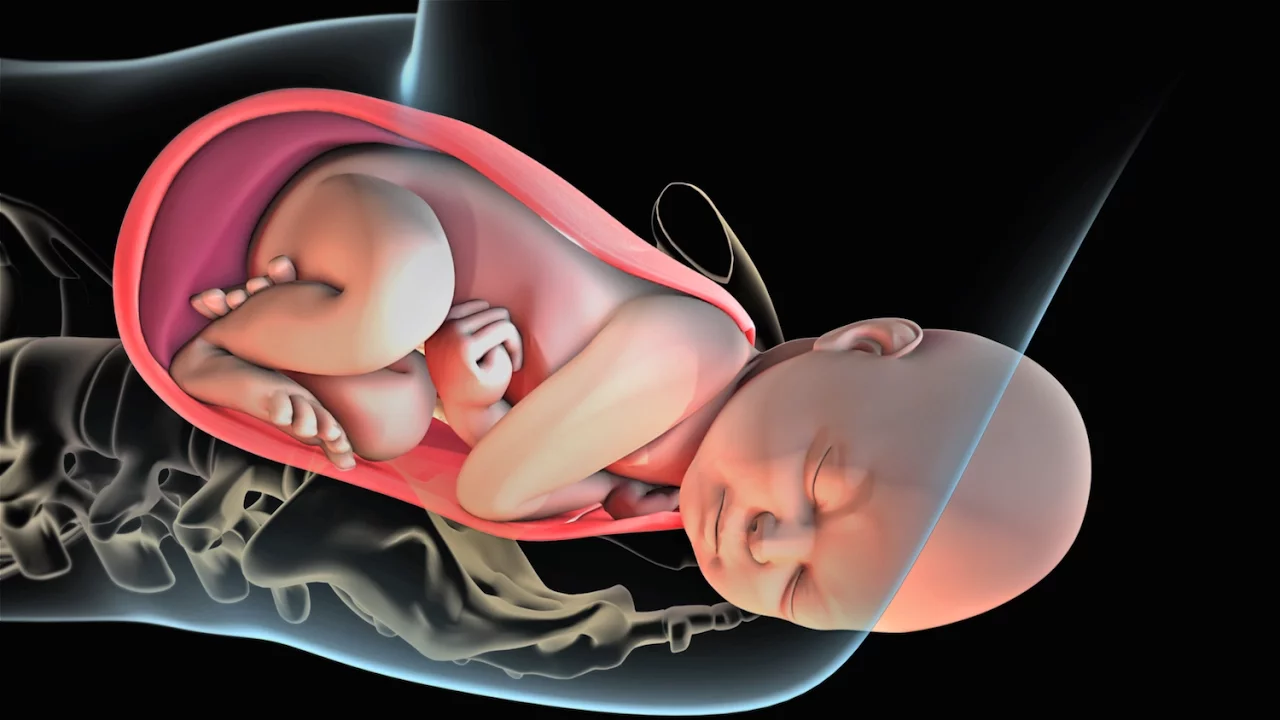
3:05
Stages of Labor and Vaginal Birth | Childbirth Animation
@nucleusmedicalmedia
52.1M views•2017-08-18
Related Study Plans & Knowledge Roadmaps
Structured learning paths in Medicine
medicine
Abnormal LFTs: Diagnostic Workup & Pathology
01Liver Anatomy and Basic Physiology
02Introduction to Liver Function Tests (LFTs)
03Hepatocellular vs. Cholestatic Patterns
+ 3 more learning modules
12h6 modules
Explore Roadmap
medicine
Analyzing Blood Smears: RBC, WBC & Platelets
01Introduction to Blood Components & Smear Preparation
02Normal Morphology of Blood Cells
03Erythrocyte Pathologies & Morphological Variants
+ 2 more learning modules
12h5 modules
Explore Roadmap
medicine
Mechanical Ventilation: Waveforms & Alarms
01Anatomy and Physiology of Breathing
02Introduction to Mechanical Ventilation & Core Modes
03Ventilator Settings and Waveform Interpretation
+ 2 more learning modules
12h5 modules
Explore Roadmap
medicine
Neuro Exam: Localization & Stroke Syndromes
01Foundations of Neuroanatomy and Vascular Supply
02The Neurological Examination: Step-by-Step
03Principles of Neurological Localization
+ 3 more learning modules
18h6 modules
Explore Roadmap