









![CNN's 2024 Election Night Coverage - 12am to 6am [No Commercials]](https://i.ytimg.com/vi/6aV5g5K5yPc/maxresdefault.jpg)








The 2024 U.S. presidential election marked a historic political realignment where Republicans achieved their first electoral majority since 1932, driven by voters prioritizing personal economic circumstances over identity politics; this shift was evidenced by Hispanic communities moving toward the Republican Party in border states like Arizona and Texas, Jewish voters in Rockland County shifting 14 points toward Trump, and Black voters reaching 13% support—the highest since 1976—demonstrating that identity-based voting patterns can be overcome when voters perceive their economic interests are served by a party's policies.
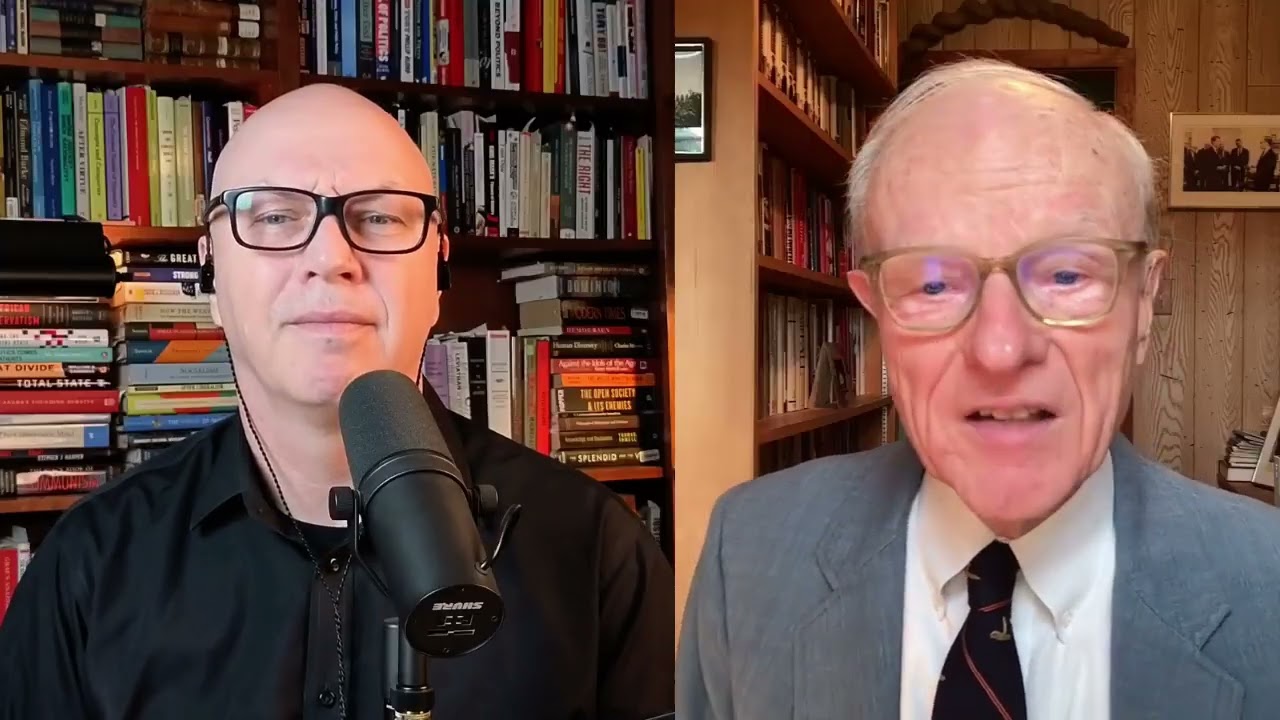
Election Analysis: Beyond the Polls with Ferguson, Podhoretz, and Olsen
Added:The concept of 'political realignment' and 'critical elections' in American political history, such as the major party coalition shifts of 1932, 1968, and 1980.
The historical foundations of modern American conservatism, particularly the 'fusionist' alliance of fiscal conservatives, social conservatives, and national security hawks.
Basic polling methodologies, demographic classifications (such as education-level voting gaps), and the limitations of polling data in modern election forecasting.
An understanding of the distinct intellectual viewpoints within conservative commentary, represented by figures like Niall Ferguson (historical perspective), John Podhoretz (neoconservative commentary), and Henry Olsen (populist-leaning analysis).
An in-depth comparative study of the 2024 voter shifts against historical working-class political realignments in both the United States and European democracies.
Analysis of how the redefined Republican coalition ('populist conservatism') influences specific public policy areas, such as protectionist trade policies, immigration reform, and foreign policy.
Examination of the internal ideological conflicts within the future of the conservative movement, specifically the debate between 'National Conservatism' and traditional Reagan-era free-market principles.
Investigation into modern polling reform and alternative quantitative methodologies, such as Multi-level Regression with Poststratification (MRP), to better capture shifting demographics.
243.1K views2.7Klikes1:17:43Original Release: 2024-11-26
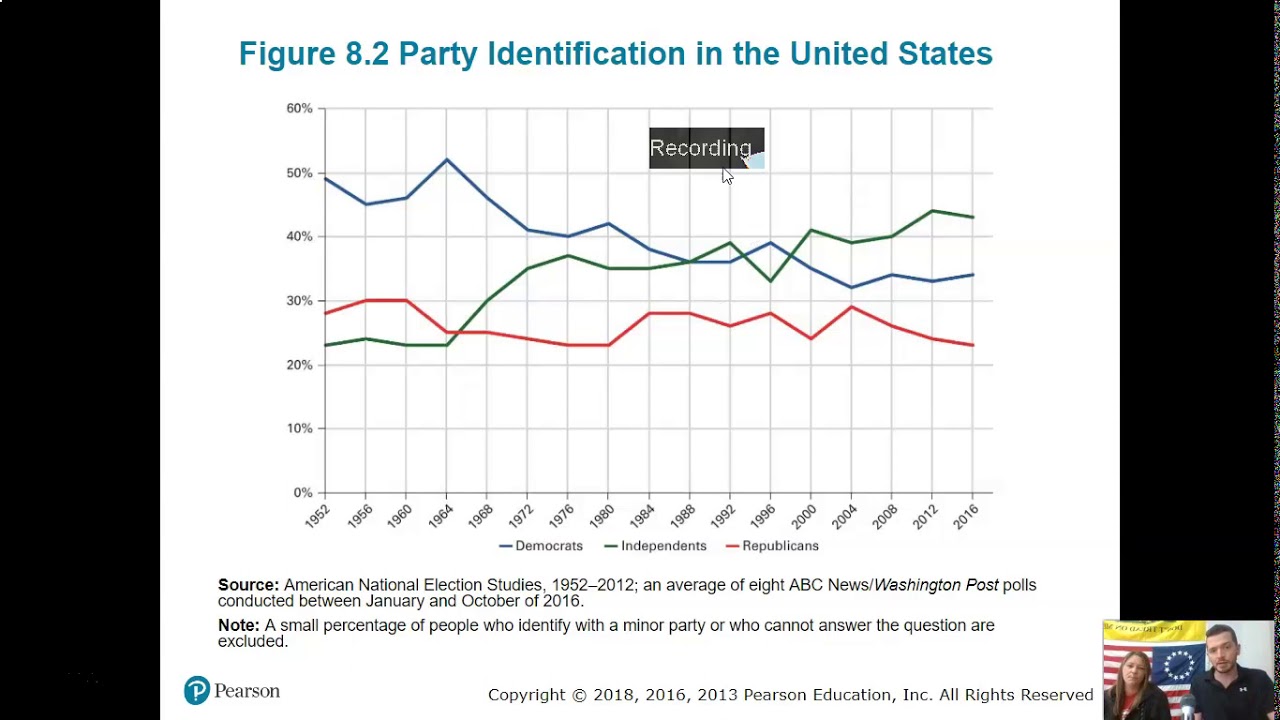
journalist Andrew Ferguson John Po hitz and Henry Olen three mellow Pros on uncommon knowledge [Music] now welcome to uncommon knowledge I'm Peter Robinson a longtime journalist and columnist and a graduate of accidental College Andrew Ferguson is now a fellow at the American Enterprise Institute here in Washington his work has appeared everywhere commentary the Washington Free Beacon the Atlantic the new Republic The Washington Post the New York Times you can't go into a dentist's office without finding work by Andy Ferguson and of course the Weekly Standard where he served as a senior editor for more than two decades in 1992 Andy served as a speech writer for President George HW Bush his books include crazy you one dad's crash course in getting his kid into college he is now working on a book on Richard Nixon the journalist and political analyst Henry Olen is now a senior fellow at the ethics and public policy Center here in Washington a columnist for the Washington Post and a lecturer at Hillsdale College Henry holds an undergraduate degree from Claremont McKenna and a law degree from Chicago which the three of us have to treat him with great deference for Henry's books include the workingclass Republican Ronald Reagan and the return of blueco collar conservatism Henry is famous most recent recently for predicting Trump's Victory almost exactly right although even Henry was surprised that Trump won Michigan I have to admit that another longtime journalist and columnist John portrit is the editor of commentary magazine and host of The Daily commentary podcast John began as his career as a journalist here in Washington with the Washington Times and later became one of the founders of the Weekly Standard John has a regular column in the New York Post he served as a speech writer in both the Reagan and George HW Bush administrations and his books include hell of a ride backstage at the White House Foles all right boys what just happened this election two quotations former Speaker of the House Nancy Pelosi in an interview with the New Yorker mag I beg your pardon with the New York Times I don't see this as election as an outright rejection of the democratic party some of the Democrats are saying oh we abandoned the working class no we didn't we are the kitchen table working class party of America the fact is we're set up for what comes next Henry Olen on a recent Ricochet podcast what we've been seeing in voter registration data is historic people have been moving to the Republican party and abandoning the Democratic party in record numbers this was an R plus4 election that makes it an R plus election for the first time since 1932 Nancy Pelosi says it was a little bump Henry disagrees Henry explain yourself this is historic is that we've had for over 90 years every election the Democrats have more people who's uh behind them Republicans have been fighting uphill since Franklin Roosevelt beat Herbert Hoover that's not the case anymore and that's why KLA Harris lost is that for 90 years all the Democrats had to do was rally the base and split the independence and they win the presidential election she rallied the base she won the independence and she lost by point and a half why because there are more Republicans than Democrats and why are there more Republicans in Democrats because for the last decade they've seen the Democratic party doesn't represent them and that the Donald Trump L Republican party might that's a SE might okay so this is not this is not the nation rising up to reject lawfare it's not a oneoff there's something more substantive and more permanent that just took place and it was very very big correct yes now how do you calc by the way after talking to you on Rick the sh podcast I thought to myself wait a minute when you say it was an R plus4 election that means there's data that indicate you were the exit poll says that 35% of Americans who voted say they're Republicans 31% say they're Democrats that's R it's as simple as that the uh Fox AP poll says it's R plus5 uh so they both agree that there's substantially more Republicans and Democrats and that's the first time since since the 1930s that that's the case now I'm going to stick with Henry for just a moment the other aspect of this that we discussed on that Ricochet podcast that I'd like to follow up on I have you here to myself Henry from boys I'll I'll call you when we we're ready for when Henry and I are ready for you so voter registration an R plus election for the first time since 1932 huge not a one-off not entirely based on the personality and trials and travails of Donald J Trump something deeper happening mhm you also made the point that the change in ethnicity in people who now consider themselves themselves Republicans is again one of these Subterranean tectonic shifts uh star county am I remembering that correctly on the Rio Grand right at but one border of the county is the Rio Grand it's between Laredo and Matamoros 97% Hispanic and Trump carried it by I don't know exactly the number but he did carry it and this is a place that was historically democr it was a democratic vote sync these counties on the Rio Grand were historically Hispanic they were the place where LBJ stole the 1948 senate election with his bag of votes and not only did they move uh directly towards the Republicans in 2020 they moved even more and now they're Republic not a Republican vote sync but now these are Republican areas and you saw the change in Hispanic communities across the country Yuma is and people talk about the Texas border well the other crossing point is Yuma Yuma had the largest swing Arizona in Arizona had the largest swing towards Republicans of any County in Arizona it's also massively Hispanic the Imperial County right next door to Yuma in California largest swing in California to a republican candidate Hispanics of all ethnicities switched on a dime and 8 years ago we were told Donald Trump and the Republican party is going to lose Hispanics forever because they're going to hate him on immigration actually immigration and his desire to control it and restore jobs to their households and order to their neighborhoods is the number one issue why Hispanic said I'm going to give this guy and his party a chance what happened to the Jewish vote Jewish vote we have very unreliable data uh some exit polls say it didn't move towards the Republicans others say it did but if you look at any congressional district or county that has a significant Jewish population you saw a big move Rockland county is the largest Rockland County New York yeah Rockland County New York 30% Jewish went from uh basically 5050 in 2020 to 14 points for Trump that's got to include a move among the Jewish population and not just the ultra Orthodox Jewish population you're talking about normal non-ic reform conservative even some secular Jews who have moved to the right influentially during the Trump black vote black vote was a small increase but still when you get 133% as the exit poll said that's the largest share of the black vote for a presidential candidate since Gerald Ford in 1976 okay boys I put it to you we will come to Donald Trump because we have no choice but to come to Donald Trump and then of course to what the Administration Port all of this we will come to but here's what I found myself thinking after this conversation that I've just reconfirmed with Henry that for a quarter of a century the central question in American polit in in the life of the nation as a democracy has been whether identity politics would Trump the usual interests and principles on which people vote would we as George will once wrote Would we end up conducting not elections but censuses all the white people vote one way all the African-Americans vote another way all the Asians and that to my mind that represented a real threat to democracy to the functioning of the of the democracy this Republic and in this election we got an answer identity politics Will Not Trump not in any permanent way Trump people's ordinary calculations of their personal interests the principles they want to advance the kind of lives they want for their children so again we come to Donald Trump but something remarkable and important and quite glorious just happened did it not Andrew well that depends on your point of view Peter well what is your point cont context you need context you need historical background um uh I'm I'm you know the old cliche there are no permanent victories in yes politics I still remember the despair in um among Democrats in the late 80s early 90s we were never going to win an election in the Electoral College and then this Governor comes out of Arkansas Bill Clinton who actually understood what had happened to the Democratic party and how it had started to peel away from its base right and become this sort of elite um Bastion uh and he figured that out and he won two consecutive terms and um had a very successful presidency if you don't count the impeachment that's right iide from that bit so and and people started to think well if you're a Democrat Democrats are thinking okay we're we've made it and now we we've we've picked the lock and it didn't happen and so I'm a little skeptical of any kind of long range speculation John you take heart from this however well I do I mean let's Corner Andy into the the I think there's a broader story here which is Democrats were the majority party in the United States for almost a century for almost a century but of course that was a very loose definition being a Democrat was something that had a very loose definition how do we know that because from 1968 until 1992 one Democrat was elected president in what is that six elections and that was the result of a crisis inside the Republican Party owing to Watergate Watergate right so um when Ronald Reagan was elected winning 40 States in 1980 and 49 in 1984 if you ask that question of pollsters in the exit poll Democrats were 44% of the electorate and Republicans were 22% of the electorate so explain to me what it meant to be a democrat in 1980 it meant that you could vote Republican with almost no there nothing it you were a Democrat because you were Democrat it did not have pull on you necessarily and structurally uh the House of Representatives and the gerrymandering that was done for the house institutionally kept the House of Representatives in Democratic hands for four decades but that was not true of the Senate which of course can't be gerrymandered since there are two senators per state and so in 1980 you could have this wholesale 12 Senators coming in in with Ronald Reagan uh Ronald Reagan has the Senate until 1986 loses the Senate Republicans regain the senate in 1994 they they only they kind of lose it in 2000 then they get it back in 2002 then Democrats take it back in 2006 like the whole point that I'm trying to make is that partisan definition was a very loose thing over the last 20 years it has become a tighter thing and more sorted themselves out ideologically yes that what right yes and I would say in terms of identity it means something it means way more to be a Republican or a Democrat now than it did for our parents it is a it is a defi one of the defining qualities of who you are that you say you were a Republican or that you're a Democrat and as that has happened I think it is been a necessary adjunct that the Republican party has risen and the de Democratic party has fallen why is it necessary why do you say because Democratic party is the party of the center to the left Republican party is the party of the center to the right and this is not a leftwing country and there it has never been a leftwing country and so the country just the country finally to paraphrase one of your mom's wonderful phrases the country finally joined its own sign right well I just thank you and thank you for quoting my my my uh my my Blessed Mother um I what I think is that over the last 20 years the the the the Breakthrough book on this topic was the big sort published in 2004 which said people were literally physically gravitating to places where they lived with people who were like them now that has always been true right I mean people lived in ethnic neighborhoods because they wanted they needed Ian live with Italians Jews live with Jews Irish people live with Polish people live with Polish people but as those identities faded the idea that it was intolerable to live among to live in a liberal Community if you were a conservative Rose but why was that that was that the identity of being a liberal started having started defining you way more than it used to in other words you could be a liberal Democrat but you were a Catholic you lived in Boston you still went to church every Sunday and the and the the Reagan voter in mome County Michigan who was a Catholic and and nominally a Democrat but voted for Reagan was your nextd door neighbor and you had way more in common with him than you had than you had differences and over the two generations that followed them uh America's cultural changes began to define the country and those cultural changes sorted people into ideological categories and then they wanted to live in places where they were not confronted with Lattes or uh or they wanted to live in where people go to church Henry what do you make of this notion that the country John points out that the country country is fundamentally center right and as the Democratic party as the Democrats become more consistently homogeneously liberal of course they separate themselves from the country and that what happened in this election was that the country again to quote mid deor the country joined its own side yeah well is that is that sensible I think it depends on what you mean by center right um you know that there are a lot of people in the Republican establishment who always took that to mean economically and there's not a clear sense that what Reagan was center right Reagan was center right not right of Center which is to say that within the context what's FDR to you uh FDR is one of the great disruptors of American politics but is he center right no FDR was left of center all right all right what FDR did was change America's understanding of its relationship of the citizen to government what Ronald Reagan did was interpret that to readmit ideas of Liberty and self-government into the conversation as opposed to the reigning narrative from 1932 to 1980 which was if there's a problem we can trust on government to solve it government experts can solve poverty government experts can eradicate Prejudice government experts can eliminate the uh cycles of the business uh the business cycle and what Ronald Reagan said was no they can't do that but we're not going to go back to 1928 where there's no such thing as Social Security there's no such thing as environmental and that meant what happened two weeks ago what happened to what the Democrat you know what the Democratic party has been doing is moving farther to the left particularly on culture but also so across the board then the American people want it to go they don't want a culture of Cambridge University quads shoved down their throat in their schools they don't want a government that is trying to bring about a Green Revolution that's going to put their jobs and their standard of living at risk they don't want a government that cares particularly more about foreigners through trade immigration and Foreign Wars and they do about their own citizens so they've said no to that Democratic party what gets created in its place well if you think that this is a return to Classic reaganism uh you will see you you will see a waste of that opportunity just like Obama wasted his realigning opportunity after 2008 I think quick well we're talking we're talking about the Hispanic vote Yes yes yes so we look at this we say Okay Hispanics excuse me you're on to something aren't we don't we don't we all want to take some heart from the notion that Hispanic the Hispanic vote moved to some extent the black vote identity politics don't Define our democracy but that's the point that I was going try to make is there's all this talk about the Hispanic vote you know they're more conservative and they you know they go to church and they don't they don't like trans issues and things like that and I accept that so but on the one hand one of the things identity politics is that it race is the essential americanness of everybody so what was the experience that everybody had over the last four years inflation everybody in the United States experienced inflation because inflation hits every it is it is it is inescapable who escap everybody buys groceries who escapes inflation as a deep personal cost welltoo people the wealthier you are the less effect inflation has the the the more middle class to lower middle class to working class you are the more inflation is a confiscatory tax on your paycheck right right right Hispanic voters not as well to do as the Democratic base let's say of course they voted to vote the bums out their paycheck was worth 20% Less in 20 in 2023 than it had been in 2019 they were just acting as Americans not you can't make a realignment case then because 20% increase in groceries and the price of milk and stuff presumably is a one-off right we're not going to see that again question is then do we have another Resort after this huge Calamity of inflation is taken out of the equation the other thing that but what isn't mentioned enough is that the Republican party also moved to the left which is it got rid of abortion as an issue uh Trump is they tried to make it an issue the Democrats did it's quite clear that Trump has no interest whatsoever in abortion is a moral issue or a political issue gay marriage was completely seated which was as recently as 16 18 years ago was being used by people like Carl Rove to Jin up the base and get the Republicans to the polls that's all gone so the Republicans had to move to the center or to the left if wanted to win an election but a theory what was disproved and why we should celebrate this is a theory of the electorate that should be discarded which is that people align themselves with their identities correct rather than with their personal circumstances that that would that that they have a vowel at the end of their name is more important than what is in their bank account and that was is something that is extraordinarily bizarrely but extraordinarily difficult for Democrats and liberals to hear because it has been their governing assumption for the last generation that we all and and and it was so prevalent that I think we were all a bit hypnotized by it too he attacks a judge he says the judge can't be fair to him Trump because he's a Mexican and you know he's going to do this well that's it or Tony hinchliff the comedian makes a joke about Puerto Rico being an island of garbage oh well lost the you know you got 500,000 people from Puerto Rico in Pennsylvania he's done and it turns out that that idea is just wrong it is a misunderstanding of the voter the voter is an American and most important in terms of immigration and why this is so hard for people to understand including me I don't really understand every voter in the United States is a legal resident of the United States what is more important does a does a Cuban from a person of Cuban origin from Miami think that because somebody speaks Spanish in El Salvador that they should be allowed to cross the border and live here illegally that is illogical in the extreme but somehow again we were so marinated in this idea culturally it's done that it I think it's done now it's not done for them though it's not they the people that we don't agree with on this it is it is it is going to have to be wrenched out of them it's like they're like Stacey agents return they're going to return to Stacey headquarters after the Berlin Wall has fallen because they don't know where else to go to work they don't have another understanding of America outside of identity politics they're going to have to reconstruct it Andy now we come as we must to the person of Donald Trump himself this one is for Andy I'm going to set it up as I did the last segment with a couple of quotations Trump as a political figure this is Charles cook Charlie our friend Charlie cook and National Review on policy Trump has some advantages over Harris especially in the Realms of illegal immigration and the Judiciary but he is a long long way from being a conservative and and his egotism poor discipline and lack of attention to detail make the prospect of a second term an alarming one Trump is a man this is Andrew Ferguson you may have heard of him in the Atlantic he's up at 4 in the morning tweeting strange and incomprehensible things giving answers 12 and 14 minutes long repeating himself at his own press conferences I'm always astonished to discover that the president isn't a drinker Andy How could a man who answers to Charlie Cook's description and indeed to your description possibly have won such a consequential election well that assumes that it's sen you're not gr that it was consequential and an epocal sort of how could he such an an election that is deemed consequential by two out of three of my guests you you are you are asking the wrong person because I simply don't know I mean I find him just personally so repugnant that I could um but that's are you Trumper yeah I'd say so oh you are probably yeah um do I have to go now no no no no no no but now you become now you become of archeological Interest make money off it what's the matter with you you're sitting here you know if you're going to be if you're never Trumper you should be starting committees and raising a million dollars ahead to attack rert Murdoch that's what Rick Wilson is doing the never Trumper never Trumper got an internship at the bullwark coming up there we go okay there you go okay you go it's a cash category now here's a list of things that Ur occurred within the first 72 hours after the election my notes anyway the stock market reaches new highs corporate Executives announc they will begin returning production to this country from China Mexico begins discouraging C Caravans headed toward our border cutter evicts Hamas leaders from its territory Europe announces that it would begin purchasing natural gas from the United States instead of Russia while Putin announces that he's ready that's the way it got translated ready to speak to the US and president X of China states that he wants peaceful coexistence with us there's a this this you how can we not describe this man as a consequential figure well the the causality there the causal chain that you're trying to propose is kind of rickety um I mean I I I acknowledge that he's got a kind of idious svant political genius and a and a sensitivity to parts of the population that have can be either been totally ignored or misunderstood by the establishment of uh politicians in the country um you know you're leaving a lot out there in the same 72 hours he uh nominated Matt gates to be Attorney General of the United States he's got um another talk show host to run the defense department a guy who so far as we know has never even run a wanas club meeting um and there there's a long string of them and uh you know that is direct causality right there he did that himself um so I just think it's It just strikes me is we want to make him a genius because he's a winner now um he's been a loser in the past he'll be a loser again but I don't want to go over so so so I I don't want to I mean we could get mired in the in the person of Donald Trump when we want to move of course we want to move to policy how will this affect this town but at the same time everything you say I can't disagree with on the other hand look at the story this guy is dragged into one Court after another he's shot he emerges fight fight fight it doesn't he he feels like he feels he feels aacle I want to blend go blend I want to blend the great I'm going to do the weave be the be the do the weave do the weave be the Hegel of my weave is that means he's going to talk for the next 45 minutes no my weave is that these two these two things come together okay this election was a was a rejection of the last four years which were in policy terms disast across the board they were disastrous in domestic policy they were disastrous in cultural policy they were disastrous in energy policy they were disastrous in foreign policy and the public very similar in this sense to 1980 looked at what the administration and the presidency and the Democrats in charge of the House and Senate oh they weren't really they weren't in charge of the house but okay looked and said not this we got to get rid of of these guys that dovetails with the move that Henry has described uh to the right to the Republican party uh Biden's Victory maybe like Carter's victory in 76 would therefore be a kind of outlier as a result of exogenous circumstances Nixon Carter wins in part because of Watergate and Biden wins in part because of the Corona virus right not not duplicable everything that was done to Trump During the period that he was out of office had the perverse effect of strengthening Trump first with the Republican party because in ways that I did not fully appreciate were going to happen it was implicitly making the case that he had made from the beginning of his run for president in 2015 that the system was rigged and it was rigged against him and if it was rigged against him it would be rigged against you and then what happened they proved inflation went up and Nancy Pelosi is eating ice cream out of a $15,000 freezer she has a photograph taken of herself eating ice cream out of a $115,000 freezer around about the same time or a couple a year after gav Nome having shut California down goes and has dinner at the restaurant that you and I once laboriously went to in Napa Valley called The French Laundry we drove many hours together to go to this restaurant 20 courses delicious but this and it was amazing and but there he is after he shuts everybody else down and the idea that the system was rigged for these guys he was the objective correlative of that and that turned out though it was good for him we we said okay well that'll work with Republicans but it's not going to work with the general electorate and then guess how the system is rigged they're trying to run this scile guy yeah we've been saying for two years that he's senile I've said it from January 2023 on my podcast with no political interest whatsoever just I'm watching him and they say no no no no no no no and then end of June 2024 he has the debate and they pull the switcheroo and then what does that say to the electorate it says it really is rigged it's really it's all a game to them they're just trying to hold on to power so these two go together it's not therefore a realigning election the realignment according to Henry it's not really a realignment because as I say part the def partisanship is not as is more defining than it used to be but not quite as defining but uh it's not a real in election but it is an election that confirms the idea that Democrats can no longer simply run a competent campaign and assume that they have better than even odds of winning an election the person of Donald Trump this actually we have one view we have another view where do you put FDR and the realignment of the 30s is impossible without FDR correct what happened in the 80s was not a realignment but Democrats began voting Republican this is impossible without Ronald Reagan the 80s no Reagan no 80s so it is of importance to this town to questions of policy is this man a major figure one of these large figures who seems to come along about once every half century and who and if that's the case you make one set of calculations if you're John Fon trying to run the Senate majority and you make it one set of calculations if you're speaker Mike Johnson but if he's a very flawed human being and the country happened to unite behind him and he's already beginning to overreach by nominating Matt Gates and N nominating Pete heith and nominating telsey gabard and overinterpreting this election result as all about him then if you're John Thun and Mike Johnson you make different kinds of calculations so it it it is important to try to figure out how big is he and your view is he is clearly a historical figure but what remains to be written is whether he's a successful historical figure is that he has done things that no one thought possible outside of the realm of fiction a that if you were in this town and we in graphic novel territory aren't we yeah well that's what I've describ I started calling for a workingclass Republican party in 2010 you know saying that this was our future we had to change on economics we had to change on culture that was the only way to keep this country from falling into the grips of the left and of course I was met with rapturous Applause not okay Donald Trump is and Remains the graphic novel version of what I've been calling for but at the heart of that is that this is what America needs and Donald Trump in his brusk in his rudeness but also in his directness and his courage which is what comes out in that Grace Under Fire there is really no denying that moment is there no it's it's just unbelievable moment and you take a look at that and you say he convinced the people who had felt dispossessed for a long time that he was the man to trust and let's not put you 12 years ago the common wisdom in this town was that you either had to become more libertarian on your economics and more Christian in your social policy or you had to basically sell out to the left that's what the autopsy was and Donald Trump the autopsy is after Mitt Romney loses a republican Grandes get together and and they say that called the autopsy the the autopsy is you know we need more of the Hispanic votes so we need to give them immigration we need more the youth votes we need to give them same-sex marriage and you know they Donald Trump actually doing the best among Latinos in history no one would have thought that possible but actually if you understood Latinos as opposed to your I've never metal Latino never been to a community but I like Taco's you know person here in Washington um you would have understood that and so you can't deny that Donald Trump brought this and I would say Reagan was a semi- reignment because before Ronald Reagan there was no possibility that any form of Conservative Republican or any form of Republican that was consistent could obtain power the Democrats had massive majorities in the Senate they controlled virtually all of the states they controlled House of Representatives and what you saw was that from that moment in 1980 when Reagan convinced his people the Republican Party ran partisan ads in 1980 saying vote Republican period for a change period and the Dual meaning was intended you go from a 22-point gap in 1980 to a three-point Gap in 1985 and the rest of our period is fought with the Democrats having the upper ground but not the commanding Heights and that's what enables the Republicans to capture the house for most of the last three decades that enables them to not be a one-off in the Senate but a consistent force in the Senate that's what enables them to go from virtually having no power in the states to dominating in the states it was a semi- reignment and you could only get power as a Democrat by interpreting Ronald Reagan that was what Bill Clinton learned and so Donald Trump has set us up for the possibility of that but the realigning election is never the first election it's the second election 1932 set up 1936 Franklin Roosevelt screws up the economy the realignment doesn't happen Ronald Reagan screws up 1984 doesn't happen the realignment doesn't happen Donald Trump has the chance to build a realigning majority for his successor but he needs to deliver he needs to deliver but he doesn't need to deliver in the way the establishment expects his voters want change they're willing to break the system and that means unconventional ideas like tariffs like deportations wait so so you're say this this nomin these nominations that Andy mentioned of Pete hegi and Matt Gates Tulsa that's not over reading the election results that's a correct reading of the election results the country returned Donald Trump to break Furniture yeah and these people may not the biggest problem with these people is that they may be incompetent at breaking Furniture because he's choosing the wrong type of dis that I think is the important point which is you know who wanted to break Furniture Donald Rumsfeld when he went to the Pentagon in 2001 Donald ronfeld had an entire plan for the complete overhaul of the pent Revolution right that was halted by 9911 when you actually had to then fight a war and therefore you know revolutionizing and he tried to do both at the same time which was didn't which was a a Fool's errand um Bill bar whom Trump now reviles wanted to break furniture at Justice as attorney but he's a fmatic but but you know quietly so Gates Is All I'll break fiture oh now what like it's like he's going to break Furniture but he's Furniture how do I do this right that's why what Henry said is so important I do think this election is about was a judgment on one of the worst presidencies in American history judging by results Trump therefore has a kind of a low bar if he doesn't if he just doesn't screw it all up and things remain relatively even keeled the economy does okay to pretty well he fulfills some of his promises on deportations and immigration which by the way will be very easy to fulfill so we're talking about deportations right so there are 15 million people theoretically to deport 15 million people here illegally okay so let's say UND let's say that when all is said and done he only this is going to sound like he only deports 500,000 of them yeah there's no voice on the other side that is going to say should have been more you're not doing yeah you haven't done enough you're a bum you know come to me I'll Deport more people they're saying you know no human being should be deported and so his bar on immigration is stunningly low he can clear it with like simply by doing a couple of things and the effect of that will be there will be self- deportation and the and the flooding of the Border will stop because the idea will be the authorities are going to come after you if you come across the border why bother and so he will he set up for Success there tariffs is the big question for me with you because tariffs is the thing that is the that is the disruptive element in in modern neoliberal econom if he goes to tariffs he is Breaking the Chain of a kind of 40-year consensus on how to approach there was some interview just before the election sorry I can't remember exactly where it was where he was pushed on tariffs by the way to his credit he sat down for a lot of interviews in which people did push him not not in a directly confrontational Mike Wallace of the old 60 Minutes way but you sit down for an hour with a podcaster and you get led into territory where you might okay but he got pushed on tariffs and he said no no there won't be any tariffs what wait a minute you're calling on no no there won't be any tariffs was Trump's answer I'm getting this a little I'm paraphrasing of course what do you mean there won't be any well because all you have to do to avoid a tariff is move your factory to this country and that's what everybody will do so again it's very it's extremely hard to know quite what he's pledged himself to do or or or the or our enemies or our rivals or whatever will moderate their behavior right and stop stealing our intellectual property and stop doing this that and the other thing and therefore I won't impose tariffs they will they will self tariff or some some version of that so that I don't have to do it but he has to for this realignment for the 1936 election to happen for JD Vance or whoever is his successor that's the election where uh Roosevelt won 48 states right right 46 46 excuse me because there were only 48 then right aso's was it aso's main soos of Vermont was that interestingly not the States you would say today would be the ones that go would go the other way um he has to succeed or be seen we come back to that in a moment first however Andrew the media again two quotations do you like this two quotation thing no don't don't tell me don't tell me for the first comes from uh someone who believes in Legacy journalism enough to have purchased the Washington Post in 2013 and to have subsidized it ever since in an essay the post published in late October Jeff Bezos the owner and of course the founder of Amazon in annual public surveys journalists have regularly Fallen near the very bottom often just above Congress but in this year's gallet pole we have managed to fall below Congress our profession is now the least trusted all right second quotation from venture capitalist David sex someone who lives out in my neck of the woods in Northern California this is a bankruptcy moment for the Legacy Media they shriek Nazi fascist traitor and insurrectionist at the top of their lungs and the country didn't believe it the spell is broken close quote well the Washington Post the New York Times ABC CBS NBC the whole Legacy Media what does this mean is the spell broken well I I don't think the spell has been there uh for a long time you remember this Ian beating up on the press it goes back to Nixon as a successful strategy and of course the Press ended up winning that one but um well that's the point and they also made a lot of money CBS NBC the New York those were all profitable Enterprises those days right right um but I think this is simply an acknowledgement of what's already happened um there isn't there isn't a a singular media anymore that doesn't mean that the establishment media the Legacy Media is without a business model or anything you know you forget I mean there were still 70 million people plus who voted for Democrats yes exactly and um there is all the New York Times is probably makes more money now than it ever has and because it wisely positioned itself as a not as the newspaper of record but as the newspaper of certain kinds of readers of whom there are plenty of whom there are plenty to make a living and now the Washington Post hasn't been able to figure out out how to do that and I'm kind of surprised I mean they still lose money hand over fist um the network news people are going to die simply by virtue of technological changes that that make it kind of inconvenient to watch the TV news um but there is still a market a huge market for Liberal leaning reporting in comment okay could so let me put it to you in a different slightly different way journalism broadly construed I visited my own alma mater Dartmouth College last year and I spent an evening talking to the kids who run the Dartmouth review which is the conservative student newspaper and I said very impressive kids really wonderful impressive kids and show of hands how many of you want to go into journalism and not only did not a single hand go up but I got blank faces as if to say what a strange question to ask and in my generation and Paul zigo who's the editor of the editorial page of the Wall Street Journal Paul and I were at Dartmouth College together in my generation lots of us wanted to go into journalism it still felt like there was a career to be had there and meaning and fun and excitement and it's gone and does this not a break your heart and B worry you a little bit about the nature of democracy who's going to be doing investigative reporting who's yeah's I over about there's a real real problem there that but that's almost a is that a separate matter or a technical problem I mean you you are not going to have Farm teams for at at local news levels for people who have to sit on their butts for 3 hours at the local County board meeting and write down what it said now we're going to have ai do that evidently you know cover the high school sports team that's how you learn a lot how people traditionally have learned how to become reporters if all of that rung in the ladder is Stripped Away uh journalism is going to have a very hard time but again that's not an ideological or a political matter that's a techn technological thing are is your heart broken boys my heart is so unbroken my heart is my heart swells let me tell you a story Peter all right you tell me I've told a story you tell a story John in 1982 when I was 21 years old I wrote my first book proposal and the book proposal was on the dishonesty of 60 Minutes than the most powerful the number one television show in the United States ranked number one above MH I mean it was it was the most not just the number one news show one full St and if you remember the 60 Minutes had a technique they had this they they they investigated people they brought them in they sweated the people sweated they cut the inter close on the sweat on your forehead right and so I had this idea for a book on writing about the dishonest 60 minutes and there was a conservative Foundation that wanted to wanted to support it and I went around to publishing houses and people said we can't publish that there's no way on Earth we could publish that it's a very interesting idea but we can't be in that relation with CBS or 60 minutes it's too dangerous why now why do I mention this because 42 years ago people like me and Andy when he started writing for the American spec Andy wrote a column for me for what four years on the media we have been doing nothing but talking about the depredations of the mainstream media our entire careers as unconventional people in the mainstream media I mean I've worked in mainstream Publications I worked at time I worked at us news I've worked at conservative Publications I worked at the Washington times I've worked at the New York Post he has a hard time holding a job this man terrible and I worked at you know and I Andy and I worked together at the Weekly Standard which we helped start together which was a magazine of of of opinion but had a lot of reporting in it and are a the topic that is the most uring because the Soviet Union disappeared and abortion has disappeared and I don't know what else has disappeared the enduring topic of Fascination for all of us is the misbehavior of the Li media and the degradation of it and the self-destruction of it is devoutly to be wished now like all destructions let's what are we going to do okay but wait like all destructions like we I think all thought that roie Wade was a disgraceful and destructive constitutional uh atrocity 1973 Supreme Court decision establishing creating a right to abortion right that the decision was a constitutional atrocity and that the that the proper treatment of it by the Supreme Court ultimately would be that it would be uh overturned and that happened that happed years ago in 2022 jobs correct okay then it's a total crap show because this happens and then you have to figure out what comes next like you said Trump is uninterested in abortion Trump's claim CL is hey you all wanted me to get rid of roie Wade I appointed three justices we got rid of roie Wade salute me celebrate me now it's up to you as for me I think some of these restrictions you want to put on are too that's my opinion they're they're they're they're too severe but that's what you wanted for me and that's what I gave you similarly with the media the slow motion destruction of the structure of the media over the last century has created nothing but chaos and out of that chaos will come something better something better not worse sorry I'm sorry that people aren't going to go work on the paper in Springfield Ohio so that there there that there's no paper in Springfield Ohio so that they the local guy could cover whether or not the dogs are being eaten by the Haitians or not one of the things that would have happened had there been a paper in Springfield Ohio maybe there is a paper in Springfield Ohio I don't even know but there used to be whole right system of training journalists that will not take place anymore but the system created a funnel and the funnel like all funnels like all funnels in corporate the worlds of corporate were who could Slither their way up through the funnel not who was best at it not who was who was the one who could be the least offensive to the greatest number of people to get themselves highlighted and spotlighted by the people who shared their priors and believe the same things that they believed and therefore made things like the rise of trump not only invisible to us all but shocking and I submit to you that Donald Trump from 2010 onward Was preparing long before Obama insulted him at the White House correspondence which was Trump started going on media that were invisible to us he was going on Alex Jones he was appearing at UFC fights and talking to the commentators he was going on local talk radio Roger Stone was booking him on these shows he spent five years building up a constituency in a world that I called proletarian media so that the minute that he actually pulled the trigger and started running for president he was at 15% in the polls in the Republican Party name another person that that would have you could say well he was Donald Trump so he was on The Apprentice name another person yeah I can name another person that's like Ronald Reagan's weekly radio talks that were ignored in all the capital media capitals nobody in New York ever paid any attention to it but they were listening to Ronald Reagan and Molen and de Mo and Henry you on the media do you have anything to add to these two August figures look I I do you share John's shod in freuder the best Freud of them all yeah look the the liberal media brought it on themselves they brought it on themselves by stopping to be journalists and starting to be partisans and mouthpieces and it's true in the television stations it's true in the elite radio stations it's true in the elite newspapers and in many of the non-elite newspapers there but they had to deal with something that is something none of them had to think about which is that the high day of modern media is a technological accident of limitation of spectrum space for television and the elimination of what used to be the case in America which is multiple competing dailies Washington DC had four competing dailies in the 1930s had 11 New York had 11 so what happens is everybody looks at this Rosy period which was in accident now you have competition what they were from the 1960 to the 1990s was the media version of the department store you used to have a department store that would you know be the person be the entity and each local area get together you get your housewares you get your furniture you get your clothes everything together and they would make the selections for you and the scale would produce cheaper prices what happens affluence destroys the model you can go out and you can buy exactly what type of things you can want at a boutique clothing store or at a boutique furniture store on the higher end so the higher end departs the gr the department store the lower end finds Well Walmart can get something that I can afford better that I like better at a better price the department store is destroyed by competition and it's still being destroyed by competition the Legacy Media was the department store that is destroyed by high-end competition and low-end competition and the New York Times has adapted by basically becoming a boutique a boutique for progressives and people who like I may not like the politics but I like the art section they like cooking and they like games and which the New York Times also sell New York it's not also it is it's not separately you can get you have to okay but the game two million people a day do the time spelling be two million people a day that's my wife she's doing it two million times but that's what I'm what I'm saying is like in that sense you're exactly right that uh what happened hold on hold on let me closing question about the media because I want to get back to Trump for just to kind of closing yeah it's occurring to me now Michael makes the point that in from the founding of the country through much of the 19th century the point you make that every small town in the country had two or three different newspapers and the newspapers tended to be quite partisan the so and so Democrat the such and such Republican and the country was fine right the country was fine the economy grew the the democracy was boisterous but the country was fine you are fundamentally not worried whatever is aborning is going to be be okay in with regard to media and journalism I can't even bring a tear to your eye no I think we're going to miss it when it's gone ah I'm going to miss it but you know I miss a lot of things I miss the old Hollywood I miss I miss uh uh publishing better books I miss a lot of the the cultural the the things that I had that were the my point is slightly different it's going to make our job is harder with I mean you you go through past issues of commentary National Review the American spectator all all of right-wing media is absolutely parasitic in a in a way I mean that's a bad word to use uh on the mainstream media and the New York Times CBS News and the Washington Post what's going to happen to all of that infrastructure when you take that Central organism away from it I think that the reason to be uh optimistic is that uh there was a lot of chaff in that wheat and a lot of that chaff was poisonous and that a lot what we need with the wheat will be repurposed in ways that we don't entirely know yet but that they'll be different chaff and we already know what the chaff is now the chaff is Tucker the chaff is Tucker Carlson the chaff is Alex Jones is Alex but I mean the the chaff is uh people who are pedling uh not only lies but kind of their own version of what I would consider the demonization of the United States and the west and things like that but there's going to be a lot of wheat it's just that we're we're living through the commentary podcast you you take over a storied magazine as as editor and now you've launched a commentary podcast I don't know how many listeners you have but you got one at this table that I know of thank you okay so boys can I add you touched on a point last questions last round of questions although we could well who knows let's go talk for two hours more we'll let the editors about cutting the show down to length why are you cutting the show it's online it's good point people can cut it themselves Joe Rogan's like four hours hours bring out where's your joint let's all smoke a joint we'll we'll we'll we'll be like Jo you please get him under control what do you miss I won't this is not the last of the last questions what I was thinking about this the other day well as I was making these notes to ask you guys and I thought to myself I do miss I miss working for people who had served in or at least had Vivid memories of the second world war Ronald Reagan did not do combat Duty his vision relegated him to a morale but he still served he wore a uniform he produced morale films George HW Bush served in a perfectly heroic heroic fashion 58 missions one of which he was shot down and I realized these men for whom they were large figures to us of course but we knew them we worked for them and I looking back on it I think to myself that we were surrounded by figures who at some ultimate visceral level understood the stakes they'd seen what could happen when it all slid off the table do you think that's true I think that look in other words that there's something that would that the people haven't been through what those people been well we work for guys who came up during the depression and went then went off to fought for fight a war and then came home to rebuild the country that sort of Epic is missing now well it's the Epic is missing in part because of the great success of the United States since 1945 well that's right you know is that it's missing because they didn't want us to live through it right yeah and it's people who live through the excitement of the Reagan Administration has the closest thing to the EP you know when I was growing up I never thought that we were going to win the Cold War without and said we wi the cold without a without a shot much less without a fight um Republicans would take the house yeah that was when we were growing up nobody talked about mutual funds nobody talked about entrepreneurship yeah and suddenly you've got this Dynamic Innovative economy that did not exist when we were gr up thank you Ronald Reagan we have this peaceful American Primacy world that is fading because Primacy is unnatural in human Affairs but it gave us us a period of peace and a lack of stakes in global Affairs thank you Ronald Reagan so people who live I think I understand why people who worked during that era look nostalgically at the greatness uh but no we have not lived through great times we are about ready to go into challenging and great times and when we come through them which we will the people who are in their 20s will look at the people in their 40s through their 60s and say they're walked Giants okay here comes you have just set it up this is going to be the last question and here's how it's going to work Henry John Andy this means that while the two of them are talking you can make notes surreptitiously if you'd like here's the last question then again I was thinking this over and I thought my mind went was running in exactly the grooves you just laid out for us 19 two decades 1970s stagflation reversal in the Cold War as the Soviets exp advance in Asia and Latin America and Africa and the collapse in National moral I looked this up Jimmy Carter in June of 1979 the famous Malay speech the threat is a I'm quoting him now this is the president of the United States the threat is a crisis of confidence it strikes at the very heart of our national will and in 1979 the Soviets invade Afghanistan and Iranians take Americans hostage one decade later which in historic terms is nothing it's the blink of an eye one decade later by 1989 we undergo a renewal economic expansion rebuild the military recapturing National morale that 1984 re-election slogan mning again in America sounds hopelessly corny to my kids but it rang true enough to voters to give Ron Ronald Reagan 49 out of 50 states 1979 the Soviets invaded Afghanistan and the Iranians take Americans hostage and 1989 the Berlin Wall Falls are we capable what I find so riveting about your analysis of the this election that we just went through is that it almost suggests to my limited mind that the political predicate for a period of really sustained renewal has now fallen into place are we capable is there some possibility that we stand at the beginning of a renewal today like the one we went through in the 80s of course because we're Americans it's the American Heritage what it requires is leadership and and political will uh I think that's what Americans yearn for I think they've been given people who have promised leadership and they have been given fecklessness for 20 to 30 years and Donald Trump promises that sort to a large number of people shocks and offends a number of people who would be open to a different type of leader uh but I think he has brok broken the system enough so that real dramatic just like Ronald Reagan failed in the 60s and the 7s but when the time met the man in 1980 he was capable of stepping up I don't know if Trump is capable of stepping up I know his vice president is John renewal I think when people look back at this period a 100 years from now they will look back on this period the way we looked back at the end of the 20th centur Cy uh to the end of the 19th century by which I mean the period between 1875 and 1900 was the worst period in American political history in the sense that we had extraordinarily undistinguished presidents we had 5050 country we had a 5050 country we had assassinations we had the Grover Cleveland in out in that Trump has now duplicated Mass M amounts of immigration incredible disruption uh rise of populism uh the populist party Tom Watson the r the fight over the gold standard and all of that cor and nobody remembers any of those people unless you were a historian or somebody what do they know about 1875 to 1900 it was the period in which the United States became the richest country in the world it built the railways telepan uh you know the automobile uh and eventually a 1903 flight and what we know about America was it was the most Innovative country on Earth it was the revolution that changed everything for the next hundred years and the politics are inconsequential and it's my view that what will matter in 2124 is Elon Musk catching the rocket that was shot up and down the the development of the uh of the completely interconnected Communications world that is causing so much difficulty and so much disruption and teenage suicides because social media is so terrible and all of that stuff that these Revol these revolutionary periods like the Industrial Revolution caused living through the disruption is awful you think that the world is coming to an end and in fact you are just in transit from one period to another so if I'm right about this no one will remember Barack Obama except that he was the first black president no one will remember Joe Biden will be a trivia question and Donald Trump will be this kind of boy that was weird this this crazy guy came in and did crazy things and that was one of the marks that everything else was happening elsewhere that the people who might have been the leaders that you're talking about might have gone into public service after World War II they didn't go the kids who didn't raise their hand at Dartmouth because they they didn't want to be journalists they're all headed off to venture capital venture capital or or or they want to or they want to they want to create something so that's the joke right it's they want to when I was a kid people wanted to go to Hollywood now they want to make an app but like the the person who wants to make an app who knows what that app will be or what that or what that means so I have this te terrific optimism that politics now the problem is in 18 in the 1870s and 1880s the federal government was a tiny little nothing and now there no there was no Vladimir Putin right there was no crisis no but there was there was there was Karl Marx you know there were the revolutionaries of throughout Europe who were going to destroy and and we were going to end up in World War I not we America but the world was going to end up in world War one which is was I'm so all I'm saying is all I'm saying is that my my feeling is that with the exception of the fact that we're going to somehow have to pay down this national debt and we're about to hit this fiscal cliff that is going to destroy love argument but I can't quite I just can't the federal government is just too big and too much in Hawk and too much in our lives to all right go ahead Elon Musk bought Twitter for $54 billion and didn't go broke explain to me how that's possible why but that's what it is Andrew Ferguson National renewal um or you find the question if I if I framed it in a hysterical man first no I think you're you're it's a real question and my sort of fatuous trite answer is you just never bet against America you just it's just stupid and I I think it will but it's based on a couple of things one is a free economy in which the labor markets are kept free capital is allowed to go where it needs to go to be most usefully deployed um you got that on the one hand and then you have the character of the people this is one of the things that John um is referring to is it you need good character to take advantage of the free economy and the free economy depends on the good character hard work personal sacrifice this is why I mean as as as silly as some people think my never trumpism is is actually very important to me I think because he is the President we look at presidents in different ways he is a man of manifestly terrible character I'll Grant you the physical courage um and uh he is surrounding himself with people of bad character and that has to have some kind of influence on the second part that I was talking about which is the character of the country itself of people maybe I I think we'll survive him I think he's kind of silly enough that that he won't have any long-lasting effect in that regard but don't well can I speak to that because so you're talking about freeing the economy I think one of the things we haven't even talked about like the the main issue we talk people are talking talk today on on my podcast for an hour about transgenderism the most important issue in this election aside dealing with aside from inflation in my view given where the votes were that Trump needed to win was fracking was energy energy was it was the hidden issue of this election and the story of the last did it Drive Pennsylvania no I mean we it it helped but Pennsylvania is not dependent on fracking outside of a few small counties what drove Pennsylvania was the same things that drove elsewhere he gained dramatically among Puerto Ricans for all the in Philadelphia and ring he increased vote share in non-f fracking areas across the board among blue color what I mean is that in 2007 the United States began doing H hydraulic fracturing correct this is the most important geopolitical development of the 21st century because Within were energy independent energy exporters we killed the power of the Gulf States we there would have a time when what happened in Venezuela which was the fourth largest oil exporter in the world matter everything that happened in Venezuela would be Front Page News because Venezuela was so important to the world economy and now Venezuela which is in you know just had another stolen election does anyone even know who the guy the name of the guy that the election was stolen from we don't pay any attention part of the story has been a fight between the Republican party to unleash fracking to De to to take the handcuffs off fracking and the Democratic party desperately attempting to handcuff frackers and to the advance right okay so if I I bring this up only only to say that the character issues here are are we unleashing the American people or are we attempting to control and contain the American people and the character of the president matters because in this case that's a different form of handcuffing if we have morally compromized leadership it makes the job of America's Advance harder because it does say you can Gull your way through things you can lie you can cheat he did it it's okay there are no consequences for your actions as long as you get powerful enough these are terrible lessons for people to learn but they're a form of moral they're a form of um bad restraint they're like they're they're were in the for they they they unleash bad things as opposed to good things and so I do think Andy's right we can't just say it's fine that Trump was it doesn't matter that he's a person of bad character but I think it's a it's one of these things that you have to cope with the way you have to cope with and fight the the people who want to say it's terrible that we are making America the most important country in the world when it comes to producing Natural Energy and gas which still runs the world okay the question Andy said he's surrounding himself the president-elect is surrounding himself with bad people you put it more eloquently but about half of the nominees are actually quite impressive people aren't they Marco R so how do you how do you balance this question of character you're a political an analyst you talk about polls character is a little bit out of your usual Bailey Bailey work but you'd grant that its importance no I mean it's one thing to study who's the man who's who just got so it's Doug bergham at the department of the interior and Chris uh Shan Duffy is going to be uh energy Transportation Transportation who who just got named energy right uh fracking fracking a fracking guy and they and Trump has established a national energy Council all these very imp under under beram under beram all those guys are a former energy executive these are all tremendously impressive right people okay question of character sorry how do you how do you weigh look question of character um I think we put too much importance on the character of one person and not enough importance on the character of the people is that one of the things I keep hearing about is you know I talk about the possibility of American renewal I say we're not capable of it the American people are debauched the American people are this the American no the American people are not do would do I wish that Donald Trump were more of an upstanding honest person absolutely do I think that the flip side of his ruthlessness is a degree of determination that has taken on the most concerted detrimental ill intended onslaught of Elites since Franklin Roosevelt and taken them to task unfortunately yes look no one looks at Franklin Roosevelt and says his private life was a matter of you know this is a guy who had multiple Affairs uh and was known for being notoriously duplicitous um he was not a saint he was not a saint um and he was a man who could say in 1936 that the uh that the you that his opposition uh were United in their hate for him and he welcomed their hatred Donald Trump if he were more eloquent could say that and he would have every justification of doing so I think the American people are ready for Renewal I think the American people hunger for Renewal and I believe that if Trump is successful he will set up JD Vance to be the that Trump will be Moses he will lead America to the renewal and Vance will provide it Andy Hallelujah I heard him compared to King David in the first term this is the first time I've heard him compared to Moses so I got to say he's much taller last question for you we came here the three of us you came you were in politics you fit but we knew each other all these years ago we came to Washington in the 80s because we wanted in we felt there was something big and exciting happening and we want it in I don't know about you but I work at the institution which is in the middle of the Stanford campus and I have received emails from kids saying how do I get my resume in front of somebody in the TR Trump transition team what's your advice to some 22 or 23 or 24 year old kid who's us today who says something big is happening I want to move to Washington I hate to say this but I I would I've had that conversation I would I would I would um wave them off because uh I think that Trump is a bomb that could go off at any time and you never know what the collateral damage is going to be and I think people can if Trump succeeds one of the great things that will happen is a devaluing of the importance of politics and government sort of along the lines that you were saying and if that's the case you're better off going out into the country and um even though it hurts my property values you're better off going out into the country and trying to build a business or you know start a soup kitchen or something like that I I I really don't I think it's dangerous to be here with him at the top all right you get the last word Andrew Ferguson Henry Olsen John P hitz all three of you very close friends I'm grateful for the chance to jabber thank you gentlemen thank you for uncommon knowledge the Hoover institution in Fox Nation I'm Peter Robinson [Music]
Up Next

89:21
Affective Polarization Research: Stanford Political Science Talk
@UMISR
183 views•2023-04-10

24:30
BRICS Pay and de-dollarization: A New Financial Order Emerges? | 55 chars
@DannyHaiphongYT
164.6K views•2024-10-22
46:44
How Populism Shapes Economies and Institutions
@HooverInstitution
33.1K views•2024-04-10
10:19
Explaining the Saudi-Iranian Proxy Conflict in the Middle East
@Vox
18.2M views•2017-07-17
Related Study Plans & Knowledge Roadmaps
Structured learning paths in Political Science
political-science
Economic Statecraft: Sanctions & Chokepoints
01Foundations of Geoeconomics and Economic Statecraft
02The Mechanics of Weaponized Interdependence
03International Sanctions: Types, Implementation, and Efficacy
+ 2 more learning modules
12h5 modules
Explore Roadmap
political-science
Central Bank Independence: Politics & Policy
01Foundations of Central Banking and Monetary Policy
02The Time Inconsistency Problem & Inflation Bias
03The Delegation Model and Designing Independence
+ 2 more learning modules
12h5 modules
Explore Roadmap
political-science
Consociationalism: Power-Sharing & Stability
01Democratic Dilemmas in Divided Societies
02Introduction to Consociational Democracy
03The Four Pillars of Consociational Design
+ 2 more learning modules
12h5 modules
Explore Roadmap
political-science
Rebel Governance: Legitimacy, Economy & State
01Foundations of Rebel Governance and Statehood
02Establishing Political Legitimacy and the Rebel Social Contract
03Wartime Economies and Rebel Resource Management
+ 2 more learning modules
14h5 modules
Explore Roadmap