













![[VOL D'ESSAI🛫] ON RÉALISE UN DÉCROCHAGE À BORD D'UN ATR ! 🍃](https://i.ytimg.com/vi_webp/0rP5jbqo8CU/maxresdefault.webp)

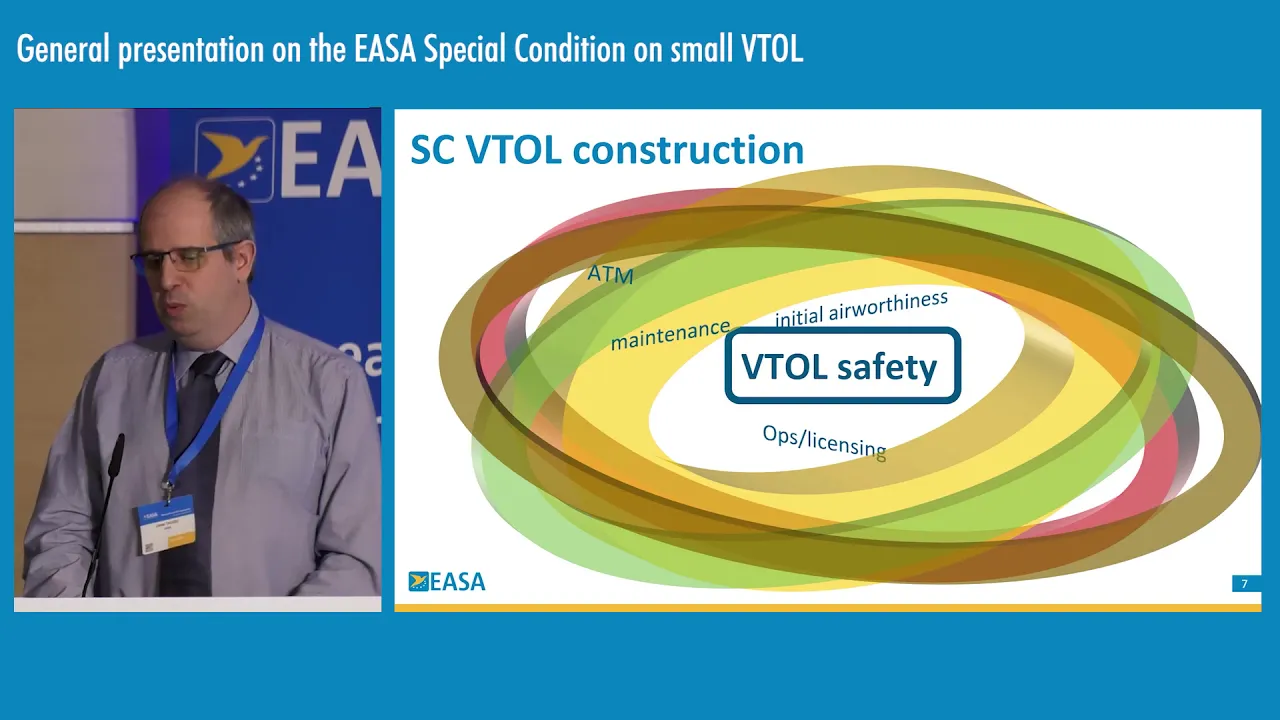



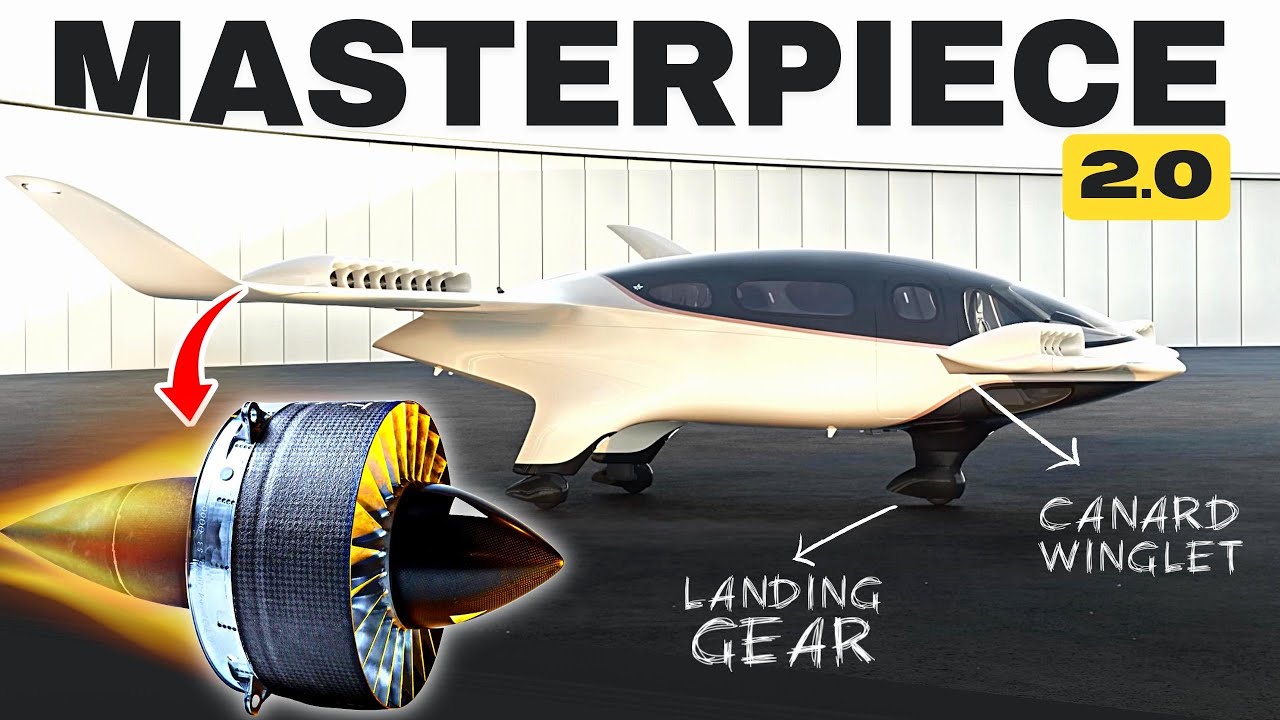
VTOL (Vertical Takeoff and Landing) aircraft require a three-tiered flight envelope system—normal, operational, and limit—where the normal envelope represents optimal handling and performance, the operational envelope defines controllability boundaries, and the limit envelope establishes structural and design limits; stall compliance differs from conventional aircraft as VTOLs must demonstrate minimum stall speed according to CS23.2110 and stall characteristics according to CS23.2150 only if stalling is possible within the limit envelope, while also accounting for unique VTOL factors like battery state of charge affecting performance characteristics.
VTOL Flight Envelopes & Stall Characteristics | Rotorcraft Symposium 2020
Added:Fundamental aerodynamics including lift generation, angle of attack (AoA), and the physical mechanics of aerodynamic stalls.
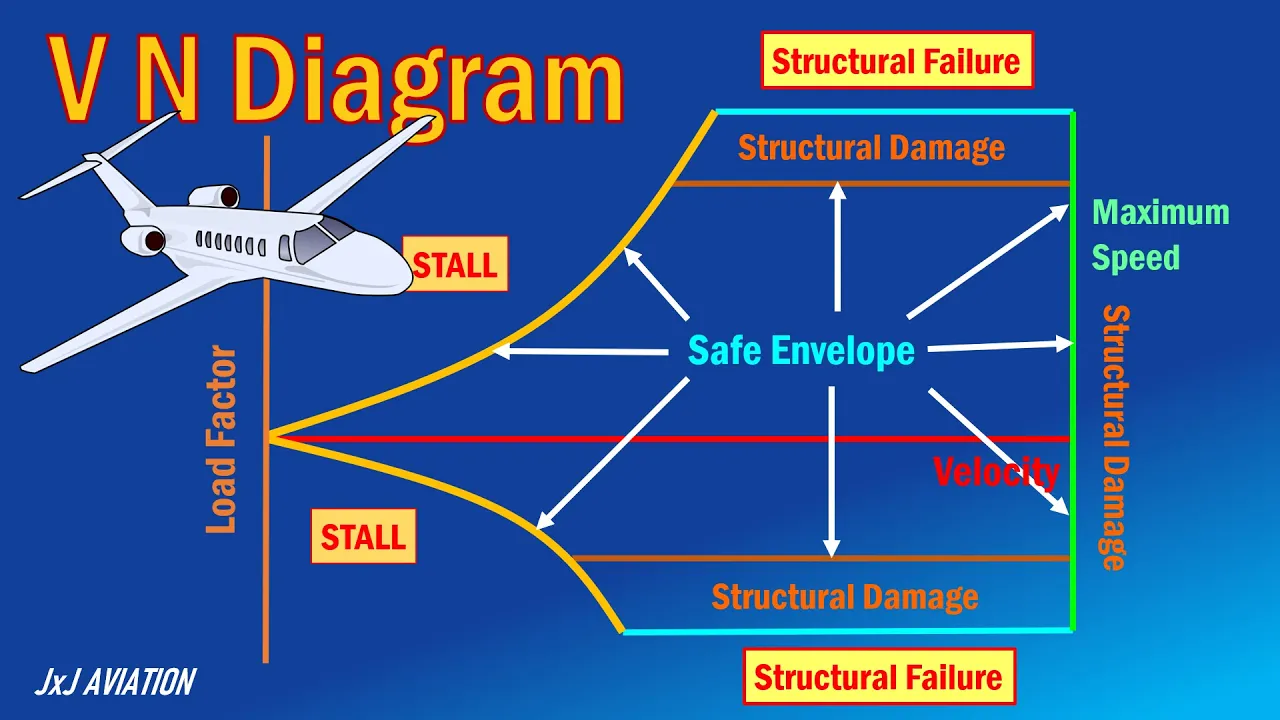
Basic concepts of flight envelopes, including V-n (Velocity vs. G-load) diagrams and structural or aerodynamic boundaries.
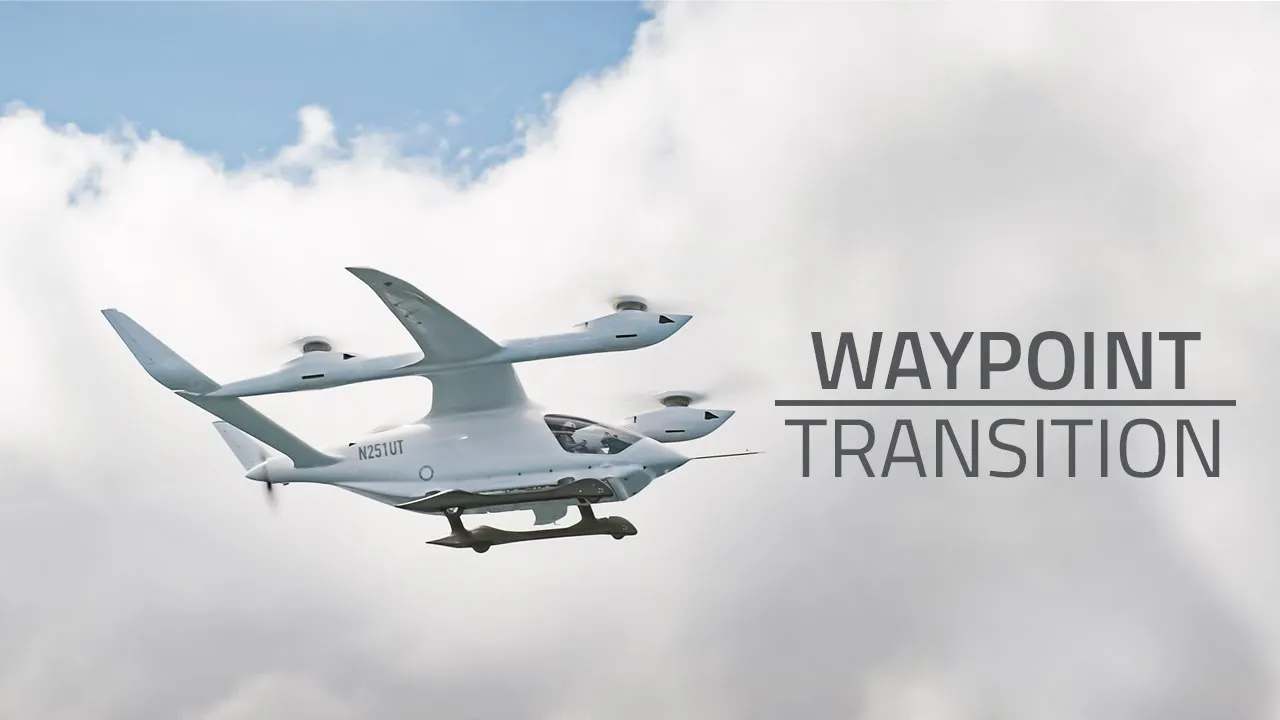
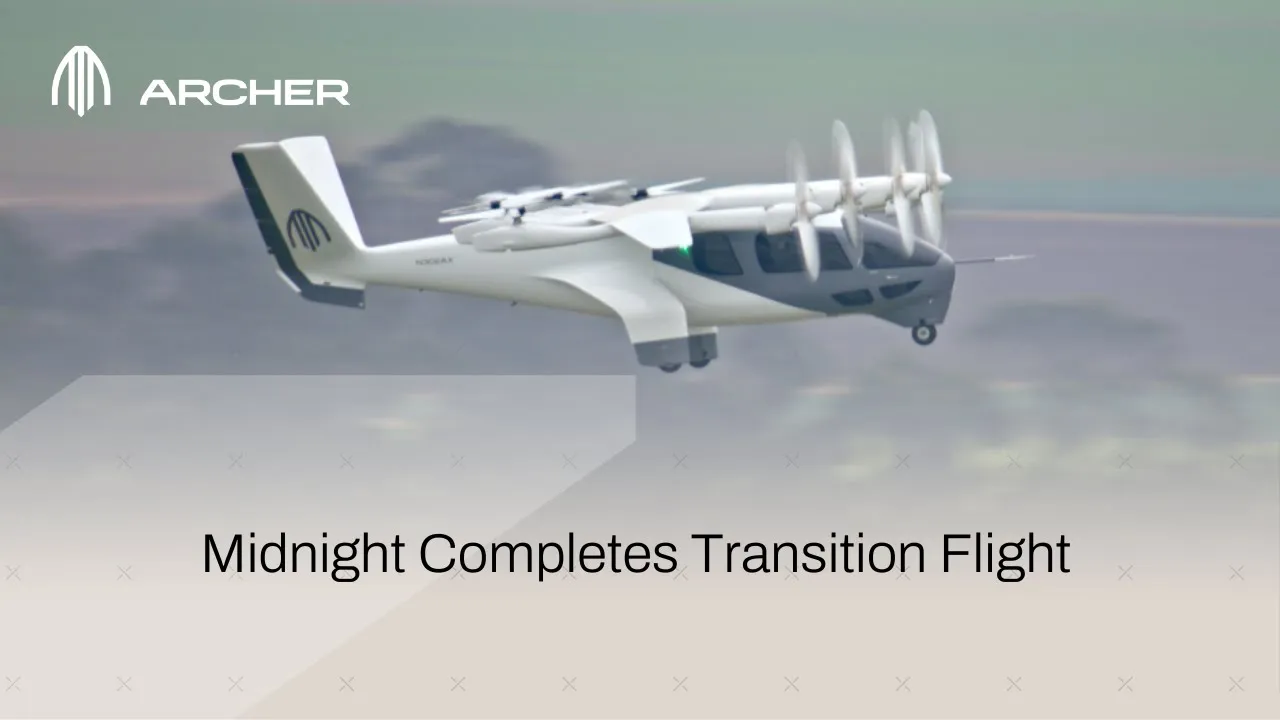
Core principles of VTOL (Vertical Takeoff and Landing) flight mechanics, specifically the transition phase between thrust-borne and wing-borne flight.
An introductory understanding of aviation certification frameworks and airworthiness standards (such as FAA or EASA regulations).
Advanced flight control laws and envelope protection systems (Fly-By-Wire) designed for multi-mode VTOL aircraft.
Flight testing methodologies and safety protocols for executing envelope expansion and stall testing in novel aircraft configurations.
In-depth analysis of specific regulatory standards, such as EASA's Special Condition VTOL (SC-VTOL) and FAA certification pathways for eVTOLs.
Translating certification data into Pilot Operating Handbooks (POH), emergency procedures, and simulator training profiles for commercial operations.
1.2K views9likes14:20Original Release: 2021-01-07
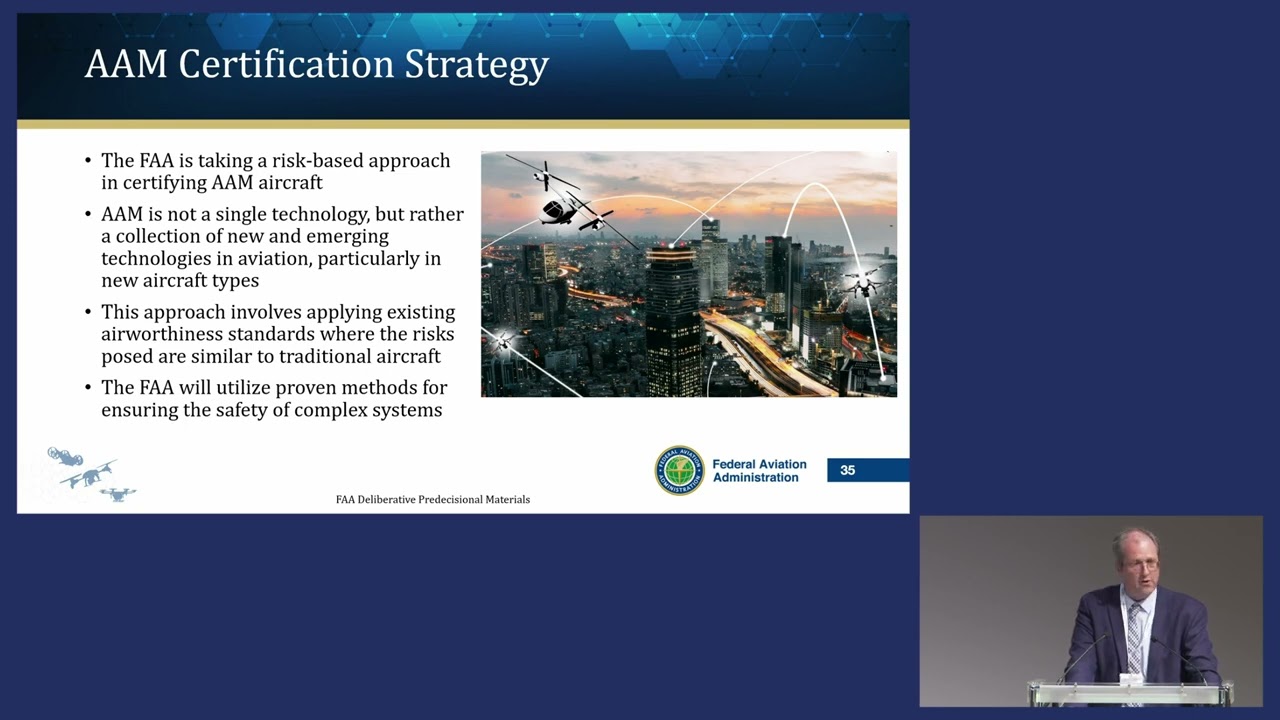
[Music] hello my name is hamdi salam i'm a rotocraft flight test pilot and i'm going to present to you the vtol flight envelopes and stall characteristics okay so let's go through the agenda we're going to discuss the objectives we're going to go through the applicable special condition veto requirements which are mentioning uh flight envelopes and stall characteristics we're gonna go through uh the difference there is in the defining store characteristics in the cs23 and the special condition vtol we're gonna go through uh the flight envelopes in a special condition veto and what is us expectations on that we're going to go through some example from ac25s7d we will see some adaptation that can be performed in the special condition veto and we will have a slide with a conclusion okay for the objectives we're going to identify where in the special condition veto we refer to this novel concept of flight envelopes we're going to provide a as a position on stall compliance demonstration provide as a position on flight envelopes and then identify some possible challenges when defining flight envelopes with vtols and in particular for evitals now i'm going to go through the different requirements from the special condition vtol in in all different subparts i'm going to start with subpart alpha so the first requirement is vtol 2000 applicability and definitions where we have the three different flight envelopes so starting with the normal flight envelope which is the flight envelope associated with routine operation and or prescribed conditions then we have the operational flight envelope which is the flight envelope associated with warning onset and then we have the limit flight envelope which is associated with aircraft design limits and protection limits so now we start with the subpart bravo of the special condition veto and the requirements uh which we are referring to are performance data 21.05 which is referring to the operational flight envelope when meeting the requirements of this subpart we have also requirement 21 10 which is a flight envelopes and this requirement is of course saying that you need to determine the normal operational limit flight envelope and it's saying that when doing that you need to take into account the most adverse ambient conditions continuing with our support bravo the next requirement is a 21-15 takeoff performance here we're referring to the operational flight envelope when determining the take of performance then we have a vtol 2120 which is a climb requirements and here we are referring to the normal flight envelope or the operational flight envelope if we consider a category enhance the vtols and finally we have 2125 climb information and also here we have a difference depending on the class of the beetle and we have to consider in some cases the normal flight envelope or the operational flight envelope again in subpart bravo we have the controllability requirement 2135 and here we have a different uh controllability and handy qualities requirements depending if we are in the operational or in the limit flight envelope we have also in point delta another reference to the limit flight envelope and that it says that we need to be able to make a smooth transition from one flight condition to another without putting in danger or exceeding the limit flight envelope support bravo again so we have the requirement at 21.45 flying qualities here we're referring to flight envelopes in in general we have that in alpha and bravo we have a requirement then at 2150 which is a stall characteristics and stall warning so this is the first time where we refer to stall in the special condition veto and we will see what is the difference in the later slides when we compare it to cs23 the other requirement we have in support of bravo is a 2160 vibration and it says that in a general manner the aircraft needs to be free from excessive vibration throughout the limit flight envelope going now into subpart charlie the first requirement i would like to talk to you about is the 2200s structural design envelope so this requirement is listing all the different design and operational parameters that need to be taken into account when defining the structural design envelope so we need to take into account the structural design airspeeds the flight load conditions the mass variation and distribution over the applicable mass and the center of gravity envelope so the structural design envelope defines the parameters that are used to define the limit flight envelope another requirement that goes hand in hand with 2200 is 2215. so before we listed all the different parameters here we're going to see what are the combination of flight parameters and load factors at and within the boundaries of the maneuvers and gust envelope so the flight load conditions which are defined in vtol 2215 alpha defines the limit maneuvers that make up the limit flight envelope and i'm sure you'll get much more details in other amc presentation regarding this point going to subpart golf we have a requirement 2600 fly crew compartment and here also the flight envelopes are referred to even though only in a more general way now we're going to go through the stall characteristics and the difference between cs23 and the special condition vtol so in the cs23 amendment 5 23 2110 is the stall speed requirement in cs23 if an aircraft can stall which usually is the case then you would also need to look at 23 2150 which is stall characteristics stall warning and spins in this slide you will see in the left column we have the cs23 amendment five requirements so we have listed the 2110 and 2150 and in the middle column we have the astm material which you need to refer to to show compliance to the requirements so in special condition veto we have two possible cases if the stall is a characteristic of the aircraft even if only in the limit flight envelope then you would need to determine the minimum stall speed according to cs 23 2110 which in the end refers to f3179m as stm standard which is mainly the same requirements of cs23 amendment 4 and once you have determined the minimum stall speed then you would need to determine the store characteristics stall warning and spins according to 23 2150 which refers to f 3180 low speed flight characteristics with the score system if the stall is not possible it's simply out of the safety objective then you would need to show compliance to veto 2110 flight envelopes and provide evidence that stall is outside of the limit flight envelope and you would only need to show compliance to veto 2150 only if it's required by some other requirement or only to show what would happen in a recovery from departure from controlled flight so we spoke before about subpar charlie and the structure requirements let's let's see how those work for us so we have defined the parameters according to moc uh vtol 2200 and we could think about them as different airspeeds power settings a load factor aircraft configuration and mass ambient conditions density altitude and oet and then we would need to see all the different combinations according to moc vitol 2215 and this would eventually give us the limit flight envelope so the limit flight envelope or the design limits of the aircraft are here shown as the red area we could think of this bigger envelope including smaller ones you could have a smaller envelope where you have better handy qualities and performance and then a slightly bigger envelope which is the boundaries of the handy qualities and performance if we do a kind of parallel to what is the definition of the flight envelopes then we would see how the design limits would be the same as the limit flight envelope the operational flight envelope is the boundaries of controllability and performances while the normal flight envelope it is the core of the envelope where we have the best handling qualities and performance in the last section we're going to go through the ac 2570 presentations of five envelope we're going to do that to show you some graphs taken by from the handy qualities rating method two graphs are shown one for flaps up and one for flaps down configuration it could be a method on which to build on however we need to take into consideration that there could be different ambient parameters that affect the flight envelopes when we consider veto and also vtols might have different characteristic speeds if we compare it to cs25 aircraft we also need to consider that we might have a variable flight envelopes depending on the state of charge of the batteries we probably would need to reconsider the way flight envelopes are presented and or displayed to the crew so the first presentation we're going to go through is the envelope for flaps up so you see we have different parameters displayed we have different characteristic speeds on the x-axis and we have depicted also concentric areas which are defining the different flight envelopes another example shown is the flight envelopes with flaps down here we see that the characteristic speeds of course have changed if we compare them to the flaps up configuration even the parameters might be affected depending on the aircraft design so in this slide we're going to go through an example of how we would need to adapt the characteristic speeds when we consider vtols so here we have the different speeds which are coming from structural requirements they are the ones in green so we have a vd we have a vne and the vh which could be equal or different and then we have a v bravo which is the maximum flight speed in turbulence if we consider these speeds from what we said before we could draw the limit flight envelope at the boundaries of the vd so the vd would be defining the limit flight envelope the operational flat envelope would be defined by the vne or vh whichever is higher and to define the normal flight envelope we could consider referring to the velocity normal operation which is a speed not determined by structural requirements but it could be a speed which is determined by handy qualities or performance requirements another adaptation which we might need to do is the following what would happen to the flight envelopes when we change different energy levels or state of charge and configuration so before we spoke about a graph which was only in the two dimensions here in vtol's we would have much more than two configurations so we'll probably need to have a different axes and moreover if these different configurations give us different flight envelopes these flight envelopes might change also with a different state of charge so we probably would need also to rethink the way we are displaying the flight envelopes both in the certification activity and also during execution of the flight so this brings us to the conclusion the stall characteristics if an aircraft can stall are expected to be demonstrated in the same way we do in cs23 so we will need to determine the minimum stall speed according to 2110 and then the stall characteristics according to 2150 flight envelopes touches many parts of the special condition vitol it is the topic that covers almost also parts eyasa is presenting only the principles of flight envelopes which we understand is a novel concept it is up to industry to propose possible means of compliance to the applicable requirements and euro case standard would be highly welcomed flat envelopes may vary with the remaining energy level and the state of charge and different configuration so we would probably also need to reconsider the way we are displaying them to the crew so i hope this was interesting and i would like to thank you all for your [Music] attention [Music] you
Up Next

9:16
Kitty Hawk Heaviside: Engineering of a Personal eVTOL
@eVTOLinnovation
224.4K views•2021-10-08

30:32
Ultrasonic Transducers: Resonant Frequency Measurement and Horn Design
@imajeenyus42
229.9K views•2017-02-22

54:16
Polymer Environmental Degradation: Mechanisms & Stabilization
@iit
1.8K views•2012-07-10

33:39
How a Student's Question Saved a NYC Skyscraper from Collapse
@veritasium
22.8M views•2025-04-26
Related Study Plans & Knowledge Roadmaps
Structured learning paths in Engineering
engineering
Building Acoustic Levitators: Physics & Arduino
01The Physics of Sound and Standing Waves
02Piezoelectric Transducers and H-Bridge Drivers
03Arduino Programming: Generating 40 kHz Signals
+ 2 more learning modules
14h5 modules
Explore Roadmap
engineering
Building Peltier Cloud Chambers: Particle Tracks
01Cosmic Rays & Cloud Chamber Physics
02Thermoelectric Cooling (TEC) Fundamentals
03Custom Liquid-Cooling Loop Design
+ 2 more learning modules
18h5 modules
Explore Roadmap
engineering
Yagi-Uda Antennas: Modeling, Build & VNA Test
01Introduction to RF and Antenna Fundamentals
02Yagi-Uda Antenna Design Principles
03Antenna Modeling and Simulation in 4NEC2
+ 2 more learning modules
18h5 modules
Explore Roadmap
engineering
ECG Monitor Design: Op-Amps, Filters & Noise
01Electronics & Breadboard Basics
02Op-Amps and Instrumentation Amplifiers
03Bioelectricity and ECG Fundamentals
+ 2 more learning modules
18h5 modules
Explore Roadmap