












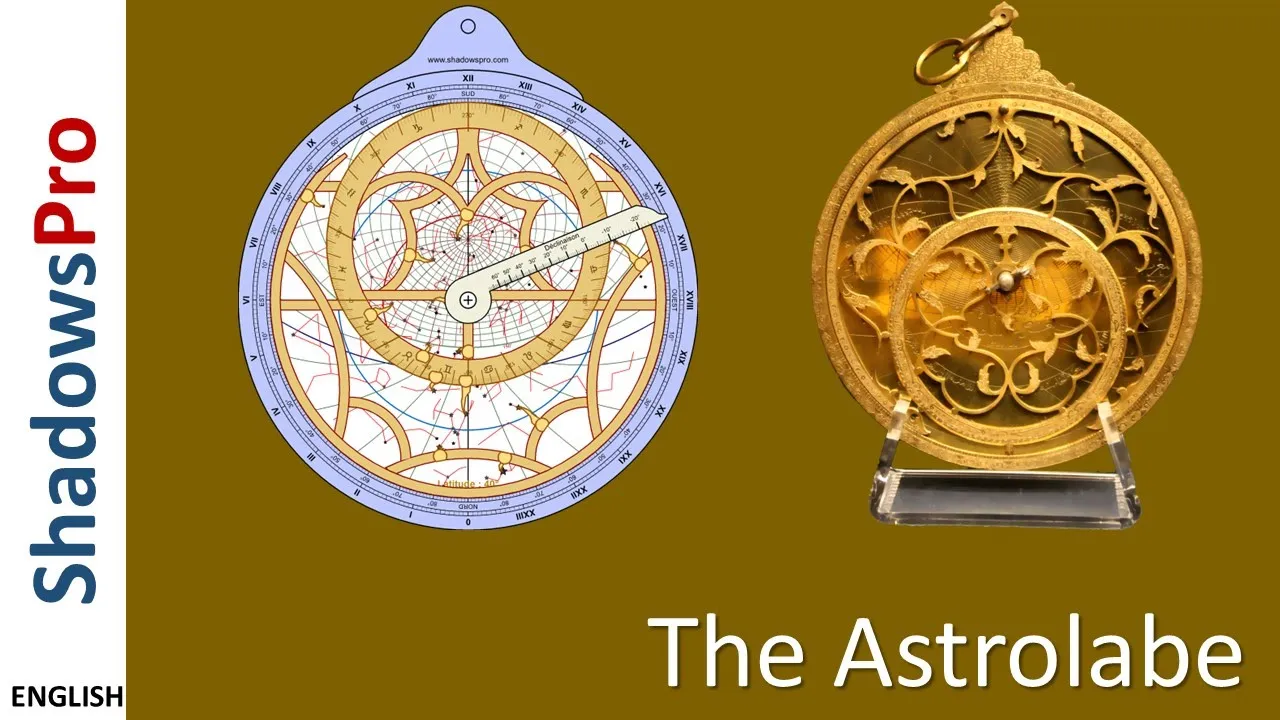








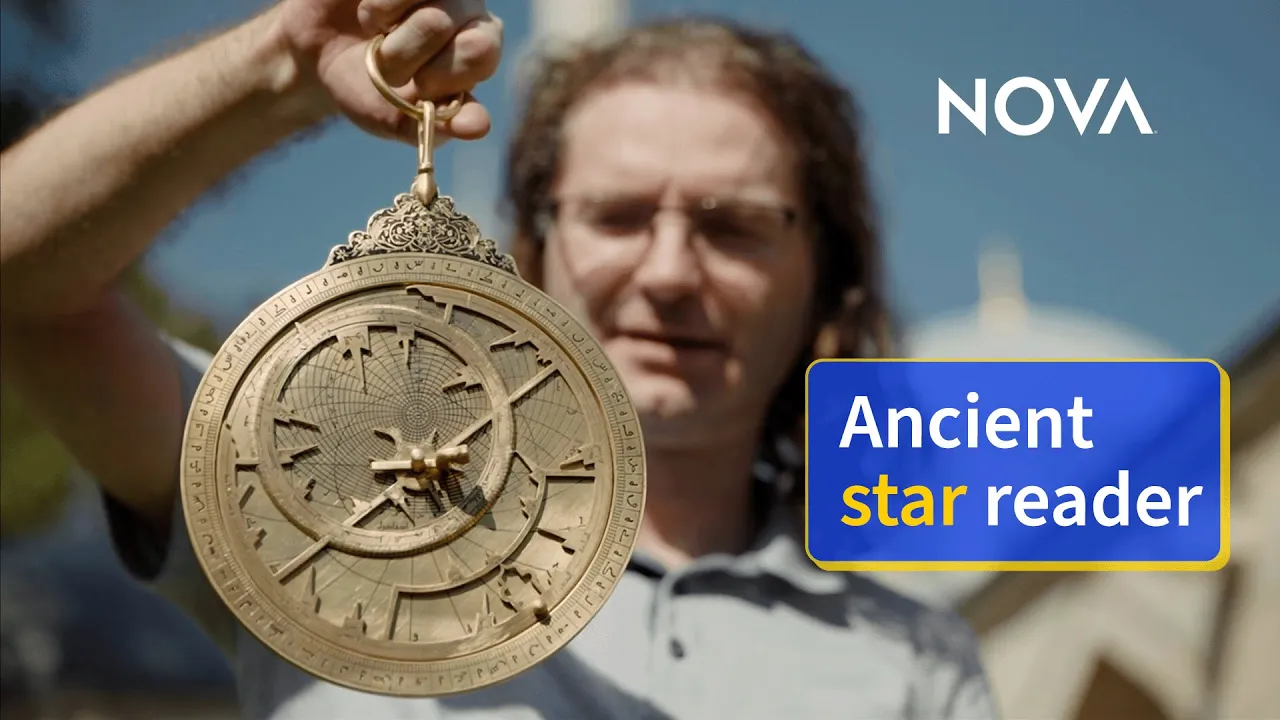



The astrolabe, meaning 'the device that takes the measure of the heavens' in Arabic, was a sophisticated astronomical instrument invented by Muslims during the Golden Age of Islam. Originally developed by Muhammad Al Fasari, it enabled precise measurement of celestial altitudes, determination of prayer times based on sunrise and sunset, and prediction of astronomical events. The device consisted of interconnected components including the halka (ring), kury (throne), umm (mother), lat (plates), anabo (spider), and al adada (ruler). Local astrolabes were calibrated for specific cities, while the universal Safiyya al-Arzak model could function anywhere globally. This invention spread to Europe through Muslim rule in Al-Andalus and remained in use until the 17th century, representing one of the most precise astronomical tools of its era.
Astrolabe: The Ancient World's Precision Navigation Device
Added:in the modern world when we go from one place to another we use Google Maps and that makes our journey very easy however in the ancient times they would follow the stars and based on how they aligned The Travelers or Sailors would look for directions it begs for a question to be asked did they have any device that helped them to get the exact Direction the answer is yes this device was geometrically so precise that it would take 6 months of precision hard work to build just one it could precisely take altitude measurements of the sun could tell the time during night and day even tell you the exact time when the Sun would rise and set this device is called an astrolabe and this was the Google map of the ancient world it was first developed in its complex form by Muhammad Al fasari the word astap comes from the Arabic word asur laab and in this video we will explore how it became such a potent device that was used till 17th century in order to understand astrolabe we need to go back centuries if you are a Muslim you know that the prayer times are precise and yet changing from day to day basically the correct time of prayer was determined astronomically based on Sunrise Sunset Etc and based on that the muen would call out for the prayer and that begged the need to build such a precise device that wherever you are in the world you would not go wrong with with the timings of the prayers therefore astrales were made for local purposes for example the astrol build for bdad would be slightly different than the astral built for Istanbul however there was one particular astral made that was Universal and it was hugely successful but more on that later before we move forward I want to ask you a quick question are you looking to form a connection with Allah if yes then you know the best way to do so is Quran there are so many of us who dream of writing Quran one day what if I were to tell you that you can start writing Quran within minutes how you ask this is where our tracing Quran ebook comes in what is complete Quran ebook this is an ebook with grade out Ayah which you can write on using pencils and Pen whenever you want this ebook is based Inman Quran which means it is 100% authentic you or your children or your sisters or anyone in your family or friends can write Quran the moment you order it because this is an ebook it comes with 100% flexibility of printing whenever you want however you want how many times you want let's say you want to write suras in five times that is possible with our tracing Quran ebook just get five prints and start writing no restrictions and because this is an ebook you can get it downloaded within minutes of ordering begin your journey today and start earning rewards for every letter you write you can order the ebook from the first link in the description now let's get back to the video as per the book 101 inventions by National Geographic the origins of Astral is actually unknown we know for a fact that Theon of Alexandria wrote about astrolab in the 4th century and the earliest preserved Greek triti on astrolab was from the 6th century triti is nothing but a long for Book on a certain subject so there are many gray areas as to when astral was first made however what's not debatable is that Muslims developed it and expanded its purpose as they wanted to ensure the correct timing of the prayers and in the Islamic World it remained Popular until the 1800s new treti on astrola was produced by iban Ali Musa and alisi in the 9th century while the earliest surviving astrolab dates back to to the 10th century and this was built by The Apprentice of Ali IB Musa in bhad and because of the early Muslim rule in andalo the modern world Spain and Portugal astrolabe made it to European countries and that's how you could also find astrolabe that dates back to 13th century so you know the use of Astral by now but how does it work that's a big question and we'll try to answer that before I give you all the details keep in mind these terms I'm about to tell you because these will play a major role in understanding of how an astrolab works the first part of astrolab is called Halka or ring and that is connected to kury which is also called Throne next comes um which is also called mother and this holds several Hollow plates which are called lat the next is called anabo spider or in Latin reti and at the back it has Al adada which is the ruler if this is clear to you we can now see how all these paths come together to give us precise astronomical details and the way to use it is a bit complex so I would suggest you pay good attention step one you will move Al adada to point at the sun step two you measure the alignment of the sun let's say for example it is 54° from The Horizon Now flip the astrolabe and find 54° Mark at the bottom lwha step four find and mark the date which is on the ring which shows the path of the sun step five rotate the plate till the date aligns to the altitude Mark step six then draw a line from the center of the astrolab till the end and you can read the time from the rim and that way you can determine the exact time now that you know how it works can you imagine how complex a local astrolabe was now imagine building one astral that will work around the globe could that feat even be possible as it turns out it was the most popular and the most famous astrol was built by two men Ali IB khif a shakas and alzar he called it safia arzak from the Arabic safia which means plate and this astrolabe worked everywhere astrolab is one of the finest and the most precise toool that was developed during the Golden Age of Islam and the purpose of building that was to know the precise timing of Islamic prayers however it went on to become the most used device in the astronomical world did you know about this incredible Muslim invention let let me know in the comments they were eventually superseded by more Advanced Mechanical clocks and other devices to use the astronomical calculations but simple astrolabes are still made for stargazers if you like this video about how Muslims discovered astrolab you will like another video of how Muslims gave the world coffee and please share this video with your friends like And subscribe to the channel it really helps me out and do not forget to check our complete tracing Quran ebook it is the first link in the description asalam alaikum
Up Next

Hulagu Khan's Siege of Baghdad: The Mongol Conquest of 1258 Explained
@HistoryDose
1.8M views•2022-11-12

The Great Schism of 1054: Causes and Consequences
@SacredCathedrals
113.5K views•2026-02-19

The Geopolitics of the Ukraine War and the Rise of Global Autocracy
@JordanHarbingerShow
468K views•2025-04-19

Understanding the Cold War: Superpower Conflicts and the Road to Détente
@OverSimplified
46.1M views•2019-01-24
Related Study Plans & Knowledge Roadmaps
Structured learning paths in History