













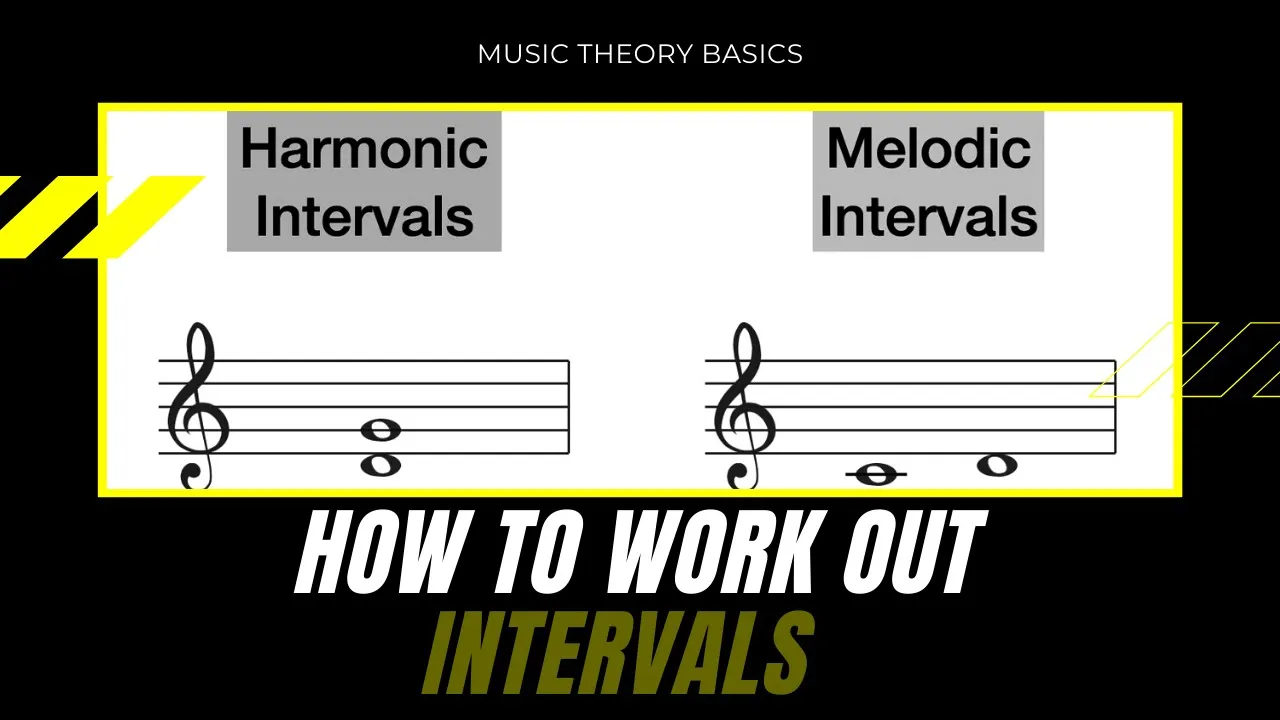











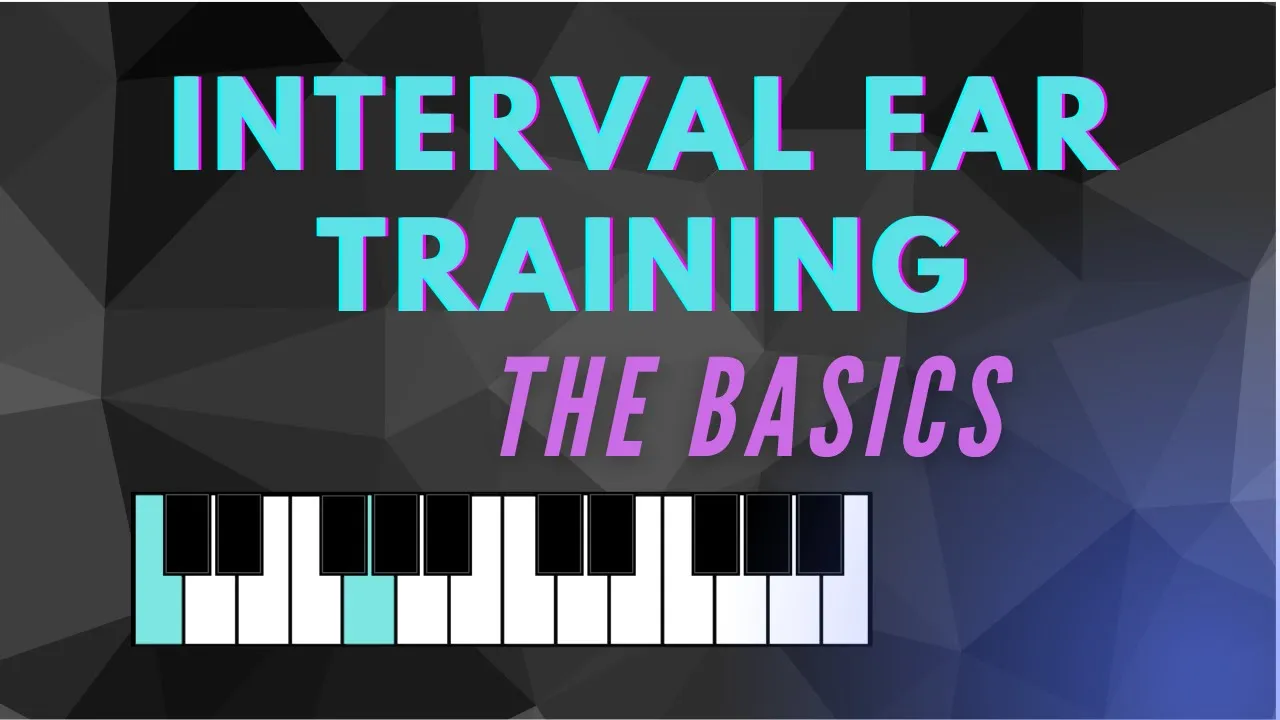












In music theory, an interval is the distance between two notes, named by two components: the interval number (determined by counting the letters in the musical alphabet from the starting note to the ending note) and the interval quality (which describes the specific size). To find the interval number, ignore accidentals (sharps and flats) and simply count the letters between the note names; for example, from B to E involves counting B, C, D, E (four letters), making it a fourth. This method works even with enharmonic equivalents like B-flat to F-sharp (both are fifths) or B-flat to G-flat (a sixth), because the letter names determine the interval classification regardless of how the notes sound or appear on the staff.
Interval Numbers Made Simple: Music Theory Explained
Added:Familiarity with the musical alphabet (A through G) and how it cycles continuously.
Basic understanding of the musical staff, including how to read notes on lines and spaces.
The fundamental concept of pitch, representing how high or low a sound is.
The basic definition of an interval as the distance in pitch between two notes.
Understanding interval qualities (major, minor, perfect, augmented, and diminished) to completely classify an interval.
The rules of interval inversion (e.g., how a second becomes a seventh when inverted).
Ear training techniques to aurally identify different intervals by sound.
Using intervals as building blocks to construct and identify major and minor triads.
Analyzing scale structures, such as major and natural minor scales, through their step-interval patterns.
269.7K views16Klikes14:41Original Release: 2021-04-12
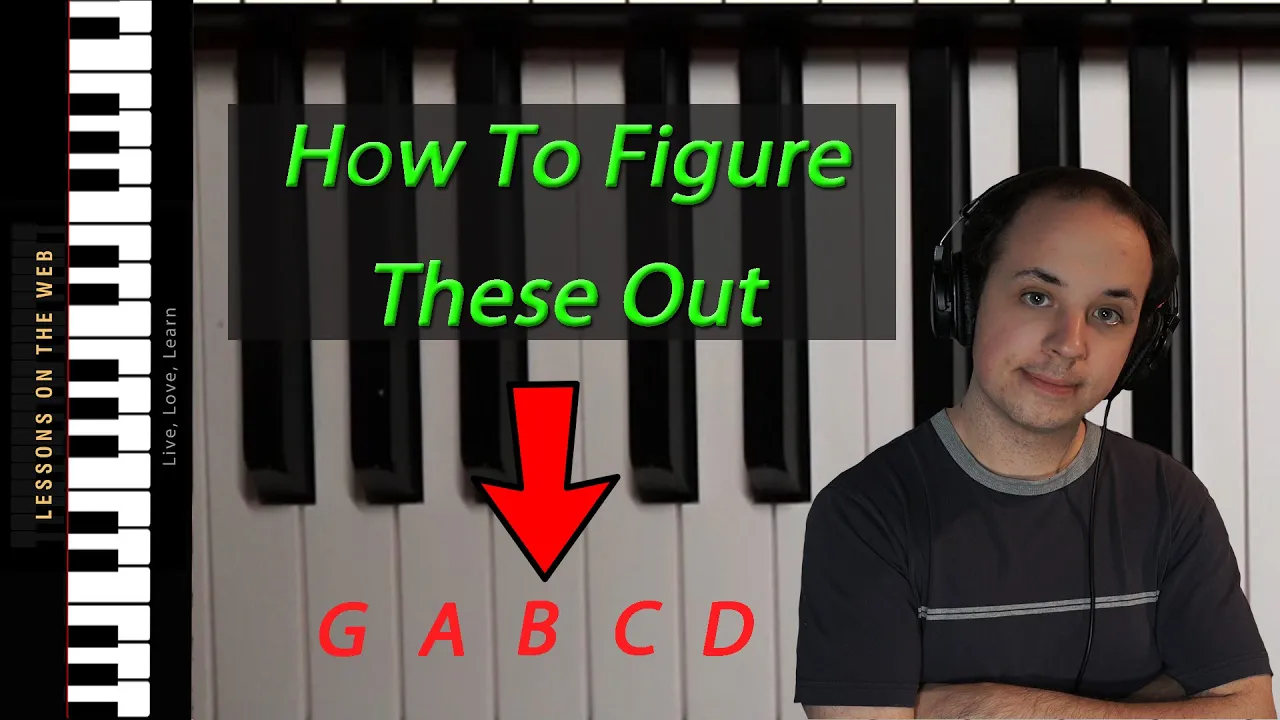
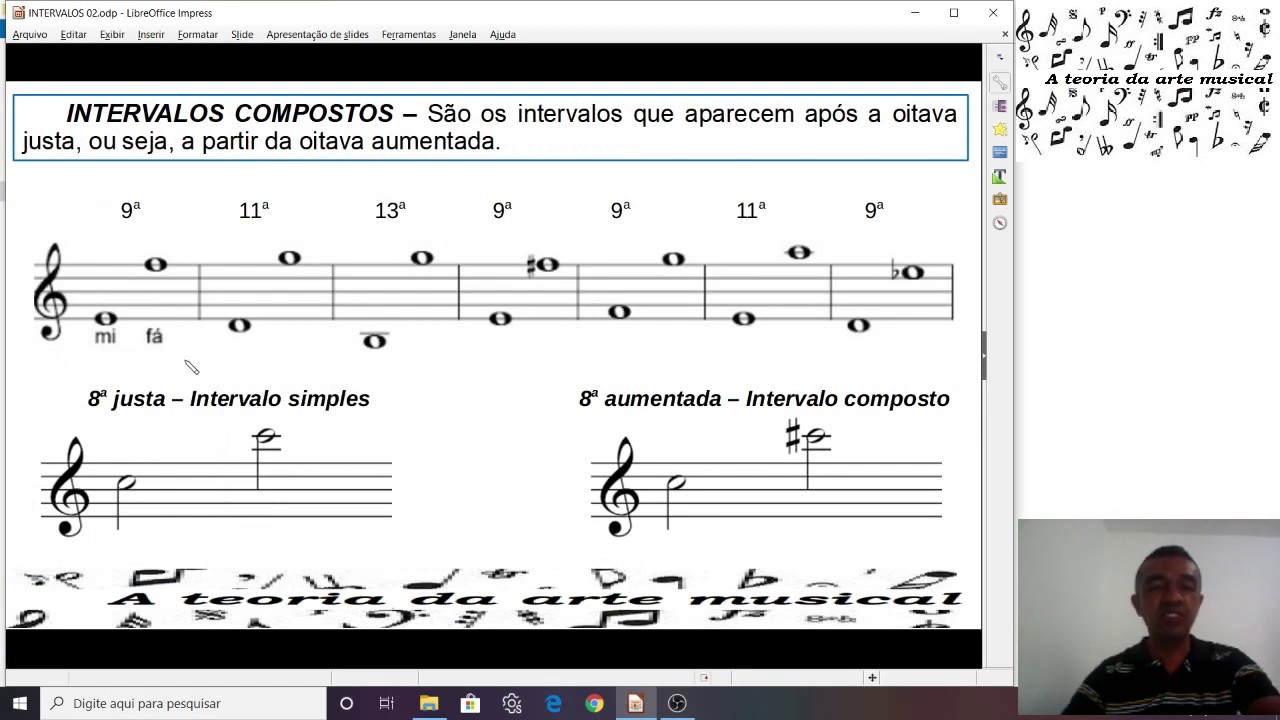
when i was younger and first studying music i hated learning about intervals i didn't understand why they mattered and i found it confusing and difficult to identify them but once i figured out how to think of them in a simpler way it actually became really fun to analyze and identify them hopefully in this video series i can show you how to understand them in an easy and simple way and explain to you why they're important to start off an interval is just the distance between two notes and in music theory each interval or distance has a name interval names have two parts to them the interval number and the interval quality i'm gonna first write out some random interval names here on the whiteboard so here are some random interval names and as you can see each one of them has two parts to it right there's an adjective like diminished and then a number like fifth and as you might imagine the interval number is the number part of it so fifth and the interval quality is that adjective that comes before it like diminished so as you can see there's two parts the quality and the number so again quality number major is the quality second is the number quality number quality number pretty simple it's actually really easy to figure out the interval number so we're going to start with that first all you need to know is your musical alphabet so in the musical alphabet we have seven letters that we use to name notes and it's just the first seven letters in our normal alphabet a b c d e f and g so as you can see here i just wrote out the alphabet after we get to g a b c d e f g we go back to a again and just keeps going on and on and on i ran out of space on the white board but we could go forever in either direction and as we move further up the alphabet the notes get higher in pitch and as we move backwards down the alphabet the notes get lower in pitch so here's the important rule you need to remember to figure out the interval number between two notes all you need to do is look at the letters of the note names for instance if i said what is the interval distance between the notes a and c and all i want to know is the interval number right now not the quality all you need to do is look at the alphabet and count the letters so between a and c here's a and c let's just count the letters so a b c that's one two three that's three letters right so the interval distance is a third what about the distance between an f and a g okay f and g i'm counting the letters there's two letters okay so it's a second the interval is a second what about the interval distance between g and d okay so g a b c d that's five letters therefore the interval distance is a fifth between g and d what about the distance between b and e so b c d and e that's four letters right therefore the distance between b and e is a fourth the interval is a fourth what about the distance between b and a okay here's my b one two three four five six seven right b to a is seven letters therefore the distance is a seventh and what about the distance between e and c okay e and c one two three four five six i'm counting from e to c that's six letters right therefore the distance between e to c is a sixth the interval is a sixth okay what about the interval distance between a d and another d so from d to d like that well let's count the letters one two three four five six seven eight right from d to d we have eight letters therefore the distance is an eighth but instead of calling this interval a distance an eighth we call it an octave the octave is a special interval so i guess we give it a fancy name it comes from the latin word octava which means eighth and what if i want to measure the distance between a d and a d in the same register so from this d to this d not an octave higher like this to this but just two d's that are in the exact same register well we call that interval distance a unison now the unison interval is the simplest interval in all of music because well there's no actual real distance between the two notes there's no difference in the pitch between this note and this note right they sound the same so the two notes blend very perfectly together and the next simplest interval in all music is the octave you can hear how this this d and this d when they're an octave apart they blend very well together right there's not much tension whenever i play any two notes an octave apart they blend very nicely it's not like other intervals i'll play some others and you can hear there's much more [Music] tension [Music] see there's a lot of tension here when i play a seventh interval but when i play the octave it sounds very blended together there's not much tension right so those are the main types of interval numbers that we just went over unisons seconds thirds fourths fifths sixth sevenths and octaves pretty straightforward right now we can also have compound intervals and i'll get into this just very briefly in this video because it's i don't think it's actually too complicated a compound interval is just an interval distance that's larger than an octave for instance if i were measuring the distance from here this d not up to this d which is an octave but if i go past that d like say to here that would be a compound interval because it's larger than an octave and to identify the number of a compound interval we do it the exact same way that we identify the other types of intervals just by counting the letters so for instance what's the interval distance between let's say this d right here and this b all the way up here okay so from d to this b all the way up here let's count the letters d e f g a b c d that's 8 right 9 10 11 12 13.
so that's 13 letters we just counted from d to b therefore the interval distance is a 13th i'm going to make a separate video about compound intervals and how we use them in chords later and when i do i'll put a link to that video in the description below by the way if you're new to my channel and you haven't subscribed yet please do i post one video a week and i would love to have you on board and if you're enjoying this video don't forget to give it a thumbs up and leave me a comment because it really helps me out alright moving on so i explained how to identify the interval numbers by counting the letters now why do i keep stressing the letters and saying we need to count the letters instead of just saying we need to count the notes well it's because once we begin to add notes with sharps and flats into the mix it's really important that we count the letters and i think this is a very crucial thing that a lot of people don't get taught when they first are learning about intervals and this is what really simplifies it i think if you just remember that all you really need to do is focus on the letters and count those it really really makes it much easier let me show you why so let's say i want to figure out what the interval distance is between a b-flat and an f okay so all i need to do is think about the letters i'm going to ignore any sharps or flats so i'm really not going to think about this flat at all i'm just going to think of this as a b and an f okay and i'm just going to count the letters between those two letters so b c d e f b c d e f that's five letters therefore the distance between b flat to f is a fifth so even though it has a flat there it's still i'm just looking at the letter b and f and therefore the distance is a fifth now what if i wanted to figure out the interval distance between a b flat and an f sharp okay so not f natural but f sharp well again we just ignore the sharps and flats so i'm just going to think of this as b and f not b flat and f sharp and again count the letters so b c d e f that's still just five letters right therefore the distance between b flat to f sharp is also a fifth let me show you these two intervals on the piano so you can see and hear them so b flat to f that's a fifth and then b flat to f sharp that's also a fifth hey but wait a second these sound really different right that sounds very different from they sound quite different and they're literally a different distance right this one has an extra half step in it and this one this one's these are further apart than these two but they they're both fifths yes so even though they don't sound or look the same they're both fifths because the distance of the letters are five letters apart so that's why it's so important to think about the letters when you're figuring out this number of the interval you might be wondering okay so how do we properly differentiate between the names of these two intervals then right because they're obviously not the same interval this is sounds very different from that right they're not the same distance well that's when the interval quality comes into play which i'll teach you about later in this video series so that interval quality which if you remember at the beginning of the video i said is the adjective that comes before the number in an interval name that's what would distinguish these two intervals from each other so even though they're both fifths they have different interval qualities for example from b flat to f natural that's what we call a perfect fifth so that that interval distance is called a perfect fifth and from b-flat to f-sharp that interval distance is what we call an augmented fifth i'll explain this more later in the video series now what if we wanted to figure out the interval distance between a b-flat and a g-flat okay so from here to here b flat to g flat and if you look at these two notes they're the exact same notes i was playing when i was figuring out the distance between b flat and f sharp right because f sharp and g flat are the same pitch see this note right here on the piano it could go by two different names f sharp or g flat it's what we call an n harmonic equivalent and if you don't know what that is i have a whole video about inharmonic equivalence that i will link in the description below which i strongly recommend you watch if you don't know what that means um but it's basically uh just two different note names that share the same pitch like f sharp and g flat same same pitch that we're hearing but it has goes by two different names okay so this is where you're going to see that it becomes really really really important to pay attention to the letters when you're figuring out what those interval numbers are so if i want to measure the interval distance between b flat and g flat remember i'm going to first just ignore all the sharps and flats so i'm really just going to think of this as b to g and i'm just gonna count the letters right so b c d e f g that's six letters and that's very interesting because the interval distance we just figured out before this one was b flat to f sharp and that was a fifth right it's because b c d e f that's five letters so b flat to f sharp is a fifth yet from b flat to g flat it's a sixth right because b c d e f g so even though b flat to f sharp and b flat to g flat are the exact same distance apart right i mean they look the same and they sound the same right we call one of them a fifth and the other one is sixth purely because the note names have different letters so as you can see the names of the notes are actually very very important when it comes to properly identifying interval numbers because as you can see the interval name changed based on the names of the notes depending on what letter we were using and i know you might be thinking to yourself right now oh my goodness are you kidding me we have two identical note distances right yet they go by two different names ah but if you really think about it in a way it actually makes it simpler that we would use different interval numbers in this scenario because then literally all you have to do is just count the letters so hopefully you don't feel overwhelmed by this and you realize that seriously no matter which two notes you're looking at to find the interval number between them all you need to do is look at the letters i have some printable pdf practice worksheets that review and drill everything we're learning in this video as well as many other music theory practice worksheets and the worksheets i've made for this lesson will also go over identifying interval numbers when you're actually looking at the notes on staff paper you can find a link to all these practice materials in the description below now before we move on to learning about the interval qualities in the next video i'm going to give you a brief little quiz right here and now to go over some of those trickier interval numbers just to make sure you understand all right quiz time so what is the interval distance just the interval number not the quality between the notes c sharp and f sharp so remember we ignore all the sharps and flats we just think about the letters c and f and we count the letters so c d e f that's four letters right therefore the interval distance is a fourth all right i helped you out with that one this one i'll i'll try not to it's hard for me okay what about the interval distance between e flat and c sharp so e flat to c sharp i'll give you a second to figure it out yourself so remember we remove the sharps and the flats we just think of it as letters and we count from e to c one two three four five six therefore the interval distance between e flat and c sharp is a sixth okay so now i'll give you a really easy one followed by a really hard one so here's the easy one what is the interval distance between a g and a g played in the same register so just this note to this note it's a unison because these two notes have the same letter they're both g and g and they're in the same register they're not an octave apart or anything like that so unison okay here's the really tricky one what is the interval number for the distance between c sharp and d flat so c-sharp and d-flat hey but wait a second those are the same pitch right that's another one of those inharmonic equivalents c-sharp and d-flat so would that make them a unison but wait the letters in c-sharp to d-flat are c and d right so that's two different letters c and d so that means this interval is actually a second not a unison but a second as you can see it's very important to pay attention to these letters right okay what about the interval number for the distance between a sharp and b flat so even though a sharp and b flat are the same pitch we still need to count the letters a and b therefore this interval is a second it's just like the one we did before so even though it's the same note this interval distance is a second okay last one what is the interval number for the distance between d-flat and g so d-flat to g i'll give you a second to figure it out so we count the letters it's d e f and g it's four letters therefore the interval is a fourth make sense i hope so so this was the first video in a series that i'm making all about intervals so stay tuned for part two because we've got a lot more to learn once i've posted all the videos in the series i'll put links to all those other videos in the description below and in the meantime you can practice identifying these interval numbers with those worksheets that i've linked below again if you haven't subscribed yet to my channel please do i post one video a week and i'd love to have you here and if you watch this video all the way to the end and you liked it please give it a thumbs up and leave me a comment because i really appreciate it when you do that anyway thanks so much for learning with me stay tuned for part two in this interval series and have a wonderful rest of your day or night
Up Next
4:01
Diatonic Scales and Chords Explained | Music Theory Guide
@simonrigby2776
62.4K views•2018-11-13

10:20
Mozart's Musical Dice Game Explained: History, Rules, & Fun
@webpianoacademy
5K views•2023-03-13
35:32
Intervals in Seventh Chords Explained | Music Theory
@GracieTerzian
72K views•2021-07-18
10:49
Understanding John Coltrane's Giant Steps: A Music Theory Analysis
@Vox
10.4M views•2018-11-12
Related Study Plans & Knowledge Roadmaps
Structured learning paths in Music Theory
music-theory
Composing Galant Music: Partimento & Schemata
01Foundations of Figured Bass and Keyboard Harmony
02The Rule of the Octave (Regola dell'Ottava)
03Galant Schemata: The Building Blocks of Form
+ 2 more learning modules
30h5 modules
Explore Roadmap
music-theory
Decoding Overtone Series: Tuning & Drone Music
01Acoustic Foundations: The Physics of the Overtone Series
02Tuning Systems: Equal Temperament vs. Just Intonation
03Microtonality and Spectralism: Beyond Standard Pitches
+ 2 more learning modules
24h5 modules
Explore Roadmap
music-theory
Impressionist Harmony: Scales, Planing & RPGs
01Foundational Music Theory: Keys, Intervals, and Seventh Chords
02Impressionist Color: Chord Planing and Parallel Harmony
03Whimsical Textures: Pentatonic Cascades and Whole-Tone Scales
+ 1 more learning modules
14h4 modules
Explore Roadmap
music-theory
Negative Harmony: Axis Reflection in Indie Pop
01Music Theory Foundations: Scales, Intervals, and Triads
02Functional Harmony and the Circle of Fifths
03Demystifying the Negative Harmony Axis Reflection
+ 2 more learning modules
16h5 modules
Explore Roadmap