





















Astaxanthin, a powerful antioxidant first identified in the 1950s, is produced through sustainable microalgae cultivation using a three-phase growth process (green, brown, and red phases) that triggers natural astaxanthin accumulation in Hematococcus microalgae; this production method leverages Iceland's clean geothermal energy, abundant water, and stable temperatures to achieve high-yield, environmentally responsible astaxanthin extraction through supercritical CO2 extraction, supporting the growing market for natural health supplements.
Astaxanthin Production: Algalif's Sustainable Microalgae Cultivation in Iceland
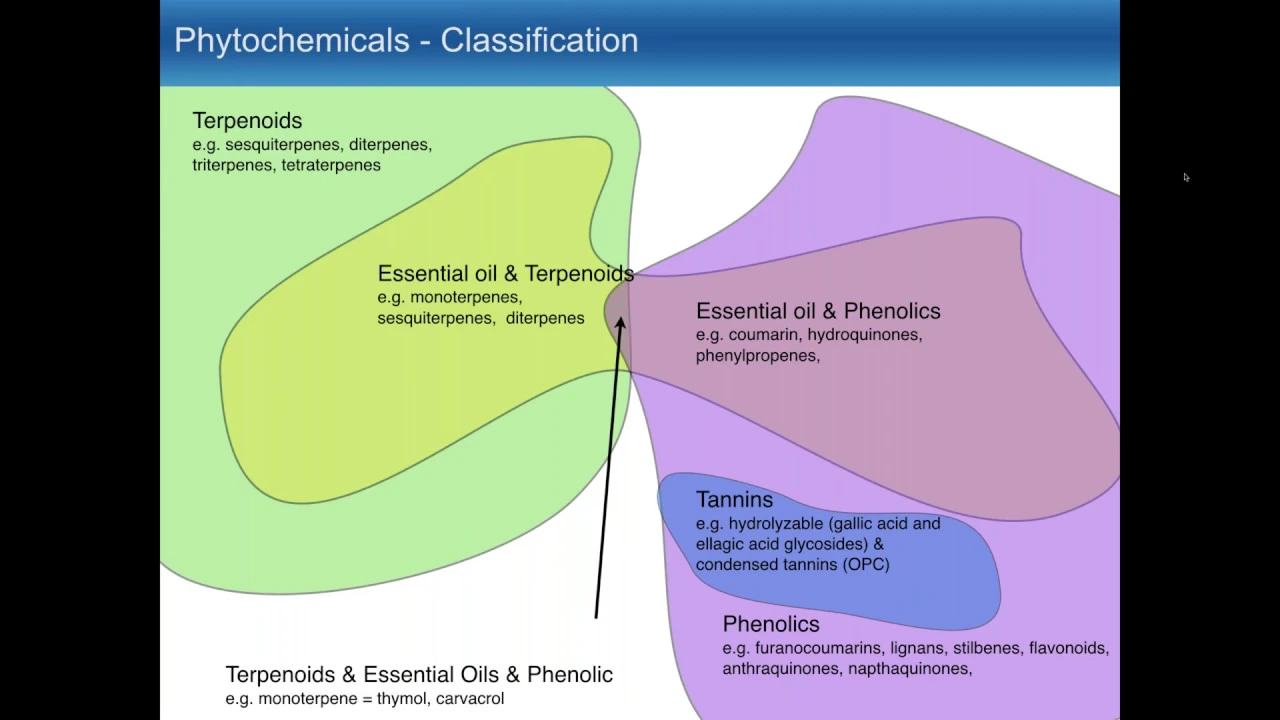
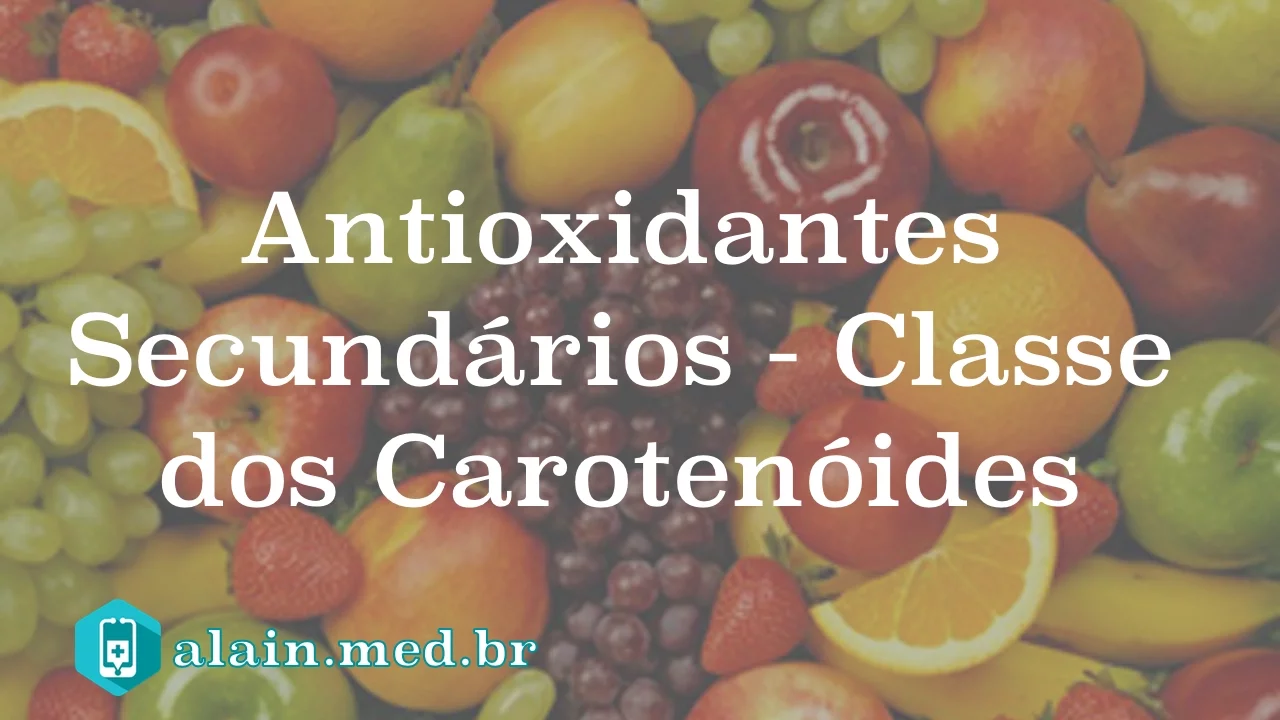
Added:Basic Biochemistry of Carotenoids and Antioxidants: Understanding the molecular structure of carotenoids (such as astaxanthin) and how antioxidants neutralize oxidative stress in cellular systems.
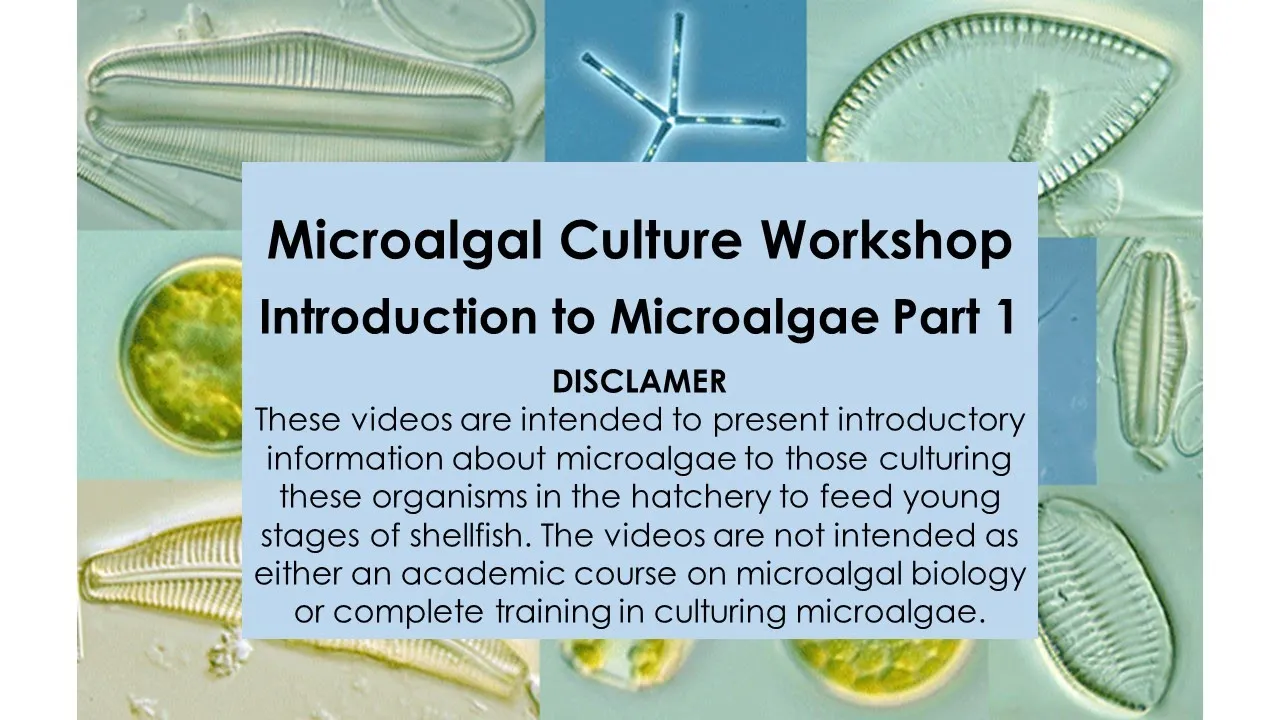
Microalgae Biology and Photosynthetic Pathways: Familiarity with the biological classification of microalgae, their cellular structure, and the mechanisms of photosynthesis and metabolic accumulation under stress conditions.
Principles of Industrial Biotechnology: Understanding the fundamentals of microbial cultivation, including the differences between open-pond systems and closed-loop photobioreactors (PBRs).
Concepts of Renewable Energy and Sustainability: A foundational grasp of geothermal energy extraction and how renewable resources are integrated into industrial manufacturing to reduce carbon footprints.
Commercial Applications in Nutraceuticals and Aquaculture: Investigating how harvested astaxanthin is formulated for human dietary supplements, cosmetics, and pigment agents in aquaculture feed.
Industrial Symbiosis and Circular Economy: Studying how waste streams (such as carbon dioxide and thermal energy from power plants) can be redirected to support microalgae cultivation, creating a closed-loop system.
Advanced Photobioreactor Design and Scale-up Engineering: Exploring the fluid dynamics, light distribution modeling, and contamination-control challenges associated with scaling up microalgae production.
Genetic and Metabolic Engineering of Algae: Analyzing how synthetic biology and genetic modification can be used to optimize carotenoid metabolic pathways, potentially increasing astaxanthin yield per cell.
14.6K views77likes6:36Original Release: 2022-09-06
the first mention of astaxanthin was in a paper from the 1950s not many people still today know what astaxanthin is there are 55 clinical studies that show that astaxanthin might help you improve eyesight skin health muscular health current health it helps to maintain healthy nervous system and healthy oxidative bonds alkali is a microalgae company we cultivate microalgae a single cell organism and out of this alky we can get astaxanthin the microalgae industry is still very young and it's basically becoming an industry at this time so most of the companies are small but the future prospects are very very good a key aspect to how iceland facilitates the astaxanthin production is the fact that we have access to clean renewable geothermal energy close by water in abundance untreated the low stable temperature of the of the region is also a big plus because this means that we have less bio burden which translates into less contamination risk but also the fact that there is less need for energy intensive cooling we can now operate in a greenhouse facility utilizing the the sunlight and the radiation which this brings over the the course of the year to add additional productivity to the whole process so in addition to using the high-tech led lights which we have developed in-house we will have the sunlight as kind of an added bonus in that process we are using sustainable energy we're using super clean water and also many many more regulations our enclosed reactor system allows us to achieve very high yields of astaxanthin production this is uh unparalleled system and i think amongst every other company similar to this we are doing the best in in terms of production of highly pure sustainable astatine hematococcus is the magnificent creature which we rely on in our process and astaxanthin is a particular compound which we extract from that biomass which we produce the the journey of the algae starts out in a clean room where the algae is cultivated on petri dishes and transferred to slightly bigger cultivation volumes in a stepwise process when this part of the process is over we move over to the production part the production part is split up into three distinct faces the green face the brown face and the red face in the green phase we try to mimic photosynthetic conditions it's a little bit like growing a plant in your living room you provide optimum sunlight conditions you provide optimum nutrients and you try to keep the algae happy and growing and in that brown phase we modify those external conditions of the algae and in response to that the algae adapts and starts to accumulate astaxanthin to protect itself from those conditions and then we move on to the red phase and this is where the astaxanthin accumulation continues and moves to the next level with the aim of producing as high of a yield as possible in terms of astaxanthin percentage for the downstream processing of the algae it starts with a step called dewatering where we remove most of the water that was used during the cultivation part then we move on to the cell cracking step where the cells are broken open to make the astaxanthin bioavailable this is then followed by a drying step to yield dry biomass so for the last part of the downstream processing we run that dry biomass through a process called supercritical co2 extraction and this yields material called oleoresin this is then further standardized and refined and you end up with this [Music] sustainability is a core of our business we aim at being net positive to the environment therefore we take extreme care on our waste we are working on a contract with our supplier of energy to start grabbing the little amount of co2 that they release they will take it they will clean it up and we will use it to feed our algae and therefore negative on the co2 we are part of the whole supplement industry our main markets are in north america in europe and eastern asia our production annually is about 1 500 kilograms but after our expansion it's gonna be about 5000 kilograms our vision is to continue to grow to start cultivating other species to produce more ingredients and expand into other fields as fast as possible the market is growing 15 to 20 every year so by the time that we have finished our expansion the market will have grown more than our expansion 10 years from now when this company is 20 years old it might be 10 times bigger the future is very bright there are more and more ingredients coming on the market that are taken out of microalgae and we believe that we can keep our position and growth faster than the others we can expand faster we can merge with other companies and i have a strong belief that this is the way to go consolidation and expansion hand in hand will create a much stronger company and the industry overall will become much stronger in the coming few years [Music] you
Up Next

3:00
Astaxanthin Production from Haematococcus Pluvialis Algae
@SkyShum89
35.3K views•2014-07-09

26:22
Walking in the City: Urban Rituals and the Flâneur in Contemporary India
@PSBTIndia
1.9K views•2016-08-02

9:49
FastAPI vs Flask vs Django: Choosing the Right Python Web Framework
@TechWithTim
302.5K views•2024-05-26

1:42
Game of Thrones Opening Credits: A Cinematic Analysis
@gameofthrones
46.3M views•2011-04-18
Related Study Plans & Knowledge Roadmaps
Structured learning paths in General & Interdisciplinary Studies
general-studies
Artificial Light: History, Tech & Human Impact
01The Pre-Electric Era: Fire, Oil, and Gas Lighting
02The Incandescent Revolution and Grid Electrification
03Gas Discharge and Fluorescent Illumination
+ 3 more learning modules
14h6 modules
Explore Roadmap
general-studies
Elevator Engineering: History, Physics & Cities
01From Hoists to Safety Brakes: The Dawn of Vertical Lift
02Hydraulic vs. Traction: The Engineering Physics of Elevators
03Modern Speed, Safety, and Algorithms
+ 2 more learning modules
12h5 modules
Explore Roadmap
general-studies
Rubber: Material Science, History & Geopolitics
01Origins of Natural Rubber & Mesoamerican History
02The Chemistry of Natural Rubber & Vulcanization
03The Geopolitics of the Rubber Boom & Colonization
+ 2 more learning modules
12h5 modules
Explore Roadmap
general-studies
Containerization: Evolution, Logistics & Trade
01Ancient Trade & Bulk Cargo: Amphorae to Barrels
02The Industrial Revolution & Cardboard Packaging
03The Containerization Revolution: Malcom McLean
+ 2 more learning modules
12h5 modules
Explore Roadmap