Astaxanthin, a powerful antioxidant produced by Haematococcus Pluvialis algae, is extracted through a stress-induced process where green algae are subjected to harsh conditions (saltwater and intense sunlight) causing them to turn red and produce high concentrations of the antioxidant; the algae are then harvested using centrifugation to separate the product from the liquid medium.
Astaxanthin Production from Haematococcus Pluvialis Algae
Added:Deep Dive
Basic biology and life cycle of microalgae, particularly the transition between vegetative (green) and encysted (red) cellular states.

ONE SHOT||BBYCT-131|| BIODIVERSITY MICROBES ALGAE FUNGI AND ARCHEGONIATES#bscgeneral #biology #2025
3.1K
Algae reproduce through vegetative (fragmentation), asexual (zoospores, aplanospores), and sexual methods (isogamy, anisogamy, oogamy). Life cycles vary: haplontic (haploid dominant, e.g., Ulva, Laminaria), diplontic (diploid dominant, e.g., Polysiphonia, Chlamydomonas), and haplodiplontic (both phases present, e.g., Fucus). Chlamydomonas is a unicellular green alga with a cup-shaped cell wall that reproduces asexually through zoospores and sexually through isogamy. Ulva exhibits haplodiplontic alternation of generations. Fucus is a brown alga with complex multicellular body that reproduces through oogamy.
Click to watch →

BRAOU B.Sc./M.Sc 1st Year 1st Semester Botany : Algae General Account and Classification
429
Algal cells consist of a cell envelope (sheath in cyanobacteria, cell wall in others made of cellulose except cyanobacteria/dinoflagellates/diatoms) and protoplast containing cell membrane, cytoplasm, and organelles. Nuclei range from prokaryotic (cyanobacteria, no nuclear membrane) to eukaryotic (all others with nuclear membrane and nucleolus). Chloroplasts exist in various shapes and contain thylakoids with pigments including chlorophyll a (universal), b (chlorophytes), c (xanthophytes/chrysophytes), d (rhodophytes), and e (xanthophytes). Accessory pigments include carotenoids and phycobilins. Storage foods vary by group. Reproduction occurs through vegetative (cell division, fragmentation, akinetes), asexual (sporangia producing spores), and sexual (isogamy/anisogamy/oogamy). Life cycles include haploid, diplontic, and isomorphic types.
Click to watch →

Водоросли: отделы и жизненные циклы | БИОЛОГИЯ ЕГЭ | Лина Клевер
44.4K
Green algae cellular structures serve specialized functions: the stigma enables phototaxis toward optimal light, the pyrenoid synthesizes and stores starch as energy reserves, and contractile vacuoles regulate water balance. The alternation of generations in green algae involves distinct asexual and sexual phases. Asexually, haploid cells divide mitotically to produce zoospores. Sexually, multiple mitotic divisions generate gametes that fuse to form diploid zygotes. The zygote develops a thick wall and enters dormancy, surviving unfavorable conditions. Meiosis then restores the haploid state, producing genetically diverse offspring. This dual reproductive strategy maximizes survival: asexual reproduction preserves successful genotypes under stable conditions, while sexual reproduction generates genetic variation advantageous under changing or stressful environments.
Click to watch →

NCERT निचोड़ : Plant Kingdom | NCERT Biology Line by Line Explanation for NEET 2026
105.8K
Red algae reproduce vegetatively through fragmentation. Asexual reproduction occurs through the formation of specialized structures that produce non-motile spores. The spores are released and develop into new red algae. The vegetative reproduction in red algae is similar to that in other algae but with different structural adaptations.
Click to watch →

Chara Structure and Life cycle | Vegetative and Sexual reproduction | Sex organs of Chara |
154.9K
Chara is a multicellular, macroscopic green alga (188 species worldwide, 30 in India) found in alkaline freshwater environments, growing 20-30 cm tall. It exhibits both vegetative reproduction through fragmentation (producing star-shaped fragments) and sexual reproduction with separate male (antheridia) and female (oogonia) sex organs. The antheridia contain 20,000-50,000 sperm cells, while oogonia produce eggs. Fertilization results in diploid oospores that develop into new plants, completing an alternation of generations life cycle.
Click to watch →
Deep Dive
The biochemistry of carotenoids and the process of carotenogenesis in photosynthetic organisms.

Biosynthesis of Carotenoids V - Dr. Rohitashv Choudhary - M. Sc. Final - Botany
784
Carotenoids are synthesized from all-trans-lycopene through the MEP pathway, where beta-rings are introduced at both terminal ends to form beta-carotene, the most abundant carotenoid and precursor to vitamin A, while alpha-carotene forms when an epsilon-ring is introduced at one end before beta-ring addition; these carotenoids can be further converted to xanthophylls through hydroxylation reactions, with their biosynthesis being regulated by light and darkness conditions in photosynthetic organisms.
Click to watch →

Light Reaction in Photosynthesis | Plant Physiology | CSIR NET Life sc. June 25 |Dr. Shama shukla
300
Carotenoid biosynthesis begins with the formation of phytoene from two molecules of geranylgeranyl diphosphate. The pathway involves multiple enzymatic steps including phytoene desaturase, ζ-carotene desaturase, and carotene isomerase. These enzymes catalyze the conversion of phytoene through various intermediates to form different carotenoids. Carotenoids are tetraterpenoids composed of 40 carbon atoms, derived from 8 isoprene units (each containing 5 carbons). Isoprene is a 5-carbon compound that serves as the building block for terpenoids. The biosynthesis of carotenoids occurs through the non-mevalonate pathway (MEP pathway) in chloroplasts, which is distinct from the mevalonate pathway used for other terpenoid biosynthesis.
Click to watch →

Metabolizm - powtórka przed maturą z biologii 2023
68.9K
Carotenoids serve multiple functions in photosynthesis: (1) They absorb light at different wavelengths than chlorophyll, expanding the range of light energy that can be captured for photosynthesis; (2) They act as antioxidants, protecting the photosynthetic apparatus from damage by free radicals; (3) They protect chlorophyll from photodamage by absorbing excess light energy that could otherwise damage the photosynthetic machinery. Different carotenoids are associated with different photosystems: beta-carotene is dominant in photosystem I, while xanthophyll is dominant in photosystem II.
Click to watch →

29) AYT Biyoloji - Fotosentez 1 - Zeliha YÜCEL - 2026
49K
Carotenoids are accessory pigments that assist chlorophyll in photosynthesis. They include carotene (orange), xanthophyll (yellow), and lycopene (red). Carotenoids absorb light wavelengths that chlorophyll cannot absorb efficiently and transfer this energy to chlorophyll. They also protect chlorophyll from photooxidation damage and contribute to plant coloration, which aids in pollination.
Click to watch →
Lecture-2 | Role of Photosynthetic Pigments in Photosynthesis Ch.4 | Bioenergetics | 11 Bio
14.9K
Photosynthetic pigments are substances that absorb light energy for photosynthesis. Plants contain two main groups: chlorophylls and carotenoids. Chlorophyll a (C55H72O5N4Mg) is the primary pigment found in all photosynthetic organisms except photosynthetic bacteria, while chlorophyll b (C55H70O6N4Mg) is found in most plants and algae. The key structural difference is that chlorophyll b has a formyl group instead of a methyl group. Chlorophyll molecules consist of a porphyrin ring with a central magnesium atom coordinated with four nitrogen atoms, and two hydrocarbon tails that anchor the molecule in the thylakoid membrane. When light energy strikes chlorophyll, the central magnesium atom releases two electrons, initiating photosynthesis. Carotenoids are accessory pigments that appear orange, yellow, or brown, classified as lipids composed of isoprene units. They are classified into carotenes (hydrocarbons) and xanthophylls (containing oxygen). Carotenoids absorb blue and violet wavelengths, transfer energy to chlorophyll a, protect against photooxidative damage, and contribute to flower and fruit colors that attract pollinators and seed dispersers.
Click to watch →
Deep Dive
Microbial stress physiology, specifically how environmental triggers (such as nitrogen deprivation, high salinity, and UV light) induce secondary metabolite accumulation.
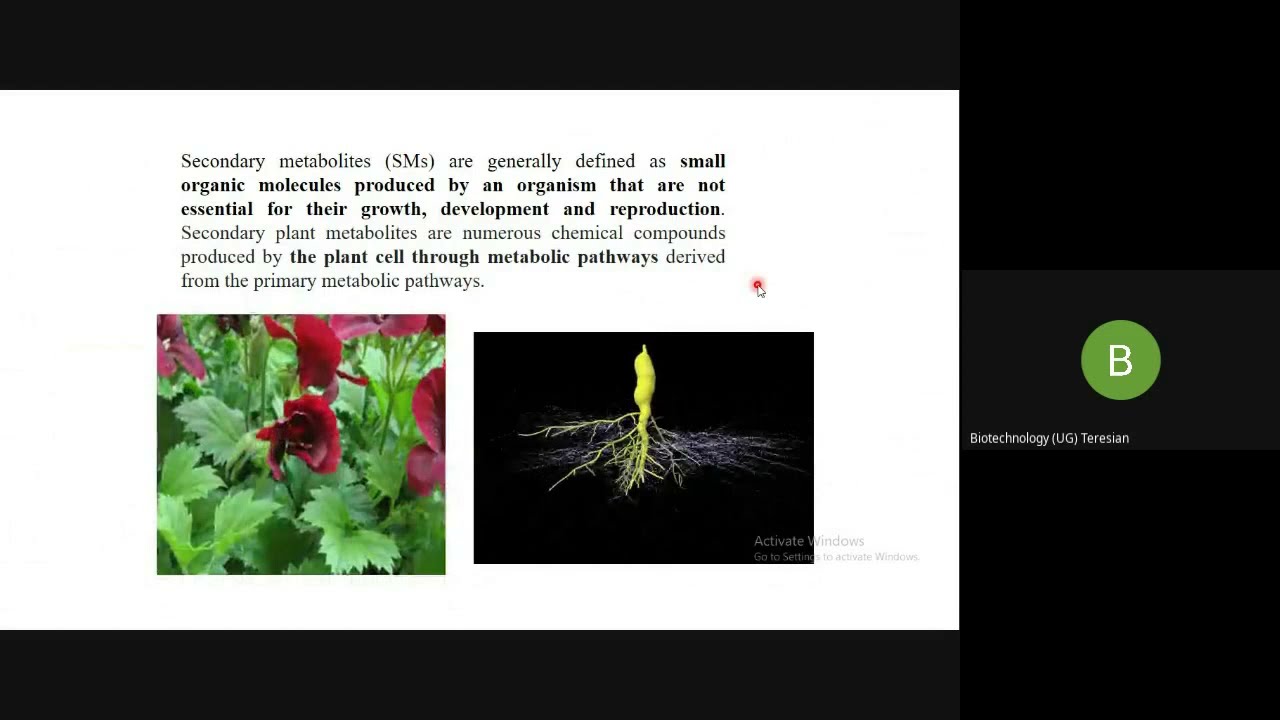
Secondary metabolite production part 1
885
Secondary metabolite production is inversely proportional to cell growth and division. Higher cell division rates correlate with lower secondary metabolite production, while lower growth rates correlate with higher production. This occurs because secondary metabolites are produced during the stationary phase when cell growth has ceased. Media nutrient depletion and toxic compound accumulation create stress conditions that trigger cytodifferentiation and enzyme induction for secondary metabolite formation. The production strategy follows a two-phase approach: Phase 1 focuses on biomass production using optimized growth conditions, while Phase 2 focuses on secondary metabolite production using different conditions to maximize accumulation.
Click to watch →

The Way We Grow, Episode 10, with Sharkmouse and Folw3rfox: Cannabis Cultivation to Tissue Culture.
3K
High nitrogen levels (NH4+) significantly reduce secondary metabolite (terpene) production in plants. Research shows that nitrogen levels above certain thresholds can cause 30-60% reductions in terpenes. Conversely, nitrogen deficiency triggers stress responses that increase secondary metabolite production. The three key strategies for terpene production are: (1) faster drying to preserve terpenes, (2) Emerson effect implementation for rapid light intensity increase, and (3) strategic nutrient manipulation (nitrogen tapering). Entering bulking phase earlier (around day 17 instead of day 24-25) provides advantages because plants can be pushed harder during transition. Starting day one of flower at high light intensity (1200 ppfd) with high EC (10 EC) and 25% dryback maximizes the transition period. After bulking, nitrogen should be removed (starvation) while maintaining other nutrients, signaling the plant to shift from biomass production to secondary metabolite production.
Click to watch →

Day 1/4, 5 May 2021, WESTPAC Webinar Series on Ocean Acidification
213
Research shows that lipid and carotenoid production in microalgae increases under stress conditions such as nitrogen or phosphate deficiency, light stress, and salinity changes. However, very few studies have examined the effects of low pH or changing pH on microalgae. The challenge is balancing optimal growth with high metabolite content, as carotenoids are stress-induced antioxidants produced to protect cells from environmental damage.
Click to watch →

Fitoterapia - Pesquisa e registro de Fitoterápicos
731
All secondary metabolites originate from common precursors: glucose (from photosynthesis) and acetate. The biosynthesis pathways include: (1) Phenylpropanoid pathway - from phenylalanine (producing phenolic compounds like flavonoids, coumarins, and tannins); (2) Mevalonate pathway - from acetate (producing terpenoids and saponins); (3) Shikimate pathway - from amino acids (producing alkaloids). Plants synthesize secondary metabolites as responses to environmental pressures including biotic factors (interactions with other plants, animals, insects, microorganisms) and abiotic factors (soil composition, water availability, atmospheric gases, circadian rhythms, seasonality, altitude). Plants cannot migrate like animals, so they produce compounds to improve survival conditions: bitter compounds to deter herbivores, pigments to protect against UV radiation, allelopathic substances to inhibit competing plants, and compounds to attract pollinators or seed dispersers.
Click to watch →

CSIR NET Life Sciences : CSIR NET Plant Physiology (Concepts and PYQs) for CSIR NET Exam 2024
3.3K
This extensive section covers plant responses to environmental stress and secondary metabolite biosynthesis. Photoperiodism is the ability of plants to measure day and night length, with short-day plants requiring short light periods and long dark periods for flowering, while long-day plants require long light periods and short dark periods. Hydrogen peroxide plays multiple roles in plant defense: it is directly toxic to pathogens, leads to hydroxyl radical formation, induces biosynthesis of salicylic acid and benzoic acid, and is produced during incompatible plant-pathogen interactions. The nitrogenase complex is the enzyme responsible for atmospheric nitrogen fixation, consisting of dinitrogenase (FeMo-cofactor containing protein) and dinitrogenase reductase (iron protein), with the FeMo-cofactor being the active site where N2 binding occurs. Salinity stress involves high concentrations of sodium, chlorine, and calcium ions in soil, with plants adapting by sequestering these ions into vacuoles to prevent cytoplasmic toxicity. Secondary metabolites include terpenoids (protect against herbivores, synthesized via mevalonic acid pathway and MEP pathway), phenolics (protect against UV radiation, synthesized via shikimic acid pathway and mevalonic acid pathway), alkaloids (nitrogen-containing compounds), and pyrethroids (insecticidal compounds). Terpene biosynthesis follows a specific carbon chain pattern: isopentenyl pyrophosphate (5 carbons) combines to form geranyl pyrophosphate (10 carbons, monoterpenes), farnesyl pyrophosphate (15 carbons, sesquiterpenes), geranylgeranyl pyrophosphate (20 carbons, diterpenes), and phytanyl pyrophosphate (25 carbons, triterpenes).
Click to watch →
Deep Dive
Fundamentals of bioprocess engineering, including the distinction between open raceway ponds and closed photobioreactors (PBRs).

ALISON G SMITH. How vitamins might be good for algal bioenergy.
538
Algae are currently grown in two main systems: open raceway ponds (20cm deep with paddle wheels) which are cheap but vulnerable to contamination, and closed photobioreactors (PBRs) which provide controlled environments but have high manufacturing costs and energy requirements. PBRs currently have 5-10 times better yield than open ponds. Algal agronomy is in its infancy - unlike land plants, we lack understanding of growth characteristics, quality control, crop protection, and disease management. Understanding algal biology is essential for both effective production and containment, as releasing organisms into natural environments could be deleterious.
Click to watch →

Lecture 34:Advanced secondary processes 2
830
Closed photobioreactors include horizontal tubular, vertical column, and flat panel systems. Comparison shows: tubular PBR offers maximum biomass yield and light exposure but highest O2/CO2 accumulation problems and medium maintenance; flat panel PBR provides good yield but highest manufacturing costs and lowest scale-up potential; column PBR balances performance with lower costs and easier scaling. Key differences from open systems include: space requirements (high vs low), water loss (high vs low), CO2 loss (high vs low), oxygen management (spontaneous outgassing vs controlled exchange), temperature control (variable vs precise), shear forces (low vs high), contamination risk (high vs low), biomass quality (variable vs reproducible), and production flexibility (limited vs high).
Click to watch →

Algal Cultivation Explained: Methods, Systems & Applications | Raceway Ponds to Photobioreactors
637
Algae cultivation involves growing photosynthetic microorganisms for biofuel, pharmaceuticals, cosmetics, food, feed, and wastewater treatment. Algae range from microscopic microalgae to large seaweeds, converting sunlight, CO2, and nutrients into biomass rich in lipids, proteins, carbohydrates, pigments, and vitamins. Cultivation systems are classified as open or closed: open systems are basic and inexpensive but face contamination risks; closed systems provide better control but require higher investment. Open methods include open ponds (15-30 cm deep for hardy species), raceway ponds with paddle wheel mixing, high rate algal ponds with CO2 injection and wastewater recycling, and open sea farming using longlines, rafts, and nets. Closed systems employ photobioreactors (PBRs)—transparent vessels enabling precise control. PBR types include flat panels (high surface-to-volume ratio but biofilm issues), tubular reactors (continuous circulation for commercial production), plastic bags (small-scale experiments), and porous substrates (biofilm growth for water conservation). Cultivation strategies include monoculture (homogeneous biomass for specialized applications) and mixed cultures (enhanced resilience and bioactive diversity). Five key environmental factors govern growth: temperature (20-30°C optimal), light exposure, nutrient availability (N, P, Fe, trace elements), oxygen management (de-gassing prevents toxicity), and odor control (prevents anaerobic conditions).
Click to watch →
![Fundamentals of Bioprocess engineering [Intro Video]](https://i.ytimg.com/vi_webp/SRtqULm7Wyg/maxresdefault.webp)
Fundamentals of Bioprocess engineering [Intro Video]
2.2K
Bioprocess engineering is an interdisciplinary branch of chemical engineering that combines biology, chemistry, physics, and engineering principles to design, optimize, and operate processes involving biological materials such as microorganisms, enzymes, plants, and animal cells for producing pharmaceuticals, biofuels, food, chemicals, and other bioproducts; the field encompasses upstream processing (fermentation using recombinant DNA and metabolic engineering technologies) and downstream processing (product recovery and purification), with key applications in pharmaceuticals, biofuel production, food and beverage industries, environmental biotechnology, and biodegradable materials, emphasizing sustainability through renewable resources, waste minimization, and improved energy efficiency compared to traditional chemical engineering approaches.
Click to watch →

Photobioreactors Explained: Types, Design, and Mechanisms
767
A photobioreactor is a closed or mostly closed system for photosynthetic production where energy is supplied via electric lights, capable of indoor or outdoor placement. These systems are classified into closed and open systems, with all photobioreactors for microalgae operating as closed systems. Key design considerations include light collection/distribution systems, surface area to volume ratios, and mass transfer efficiency. The cultivation method depends on stream type, nutrition source, and investment cost. Understanding these fundamentals is essential for selecting appropriate photobioreactor configurations for specific microalgae strains and applications.
Click to watch →
Prerequisite Knowledge
- Concept 01Basic biology and life cycle of microalgae, particularly the transition between vegetative (green) and encysted (red) cellular states.
- Concept 02The biochemistry of carotenoids and the process of carotenogenesis in photosynthetic organisms.
- Concept 03Microbial stress physiology, specifically how environmental triggers (such as nitrogen deprivation, high salinity, and UV light) induce secondary metabolite accumulation.
- Concept 04Fundamentals of bioprocess engineering, including the distinction between open raceway ponds and closed photobioreactors (PBRs).
Subsequent Learning
- Step 01Downstream processing methods for algae, focusing on cell wall disruption and supercritical fluid carbon dioxide (sCO2) extraction of astaxanthin.
- Step 02Commercial and clinical applications of natural astaxanthin in aquaculture, nutraceuticals, cosmetics, and animal feed formulation.
- Step 03Metabolic engineering and synthetic biology approaches to optimize astaxanthin biosynthetic pathways in heterologous hosts like Escherichia coli or Saccharomyces cerevisiae.
- Step 04Techno-economic analysis (TEA) and life cycle assessment (LCA) regarding the sustainability of microalgal biorefineries.
Algae Cultivation
Extraction Process
Algae Cultivation
0:00Playing Section
- 1
Cultivating microalgae colonies in liquid medium with optimal nutrients and pH.
- 2
Happy, green algae produce no astaxanthin; they must be stressed to generate it.
Synthetic and Yeast-Based Alternatives to Microalgal Astaxanthin Production
While Haematococcus pluvialis is a premier natural source of astaxanthin, its cultivation faces severe economic and technical challenges. The two-stage process—transitioning from green vegetative growth to red stress-induced accumulation—is highly sensitive, slow, and prone to biological contamination. It also demands intensive energy, water, and land resources. Consequently, the commercial market has historically been dominated by synthetic astaxanthin derived from petrochemicals, which is significantly cheaper and more consistent to produce. Furthermore, modern biotechnology presents alternative biological pathways through heterologous expression in fast-growing yeasts (such as Phaffia rhodozyma or engineered Yarrowia lipolytica) and bacteria. These industrial fermentation methods bypass the complex, weather-dependent, and contamination-prone light-stress cycle of H. pluvialis, offering a more scalable, controlled, and cost-effective route to producing astaxanthin.
Deep Dive
Downstream processing methods for algae, focusing on cell wall disruption and supercritical fluid carbon dioxide (sCO2) extraction of astaxanthin.

Astaxanthin Production: Algalif's Sustainable Microalgae Cultivation in Iceland
14.6K
The downstream processing of algae involves four key steps: dewatering removes most cultivation water; cell cracking breaks open cells to make astaxanthin bioavailable; drying produces dry biomass; and supercritical CO2 extraction yields oleoresin material. This oleoresin undergoes further standardization and refinement to produce the final astaxanthin product.
Click to watch →

Astaxanthin Production from Haematococcus pluvialis: Industrial Microalgae Aquaculture
5.9K
Heterotrophic production increases green biomass then cuts off light while adding organic substrates for energy-directed astaxanthin synthesis. Mixotrophic conditions using acetate or carbohydrates achieve 2.65 g/L astaxanthin concentrations. Plant growth hormones like salicylic acid (50 mg/L) can achieve seven-fold production increases at low concentrations. Microbial contamination, particularly from Physoderma fungi, diverts energy from algal growth and requires early detection. Harvesting uses continuous centrifugation followed by cell disruption via extruders, expellers, or bead mills using microscopic beads to break open cells. Supercritical CO2 extraction utilizes the critical point properties of CO2 for efficient purification.
Click to watch →

Live Your Life Fearlessly - Your Best Day Yet Episode 180
3.6K
Astaxanthin in algae biomass exists in two forms: glucosidic (with a glucose molecule attached) and liposomal (with a fatty acid attached). Super critical CO2 extraction removes these attachments, creating pure astaxanthin. The glucosidic form is absorbed more effectively because cells recognize the glucose and absorb it quickly, acting like a 'Trojan horse' that delivers the astaxanthin into cells.
Click to watch →

Downstream processing: Cell disruption methods
5.6K
Cell disruption is an essential step in downstream processing for extracting intracellular products, with methods broadly categorized into mechanical (such as homogenization, ultrasonication, and bead milling) and non-mechanical (including enzymatic, chemical, and physical methods like osmotic shock) approaches; the choice of method depends on cell type (plant cells with tough cell walls versus animal cells without cell walls), desired yield, cost considerations, and product stability requirements, with mechanical methods being more commonly used in large-scale industrial applications while enzymatic methods offer advantages in selectivity and sustainability.
Click to watch →
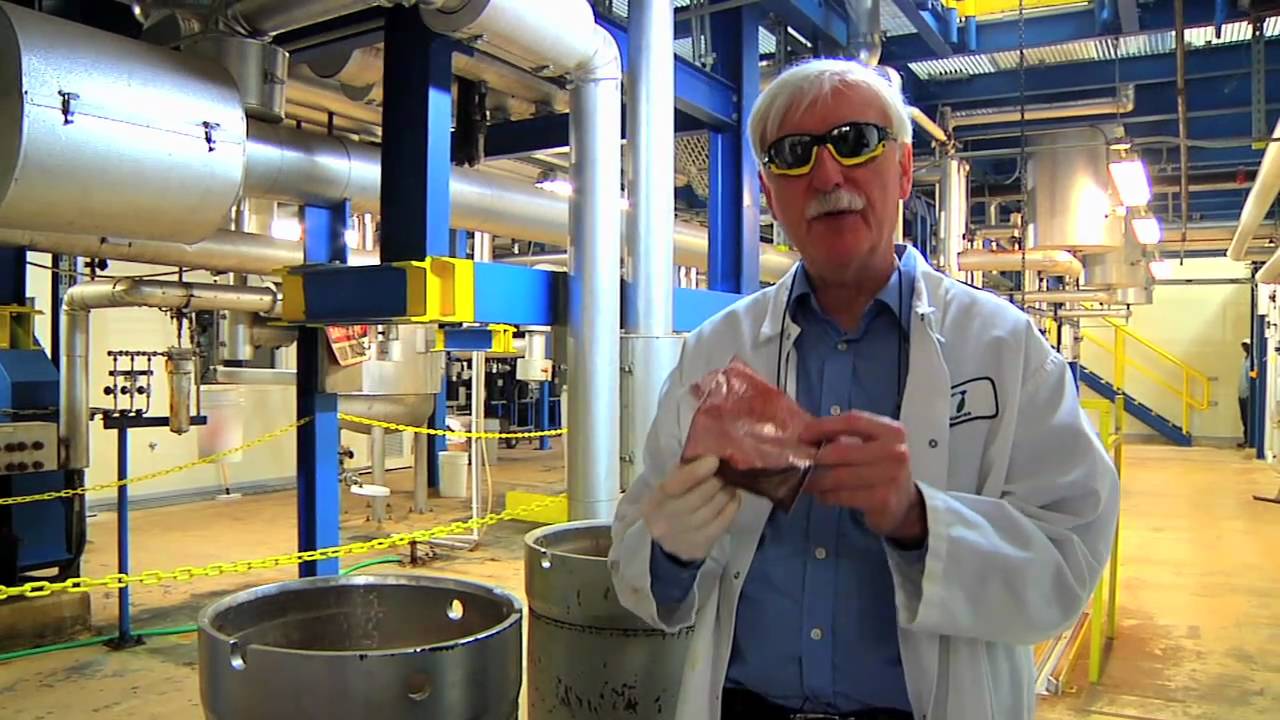
Astaxanthin Part 2 - Extraction Facility.mov
24.7K
Astaxanthin is extracted from biomass using a supercritical CO2 extraction process that operates at 600 bar pressure, where liquid CO2 is pumped through frozen biomass to extract the carotenoid, followed by pressure reduction in blowdown vessels to separate the CO2 gas from the oil resin containing astaxanthin, with the entire process being computer-controlled and environmentally friendly as the CO2 is captured and reused.
Click to watch →
Deep Dive
Commercial and clinical applications of natural astaxanthin in aquaculture, nutraceuticals, cosmetics, and animal feed formulation.
Astaxanthin Production from Haematococcus pluvialis: Industrial Microalgae Aquaculture
5.9K
Microalgae offer significant industrial advantages: natural bioactive compound production without genetic engineering, large-scale cultivation capabilities, economical sunlight-based growth requiring only basic NPK fertilizers, and inducible production of multiple compounds including biofuels. Compared to oil palm (5,000 L/hectare), microalgae can produce 100,000 L/hectare with disease resistance. Hematococcus pluvialis, appearing red due to carotenoids, contains 38% carbohydrate, 24% protein, and 14% fat. Astaxanthin, designated as 3,3'-dihydroxy-beta-carotene-4,4'-ion, is one of the most potent natural antioxidants, used in nutraceuticals, cosmetics, food, and aquaculture feed for fish coloration. It reduces free radicals, suppresses DNA damage, promotes immunity, and acts as an anti-inflammatory agent.
Click to watch →
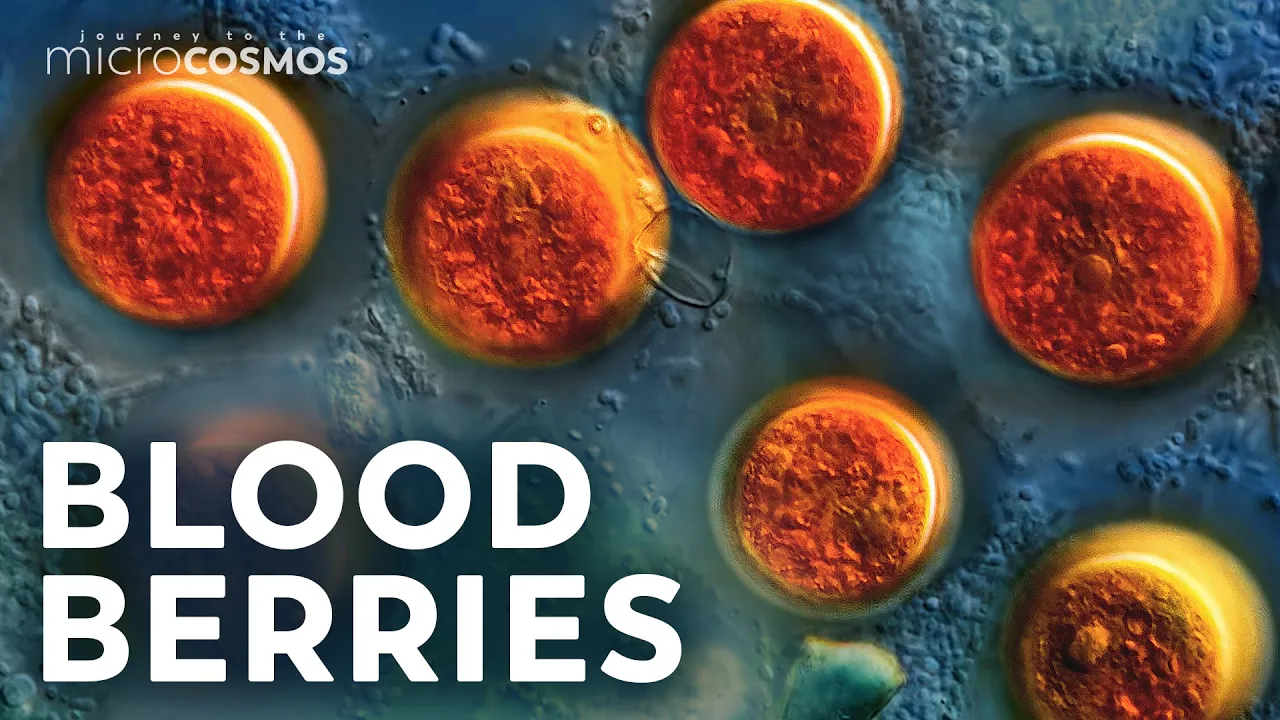
How Stressed Algae Curl Into Protective Cysts
70K
Under extreme stress, Haematococcus produces astaxanthin, a powerful carotenoid antioxidant that protects the cyst from damage. This pigment gives the algae its characteristic red color and is found in plants, fungi, bacteria, and algae. Haematococcus is one of the most efficient natural producers, capable of generating up to 5% of its dry weight in astaxanthin, compared to only 0.001% in Chlorella. Astaxanthin enters the food chain through organisms like salmon, shrimp, and flamingos that consume algae. It is also used in food production (salmon feed, chicken feed for yolk color), cosmetics, and nutraceuticals. While synthetic versions exist, there is growing market interest in natural astaxanthin from Haematococcus.
Click to watch →
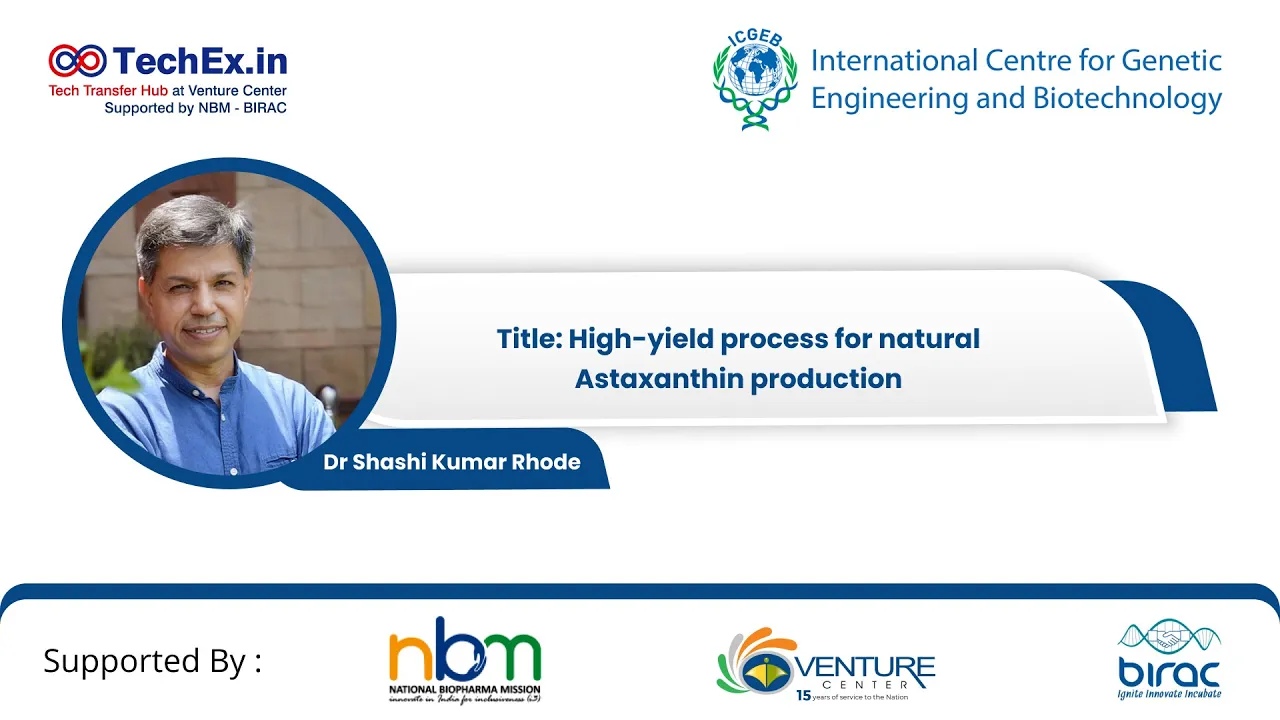
Sustainable Ingredients Pitch: Astaxanthin by Dr Shashi Kumar Rhode, ICGEB, Delhi, India
134
Dr. Shashi Kumar Rhode from ICGEB, Delhi, India, presents a sustainable biotechnology solution for producing natural astaxanthin, a powerful antioxidant 500 times stronger than vitamin E, using a high-yield microalgal strain (Desmococcus globosus) from the Himalayan region that produces 391 mg/L astaxanthin—significantly outperforming commercial strains like Hematococcus (7-174 mg/L) with faster doubling times (8-12 hours vs 25 hours). This natural form, which is esterified and approved for human consumption, offers advantages over synthetic petroleum-derived astaxanthin (which is non-esterified and restricted to aquaculture feed) in dietary supplements, cosmetics, nutraceuticals, and food coloring applications, addressing the growing demand for sustainable and natural ingredients in the $850 million global market.
Click to watch →

D & D 9 12 16 Dra.Carolina Baldi
232
Natural astaxanthin, a pigment produced by microalgae like Haematococcus pluvialis, serves as a photoprotector and antioxidant with applications in aquaculture (coloring salmon and trout) and nutraceuticals (supplements, anti-aging creams), though natural production faces economic challenges compared to synthetic alternatives due to the large quantities needed for aquaculture.
Click to watch →
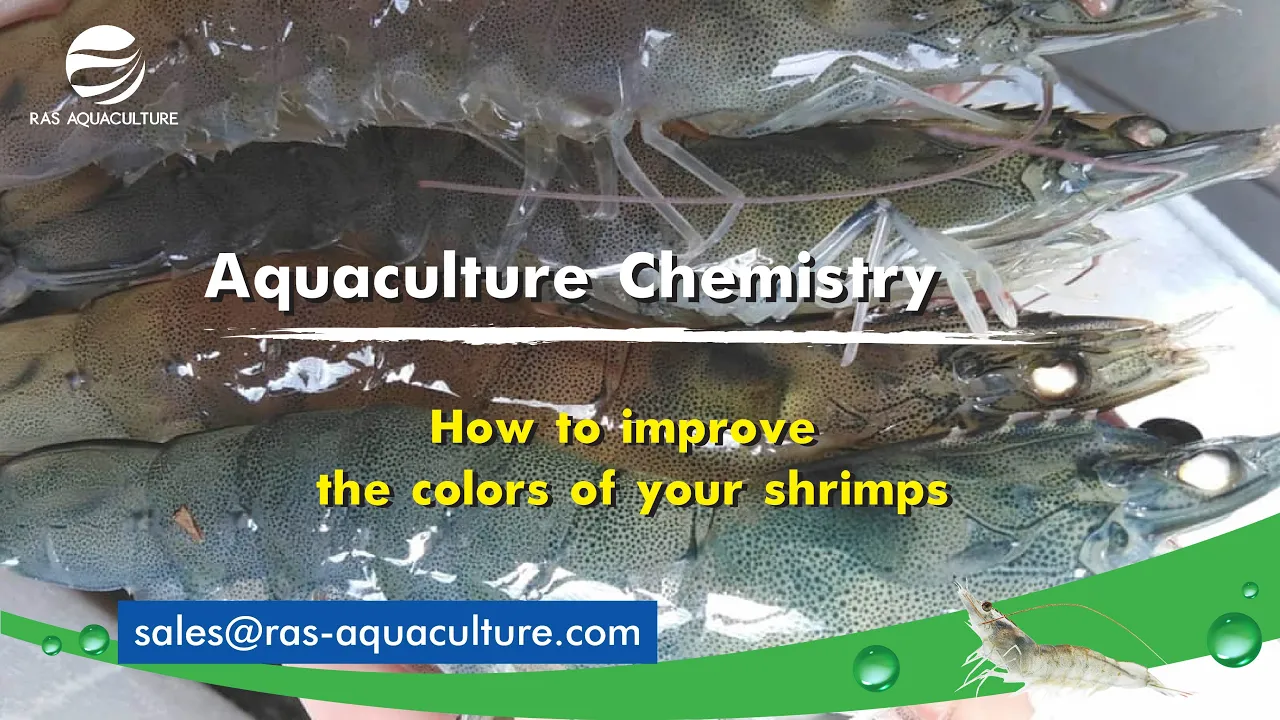
Aquaculture Chemistry Series | Astaxanthin Usage in Aquaculture
3.1K
Astaxanthin, a reddish-orange carotenoid pigment synthesized by plants, algae, and fungi, serves as a critical feed supplement in shrimp aquaculture for two primary purposes: enhancing the desirable pink/red flesh color that drives consumer preference, and improving shrimp resilience against environmental stressors such as oxygen depletion, salinity fluctuations, temperature changes, and ammonia toxicity; optimal supplementation involves adding approximately 200 mg of astaxanthin per kilogram of feed, which has been shown to increase survival rates, body weight gain, and overall stress tolerance in Litopenaeus vannamei post-larvae while providing the safest organic coloring option available for farmed seafood.
Click to watch →
Deep Dive
Metabolic engineering and synthetic biology approaches to optimize astaxanthin biosynthetic pathways in heterologous hosts like Escherichia coli or Saccharomyces cerevisiae.
SynBYSS with Prof Eriko Takano at University of Manchester & Prof Dongsoo Yang at Korea University
2.3K
This comprehensive section traces the evolution of metabolic engineering from traditional genome engineering to advanced synthetic biology approaches. It addresses fundamental challenges including slow growth rates of natural producers, antibiotic resistance emergence, and aging populations driving demand for new natural products. The section details how researchers overcame limitations of genome engineering (labor-intensive, cannot delete essential genes, poor transferability) by developing synthetic sRNA technology that blocks translation without gene deletion. It covers genome-scale library construction targeting 1858 E. coli genes, expansion to gram-positive bacteria achieving broad host range functionality, and application to carotenoid production including first-in-class astaxanthin synthesis from glucose. Advanced strategies include enzyme optimization through homology modeling and docking, and cellular architecture modification through membrane engineering to overcome hydrophobic compound production bottlenecks.
Click to watch →
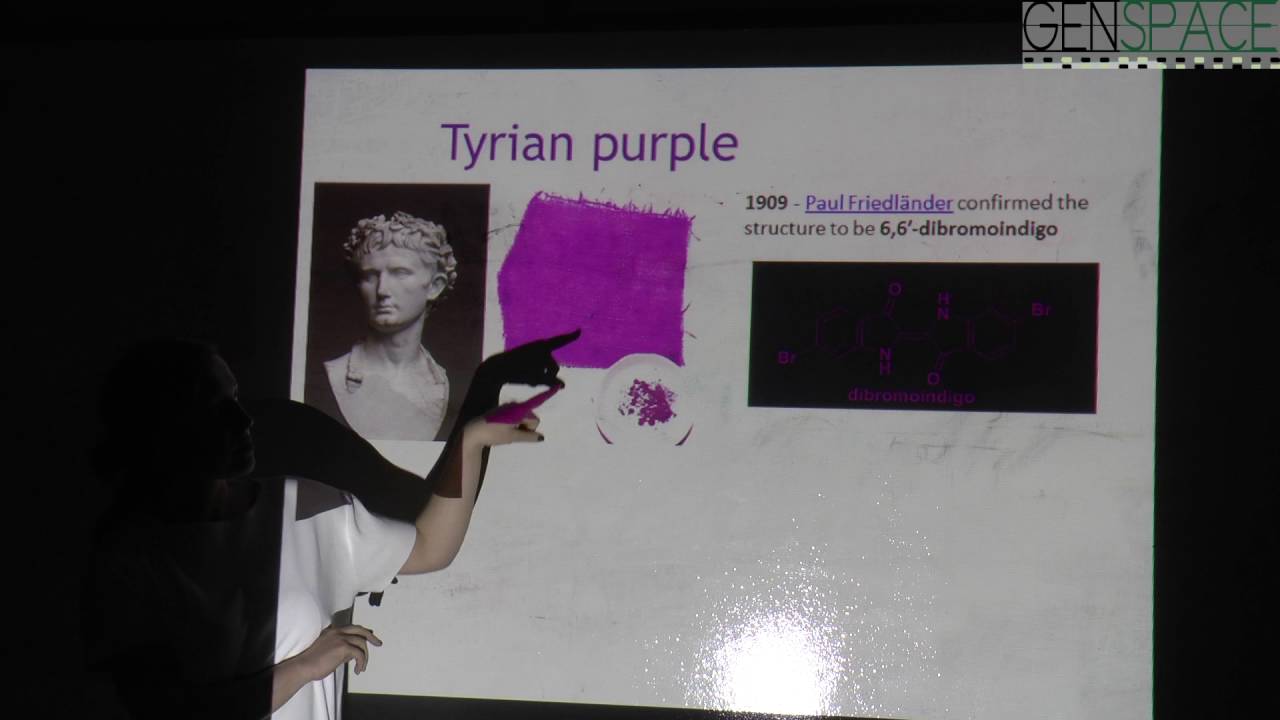
The Biology and Chemistry of Color, talk by Dr. Ania Fryszkowska
229
Astaxanthin (the pink pigment in flamingos and salmon) can be produced through engineered biological pathways. Companies like DSM have engineered yeast and fungi to produce astaxanthin, achieving yields of 90% of total carotenoid oil. This represents a significant improvement over natural sources, as natural astaxanthin can only be obtained from microalgae (Haematococcus pluvialis) at about 40 grams per kilogram of biomass. The pathway involves enzymes that add oxygen atoms to carotene to create astaxanthin. This demonstrates how synthetic biology can scale up natural pigment production for commercial applications.
Click to watch →
Sustainable Ingredients Pitch: Astaxanthin by Dr Shashi Kumar Rhode, ICGEB, Delhi, India
134
Astaxanthin is a carbon 40 carotenoid antioxidant 500x more potent than vitamin E, occurring naturally in green algae and synthetically from petroleum. The global market reached $850M in 2021 with 95% synthetic dominance. Natural astaxanthin exists in esterified SS-form while synthetic is RR-form non-esterified. Applications span dietary supplements, cosmetics, nutraceuticals, and aquaculture feed. A breakthrough Desmococcus globosus strain from the Himalayas achieves 391mg/L astaxanthin (vs 7-174mg/L in commercial Hematococcus) with 8-12 hour doubling time versus 25 hours. Production uses stress-induced accumulation. The research team offers technology transfer including media optimization, extraction improvements, and scale-up studies up to 2200L. Advanced capabilities include genome editing, metabolic engineering, and synthetic biology for strain improvement and industrial gas capture applications.
Click to watch →

Mod-10 Lec-40 Metabolic Engineering & Synthetic Biology
8.7K
Metabolic engineering achieves remarkable results through systematic pathway optimization. Researchers engineered E. coli to produce taxadiene (taxol precursor) at 60 mg/L versus 8 mg/L previously, using strategies including optimizing IPP/DMAPP pathway enzyme levels with appropriate promoters, enhancing plant enzyme activity through codon optimization and signal peptide deletion, and engineering chimeric cytochrome P450 reductases without membrane anchor requirements. In 2006, Saccharomyces cerevisiae was engineered to produce artemisinic acid at 1 g/L through pathway engineering involving the mevalonate pathway, amorpha-4,11-diene synthase from Artemisia annua, and cytochrome P450 enzymes. Success requires careful metabolic flux balancing to prevent toxic intermediate accumulation that inhibits cell growth, achieved through different promoter strengths, promoter libraries, and well-characterized transcription regulators.
Click to watch →

Webinar on "Metabolic Engineering of Plant Secondary Metabolites for Value Addition"
291
Astaxanthin is a potent antioxidant produced by the green alga Haematococcus pluvialis, with structural advantages over beta-carotene and vitamin C allowing it to cross the blood-brain barrier. Research demonstrated that genes encoding beta-carotene ketolase and hydroxylase from Haematococcus could be mobilized into Dunaliella salina, which naturally produces high quantities of beta-carotene but not astaxanthin. This metabolic engineering approach enables production of valuable carotenoids in novel host organisms.
Click to watch →
Deep Dive
Techno-economic analysis (TEA) and life cycle assessment (LCA) regarding the sustainability of microalgal biorefineries.
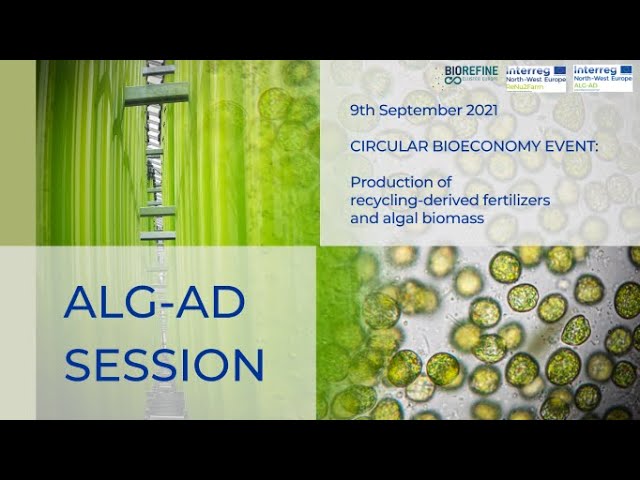
9/9/2021 - ALG-AD & ReNu2Farm event - ALG-AD session
260
The microalgae market is growing despite high production costs, with Spirulina, Chlorella, Haematococcus, and Schizochytrium used in food supplements, nutraceuticals, and animal feed. Common extracted compounds (carotenoids, proteins, omega-3 PUFAs) sell for 10-1000 euros/kg. Decision support tools include: (1) Map-based applications for site identification near nitrate vulnerable zones; (2) Techno-economic assessment showing 75% income from electricity sales, 20% from gate fees; (3) Life Cycle Assessment showing photobioreactor construction and energy consumption as major impact categories; (4) Process pathway tools providing tailored recommendations for technology options, configurations, and infrastructure requirements. Life Cycle Assessment evaluates environmental impacts across all stages, with system boundaries including AD plant, membrane filtration, and photobioreactor. Results show phototrophic phase has largest impact across most categories due to construction and energy/water consumption. Mixotrophic phase has largest impact on marine eutrophication and ozone depletion due to carbon source use. Sensitivity analysis shows LEDs reduce environmental impact compared to fluorescent lights, and utilizing excess heat/energy from AD plus water reuse improves sustainability. The project developed case studies, databases, and a process pathway tool that takes users through queries about motivation, site conditions, and scale to provide tailored recommendations for technology options and infrastructure requirements.
Click to watch →

Techno-Economic Analysis and Life Cycle Assessment at the Agile BioFoundry
1.3K
The Agile BioFoundry's integrated analysis team employs a systematic approach combining techno-economic analysis (TEA) and life cycle assessment (LCA) to evaluate the economic and environmental sustainability of bio-based production pathways. The methodology involves formulating conceptual processes based on experimental data, modeling individual unit operations to size and cost equipment, and using the GREET model to assess emissions. Key metrics include minimum selling price and greenhouse gas emissions. By selecting exemplar molecules from each beachhead molecule category, the team efficiently evaluates how fermentation parameters like productivity and yield influence biorefinery performance, enabling researchers to prioritize improvements in strain development and process optimization.
Click to watch →
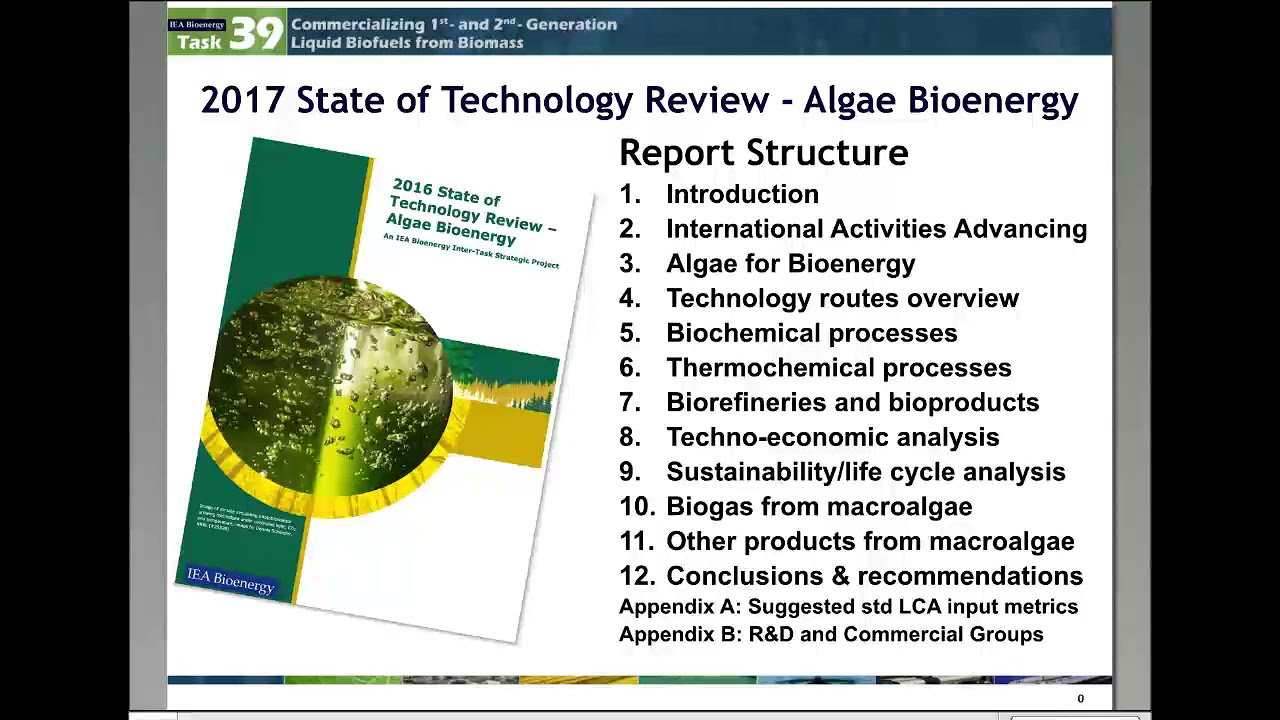
Algae Bioenergy State of Technology Review
502
Key sustainability considerations include water requirements (fresh/saline), nutrient supply without impacting global supplies, appropriate land area with suitable climate, energy return on investment (EROI) where production energy must exceed input energy, and lifecycle greenhouse gas emissions providing net benefit over fossil fuels. Lifecycle CO2 emissions for algae biofuels range from -2.6 to +7.3 kg CO2/MJ, with significant variability attributable to processing conditions. Two main challenges for techno-economic analysis harmonization include standardizing assumptions/methodologies across studies and making pilot/demonstration data accessible. Applying one model across six locations still shows three-fold cost variations. For macroalgae, research lags five to ten years behind microalgae. Collection logistics differ: macroalgae can be collected as cast (intermittent post-storm) or cultivated specifically, with co-location opportunities with aquaculture to utilize runoff nutrients. Seasonal compositional variations affect biogas production, with carbohydrate fraction and C:N ratio correlating throughout the year, and specific methane yield peaking in late summer/early autumn.
Click to watch →
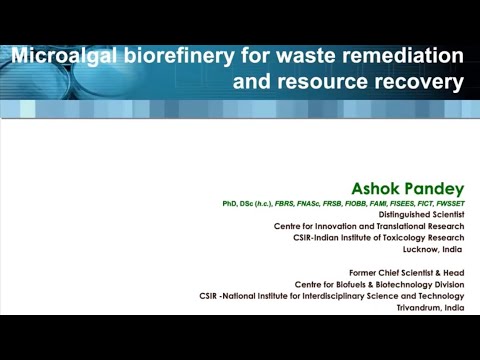
Microalgal biorefinery
129
Microalgal biorefinery represents a sustainable approach to complete biomass utilization, where microalgae cultivated on industrial wastewater can simultaneously achieve waste remediation (COD and nutrient removal) and resource recovery (production of high-value products like carotenoids, polyunsaturated fatty acids, carbohydrates, proteins, and lipids). This integrated system offers economic benefits through multiple product streams while providing environmental protection through carbon emission reduction and wastewater treatment, making it a promising solution for circular economy and sustainable development.
Click to watch →

How to Achieve Zero Waste - Corinne Scown
188
Life Cycle Assessment (LCA) and Techno-Economic Analysis (TEA) are complementary methodologies used to evaluate emerging sustainable technologies before commercial deployment. TEA simulates scaling laboratory-developed technologies to commercial facilities, determining infrastructure needs, equipment requirements, energy consumption, material inputs/outputs, capital costs, and operating costs. LCA then evaluates environmental impacts including greenhouse gas footprint, water consumption, air pollutant emissions, and community burdens across the entire supply chain. Together, these tools help prioritize which technologies offer the greatest potential for reducing emissions while ensuring economic viability at scale.
Click to watch →
Algae Cultivation
Extraction Process
Algae Cultivation
0:00- 1
Cultivating microalgae colonies in liquid medium with optimal nutrients and pH.
- 2
Happy, green algae produce no astaxanthin; they must be stressed to generate it.
Synthetic and Yeast-Based Alternatives to Microalgal Astaxanthin Production
While Haematococcus pluvialis is a premier natural source of astaxanthin, its cultivation faces severe economic and technical challenges. The two-stage process—transitioning from green vegetative growth to red stress-induced accumulation—is highly sensitive, slow, and prone to biological contamination. It also demands intensive energy, water, and land resources. Consequently, the commercial market has historically been dominated by synthetic astaxanthin derived from petrochemicals, which is significantly cheaper and more consistent to produce. Furthermore, modern biotechnology presents alternative biological pathways through heterologous expression in fast-growing yeasts (such as Phaffia rhodozyma or engineered Yarrowia lipolytica) and bacteria. These industrial fermentation methods bypass the complex, weather-dependent, and contamination-prone light-stress cycle of H. pluvialis, offering a more scalable, controlled, and cost-effective route to producing astaxanthin.
Basic biology and life cycle of microalgae, particularly the transition between vegetative (green) and encysted (red) cellular states.
The biochemistry of carotenoids and the process of carotenogenesis in photosynthetic organisms.
Microbial stress physiology, specifically how environmental triggers (such as nitrogen deprivation, high salinity, and UV light) induce secondary metabolite accumulation.
Fundamentals of bioprocess engineering, including the distinction between open raceway ponds and closed photobioreactors (PBRs).
Downstream processing methods for algae, focusing on cell wall disruption and supercritical fluid carbon dioxide (sCO2) extraction of astaxanthin.
Commercial and clinical applications of natural astaxanthin in aquaculture, nutraceuticals, cosmetics, and animal feed formulation.
Metabolic engineering and synthetic biology approaches to optimize astaxanthin biosynthetic pathways in heterologous hosts like Escherichia coli or Saccharomyces cerevisiae.
Techno-economic analysis (TEA) and life cycle assessment (LCA) regarding the sustainability of microalgal biorefineries.
35.3K views295likes3:00@SkyShum89Original Release: 2014-07-09
asosan is obviously made from algae it is made from algae it is made from micro algae and what you see here are colonies of the algae not individual cells each little green ball is actually a whole bunch of cells in there right and what we do is we take a colony out of a plate like this you put those into liquid medium like this and let them grow and basically you give them all the right nutrients pH temperature and you make a lot of very happy algae with it so you get asto santhon from Happy algae not really first you need to make a lot of happy algae and then slowly you make them unhappy and as they become unhappy they make a for you before this turns into an episode of Mr Rogers let me be clear the uh we have all this happy algae we know it's happy because it's green because it's bright green yeah but the happy algae is not generating the aanin correct which I understand is an antioxidant an antioxidant which human beings need we need yeah to get that you have to turn the algae red we have to stress the algae so that it itself decides that it needs antioxidants makes the antioxidants and then we take him from it we're here to annoy algae the heck make it to make it unhappy very very much so job one here at Mara Pharmaceuticals is to piss off the green algae so that's what I did right now the green algae is feeling very confused essentially it's just left Paradise a very pleasant turbulent environment where Optimum photosynthesis and ideal temperatures were the norm but the easy life is over for this green algae because now I'm giving it the two things it hates saltwater and harsh sunlight after about 5 days that got the algae so angry it turned red and that's when I drained the river and sucked the whole mess back into a holding tank where the unsuspecting algae was about to endure unspeakable abuse so this will be the center fuge this is it the product will come out of the tank run right into the spinning bow the excess water is pushed out the back of the machine and our cake will form in here and that's the product that we want let's do it as the excess water comes out over here it should be cleared once it turns dark red we know that our bowl is full and take the algae out got it so the Cent fuge is taking all the water away from what's left with the angry algae although at this point the algae is livid made lots of algae very very unhappy and had a few laughs along the way but you know your health does no laughing matter so if you've been feeling tired or run down or not yourself lately do what I do rely on with the active ingredient aanin it's the most powerful antioxidant your money or anybody else's money can buy that's why I take it and that's why you should too
Up Next
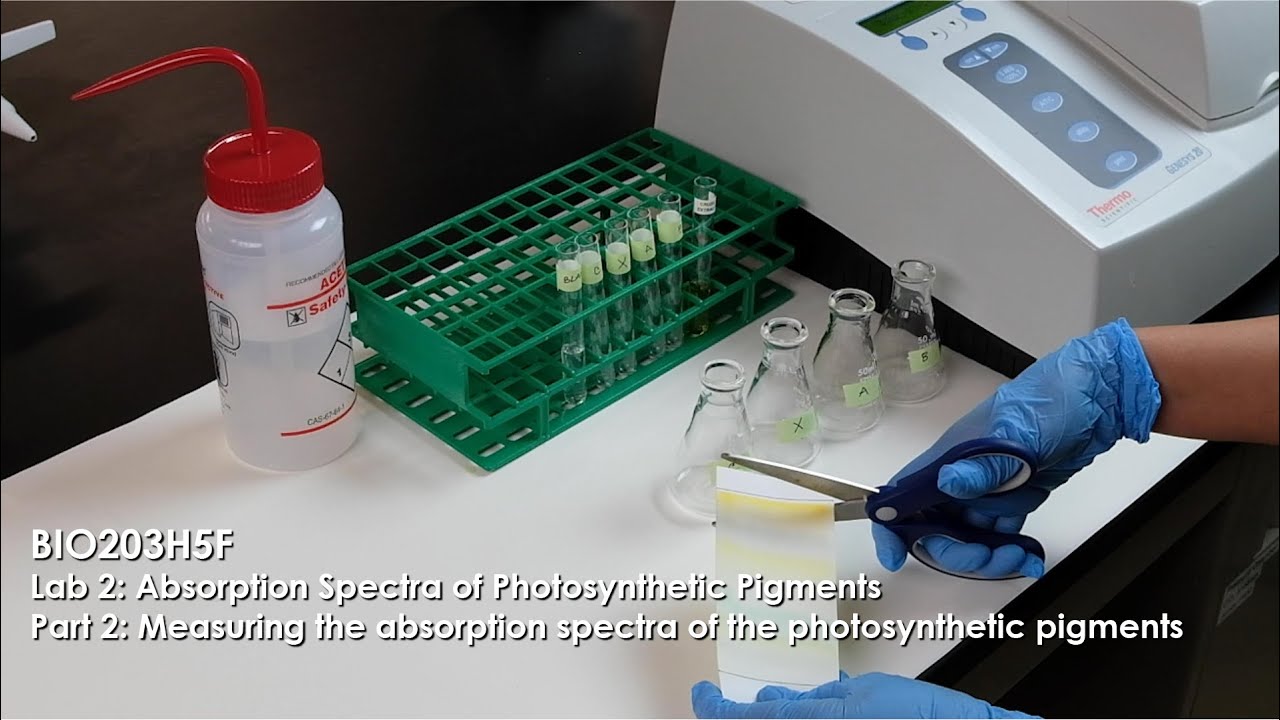
7:42
Photosynthetic Pigment Absorption Spectra | Spectrophotometry Lab
@utmbiology1790
6K views•2020-09-03

12:54
Triumph of Orthodoxy Icon: Byzantine Art & History Explained
@BenCallan
2.1K views•2024-08-06

9:49
FastAPI vs Flask vs Django: Choosing the Right Python Web Framework
@TechWithTim
302.5K views•2024-05-26

1:42
Game of Thrones Opening Credits: A Cinematic Analysis
@gameofthrones
46.3M views•2011-04-18
Related Study Plans & Knowledge Roadmaps
Structured learning paths in General & Interdisciplinary Studies
general-studies
Elevator Engineering: History, Physics & Cities
01From Hoists to Safety Brakes: The Dawn of Vertical Lift
02Hydraulic vs. Traction: The Engineering Physics of Elevators
03Modern Speed, Safety, and Algorithms
+ 2 more learning modules
12h5 modules
Explore Roadmap
general-studies
Rubber: Material Science, History & Geopolitics
01Origins of Natural Rubber & Mesoamerican History
02The Chemistry of Natural Rubber & Vulcanization
03The Geopolitics of the Rubber Boom & Colonization
+ 2 more learning modules
12h5 modules
Explore Roadmap
general-studies
Containerization: Evolution, Logistics & Trade
01Ancient Trade & Bulk Cargo: Amphorae to Barrels
02The Industrial Revolution & Cardboard Packaging
03The Containerization Revolution: Malcom McLean
+ 2 more learning modules
12h5 modules
Explore Roadmap
general-studies
Textile Tech: Evolution, Labor & Global Impact
01Pre-Industrial Textiles: Handloom & Cottage Industry
02Mechanization: The Spinning Jenny to the Power Loom
03The Factory System & Global Labor Transformation
+ 2 more learning modules
10h5 modules
Explore Roadmap