



















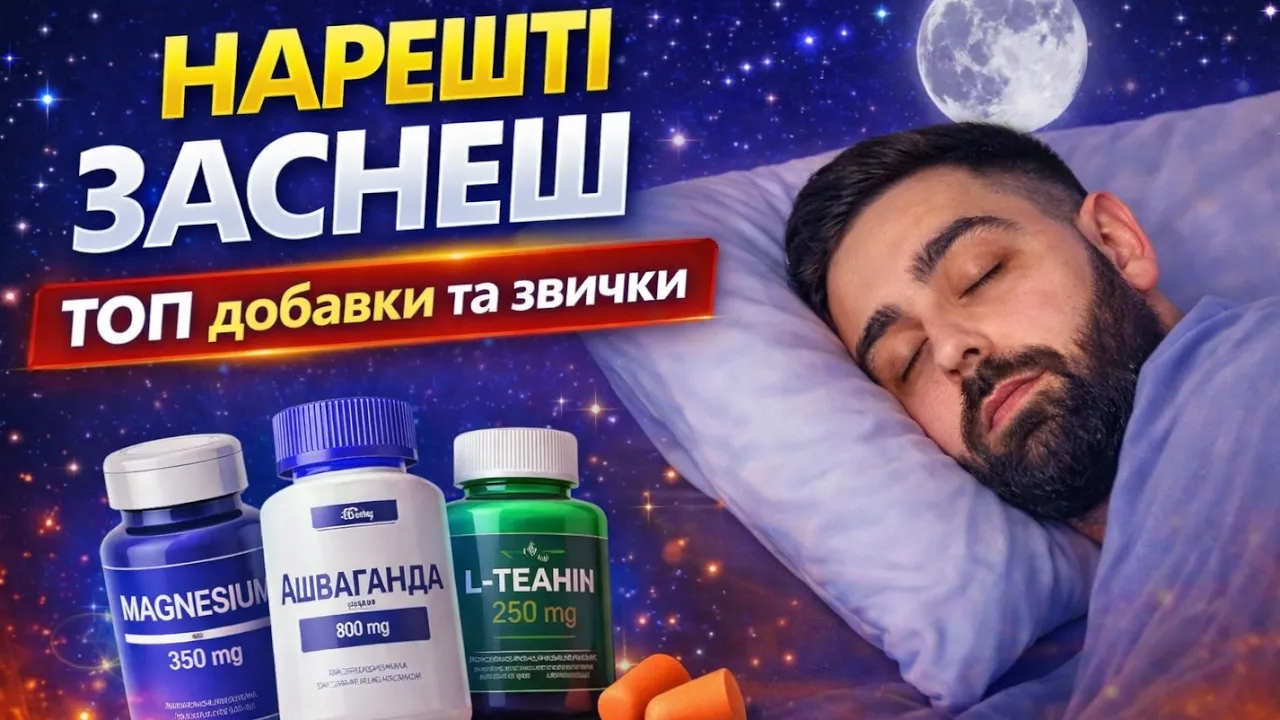
Andrew Huberman's sleep protocol emphasizes that lifestyle and behavioral factors matter more than supplements for improving sleep quality; the most impactful practices include consistent wake times, morning sunlight exposure, avoiding phones and caffeine within 90 minutes of waking, limiting daytime naps, avoiding bright lights at night, and watching sunset to trigger melatonin production, with supplements like magnesium glycinate and NSDR (Yoga Nidra) providing additional benefits when combined with these foundational habits.
Huberman's Sleep Protocol: A 7-Day Science-Based Self-Experiment
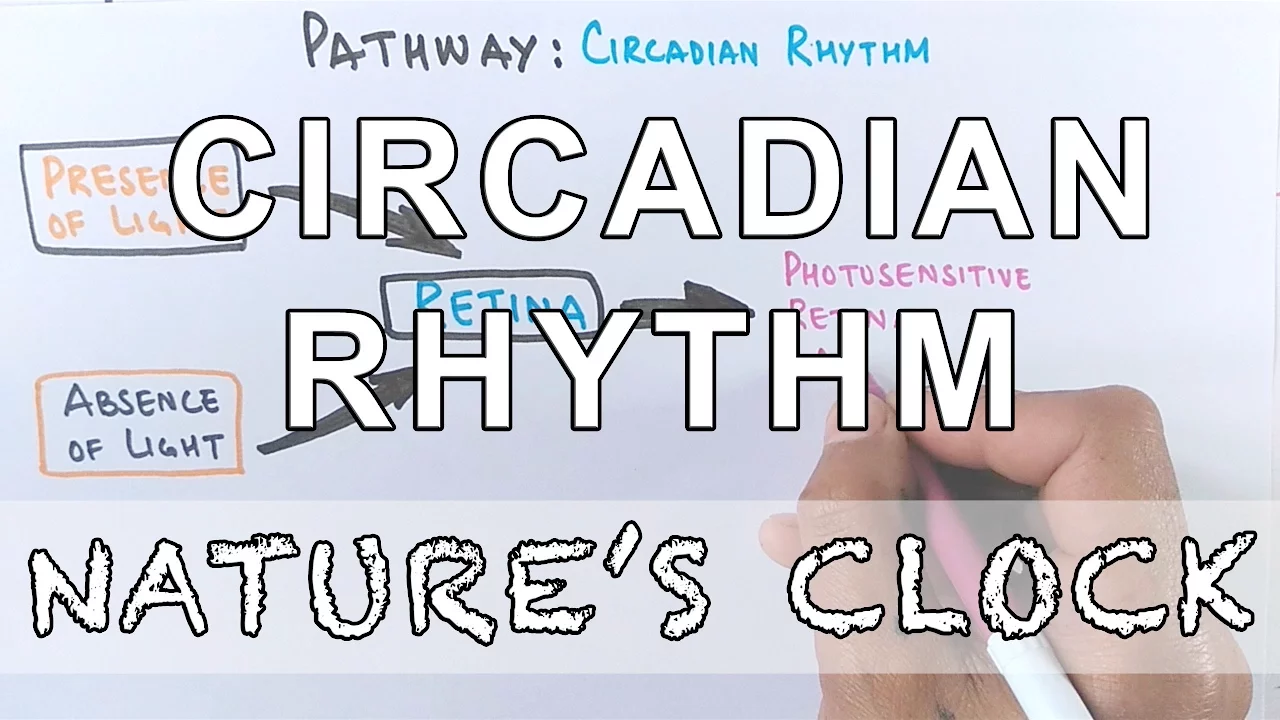
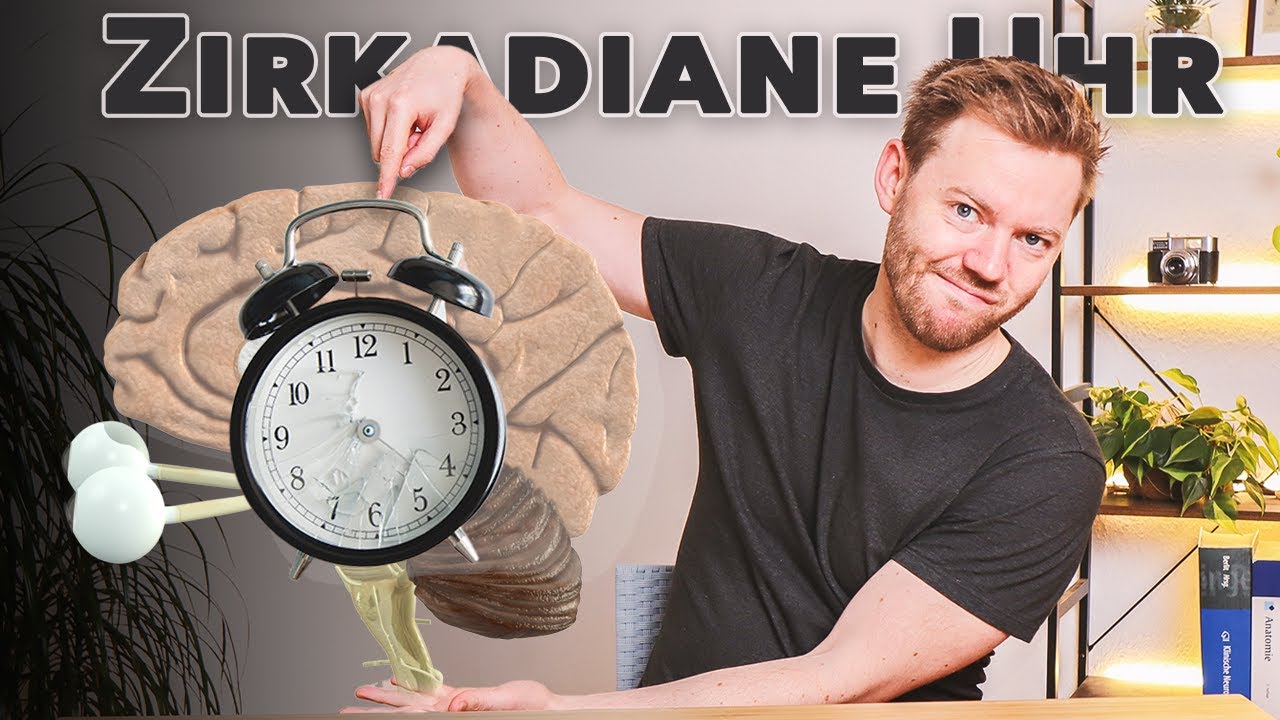
Added:The biological basis of the circadian rhythm: How the suprachiasmatic nucleus (SCN) regulates the body's internal 24-hour master clock.
The homeostasis of sleep pressure: Understanding how adenosine accumulation during waking hours drives the physiological need for sleep.
The endocrine regulation of sleep and wakefulness: The opposing roles of cortisol (promoting alertness) and melatonin (signaling darkness/sleep).
Thermoregulation and sleep architecture: How core body temperature fluctuations influence sleep onset and deep sleep cycles.
Methodology of N-of-1 self-experimentation: How to design, track, and control variables in personal health and biohacking trials.
Advanced sleep architecture: Understanding the cognitive and physiological functions of specific sleep stages (Deep Sleep/NREM vs. REM).
Chronobiology and individual chronotypes: Customizing sleep-wake schedules based on genetic variations in circadian rhythms (e.g., morning larks vs. night owls).
Pharmacological mechanisms of sleep supplements: Exploring the science behind supplements like Magnesium Threonate, Apigenin, and L-Theanine.
568.2K views11.5Klikes13:57Original Release: 2022-11-05
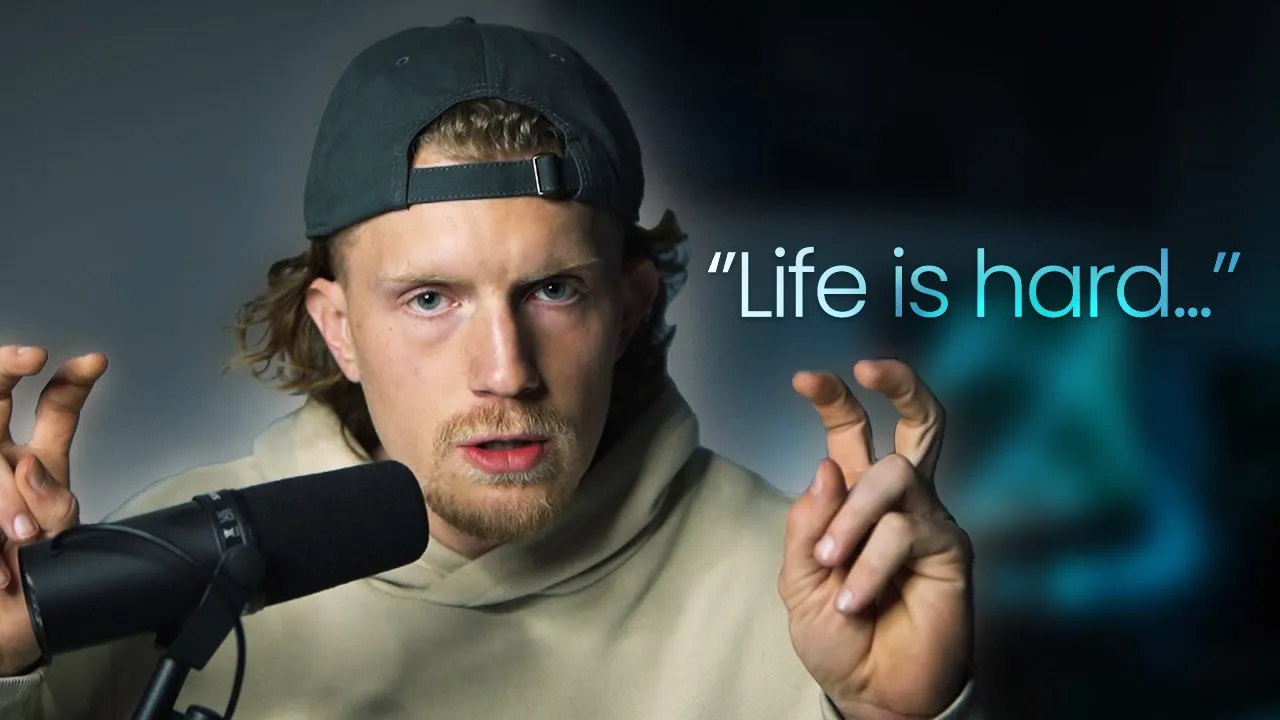
the best stress relief sleep the best immune booster sleep the best nootropic sleep Dr Andrew huberman has been sharing numerous protocols to live your healthiest life this week I'm gonna put his tool kit for sleep to the test I will share my data and personal experience to see if these science-based tools actually work but first who is Andrew huberman I'm Andrew huberman he's the host of The huberman Lab podcast and I'm a professor of neurobiology and Ophthalmology at Stanford school of medicine and he shares endless protocols on science-based tools to live a healthier life now what's the purpose of this seven day sleep challenge well it actually changed my life will I feel better will I feel more focused throughout the day and want to be a better partner what are the rules for this challenge one wake up at the same time every day bedtime not as important two view sunlight within 30 minutes of waking up three no phone or caffeine within 90 minutes of waking wait do I actually have to do that four no caffeine eight to ten hours before bed five Yoga Nidra or nsdr six avoid bright light at night seven limit daytime naps eight view the sunset nine take pills lots of pills supplements supplements and also the list is pretty long so it's a lot of effort and I want to test what I actually consistently do it every single day so I took my glasses off I'm gonna dual benefit this get sun exposure for 40 minutes and then I don't know I might try to do like phone calls or something during this time this is the first night of sleeping like Daddy I'm Dr huberman and I already had to try to do this challenge once but then I caught the illness so we're gonna start all over again he recommends 145 milligrams of magnesium three and eight or 200 milligrams of magnesium by glycinate this is the one I decided to get the thorn one Thorn please sponsor me tastes kind of sweet which is interesting blender and I'm gonna mix that first so we can use this water to drink everything else so he does recommend Thorn or momentous he keeps switching between the two I think depending on whoever pays it more those are the two brands that he recommends he used to recommend this app riveri for sleep hypnosis so if you wake up in the night or you have trouble falling asleep three times per week any time of day 10 to 15 minutes long it helps rewire your nervous system to help fall asleep faster so doing nsdr Yoga Nidra the same thing but recently he started to get featured on Virtual Swan virtual Swan I don't know how to say it it is a very weird looking app I don't know if I like this creepy little dude here but they do have an SDR Now what is nsdr or Yoga Nidra same thing just different names protocol where you lay essentially lie down you close your eyes and you listen to this audio track which tells you to bring attention as different parts of your body and that's pretty much it it's kind of like pseudo sleep is what they're calling it and there's really cool free tracks so I found one where 10 minute non-sleep depressed protocol you can actually get Angie huberman's voice on there so this is kind of cool of another one that I really like that's just Yoga Nidra guided meditation it's 10 minutes long and I download these for offline use and I listen to them whenever I'm tired I'm gonna finish my magnesium right here and then we're gonna go to bed and I think he does this about an hour or more before he falls asleep I'm ready to fall asleep right now to be honest I'm so tired day one whoop 98 Aura 91. another thing human says no caffeine within 90 minutes of waking up so I'm having my 200 milligrams of Celsius right now I'm gonna go work out get my run-in but no caffeine this morning it's about 11 27 so that's good news all right it's 45 minutes until sunset here's Jacob you just took my yoga class and we're back on the pool deck here watching the sunset Dr huberman uh circadian rhythm setting right now so this is absolutely insane so I'm using this app here called High Coffee to track my milligram intake of caffeine and I did have a cold brew and we're just below that sleep line right there so that's good night two of taking Dr huberman pills I've got a hole in casing here now I just carry all the pills in here at this point I've memorized how many pills of each I need to take I probably need Like a Pill Box I think I took everything now these are all the supplements that he recommends taking on his toolkit for Sleep 145 milligrams of magnesium three and eight or 200 milligrams of magnesium by glycinate 50 milligrams of apogenin 100 to 400 milligrams of l-theanine and then three to four nights per week take two grams of glycine and 100 milligrams of Gaba it states to take these 30 to 60 minutes before bed the biggest ones that I've noticed is glycine will make me tired before I go to bed magnesium I just get better recovery scores on my trackers and then the rest I don't really notice much of a difference but maybe it's doing something you know the weird part is I don't even know what apogen does and I take it maybe I should do my research more day two 80 and 88 day three of huberman gotta get my morning sunlight these are transition glasses so I can't wear them I need to get non-transition prescription glasses this is Shady so I don't know how valuable this is he says you need to be directly in the Sun but I'm gonna try to run right by the water here and hopefully we can get some sunlight here to New York there's buildings I don't know what else to do now why the sunset what I've read and don't count me on it I'm a YouTuber not an actual scientist but it's the shift in the light in the sky going from the bright white to the redshift and it tells your brain hey it's time to go to bed and watching the sunset is a great way to trigger your circadian rhythm to be like hey we need to start producing melatonin so we can prepare to go to bed and that's kind of why he says to watch the sunset it's the shift of Lights from one color to another and because our eyes are technically part of our brain that just kind of popped out it's the only direct access way to get information from the outside world into our brain I don't know what I'm saying don't trust me it is sunset time my timer just went off I'm here with tages and we are watching this hey I'm trying to Vlog and a coin that Dr huberman were supposed to wash the sunsets instead of circadian rhythm I'm gonna take my glasses off so I can really get my red light into my retinas whatever that means and hopefully this is going to help me sleep at better tonight oh no it doesn't make you fall asleep that fast I probably know this Dr huberman guy is like legit that's a great question I'm not a doctor and that's why we're trying this out to see for ourselves let's pop pills animals pill popping animals cheers day 366 and 67 there was a little social conflict that kind of lowered my scores I went to dinner with friends okay huberman day four it is like mid-afternoon a little bit of a crash I don't know if it's too much coffee but I've waited 90 minutes and we're just filming all day I'm here with Colt we're gonna go do some stuff no caffeine no phone 90 minutes after waking the biggest argument that I've read about it was that no phone like your brain is processing everything from the night before REM which is typically on the second half night of your sleep is where most of your brain is processing things and as soon as you wake up it's still kind of figuring out and processing everything so if you take and open your phone and start to scroll through Instagram or something it's going to kind of short-circuit that processing of information so thus he says not to use your phone to maximize your sleep in the morning and the no caffeine within 90 minutes is something I've been testing more of I do sometimes get that afternoon crash and I've been experimenting I've noticed that when I don't drink caffeine within 90 minutes I don't get that afternoon crash as much so I've been trying to tell myself in my head hey if you drink caffeine now you're gonna crash later and me having that negative visualization has kind of trained myself not to drink caffeine so before of human sleep putting in a heaping scoop of magnesium today because I am sore and hopefully this will help maximize blood flow now let's turn into a pill popping animal swallowing complete day four 55 on the whoop 65 on the aura maybe if I sort out the pills beforehand it would be a little bit easier limit daytime naps he says try to avoid any daytime naps over 90 minutes during the day so I don't take any naps but if you do just minimize those and no caffeine eight to ten hours before bed I cut off at 2 p.m and it's been a strict rule that I've had and 95 of the time I follow this rule I have noticed that when I drink caffeine after that time my heart rate is a little bit elevated on all of my sleep trackers so that's kind of a reminder to kind of tone down my caffeine usage and I do sleep but sometimes my sleep isn't just this good see you tomorrow day five 92 on whoop 71 on Aura today six of huberman challenge take off glasses view sunlight buildings are blocking it again but hopefully as I walk around the city I'll get some stunning Solutions if you didn't know on this channel now I have a new goal of trying to run a sub five minute mile so I'm getting my sun exposure on my way to this metabolic Health test so if you want to see that video make sure to turn on your post notifications it's midday this is the day six of human challenge I'm here with Zach we just shot some videos and I feel good I feel energized I feel pumped yeah I feel really good let's see how the evening goes avoid bright lights I know a lot of people say blue light blockers no blue light at night huberman night six but I think the common thing that's happening now is no Bright Lights it doesn't matter what color it is so what I've been trying to do is turn on the lights at night yeah I do turn it red because the red is just more dim and it looks cooler and it's kind of like a red light district these are all the pills I have to take swallowed but just minimizing a bright lead exposure at night I've been putting night lights all over the house the our motion sensor base and smart lights that automatically dim in the evening so it just makes the process easier where I don't have to worry about having bright lights and it's kind of like hands-off approach it just automatically happens day six 50 on whoop 73 on Aura I worked out a ton this day morning sunlight and run let's go all right huberman day seven this is the final day uh waking up you got to go outside get your son so that's what we're doing sun's not extremely bright so that just means I gotta spend more time outside my sleep scores have been pretty subpar and that's because of Lifestyle factors not because of huberman I would say the biggest thing I learned was that lifestyle and behavior factors matter much more than taking a whole bunch of supplements they're not going to kind of fix the solution around your sleep secondly having a consistent sleep schedule is a lot harder than it sounds there's so many different things that happen in life that you just want to like change your sleep schedule here and there third being a normal human involves socializing and having friends and I think that's very healthy and important but that can have a negative impact on your sleep especially if you're staying out later you're going to dinner you're eating later or even if you're having one to two alcoholic drinks before bed we are watching the sunset look at this absolutely gorgeous sunset here and yeah I don't really know if this watch in the sunset thing makes me feel sleep makes me fall asleep faster but it does make me feel better because it's just absolutely gorgeous on these views I'll tell you that much I don't know which views we're talking about now one thing I do love about huberman is he has a four-step process for life-changing results and he says do these in order because they're of hierarchy and importance one is behavior so lifestyle behaviors what you do during the day two is nutrition what are you eating are you eating Whole Foods or processed McDonald's three is supplements taking any extra supplements if you're unable to get that from your diet and then lastly prescription medication so if you do need prescription that's kind of your last resort make sure you get your behaviors nutrition supplements then prescription medication be honest with you I'm kind of exhausted of taking all these supplements like it's a lot of effort it's a lot of process and I'm lazy so we tried the experiment I don't know if the supplements do match there's a lot of other lifestyle factors that have impacted my life in a way where they ruin my sleep more so the supplements aren't going to fix lifestyle factors but they can help optimize my life if I had a more consistent routine with my sleep which I don't so I need to focus on that first I'm just gonna max out the huberman dosage today because it's his last day fails and day seven eighty four percent of whoops 69 on Aura overall the aura said that I was trending with a 70 85 sleep score so nothing extraordinarily amazing and the first day that I stopped doing the huberman protocol 92 on whoop 73 on Aura so can we conclude much from this I don't know which one I trust at this point now I found the easiest device out of all these to track the impact of this experiment was my whoop strap and they don't let you do custom things so I used caregiving as my experiment and over here it shows I did it for seven days 11 days I didn't and it had a positive impact how much you may ask it had a 1 wonderful five percent improvements doing the huberman Sleep protocol now is that a lot or a little so if we go down here uh my eight sleep which is CPAP machine gives me a three percent Improvement in my sleep so it's better to do the huberman Sleep protocols than it is to buy an eight sleep in this sense but if you look at alcohol I get a minus 17 so if you do the humor and sleep protocols and you drink alcohol the benefits are going to get wiped Away by alcohol now do I feel different my biggest thing is that it takes a lot of effort to get all these check boxes done throughout the day and I was like this feels like a full-time job you got to do this and that and this and that and then drink all this water and pills supplements not actually realistic to follow this protocol every single day there are a few that I really love and I'm going to continue after this experiment one magnesium I'm going to keep taking magnesium I've noticed my whoop scores are naturally higher when I do take magnesium so I'm going to keep that routine two nsdr I was never really interested in nsdr but once I started doing it I noticed how good I feel afterwards just like 10 minutes I find a little one on YouTube it's free I just press play and if I'm sleep deprived like it just helps like a little bit and that feeling of just feeling rested a little bit better I like it I do like it and I'll keep doing it no caffeine or phone within 90 minutes that one is extremely hard I'm trying to do less and less of that uh the no caffeine one is a little bit easier but I'm allowing myself to break the rule but I'm trying to be mindful I want 70 of my week to be no no caffeine within 90 minutes of waking up and the two that have been really instrumental is no bright lights at night so I'm using the Philips Hue to turn my bedroom really dark and red and then second is no caffeine eight to ten hours before bed so I try to cut my caffeine off around 2PM typically every single day sometimes I break the rules but that's like once in a blue moon but overall I have a very strict 2 pm cut off I know if you remember has mentioned that he avoids missing his routine two days in a row so just trying to get sunlight in the morning every single day and then if I miss a day that's okay just don't miss two days in a row I think doing this experiment was very interesting and kind of seeing the data on my trackers you know they're not perfectly accurate so I have to take all this information with a grain of salt and subjectively I did feel better there are things that I really did enjoy and maybe they didn't impact my life that much much like viewing the sun late in the morning viewing the sunset like those things I appreciate and I want to do more of but did it really have a big impact in my sleep I didn't notice a huge difference I'm gonna try to do it as often as I can but it's not going to be a critical part of my day now huberman has a whole bunch of other protocols around Focus productivity diet working out do you want to see me test those let me know in the comments below turn on your notifications so that way my parents can finally be proud of me we'll see you in the next one put a ring on it they said I put three
Up Next
10:57
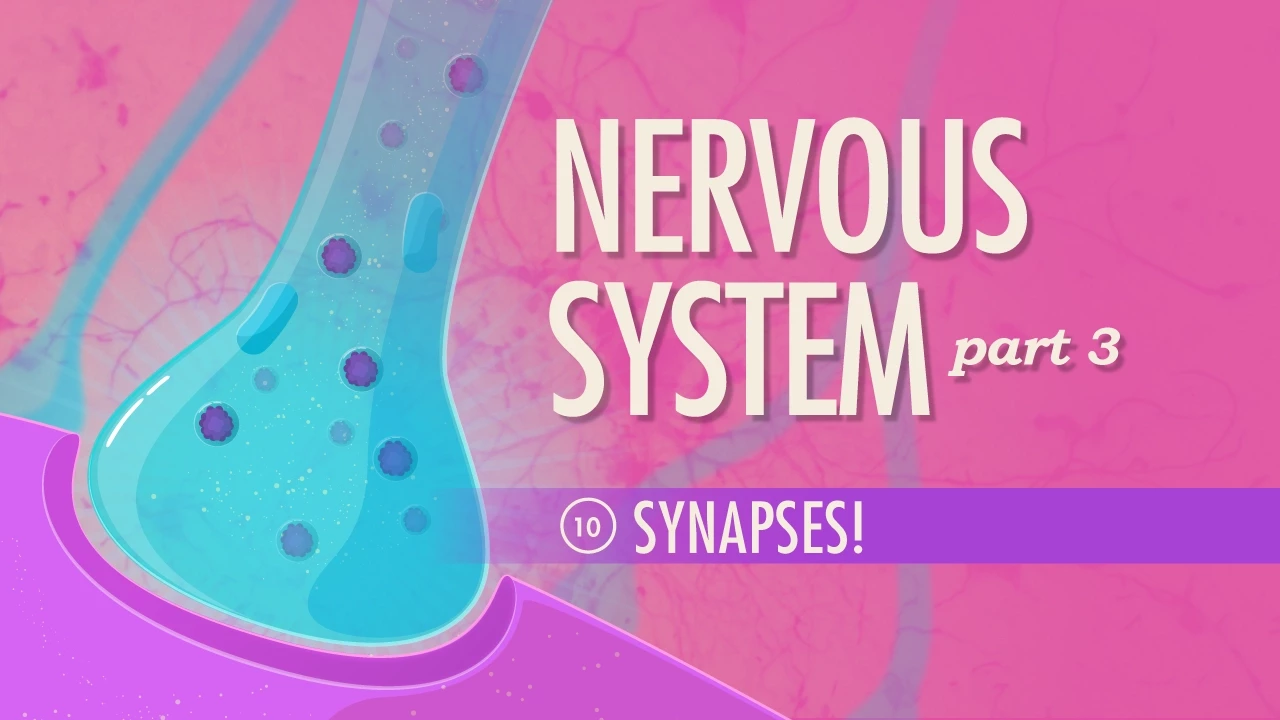
Synapses Explained: Electrical vs Chemical Neurotransmission | Anatomy & Physiology
@crashcourse
5.2M views•2015-03-10

37:45
Rapid Quantitative Immunostaining of Intact Biological Systems
@simonscenterforthesocialbr1919
247 views•2015-12-02

10:28
Neuroanatomy: Central and Peripheral Nervous System Divisions Explained
@AKLECTURES
136.2K views•2014-09-20
3:05
Stages of Labor and Vaginal Birth | Childbirth Animation
@nucleusmedicalmedia
52.1M views•2017-08-18
Related Study Plans & Knowledge Roadmaps
Structured learning paths in Medicine
medicine
Interpreting PFTs: Spirometry & DLCO
01Respiratory Anatomy and Physiology Foundations
02Spirometry: FVC, FEV1, and Flow-Volume Loops
03Lung Volumes and Plethysmography
+ 2 more learning modules
12h5 modules
Explore Roadmap
medicine
Abnormal LFTs: Diagnostic Workup & Pathology
01Liver Anatomy and Basic Physiology
02Introduction to Liver Function Tests (LFTs)
03Hepatocellular vs. Cholestatic Patterns
+ 3 more learning modules
12h6 modules
Explore Roadmap
medicine
Analyzing Blood Smears: RBC, WBC & Platelets
01Introduction to Blood Components & Smear Preparation
02Normal Morphology of Blood Cells
03Erythrocyte Pathologies & Morphological Variants
+ 2 more learning modules
12h5 modules
Explore Roadmap
medicine
Mechanical Ventilation: Waveforms & Alarms
01Anatomy and Physiology of Breathing
02Introduction to Mechanical Ventilation & Core Modes
03Ventilator Settings and Waveform Interpretation
+ 2 more learning modules
12h5 modules
Explore Roadmap