























Platform capitalism, characterized by digital companies like Uber and Deliveroo that extract data from workers to control their conduct through algorithms, requires a reimagined concept of autonomy based on conviviality rather than traditional workerist approaches; while post-workerist theories from 1960s factory struggles offer valuable insights, they prove insufficient for today's digital labor context where workers face mental exhaustion and opaque algorithmic control, necessitating cooperative digital platforms that prioritize human flourishing over data extraction.
Autonomy and Platform Capitalism: A Critical Analysis
Added:Fundamental concepts of 'platform capitalism' and the gig economy, including algorithmic management and data extraction business models.
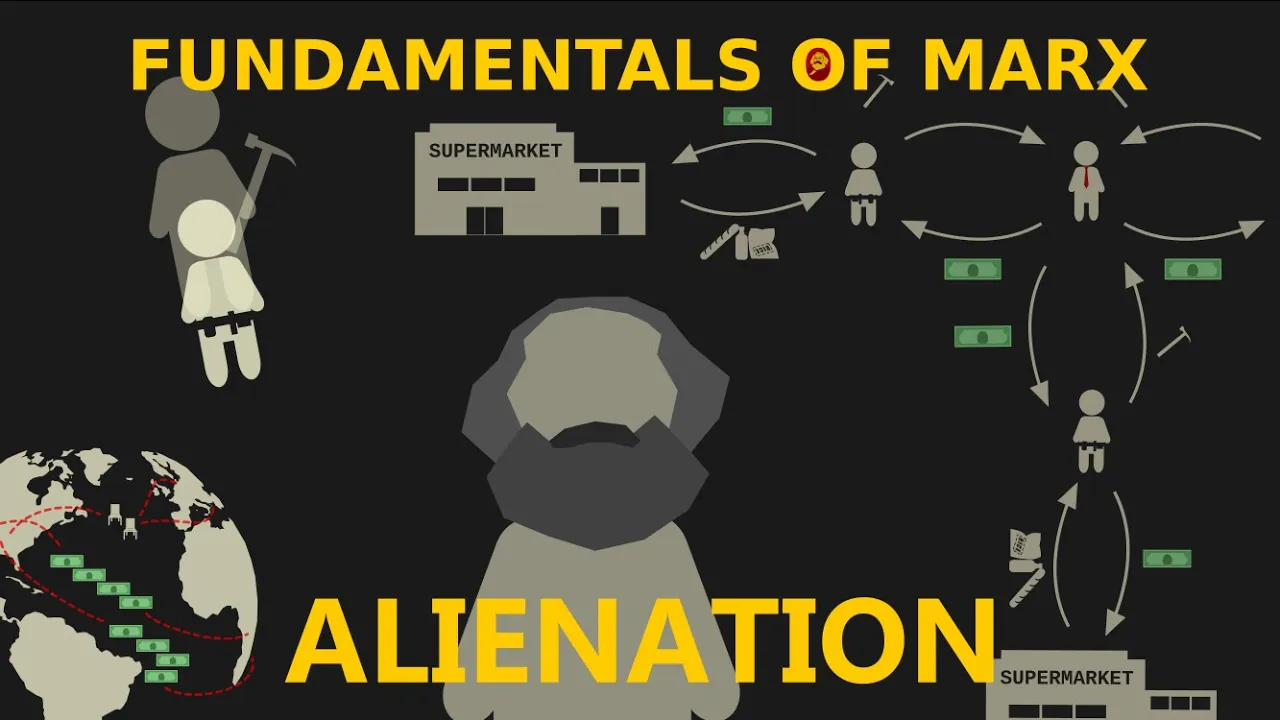
Basic principles of Marxist labor theory, specifically regarding worker alienation, exploitation, and historical methods of workplace surveillance.
An introductory understanding of degrowth economics, particularly its critique of GDP-centric development and ecological limits to growth.
The historical context of Autonomist Marxism (workerism/operaismo), focusing on how labor struggles shift from traditional factories to the broader digital and social landscape.
The theory and practice of 'platform cooperativism' as an alternative, worker-owned model for digital enterprises.
An advanced study of Ivan Illich's framework of 'convivial tools' and how it can be applied to design non-exploitative technologies.
Methods of digital labor activism and algorithmic resistance, including data strikes, app-based unionizing, and obfuscation tactics.
Analysis of emerging policy frameworks and regulatory efforts (such as data sovereignty laws and platform worker rights) aimed at curbing surveillance capitalism.
360 views14likes22:15Original Release: 2020-12-18
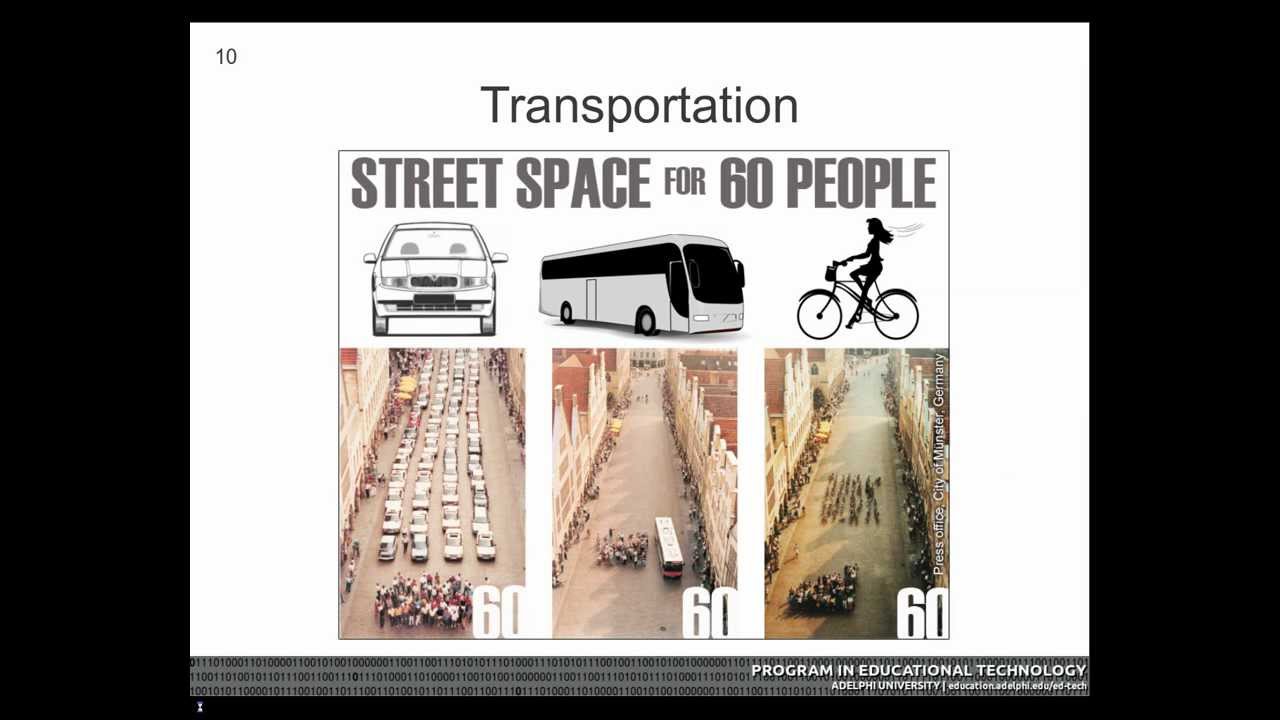
thank you first of all for organizing this it's nice to be able to talk with like-minded people here in belgium we've been in something sorts of lockdown for two months so it's nice to actually be able to talk about research if even if it's just online um so now autonomy in the age of platform capitalism my talk is structured uh in four steps first but this will be very quick i will explain a bit what i mean by platform capitalism then i will move to what we call the post-workers concept of autonomy and so this is basically the concept of autonomy that is mostly used in critiques of platform capitalism today and then i will move to an alternative autonomy as configurability and i will say elaborate a bit more on what i mean by that by talking about convivial platforms but first let's say some form of recap and we see that as a kind of lesson from pandemic economics that after almost one year of covet 19 we see an enormous impact in the tech sector and first of all we see that profits or revenues for the big tech companies are rising but we also see a very divergent dualization of the labor markets where we see that on the one hand you have people basically people like us working from home and profiting from all these digital platforms that are available today but on the other hand there is as it were an under layer of the labor market where these same platforms have far more sinister effects i'm thinking here for instance of the delivery couriers who have to face all kinds of risks of infection um in order to get us our food or i'm thinking for example of amazon fulfillment centers that uh ordered their workers to stay at work even when it was proven to not be uh safe and so we see that in those cases digital platforms are quickly becoming the centerpiece of the global economy and are making very significant changes in that economy but first of all are these digital platforms that i'm talking about well we see that and this is for most people some form of repetition and well arts presentation also mentioned this quite extensively already namely that there was this new business model based on digital extractivism so basically companies like google facebook amazon apple how do they make money well they connect users on some form of online platform and they extract data from their interactions and then they use that data as a commodity and so for instance in the case of facebook they can use that data to sell personalized advertisement spaces um to these specific users now in my talk i want to focus on one specific sector of this form of digital extractivism or platform uh capitalism mainly what uh nick cerniche calls lean platforms these are companies like uber airbnb delivery amazon mechanical turk etc what do they do well they use digital platforms to provide cheap labor to consumers and so in the case of food delivery that would be delivery in the case of rental space airbnb in the case of driving uber etc and basically their kind of business strategy is that they do cost saving through the digital coordination of the labor process and so they extract data from the labor process itself and then they use that data as knowledge through which they can reorganize and coordinate the labor process in a more efficient way and so i'm going to take one example here the example of uber and what they do is they have this very customer friendly interface to book rides basically and then uber collects all these data about the demand for uber drivers and about well the specific um let's say supply of uber drivers at different times of the day at different days of the week etc etc and they use all of that data to predict future i say um mismatches between um what's on offer and what's the supply of drivers and what's the demand for drivers and then they try to coordinate the two so one thing and one that we can see in the picture here is what's called a push notification that notifies the driver of a price search so that in certain let's say key moments of the day a driver can earn more money from doing the same work basically so that provides an incentive for these drivers to start working at exactly those days and exactly those times that uber needs them the most what we see then happening is what the italian of philosopher franco berardi calls a move from real to mental subsumption of labor under capital so he takes this concept from karl marx mostly from from capital volume one where mark says well real subsumption of labor under capital is the moment when capital starts rearranging the labor process to fit its own needs and so capital does more than simply collect a bunch of workers and let them work and then privatize the profits no it organizes and coordinates this labor process now brady goes further and says well this coordinating effort of capital is now moving inside our own minds so it's not just a labor process in general as a kind of social relation that's um as it were coordinated but workers own minds as for instance these push notifications what's interesting about them is that they function basically as a kind of drug in that once you we all notice once you hear on your smartphone yet you get some kind of message it's almost impossible not to look at it right so there is this kind of this basically kind of instinctive mode in which we are connected to our phones which ensures that as it were we are as in some kind of direct connection with the technology of well in this case uber and so the whole distinction here between human beings and who are in control of their own actions and on the other hand and these algorithms that try to steer us these this distinction doesn't or that distinction falls flat according to now we are left with these human machine assemblages where as it were these push notifications directly trigger brain responses that then directly trigger as it were muscle responses that move us towards our phone and we see that these kinds of metrics and these kinds of uh surveillance techniques um have a say a very tiring or a very um exhausting effect on working subjects so to take another example is what we call the the example smiling for stars and we all know this from airbnb or uber that a client after they've had the particular service they can rate that service with a number of stars and usually add that you want to or at least the worker wants to get five stars and if they don't get five stars they're in big trouble because it means that their their rating will degrade and they will receive less work from uber's or airbnb's algorithm and so workers anticipate that they will be evaluated by their clients and so um they will be extra friendly and they will accommodate for even the most ridic ludicrous demands and so if you look at sociological or interviews you see examples of uber drivers buying suites to bribe clients for better ratings or there are lots of reports of forced smiles and even again in the case of uber people or drivers putting up with uh clients vomiting in their car simply to get a good rating and because even a 0.1 decline in their rating could make a major difference in their income for the next months and so they need to be as it were on top of it for every single drive so here you can see that these digital tools are used to impose on every worker a kind of personalized panopticon and so this digital surveillance as well enters our own minds and hence this leads to feelings of frustration alienation fatigue despondency now one way of reacting to this or at least the most popular way to think about autonomy in this context of digital surveillance is to follow the road of post-workerism so i've mentioned here a few examples of books that uh take this route so disturber schultz um there's callum count on writing for deliveroo there's an italian rebecca chicarelli uh on uh i'll translate it quickly and so that's labor uh force uh the obscure dimension of the digital revolution and there's of course nick cerniczek and alex williams whom i've already mentioned now this turn to post-workers and makes a lot of sense in a sense a nice way to encapsulate the post-workers philosophy of technology is through this quote from capital volume 1.
so marx says there at a certain moment it would be possible to write quite a history of the technological inventions made since 1830 for the sole purpose of supplying capital with weapons against the revolts of the working class and so the idea is that technology in the workplace is inherently political technology mostly figures as a weapon a working-class organization and so the idea is that capital has to first kind of dismantle the working class as a political subject and then rearrange it to fit the needs of capital itself and so this whole movement of or this entire idea of perseverance of course develops from labor struggles in the 1960s in italy where the same thinkers pleaded for the sabotage of industrial technology not in the sense that they thought that the technology themselves was in any way bad or um morally reprehensible but they said well no these but these technologies figure in certain oppressive social relations and to upset these social relations you have to upset as were the instruments that keep it in place that's that was the kind of arguments that these people were making and so in their view workers were perfectly capable of spontaneously and autonomously organizing the labor process and these technologies developed by capital could even be as it were repurposed as a weapon for the working class itself and so they claimed that once you reach a critical threshold of technological development the labor process can to a large extent run as it were automatically without workers actually having to intervene very often so you actually create new spaces for free time for leisure and so and in fact the capitalists in that automatic production process becomes redundant so hence why then we move to today now people like antonio negri claim that digital networks function as well media for what he calls the multitude so the multitude is basically negari's contemporary variant of the working class and we can discuss the differences a bit but they're not too important for my argument here the basic idea is that all these digital technologies or all the digital platforms like facebook and uber and whatever could in fact function as non-capitalist technologies we could as it were remove the capitalists out of the equation remove the privatization or commodification of data out of the equation and these platforms would still be able to operate so in a certain sense a capital has become our capitalist at least has become redundant to the process now one problem is of course is that these post workers theories come from 1960s factory struggles in italy and so these forms of strategies cannot easily be replicated on digital platforms today and workers or these delivery riders or these um uber drivers they are not fighting actual physical bosses anymore and they are battling opaque algorithms and basically their own minds and a problem added on to that according to uh perhaps again is that we have this problem of fatigue in the sense that workers are so as it were enmeshed in this digital network that they are simply too tired to resist so on the level of effects workers are simply as it were completely out of energy and they have to learn to resist not only as it were an actual boss but even the temptation to look at their own smartphones whenever they get a push notification because mental subsumption mobilizes every single bit of human attention until our mental energy is completely depleted and so after a few months you can actually also observe that lots of these workers uh in lean platforms actually stop uh because they are exhausted they suffer from burnout or some form of mental depression and so brd kind of encapsulates that feeling with a quote from a book from 2012 called the uprising where it says the coming european insurrection will not be an insurrection of energy but an insurrection of slowness withdrawal and exhaustion so on that note if that's as it were the problem might there then not be another way of approaching this problem of autonomy in platform capitalism that might be more fruitful well i say that there is um we can approach autonomy as a conviviality so this term confidentiality comes from degrowth philosophy these are people like ivan ilich um sergi la tusch andre gertz and so these d growthers they focus mostly on the limits to economic growth and the idea that uh capitalism has worked colonized our political imagination and so we have to decolonize that imagination that's kind of the the two basic i say premises of degree of philosophy and so you can as it will repurpose that for this argument about platform capitalism by saying that well there are also not just limits to economic growth in general but there are also as it were psychological limits to the entanglement of humans and machines within platform capitalism and to quote again the limits to growth are inscribed in the effective body of cognitive work limits of attention of psychic energy of sensibility so to put it in the same more colloquial terms we as finite human beings simply have a limited attention span and so we cannot keep up with all these different as it were um platforms on our smartphones or on our computers and whatnot and so they're as it were there needs also to be time for as it were physical and cycle reproduction and that time right now is as we're slipping away from us so what we need is platforms that have limits to the behavioral modification written into their design so digital extractivism works because it is able to modify our behavior and commodify the results of that action so what we need is platforms that don't do that and so basically what that means is that we need to move away from the business model of digital extractivism now to move a bit along with this notion of conditionality it comes more specifically from um the philosopher ivan ilich mo from his book called tools for conviviality and there he makes a very similar critique of technology than the ones that we find in post-workers mainly he says also critique or basically technology functions as a means of domination and we have to as well liberate ourselves from that form of domination he phrases it in terms of monopolies and he says well modern western society tends to foster radical monopolies so a say normal or usual monopoly is um a situation where one okay and one minute left okay so i'll move quickly now so a situation where a single sector as it worked starts to dominate at the entire uh society so illeg main example is the car so a situation in which the car has become so important that we need it as a technology are we dependent on that technology to structure our lives or to have some form of a good life and we can see with digital platforms that it does basically the same thing and so they called their network effects where they say well a digital platform like uber or google or whatever becomes more potent becomes more efficient the more people rely on it and the more dependent people are on it so this is a radical monopoly and the alternative that ilitch phrases is these convivial tools that break down these radical monopolies break down this dependency effect and instead only enable um its users and i'm going to move a little bit quicker and what does that mean then for digital uh platforms well it means that we need as a series of interventions or actions that on the one hand foster a form of mental independence and this could take the form of for instance a right to disconnect or an interface and evaluation metrics that are more transparent so that workers exactly know what they are supposed to do according to the algorithm and what not but it also means fostering forms of autonomous self-expression for workers so workers should have the capacity themselves to set the price of their services to set the terms and conditions of their services etc and one way of doing that is with cooperative platforms so that's an idea from trevor schultz where he says well what we need is uh platforms that where the basic protocols are as it were already made and then it's workers themselves who can develop how the platform how its algorithms are actually structured instead of a privately owned company so okay with that i thank you for your attention i will end and so i will um maybe put this up later um so this is kind of four theses two as it was summarized what i've been saying but uh i see the amount of time so uh i'll i thank you for your attention
Up Next

35:34
American Psycho: Philosophy of Materialism and Nihilism
@unsolicitedadvice9198
190K views•2025-02-06

164:01
John of Damascus on Holy Images: A Theological Defense
@BannedBooks
139 views•2026-04-25

68:32
Should We Destroy the Machines? Big Tech Surveillance Critique
@TheStoriesWeTell303
167.9K views•2025-11-30

4:57
The Myth of Sisyphus: A Greek Legend of Eternal Punishment
@TEDEd
8.6M views•2018-11-13
Related Study Plans & Knowledge Roadmaps
Structured learning paths in Philosophy
philosophy
Frankfurt School: Critical Theory & Culture
01Foundations of the Frankfurt School and Critical Theory
02Horkheimer & Adorno: The Critique of Instrumental Reason
03The Culture Industry and Mass Deception
+ 2 more learning modules
12h5 modules
Explore Roadmap
philosophy
Philosophy of Language: From Frege to Austin
01The Linguistic Turn: An Introduction to Language in Philosophy
02Gottlob Frege: Sense and Reference
03Early Wittgenstein: The Picture Theory of Meaning
+ 3 more learning modules
15h6 modules
Explore Roadmap
philosophy
Feminist Epistemology: Standpoint & Injustice
01Introduction to Epistemology and Feminist Critiques
02Sandra Harding and Standpoint Theory
03Donna Haraway and Situated Knowledges
+ 2 more learning modules
12h5 modules
Explore Roadmap
philosophy
Environmental Philosophy: Ethics & Deep Ecology
01Foundations of Environmental Ethics & Anthropocentrism
02Biocentric Individualism and Animal Liberation
03Ecocentric Holism and Deep Ecology
+ 1 more learning modules
10h4 modules
Explore Roadmap